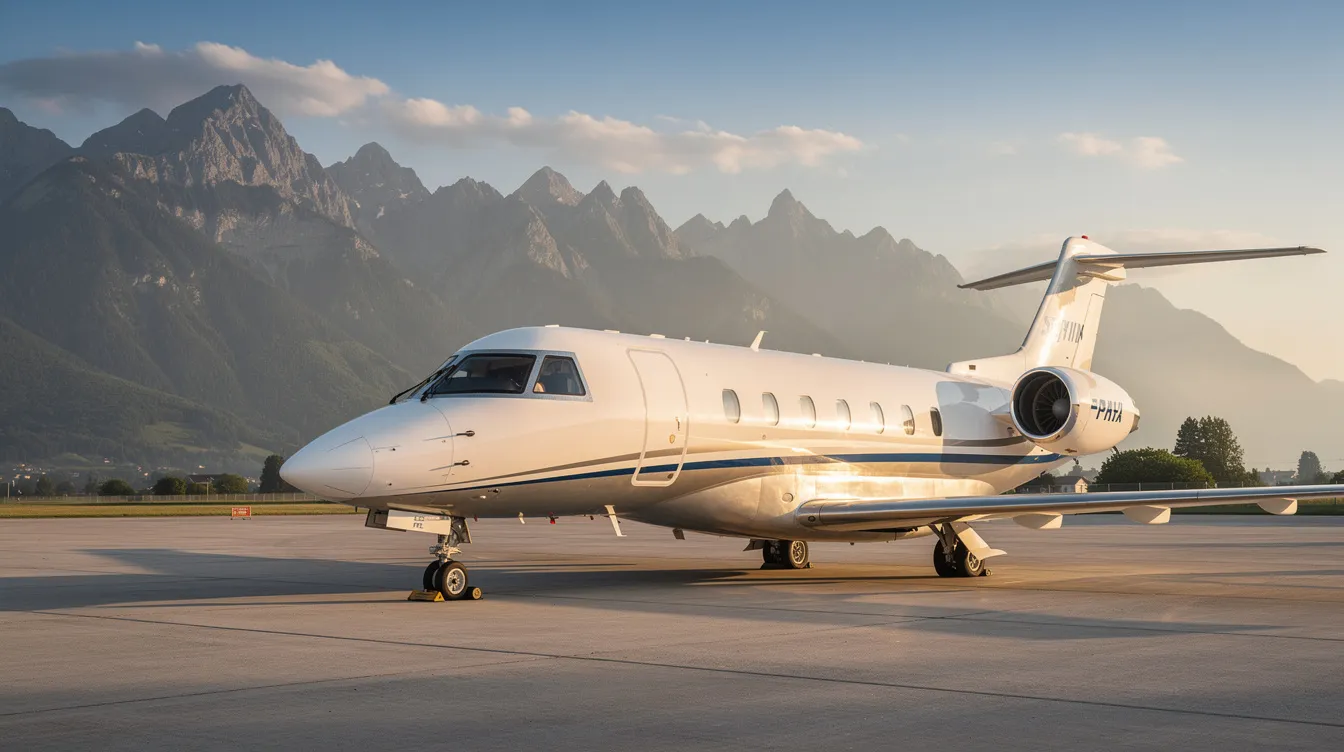
A private jet under 1 million is possible on the pre-owned market, with older aircraft often listed from roughly $400,000 to $900,000, but that price rarely reflects the full cost, maintenance burden, and risk of ownership. The idea of owning a private jet for under a million dollars sounds like a contradiction. It isn't - but the reality is more nuanced than any listing will tell you.
For frequent business travelers and high-net-worth leisure flyers who want private aviation that is flexible, safe, and cost-effective, the smarter question is rarely just what you can buy - it is what you can operate reliably. This guide breaks down the real sub-$1M options, compares ownership with access models like jet cards, charter, and fractional ownership, and explains aircraft categories, operating costs, safety standards, and the due diligence required before you commit. In many cases, that makes access models like jet cards a more reliable fit than owning an aging aircraft for travelers serious about value, safety, and flexibility.
Answer First: Can You Really Get a Private Jet Under $1 Million?
Yes. Pre-owned private jets can be purchased for under $1 million in 2024–2025. But these aircraft are overwhelmingly older airframes - typically 25 to 45 years old - and the purchase price is only the starting line. Annual operating costs, unscheduled maintenance, and depreciation can quickly rival or exceed the acquisition cost within a few years.
The common price range for older light jets is between $400,000 and $800,000. Here are concrete examples found in the private jet market today:
Cessna Citation 500/501 and Citation II: The Cessna Citation II can be found for around $450,000 in fair condition with moderate hours
Beechcraft King Air 100 Turbo: starts around $500,000, with recent averages near $825,000 for well-maintained examples
Learjet 35A / early Learjet 60: occasionally listed between $500,000 and $900,000, depending on engine time and avionics
Beechjet 400A / Hawker 400: 1980s–1990s models in the $600,000–$900,000 range
For many budget-conscious buyers flying under 150 hours per year, ownership of these aging aircraft carries disproportionate risk. Consider a simple comparison: an executive flying from New York to Miami ten times a year (roughly 50 flight hours). Owning a 1979 Citation II purchased for $600,000 could generate $500,000+ in fixed and variable costs over just two to three years. A BlackJet Jet Card covering those same hours at predictable hourly rates - with crew, maintenance, and safety included - often costs less with far lower risk.
Why Access Matters More Than Ownership
Private aviation delivers a strategic advantage that goes beyond luxury. For business travelers, it means reclaiming hours lost to security lines, layovers, and limited commercial schedules. Private jets can access ten times more airports than commercial airlines, opening routes to smaller airports that shave hours off door-to-door travel.
Take Los Angeles to San Francisco: commercial travel typically runs 3–4 hours door-to-door once you factor in the drive, TSA screening, boarding, and potential delays. A private flight covers that same trip in under 90 minutes. For routes like Chicago to Aspen, the difference becomes even more dramatic - direct access to mountain airports, no weekend bottlenecks, personalized travel on your schedule.
The distinction is clear: ownership ties up capital in a depreciating metal asset with all associated liabilities. Chartering a private jet offers flexibility without ownership costs, and chartering eliminates maintenance obligations associated with ownership entirely. Access models - whether jet cards, on-demand charter, or fractional ownership - deliver guaranteed time and flexibility while the operator handles everything behind the scenes.
Under-$1M jets are almost always 30–50 years old. A business executive using a 25-hour BlackJet Jet Card gets access to modern, well-maintained aircraft with qualified crews. Compare that to tying up $750,000 in a 1979 Citation II that flies only 80 hours per year with unpredictable repair bills and downtime - the access model wins on cost, reliability, and security.
What Is Actually in Budget Under $1 Million?
Nearly all sub-$1M aircraft are pre-owned jets that have already absorbed most of their depreciation. Age, maintenance status, engine hours, and avionics condition determine whether an aircraft listed at $700,000 is a genuine opportunity or a money pit.
Here's what the current asking prices look like across the market:
Aircraft | Typical Asking Price | Notes |
|---|
Cessna Citation 500/501 | $350,000–$600,000 | Oldest Citations: avionics are often outdated |
Cessna Citation II | $450,000–$800,000 | Workhorse; condition varies widely |
Beechjet 400A / Hawker 400 | $600,000–$900,000 | Late '80s–'90s models |
Learjet 35A | $500,000–$900,000 | Fast but thirsty; engine time critical |
Eclipse 500 | Under $1,000,000 | The Eclipse 500 can be purchased for under $1 million |
King Air 90/100 (turboprop) | $500,000–$900,000 | Strong for regional missions |
A standout example in the turboprop space is the King Air 100 series, which averaged close to $825,000 in Q1 2026 sold data. These turboprops often prove an excellent choice for regional trips where runway access and operating economics matter more than cruising speed, especially for travelers comparing the cheapest private aircraft options across jets, turboprops, and single-engine planes.
Pre-owned very light jets (VLJs) are typically available under $1 million, though barely. The Cirrus Vision Jet costs around $2 million used, the Cessna Citation Mustang prices range from $1.5 million to $2.5 million, and very light jets typically start around $2 million. Meanwhile, at the opposite end, light aircraft like the Cessna 150 - with prices ranging from $20,000 to $40,000 - serve a completely different purpose and aren't remotely comparable to a business jet, even though they often appear in guides to the cheapest single-engine plane options for new pilots.
Negotiation levers can swing prices by hundreds of thousands: engines with less time since overhaul command premium pricing, while outdated avionics, missing service bulletins, or cosmetic wear push values down.
Pre-Owned Private Jets: Where Sub-$1M Opportunities Really Are
The appeal of pre-owned is straightforward: lower capital outlay and faster depreciation already absorbed. The risk is equally clear - poorly maintained airframes can become catastrophically expensive.
Typical sub-$1M jets range from the late 1970s to the early 2000s in manufacture. Airframes may carry 25,000 to 40,000 total hours, with engines at 2,000–4,000 hours since major overhaul. "Low time" on a Citation or Learjet means engines well shy of recommended TBO intervals and minimal corrosion; "high time" signals imminent overhauls and unpredictable maintenance events.
Aircraft commonly appearing in the $400K–$900K band include the Cessna Citation 500 series, Citation II, Beechjet 400A, Learjet 35/60, and the Eclipse 500, which can be found for under $1 million. For buyers with more flexibility, 2 million dollar private jet options such as newer VLJs and select turboprops begin to open up. Embraer Phenom 100 pre-owned models cost around $1.6 million to $2.5 million, placing them above this threshold. Older jets can provide excellent performance if well maintained, but cabin refurbishments, new paint, and glass cockpit retrofits - along with upgrades such as an RRCC enhanced APU - can push an aircraft above $1M even when the base airframe is cheaper, which is why many travelers instead explore the cheapest private jet options on the market before committing to major upgrades.
For buyers still pursuing ownership, working with specialist brokers and type-specific maintenance shops is non-negotiable. Hidden structural issues, corrosion at wing roots and belly panels, and incomplete logbooks have turned many apparent bargains into six-figure surprises.
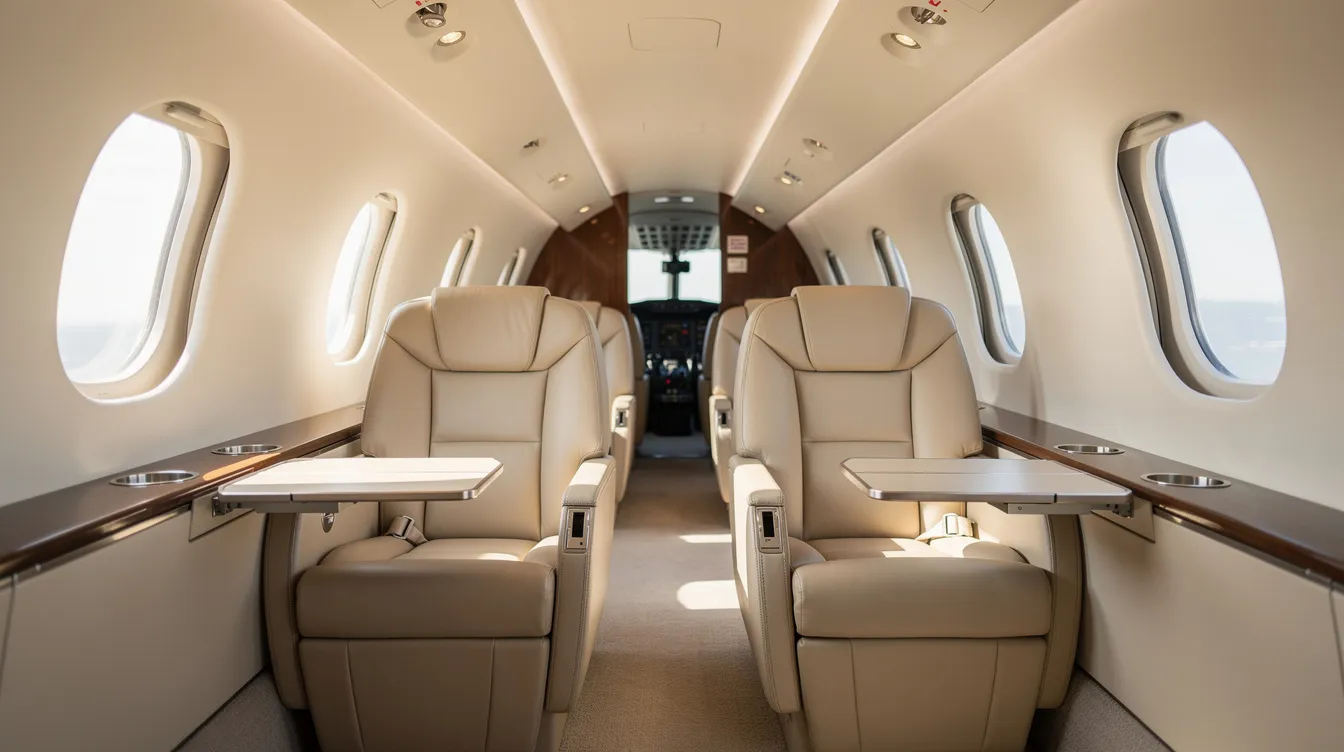
Light Jets and Very Light Jets: How They Fit a Sub-$1M Strategy
Understanding the light jet category and its smaller sibling - the VLJ - helps frame what's realistic under a million dollars.
Very light jets seat 2–5 passengers, are designed for single-pilot operation, and have a maximum takeoff weight typically of 10,000 lbs or less. They serve regional business travel with a maximum range of roughly 800–1,200 nautical miles.
Light jets typically seat 4–8 passengers, offer greater range, and require a co-pilot for most commercial operations. Light jets cost between $2 million and $10 million new, while VLJs start around $2 million in purchase price.
This means the Cirrus Vision Jet (around $2M used), the Cessna Citation Mustang ($1.5M–$2.5M), the Embraer Phenom 100 ($1.6M–$2.5M), and the HondaJet ($3.5M+) all sit well above a million dollars. A single-engine private jet like the Cirrus Vision Jet has lower fuel burn but a different performance envelope than twin-engine light jets - particularly in icing conditions or mountainous terrain where redundancy matters.
The practical takeaway: these newer aircraft are accessible not through ownership but through light jet charter or jet cards. BlackJet Jet Cards, including the BlackJet 25+ Hour Jet Card, let clients fly regularly in modern VLJs and light jets without a $2M+ capital commitment. Real-world operating costs of a Vision Jet run roughly $1,500–$1,700 per hour in direct costs; fixed jet card rates that include crew, maintenance, and insurance often prove more economical when you factor in total annual spend.
The True Cost of "Cheap" Jets: Operating Costs and Risk
Acquisition price is just the entry ticket. Operating costs matter far more over a 5–10-year horizon, and for sub-$1M jets, those costs can be staggering.
Annual operating expenses can be 20–30% of the aircraft's value per year. Typical annual expenses can include fuel, maintenance, crew, and insurance - all of which compound on older platforms where parts are scarce, and systems are aging. A broader private jet price list overview makes clear how these operating realities sit alongside acquisition and charter costs across categories.
Cost Category | Typical Annual Range |
|---|
Fuel costs | $300–$700 per flight hour |
Scheduled/unscheduled maintenance | $50,000–$200,000 annually |
Insurance | $15,000–$30,000 annually |
Crew (pilots, training) | $150,000–$300,000 |
Hangar/storage | $50–$500 per month ($600–$6,000/yr) |
Operating costs for light jets range from $1,000 to $1,500 per hour all-in. For smaller jets and turboprops, operating costs can be roughly $600 to $900 per flight hour. Real-world operating costs typically range from $700 to $1,500 per flight hour depending on aircraft type and utilization. Older jets require more frequent and expensive maintenance, and fuel costs for private jets can range from $300 to $700 per hour depending on engines and flight profile.
Example: A $600,000 1981 Citation II flown 150 hours per year. Fixed costs (crew, insurance, hangar, recurrent inspections) run approximately $300,000 annually. Variable costs at $2,500 per hour add $375,000. Total annual cost: roughly $675,000 - more than the purchase price, every single year. Over three years, keeping costs under control becomes nearly impossible, with total spend exceeding $2M before resale risk even enters the equation.
A BlackJet Jet Card covering those same 150 hours at a fixed hourly rate converts all that unpredictable expense into a single, transparent number - no surprise engine bills, no hangar negotiations, no downtime, and clear benchmarks against a detailed100-hourr jet card cost breakdown.
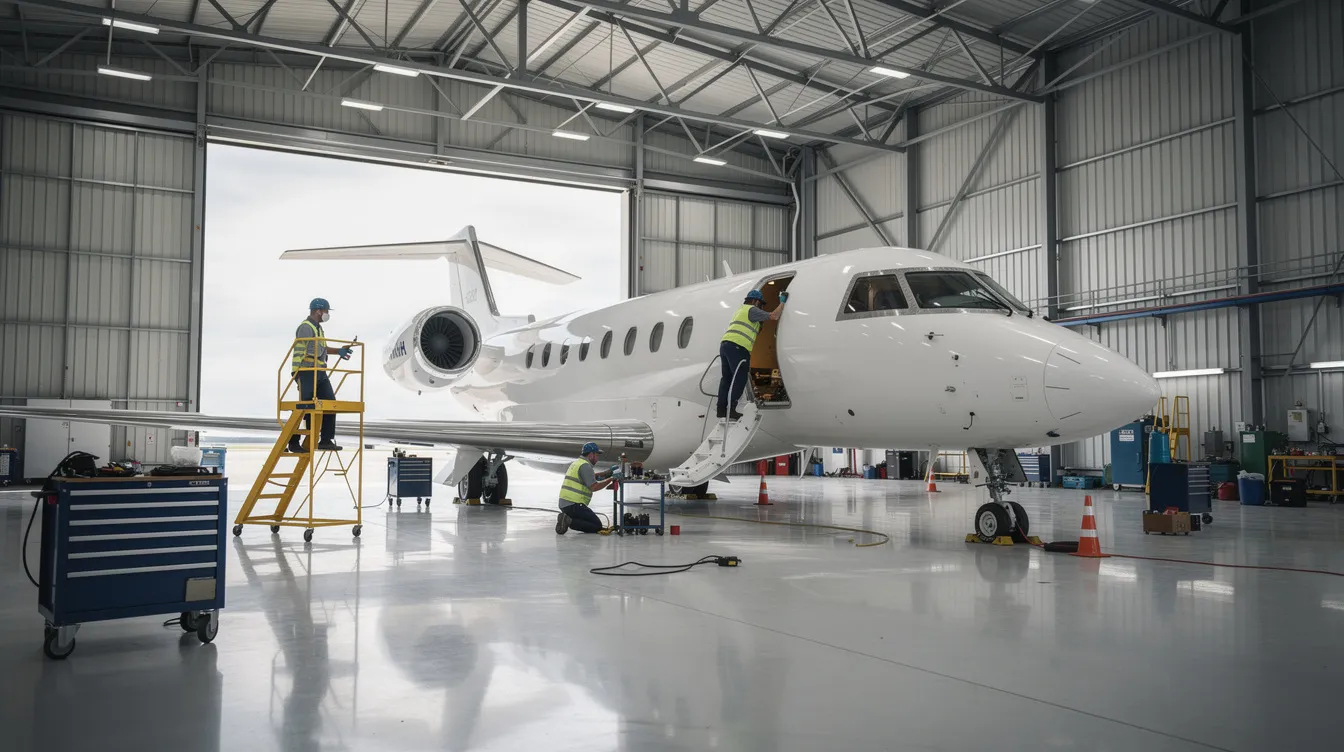
Due Diligence: Pre-Buy Inspections and Safety Standards
A rigorous pre-buy inspection is non-negotiable when pursuing sub-$1M aircraft. These inspections go far beyond routine annuals - they assess what you're truly buying.
Key inspection domains include:
Logbooks and paperwork: completeness, AD/SB compliance, damage history
Airframe and structure: corrosion at spars, wing roots, belly panels, and control surfaces
Engines: borescope of hot sections, oil analysis, hours to TBO
Avionics: ADS-B compliance, GPS modernization, autopilot condition
Detailed specifications review against type certificate data
Independent pre-buy inspections typically cost $20,000–$50,000+ depending on aircraft type and scope. Missed engine overhauls and outdated avionics can turn a $400,000 deal into a $900,000+ project overnight - discoveries during pre-buy regularly kill deals or trigger massive price renegotiations, just as poor planning around fractional jet ownership depreciation can erode expected savings in shared-aircraft models.
Safety extends beyond the purchase itself. FAA Part 135 certification, pilot ATP licenses with hours on type, and third-party audits from organizations like ARGUS and Wyvern establish the floor for acceptable operations. BlackJet requires these standards across its operator network - a level of oversight that most individual owners of aging Part 91 aircraft simply cannot match.
Alternative Paths: Charter, Empty Leg Flights, Jet Cards & Fractional Ownership
Most high-net-worth travelers debating a "private jet under 1 million" purchase are really seeking flexible, premium access - not necessarily a depreciating asset requiring constant attention, just as many aspiring pilots comparing ownership options gravitate toward the cheapest new plane choices rather than overcommitting on day one.
On-demand charter: Charter pricing typically ranges from $2,000 to $10,000 per hour, depending on aircraft category. Private jet charter services offer zero fixed costs but less scheduling predictability than prepaid programs.
Empty leg flights: These repositioning segments can save travelers up to 75% off standard rates - ideal for flexible travelers who can adjust dates or airports. Empty leg flights are a cost-effective way to fly privately when your schedule allows and feature prominently in many guides to the cheapest private jet options for budget-conscious flyers.
Fractional ownership: Buying a share (e.g., 1/16th) of an aircraft like a light jet or midsize jet brings predictable hours but longer commitments, management fees, and residual value risk. Well-structured programs can unlock meaningful tax benefits of fractional jet ownership, but fractional ownership or jet cards can provide cost-effective private jet access, though fractional still carries aircraft-specific exposure.
Jet cards: BlackJet Jet Cards combine the strongest elements - guaranteed availability, transparent hourly rates, no long-term management responsibilities, and access across multiple aircraft classes. For travelers flying 50–150 hours annually, jet cards vs charter or fractional nearly always deliver the right balance of flexibility and predictability, especially when you understand jet card pricing structures and how fees are built into hourly rates.
Choosing the Right Aircraft Class for Your Missions
Mission profile - not sticker price - should drive aircraft selection. The right aircraft for a 300-nautical-mile hop with four passengers differs dramatically from the right aircraft for a 1,200-mile leg with larger groups and heavy baggage, and understanding types of private jets for every traveler helps keep those mission decisions grounded in real performance and cost data.
Consider these contrasts:
Single-engine VLJ (e.g., Cirrus Vision): lower fuel burn, economical for short hops in good weather, limited space and range
Light jet (e.g., Cessna Citation Mustang, Embraer Phenom 100): twin engines, single pilot capable, better in weather, more cabin space and entertainment systems, stronger cruising speed
Turboprop (e.g., King Air 90/100): access to shorter runways, lower operating costs per hour, ideal for legs under 500 nautical miles, and an important size category in any private jet sizes comparison
BlackJet helps members match the aircraft type to each trip - from VLJ for a solo executive on a short route to a larger aircraft for family or team travel - rather than forcing one "compromise" plane to fit every mission, which is the core promise of its premium private jet card programs. The key questions: how many passengers travel with you, what's your average leg length, do your airports include short or mountainous fields, and what cabin amenities match your travel needs?
Safety, Certification, and Sustainability in Affordable Private Aviation
Safety should never be traded for price. This principle applies doubly to older, sub-$1M jets where regulatory gaps and deferred maintenance are common.
Minimum safety standards to demand from any operator or aircraft:
FAA Part 135 certification for commercial operations
Pilots with ATP licenses and meaningful hours on the specific aircraft type
Third-party safety ratings (ARGUS Gold/Platinum, Wyvern Wingman, IS-BAO)
Documented Safety Management System (SMS) and maintenance tracking
BlackJet's partner network is curated specifically for these standards - a sharp contrast to buying a very old jet from a small operator or flying under Part 91 with freelance pilots, where oversight is minimal, and a useful benchmark when comparing NetJets jet card cost and structure or other large-program offerings.
On sustainability: modern light jets and VLJs use more efficient engines and lighter materials, reducing fuel burn significantly versus 1970s-era platforms. BlackJet offers carbon-neutral flights by default, allowing travelers to fly privately while prioritizing environmental responsibility - something individual owners of aging aircraft rarely address.
Real-World Scenarios: When to Own vs When to Use BlackJet
Scenario 1 - Tech Founder, Miami ↔ Atlanta, 60–80 hours/year: Purchasing a 1980s light jet for $600,000 means roughly $420,000 in annual fixed and variable costs. Over three years, total spend exceeds $1.2M before accounting for resale risk. A BlackJet Jet Card plus ad-hoc charter and empty legs runs closer to $250,000–$300,000 annually with zero maintenance headaches. The most affordable aircraft isn't always the one you own.
Scenario 2 - Family of Five, Chicago ↔ Aspen, 4 seasonal trips: A used Citation II faces high fixed costs year-round for seasonal use, plus expensive mountain operations. BlackJet's access to light jets or turboprops for ski seasons and summer trips provides the cabin space for the family without 12 months of hangar fees and insurance for a plane sitting idle.
Scenario 3 - LA-based Consultant, Short-Haul Routes: Flying LA to San Diego and LA to Las Vegas frequently, this traveler combines empty leg flights with a small BlackJet Jet Card block. Tying up capital in an older Learjet 35 for sub-400-mile hops makes no financial sense when access delivers the same result at a fraction of the all-in cost.
In each case, the question isn't whether you can buy a private jet for under a million dollars - it's whether doing so actually serves your mission.
FAQs: Private Jet Under $1 Million
What is the cheapest private jet I can buy?
The most affordable aircraft in the jet category are the 1970s–1980s Cessna Citation 500 series and early Citation IIs, sometimes listed between $300,000 and $600,000. However, they typically require significant maintenance investment. Insurance costs for private aircraft ownership range from $15,000 to $30,000 annually on top of everything else. Storage costs for an aircraft can range from $50 to $500 per month.
Are there any new jets available under $1M in 2025?
No. All new VLJs and light jets carry purchase prices well above $1M. Sub-$1M purchases are exclusively pre-owned jets from the secondary market.
How much does it cost to operate a light jet like a Citation Mustang?
Operating costs for a Cessna Citation Mustang run approximately $1,000–$1,500 per hour all-in. Annual maintenance costs for private aircraft can range from $50,000 to $200,000 depending on age and utilization.
Is a Cirrus Vision Jet truly affordable to own?
Used Vision Jets trend around $2M in 2024–2025, placing them well beyond a million dollars in acquisition alone. Accessing one through charter or a jet card is far more realistic for sub-$1M budgets.
What is a pre-buy inspection and what does it cost?
A comprehensive technical and records evaluation performed before purchase. Costs run $20,000–$50,000+ for light jets depending on type and scope. It examines engine health, corrosion, AD compliance, and complete logbook history.
When is a jet card better than owning a jet?
When annual flight hours are under 150–200, when you want predictable costs without fixed overhead, and when safety and guaranteed availability matter more than having your name on a title. For most travelers, jet cards deliver superior value per hour.
What's the difference between fractional ownership and a jet card?
Fractional ownership means buying a share of a specific aircraft - with upfront capital, monthly management fees, and residual value risk. Jet cards are prepaid hour blocks with no asset ownership, no management fees, and full flexibility across aircraft classes. BlackJet's comparison guide breaks this down in detail.
Does buying a cheap jet compromise safety?
It can, if due diligence is skipped. Very old aircraft may have obsolete systems, deferred ADs, and structural fatigue. Working with certified operators through an access model eliminates this risk entirely.
Conclusion: Fly Smart, Not Just Cheap
Sub-$1M private jets exist - from aging Cessna Citations to turboprop King Airs and the occasional Eclipse 500. But long-term ownership costs, safety oversight requirements, and downtime risk mean that the affordable aircraft you buy today can become the most expensive decision you make over the next five years, just as stepping up into 10 million dollar private jet options requires a clear-eyed view of capital outlay versus mission needs.
Light jets, very light jets, and turboprops - from the Cirrus Vision Jet to the Embraer Phenom 100 and the Cessna Citation Mustang - can all be accessed through BlackJet without capital lock-up, depreciation anxiety, or surprise maintenance events, even when you're comparing them against 5 million dollar jet features and mid-market ownership opportunities. BlackJet's pillars - safety-first operators, carbon-neutral flights, technology-driven booking, and real-time flight support - exist precisely for discerning, budget-aware travelers who understand that value isn't about finding the lowest sticker price, whether they're weighing a sub-$1M jet against 15 million dollar private jet capabilities or anything in between.
It's about maximizing every flight hour for time, safety, and flexibility. Explore BlackJet Jet Card options and speak with an advisor about your routes and hours profile before committing to a sub-$1M purchase. The smartest path to elite air travel isn't always ownership - it's access, done right.


 Sign up with google
 Sign up with Apple