Commercial air travel remains the safest form of mass transportation ever devised, and passenger airline crashes are rare events that have nonetheless driven many of aviation’s biggest safety advances; today, the fatality rate is about 0.01 deaths per 100 million miles. Yet these accidents continue to shape how regulators write rules, how manufacturers design aircraft, and how travelers perceive risk every time they board a plane.
For frequent business travelers, executives, and high-net-worth flyers who want to make informed decisions about private or commercial air travel, understanding why these events happen—and how rarely they occur—is essential. This guide examines the history and statistics of passenger airline crashes, the regulations and investigation processes that emerged from major accidents, how aviation risk compares with other forms of transportation, what private aviation safety standards should look like, and how BlackJet applies those lessons to its jet card programs for greater peace of mind.
Why Passenger Airline Crashes Matter for Modern Air Travel Safety
Aviation history is punctuated by tragedies that changed the world of flight forever. The Tenerife Airport Disaster on March 27, 1977, killed 583 people when two Boeing 747s collided on a fog-covered runway-the deadliest aviation accident on record. American Airlines Flight 191 crashed on May 25, 1979, killing 273 people after one of the aircraft’s engines separated during takeoff from Chicago O'Hare. TWA Flight 800 exploded over the Atlantic Ocean in 1996, claiming 230 lives aboard a Boeing 747 and triggering sweeping fuel-tank safety reforms.
These events are emotionally charged because of the loss of life they caused. They also produced concrete safety mandates that protect millions of passengers every day. Air travel has 0.01 deaths per 100 million miles traveled-a figure that makes flying one of the safest modes of transportation on Earth, far safer than driving, where the rate hovers near 1.19 deaths per 100 million vehicle miles.
At BlackJet, we study these lessons closely. Every advance born from an aviation disaster-from cockpit procedures to maintenance protocols-informs how we vet charter partners, select aircraft, and design our jet card programs for discerning travelers who refuse to compromise on safety, integrating them into our broader suite of premium private jet card services.
Key Takeaways
Commercial flying is statistically the safest form of long-distance transportation available.
Nearly every major safety regulation in aviation today traces back to a specific crash investigation.
Private aviation operators that adopt airline-grade safety standards can approach-or match-commercial airline risk profiles.
Understanding crash data separates informed travelers from anxious ones.
How Safe Is Air Travel Compared to Other Transportation Modes?
The data is unambiguous. The odds of dying as a passenger on an airplane are approximately 1 in 188,106. Compare that to road travel, where fatalities per mile are orders of magnitude higher.
Air travel: approximately 0.01 deaths per 100 million miles traveled.
Automobile travel: roughly 1.19 deaths per 100 million vehicle miles in the U.S.
Rail: safer than road but still several times riskier per passenger mile than scheduled airline flight operations.
Scheduled commercial airlines operate under Part 121 regulations with rigorous oversight. General aviation-covering private, recreational, and instructional flying-carries significantly higher accident rates per flight hour.
Private jet charter and jet card programs like BlackJet occupy a middle ground: smaller fleets operated under strict safety standards with third-party audits (ARG/US, Wyvern) that bring risk profiles closer to major airlines than to unvetted general aviation operators and typical private jet risk levels.
According to IATA's 2024 safety report, an individual would need to fly every day for over 100,000 years to statistically encounter a fatal accident on a member airline.
Global Trends in Aviation Accidents and Aviation Disasters Since the 1980s
The long-term trajectory of aviation safety is one of relentless improvement. Between 1982 and 2018, 7,816 aviation crashes occurred in the U.S.-a number that sounds alarming until you realize it spans nearly four decades and includes general aviation, cargo, and military operations alongside scheduled airlines.
In 2018 alone, the National Transportation Safety Board investigated 1,581 aviation accidents. Yet the vast majority involved small aircraft, not commercial airliners. Major accidents have historically led to more rigorous regulatory oversight, and the cumulative effect is striking:
Total aircraft accidents have dropped by more than half between the early 1980s and late 2010s when normalized per million flights.
Fatal crashes represent a shrinking fraction of total airline sectors flown, even as global air travel volume more than tripled.
The all-accident rate in 2023 fell to 0.80 per million sectors-below the five-year average of 1.19.
The 2019–2023 period sometimes shows apparent statistical drops due to pandemic-related reductions in flying rather than sudden safety improvements. Aviation disasters-those rare, high-fatality events like the loss of Air France Flight 447-remain the catalysts that drive the most sweeping regulatory and technological reforms.
When Do Passenger Airline Crashes Happen? Phases of Flight and Risk
Not all phases of a flight carry equal risk. Standard phases include takeoff, climb, cruise, descent, approach, and landing. Nearly half of all aviation crashes occur during landing or takeoff, where pilots face configuration changes, limited altitude for recovery, and proximity to terrain and other aircraft.
Takeoff and departure: risks include engine failure, improper configuration of flaps or slats, bird strikes, and high cockpit workload. Takeoff accidents have a 15.7% fatality rate-significant because recovery time and altitude are minimal.
Cruise and enroute: accidents are rarer but often more severe-weather, structural failures, fuel mismanagement, or deliberate acts. The crew has more time to respond, but high speed and altitude mean failures can be catastrophic.
Approach and landing: the most frequent phase for incidents, including wind shear, unstable approaches, and runway excursions. However, landing accidents have a fatality rate of under 2%, making them far more survivable.
Maneuvering: 39% of crashes during maneuvering phases are fatal, reflecting the complex flight dynamics involved in turns, holding patterns, and go-arounds.
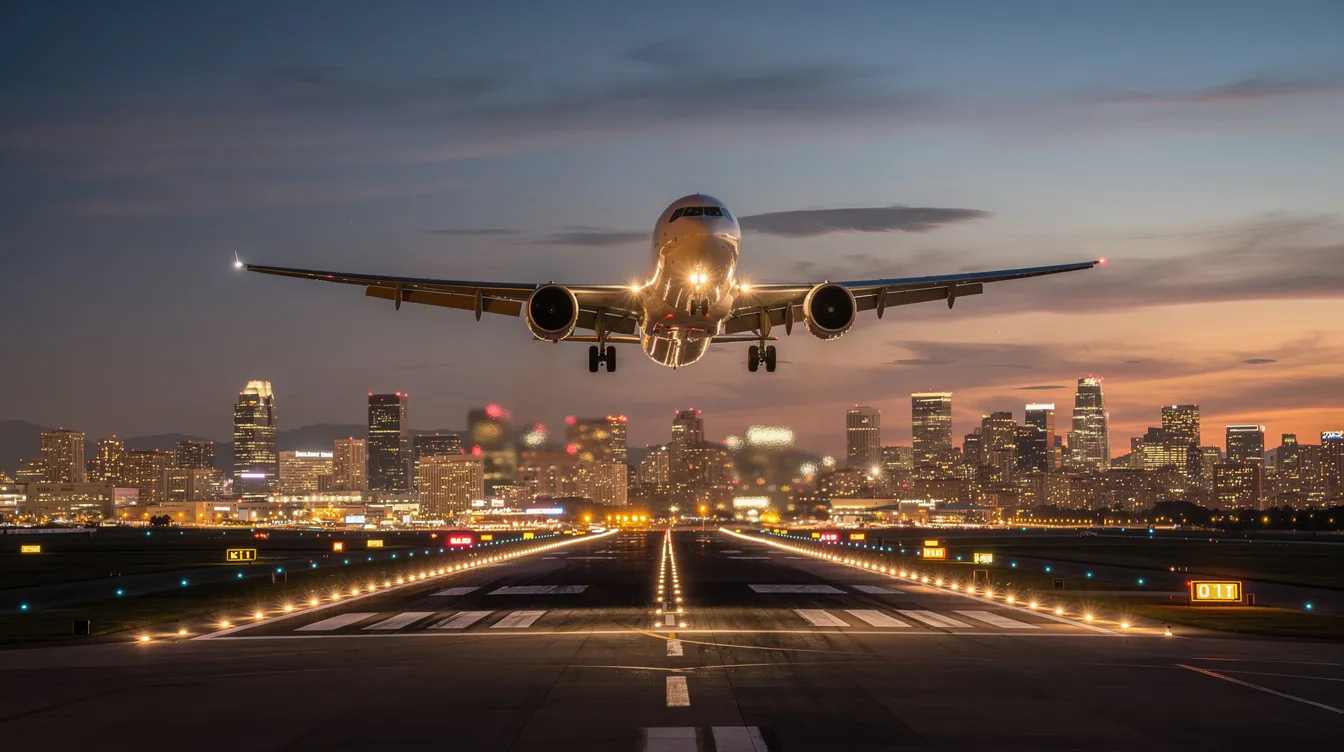
Modern avionics, stabilized approach criteria, and crew resource management training have reduced phase-of-flight risks substantially for airlines. Wind shear detection systems were developed in response to weather-related crashes and are now standard equipment on commercial jets.
General Aviation vs. Commercial Airlines: Where Most Aircraft Accidents Occur
General aviation encompasses all civilian flying except scheduled passenger airlines and regular cargo operations. It includes everything from flight instruction at a local airfield to a business executive chartering a private jet instead of flying commercial on a turboprop into Sioux City or Las Vegas.
General aviation aircraft were involved in 78% of crashes in U.S. data. Furthermore, 79% of all aircraft accidents involve single-engine planes-typically small piston aircraft used for recreation, training, or personal transport. By contrast, major airlines operating large jets from Boeing and Airbus under strict federal oversight reported zero onboard fatalities in U.S. scheduled service across multiple recent years.
General aviation pilots vary widely in experience, currency, and proficiency. Many fly older aircraft with less sophisticated avionics.
Commercial airline pilots undergo rigorous recurrent training, type-rating requirements, and fatigue management protocols.
Maintenance regimes differ sharply: airlines follow manufacturer-mandated programs with continuous oversight; some GA operators may defer non-critical maintenance.
Private jet charter programs like BlackJet bridge this gap by requiring pilot qualifications and operator audits that mirror airline standards-while delivering the privacy and schedule flexibility of private aviation that many travelers seek when evaluating how safe private jets are compared to airlines.
Major Passenger Airline Disasters That Reshaped Safety Standards
Certain aviation crashes stand as inflection points in safety history. Each one destroyed life-and then rebuilt the system that failed them.
American Airlines Flight 191 crashed on May 25, 1979, at Chicago O'Hare when one of the aircraft's engines, the left engine mounted on a McDonnell Douglas DC-10, separated during takeoff due to a maintenance error. The crash killed 273 people, including four crew members and two on the ground. It led to sweeping changes in engine pylon certification, maintenance procedures, and structural redundancy. Investigators found that the cargo door failure mode on earlier DC-10 variants had already raised concerns about the type's design integrity.
American Airlines Flight 587 crashed on November 12, 2001, in Queens, New York City, after an Airbus A300's vertical stabilizer separated following excessive rudder inputs in wake turbulence. The crash killed 265 people. It transformed how pilots are trained to respond to wake encounters and prompted redesign of rudder-limiter systems, as investigators did not blame simple pilot error alone but also wake-turbulence response training issues.
Air France Flight 447 crashed shortly after entering a storm system over the Atlantic Ocean in 2009, killing all 228 aboard the Airbus A330. Pitot tube icing caused unreliable airspeed readings; the pilots lost situational awareness and entered a stall. The disaster renewed global focus on manual flying skills, stall recovery training, and sensor redundancy.
TWA Flight 800 exploded off Long Island in 1996, killing all 230 passengers and crew. The National Transportation Safety Board determined that fuel vapor ignited in the center wing tank. This led to fuel-tank inerting mandates, wiring insulation improvements, and a ban on flammable materials in aircraft cabins to enhance passenger safety. Cargo fires in aviation also led to improvements in fire suppression systems across the fleet.
Improvements in cockpit communication standards resulted directly from the Tenerife Airport Disaster, where miscommunication and pilot error were part of the causal chain. These reforms became the foundation of Crew Resource Management programs worldwide.
The 2020s: Recent Commercial Airline Crashes and Historic Safety Milestones
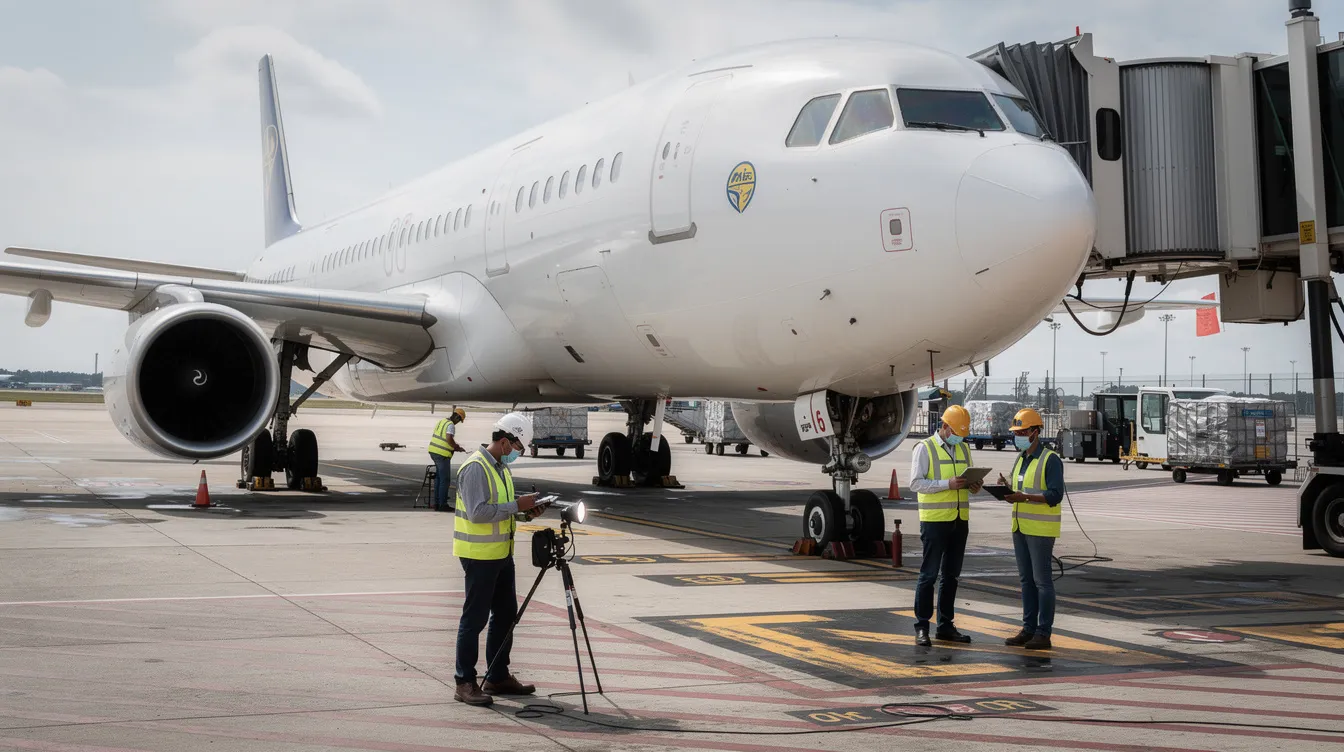
The early 2020s represent some of the safest years in aviation history for scheduled airlines. In 2023, IATA reported zero fatal jet accidents among member airlines-a historic milestone. The all-accident rate dropped to 0.80 per million sectors.
In 2024, seven fatal accidents occurred globally (five jet, two turboprop), resulting in 244 onboard fatalities. While any death is tragic, the fatality risk of 0.06 per million sectors remained extraordinarily low by historical standards, even for operators flying some of the most advanced private jets in the world.
Common recent incidents are non-catastrophic: runway excursions, tail strikes, hard landings resulting in serious injuries or minor injuries rather than fatalities.
Modern widebody and narrowbody fleets from Airbus and Boeing, combined with data-driven maintenance and predictive analytics, have sharply reduced catastrophic failures.
Safety mandates arise from lessons learned from past airline accidents-continuous investigation and implementation of findings have made each generation of aircraft safer than the last.
Conflict-zone overflight risk has re-emerged: aircraft operated in or near active conflict areas have been shot down or involved in incidents, prompting the IATA "Safer Skies" initiative.
Investigating an Aviation Accident: How Passenger Airline Crashes Are Analyzed
Bodies like the National Transportation Safety Board (United States), BEA (France), and AAIB (United Kingdom) form the board of inquiry whenever a significant aviation accident occurs. Their work ensures that every crash produces actionable knowledge.
Immediate on-site response: securing the wreckage, preserving evidence, documenting the ground impact area and debris field, and interviewing survivors and witnesses.
Recovery of flight data recorders and cockpit voice recorders: digital flight data recorders enhance aviation safety by providing critical flight information on hundreds of parameters-altitude, airspeed, control inputs, engine performance.
Detailed reconstruction: investigators examine aircraft systems, weather conditions, air traffic control communications, crew training records, and human factors. Modern air traffic control uses advanced radar and standardized communications to enhance safety, and these data streams feed directly into the investigation.
Investigations can take months or years. Interim reports address immediate safety concerns; the final report issues formal recommendations to regulators, manufacturers, and airlines. Passenger airline crashes are rarely caused by a single failure-the Swiss Cheese Model of Safety, widely used in aviation analysis, emphasizes that disasters typically result from multiple layers of defense failing simultaneously, a framework that also underpins modern private jet safety practices.
The Swiss Cheese Model of Safety is a framework that illustrates how accidents occur when several layers of defense (each with potential weaknesses, or "holes") fail at the same time, allowing hazards to pass through all defenses and result in an incident.
Seemingly minor findings-checklist wording, seatbelt instructions, wiring routing, or a runway incursion procedure-can lead to industry-wide modifications. BlackJet monitors these recommendations and incorporates relevant safety bulletins into operator vetting and charter partner selection.
Aircraft Types, Manufacturers, and Crash Patterns
Crash statistics by make and model are often skewed by fleet size and utilization. A manufacturer with thousands of aircraft in service will naturally appear more frequently in raw data-what matters is the rate per flight hour or per departure.
Smaller single-engine aircraft from manufacturers like Cessna and Piper dominate overall accident counts because they comprise the bulk of general aviation training and recreational flying across the world.
Among large commercial jets, Boeing and Airbus account for the majority of the global fleet. Both manufacturers have seen progressive declines in hull-loss rates across successive aircraft generations, from the Boeing 707 era through today's 787 and A350 families.
Mechanical failures account for about 20% to 30% of aviation crashes. Aircraft maintenance oversights-deferred inspections, improper part installation, documentation errors-can lead to severe safety hazards if not caught by quality-control systems.
Hull loss, defined as an aircraft destroyed or damaged beyond economic repair, has become exceedingly rare for modern jets under commercial operation. Most incidents result in repairable damage.
At BlackJet, fleet selection considers manufacturer reliability, independent safety ratings, and maintenance standards that exceed regulatory minimums, whether arranging light jets for small teams or large-cabin private jets for 20 passengers.
What Passenger Airline Crashes Teach About Safety in Private Aviation
Every major aviation disaster produces lessons that cascade across the entire spectrum of flight-from a 500-seat widebody to a light jet carrying an executive from San Diego to a board meeting on the East Coast. Human error, including pilot error, contributes to approximately 70% to 80% of aviation accidents, making crew performance the single most important variable in flight safety.
Crew Resource Management changes cockpit communication dynamics, ensuring that copilots can challenge captains and that critical information flows freely. This concept, born from airline crash investigations, is now standard in premium private aviation.
Training in simulator exercises focuses on unusual attitudes and stall recovery-skills that became critical after incidents like Air France Flight 447 demonstrated how automation dependency can erode manual flying proficiency. Automation and pilot training became critical aspects of safety culture due to accidents involving control loss.
The Swiss Cheese Model of Safety emphasizes multiple layers of defense: no single barrier is perfect, so operators stack redundant safeguards-crew training, maintenance, technology, procedures-to catch failures before they align.
Enhanced weather radar, predictive wind shear detection, and improved runway safety technologies (EMAS arrestor beds, better lighting and signage) all originated from specific crash investigations and are now embedded even in large private jets that can carry around 50 passengers.
Consider a business executive choosing BlackJet for a winter route into a weather-prone airport. Airline-derived safety practices-rigorous de-icing protocols, mandatory alternate planning, and minimum pilot experience benchmarks-protect that passenger just as they protect the hundreds aboard a commercial airlines flight. BlackJet's participation in safety management systems and continuous monitoring ensures these aren't aspirational policies but daily operational realities.
Risk Perception, Media Coverage, and How to Interpret News of Airline Crashes
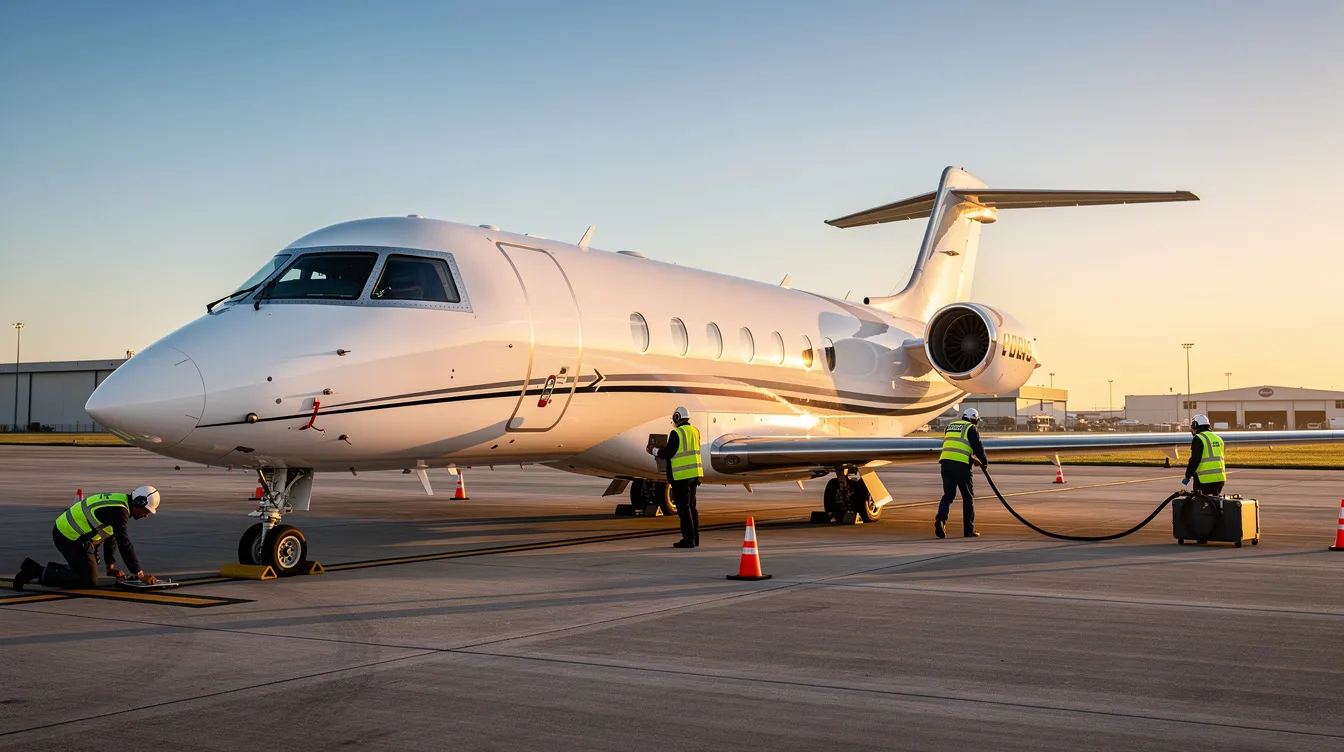
Media coverage of aviation disasters can distort public perception, making dying in an air disaster seem far more likely than it is. A single plane crash dominates news cycles for weeks; the roughly 100 road fatalities that happen daily in the U.S. rarely make national headlines, and stories about more affordable private jet options for everyday travelers almost never do.
An aviation incident involves no serious damage or fatal injuries. An accident involves significant damage, serious injuries, or death. A catastrophic disaster-destroyed aircraft, mass fatalities-is the rarest category.
Adverse weather conditions are involved in roughly 10% to 20% of aviation incidents, and environmental factors contribute to operational hazards, but these are manageable with proper planning and equipment.
Runway incursions occur when unauthorized aircraft enter active runways-a serious concern that rarely results in disaster thanks to modern ground radar and controller vigilance.
When a crash is reported, determine whether it involved general aviation or a scheduled carrier, what phase of flight, and whether findings are preliminary or final. Early speculation is often wrong, and it should also be separated from practical decisions about how to buy a seat on a private jet or which operator to trust.
For frequent flyers-especially high-net-worth and corporate travelers-evaluating an operator's safety culture, certifications, and transparency matters more than headlines. BlackJet's approach centers on third-party safety ratings and data-informed operator selection to give members confidence grounded in evidence, not emotion.
Choosing Safer Ways to Fly: From Commercial Airlines to Private Jet Card Programs
For travelers who want to minimize risk while maintaining efficiency and control, the choice of how to fly matters as much as whether to fly.
Scheduled commercial airlines (legacy and low-cost carriers) offer the lowest statistical risk per flight, backed by decades of regulatory infrastructure.
Ad-hoc private jet charter varies widely-some operators meet airline-level standards, others do not. Without vetting, a traveler may unknowingly board an aircraft with deferred maintenance or a crew that lost currency.
Structured jet card memberships like BlackJet's programs standardize safety across every flight: prepaid hours across multiple aircraft categories, 24/7 digital booking with real-time human support, and carbon-neutral flights built in as standard, all within a transparent jet card pricing structure.
Factors like aircraft age, maintenance standards, pilot experience, and operator oversight influence safety far more than cabin class. A first-class seat on a commercial airline and a seat on a vetted private jet share the same foundational safety principles-the difference is privacy, time savings, and control over your route and schedule, which is why many travelers weigh a detailed cost comparison of chartering a private jet versus flying commercial.
BlackJet partners only with audited operators, standardizes operational requirements across our network, and uses technology to monitor performance and reduce risk. Most crashes in aviation happen not because one thing fails but because multiple defenses dropped simultaneously. Our role is to ensure those defenses never drop.
Elevate your travel-effortlessly. Explore BlackJet's Jet Card programs and discover how airline-grade safety, carbon-neutral performance, and unmatched flexibility become your new standard of private flight.
Frequently Asked Questions About Passenger Airline Crashes and Private Flight Safety
What are my real odds of being involved in a passenger airline crash today?
The odds of dying as a passenger on an airplane are approximately 1 in 188,106. On IATA-member airlines, the risk is even lower-equivalent to flying daily for over 100,000 years before encountering a fatal accident.
Are private jets more or less safe than commercial airliners?
It depends entirely on the operator. General aviation aircraft are involved in 78% of crashes, but premium private operators with airline-grade audits, experienced crews, and modern fleets approach commercial airline safety levels. Learn more about how BlackJet compares and where the cheapest private aircraft options fit into the broader safety picture.
Which phase of flight is statistically most dangerous?
Nearly half of aviation crashes occur during landing or takeoff. However, landing accidents have a fatality rate of under 2%, while takeoff accidents carry a 15.7% fatality rate. Cruise-phase failures are rarest but tend to be most severe.
What is general aviation, and should I avoid it?
General aviation covers all non-scheduled civilian flying-from flight schools to private owners. Not all GA is risky, but unvetted operators carry higher accident rates. A curated jet card program eliminates this uncertainty.
How do investigators determine the cause of an aviation accident?
Agencies like the NTSB recover flight data recorders, analyze wreckage, interview witnesses, and reconstruct events across human, mechanical, and environmental dimensions. Final reports often reveal that most crashes result from multiple simultaneous failures, not a single cause.
What does BlackJet do differently to minimize risk on private flights?
BlackJet requires third-party safety audits for every operator, enforces minimum pilot hour and type-rating standards, monitors maintenance and safety bulletins, and operates a safety management system modeled on airline best practices, all of which are built into our BlackJet 25+ Hour Jet Card.
Conclusion: Navigating Air Travel with Confidence and Insight
Passenger airline crashes, while rare, have been pivotal in shaping the rigorous safety landscape that defines modern aviation. For the discerning traveler—whether flying commercial or choosing a private jet card program like BlackJet—understanding the history, data, and continuous safety advancements is key to making informed travel decisions.
The strategic advantage of private jet access lies not only in convenience and customization but also in the adoption of airline-grade safety standards, third-party certifications, and cutting-edge technology. BlackJet exemplifies how private aviation can offer a risk profile approaching that of major commercial airlines, while delivering unparalleled flexibility and sustainability, including carbon-neutral flights.
By appreciating the phases of flight where risks are highest, recognizing the differences between general aviation and commercial operations, and valuing the lessons learned from past disasters, travelers gain peace of mind. This knowledge empowers them to elevate their travel experience without compromising safety.
As aviation continues to evolve with innovations in technology, training, and environmental responsibility, BlackJet remains committed to integrating these pillars into every journey. Elevate your travel—effortlessly—with BlackJet’s Jet Card programs, where safety, sustainability, and seamless access redefine what private flight means for today’s sophisticated traveler.
Ready to fly with confidence? Contact BlackJet for a personalized safety and route planning consultation before your next critical trip. Join BlackJet's Jet Card program for seamless, premium private travel-safety, sustainability, and flexibility built in, starting with a clear view of overall jet card costs and membership value, hourly jet card pricing benchmarks, and focused guides for 100 hour jet card cost structures, 25 hour jet card features and pricing, and 50 hour jet card value comparisons.
You can also compare the best jet cards for frequent flyers, understand how different providers price their jet cards, review Flexjet jet card pricing and options, explore NetJets jet card cost and benefits, and even plan with your advisors around maximizing jet card tax deductions.


 Sign up with google
 Sign up with Apple