The market for retired military transport aircraft is small, complex, and unlike anything else in aviation. Here is what serious buyers need to know - and why most travelers find a better path forward.
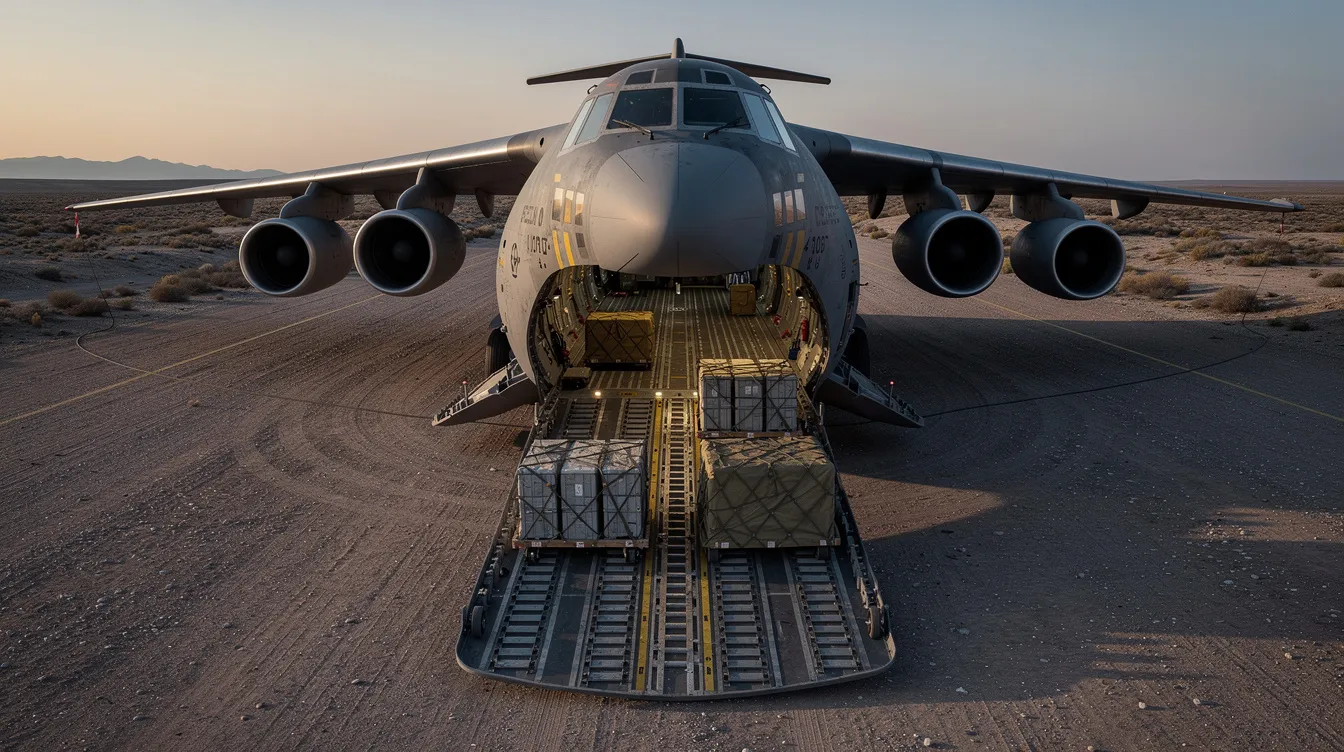
Key Takeaways: Navigating Military Transport Planes for Sale
Military transport planes offer unmatched cargo capacity and austere-field performance but come with complex operational and regulatory challenges that limit their appeal for private ownership.
Demilitarization is mandatory before civilian sale, requiring removal of weapons systems and compliance with FAA and local aviation regulations.
Surplus military transports typically reach buyers through government auctions, defense tenders, or specialist brokers, with availability varying widely.
The total lifecycle costs of military transports—including maintenance, specialized crew training, and upgrades—often exceed acquisition price, making them costly to operate compared to modern private jets.
For most high-net-worth and corporate travelers, private jet solutions like BlackJet’s Jet Card programs provide safer, more comfortable, and more efficient access to global travel without the burdens of ownership.
Understanding the differences between military cargo planes and private jets clarifies why strategic, on-demand private aviation remains the preferred choice for executive and leisure travel.
Executive Overview: Who Actually Buys Military Transport Planes Today?
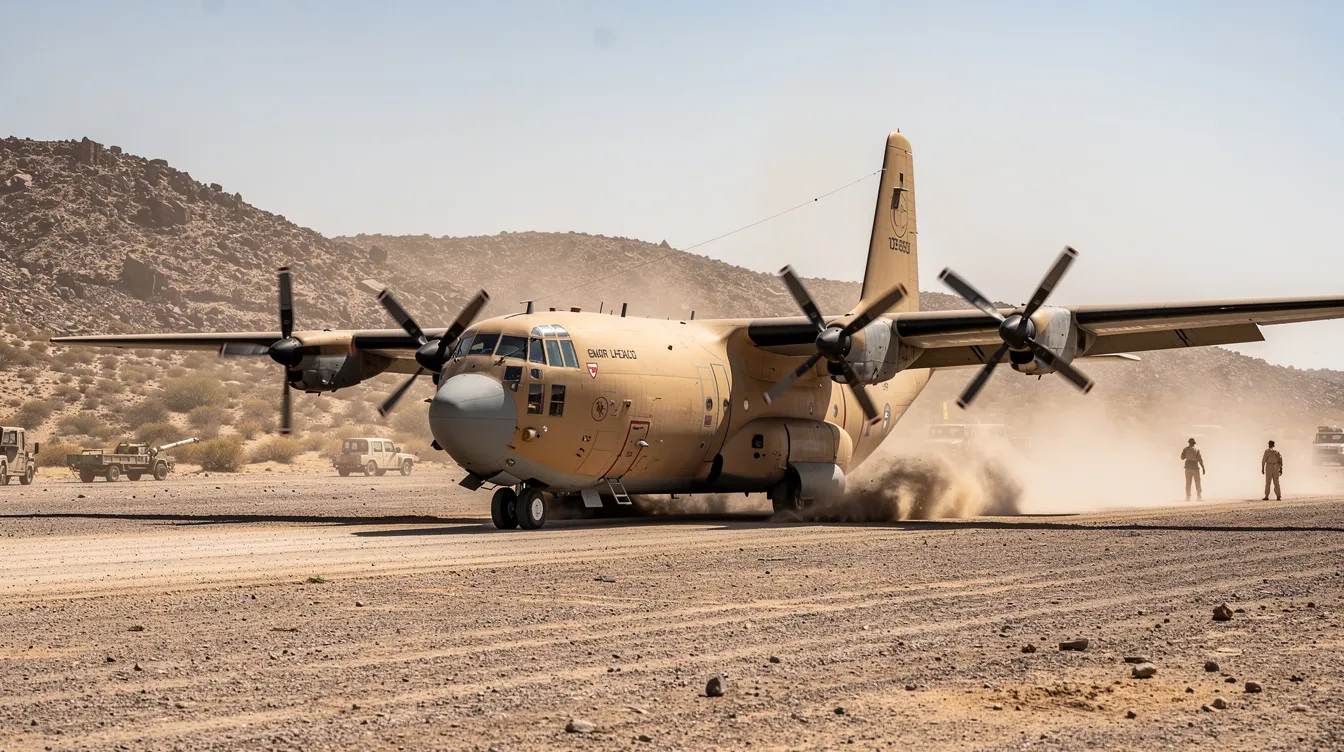
Retired military transport and cargo aircraft do reach the civilian market, but only after full demilitarization and conversion into freight, firefighting, or special missions roles. Military transport aircraft can operate from short or unimproved runways, a trait that makes them appealing for austere environments - yet that same ruggedness comes with operational complexity most private owners never anticipate.
Buyers today range from cargo operators serving remote regions and NGOs flying humanitarian missions to collectors, foreign governments, and high-net-worth individuals building private logistics fleets or flying museums. Military transport aircraft are typically acquired through government agreements or approved manufacturers, and buyers may need to submit a request through the relevant government or manufacturer channel before pursuing an acquisition, though surplus airplanes occasionally surface through secondary channels.
Consider the gap between a decommissioned C-130 Hercules and a modern Boeing 737-400F freighter: both haul cargo, but the regulatory burden, crew training, and total lifecycle costs differ enormously. Military transport planes are available on the secondary market if demilitarized, yet most began life under military specifications and now must meet civil standards enforced by the Federal Aviation Administration.
BlackJet does not broker surplus transports. As a private aviation company offering Jet Card programs and a range of premium private jet services, we help clients understand where military cargo platforms sit in the broader landscape compared with private jets, charter, and on-demand access. In this guide, you will learn which military transport planes can be bought, how government auctions work, historic examples from World War II through the Cold War, and why a Jet Card is often far more practical than owning a surplus airlifter.
What Counts as a "Military Transport Plane" or Cargo Aircraft on the Civil Market?
Military transport planes are aircraft designed or heavily adapted for the movement of troops, cargo, equipment, medevac, and special operations support. Military cargo aircraft often feature large rear cargo doors for vehicle loading, reinforced floors, and robust landing gear built for unprepared strips.
Key categories include:
Tactical transports: The Alenia C-27J Spartan carries up to 20 tons of cargo. Other types in this class include the EADS CASA C-295, developed for countries needing short-field capability. The Airbus A400M Atlas has a payload capacity of 37 tons and bridges tactical and strategic roles.
Strategic airlifters: The Boeing C-17 Globemaster III is designed for intercontinental airlift. The Lockheed C-5M Super Galaxy is one of the largest military transport aircraft in service. China's Xian Y-20 marks a new era of indigenous airlifters, while the Antonov An-22 is the largest turboprop aircraft ever built, with a maximum payload capacity of 60 metric tons.
Converted airliners and dual-use platforms: The Boeing KC-46 Pegasus can carry up to 58 passengers or 18 cargo pallets. The Airbus A330 MRTT is a multirole aerial refueling platform sold exclusively to governments, though its civil A330 sibling operates widely in commercial fleets.
Many classic transports now in civilian hands originated as military designs: the Douglas C-47 Skytrain (from the DC-3), the Douglas C-54 Skymaster, and the Curtiss C-46 Commando, all prominent in World War II cargo work. Even Germany's Messerschmitt Me 323 first flew in January 1942 as a heavy transport, though none survive today. Active frontline military transports are rarely available; what reaches the market are retired or surplus aircraft with weapons, classified avionics, and sensitive mission systems removed. New-build programs like the Embraer KC-390 are sold to governments, but their underlying civil platforms - or older examples - may appear in resale channels decades later, capable of serving niche freight demand around the globe.
Can Civilians Buy Military Transport Planes? Legal & Federal Aviation Administration (FAA) Framework
Yes - but with significant caveats. Demilitarization is required before purchasing military aircraft. Military aircraft must have weapons systems removed for civilian sale, and demilitarized military aircraft must comply with civil aviation regulations before flight. That means permanent removal or disabling of hardpoints, refueling booms, classified avionics, mission computers, and any weapons-related wiring. Civilians can buy decommissioned jets like the L-39 trainer or larger transports, provided they meet these standards.
The FAA regulates ownership and operation of retired military aircraft in the United States. Registration (N-number), issuance of a Standard or Special Airworthiness Certificate, conformity inspections, and continued airworthiness directives all fall under FAA oversight. After World War II, the FAA certified former warbirds like the C-47 and C-54 for civil use - a process that established precedent for today's limited and experimental certification paths.
Common certification routes include:
Compliance with local aviation authorities is necessary for demilitarized military aircraft in every jurisdiction. Export and import controls add further layers: ITAR governs sensitive components, customs clearance applies to cross-border transfers, and security screening ensures no restricted equipment remains. Older transport models can be purchased if demilitarized, meaning military systems are removed - but the compliance process is far more rigorous than simply buying a business jet through a broker or exploring more affordable private plane options.
Where Military Transport Planes Are Sold: Government Auctions and Specialist Brokers
The primary channels for acquiring surplus military transports are government auctions, defense ministry tenders, and private dealers specializing in warbirds, freighters, and classic transports.
GSA auctions sell retired military aircraft to civilians through online listings with sealed or ascending bids. Government auctions can list surplus military aircraft, although availability varies widely - a given inventory page might show airframes, aircraft parts, helicopters, and ground support equipment once declared surplus by the U.S. Air Force. Each listing typically includes the serial number, total flight hours, and condition notes.
Treasury auctions and U.S. Marshals Service sales occasionally feature seized or forfeited aircraft linked to Treasury law violations such as tax evasion and other violations, though transport-category military planes are rarer there compared with smaller jets or motor yachts.
Historically, organizations like the War Assets Administration sold thousands of C-47 Skytrains and C-54 Skymasters after World War II, seeding post-war cargo and bush-flying markets across South America, Africa, and Southeast Asia. Today, niche brokers and restoration shops source aircraft like the Douglas C-124 Globemaster II or Fairchild C-119 for museums, cargo operators, or collectors, often working across Europe, North America, and Australia.
Examples of Military Transport Planes From World War II That Have Reached the Civil Market
World War II and early Cold War classics:
The Douglas C-47 Skytrain entered service in the early 1940s and flew airborne operations in 1944–45. Thousands were later sold as DC-3 cargo aircraft and still operate widely in remote regions decades later.
The Curtiss C-46 Commando flew the notorious Himalayan "Hump" route, hauling supplies into China. Surplus C-46s served cargo operators across South America and the Caribbean.
The Douglas C-54 Skymaster was introduced in 1942 for military transport and later flew the 1948–49 Berlin Airlift, delivering supplies into Germany before entering post-war airline fleets.
Post-war and Korean War era transports:
The Fairchild C-119 Flying Boxcar and C-123 Provider were converted to civilian cargo and firefighting roles. The Douglas C-124 Globemaster II was the main heavy-lift transport in the 1950s and a heavy-lift cargo aircraft later sold into niche museum markets.
The Convair C-131 Samaritan was civilianized as the CV-240/340/440 model, a type that served regional airlines for decades.
Strategic and international types:
The Boeing C-130 Hercules is a versatile turboprop cargo aircraft; its civil derivative, the L-100, has operated commercially since the 1960s. Used examples trade at low millions to mid-teens USD depending on remaining structural life, a figure that often surprises buyers who are also comparing what a five-million-dollar private jet offers in features and costs.
The Antonov An-124 is a strategic military cargo aircraft still operating civil freight charters. The Ilyushin Il-76 can carry a maximum payload of 50 tons and remains in demand among cargo operators in multiple countries. The Lockheed C-5M Super Galaxy is one of the largest military cargo planes but has not reached the civil market in meaningful numbers.
From Military Transport to Civil Freighter: Technical Conversion & Maintenance Realities
Making a retired transport commercially viable requires extensive technical work whose price often eclipses the acquisition cost. Total lifecycle costs include fuel efficiency, maintenance, and training - and each area demands significant capital.
Airframe life and fatigue: Inspectors examine total time and cycles on critical structures. For ex-C-130s, center-wing box life is the dominant factor; replacing that component alone can cost millions. A C check on a large transport involves thousands of labor hours and detailed inspection of corrosion, cracks, and structural wear, with every finding documented by date and serial number against the aircraft's specifications, expenses that can dwarf the economics of budget-friendly private aircraft options.
Landing gear considerations: Landing gear on older transports has life-limited components with calendar and cycle limits. Listings for converted freighters sometimes note landing gear good until a specific overhaul date - a detail that drives significant capital expense for buyers. Reliability depends on strict adherence to overhaul intervals and parts availability for legacy types.
Avionics and compliance: Modern airspace requires TCAS II, EGPWS/TAWS, ADS-B Out, and RVSM-compliant altimetry. Performance improvement through glass cockpit upgrades and Stage III/IV hush kits for noise compliance adds further cost. Military transport planes often require specialized maintenance for safety, and operating costs of military transport planes can reach thousands of dollars per flight hour, compared with more cost-effective entry-level private jets.
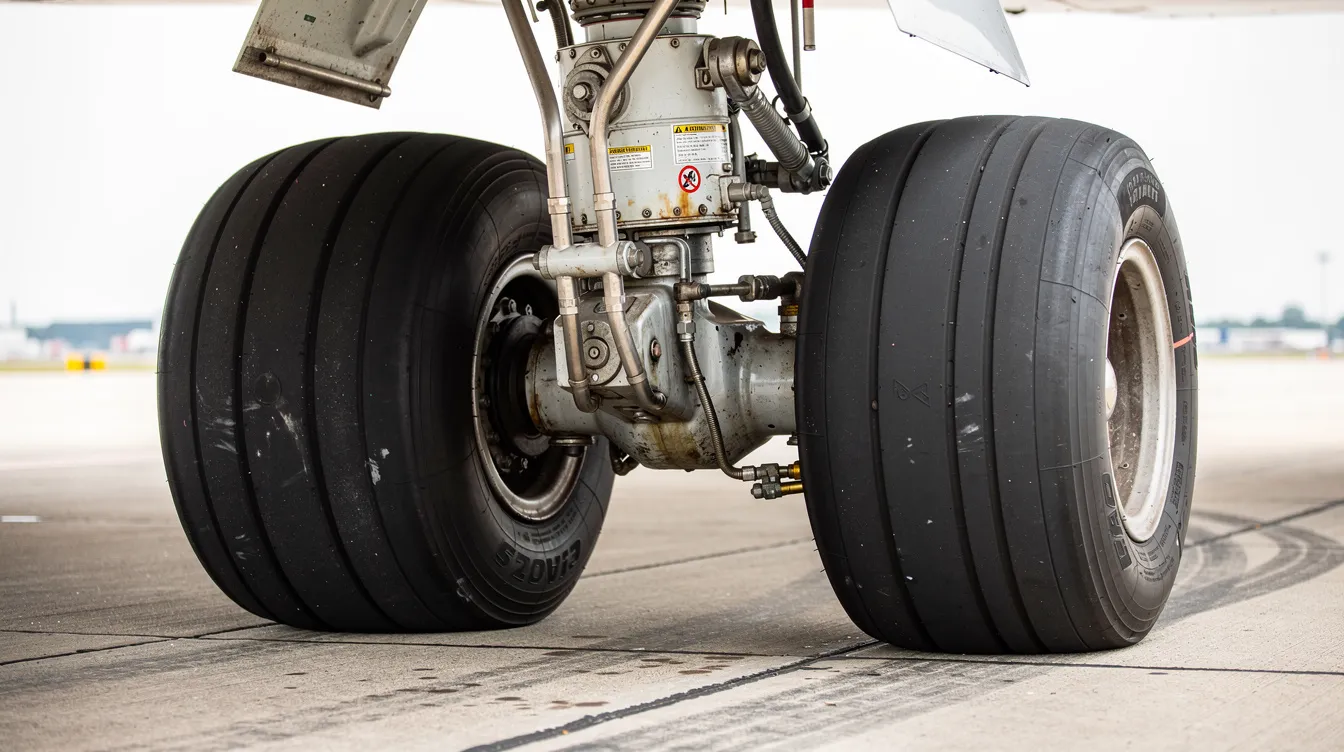
Contrast those engineering realities with a BlackJet Jet Card: while a cargo operator might invest millions in overhauls and modifications, a Jet Card member secures access to a modern, fully compliant fleet without managing maintenance, crews, or regulatory paperwork.
Buying vs. Access: When Military Transports Don't Make Sense for Private Travelers or Humanitarian Missions
For high-net-worth owners and corporate travel managers, the romance of buying a surplus transport fades quickly against practical realities. Military transports deliver unmatched payload and austere-field capability - but those features are irrelevant for executive travel compared with a 12-seater private jet tailored to business missions.
Operational drawbacks for private use:
Cost realities: Multi-million-dollar acquisition and conversion budgets, annual hangar fees, mandatory inspections driven by FAA aging-aircraft programs, and costly insurance on older airframes all compare unfavorably with the more predictable structure of renting a private jet by the hour or evaluating jet card cost per flight hour. The price of keeping a surplus transport airworthy often exceeds the cost of years of private jet charter or even chartering a private jet for targeted trips.
A practical scenario: An executive needing New York–London travel 10–12 times per year can use a large-cabin jet through BlackJet - overnight, quiet, connected service with carbon-neutral flights as standard, informed by a clear understanding of the broader private jet price landscape. Operating a demilitarized C-130 for the same mission would mean slower transit, no cabin comfort, restricted airport access, and dramatically higher cost per flight hour.
How BlackJet Fits Into the Picture: Safe, Sustainable Access Without Owning a Transport
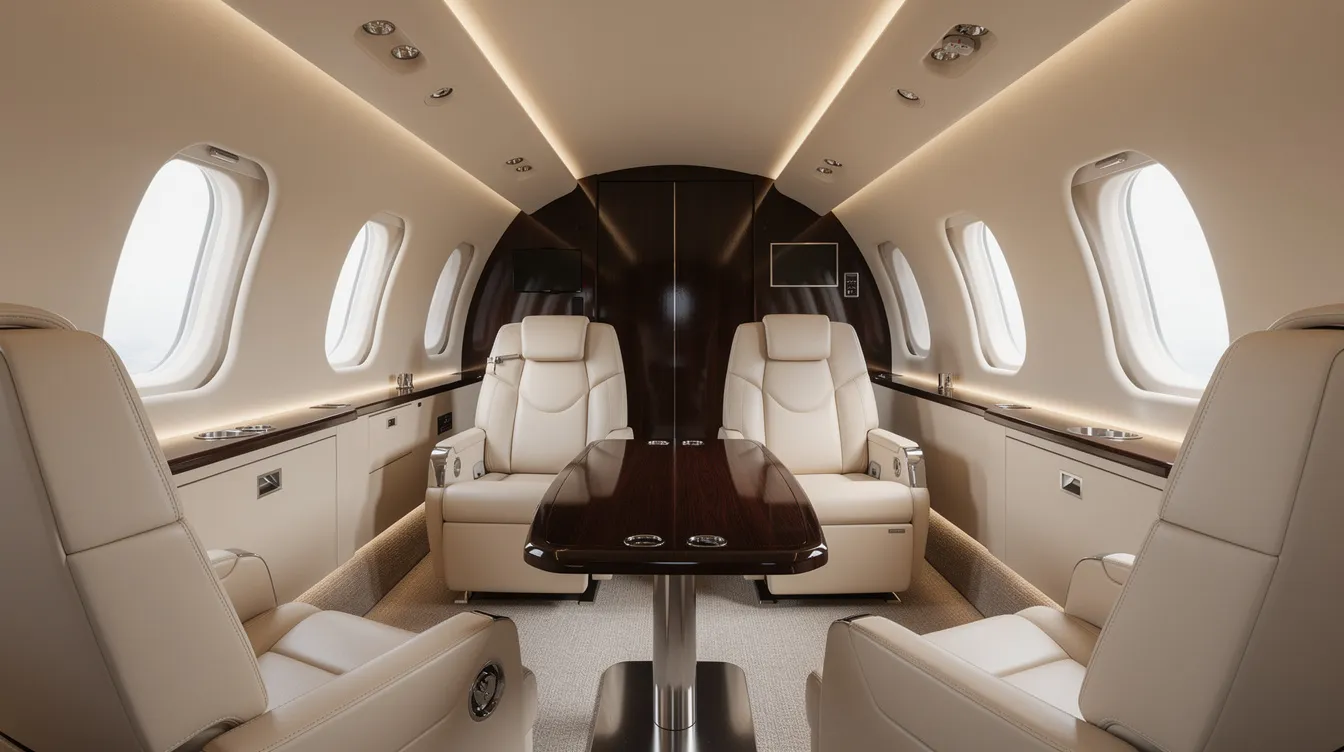
If your research into military transport planes for sale has brought you here, you likely appreciate serious aviation. BlackJet exists to serve travelers who want that same depth of capability - applied to executive travel rather than cargo operations - across the globe, whether through on-demand charter, jet cards, or longer-term private jet leasing solutions, with flexible solutions such as the BlackJet 25+ Hour Jet Card.
Our core pillars make the difference for travelers deciding whether chartering a private jet is worth it:
Safety: Proprietary vetting of operators and crews, third-party safety ratings, and continuous monitoring
Sustainability: Carbon-neutral flights through verified offsets at no extra cost
Technology: Mobile booking platform, instant pricing, and live operations support ready around the clock, plus frictionless ways to book a single seat on private flights
Aircraft categories in the BlackJet network - light, midsize, super-midsize, and large-cabin jets - cover most real-world missions more efficiently than any converted military transport, from weekend flights to transatlantic board meetings, including access to some of the world’s best-performing private jets. Whether you need partner freighter solutions for time-critical cargo shipments or want to charter a historic aircraft for a special event, our team can help you check every box while also advising on jet card membership pricing and value and the best jet cards for frequent flyers.
If, after learning about government auctions, demilitarization requirements, and conversion costs, you decide that strategic, on-demand jet access aligns better with your lifestyle, we invite you to explore BlackJet Jet Card membership and discover how effortless private aviation can be, including a deeper dive into how jet card pricing is structured and specific options such as a 100 hour jet card cost guide.
Frequently Asked Questions (FAQs) About Military Transport Planes for Sale
Q: Can civilians legally purchase military transport planes?
A: Yes, civilians can purchase military transport planes, but only after they have been fully demilitarized. This means all weapons systems and classified equipment must be removed, and the aircraft must meet FAA and local civil aviation regulations before it can be registered and flown.
Q: Where can I find military transport aircraft for sale?
A: Military transport planes typically become available through government auctions such as GSA auctions, defense ministry tenders, and specialist brokers dealing in surplus or demilitarized aircraft. Availability varies widely and often requires navigating complex regulatory processes.
Q: What are the main costs involved beyond purchasing a military transport plane?
A: Beyond acquisition, high costs include specialized maintenance, structural inspections, crew training, avionics upgrades for compliance with modern airspace requirements, and ongoing operating expenses such as fuel and insurance. These total lifecycle costs can surpass the initial purchase price.
Q: How do military transport planes compare to private jets for executive travel?
A: Military transports offer unmatched cargo capacity and rugged operation but lack passenger comfort, speed, and efficiency. Private jets provide faster, quieter, and more luxurious travel with lower operational complexity, making them a preferred choice for most corporate and high-net-worth travelers.
Q: What does demilitarization of a military transport aircraft involve?
A: Demilitarization includes removing weapons hardpoints, disabling or removing classified avionics and mission systems, and ensuring the aircraft complies with civil aviation standards. This process is mandatory before the aircraft can be sold or operated in civilian contexts.
Q: Are there any military transport aircraft commonly converted for civilian cargo use?
A: Yes, models like the Lockheed C-130 Hercules (civilian L-100 variant), Douglas C-54 Skymaster, and Ilyushin Il-76 have been converted for civilian cargo operations. However, conversions require extensive technical work and certification to meet civil aviation standards.
Q: Is owning a military transport plane practical for private individuals?
A: Generally, no. The operational complexity, high costs, and limited passenger amenities make military transports impractical for private owners compared to private jets or charter services. Most private travelers achieve better value and convenience through jet card programs like BlackJet’s.
Q: How does BlackJet provide an alternative to owning military transports?
A: BlackJet offers Jet Card programs granting prepaid, on-demand access to a modern fleet of private jets with safety vetting, carbon-neutral flights, and seamless booking technology—eliminating the burdens of ownership while providing premier executive travel experiences.
Conclusion: Strategic Access Over Ownership in Military Transport and Private Aviation
Navigating the market for military transport planes for sale reveals a complex landscape of regulatory hurdles, operational challenges, and high costs that often outweigh the benefits of ownership for most private and corporate travelers. While these aircraft excel in cargo capacity and austere-field performance, their specialized nature and demanding maintenance requirements make them impractical for executive travel or leisure use.
For discerning travelers seeking efficient, safe, and luxurious global mobility, private jet access through programs like BlackJet’s Jet Card offers a superior alternative. These solutions deliver the flexibility, comfort, and cutting-edge technology expected by today’s high-net-worth individuals and business leaders without the burdens of aircraft ownership. By choosing strategic access over ownership, travelers gain seamless entry to a modern fleet vetted for safety, sustainability, and technology, ensuring every journey is not only effortless but also aligned with the highest standards of private aviation.
Explore how BlackJet can elevate your travel experience with exclusive Jet Card membership and discover a smarter way to fly—where prestige meets practicality, and every flight is tailored to your lifestyle.


 Sign up with google
 Sign up with Apple


