The question of how much air stewards get paid has a more complex answer than most travelers expect. Flight attendant pay depends on seniority, airline type, route mix, and a layered compensation system that goes well beyond a simple hourly rate. Whether you're considering a career in commercial or private aviation, or you're a discerning traveler who wants to understand the professionals responsible for your safety and comfort at 30,000 feet, this guide breaks down the real numbers behind cabin crew compensation in 2026.
Key Points: How Much Do Air Stewards Get Paid in 2026?
The median flight attendant salary is about $67,130 per year in the United States, based on the most recent Bureau of Labor Statistics data covering 2024–2026. The average salary runs slightly higher, near $78,950, pulled upward by top earners at legacy and international carriers.
The pay spectrum is wide. The lowest-paid 25% of flight attendants earn around $52,280, while the top 25% of flight attendants earn around $98,160 or more at major U.S. airlines, particularly on long-haul and premium routes. At the extremes, the bottom 10% earn under $34,000, and the top 10% exceed $138,000.
First-year air stewards typically take home between $28,000 and $35,000 annually when you factor in starting pay plus per diem. Per diem is an allowance paid for every hour a flight attendant is away from their home base, designed to cover meals and incidental expenses while traveling. Experienced senior cabin crew at major carriers can reach $90,000–$120,000 or more, especially those holding lead, purser, or language-qualified positions.
Total flight attendant compensation includes hourly flight pay. Flight pay is earned only when aircraft doors are closed. Per diem, hotel accommodations covered by the airline, health insurance, retirement contributions, and premiums for international flying or holiday shifts. Private jet cabin crew, including those serving BlackJet members, are often compensated through day rates or salaries and can earn significantly more per trip than most commercial air stewards.
How Flight Attendant Pay Actually Works: Flight Time, Credit Hours, and Compensation Structure
When Does Flight Pay Start?
Most commercial air stewards are paid by the hour, but the definition of "hour" is narrower than most people assume. Flight pay is earned only when aircraft doors are closed. Specifically, flight time is the period from when the aircraft door closes for departure until it opens at arrival. This means the time spent boarding passengers, performing safety checks, and waiting through ground delays is largely excluded from the primary pay calculation.
Credit Hours and Monthly Guarantees
The foundation of monthly pay is credit hours, also called block time. Flight attendants typically log 75 to 100 flight hours per month, even though their duty hours often stretch to 10–14 hours per duty day. The actual number of hours a flight attendant works on the ground, managing pre-flight duties and waiting between flights, far exceeds the credited flight time.
Seniority and Pay Progression
Pay scales are structured in union contracts as fixed hourly rates by year of service. Each year, seniority moves a flight attendant up to the next step until they reach top-of-scale pay, often after 10–15 years. Newer contracts at carriers like United Airlines, American, Delta, and Southwest Airlines have pushed top rates toward or above $90–$100 per flight hour by 2025–2026. At some airlines, the clock starts when the parking brake is released rather than at door closure, though this varies by airline policies.
Actual monthly income works out to: credited flight hours multiplied by the hourly rate, plus per diem, plus any premiums for lead positions, language skills, international routes, holiday flying, or overtime.
Average Flight Attendant Salary in 2024–2026
Median and Average Salaries
Current data from the Bureau of Labor Statistics places the median salary for flight attendants at approximately $67,130 as of 2024, with the average salary running near $78,950. Average hourly rates across the airline industry sit around $29–$30 per hour when calculated on an annualized basis.
The difference between median and average is straightforward: the average is higher because a smaller group of senior crew members on international and premium routes pull the mean upward, while the median represents the true midpoint.
Salary Quartiles
Breaking out the quartiles paints a clearer picture:
Bottom 25%: approximately $52,280 or less
Middle range: $60,000–$85,000
Top 25%: $98,160 or more, especially at legacy and international airlines
For context, these figures compare favorably with other service and travel-adjacent roles. According to labor statistics, bartenders, hotel front-of-house staff, and many retail sales positions earn significantly less at the median level, and even many private jet pilot salary ranges overlap with or exceed senior cabin crew pay depending on aircraft type and employer. A mid-career flight attendant at a major carrier out-earns many of these peers, particularly when factoring in benefits and travel perks.
Major vs. Regional Airlines
Major airlines tend to offer higher salaries compared to regional airlines, which sit consistently at the lower end of the scale. Regional carriers often start crew at rates well below $30 per flight hour, while major carriers begin higher and offer steeper seniority increases. For a deeper dive into how much airline attendants get paid, see our detailed breakdown.
Flight Attendant Salary Ranges: Entry-Level to Senior (2024–2026)
Entry-Level Pay
Flight attendant pay progression is driven almost entirely by seniority, with clearly defined bands from the first year through top-of-scale. The pay scale at each airline maps out exactly what a crew member earns at every step.
Entry-level flight attendants face the steepest income gap relative to their workload. Flight attendant pay scales range from about $26 to $38 per flight hour for entry-level positions, depending on the carrier. Flight attendants earn $26.23 per credit hour as new hires at some airlines. The average salary for a first-year flight attendant is $28,000, and entry-level flight attendants earn between $27,000 and $35,000 annually when including per diem and minimum guarantees. At United Airlines, new hires start at approximately $37.10 per hour as of mid-2026, reflecting the impact of their recent contract.
Early Career (Years 2–5)
In the early career window (years 2–5), hourly rates move into the low-to-mid $30s at most carriers, with annual salary reaching $50,000–$70,000 depending on hours flown, base, and route mix. Additional pay can be earned for lead or language-qualified positions, which begins to differentiate crew within the same seniority band.
Mid-Career and Senior Pay
At mid-career (years 6–10+), rates climb into the high $30s and $40s per hour. Total compensation reaches $75,000–$100,000 or more with overtime and international flying layered in.
Senior flight attendants can earn $80,000 to $115,000 annually at major U.S. airlines, particularly those holding lead flight attendant or purser positions on long-haul routes. United Airlines flight attendants at the top of scale now reach $100.13 per hour after 13 or more years of service, one of the highest rates in the industry.
Starting Pay vs. Senior Air Steward Salary: How Fast Does Pay Grow?
The most dramatic income growth for air stewards occurs in the first five to eight years, as the pay rate steps up annually and schedule control improves with seniority. Seniority increases flight attendant pay annually until the top rate is reached, making time-in-service the single most important variable in a flight attendant's earning trajectory.
First-year cabin crew might see $28,000–$35,000, but by year three, annual compensation can realistically reach $50,000–$60,000 with average flying and per diem. Each additional year on the pay scale typically adds $1–$3 per hour, which translates into several thousand dollars more per year when flying 75–90 hours monthly.
Once a flight attendant reaches the top of the scale, usually in the 10–15 year range, base hourly pay flattens until a new contract lifts the entire pay table. Recent contract raises at United, for example, delivered an average wage increase of 31% across all 30,000 flight attendants, resetting the ceiling for the entire workforce.
Many flight attendants also benefit from improved schedules as they gain seniority. Senior crew uses seniority-based bidding to select high-credit trips, international pairings, or holiday flying that pays premium rates. Unlike sales or performance-based roles, pay growth here is predictable and contract-driven, making it a stable if gradual career trajectory.
Per Diem Pay, Hotel Accommodations, and Other Flight Attendant Compensation
Per diem is an allowance paid for every hour a flight attendant is away from their home base, designed to cover meals and incidental expenses while traveling.
Per diem rates for flight attendants range from $2.00 to $3.00 per hour at major U.S. airlines. Per diem is paid at $2.25 per hour as a common baseline, though diem rates vary by carrier and route type. At United Airlines, the current rate is approximately $2.97 per hour domestic and $3.54 per hour international. Per diem continues to accumulate during layovers and rest periods, and per diem is generally not taxed if within IRS guidelines, making it an efficient addition to take-home pay.
Per Diem Rates and Examples:
Scenario | Per Diem Rate | Example Calculation |
|---|
Domestic (common baseline) | $2.25/hr | 84 hours x $2.25 = $189/trip |
United Airlines (domestic) | $2.97/hr | 84 hours x $2.97 = $249.48/trip |
United Airlines (international) | $3.54/hr | 84 hours x $3.54 = $297.36/trip |
Example: A four-day trip with 84 hours of duty time away from base at $2.25 per hour generates about $189 in per diem. A crew member flying a similar trip weekly could accumulate roughly $750 per month in tax-advantaged income on top of their flight pay. International flights can provide higher income potential due to increased diem rates.
Airlines typically cover hotel accommodations and ground transport between airport and hotel, so per diem primarily offsets personal travel expenses during layovers. Per diem covers meals and incidental expenses while traveling, not lodging.
Beyond per diem, flight attendant compensation includes several other elements:
Boarding pay: Now part of contracts at carriers like United, compensates crew for pre-departure work
Holiday flying: Often pays at 150% or more on major holidays
"Deadhead" pay: Applies when crew travel as passengers to position for their next flight
Profit-sharing or annual bonuses: At select airlines
Additional pay: For lead, purser, or language-qualified roles
Reserve vs. Lineholder Schedules: How Schedules Impact What Air Stewards Earn
In everyday terms, crew members on reserve status are on call, while lineholders have a set monthly schedule built from trips they bid for. This distinction directly affects monthly pay and quality of life.
Junior cabin crew often spend months or years on reserve, waiting for last-minute assignments when fellow flight attendants call in sick, flights are added, or operational disruptions create gaps. Senior crew typically hold lineholder schedules with their preferred pairings and routes, giving them control over their earnings and days off.
Most airlines guarantee a minimum number of credited flight hours per month, typically 70–80 hours, even if cancellations or irregular operations reduce actual flying. Flight attendants typically have a guaranteed pay for 70–80 hours a month, ensuring reserves have a reliable income floor. Some contracts also include a minimum pay credit per reserve day, often around four hours, regardless of whether the crew member is called out.
Lineholder schedules allow strategic bidding. A flight attendant works to select high-credit trips, multi-day international pairings, or premium routes that maximize paid hours within fewer workdays. Reserves, on the other hand, may earn more during peak travel periods when frequent call-outs push them beyond guarantee hours.
Many airlines also operate "Airport Ready Reserve," where air stewards sit at the airport on standby, ready for their next flight. Per diem usually applies during this time. While lineholder schedules offer better work-life balance and predictability, reserves can occasionally outearn lineholders in high-demand months. The interplay between airline policies, seniority, and schedule type creates meaningful variation in what two crew members at the same airline take home.
Commercial Airline Flight Attendant Pay vs. Private Jet Cabin Crew Compensation
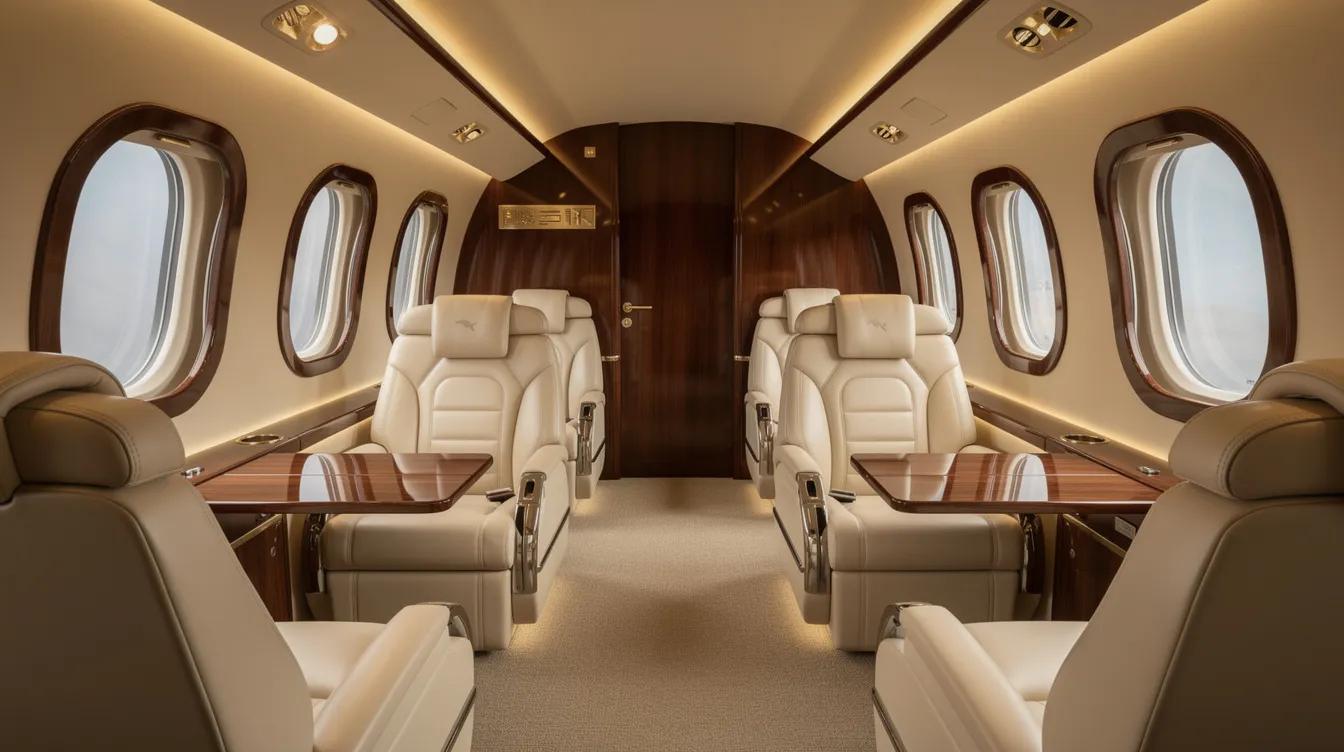
The gap between commercial and private aviation compensation reflects two fundamentally different service models. Commercial air stewards earn hourly flight pay plus per diem under union contracts, with the median salary around $67,130 and average near $78,950. Private jet cabin crew operate under a different structure entirely.
Corporate or private cabin crew on large jets often earn higher annual income, typically in the $80,000–$130,000+ range depending on the operator, aircraft type, and level of experience, especially on high-end aircraft comparable to a $15 million private jet and its features. Freelance or contract private jet attendants can earn $500–$900 or more per duty day on long-range aircraft, with premium rates for complex itineraries, international crossings, or VVIP-level service. For more detail on this segment, see our guide to private jet stewardess salary expectations.
Private aviation roles demand broader responsibilities than their commercial counterparts. Cabin crew in this space manage customized catering, bespoke cabin service, security awareness, and ground logistics coordination alongside standard safety duties. The service expectations from high-net-worth travelers are materially higher than what's required in a commercial cabin.
Schedules in private aviation tend to be less predictable but more flexible, with multi-day trips followed by extended off days. This makes daily rates more relevant than hourly flight pay for evaluating compensation. Those interested in exploring career paths in this space can review private plane stewardess jobs for a broader overview.
For the travelers who charter these flights, private jet cabin crew compensation is embedded in the premium they pay for tailored, discreet, and highly reliable service, a fundamentally different value proposition than commercial scheduled travel and one that reflects the broader private jet price list and access models available to high-net-worth clients.
Factors That Influence How Much Air Stewards Get Paid
Two flight attendants with identical titles can earn vastly different amounts. Compensation will vary depending on a range of factors that extend well beyond the airline's name.
Airline Type
Airline type: Regional airlines and low-cost carriers pay at the lower end, while legacy and international major carriers pay substantially more. Regional carriers may start crew at $22–$26 per hour, while mainline airlines begin near $30–$37.
Base Location
Base location: Flight attendants stationed in high-cost urban centers such as San Francisco, New York, or Los Angeles often receive higher pay adjustments, reflecting cost-of-living differentials included in some contracts.
Years of Service
Union Contracts
Aircraft Type
Aircraft type: Wide-body international flying on aircraft like the 777 or A350 often yields higher credit hours per trip than narrow-body domestic routes.
Route mix: Domestic short-haul flying means more takeoffs and landings but lower credit per day, while long-haul international routes yield higher credited hours with fewer workdays. Language qualifications for international routes and lead positions can boost pay further.
Beyond cash compensation, benefits add significant non-cash value. Health insurance, retirement contributions, and travel perks are standard at most carriers. Flight benefits often include free or heavily discounted flights for the employee and family members, and airlines cover initial training costs. For a closer look at these benefits, explore our overview of stewardess benefits and lifestyle perks.
How BlackJet Fits In: Private Jet Access, Cabin Experience, and Crew Standards
BlackJet is a private aviation company offering Jet Card programs that provide prepaid access to a curated fleet of private jets across multiple cabin classes. Designed for high-net-worth and corporate travelers, these programs deliver the flexibility of on-demand private aviation without the capital commitment of aircraft ownership, with premium private jet cards and Jet Card programs that emphasize comfort, safety, and environmental responsibility.
While individual cabin crew salaries on private jets are managed by BlackJet's vetted operators and are not published publicly, BlackJet partners exclusively with operators whose pay, working conditions, and training standards support stable, professional service. This directly translates into the quality of experience members receive on every flight.
For BlackJet members, air stewards and cabin crew on private jets serve a more bespoke role than their commercial counterparts. They manage tailored catering, privacy expectations, flexible departure times, and discreet, high-touch service from door to door. Crew members in this environment operate as hospitality professionals and trained safety specialists simultaneously.
BlackJet emphasizes safety, certification, and rigorous training across its partner network. Every attendant on a member's flight meets operational and safety benchmarks that exceed basic regulatory minimums. BlackJet's commitment to carbon-neutral flights means that crew operational discipline, from weight management to efficient flight planning, supports both fuel efficiency and offset strategies.
The company's technology stack, including 24/7 digital booking tools, real-time support, and trip monitoring, serves as infrastructure that allows cabin crew to focus entirely on the passenger experience rather than logistics, while transparent Jet Card pricing structures simplify costs for frequent private travelers.
Why Understanding Cabin Crew and Flight Attendant Pay Matters to Travelers
Air steward compensation is more than an HR topic. It reflects the role these professionals play: they are not simply hospitality staff but trained safety specialists responsible for evacuation procedures, first aid, and regulatory compliance at altitude.
For business leaders and high-net-worth individuals, understanding what goes into flight attendant salary and cabin crew pay helps clarify the value behind choosing higher-standard operators, whether in commercial premium cabins or private aviation. Complex pay systems, long duty days, and variable per diem are commercial realities that shape the consistency of service travelers receive on any given flight.
Stable, fairly compensated cabin crew are more likely to remain with reputable operators, preserving service consistency, safety culture, and institutional knowledge that frequent travelers benefit from over time. This is especially relevant in private aviation, where crew turnover directly affects the personalized experience clients expect.
For travelers evaluating whether flying private is worth it, the caliber and stability of crew is one of the less visible but most impactful factors, especially when you consider the different ways to buy a seat on a private jet through shared services, empty legs, or semi-private carriers. BlackJet's approach, partnering only with operators who invest in their people, ensures the continuity and professionalism that define a premier cabin experience.
FAQ: Flight Attendant Pay, Per Diem, and Private Travel
What is the average flight attendant salary in 2026?
The median salary is approximately $67,130, with the average (mean) salary near $78,950. These figures come from the Bureau of Labor Statistics and reflect U.S. commercial flight attendants across all experience levels and airline types.
How much do first-year air stewards really take home?
The average salary for a first-year flight attendant is around $28,000 including per diem and guarantee minimums. At higher-paying major carriers, new hires may reach $35,000 in their first year, but regional carriers often fall below that range.
How does per diem work and is it taxed?
Per diem is paid for every hour a crew member is away from their base location, typically at $2.00–$3.00 per hour. It covers meals and incidental expenses. Per diem is generally not taxed if it falls within IRS guidelines, making it an efficient supplement to base pay.
Why are flight attendants only paid for flight time?
This is an airline industry convention rooted in decades of labor negotiations. Flight pay begins when the aircraft door closes and ends when it opens at arrival. Newer contracts are starting to address this gap through boarding pay and ground-time credits, but the core structure remains flight-time-based.
What are lineholder schedules?
Lineholder schedules are pre-built monthly trip sequences that senior crew bid for based on seniority. They offer predictability and allow crew to target high-value pairings, unlike reserve schedules where assignments come on short notice.
How do union contracts affect hourly rates and annual salary?
Union contracts set the entire pay scale, including hourly rates by year of service, per diem, and premiums. When a new contract is ratified, it often includes retroactive pay and across-the-board increases. United Airlines' 2026 contract, for instance, raised wages by an average of 31%.
Do private jet flight attendants earn more than airline crew?
Often, yes. Corporate and VVIP cabin crew can earn $80,000–$130,000 or more annually, with freelance day rates of $500–$900+. However, benefits, schedule predictability, and job security vary depending on the operator. While BlackJet does not publicly disclose partner crew salaries, the company's standards ensure professional compensation and working conditions across its network.
Conclusion: The Strategic Value Behind What Air Stewards Get Paid
The numbers tell a clear story. First-year flight attendants earn around $28,000–$35,000, mid-career air stewards land in the $50,000–$80,000 range, and senior cabin crew at major carriers can reach $90,000–$120,000 or more. Each figure reflects a layered system of flight time, seniority, per diem, and schedule type that mirrors the complexity and demands of the role.
In private aviation, cabin crew often earn higher per-trip compensation, driven by the bespoke service expectations and operational flexibility that high-net-worth and corporate travelers require, especially when flying with the top private jet companies known for premium service and robust safety standards. The professionals behind these flights are compensated not just for safety expertise, but for discretion, adaptability, and flawless execution.
BlackJet's Jet Card programs offer access to this caliber of cabin experience, backed by vetted operators, rigorous safety standards, and carbon-neutral operations, without the obligations of full aircraft ownership. Frequent flyers can also consider the BlackJet 25+ Hour Jet Card for fixed-rate access to mid, super-mid, and large cabin jets. Explore how BlackJet's Jet Card programs can elevate the way you travel.


 Sign up with google
 Sign up with Apple