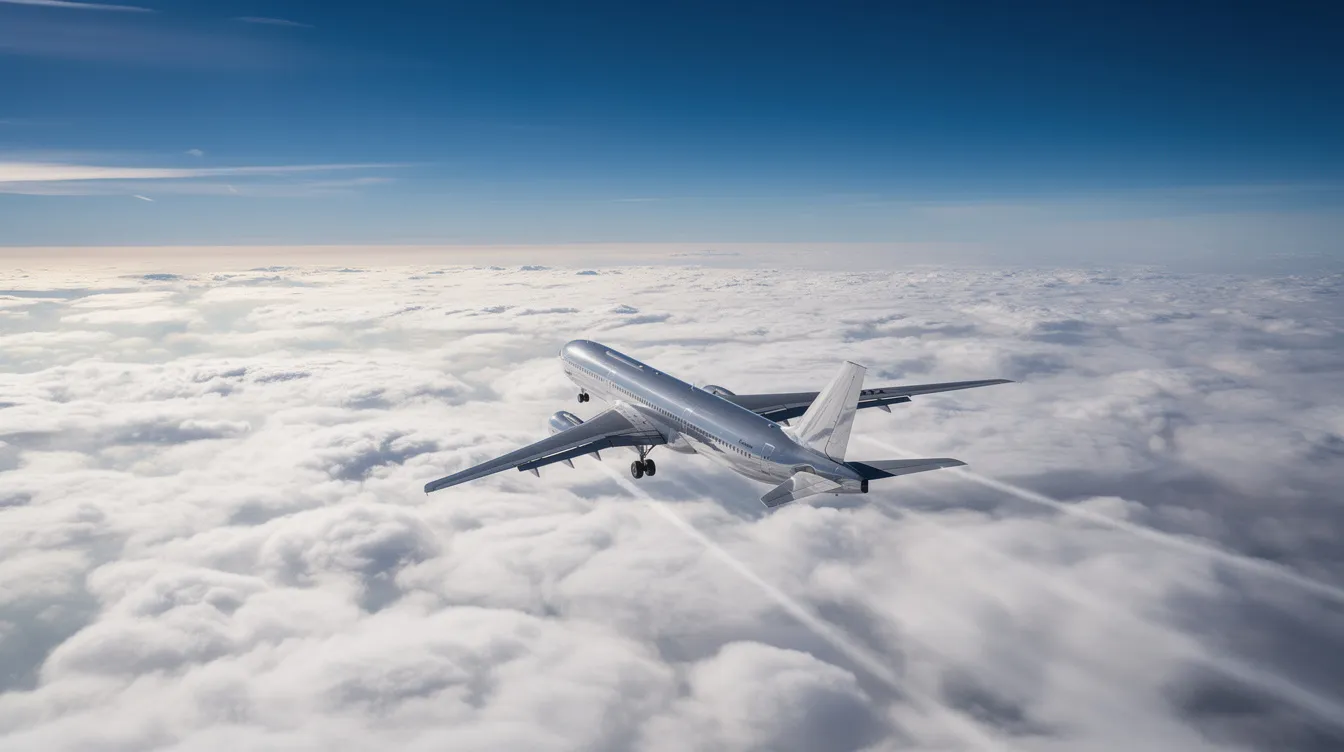
Aviation remains one of the safest ways to travel on Earth. Yet when people ask how planes crash, the answer is usually not one dramatic failure but a chain of smaller breakdowns involving human error, mechanical faults, severe weather, bad sensor data, software issues, or, in rare cases, intentional acts.
For executives, frequent flyers, private jet users, and other discerning travelers, understanding how and why aircraft accidents occur is not morbid curiosity. It is practical context for making informed decisions about air travel that protect your time, business, family, and peace of mind. This article examines the main causes of plane crashes, how investigations identify what went wrong, and how modern safety protocols, airline procedures, and private aviation standards work to keep flying exceptionally safe.
How Do Planes Crash? (Fast Answer Overview)
Most airplane crashes result from a chain of small failures rather than one catastrophic event. A sensor gives a bad reading. A pilot misinterprets an instrument. Weather degrades visibility. Maintenance misses a hairline crack. Individually, none of these would bring down an aircraft. Together, they can.
Modern aviation is statistically one of the safest modes of transportation. The global accident rate for scheduled commercial operations in 2024 stood at roughly 2.56 accidents per million departures - and the vast majority of those were non-fatal events. Fatal crashes remain extraordinarily rare relative to the volume of flights worldwide.
The main categories that explain how airplanes crash fall into five groups:
Human error - pilot mistakes, controller miscommunications, maintenance oversights
Mechanical failure - engines, structural components, landing gear, flight controls
Weather and environmental hazards - wind shear, icing, microbursts, volcanic ash
Software, sensors, and automation faults - erroneous data, hidden logic, poor interface design
Intentional crashes and sabotage - terrorism, hijacking, and extremely rare deliberate acts
The Swiss Cheese Model of accident causation, developed by psychologist James Reason, describes how multiple failures can align to cause an accident. Imagine several slices of Swiss cheese stacked together: each slice represents a layer of defense (training, redundancy, procedures, technology), and each has holes. A crash occurs only when the holes in every slice line up simultaneously. This model is central to how the industry thinks about and prevents aviation accidents.
The tone of this article is factual and reassuring. Commercial airplanes and private jets are engineered with extraordinary margins of safety. Understanding how failures occur helps everyone - regulators, operators, and informed travelers - keep those margins wide.
Why Understanding Plane Crashes Matters for Modern Travelers
If you are an executive, a frequent flyer, or a private jet user, your interest in aviation safety goes beyond headlines. You want to know the substance behind safety claims - because your time, your business, and your family depend on informed decisions about air travel.
Broadly, commercial aviation and private aviation share the same physics and the same atmosphere. The difference lies in regulation, maintenance rigor, crew certification, and the quality of the operator behind the aircraft flying your route. Both segments benefit from decades of accumulated knowledge about why aircraft crashes happen and how to prevent them.
Understanding aircraft accidents informs better safety standards, sharper technology, and more disciplined operating practices. For discerning travelers, this knowledge supports better decisions about carriers, aircraft types, and flight providers. It is the difference between choosing convenience and choosing confidence.
At BlackJet, we use global accident data and international safety standards to design our operating and vetting protocols. Every operator in our network is selected not on price alone, but on demonstrated safety performance - because luxury without substance is just marketing.
Key Statistics: How Rare Are Aircraft Accidents Today?
The numbers tell a powerful story. In 2024, ICAO recorded 95 aviation accidents involving scheduled commercial flights - ten of which were fatal, resulting in 296 fatalities. By comparison, in 2018, there were 15 fatal airliner accidents worldwide. Despite rising global flight volumes, the long-term trend in fatal accidents has been declining for decades.
The total fatalities due to aviation accidents since 1970 are 83,772 - a sobering number, but one that spans more than five decades and billions of flights. When viewed against the sheer volume of air travel, the risk per flight remains vanishingly small.
To put the 2024 data in context, there were approximately 37 million scheduled departures that year. The accident rate of 2.56 per million departures includes all types of accidents, from runway excursions to hull losses. The fatal accident rate is a fraction of that figure. In the European region, the accident rate for scheduled operations involving commercial aircraft over 5,700 kg was 2.46 per million departures, with 3 fatal accidents among 22 total.
It is important to understand the terminology. Under ICAO Annex 13:
An accident involves fatal or serious injury, substantial aircraft damage, or a missing aircraft
A serious incident is an event that comes close to being an accident
An incident is any occurrence that affects or could affect safety
Small general aviation aircraft have consistently higher accident rates than large commercial jets and well-managed business aircraft fleets. Understanding why small planes crash so often is a separate but related question, and it underscores the value of operating under stringent standards regardless of aircraft size.
The European Aviation Safety Agency provides an annual safety review that tracks these trends across the continent, and the Aviation Safety Network maintains one of the most comprehensive databases of commercial aircraft accidents globally. ICAO requires reporting of accidents for aircraft over 2,250 kg, ensuring that data collection is standardized worldwide.
How Investigators Determine Why Airplanes Crash
When an aircraft goes down, the investigation that follows is governed by ICAO Annex 13, which the International Civil Aviation Organization established with a single overriding principle: the objective is prevention of future accidents, not assigning blame. ICAO sets international standards for aviation accident investigations, and every member state is expected to follow them.
National agencies carry out the work. The NTSB investigates U.S. aviation incidents and accidents. France's BEA, the UK's AAIB, and dozens of equivalent bodies around the world conduct parallel investigations when their aircraft, airlines, or territories are involved.
Investigators analyze wreckage, secure and examine the crash site, and retrieve flight recorders - the so-called "black boxes" - as their priority. The concrete tools at their disposal include:
Flight data recorders (FDRs) - capturing hundreds of flight parameters
Cockpit voice recorders (CVRs) - recording the audio environment inside the cockpit
ATC radar tracks and recordings - reconstructing the aircraft's path and communications
Maintenance logs - identifying prior repairs, component histories, and inspection records
Weather data - radar, satellite, and surface observations at the time of the event
Physical evidence on the ground - helping investigators reconstruct the sequence of events from impact patterns, debris distribution, and wreckage position.
Complex investigations often take 12 to 24 months, with interim reports published along the way. As EASA has noted, the goal is to produce actionable safety recommendations that reshape procedures, training, design, and maintenance across global aviation. Investigations aim to identify causes and recommend safety improvements - and those recommendations have saved countless lives in the decades since formal investigation protocols were established.
Major Categories of Plane Crash Causes
This section acts as a table of contents for an aviation accidents guide - a map of the primary cause categories explored in detail below. Aviation accidents are usually caused by a combination of human error and mechanical problems, rarely by a single isolated factor.
The major categories are:
Cause Category | Approximate Share |
|---|
Human error (pilots, ATC, maintenance) | 50–80% (as primary or contributing factor) |
Mechanical and structural failures | ~21% |
Weather and environmental hazards | ~11% |
Software, sensors, and automation faults | Rising (subset of technical failures) |
Intentional crashes and sabotage | ~9–10% |
These ranges come from long-term studies across multiple decades and data sources. Human factors are cited in over half of aviation accidents, making them the single largest category. Mechanical failures cause about 21% of plane crashes. Weather contributes to 11% of aviation accidents as a primary cause, though its role as a contributing factor is much higher.
In most accidents, multiple categories overlap. A thunderstorm degrades visibility, a pilot makes a rushed decision, and a sensor gives misleading data - all on the same approach. The sections that follow examine each category with real-world case studies and the prevention measures that have emerged from them.
Human Error: The Dominant Factor in Aviation Accidents
Human error in aviation extends far beyond the cockpit. It encompasses pilots, air traffic controllers, maintenance engineers, dispatchers, and ground operations staff. Any human link in the chain can introduce a failure.
Research consistently shows that pilot errors account for over 50% of aviation accidents when measured as a primary cause. When contributing factors are included, human error accounts for roughly 50% to over 80% of aviation accidents, depending on the dataset and methodology. In U.S. general aviation, pilot error is the leading cause in approximately 75–80% of crashes.
Common pilot-related issues include:
Misinterpreting instruments or displays
Poor communication within the flight crew or with air traffic control
Fatigue and circadian rhythm disruption
Procedural violations or shortcuts
Mishandling automation or misunderstanding autopilot modes
Pilot fatigue and communication breakdowns increase the risk of aviation accidents significantly. Beyond the cockpit, air traffic control errors can create hazardous situations through incorrect clearances, loss of separation between aircraft, or miscommunication during critical phases of flight. Maintenance errors can lead to accidents through inspections that fail to identify defects, or through improper repairs that create latent failures.
Modern countermeasures include Crew Resource Management (CRM) training, fatigue risk management regulations with strict duty time limits, recurrent simulator training, and formalized safety management systems. These layers of defense are precisely what the Swiss cheese model is designed to reinforce.
How Pilot Error Can Lead to Airplane Crashes
The flight crew sits at the sharp end of every flight. Their decisions during critical moments - an unstable approach, an engine anomaly, a sudden weather change - determine whether an abnormal situation becomes an accident or a routine diversion.
Pilot errors account for about 58% of fatal crashes across long-term datasets. Pilot miscalculations contribute to 21.2% of crashes, and carelessness in pre-landing checks caused 26.3% of pilot errors in certain studies. These are not small numbers.
One of the most thoroughly documented cases is Asiana Airlines Flight 214, a Boeing 777 that crashed short of the runway at San Francisco International Airport in 2013. The crew mismanaged the approach speed and misunderstood the behavior of the plane's autopilot and autothrottle system. Airspeed decayed from a target of 137 knots to 134 knots at 500 feet, then plummeted to 112 knots just eight seconds before impact. The tail struck the seawall. Three passengers died; 307 survived. The NTSB's final report cited the crew's mismanagement of the approach, their failure to monitor airspeed, and inadequate understanding of automation modes as the primary cause.
Modern glass cockpits and complex aircraft systems can overload pilots if pilot training or interface design is inadequate. A co-pilot who does not challenge the captain, or a captain who fixates on one instrument while ignoring another, can set the stage for disaster. This is why top-tier operators - including premium private jet providers - require recurrent simulator sessions focusing on rare emergencies, manual flying proficiency, and decision-making under pressure.
Other Human Errors: Maintenance, Ground Crews, and ATC
Not all critical human errors occur in the cockpit. Many of the most devastating accidents in aviation history trace back to the ground - to maintenance hangars, control towers, and airport surfaces.
Maintenance-related causes are particularly insidious because they can remain hidden for months or years. Japan Airlines Flight 123 in 1985 remains one of the deadliest single-aircraft accidents ever. Seven years earlier, the aircraft had suffered a tail strike that damaged the aft pressure bulkhead. The subsequent repair was improperly executed. Over thousands of pressurization cycles, the faulty repair weakened until the bulkhead failed catastrophically in flight, severing hydraulic lines and rendering the aircraft uncontrollable. Of 524 people aboard, 520 died.
Air traffic controllers bear enormous responsibility for maintaining separation between aircraft. ATC-related issues - runway incursions, loss of separation, and miscommunications - have contributed to some of the worst disasters in aviation history. The 1977 Tenerife runway collision, which killed 583 people, involved two aircraft on the same runway in low visibility, compounded by ambiguous radio phraseology and controller workload.
Time pressure, staffing shortages, and communication barriers - including language differences - contribute to ground-related mistakes. Safety systems that address these risks include redundancy in inspections, digital maintenance tracking with parts traceability, ground radar for surface movement, and standardized phraseology mandated by ICAO across all controlled airspace.
Mechanical Failure: When Aircraft Hardware Fails
Mechanical failures cause about 21% of plane crashes in historical datasets - a significant share, but one that has been declining steadily as engineering, materials science, and inspection techniques improve.
Key mechanical areas that can fail include:
Engines (turbine blade fracture, bearing failure, fuel system problems)
Flight control linkages and actuators
Landing gear mechanisms
Structural components: wings, fuselage skin, pressure bulkheads
Pressurization and environmental control systems
Modern commercial aircraft and business jets are designed with redundancy at every critical level. One component's catastrophic failure rarely causes an accident alone - there are backup systems, alternate modes, and crew procedures specifically designed for degraded operations.
A well-known case is TWA Flight 800, a Boeing 747 that exploded shortly after takeoff from New York's JFK airport in 1996. The investigation concluded that an electrical short in aging wiring ignited fuel vapors inside the center fuel tank. The accident was not terrorism - it was equipment failure rooted in design limitations and the interaction of fuel tank heating with inadequate vapor inerting. The result was sweeping changes to fuel tank safety standards, wiring inspection programs, and the introduction of nitrogen-generating systems to reduce flammable vapors in tanks.
Today, component tracking, life limits, and non-destructive testing methods - ultrasound, eddy current inspection, radiography - dramatically reduce the chance of catastrophic failure going undetected.
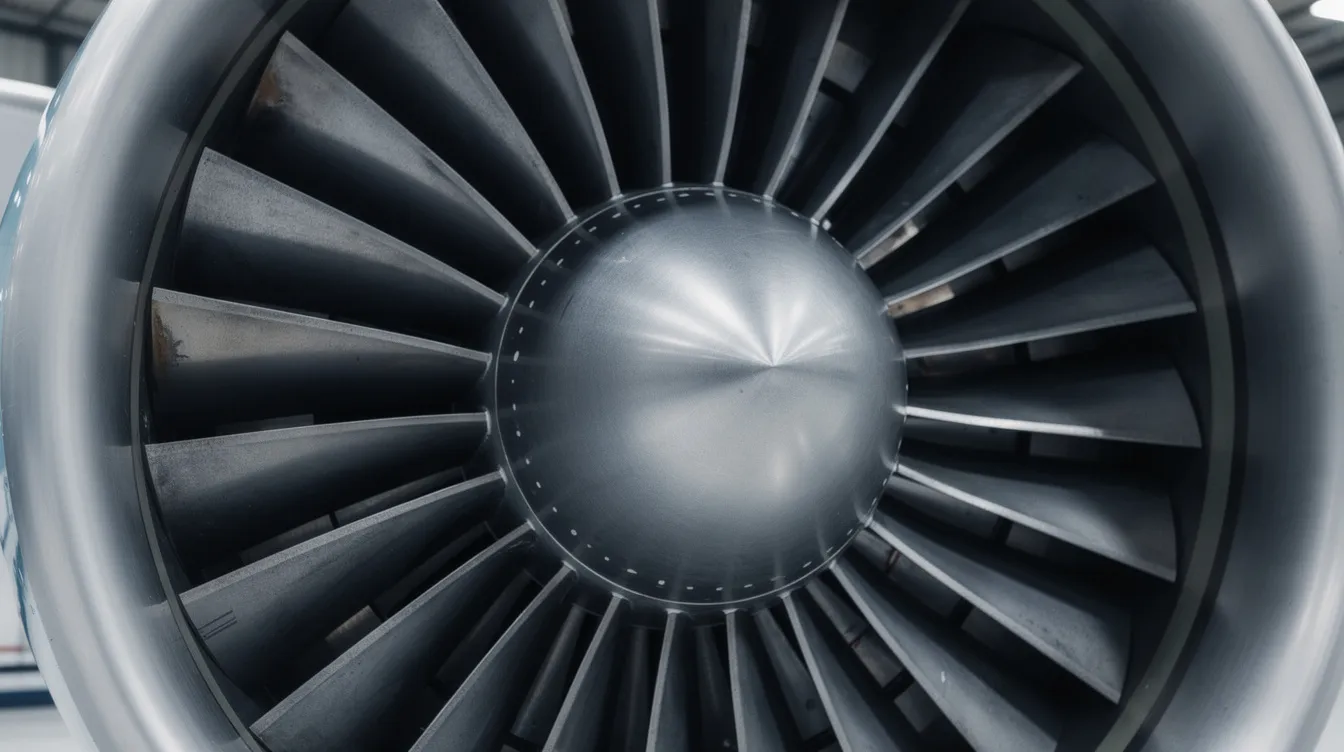
Engine Failure: Why It Rarely Causes a Crash by Itself
When an engine fails on a modern airliner or business jet, the aircraft does not fall out of the sky. Every multi-engine commercial airplane is designed, tested, and certified to fly, climb, and land safely with one engine inoperative. Even single-engine aircraft are certified with specific glide ratios that allow pilots to reach suitable landing areas.
The most famous demonstration of this principle is US Airways Flight 1549 in 2009. After bird strikes disabled both engines on a twin-engine Airbus A320 shortly after takeoff from LaGuardia, Captain Chesley Sullenberger and First Officer Jeffrey Skiles glided the aircraft to a successful ditching in the Hudson River. All 155 people aboard survived. The aircraft was capable of gliding safely - even without thrust - saving every life on board.
Engine failure becomes dangerous when combined with low altitude, pilot disorientation, adverse weather conditions, or improper response. If an engine fails during the initial climb at low altitude over mountainous terrain, the margin for error shrinks dramatically.
Common triggers include bird strikes, foreign object damage, fuel contamination, or maintenance errors. Modern engines are monitored continuously through vibration sensors, temperature monitoring, oil analysis, and trend data that allow predictive maintenance to catch degradation before it becomes an in-flight emergency.
Bird Strikes and Other External Hazards to Engines
Bird strikes are particularly hazardous during takeoff and climb, when aircraft are at low altitude, and engines are producing maximum thrust. Large birds - Canada geese being the classic example - can cause immediate engine failure if ingested into the core of a turbofan engine.
The Flight 1549 incident made bird strikes a household concern: a flock of geese disabled both engines simultaneously just 2,800 feet above New York City. While the outcome was miraculous, it exposed a vulnerability that the industry had long acknowledged but rarely experienced in such dramatic fashion.
Other wildlife hazards include deer, coyotes, and other animals on runways at airports near natural habitats. Wildlife management programs - habitat modification, trained falconers, radar tracking of bird flocks - mitigate risk at airports with known exposure.
Engine certification tests conducted by the Federal Aviation Administration and equivalent bodies require engines to demonstrate resilience by ingesting birds and ice under controlled conditions. Engines must contain blade fragments after failure rather than allowing them to penetrate the fuselage. But rare worst-case scenarios - multiple bird strikes affecting all engines simultaneously - remain a residual risk that cannot be fully engineered away.
Aircraft Systems and Software: When Technology Misbehaves
Modern aircraft are defined by their aircraft systems: flight management computers, autopilot, fly-by-wire controls, navigation systems, angle-of-attack sensors, and dozens of warning and protection systems. These systems make aircraft flying safer, more efficient, and more precise. But when they misbehave, the consequences can be severe.
Complex software logic and automation can fail or behave unexpectedly under rare conditions. The most consequential recent example involves the Boeing 737 MAX. The Maneuvering Characteristics Augmentation System (MCAS) was designed to prevent stalls by automatically pushing the nose down when a high angle of attack was detected. But MCAS relied on input from a single angle-of-attack sensor. When that sensor fed faulty data, MCAS repeatedly commanded nose-down trim that the crew struggled to override. Two aircraft crashed shortly after takeoff, killing 346 people in total. The accidents exposed failures in software design, sensor redundancy, certification processes, and pilot training.
Hidden logic behaviors - such as the distinction between an autothrottle being "armed" versus "active" - can confuse even experienced crew members. In Asiana 214, the crew did not realize the autothrottle was not actively maintaining airspeed, a misunderstanding rooted partly in inadequate documentation of how multiple automated systems interact.
Certification reforms following these high-profile crashes now require more transparent documentation of automated system behavior, mandatory simulator training for emergency scenarios, and stricter validation and redundancy requirements in both software and sensor architectures.
Faulty Sensors and Data: The "Ghost in the System"
Every decision a modern aircraft makes - whether through its computers or its pilots - depends on accurate data. Angle-of-attack sensors measure the aircraft's pitch relative to airflow. Pitot tubes measure airspeed. Static ports measure altitude. When any of these are blocked, damaged, or miscalibrated, the consequences ripple through every system they feed.
Blocked pitot tubes - sometimes by ice, sometimes by insect nests during ground time - can result in false airspeed indications. The pilots see numbers that do not match reality. The flight computers receive conflicting data and may disconnect protections or trigger inappropriate responses. In several documented incidents, erroneous sensor data caused inappropriate automatic responses, leading to steep dives or stalls that the crew had to fight to recover from.
Pilot training on unreliable airspeed and partial panel operations is a key mitigation strategy. Instrument flight rules training specifically prepares pilots to cross-reference multiple sources and recognize when data is suspect. Visual flight rules flying relies on external references, but in low visibility or at high altitude, instruments are everything.
Top-tier operators and manufacturers now emphasize sensor redundancy - multiple independent sensors feeding independent computers - along with better cross-checking algorithms and clearer alerts that distinguish between "degraded data" and "total failure."
Weather: When the Atmosphere Turns Hostile
Severe weather contributes to about 10% to 15% of aviation accidents, depending on whether weather is counted as a primary or contributing factor. For general aviation accidents, the share is even higher. But weather rarely acts alone - it amplifies other problems and reduces the margin available for recovery.
Major hazardous phenomena include thunderstorms, icing, wind shear, microbursts, volcanic ash clouds, and severe turbulence. Severe weather conditions like wind shear and icing can overwhelm pilots' control capabilities, particularly during the critical phases of takeoff and landing when altitude buffers are minimal.
The textbook case is Delta Flight 191 in 1985. On approach to Dallas/Fort Worth, the L-1011 TriStar flew into a thunderstorm cell containing a microburst - a violent column of descending air that creates sudden, extreme wind shear at low altitude. The aircraft crashed shortly before the runway, killing 137 of the 163 people aboard, ard plus one person on the ground. At the time, real-time wind shear detection at airports was nonexistent. The accident forced the development and deployment of Terminal Doppler Weather Radar and mandatory wind shear training for all airline pilots.
Pan Am Flight 759 in 1982 provides another example: the aircraft encountered a microburst during initial climb from New Orleans, lost airspeed and altitude, and crashed into a residential neighborhood. All 145 aboard and 8 people on the ground died.
Today, onboard weather radar, satellite data, dispatch support, and airport-based detection systems have significantly reduced weather-related accident risk. But weather remains an ever-present variable - and adverse weather conditions remain among the most demanding challenges any flight crew can face.

Turbulence: Uncomfortable but Rarely Catastrophic
Turbulence seldom causes airplanes to crash, but it is a leading cause of in-flight injuries to unbelted passengers and crew members. The distinction matters: turbulence is a comfort and safety-of-persons issue far more often than it is a structural threat.
There are several types:
Clear-air turbulence (CAT) - occurs without visible cloud, often near jet streams; hardest to predict
Convective turbulence - associated with thunderstorms and thermal activity
Mountain wave turbulence - generated by wind flowing over mountainous terrain
Aircraft structural margins are substantial. Modern aircraft are built and tested to withstand loads far beyond anything encountered in typical - or even severe - turbulence events. Certification standards require the structure to endure 2.5G positive loads and -1G negative loads without damage, with an additional 1.5x safety factor before failure.
The most effective passenger protection is simple: keep the seat belt fastened when seated. This single action reduces injury risk from turbulence by an order of magnitude. For travelers in both commercial and private aviation, this remains one of the most practical flight safety measures available.
Takeoff and Landing: Why Critical Phases Have Higher Risk
Accidents occur most frequently during takeoff and landing phases of flight. Although these phases account for only about 6% of total flight time, they are associated with a disproportionate share of most airplane crashes - some estimates place it at over 50% of all fatal accidents.
The reason is straightforward: at low altitude, there is little time or space to recover from mistakes, malfunctions, or environmental surprises, and this is also where midair collisions occur most often, especially near airports during departure and arrival. Typical hazards during these phases include:
Runway overruns and undershoots
Rejected takeoffs at high speed
Bird strikes during climb-out
Wind shear on short final
Runway incursions by other aircraft or ground vehicles, which is why extra vigilance is critical in congested traffic patterns near airports where midair collisions occur
Specific improvements have reduced risk during these phases: runway safety areas (engineered overrun zones), enhanced ground radar, precision approach systems, and stabilized-approach criteria that require a go-around if specific parameters are not met by a defined altitude gate.
Private jet operations at smaller airports - which may have shorter runways, less sophisticated approach aids, and minimal ATC coverage - require especially disciplined procedures during these phases. This is one area where the quality of an aircraft operating under a rigorous Part 135 certificate, with experienced crew and conservative policies, makes a measurable difference.
Runway and Ground Operations: Crashes Before Leaving the Airport
Some air crashes and serious incidents happen before the aircraft ever leaves the ground - or during the final seconds of the landing roll. Runway safety issues are a significant cause of aviation accidents.
Key ground-based scenarios include:
Runway collisions - two aircraft, or an aircraft and a vehicle, occupying the same runway simultaneously
Taxiway confusion - aircraft turning onto wrong taxiways or active runways
Incorrect takeoff configuration - flaps not set, trim not verified, doors not secured
The deadliest accident in aviation history remains the 1977 Tenerife runway collision between two Boeing 747s. A KLM aircraft began its takeoff roll while a Pan Am flight was still on the same runway, obscured by fog. The collision killed 583 people. The primary cause was the KLM captain initiating takeoff without a clear clearance, compounded by low visibility, radio interference, and ambiguous phraseology. That single catastrophic event rewrote global standards for ATC communication, including mandatory read-back procedures and standardized phraseology in controlled airspace.
Modern safeguards include surface movement radar, runway status lights, cockpit cross-checks, and enhanced surveillance at busy hub airports. Smaller airfields commonly used in private jet charter may lack some of these systems, making crew discipline and operator protocols even more critical.
Ground Power and Hidden Electrical Risks to Aircraft Systems
Ground power units (GPUs) supply electrical power to aircraft while they are parked with engines shut down. They are ubiquitous at every airport and FBO, yet rarely discussed as a safety factor.
Poor ground power quality - voltage spikes, frequency instability, or incorrect phase configuration - can cause gradual or sudden damage to sensitive avionics, flight computers, and electrical distribution systems. Such damage may not present symptoms until later in flight, making it an indirect but real contributor to some aviation accidents. A corrupted flight management computer or a degraded sensor power supply can produce subtly wrong outputs that only become dangerous under specific flight conditions.
Typical protections include built-in surge protection on the aircraft side, power quality monitoring on the GPU side, and strict procedures for connecting and disconnecting ground power. High-quality operators and fixed-base operators enforce strong standards for ground power equipment, including regular calibration and testing of GPU output.
For travelers, this is yet another invisible layer of safety - one that distinguishes providers who manage every detail from those who cut corners.
Structural Failure: When the Airframe Itself Gives Way
Structural failure is rare in modern aviation, but when it occurs, it tends to be catastrophic. The causes are usually fatigue cracking, corrosion, or the consequences of improper repairs - failures that develop silently over years.
Japan Airlines Flight 123 remains the most cited example. A faulty repair to the aircraft's rear pressure bulkhead - made after a tail strike seven years earlier - failed under the accumulated stress of thousands of pressurization cycles. The resulting explosive decompression severed all four hydraulic systems and destroyed the vertical stabilizer. The crew fought to control the aircraft for over 30 minutes before it crashed into mountainous terrain. Of the 524 aboard, only 4 survived.
Pressurization cycles, high-load maneuvers, and environmental conditions - salt air, humidity, temperature extremes - stress the aircraft structure over time. Modern inspection methods address this through non-destructive testing (ultrasound, eddy current, X-ray), rigorous corrosion programs, and mandatory service bulletins issued by manufacturers when potential weaknesses are identified.
Long-lived commercial airplanes and business jets can remain safe in service for decades with proper structural maintenance. The key word is "proper" - and this is where operator quality, regulatory compliance, and third-party oversight become essential.
Intentional Crashes, Sabotage, and Security Threats
Intentional crashes and sabotage - terrorism, bombs, hijackings, shoot-downs, and deliberate pilot actions - make up a minority of all aircraft accidents but carry outsized public impact. Estimates suggest such events account for roughly 9–10% of serious commercial crashes over the historical record.
Historically significant cases include:
Pan Am Flight 103 (1988) - a terrorist bomb detonated in the cargo hold over Lockerbie, Scotland, killing all 259 aboard and 11 on the ground
The September 11, 2001 attacks - four aircraft hijacked and used as weapons, killing nearly 3,000 people and transforming global aviation security.
Malaysia Airlines Flight 17 (2014) - shot down by a surface-to-air missile over eastern Ukraine, killing all 298 aboard.
Rare cases of pilot suicide - where a crew member deliberately crashes the aircraft - are statistically extremely uncommon but closely studied in safety reviews. The Germanwings Flight 9525 crash in 2015 prompted immediate reforms in cockpit access procedures, requiring two authorized persons in the cockpit at all times.
Modern aviation security measures include multi-layered passenger and cargo screening, reinforced cockpit doors, behavioral detection programs, intelligence-based risk management, and international no-fly zone advisories. These measures have dramatically reduced the incidence of security-related aviation accidents since the early 2000s.
Famous Case Study: EgyptAir Flight 990 and the Complexity of Intent
EgyptAir Flight 990 is one of the most controversial cases in aviation history. On October 31, 1999, the Boeing 767 departed New York's JFK airport bound for Cairo. About 30 minutes after takeoff, over the Atlantic Ocean, the aircraft entered a rapid descent and crashed, killing all 217 people aboard.
The NTSB concluded that the crash was caused by deliberate input from the relief first officer, who repeatedly commanded nose-down elevator while the captain was out of the cockpit. The flight number and route became associated with one of the most sensitive categories in accident investigation: potential pilot suicide.
Egyptian authorities disputed this conclusion, pointing instead to possible mechanical failure in the elevator control system. The case was never formally resolved to the satisfaction of both parties. The EgyptAir Flight investigation illustrates the profound difficulty of determining motive and intent when the primary evidence comes from cockpit voice recorders and flight data - and when cultural, political, and diplomatic sensitivities are involved.
Regardless of interpretation, the safety outcomes included improved monitoring of crew behavior, increased awareness of psychological screening in pilot selection, and reinforced protocols for cockpit access and crew pairing.
Global Safety Systems: How the Industry Learns from Airplane Crashes
The aviation industry has built an ecosystem of interlocking safety systems specifically designed to learn from every accident, incident, and near-miss.
All commercial aircraft must report position every 15 minutes under the Global Aeronautical Distress and Safety System (GADSS), ensuring that aircraft are trackable even over remote ocean areas - a direct response to the disappearance of Malaysia Airlines Flight 370 in 2014.
The ASRS collects voluntary aviation safety incident reports from pilots, controllers, and other aviation professionals in the United States. These reports are confidential and non-punitive, encouraging honest disclosure of errors and near-misses that might otherwise go unreported. Thousands of ASRS reports are filed annually, and the patterns they reveal drive targeted safety improvements.
The Bureau of Aircraft Accidents Archives (BAAI), the Aviation Safety Network, and regional safety reviews - including the annual review published by the European Aviation Safety Agency - serve as key data sources for researchers, regulators, and operators. The safety board of each country contributes findings that feed into a global knowledge base.
Continuous safety recommendations issued by investigative bodies help reshape global aviation standards. A single safety recommendation from the NTSB or BEA can lead to worldwide changes in design, training, or procedure. This feedback loop - from accident to investigation to recommendation to implementation - is the reason that fatal crashes have become increasingly rare even as air traffic volumes have grown.
How Private Aviation and Jet Cards Approach Aviation Safety
Safety standards apply not only to airlines but also to private jet charter, fractional ownership, and jet card providers. For private aviation, the framework includes FAA Part 135 certification (or its international equivalents), which imposes requirements on pilot duty times, maintenance intervals, inspections, and operational control.
BlackJet partners only with operators meeting specific certification thresholds. These include ARGUS Platinum ratings, Wyvern Wingman standards, and IS-BAO certification - each of which requires on-site audits, documented safety management systems, and demonstrated crew competency beyond regulatory minimums.
Aircraft selection, crew experience minimums, and duty time limits are imposed to mitigate the human error risks that dominate accident statistics. By May 28, 2027, every U.S. Part 135 charter operator will be required to implement a Safety Management System under 14 CFR Part 5, raising baseline safety expectations across the industry.
Jet Card models - such as BlackJet's 25-hour and 50-hour programs and other premium private jet card programs - allow for careful planning, vetted fleets, and consistent operating standards rather than ad-hoc charter choices. Consider the scenario: an executive using a BlackJet Jet Card to fly from New York to London. Before the flight, aircraft history and maintenance status are verified, crew qualifications are confirmed against BlackJet's minimums, the planned route is reviewed for weather and airspace considerations, and the operator's current safety certifications are validated. None of this requires the traveler to do the research themselves - it is built into the program.

Comparing Commercial Flights and Private Jet Travel on Safety
The comparison between commercial airlines and private aviation on flight safety is nuanced. Neither is inherently "safer" - the answer depends entirely on the operators, aircraft, and standards involved.
Large airlines benefit from:
Massive data sets collected across thousands of daily flights
Standardized fleets with centralized maintenance programs
Highly structured training programs with recurrent evaluations
Intense regulatory scrutiny from the national aviation authority
Well-managed private aviation benefits from:
Lower exposure to congested hubs and associated runway safety risks
Tailored flight planning for each mission
Tighter control over aircraft assignment and maintenance
Ability to avoid overly busy air traffic corridors and midair collisions associated with dense traffic
The risk in private flights depends heavily on operator quality, aircraft age and maintenance, crew hours and recency, and adherence to best practices. A poorly managed charter operation flying an aging aircraft with minimum-time pilots is a different proposition from a Wyvern Wingman PRO operator flying a current-generation aircraft with robust safety protocols.
BlackJet curates high-caliber operators and aircraft categories across light, midsize, super-midsize, and large cabin classes, drawing on a full spectrum of private jet types for every traveler, to maintain robust private travel safety. The goal is to ensure that the safety environment surrounding every private flight is comparable to - or exceeds - what passengers would experience on a well-run scheduled airline.
Safety, Sustainability, and Technology: The Future of Aviation Risk Reduction
Next-generation avionics, data analytics, and real-time engine and systems monitoring are reshaping how the industry prevents aircraft accidents. Predictive maintenance - using vibration trend analysis, thermal monitoring, and AI-driven anomaly detection - allows operators to replace components before they fail, rather than after.
Carbon-neutral initiatives and sustainable aviation fuel do not compromise aviation safety. Every new fuel formulation, every new propulsion concept, and every new material must meet certification standards equal to or higher than what exists today. Safety standards remain non-negotiable.
BlackJet integrates carbon offset and carbon-neutral programs alongside strict safety protocols, aligning luxury air travel with sustainability. The company's mobile booking platform and real-time flight support systems improve situational awareness and contingency planning, giving travelers and operations teams alike better tools for managing each flight.
Technology, when paired with disciplined human oversight, continues to reduce the risk of airplane crashes over time. But technology alone is not the answer - it is the combination of trained humans, validated systems, conservative policies, and a culture that treats every near-miss as a learning opportunity.
How Travelers Can Evaluate Aviation Safety Before They Fly
For executives and high-net-worth travelers, evaluating aviation safety does not require an engineering degree. It requires asking the right questions.
Before booking any private flight, consider:
Is the operator Part 135 certified (or equivalent for international operations)?
Does the operator hold third-party safety ratings - ARGUS Gold or above, Wyvern Wingman, IS-BAO Stage 2 or higher?
What is the fleet age, and what maintenance programs are in place?
What are the crew minimums - total flight hours, hours in type, recency?
Does the operator have a formal Safety Management System?
What are the operator's weather policies - will they cancel or delay for marginal conditions?
Is there a clear escalation procedure if something goes wrong?
Signs of a safety-focused provider include transparent information, conservative weather policies, willingness to cancel rather than push margins, and clear documentation of aircraft safety protocols.
For Jet Card members with BlackJet, these questions are answered before the traveler ever asks them. Every operator in the network is vetted against specific standards, and every flight is managed with the same position reports, crew checks, and aircraft verification processes. The result is confidence without complexity.
Conclusion: Why Planes Rarely Crash - and How to Fly Smarter
Modern aviation safety has reached historically unprecedented levels. Accidents happen, but they are increasingly rare, and when they do occur, the causes nearly always involve multiple overlapping factors - human, technical, environmental, and sometimes intentional acts. No single failure brings down a well-maintained, properly operated aircraft with a trained and rested crew.
The industry's continuous improvement cycle is relentless. Every incident informs better pilot training, improved aircraft design, more rigorous maintenance procedures, and more robust regulatory oversight. The total number of fatal accidents has declined even as global flight hours have risen dramatically - a testament to the power of learning from failure.
For travelers, the takeaway is clear: combine informed caution with confidence in modern aviation systems. Choose operators and providers who treat safety as a culture, not a checkbox. Ask questions. Look for certifications. Understand that a collision course with risk is avoidable when every layer of defense - human, technical, procedural - is actively maintained.
Elevate your travel - on your terms. With BlackJet, private flight comes with rigorous safety, carbon-neutral performance, and the kind of operational discipline that turns peace of mind into a standard feature. Our Jet Card programs offer seamless access to vetted aircraft and certified crews across every cabin class, backed by real-time support and the same safety data that drives the world's best airlines.
Explore BlackJet's Jet Card programs and discover how refined, meaningful travel becomes your new standard.


 Sign up with google
 Sign up with Apple