The HA-420 family has quietly redefined what a light jet can do for executives and high-net-worth individuals who refuse to compromise on time, comfort, or safety. This guide is designed for executives, private travelers, and aviation enthusiasts interested in understanding the differences between Honda Jet models, their features, and how to access them efficiently. This guide walks through every major Honda Jet model in the lineup—from the original Classic to the flagship Elite II—and explains how to access these Honda Jet models without buying one outright.
Strategic Overview: Why HondaJet-Class Aircraft Matter for Private Travelers
Consider a routine business trip: New York to Chicago, roughly 660 nautical miles. On a commercial flight, door-to-door time easily stretches past five hours once you factor in ground transport to a major hub, TSA screening, boarding, taxi, and deplaning. In a HondaJet aircraft, the same mission departs from Teterboro, cruises at a competitive maximum cruise speed of 422 KTAS above most weather at 43,000 feet, and lands at Midway or DuPage-shaving two or more hours off the round trip. Multiply that across a year of regional travel, and the math favors private aviation decisively.
What sets the HA-420 family apart from other aircraft in its segment isn't just speed. HondaJet cabins are designed to reduce cabin noise and vibration, the fuel efficiency is competitive among very light jets, and the airframe supports single-pilot operations-keeping crew costs lean. These traits make it a "smart luxury" choice rather than a purely indulgent one.
At BlackJet, we give members access to HondaJet Elite aircraft and comparable light jets through Jet Card programs and on-demand charter, without tying up $3–7 million in a single asset. The sections below cover every current HondaJet model variant, their capabilities, when each fits a traveler's mission profile, and how they compare with the best small private aircraft for different mission needs.
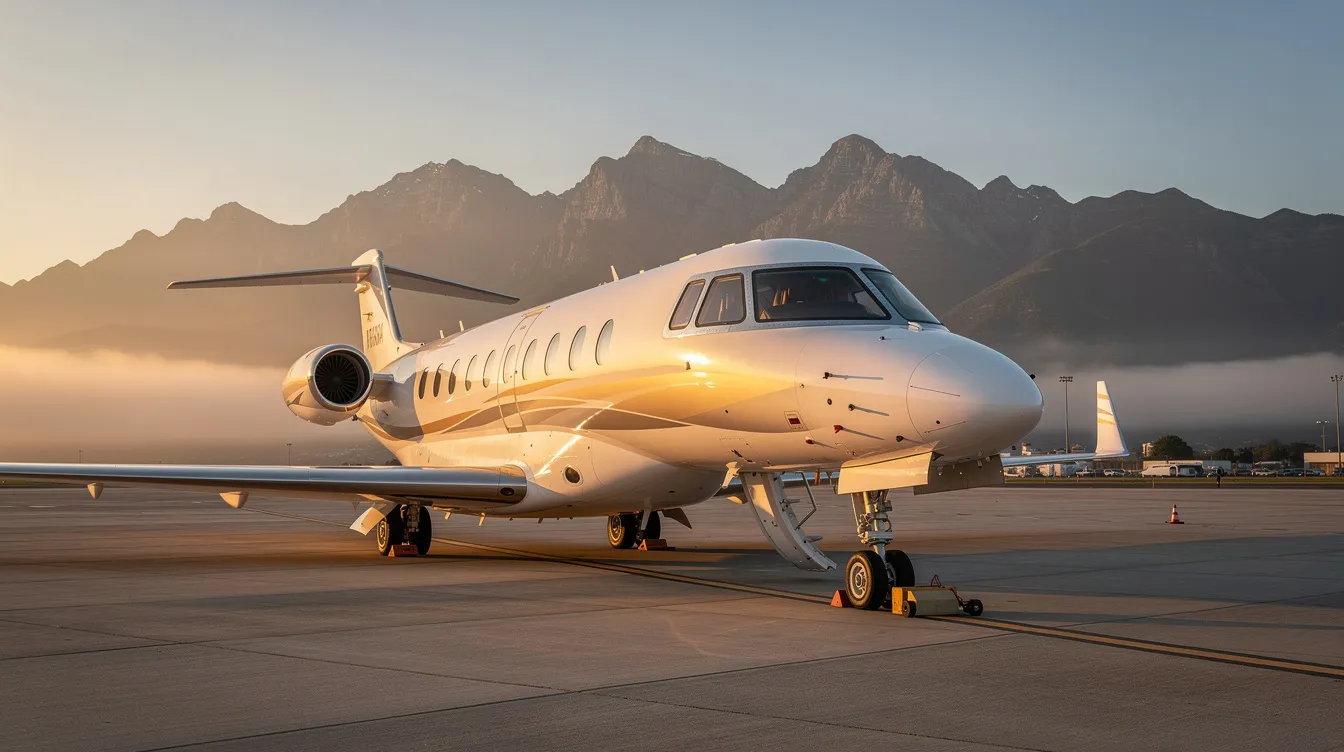
Honda Aircraft Company and the HA-420 HondaJet Family
Honda Aircraft Company, headquartered in Greensboro, North Carolina, made its first delivery to a customer in December 2015 after receiving FAA type certification-the culmination of over two decades of aerospace research and a key step from certification to service. Michimasa Fujino, the Honda Aircraft Company founder, had an ambitious vision: build a clean sheet design aircraft from the ground up, unconstrained by legacy airframe compromises.
The HondaJet is a family of very light business jets developed by Honda Aircraft Company. The HA-420 is the base model, with subsequent variants including the Classic, Elite, Elite S, and Elite II, each offering incremental improvements in range, performance, and cabin features.
The result is the ha 420 hondajet, featuring a composite fuselage for weight savings, an aluminum wing optimized for natural laminar flow, and the signature over-the-wing engine mount (OTWEM) configuration. By placing the GE Honda HF120 efficient engines above the wing rather than on the rear fuselage, Honda freed interior cabin volume, improved fuel efficiency, and reduced cabin noise-a trifecta no other private jet manufacturer had achieved in a light business jet.
The HondaJet product line represents ongoing evolution with multiple variants released in chronological order: the HondaJet Classic, HondaJet APMG (retrofit), HondaJet Elite, HondaJet Elite S, and hondajet elite ii. A successor concept aircraft-often called the Echelon or 2600-is also in development. All current HondaJet models share the same Garmin G3000 avionics suite and HF120 powerplants, ensuring consistency in cockpit philosophy and safety systems.
By the early 2020s, the hondajet fleet had grown to over 200 aircraft in service worldwide, with a documented dispatch reliability of 99.7 percent-a figure that matters deeply to reliability-conscious corporate travelers.
Core HondaJet Specifications That Define the Experience
Across every aircraft model in the HA-420 family, a core template defines the passenger experience: seating for four to six passengers in a club configuration, a fully enclosed externally serviceable lavatory sink in the aft cabin, generous baggage space of approximately 60–66 cubic feet, and a performance max cruise speed near 422 KTAS. The maximum cruise altitude for hondajet models is 43,000 feet, well above most commercial traffic and weather, and these traits place the HA-420 among top affordable private planes and other efficient very light jets.
The OTWEM configuration and natural laminar flow surfaces on the wing and nose are more than engineering curiosities. HondaJet's over-the-wing engine design reduces drag by 15–20 percent compared to conventional rear-mounted configurations, directly improving fuel burn rates and cabin quietness. Modern HondaJets boast low fuel burn rates compared to traditional jets-the aircraft consumes about 96 gallons of fuel per hour during cruise.
The range progression across variants tells a concrete story of increased range:
Classic: ~1,223 nm (NBAA IFR, 4 occupants)
APMG: ~1,359 nm
Elite / Elite S: ~1,437 nm
Elite II: ~1,547 nm
That incremental 100–300 nm of range opens meaningful nonstop city pairs-think New York to Houston or Los Angeles to Aspen without fuel stops. In practical terms, baggage space accommodates golf bags, skis, and full business luggage across the 53 cu ft aft compartment and 9 cu ft nose hold. The hondajet offers a fully enclosed lavatory and generous baggage capacity that belies its light jet classification. The hondajet emphasizes cabin space and passenger comfort across every variant, with a passenger capacity of up to six or seven depending on configuration and specifications max takeoff weight.
HondaJet Classic (HA-420): The Original Benchmark
The classic HondaJet established the benchmark for the advanced light business jet category. As the first aircraft delivered to customers starting December 2015, classic hondajet models cover customer-delivered serial number ranges from approximately 42000012 through 125, with the HondaJet including serial numbers spanning deliveries into 2018.
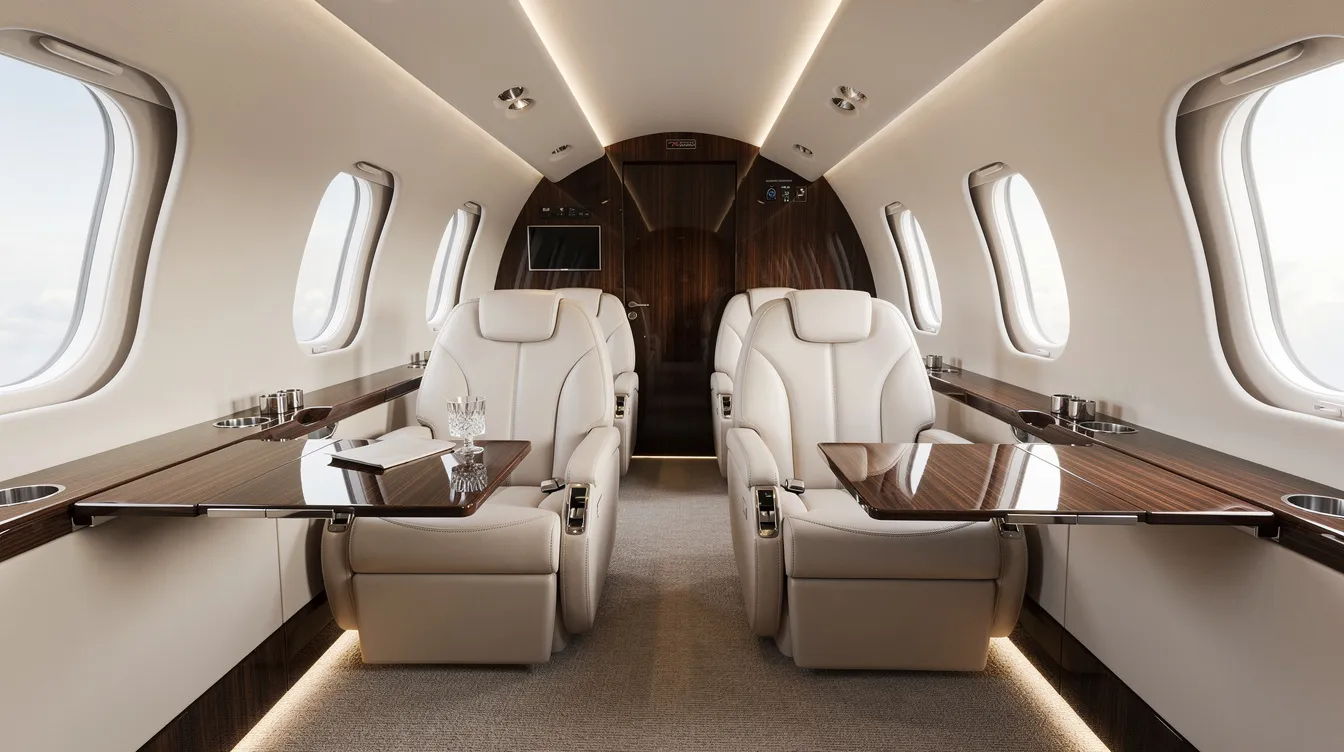
Core performance specifications for classic models: the HondaJet Classic has a maximum takeoff weight of 10,600 lbs, takeoff distance around 3,943 ft at MTOW, and an NBAA IFR range of 1,223 nautical miles with four occupants. The cabin layout features club seating for four with an optional side-facing seat, stowable tables, and factory interior cabin schemes offering both light wood trim and dark wood trim options.
Standard Garmin G3000 avionics provided integrated flight data with optional synthetic vision. Interior cabin features included executive seat upgrades and the externally serviceable lavatory that became a hallmark of the line.
Today, classic hondajet units represent strong value in the pre-owned market. For buyers focused on budget-friendly lift, it’s helpful to understand the cheapest private aircraft and other economical options. Through BlackJet, travelers can access similar early HA-420s via vetted operators for cost-effective light jet missions without navigating the used-aircraft market themselves.
HondaJet APMG: Upgraded Performance for Classic Airframes
The advanced performance modification group is a factory-developed retrofit program for classic and APMG models (serial numbers 12–125), designed to bring earlier airframes closer to Elite-level capability. Honda earned recognition for maintenance quality standards through this program, which is performed at hondajet authorized service centers.
Concrete figures: APMG upgrades increase the max takeoff weight to 10,700 lbs, shorten takeoff distance to approximately 3,491 ft (better landing performance as well), and extend range to about 1,359 nm-an increase of over 130 nm from the original Classic. The typical upgrade cost runs between $175,000 and $250,000, depending on timing and inspection intervals.
Avionics upgrades in the APMG package include integrated TOLD (Takeoff and Landing Distance) calculations and Garmin Flight Stream 510 wireless connectivity for flight plan transfer-upgraded features that align the cockpit more closely with the Elite's software environment.
For those considering ownership, a Classic with APMG delivers near-Elite performance at a lower acquisition price, and it sits alongside other best cheapest single pilot jets for budget-conscious buyers and best cheapest planes for budget-conscious pilots in terms of operating economics. But BlackJet members sidestep these capital decisions entirely: Jet Card access provides the same class of real aircraft without the retrofit calculus.
HondaJet Elite: Expanded Range and Cabin Refinement
The HondaJet Elite began deliveries in August 2018 for 2019+ model years, covering approximately serial numbers 126 to 206. This variant introduced significant new features that separated it from its predecessors in both capability and refinement.
The headline upgrade: the hondajet elite includes an additional fuel tank-a fifth auxiliary unit-that extends range to approximately 1,437 nautical miles with four occupants under NBAA IFR reserves. That increased fuel capacity and increased range unlocked city pairs like Dallas–Denver or Miami–Nashville as comfortable nonstops. Fine-tuned aerodynamics and an increased max takeoff weight contributed to improved efficiency and handling characteristics, making the Elite competitive with top private jets for sale under 10 million dollars and other 10 million dollar private jet options for luxury travelers for buyers prioritizing value and performance.
Cabin features saw meaningful evolution. Dual-tone leather seating, improved noise insulation, an optional Bongiovi audio system, a cabin galley, and a belted lavatory that legally counts as an additional seat all elevated the passenger experience. The HondaJet Elite aircraft became the variant where comfort caught up to performance.
Avionics changes included higher-resolution Garmin G3000 displays, enhanced stability protection, and updated software optimized for smoother single-pilot operations. For many BlackJet-style missions-regional business trips requiring 1,200–1,400 nm of range with refined cabin environments-elite models hit the sweet spot.
HondaJet Elite S: Incremental Performance and Connectivity
Hondajet elite s models arrived in mid-2021, covering deliveries from approximately serial number 207 through 234. This variant represents Honda's philosophy of continuous improvement applied to an already capable platform.
The key performance change: the Hondajet Elite S features a 200-pound gross weight increase, raising MTOW to approximately 10,900 lbs. That translates into better useful load-more passengers, more fuel, or more baggage on identical routes. Hondajet Elite S prices range from $4 million to $5 million on the current market.
Connectivity and automation stepped forward with common optional equipment features including FAA Data Comm, ACARS messaging, and an Advanced Steering Augmentation System for tighter ground handling. These avionics upgrades cater to the business aviation community's growing expectations for datalink communication and operational awareness.
Notably, existing Elite owners can upgrade to Elite S specification via an Optional Service Bulletin for approximately $125,000, expanding the pool of Elite S–equivalent airframes available to charter fleets. Corporate flight departments needing advanced communications, and frequent travelers who want the latest safety and automation features, benefit most from this variant.
HondaJet Elite II: Flagship Range, Safety Automation, and Cabin Design
The hondajet elite ii stands as the current flagship of the lineup, representing what the Elite II builds upon from every preceding variant. Honda announced this model in late 2022, with deliveries extending through 2024–2026 for the latest buyers. A new hondajet Elite II typically costs mid- to high-$6 million.
Performance reaches new heights for the light jet class: the HondaJet Elite II has a range of 1,547 nautical miles, an increased max takeoff weight of 11,100 lbs, and typical cruise at 422 KTAS-positioning it at the top of the very light jet segment. Takeoff distance at MTOW sits at approximately 3,699 ft.
Elite ii features that separate it from predecessors center on safety automation. HondaJet Elite II features Emergency Autoland capability-a system that can guide the aircraft to a safe landing if the pilot becomes incapacitated. Autothrottles and automatic ground spoilers further reduce pilot workload, reinforcing why hondajet models prioritize advanced safety technology features.
Interior design reaches its apex here. Onyx and steel styles define the two primary cabin palettes, complemented by hardwood flooring, marble-effect countertops, swiveling seats, and an updated led lighting system. Exterior paint scheme options, including the Black Edition and custom models, give owners and operators freedom to personalize. The paint scheme choices reflect a design-conscious audience that expects their aircraft to look as refined as it performs.
For BlackJet members, Elite II capabilities map to missions like nonstop New York–Houston, Paris–Athens, or Dubai–Riyadh. Jet Card holders can specify light-jet class with Elite II–comparable performance when booking through our platform.

Future Concepts: HondaJet 2600 / Echelon and the Next Generation
Honda announced its next-generation concept aircraft at NBAA-BACE, often referred to as the HondaJet 2600 or Echelon. This concept aircraft targets type certification later this decade and promises to rewrite the boundaries of what a light business jet can accomplish, generating excitement across the business aviation community at its unveiling.
Projected figures are substantial: the hondajet Echelon boasts a range of 2,625 nautical miles-true transcontinental range capability that could enable New York–Los Angeles nonstop. Passenger capacity grows to approximately nine, with a proposed service ceiling near FL470 and max cruise around 450 knots, sitting just below large-cabin platforms that qualify as the best private jets for 20 passengers.
Major systems include auto-throttles, spoilers, auto brakes, and autoland, plus cabin flexibility with three modular layouts, a full-height galley, and larger cargo hold—features that echo scaled-up amenities on private jets configured for around 50 passengers. Honda invited risk-free Letters of Intent, indicating strong interest among operators and high net worth individuals seeking single-pilot jets with coast-to-coast reach. The concept represents increased fuel capacity and performance beyond anything in the current HA-420 family.
From BlackJet's perspective, as these next-gen Honda aircraft enter service, they will broaden the light-jet spectrum that Jet Card members can access-particularly for coast-to-coast missions and high-density corporate itineraries requiring excellent customer service and extended range, much like the newest private jet innovations redefining long-range luxury travel.
Operational History, Safety Record, and What It Means for Travelers
The HondaJet HA-420 has matured from a new entrant into a proven workhorse, earning its place alongside top private jets in the world for luxury and performance. HondaJet aircraft have logged 98,000 flight hours as of 2021, with the HondaJet fleet including aircraft operating across North America, Europe, and Asia, influencing private jet pricing dynamics in markets like India where prices are often quoted in rupees. The 99.7% dispatch reliability rate places it among the most dependable platforms in commercial aviation–adjacent private operations.
That said, transparency matters. HondaJet has been involved in six hull-loss accidents by 2025, including runway excursions and a small number of fatal incidents, reminding prospective pilots that even when evaluating cheap light aircraft for personal flying adventures, safety standards must come first. These figures, while low relative to total fleet hours, underscore that operator standards matter as much as aircraft design. Pilot recurrent training on Garmin G3000 systems, maintenance by Honda-authorized facilities, and adherence to safety auditing frameworks (ARGUS, IS-BAO) are non-negotiable for responsible operations, including innovative models like affordable private plane rideshare options.
BlackJet manages this risk by selecting only operators with rigorous maintenance programs, documented pilot qualifications, and strong safety records. For travelers flying in any light jet, the right questions to ask include: crew experience and recurrent training schedule, maintenance provider certification, and whether emergency systems like Autoland are fully integrated into standard operating procedures—considerations that also apply when evaluating private jet leasing programs, costs, and providers. An outstanding job of operator vetting is what separates premium charter access from commodity booking.
Ownership Economics of HondaJet Models vs. Jet Card Access
HondaJet prices range from $2.5 million to $6 million across the lineup. Specific brackets as of 2025–2026: early pre-owned HondaJet HA-420 costs about $2.3 million to $3.2 million, APMG-upgraded Classics land in the low-to-mid $3M range, Elite and Elite S commonly $3–$5M, and the Elite II mid-to-high $6M before options. Buyers comparing these numbers with the cheapest private jet options across the market or browsing premium UK private jets for sale often realize that smart access models can deliver similar missions at a lower effective cost.
Annual operating costs for a HondaJet range from $500,000 to $1.2 million depending on utilization, fitting within the broader context of private jet price lists and access options:
Fixed costs include crew salaries, insurance, and hangar fees. Variable expenses encompass fuel (at \~96 gallons per hour), maintenance reserves, engine reserves, and trip fees, just as they do for the cheapest planes and other affordable single-engine aircraft. A useful charter cost comparison can clarify where ownership crosses over from luxury to liability, and a broader guide to understanding jet card cost and membership pricing helps frame Jet Cards against full ownership and on-demand charter, especially when you factor in how much it costs to rent a private jet on a per-hour basis.
The utilization breakpoint is straightforward: ownership starts making financial sense above roughly 300 hours per year with stable, predictable missions, especially when benchmarked against NetJets jet card cost and program structures. Under 150–200 hours, Jet Card or charter access is almost always more economical-no capital locked up, no residual value risk, no maintenance scheduling headaches, and the ability to leverage the best jet cards for frequent flyers and understand jet card pricing structures and typical 50-hour jet card costs or even 50-hour jet card cost benchmarks instead of tying up millions in an aircraft.
Frequently Asked Questions About HondaJet Models
Q: What are the main differences between the HondaJet Classic and Elite models?
A: The Classic is the original HA-420 model with a max range of about 1,223 nautical miles and standard Garmin G3000 avionics. The Elite adds a fifth fuel tank for extended range (~1,437 nm), upgraded cabin features like dual-tone leather seats, reduced cabin noise, and enhanced avionics displays.
Can I upgrade a HondaJet Classic to Elite specifications?
A: Yes, the Advanced Performance Modification Group (APMG) upgrade is available for Classic models. It increases max takeoff weight, improves range and performance, and adds avionics enhancements similar to the Elite.
What safety features distinguish the HondaJet Elite II?
A: The Elite II includes Emergency Autoland capability, autothrottles, and automatic ground spoilers, enhancing pilot assistance and emergency response beyond previous models.
How does the over-the-wing engine design benefit HondaJet performance?
A: This unique design reduces aerodynamic drag by 15–20%, improves fuel efficiency, lowers cabin noise, and increases usable cabin space compared to conventional rear-engine layouts.
What is the typical operating cost range for owning a HondaJet?
A: Annual operating costs range from approximately $500,000 to $1.2 million depending on utilization, covering fixed costs like crew and hangar, and variable expenses such as fuel and maintenance.
Is flying a HondaJet via BlackJet’s Jet Card program more cost-effective than ownership?
A: For travelers flying under 150–200 hours annually, Jet Card access through BlackJet typically offers greater flexibility and lower total cost by avoiding purchase price, depreciation, and fixed ownership expenses.
When is it financially sensible to own a HondaJet rather than charter or use a Jet Card?
A: Ownership becomes more cost-effective at utilization levels above 300 hours per year, especially for predictable, frequent missions where full control over the aircraft is desired.
What future HondaJet model offers transcontinental range?
A: The HondaJet Echelon (2600 Concept) targets a range of 2,625 nautical miles with seating for up to nine passengers and advanced automation, expected to enter service later this decade.
How BlackJet Delivers HondaJet-Class Travel (Without Owning a Jet)
BlackJet's core offerings-25-hour and 50-hour Jet Cards plus bespoke on-demand charter-span light, midsize, and large-cabin aircraft, including hondajet-class options where available, all detailed in our premium private jet cards and Jet Card programs overview and a focused breakdown of 100 hour jet card cost and value considerations.
Booking a typical mission is straightforward: log into BlackJet's 24/7 digital platform, specify origin and destination (say, Dallas to Nashville), passenger count, baggage space requirements, and preferred cabin class-or, for more granular options, explore how to buy a seat on a private jet via shared and semi-private models. The platform returns a curated light jet option matched to the mission profile. No ownership paperwork, no pilot scheduling, no hangar negotiations.
Benefits specific toHondaJet-class aircrafts include lower fuel burn supporting carbon-neutral commitments, quieter cabins optimized for in-flight work, and sufficient range for most regional business and leisure routes—advantages that stand in contrast to the cheapest new planes aimed at aspiring pilots. These advantages mirror the broader trend toward affordable private planes and efficient light-jet solutions and align closely with cheapest private jet strategies that balance cost, safety, and sustainability, especially for travelers looking to fly private cheapcheaplyg smart access strategies. BlackJet offers carbon-neutral flights through offsets and sustainable aviation fuel, ensuring that private aviation access aligns with evolving corporate sustainability commitments.
Every operator in our network meets standardized pilot qualifications, maintenance benchmarks, and safety auditing requirements. Whether the aircraft on the ramp is an Elite, an eliteElite I, or aa comparable light jet from another aircraft model family, the experience meets BlackJet's certification standards-and frequent flyers can lock in that standard through a BlackJet 25+ Hour Jet Card program even as their needs evolve from light jets toward 12 sea12-seaterte jet options and costs.
If you value hondajet-level performance and cabin comfort but prefer flexibility over owning a hondajet elite, elite s, or elite ii outright, explore a BlackJet Jet Card or tailored charter solution-and let the aircraft work for you, not the other way around.


 Sign up with google
 Sign up with Apple