Introduction
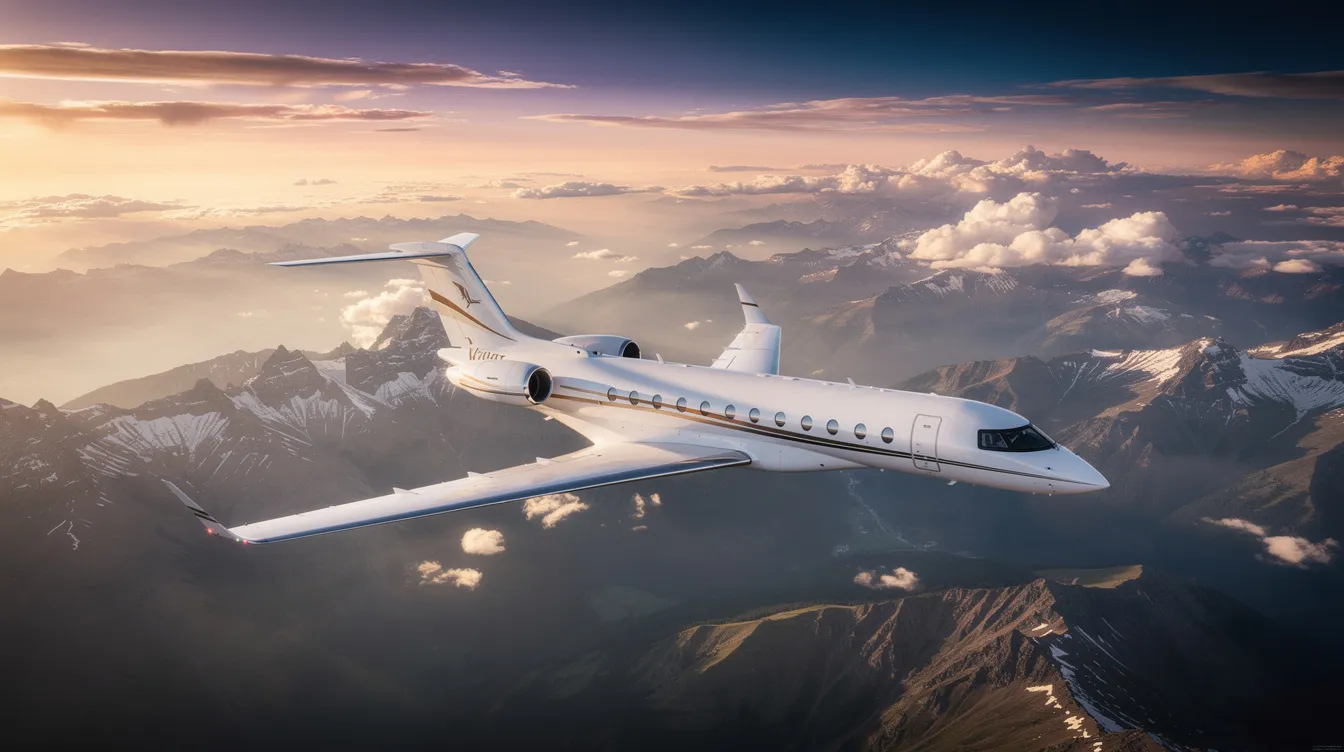
First class in flight represents the highest level of service available on commercial airlines, offering a distinctly elevated experience compared to economy class. This article is designed for frequent business travelers, high-net-worth individuals, and premium leisure flyers who are considering whether to fly first class, business class, or opt for private jet travel. Understanding the nuances of first class in flight is essential for anyone seeking the best mix of comfort, privacy, schedule control, and value in premium air travel.
First class in flight refers to the highest level of service on commercial airlines, typically featuring lie-flat seats or suites, gourmet meals designed by renowned chefs, exclusive airport lounge access, priority services such as dedicated check-in and expedited security, and personalized, attentive service from dedicated attendants. Amenities may also include premium amenity kits, high-end pajamas, entertainment systems, and complimentary alcoholic beverages, all delivered in a cabin with a lower passenger-to-crew ratio for maximum attention and privacy.
In this article, you'll learn exactly what first class in flight includes, how it compares to business class and private jets, and when it is worth the upgrade. We'll break down the features that set first class apart, explain the differences between domestic and international first class, and show how these premium experiences stack up against each other—so you can make the most informed decision for your next journey.
First Class Today: Premium, But No Longer the Pinnacle
What Is First Class in Flight?
First class in flight is the top-tier cabin on commercial airlines, offering the most luxurious experience available to passengers. It typically features:
Lie-flat seats or private suites with fully horizontal beds on international flights (first class often includes lie-flat beds on international flights, with suites offering fully horizontal sleeping surfaces)
Gourmet meals designed by renowned chefs
Exclusive airport lounge access (first class typically includes access to exclusive airport lounges)
Priority services, including dedicated check-in, expedited security, and priority boarding for first-class passengers (priority services include dedicated check-in, expedited security, and priority boarding for first-class passengers)
Personalized, attentive service from dedicated attendants (first-class passengers often receive personalized service from dedicated attendants)
Premium amenity kits, high-end pajamas, and advanced entertainment systems
Complimentary alcoholic beverages
A lower passenger-to-crew ratio for more individualized attention
Historical Context and Market Trends
The concept of first class in flight has evolved significantly since the early 2000s. Two decades ago, most major carriers maintained lavish first-class cabins on long-haul international routes. Today, the premium cabin market generates approximately $38 billion in annual revenue, but business class now accounts for roughly 80% of that figure. Airlines are investing where volume and yield intersect, and that intersection is increasingly business class.
The Hierarchy of Airline Classes
The typical hierarchy on most flights in 2026 is:
Economy class: Standard seating for the majority of travelers
Premium economy: Extra legroom and enhanced food options
Business class: The main premium cabin on international flights, often with lie-flat beds
First class: Available only on select carriers and flagship routes, offering the highest level of luxury
First-class passengers enjoy priority check-in and security lanes, early boarding, and expedited baggage handling—amenities that can save 30 to 60 minutes on the ground. However, many long-haul international flights from U.S. carriers have eliminated true first class entirely. Among major US airlines, American Airlines is one of the last to still offer a dedicated international first-class cabin on select routes, like its Boeing 777-300ER service.
For travelers who find even the best first-class service still constrained by airline schedules and shared cabins, private jet access represents the next step. BlackJet's Jet Card programs offer prepaid flight hours across multiple aircraft categories, providing a level of privacy, schedule control, and personalization that no commercial cabin can match. For an overview of membership options, aircraft types, pricing, and services, explore BlackJet's premium private jet cards and programs.
Now that we've defined what first class in flight is and how it fits into the current airline landscape, let's examine the differences between domestic and international first class experiences.
Domestic First Class vs International First Class
Not all first-class seats are created equal, and the distinction between domestic and international products is significant.
Domestic First Class
Domestic first class on U.S. routes (e.g., New York to Miami, Chicago to Dallas, San Francisco to Seattle) is essentially a regional upgrade.
Typically features wide recliner-style armchairs with extra legroom, upgraded snacks and drinks, and priority boarding. (Domestic first class typically features wide recliner-style armchairs with extra legroom.)
On domestic flights under four hours, you won't find lie-flat seats or enclosed suites. The label "First Class" on these routes is closer to what European airlines call business class.
International First Class
First class often includes lie-flat beds on international flights, with suites offering fully horizontal sleeping surfaces longer than a standard twin mattress. (International first class offers ultra-private suites with fully horizontal beds.)
International first class offers ultra-private suites, sometimes enclosed with floor-to-ceiling doors.
Airlines like Emirates include onboard showers and private suites, while Singapore Airlines offers double-bed suites in first class.
Service ratios, dining, and ground experiences are calibrated for a handful of passengers rather than an entire cabin.
Concrete reference points: American Airlines' Flagship First on the A321T between JFK and LAX is one of the best domestic first products. Compare that with Emirates' three-room suite on the A380, which includes a shower spa and private minibar—the gap between domestic and international first is enormous.
Now that we've explored the differences between domestic and international first class, let's see how first class compares to business class and private jet travel.
First Class vs Business Class: What Really Separates Them?
The line between first and business class has narrowed considerably, but meaningful differences remain. Here’s a side-by-side comparison:
Feature | First Class | Business Class |
|---|
Seat & Space | 35-40 inches wide; beds 80-87 inches; ultra-private suites | 21-27 inches wide; beds 76-83 inches; advanced pods |
Service Ratio | 1 attendant per 2-3 passengers (more personalized) | 1 attendant per 5-6 passengers |
Food & Beverage | Gourmet, chef-designed, à la carte, premium wines | Multi-course, improved, but a step behind first class |
Privacy | Small, intimate cabins (4-8 seats per section) | Larger cabins, less exclusivity |
First-class seats are typically wider and longer, with more privacy and space.
First-class cabins have a lower passenger-to-crew ratio, resulting in more personalized service.
First-class meals are often designed by renowned chefs, with à la carte ordering and premium wines.
First-class cabins are generally smaller and more intimate, creating exclusivity.
Business class is more common on shorter international routes, making it the default premium choice for many travelers. Airlines like Delta Air Lines, Air France, and Singapore Airlines maintain strong business class experiences, while true first class remains the domain of flagship international services. In private aviation, a handful of top private jet companies similarly dominate the market with large fleets and extensive route networks.
First class typically has a higher ratio of flight attendants to passengers, and that difference is felt throughout every stage of the flight.
With the differences between first and business class clear, let’s look at how the ground experience sets these premium cabins apart from private jet travel.
The Ground Experience: Check-In, Security, and Lounge Access
The premium journey starts well before takeoff. Priority services include dedicated check-in, expedited security, and priority boarding for first-class passengers. First-class passengers enjoy priority check-in and security lanes, and can board the aircraft before other passengers, reducing time spent in crowded gate areas.
Exclusive Lounge Access
First class often features exclusive airport lounges with luxury amenities. The spectrum of lounge access ranges from comfortable business class lounges to truly exceptional first class experiences:
Lufthansa First Class Terminal in Frankfurt: a private class terminal with personal assistants, à la carte dining, and direct car transfers to the aircraft
Air France La Première lounge in Paris: private suites, spa treatments, and chef-prepared meals before boarding
American Airlines Flagship Lounges: dedicated check-in areas with airport lounge access reserved for premium cabin holders
Complimentary chauffeur service is offered by some airlines like Emirates, adding another layer to the ground experience. First class offers complimentary chauffeur service to the airport on some airlines, turning the ride to the terminal into part of the luxury.
First-class passengers receive priority baggage handling, ensuring luggage arrives first at the destination carousel.
The Private Jet Alternative
With a BlackJet Jet Card, the ground experience looks different entirely:
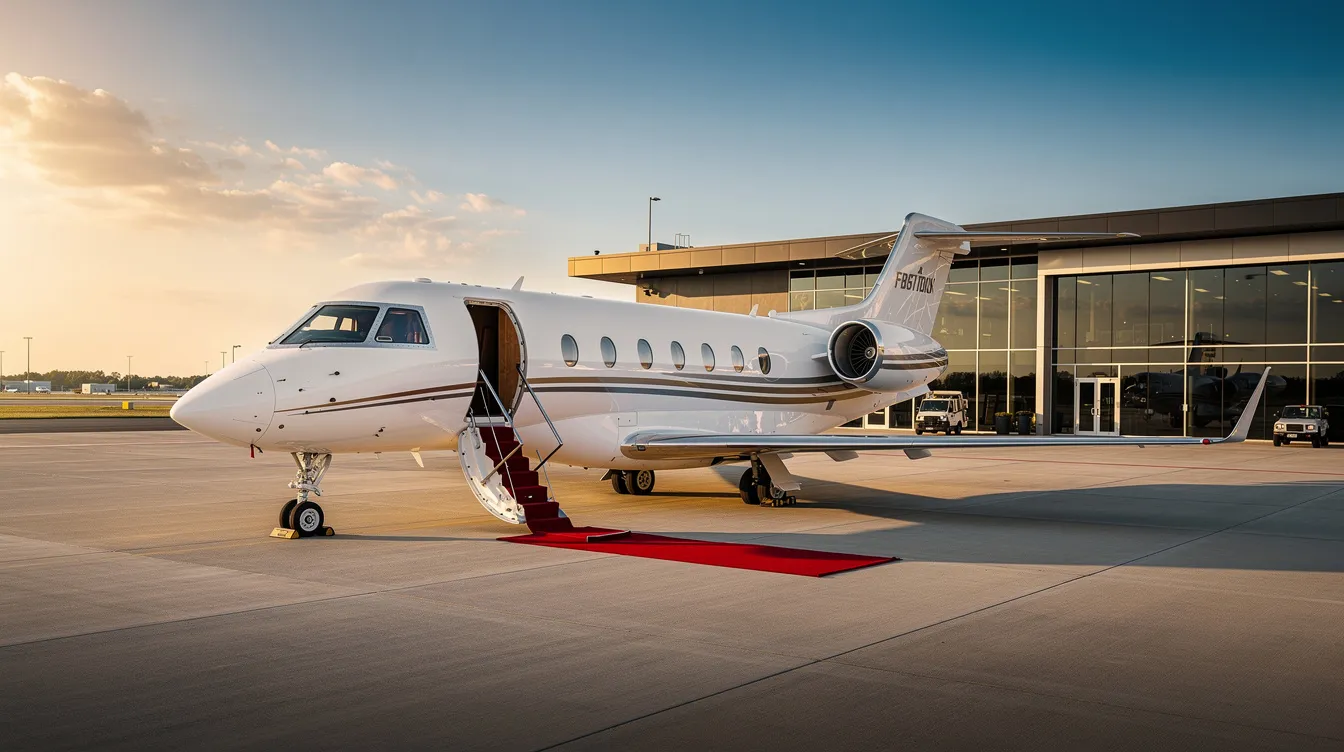
Travelers use discrete FBO terminals, arriving just 20 to 30 minutes before departure
Security is integrated into the lounge process
You walk directly to the aircraft with no queues, no boarding bridges, and no waiting
With the ground experience covered, let’s move on to what you can expect onboard in terms of comfort and amenities.
Onboard Comfort: First Class Seats vs Private Jet Cabins
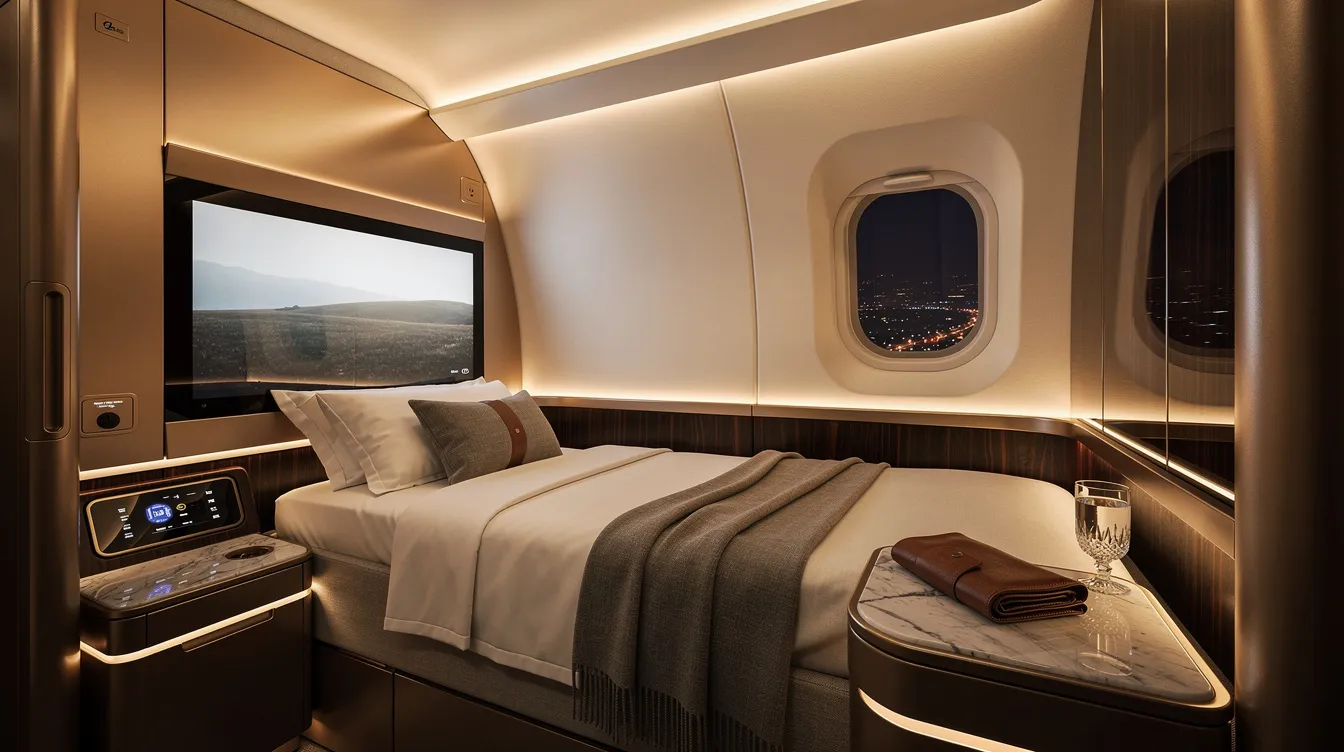
First class typically features lie-flat seats with suites on long-haul international flights—enclosed pods with hotel-style bedding, large entertainment screens, personalized lighting, and noise-dampening design. On premium seating configurations from carriers like Etihad and Emirates, the suite becomes a miniature room.
Domestic first class offers a more restrained experience: wide recliner class seats with extra legroom and limited recline, serviceable for flights under four hours but not comparable to international products.
Private Jet Cabin Experience
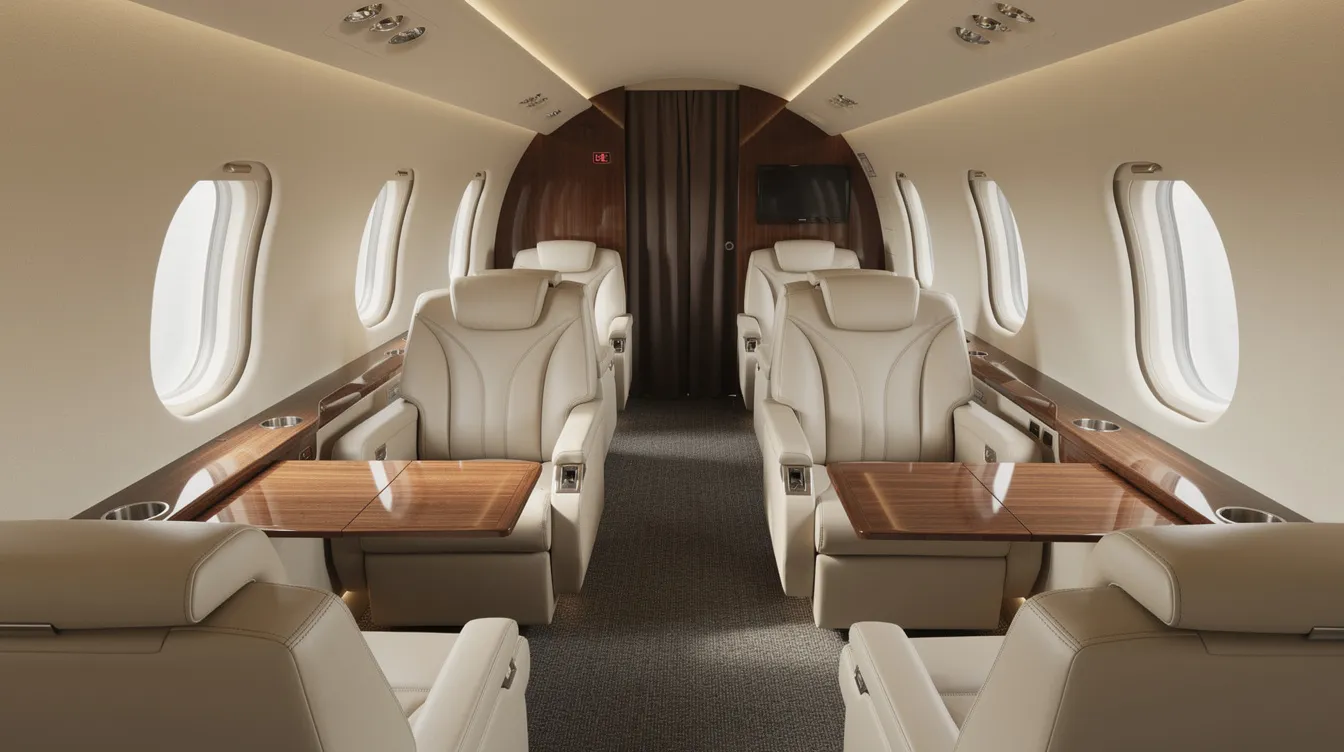
Private jet cabins operate on a different paradigm. BlackJet's fleet categories include light, midsize, super-midsize, and large cabin jets with configurations like club seating, divans, and conference tables rather than rigid rows of class seats. For those evaluating long-term access or ownership, a guide to the best $10 million private jet options illustrates how different aircraft perform across range, comfort, and operating costs. For travelers focused on budget, there are also the cheapest private aircraft options and guides to the most affordable private jets that outline entry-level aircraft and lower-cost access models. Understanding the broader types of private jets available makes it easier to match cabin layout and range to your specific mission.
Scenario: On an overnight Los Angeles to New York trip, a transcontinental flight in first class on a major airline gives you a lie-flat bed in a shared premium cabin with six to eight other passengers. The same route in a super-midsize private jet offers complete privacy, a flexible cabin layout for working or sleeping, and departure from a preferred local airport—no layovers, no connecting flights, no compromise on long-haul flights.
Now that you know what to expect onboard, let’s explore how food, drink, and service style differ between first class and private jet travel.
Food, Drink, and Service Style in First Class
International First Class Meal Service
Multi-course à la carte menus
Caviar service
Sommelier-selected wines
Chef-prepared dishes, often by renowned chefs from restaurants like Nobu or partnered culinary teams
Complimentary alcoholic beverages, including vintage champagnes and premium spirits
Domestic First Class Catering
Full meal service on longer routes
Enhanced snack baskets and cocktails on shorter hops
The gap in food quality between domestic and international is substantial
First Class Service Style
Passengers in first class generally receive personalized, attentive service throughout the flight
Dedicated flight attendants greet passengers by name, offer turn-down service on night flights, and provide amenity kits that may include high-end pajamas and premium skincare
First-class passengers often receive personalized service from dedicated attendants, creating the best first-class service experience in commercial aviation
Private Jet Catering Through BlackJet
Fully customized menus ordered in advance—specific restaurants, dietary preferences, particular vintages
Meals served when you want, at your own pace
No fixed class service schedule and no compromise on what reaches your table
With dining and service covered, let’s break down the cost, value, and scenarios when upgrading to first class or private jet travel makes sense.
Cost, Value, and When Upgrading Makes Sense
Cost Comparison
First-class tickets often exceed $10,000 for long-haul flights
Round trips on routes like New York to Tokyo or London to Singapore can reach $18,000 to $29,000 on premium carriers
Business class tickets on the same routes typically run $6,000 to $10,000
Economy class passengers pay $800 to $2,000 depending on season and demand
The cost to rent a private jet is usually quoted on an hourly basis and varies by aircraft size
When Upgrading Makes Sense
Red-eye or overnight long-haul flights where lie-flat seats significantly affect rest and next-day productivity
Long-haul international flight itineraries where lounge access, lie-flat bed comfort, and cabin privacy compound in value
Trips where arrival condition directly impacts high-stakes meetings or events
When It May Not Be Worth It
Short domestic flights under two hours
Daytime flights where sleeping isn't a priority
When class ticket pricing is extreme relative to marginal comfort gains
For very frequent premium travelers, exploring a 100-hour jet card cost guide can show when shifting to prepaid private hours becomes more efficient than constantly buying or upgrading commercial tickets.
Total trip value matters more than the price of a first-class ticket alone. Factor in time saved at the airport, ability to work during the flight, reduced hotel nights, and the health impact of proper rest.
BlackJet's 25-hour Jet Card starts at $50,000 fully funded, with base hourly rates from $5,484. In the broader context of a private jet price list and access options, jet cards sit between full ownership and on-demand charter in both cost and flexibility. The dedicated BlackJet 25+ Hour Jet Card page breaks down exact pricing by aircraft category and included amenities. Travelers weighing different commitment levels can benchmark this against 50-hour jet card costs or even a comprehensive guide to 100-hour jet card pricing, and for those who want detailed program specifics, the BlackJet 25+ Hour Jet Card outlines exact rates and inclusions. Higher per-flight cost than a single seat, but for executives traveling with teams, visiting multiple cities in a day, or needing secondary airports closer to final destinations, the total ROI shifts in favor of private access. A broader private jet price list overview can help benchmark jet card rates against charter and ownership models. Understanding jet card pricing and broader jet card pricing structures and benefits helps travelers evaluate whether their travel patterns justify the investment.
With cost and value in mind, let’s look at how points, miles, and smart strategies can help you access first or business class.
Points, Miles, and Smart Ways to Fly First or Business Class
Points and Miles Strategies
Frequent business travelers use several strategies to access premium cabins without paying full fare, and some also look beyond airlines to the best jet cards for frequent flyers to secure guaranteed private jet access at fixed hourly rates:
Transferring credit card points (American Express Membership Rewards, Chase Ultimate Rewards) to airline partners for first or business class redemptions
Earning elite status through airline loyalty programs for complimentary or discounted upgrades
Using an airline credit card with a strong sign-up bonus to accelerate points accumulation
Purchasing last-minute upgrades at check-in or the gate when unsold premium seats remain
Concrete examples:
AmEx points transfer well for flying business class to Europe on partners like British Airways or Virgin Atlantic
Delta SkyMiles can unlock Delta One on select long-haul routes
United Airlines and American offer status-based upgrades, though first-class award availability is limited on peak dates on most flights
Trade-Offs and Private Jet Alternatives
Points and miles can make first class more attainable, but they lock travelers into airline schedules, hub connections, and limited award inventory
Many airlines restrict first-class redemptions precisely when demand is highest
For ultra-frequent travelers, some providers even market unlimited private jet flight memberships, trading per-trip pricing for fixed monthly or annual fees
BlackJet's Jet Card works as a complement: maximize your miles for predictable commercial itineraries, then use prepaid private jet hours for trips where schedule control, privacy, or last-minute flexibility are the priorities. A detailed look at 50-hour jet card costs can help determine whether a smaller or larger hour block aligns better with your annual travel volume. For high-frequency flyers, understanding the best jet cards for regular travelers can clarify which program structure fits best. Comparing jet card cost per hour with the effective cost of premium cabin redemptions can clarify when private access becomes the better value.
With strategies for maximizing value covered, let’s compare how first class, business class, and private jets perform on key routes.
Business Class vs First Class vs Private Jets on Key Routes
The real differences between cabin classes and private jets become vivid on specific routes. Looking at sample itineraries alongside the typical cost to rent a private jet makes these comparisons even more concrete.
New York to London
Commercial flight time: 6-7 hours, plus 2+ hours for check in, security, and lounge time
Business class: Lie-flat seats and solid service on British Airways or Delta
First class: Enclosed suites and higher service ratios on select European airlines
Private jet: Large cabin private jet through BlackJet accesses secondary airfields, departs on your schedule, and eliminates hub congestion entirely
For larger teams, guides to the best private jets for around 20 passengers and private jet options for groups up to 50 travelers show how big-cabin aircraft can turn complex group itineraries into a single seamless journey
Los Angeles to New York
Five-to-six-hour transcontinental flight
Domestic first class on US airlines: Recliner seats and premium service
Delta One or American's Flagship First: Lie-flat options
Private jet: Departs from Van Nuys or Santa Monica, arrives at Teterboro, and saves two-plus hours in ground time alone
Multi-Leg Scenario
CEO needs to travel from New York to Aspen to Los Angeles to New York in 48 hours
Commercial options—even in first class—require hub connections, long layovers, and scheduling compromises
With a BlackJet Jet Card, a single itinerary handles all three legs directly, using smaller airports and cutting total travel time by hours
With route comparisons in mind, let’s address safety, sustainability, and technology in premium travel.
Safety, Sustainability, and Technology in Premium Travel
Safety Standards
Safety standards on major airlines are governed by FAA and EASA regulations, covering crew training, maintenance schedules, and certification requirements across all cabin classes and class sections
Private aviation providers must meet their own rigorous benchmarks
BlackJet applies proprietary certification (BlackJet Certified) that includes third-party safety audits, operator vetting through programs like ARG/US and Wyvern, and minimum pilot experience thresholds for all operations
Travelers comparing providers can also review top private jet companies for luxury travel to understand how leading brands differentiate on safety, fleet diversity, and service
Sustainability Initiatives
Major airlines offer carbon offset programs and invest in sustainable aviation fuels
BlackJet has offered carbon- and emissions-neutral flights on all Jet Card trips since the beginning of 2021, at no extra cost to the client
Technology
Airline apps handle seat selection, digital boarding passes, and check-in
BlackJet's mobile platform provides real-time aircraft availability, fixed hourly pricing, instant booking, and 24/7 flight support
If you're comparing membership models, an overview of NetJets jet card costs and features provides a useful benchmark alongside BlackJet's offerings
With safety, sustainability, and technology addressed, let’s consider when first class isn’t enough and private jet access becomes the best solution.
When First Class Isn't Enough: The Case for Private Jet Access
Even the finest first-class cabin can't solve certain travel problems:
Last-minute schedule changes
Multi-city itineraries compressed into a single day
Privacy-sensitive negotiations conducted mid-flight
Routes where no nonstop commercial option exists
Commercial schedules impose rigid constraints—delays cascade, connections fail, and frequencies to secondary cities are limited. The personalized service of first class doesn't extend to controlling when and where your aircraft departs.
A BlackJet Jet Card addresses this directly:
Use cases:
A CEO visiting three manufacturing sites across the U.S. in 24 hours, flying direct between smaller regional airports that commercial carriers don't serve nonstop
A family arriving on a long-haul international business class flight who connects via private jet for the final leg to a remote vacation home, avoiding hours of ground transfer and eliminating contact with other passengers in crowded terminals
Private jet access isn't about replacing first class—it's about going beyond it, treating privacy, control, and time as strategic assets rather than incidental perks. For some travelers, even buying just a single seat on a private jet via shared or semi-private services can deliver many of these benefits without committing to a full aircraft.
With the case for private jet access made, let’s summarize how to choose the best premium travel option for your needs.
How to Choose: First Class, Business Class, or BlackJet?
The decision comes down to a handful of variables:
Business class is optimal for solo travelers on predictable long-haul international itineraries where the premium service and lie-flat seats meet comfort needs without the steep first-class premium.
First class makes sense for special occasions, maximum rest on flagship routes, and when the intimate cabin and attentive service justify the cost.
Private jet access fits when schedules are tight, itineraries span multiple stops, teams travel together, or discretion is non-negotiable.
Think beyond what you pay at the gate. Consider lost hours in transit, extra hotel nights, impact on performance, and the value of arriving on your terms.
For travelers who already fly first or business class regularly and are ready to treat time, privacy, and control as investments rather than perks, BlackJet's Jet Card programs are the natural escalation. Discover how private jet access can complement your next trip—explore BlackJet's Jet Card options and see what travel looks like when the schedule is yours.


 Sign up with google
 Sign up with Apple