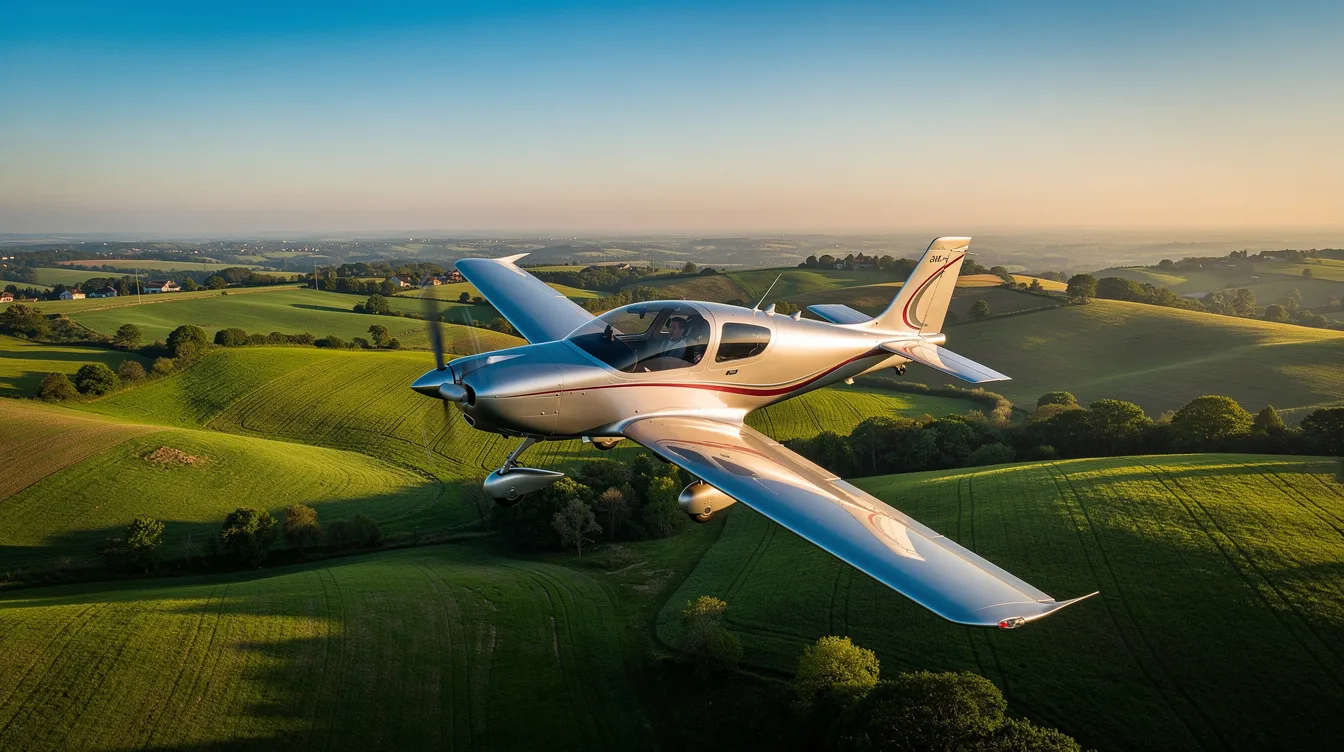
For pilots, frequent business travelers, and high-net-worth flyers comparing ownership with on-demand access, the fastest single-engine plane depends on the class: the fastest certified single-engine piston aircraft in production is the Mooney M20V Acclaim Ultra at about 242 KTAS, while the fastest single-engine turboprop is the Epic E1000 GX at 333 KTAS. That difference matters when you are planning regional or international trips, weighing time savings against the airlines, and deciding whether owning a high-performance aircraft makes financial sense.
This guide ranks the fastest single-engine aircraft in production, compares piston and turboprop performance, explains the engineering, safety, and cockpit technology that drive real-world speed, and looks at why that speed can be a strategic advantage for busy pilots and executives. It also shows when alternatives such as BlackJet’s Jet Card can deliver similar or better travel efficiency without the costs and responsibilities of ownership.
Fast Answer: What Is the Fastest Single-Engine Plane Today?
The fastest certified single-engine piston aircraft in production is the Mooney M20V Acclaim Ultra, with a cruise speed of about 242 KTAS - roughly 278 mph at altitude. No other piston single in current production matches that number in sustained cruise, but travelers who don’t need to own an entire airplane can still access similar performance by buying just a seat on certain private flights.
Step into single-engine turboprops and the picture shifts dramatically. The Epic E1000 GX has a maximum cruise speed of 333 knots, while the Daher TBM 960 reaches approximately 330 KTAS at FL310. These are not experimental one-offs or modified racers; they are certified, production general aviation aircraft that owner pilots and charter operators fly daily.
To put these figures in context, a typical airline jet cruises at 450–480 KTAS at high altitudes. That gap narrows fast on regional missions under 800 nautical miles, where ground time at hub airports erodes much of the airline's speed advantage. Single-engine aircraft can achieve city-to-city travel similar to light jets when operating from smaller airfields closer to final destinations, even if they cannot match the range and cabin experience of the world’s top luxury private jets. For travelers who want that efficiency without owning an airplane, BlackJet's Jet Card provides prepaid access to turboprops and light jets that match or exceed these speeds, sitting alongside competitors like Flexjet’s Jet Card programs with their own pricing dynamics.
Comparison Table: Fastest Single-Engine Aircraft Overview
Aircraft Model | Type | Cruise Speed (KTAS) | Max Speed (KTAS) | Range (nm) | Engine Type | Passenger Capacity | Notable Features |
|---|
Mooney M20V Acclaim Ultra | Single-engine piston | ~242 | 242 | ~1,275 | Turbocharged piston (280 hp) | 2-3 | Fastest certified piston single, retractable gear |
Epic E1000 GX | Single-engine turboprop | ~325 | 333 | ~1,385 | Pratt & Whitney PT6A (1,200 hp) | 6 | Carbon-fiber airframe, high climb rate, FIKI certified |
Daher TBM 960 | Single-engine turboprop | ~252 (long-range) | 330 | ~1,730 | Pratt & Whitney PT6E-66XT | 6 | Auto throttle, emergency autoland, composite prop |
Pilatus PC-12 NGX | Single-engine turboprop | ~290 | 290 | ~1,803 | Pratt & Whitney PT6E-67XP | 9-10 | Spacious cabin, short-field capability |
Cirrus SR22T | Single-engine piston | ~213 | 213 | ~1,021 | Turbocharged piston (315 hp) | 4 | Airframe parachute system, advanced avionics |
Piper M350 | Single-engine piston | ~213 | 213 | ~1,343 | Turbocharged piston | 4-5 | Pressurized cabin, long-range capability |
Mooney Ovation Ultra | Single-engine piston | ~197 | 197 | N/A | Normally aspirated piston | 4 | Fastest normally aspirated piston single |
Cessna TTx | Single-engine piston | ~235 | N/A | ~1,250 | Turbocharged piston | 4 | Composite airframe, Garmin G2000 avionics |
Note: Speeds and ranges are approximate and vary with configuration and operating conditions.
Fastest certified piston single: Mooney Acclaim Ultra - ~242 KTAS
Fastest single-engine turboprop: Epic E1000 GX - ~333 KTAS
Near-contender turboprop: Daher TBM 960 - ~330 KTAS
Versatile turboprop: Pilatus PC-12 NGX - ~290 KTAS
Why Speed Matters: Strategic Value of Fast Single-Engine Aircraft
In general aviation, moving from 150 KTAS to 230-plus KTAS fundamentally changes what is possible in a single working day. A 600 nm trip at 150 KTAS takes roughly four hours of flight time; at 240 KTAS, that same leg drops to about two and a half hours. Factor in pre-flight, taxi, and climb, and the real-world savings easily exceed ninety minutes each way. For reference, the Diamond DA40 has a cruise speed of 154 knots - a solid training and personal airplane, but one that illustrates why speed matters when missions grow longer.
For high-net-worth individuals and business leaders, that time delta is not convenient. It is a strategic advantage: more meetings per day, more destinations reachable nonstop, and better use of a crew duty day. Cross-country flying between secondary airports - think Scottsdale to Sun Valley, or Teterboro to Nantucket - becomes routine rather than aspirational.
Compare that with commercial airlines, where security screening, boarding, hub connections, and ground transfers routinely add two to three hours to door-to-door time, a gap that also helps explain why many travelers investigate the full cost of renting a private jet for key routes. A fast single-engine turboprop flying direct from a reliever airport undercuts those delays on routes below 900 nm, mirroring many of the time and flexibility gains highlighted in practical private jet charter cost comparisons.
Owner-flown piston: Maximum flexibility, direct airport access; requires capital, maintenance, and pilot proficiency.
BlackJet Jet Card: Access to multiple aircraft classes with professional crews, predictable cost, no ownership burden.
Commercial airline: Broad network but rigid schedules, longer ground time, less privacy.
BlackJet's turboprop and light jet fleet delivers block times that rival or beat what even the fastest piston owner pilots can achieve - without flight training obligations, hangar fees, or weather-related go/no-go decisions resting on a single pilot's shoulders.
What Makes a Single-Engine Plane Fast?
Three core pillars determine how fast a single-engine plane can fly: powerplant, aerodynamics, and weight. Engine power significantly influences a plane's cruise speed, but without a clean airframe and disciplined weight management, even powerful engines fall short.
Powerplant. Piston aircraft are powered by aviation gasoline (Avgas) and typically use horizontally opposed engines. Turbocharging - as in the Continental TSIO-550 series found in the Acclaim Ultra and Cirrus SR22 T - maintains sea-level manifold pressure at altitude, where thinner air otherwise robs a piston engine of output. That turbocharged engine capability is what separates a 190 KTAS cruise from a 240 KTAS cruise. Turboprop engines take a different approach: turboprops use jet-fuel-burning gas turbines to spin propellers, combining turbine reliability with propeller efficiency. The Pratt & Whitney PT6 family powers nearly every fast turboprop in production. True jet engine configurations - turbojets and turbofans - deliver higher top speed potential but are rarely certified in single-engine passenger aircraft due to regulatory redundancy requirements and operating cost considerations.
Aerodynamics. Aerodynamics reduce drag, enhancing flight speed across the envelope. The Mooney line exemplifies this with a narrow fuselage, laminar-flow wing profiles, and retractable landing gear that tucks flush. Composite designs like the Epic E1000 GX's carbon-fiber airframe push aerodynamic design further by eliminating rivets, seams, and surface irregularities. Clean wing geometry and smooth surface finishes are not marginal gains - they are the difference between 200 KTAS and 240 KTAS at the same horsepower.
Weight and structure. A lightweight airframe boosts aircraft performance directly: less mass to accelerate and sustain in flight. Carbon fiber and fiberglass composites save meaningful weight over traditional aluminum, though structural strength must keep pace to support higher Vne limits and pressurization loads at altitude. The published maximum cruise speed is achieved at a specific altitude, weight, and engine setting. In daily operations, most pilots cruise below those peaks for fuel economy, so the airplane's efficient power delivery across a range of settings matters as much as its headline number.
Modern avionics improve speed management and safety by automating engine monitoring, power settings, and flight path optimization, reducing pilot workload at high cruise speeds where margins tighten.
Fastest Single-Engine Piston Aircraft in Production
This section focuses on certified, production piston aircraft suitable for owner-flown general aviation missions. The ranking emphasizes sustained cruise speed - the number that actually determines how fast you arrive - rather than brief, unsustainable peak velocities. Each model represents a high-performance aircraft equipped with modern avionics and designed for serious cross-country missions and fits within the broader landscape of the best small private aircraft for different mission profiles.
1. Mooney M20V Acclaim Ultra. The fastest single-engine piston aircraft in production. The Mooney M20V Acclaim Ultra has a top speed of 242 knots, achieved with a twin-turbocharged Continental TSIO-550-G producing 280 hp. Introduced around 2016 and holding FAA certification since 2017, the Mooney Acclaim Ultra is purpose-built for pilots seeking point-to-point speed. Useful load sits near 1,000 lbs, and range with optional tanks stretches to approximately 1,275 nm. The cabin is compact - this is a pilot's airplane, not a lounge.
2. Cessna TTx (Corvalis TTx). The Cessna TTx has a cruise speed of 235 KTAS, making it among the fastest aircraft in the piston single category. Though no longer in production, its composite, fixed-gear, high-performance design keeps it highly relevant on the secondary market for pilots who prioritize speed and modern construction.
3. Cirrus SR22T. The Cirrus SR22T has a cruise speed of 213 KTAS, powered by a 315 hp turbocharged Continental TSIO-550-K. What it trades in raw speed, it gains in safety: the Cirrus airframe parachute system (CAPS), envelope protection, and Garmin Perspective+ advanced avionics make it the most technologically complete piston single flying today. It appeals equally to owner pilots and corporate flight departments.
4. Piper M350. The Piper M350 has a cruise speed of 213 knots with a pressurized cabin - a rare combination in piston singles. The Piper M350 has a range of 1,343 nautical miles, offering long-distance capability and altitude comfort that most four-seat pistons cannot match.
5. Mooney Ovation Ultra. The Mooney Ovation Ultra cruises at 197 knots as the fastest normally aspirated single in production. It retains the Mooney acclaim aerodynamic DNA without turbocharging complexity, appealing to pilots who want reliable performance and simplicity.
These models form a natural progression for pilots advancing from light aircraft like a Cessna 172 or Diamond DA40 NG into high-performance territory - a path that typically requires specific flight training endorsements and instrument proficiency.
Standout High-Performance Pistons: Mooney Acclaim Ultra vs Cirrus SR22T
The Mooney Acclaim Ultra and Cirrus SR22 T represent two philosophies for pilots seeking the fastest single-engine piston performance: pure speed versus integrated safety and comfort.
Mooney M20V Acclaim Ultra. At 242 KTAS cruise, it is the undisputed speed leader among single-engine piston aircraft. Its narrow, efficient fuselage and metal-over-steel-tube construction minimize frontal area and parasite drag. Range extends to roughly 1,050 nm in standard configuration - enough for same-day business travel between Dallas and Denver or Atlanta and Nashville without refueling. The cabin is functional rather than spacious, with a useful load that accommodates two to three passengers and bags comfortably. This is an airplane built around speed and efficiency above all else.
Cirrus SR22T. Cruising at 213 KTAS, the SR22T trades roughly 30 knots for a wider cabin (approximately 49 inches), the CAPS whole-airframe parachute, envelope protection, and a modern interior that makes family trips genuinely comfortable. It remains the best-selling high-performance piston single in the world, powered by a 315 hp engine with cutting-edge technology in its glass cockpit. For pilots who value safety tech and passengers who value legroom, it is the benchmark general aviation aircraft in its class.
The trade-offs are clear: the Mooney delivers higher cruise speed and exceptional fuel efficiency at altitude in a more spartan package. The Cirrus offers slightly lower top speed but stronger emphasis on safety, comfort, and a broad training ecosystem. For travelers who care primarily about door-to-door time, BlackJet's access to turboprops and light jets often eclipses both - professional crews, pressurized cabins, and cruise speeds starting at 274 KTAS, with no avionics package decisions or recurrent training to manage.
Fast Single-Engine Turboprops: When Speed Approaches Jet Territory
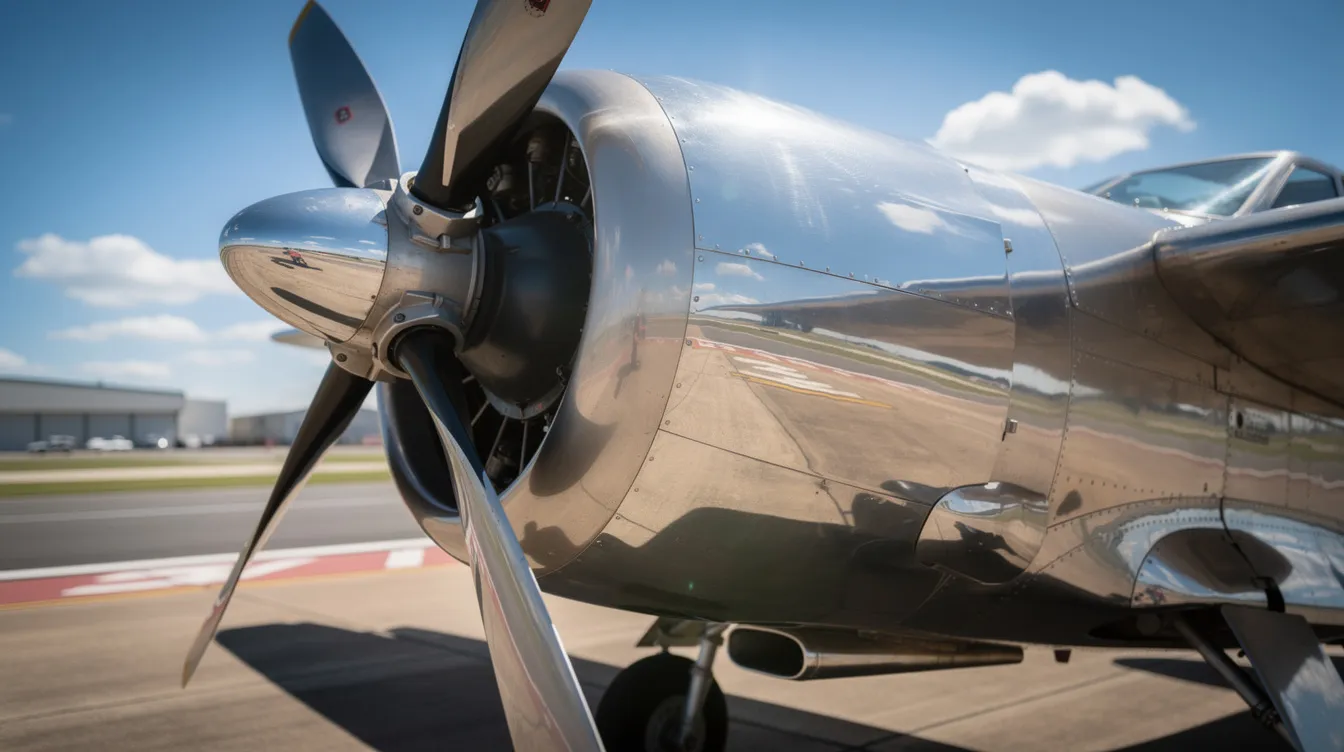
Single-engine turboprops are where propeller-driven performance starts to rival smaller business jets on regional routes. Turboprops offer near-jet speeds at high altitudes, and turboprop aircraft can cruise comfortably at flight levels up to 31,000 feet - well above most weather and into smooth, efficient air. Single-engine turboprops are favored for their pressurized cabins and reliability, combining turbine dependability with operating costs well below light jets.
Epic E1000 GX. The fastest aircraft in the single-engine turboprop category. The Epic E1000 GX has a maximum cruise speed of 333 knots, with range extending to approximately 1,385 nm at high cruise and roughly 1,650 nm at a more moderate 265 KTAS. Its six-seat, all-carbon-fiber airframe is powered by a 1,200 shp Pratt & Whitney PT6A-67A with climb rates approaching 4,000 ft/min. FIKI certification arrived in December 2023, expanding its all-weather capability.
Daher TBM 960. Maximum cruise reaches approximately 330 KTAS at FL310, with a long-range cruise around 252 KTAS extending range to 1,730 nm. The TBM 960 features auto throttle via its EPECS digital engine and propeller control, a five-blade Hartzell composite prop, and HomeSafe emergency autoland. It has one of the strongest owner-pilot followings in aviation.
Pilatus PC-12 NGX. Top speed sits near 290 KTAS - not the outright fastest, but optimized for payload capacity, short-field performance, and cabin versatility. It seats up to nine or ten passengers, features a large cargo door, and offers cabin configurations approaching light jet comfort. The NGX's PT6E-67XP turboprop engine includes electronic propeller control and a low-speed prop mode for reduced noise.
Piper M600/SLS. Cruising at approximately 274 KTAS with a range exceeding 1,500 nm, the M600/SLS brings Garmin G3000 avionics and Halo safety/autoland to a five-passenger cabin. The maximum cruise speed of the Piper M700 Fury is 346 mph, and the Piper M700 Fury features Garmin G3000 avionics and autoland capabilities - extending the Piper turboprop lineage further into jet-rivaling territory.
These high-performance aircraft attract business owners and discerning travelers because they deliver reliable performance from smaller airfields at lower fuel burn than jets. Aircraft in this bracket - TBM, PC-12, and similar turboprops - are commonly deployed in premium private jet charter and Jet Card fleets, while much larger cabins suited to around twenty travelers are covered in dedicated guides to the best private jets for 20 passengers. A BlackJet member can capture the same cruise speed and runway flexibility without owning, financing, or maintaining these machines.
Propeller vs Jet Engine: Where Single Engine Designs Fit
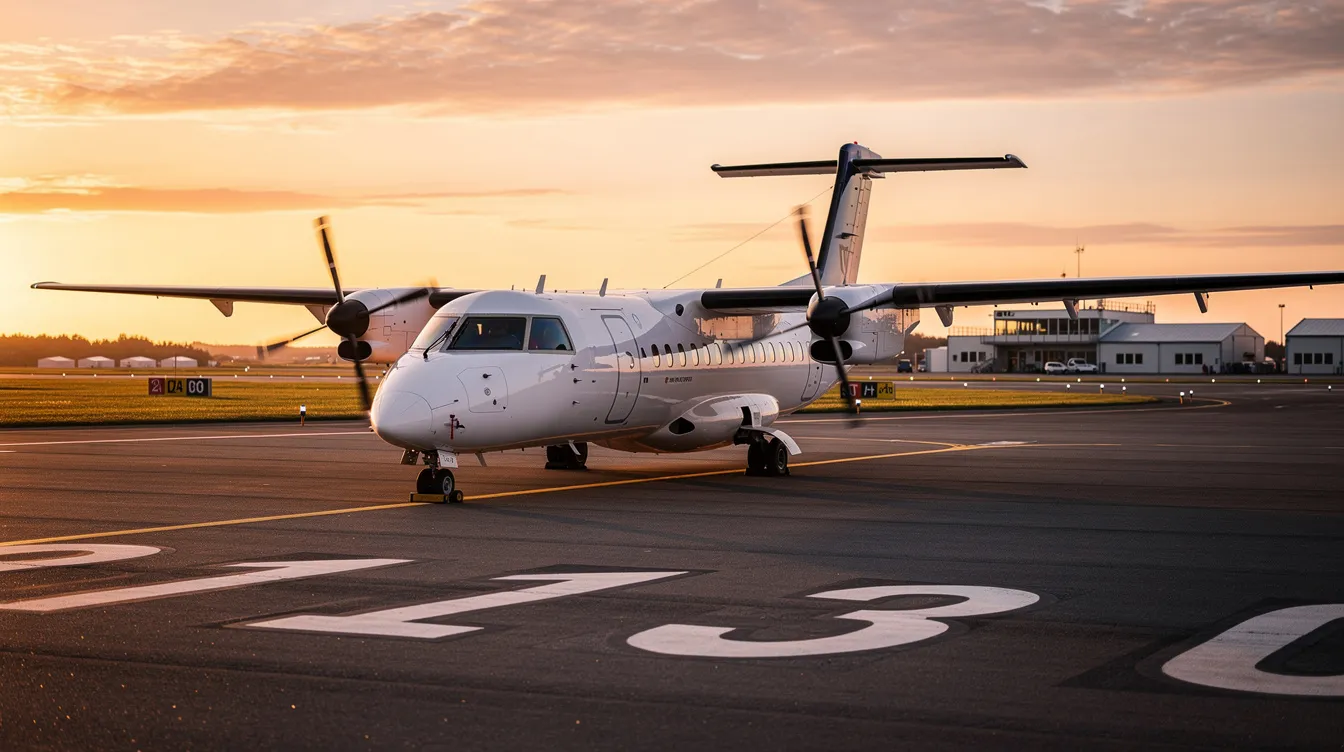
Most of the fastest single-engine planes discussed above are propeller-driven - either by piston engines or turboprops - not pure jets. Understanding why clarifies which propulsion type fits which mission.
Piston engines paired with propellers dominate traditional general aviation. They deliver efficient power at lower altitudes and speeds, with cruise topping out around 240 KTAS in the best models. Piston singles are cost-effective for shorter trips under 500–600 nm, where their lower fuel burn and simpler maintenance offset their speed limitations.
Turboprops bridge the gap: a turbine engine drives a propeller with better high-altitude performance, stronger climb, and cruise speeds of 270–330 KTAS. The propeller remains the thrust generator, but the turbine's reliability and power density move these aircraft into near-jet territory for regional missions.
Pure jet engines - turbojets and turbofans - optimize for higher Mach cruise (0.75–0.85) at FL350 and above, but rarely appear in single-engine passenger aircraft for business or commercial use. Regulatory certification, safety redundancy, and insurance requirements effectively mandate twin-engine configurations for most jet-powered passenger flying.
The physics imposes a natural boundary: propellers lose efficiency as tip speeds approach the speed of sound, capping practical prop-driven cruise. For missions up to roughly 800–1,200 nm, fast propeller singles are often the most efficient choice. Beyond that, twin-engine jets dominate. BlackJet's fleet mix - spanning turboprops through midsize jets - is selected to match each propulsion type to the mission where it performs best.
From Owner-Flown Aircraft to BlackJet: When a Jet Card Makes More Sense
Consider a scenario: a business executive flying frequently between Phoenix and San Francisco - roughly 650 nm. She's evaluating a Cirrus SR22T or Mooney Acclaim Ultra for the speed advantage over airlines. The math seems compelling until the full picture emerges.
Ownership costs typically include fuel, maintenance, and insurance - recurring expenses that start well before the airplane leaves the hangar. Acquisition price ranges from $400,000 to over $1 million for a new high-performance piston, and turboprops multiply that figure several times over, which is why some flyers instead explore the cheapest private aircraft and access models to keep total aviation spend in check. Operating costs vary widely based on aircraft model and usage, but engine reserves, annual inspections, hangar rent, and recurrent pilot training add $30,000–$80,000 per year before burning a drop of fuel. Fuel burn and engine type significantly affect overall costs, with turboprops consuming jet fuel at higher hourly rates than pistons but covering distance faster. For travelers comparing this commitment with the cost structure of a 100-hour Jet Card, the demands of ownership can quickly start to look like a second job.
BlackJet's Jet Card programs - available in 25-hour and 50-hour increments - provide prepaid access to turboprops, light jets, and midsize jets with cruise performance equal to or exceeding the fastest single-engine planes, a useful benchmark alongside any 50-hour Jet Card cost comparison when deciding how to buy access to high-speed aircraft. Members choose the aircraft class per mission via a mobile booking platform: a fast turboprop for the Phoenix–San Francisco hop, a light jet for a longer leg to New York, all delivered through premium private Jet Card membership.
The advantages over ownership are structural: no capital tied up in a depreciating asset, predictable hourly rates, professional two-pilot crews, rigorous safety certification overseen by BlackJet, and carbon-neutral flights included at no extra cost. Twenty-four/seven real-time support handles schedule changes, weather deviations, and last-minute trips - the kind of flexibility that pilots fly safely toward but rarely achieve alone.
Safety, Technology & Sustainability in High-Speed Private Aviation
At high cruise speeds and high altitudes, safety and technology are not optional extras - they are prerequisites. Modern general aviation aircraft integrate systems that were unthinkable a generation ago: the CAPS parachute in the Cirrus SR22 series, emergency autoland in the TBM 960 and Piper M600/SLS, envelope protection, and synthetic vision that renders terrain and traffic in three dimensions on a glass cockpit display.
BlackJet extends this philosophy to every flight. Only operators meeting stringent third-party safety audits and regulatory standards join the network. Digital booking tools, real-time flight monitoring, and integrated trip management ensure flights are optimized for weather, routing, and efficiency before wheels leave the ground.
Sustainability deserves equal weight. Flying faster and higher typically means higher fuel burn. BlackJet delivers carbon-neutral flights by default - using high-quality carbon offsets and insetting programs at no additional cost to members. As sustainable aviation fuel (SAF) availability grows, high-performance aircraft fleets are positioned to adopt lower lifecycle emission profiles.
The best private aviation experience blends speed with safety, cutting-edge technology, and environmental responsibility. The fastest single-engine plane is only part of the equation; what surrounds it determines whether the journey is truly premier.

FAQ: Fastest Single-Engine Planes & Private Jet Access
What is the fastest single-engine piston aircraft in production?
The Mooney M20V Acclaim Ultra holds the title with a certified maximum cruise speed of approximately 242 KTAS at optimal altitude. It combines a turbocharged piston engine, an aerodynamic airframe, and retractable gear for unmatched piston single-speed.
How does a Cirrus SR22T compare to the Mooney Acclaim Ultra for speed and comfort?
The Cirrus SR22T Turbo reaches a maximum speed of 213 knots - roughly 30 knots slower than the Acclaim Ultra - but offers a wider cabin, the CAPS whole-airframe parachute, envelope protection, and Garmin Perspective+ avionics. Pilots seeking raw speed choose the Mooney; those prioritizing safety technology and passenger comfort lean toward the Cirrus.
Can a single-engine turboprop be as fast as a light jet?
On sub-1,000 nm legs, aircraft like the Epic E1000 GX (333 KTAS) and TBM 960 (330 KTAS) approach or match light jet block times, especially when operating from smaller airports that jets cannot use. The advantage narrows on longer routes where jets cruise higher and faster.
Is it safer to charter a jet than to fly my own high-performance single-engine aircraft?
In most cases, yes. Charter operators employ professional pilots - often two-pilot crews on jets - and must comply with Part 135 regulatory oversight, recurrent training, and maintenance standards. Owner-flown single-engine flying demands high pilot proficiency, weather discipline, and acceptance of single-point-of-failure risk that professional operations mitigate.
How does BlackJet's Jet Card pricing compare with owning a fast single-engine plane?
Ownership involves substantial capital, depreciation, and fixed annual costs regardless of how often you fly, which is why some travelers start instead by exploring the cheapest private jet and entry-level options before committing to a specific aircraft or access model. A Jet Card offers predictable hourly rates with no maintenance, insurance, hangar, or resale risk and can be evaluated alongside a comprehensive private jet price list and access models to see where it fits in your overall aviation strategy. For travelers logging 50–150 hours per year, the Jet Card often costs less per hour of usable travel when all ownership overhead is factored in.
Are BlackJet flights carbon neutral?
Yes. BlackJet offsets 100 percent of flight emissions through verified carbon offset and insetting programs, at no extra charge to members. The company is also committed to integrating sustainable aviation fuel as availability expands.
Can I choose turboprop or jet aircraft types with a Jet Card?
Absolutely. BlackJet Jet Card members select the cabin class and aircraft category per trip - turboprop for a short regional hop, light or midsize jet for longer legs - subject to availability and mission profile. This flexibility ensures you are never paying for more airplane than the mission requires.
Conclusion: Elevate Your Travel with the Fastest Single-Engine Aircraft and BlackJet Access
Choosing the fastest single-engine plane—whether a high-performance piston like the Mooney M20V Acclaim Ultra or a cutting-edge turboprop such as the Epic E1000 GX—offers undeniable advantages in speed, efficiency, and operational flexibility. These aircraft redefine what’s possible for owner-pilots seeking to maximize productivity and minimize travel time on regional and cross-country missions.
However, ownership comes with significant financial, maintenance, and training commitments. For discerning travelers who prioritize convenience, safety, and seamless access without the burdens of ownership, BlackJet’s Jet Card programs provide a premier alternative. With access to a diverse fleet of turboprops and light jets that match or exceed the speeds of the fastest single-engine planes, BlackJet combines advanced technology, rigorous safety standards, and carbon-neutral flights into an effortless, luxury travel experience.
Whether you choose to own or access via Jet Card, understanding the performance, cost, and operational nuances of fast single-engine aircraft empowers you to make strategic travel decisions that elevate your lifestyle and business success. Discover how BlackJet can reshape your travel—explore premium jet access and unlock new possibilities in private aviation.


 Sign up with google
 Sign up with Apple