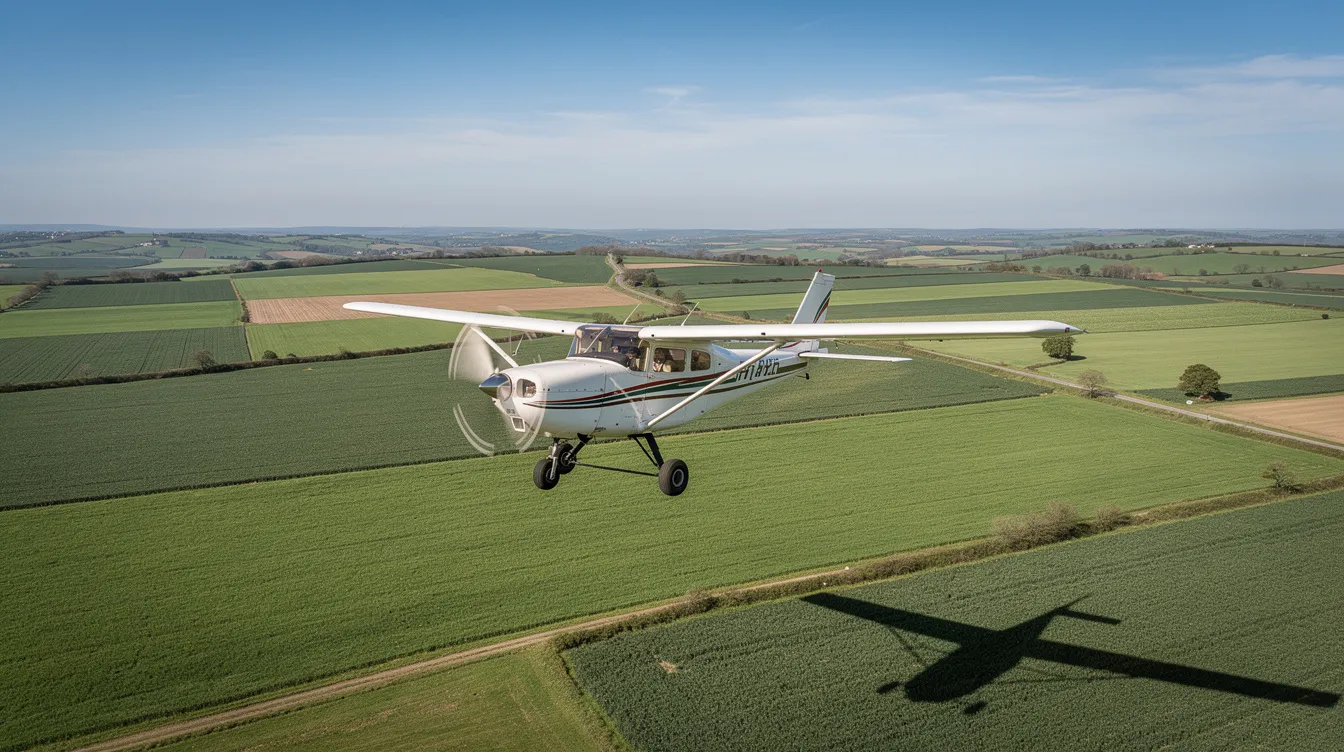
The question of which airplane is the easiest to fly matters whether you are a student pilot planning your first solo or an executive weighing the fastest route between two cities. Below is a grounded look at the aircraft that earn that title, the features behind their reputation, and the point where piloting yourself stops being the simplest option.
What Is the Easiest Plane to Fly?
The easiest plane to fly is typically a simple, single-engine aircraft with predictable handling, low stall speeds, and straightforward systems. Learning to fly requires stability, forgiveness, and slow flight characteristics; the aircraft that deliver all three at once set the standard for novice pilots and flight schools alike.
Two models dominate that conversation. The Cessna 172 Skyhawk is the most popular training aircraft in the world, prized for a full-flap stall speed of roughly 33 knots and behavior that many pilots describe as "benign." The Piper Warrior, a descendant of the PA-28 Cherokee line, offers similarly forgiving stall characteristics with clean-configuration stall speeds around 44 to 50 knots. Both are fixed-gear, four-seat designs that a beginner pilot can operate with confidence after a reasonable amount of dual instruction.
For frequent travelers who have no interest in logging flight hours, the easiest aircraft to access is a professionally crewed private jet booked through a Jet Card program, especially through premium private jet cards and Jet Card programs. The passenger's only tasks are choosing a departure time and boarding.
The easiest planes share low stall speeds, fixed gear, high-wing or stable low-wing layouts, and simple cockpit systems.
Cessna 172 and Piper Warrior are the two most common benchmarks in training.
For business and leisure travelers, a Jet Card removes piloting workload entirely.
What Makes a Plane Easy to Fly?
Several measurable attributes separate a plane easy to fly from one that demands constant attention.
Stable handling and low wing loading. A larger wing area relative to weight produces gentler stall onset and better lift at slow speeds. Stable handling allows a student to focus on learning to fly rather than fighting the controls. Under-cambered airfoils generate high lift at low speeds, which keeps approach and pattern speeds manageable.
Gentle stall behavior. Forgiving stall characteristics reduce pilot workload. Dihedral wing design naturally corrects a wing dip during flight, and self-righting tendencies help the plane recover from unusual attitudes before the pilot intervenes.
Simple systems. Fixed landing gear reduces complexity for beginner pilots. Tricycle landing gear simplifies takeoff and landing handling compared to a tail dragger, which demands more rudder skill on the ground. Simple systems enhance usability for novice pilots by eliminating retractable gear levers, complex fuel selectors, and pressurization controls.
Good visibility. High-wing designs improve visibility and stability; the pilot can see the ground beneath the wing during turns. Good visibility helps novice pilots during training by improving situational awareness in the traffic pattern. Aircraft like the Flight Design CTLS feature large windows, and the Diamond DA20's bubble canopy provides excellent visibility in all directions.
Predictable landing behavior. Stable, fixed-gear single-engine airplanes are easier for new pilots because the gear absorbs minor landing errors. Predictable landing behavior aids in pilot confidence and shortens the path to solo flight.
"Easy" never means "effort-free." Even the gentlest airplane requires consistent training, currency, and sound judgment.
Top 7 to 10 Easiest Planes to Fly for Beginner Pilots
The following models are among the easiest planes to fly for student and low-time pilots. Performance numbers vary by year, engine option, and configuration; figures here are approximate.
Cessna 150/152. The Cessna 150/152 series is known for its forgiving handling and simplicity. Cruise around 90 to 100 knots, stall near 40 to 45 knots. Two seats, limited payload, ideal for pattern work and early cross-country legs. High-wing trainers are ideal for absolute beginners.
Cessna 172 Skyhawk. Four seats, cruise roughly 120 to 125 KTAS, stall around 33 knots with full flaps. The easiest airplane for many pilots to transition from training to personal travel within a 300 to 400 nm range.
Piper Cherokee / Piper Warrior. The Piper PA-28 Cherokee is celebrated for its straightforward controls. Low-wing, stable performance, cruise at about 115 to 120 KTAS. A popular alternative for pilots who prefer the feel of a low wing.
Diamond DA20. Two-seat composite trainer with responsive controls and a large canopy. Modern trainer feel with favorable slow-flight manners.
Diamond DA40. The Diamond DA40 features modern design and excellent visibility through its canopy, plus efficient fuel burn. Four seats, cruise near 140 to 150 KTAS in higher-powered variants; a capable cross-country machine for a new private pilot.
Cirrus SR20. Composite four-seater, cruise around 145 to 155 KTAS, advanced avionics, and the Cirrus SR20 includes an integrated parachute system (CAPS) for safety. CAPS has saved over 250 lives through emergency deployments. Better suited to a confident private pilot stepping beyond initial training.
Flight Design CTLS. The Flight Design CTLS is ideal for light sport training. Rotax engine, cruise near 115 knots, stall with full flaps around 39 knots. Light sport aircraft have docile stall characteristics and wide visibility. Whole-airframe parachute comes standard.
Tecnam P2008. Italian light sport design with a Rotax engine, cruises at about 110 to 120 knots, favorable stall behavior, and low operating costs.
Motor gliders, with their long wings and ability to fly slowly, also rank among forgiving aircraft, though they serve a narrower mission. For those who eventually want to step beyond trainers, understanding top affordable private planes and entry-level private aircraft options can help align future upgrades with budget and mission. For the RC aviation world, foam electric park flyers are lightweight and durable; modern foam used in RC models absorbs impacts well, making them a low-stakes entry point for hobbyists. At the other end of the spectrum, some aviation enthusiasts eventually graduate to owning a premium private jet outright rather than simply renting or training.
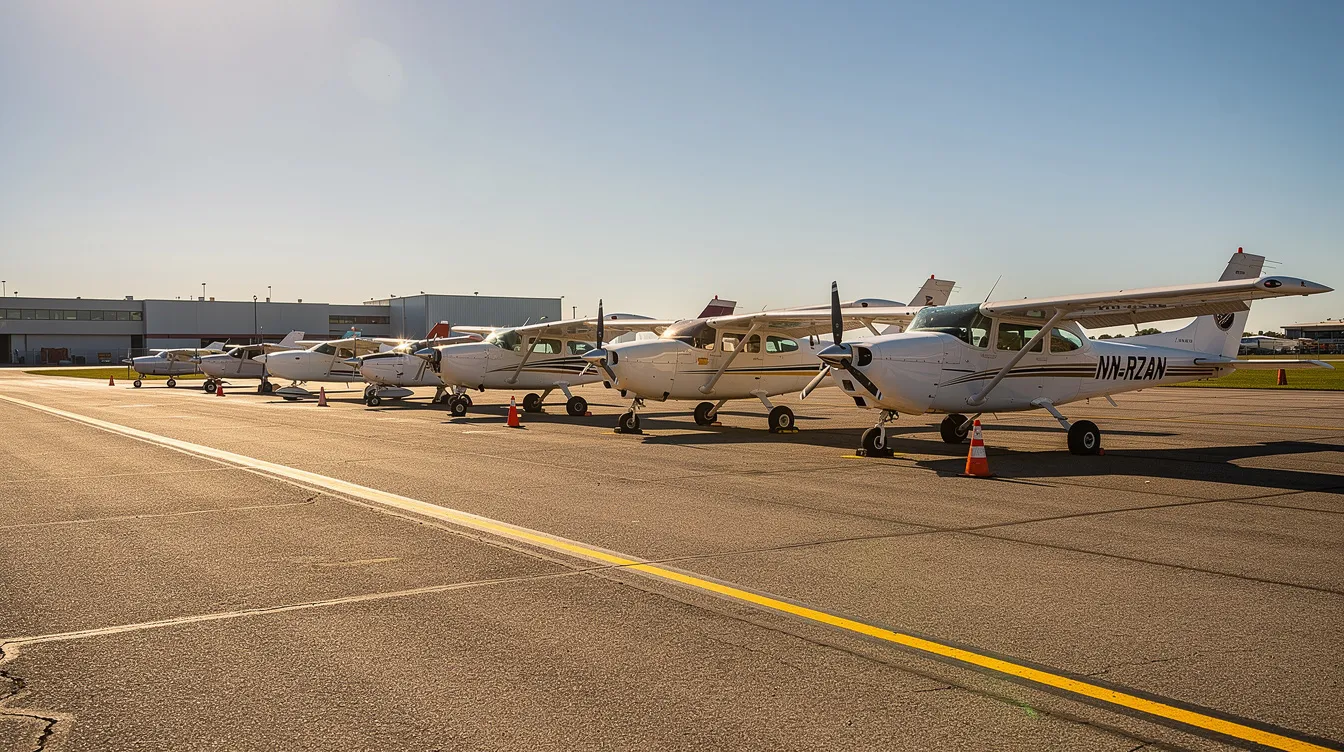
Cessna 172 Skyhawk: The Benchmark Easiest Plane
The Cessna 172 Skyhawk is the most popular training aircraft for a reason. Many pilots earn their private pilot certificate in a 172 and never feel the need to switch.
High-wing design provides stability and unobstructed ground views during turns.
Cruise speed of 120 to 125 KTAS covers weekend trips within a 300 to 400 nm radius; a powerful engine is not the point here; reliability and predictability are.
Full-flap stall speed near 33 knots gives wide margins for error in the pattern.
Durable landing gear absorbs less-than-perfect touchdowns, a big deal for student pilots building skill and confidence.
Cockpit layout is clean and intuitive, whether equipped with traditional round gauges or a modern glass panel.
Flight schools stock 172s because parts availability is broad, every instructor has logged hundreds or thousands of hours in the type, and insurance costs are well understood.
Imagine a beginner pilot logging 50 hours in a 172 to earn a certificate, then loading two passengers and bags for a Saturday trip from a home airport to a coastal town 250 nm away. The airplane handles the route without drama, the operating costs are predictable, and the transition from training to personal travel feels natural.
Other Beginner-Friendly Single Engine Aircraft
Beyond the Skyhawk, several aircraft families suit different preferences.
Piper Cherokee and Piper Warrior. The Piper PA-28 Cherokee offers stable performance and straightforward controls. Low-wing configuration gives a different visual reference in turns. Cruise sits around 115 to 120 KTAS, and easy handling makes the type a fixture at flight schools that prefer low-wing trainers. The Warrior variant adds a tapered wing for improved cruise performance.
Diamond DA20 and DA40. Composite airframes resist corrosion and deliver smooth surfaces. The Diamond DA40 features modern design and efficient fuel burn, with responsive controls that reward precision without punishing small errors. Excellent visibility through their canopies builds confidence in the traffic pattern.
Flight Design CTLS and Tecnam P2008. Both are light sport aircraft that appeal to pilots seeking low operating costs. The CTLS carries a useful load of around 550 lbs and includes a ballistic parachute; the P2008 offers Italian build quality and a Rotax engine with modest fuel consumption. Their economics resemble many of the cheapest private aircraft options for cost-conscious flyers.
Cirrus SR20. More power, faster cruise, and a cockpit with advanced avionics and electronic stability protection. The hardest aircraft on this list to master, but its parachute system and modern safety features have pushed the SR20 fatal accident rate down to about 0.42 per 100,000 hours by 2014, on par with the best in its class. Pilots intrigued by performance often also explore the cheapest private jet and other affordable jet options as a next step beyond piston trainers.
Choosing the Easiest Plane for You
No single "best" or easiest aircraft exists. The right choice depends on your mission, experience, and local options.
Prioritize what your local flight schools fly. If the nearest school runs Cessna 172s and your instructor has 2,000 hours in type, that airplane will be easier for you than a composite model your instructor has never touched.
Match seating and range to your goal. A two-seat Cessna 152 works for local pattern work; a four-seat Piper Warrior or DA40 handles regional trips with passengers and baggage. Pilots considering ownership can compare the best small private aircraft for different missions before committing.
Try before committing. Log a few hours in different models to find which cockpit and control feel intuitive. Some aircraft owners discover they prefer a high wing; others like the ground visibility of a low wing.
Weigh the useful load against your typical mission. Research your likely passenger and fuel weights before signing a purchase agreement.
Ownership, Costs, and When "Easiest" Means Not Flying at All
Even the easiest plane to fly still carries financial and time commitments that many busy professionals underestimate.
Operating costs include fuel, maintenance, and insurance. A Cessna 172 burns roughly 8 to 10 gallons per hour; annual inspections, hangar or tie-down fees, and insurance add thousands annually. Acquisition costs and operating expenses are key financial factors that many first-time owners underestimate in lifecycle costs. Prospective buyers often benefit from reviewing the cheapest private aircraft and budget-friendly ownership options before writing a check. Financing can make aircraft ownership more manageable, but the ongoing time investment remains.
Maintaining proficiency demands regular flying. FAA currency rules, crosswind practice, and instrument skill all require dedicated hours. A pilot who flies twice a month stays sharp; one who flies twice a quarter does not, which is why many frequent travelers instead lean on the best Jet Card programs for predictable private flying.
For high-net-worth travelers, the easiest aircraft experience is stepping aboard a crewed jet. Consider the contrast: a private pilot devoting weekends to maintain proficiency in a Piper Warrior versus that same individual using a 25-hour Jet Card or a BlackJet 25+ Hour Jet Card to fly point-to-point on demand with zero piloting duties.
From Training Aircraft to Effortless Private Jet Access with BlackJet
Many pilots who trained in a Cessna 172 eventually find that their aviation needs outgrow a small trainer. Business demands compress timelines; a same-day out-and-back from Minneapolis to San Francisco is not practical at 125 knots in a four-seat piston airplane.
BlackJet's Jet Card programs offer prepaid hours across multiple cabin classes, from light jets for regional hops to heavy-cabin aircraft for transcontinental legs. Travelers who understand Jet Card pricing, costs, and benefits can better match these programs to their flying patterns. Booking happens digitally, around the clock, with real-time support throughout the process.
Safety and certification sit at the center of the model. BlackJet partners only with operators that meet rigorous audit standards, including ARGUS and Wyvern verification, and crews maintain recurrent training schedules that exceed minimums. This is a safety standard above what a typical general aviation training environment provides.
On the sustainability front, BlackJet delivers carbon-neutral flights by default, contrasting with the older, less efficient engines found in legacy training fleets, even when arranging large-cabin jets for groups of around 20 passengers.
A former private pilot who once flew weekend cross-countries in a 172 now books a light jet through BlackJet for a morning meeting in another state and returns home before dinner, perhaps via a 100-hour Jet Card structure tailored to very frequent flyers. The fun of aviation remains; the workload does not.
Explore BlackJet's Jet Card membership to experience private aircraft access at its most effortless, especially if a 50-hour Jet Card cost and value analysis fits your annual travel pattern better than larger commitments.
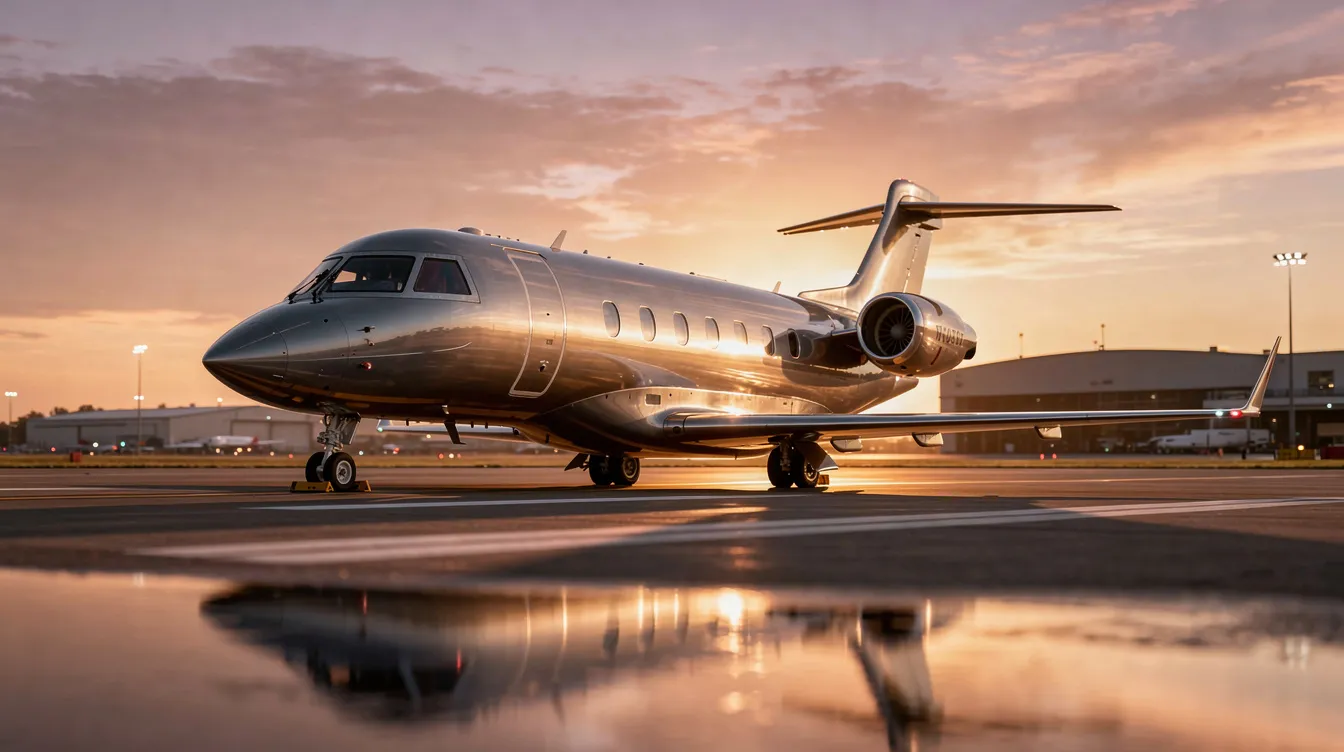
FAQs: Easiest Planes to Fly and Easy Private Jet Options
What is the easiest plane to fly for a student pilot?
The Cessna 150/152 is known for its simplicity and forgiving nature, making it the go-to for ab-initio students. Its low stall speed, fixed gear, and high-wing layout let an instructor focus on teaching rather than managing the airplane. The Cessna 172 is the next step for students who want four seats and a bit more cruise capability.
Is the Cessna 172 easier than a Piper Warrior?
In opinion and practice, many pilots consider them comparable. The 172's high wing gives better downward visibility in turns; the Warrior's low wing offers a different ground perspective. Both have stable handling, forgiving stalls, and strong support networks. The choice often comes down to what your local school flies and which control feel you prefer.
What is the easiest aircraft for sport pilots?
The Flight Design CTLS and Tecnam P2008 are purpose-built for sport pilot certificates. Both deliver docile stall behavior, wide visibility, modern avionics, and low fuel burn. The CTLS adds a standard whole-airframe parachute.
What is the easiest way to fly private without owning an aircraft?
A Jet Card program removes every operational burden. With BlackJet's Jet Card, you purchase prepaid hours, select a cabin class, and book flights on demand. Guides to the best Jet Cards for frequent flyers can help you choose the right structure. No maintenance, no insurance, no proficiency requirements; professionals handle every aspect of the flight.
How does learning to fly a single engine aircraft compare with booking a private jet?
A private pilot certificate typically requires 40 to 60 hours of training, plus ongoing currency flying and annual medical exams. A Jet Card requires a membership, a phone call, and a clear understanding of private jet price lists and access models so costs stay predictable. Both grant access to air travel on your schedule; the trade-off is between the personal satisfaction of piloting and the time, cost, and forward planning that skill demands.
Final Thoughts: Balancing Ease, Safety, and Experience in Flight
Choosing the easiest plane to fly is about more than just simple controls and forgiving handling; it is about aligning the aircraft with your goals, experience, and lifestyle. For student pilots, trainers like the Cessna 172 Skyhawk and Piper Warrior provide a stable, predictable platform that builds confidence and foundational skills. Their forgiving stall characteristics, straightforward systems, and excellent visibility make the learning curve manageable and enjoyable.
However, for busy professionals and high-net-worth travelers, the easiest way to access private air travel is not by flying themselves but by leveraging advanced technology and seamless service through Jet Card programs like BlackJet. These programs eliminate the huge operational burdens of ownership and piloting, offering effortless, premier access to a wide range of aircraft certified to the highest safety standards.
Incorporating sustainability through carbon-neutral flights and utilizing proprietary certification and real-time digital booking technology, BlackJet represents the future of easy, safe, and responsible private aviation. Whether you are a pilot progressing through training or a traveler seeking the ultimate convenience, understanding what makes a plane easy to fly—and when to delegate piloting—empowers smarter, safer, and more enjoyable journeys.
Explore BlackJet’s Jet Card offerings to discover how effortless private jet access can elevate your travel experience, combining safety, technology, and sustainability into every flight. Share your thoughts in the comments: Which aircraft do you consider the easiest plane to fly, or would you rather leave the piloting to a private jet program?


 Sign up with google
 Sign up with Apple