If you fly premium cabins on Delta or its partners, a line item labeled "YR" on your fare breakdown may be quietly adding hundreds-sometimes over a thousand-dollars to your trip. Understanding the DL YR surcharge is essential for anyone who wants to control the real cost of international air travel, whether you fly commercial or private.
This guide is for frequent flyers, premium travelers, and anyone comparing commercial and private air travel costs. We cover what DL YR surcharges are, how they impact ticket prices, and strategies to minimize or avoid them.
DL YR surcharge explained
The DL YR surcharge refers to a carrier imposed fee that appears on Delta Air Lines tickets under the IATA fare-basis codes YQ and YR. Carrier-imposed surcharges are listed as YQ and YR fees across the airline industry, with YQ historically tied to fuel costs and YR serving as a broader catch-all for non-tax charges the airline controls. On Delta tickets, these surcharges bundle fuel surcharge components, distribution fees, insurance, and other operational costs that sit on top of the base fare.
YQ/YR surcharges can represent 21% to 41% of ticket prices, depending on route and cabin class. On a 2026 Delta Air Lines business class ticket from New York JFK to London Heathrow, for example, the "YR" line item alone can run between $950 and $1,300-a figure many travelers mistake for government taxes but which rivals the per-seat share of private jet charter pricing on certain routes.
Here is what a typical fare breakdown looks like on a premium transatlantic e-ticket:
Base fare: The published ticket price for the seat and service class
Government taxes: US transportation tax, UK Air Passenger Duty, September 11th security fee, and other regulatory levies
YR - Carrier Imposed Surcharge: $950–$1,300 on business class, controlled entirely by Delta, not by any government
Airport fees: Facility charges at JFK and Heathrow
DL YR surcharges are generally not government taxes, are usually non-commissionable for travel agencies, and exist so airlines can manage revenue without increasing the advertised base fare. BlackJet clients flying private avoid DL YR surcharges entirely-private jet charter does not use YQ/YR fare structures.
What are carrier-imposed surcharges and fees?
Carrier-imposed surcharges are extra charges airlines add on top of the base fare to cover fuel costs, distribution expenses, and margin. Over 80% of airlines impose YQ and YR surcharges on international routes, making them nearly universal in commercial air travel.
Carriers often use delivery year surcharges to adjust for increased operational costs-essentially resetting surcharge levels at the start of each ticketing period to reflect current fuel prices and capacity conditions, much as private operators revisit Flexjet jet card cost and program terms as their own inputs change. Airlines retain control over fuel surcharges, unlike taxes, which are set by governments and regulatory bodies. A delivery year surcharge is an extra fee applied by shipping carriers.
A delivery year surcharge, in airline terms, is an extra fee applied by the carrier that can change with each new pricing cycle-a stark contrast to how billionaire private jet price trends and ownership models rely on more predictable, asset-based economics. Additional handling surcharges may also apply to itineraries requiring manual processing, such as complex multi-carrier bookings. And just as dimensional weight pricing in logistics penalizes shipments that take up excessive space, airlines use cabin class and route distance to scale their surcharges proportionally-a dynamic echoed in the most expensive private jet options for ultra-luxury travel, where size, range, and customization drive total cost.
Here is how each component of your ticket breaks down:
Base fare - the price for carriage, set by the airline's revenue management system
Government taxes - UK APD, US September 11th security fee, country-specific departure taxes; paid to authorities, not the airline
Carrier imposed surcharges (YQ/YR) - fuel surcharge, distribution fees, insurance; revenue stays with the carrier
Airport/facility fees - per-passenger charges levied by airports
On business class transatlantic routes, the DL YR surcharge can run from $600 to $1,500 one way in 2025–2026, a meaningful sum when compared with NetJets jet card cost structures and fees for similar premium travel needs. On certain Asia routes-such as flights to Shanghai with China Eastern-carrier surcharges can exceed $1,800 roundtrip. Typical carriers that impose fuel surcharges aggressively include Delta Air Lines, British Airways, Air France-KLM, Virgin Atlantic, and China Eastern.
How DL YR surcharges show up on Delta tickets
On delta.com and in e-ticket confirmations, surcharges are often labeled as YQ and YR on tickets within the "Taxes, fees & charges" section. The DL YR surcharge appears as a distinct line-"YR Carrier Imposed Surcharge"-separate from government taxes and airport fees.
Consider a 2026 business class roundtrip from Atlanta (ATL) to Paris (CDG):
Base fare: ~$2,400
US/FR government taxes: ~$180
YR Carrier Imposed Surcharge: $900–$1,100
Airport fees (ATL/CDG): ~$90
Total fare: ~$3,570–$3,770
For domestic U.S. Delta flights, there is typically no separate YQ/YR fuel surcharge. The DL YR surcharge mainly affects long-haul international flights and premium cabins.
These charges also appear on award travel booked through Delta SkyMiles. Miles cover the base fare, but cash is still required for the YR/YQ and additional taxes. After Delta removed certain surcharges for flights originating in Europe in March 2025, an award ticket from Amsterdam to Detroit dropped from roughly €215 in fees to about €61-mostly government taxes.
Here are approximate YR amounts for common Delta city pairs in 2026:
JFK–LHR (business class, roundtrip): $1,200–$1,800 in YR
LAX–NRT (business class, roundtrip): $900–$1,400 in YR
ATL–CDG (business class, roundtrip): $900–$1,100 in YR
Why airlines like Delta and British Airways use carrier imposed surcharges
Fuel surcharges started in the 2000s during an oil price spike, when jet fuel costs surged and airlines needed a mechanism to pass volatile expenses to passengers without constantly repricing published fares. Fuel surcharges began in the 2000s during oil price spikes across the industry, and what started as a temporary measure became permanent infrastructure.
Surcharges allow airlines to raise prices without changing base fares-a critical tool for revenue management. By keeping the advertised ticket price lower and layering costs into YQ/YR, airlines can appear competitive in fare search results while maintaining yield.
Surcharges can increase due to labor cost changes and capacity constraints, not just fuel. Peak season surcharges occur during high-demand periods like holidays, when airlines face both higher operating costs and stronger pricing power. Some airlines still impose fuel surcharges despite lower oil prices, effectively converting what was once a fuel-linked fee into a permanent revenue stream.
Service providers, including airlines and their distribution partners, may negotiate annual adjustments for delivery year surcharges, resetting levels each fiscal period. British Airways is a leading example-its carrier imposed surcharges on both paid and award travel from London Heathrow are among the highest in the industry, sometimes exceeding $800 one way in first class.
Carrier imposed fees are usually excluded from corporate discounts and are not commissionable for travel agencies, which preserves airline yield. This practice often confuses travelers, who see surcharges grouped with government taxes on their tickets and assume all fees go to authorities.
Impact of DL YR surcharges on premium cabins and award travel
Carrier surcharges scale dramatically with cabin class. Economy tickets on a JFK–LHR route might carry $100–$250 in YR, while premium economy pushes toward $400–$600 and business class can exceed $1,500 roundtrip. First class fares absorb the highest surcharges of all.
Surcharges can account for 21% to 41% of business class fares on competitive transatlantic and transpacific routes. For award travel, this means passengers redeeming points still face substantial out of pocket cost in cash.
Some airlines do not impose fuel surcharges on awards-a significant differentiator when choosing where to park your loyalty. Consider this comparison:
Delta SkyMiles award (Delta One, JFK–LHR roundtrip): 70,000–120,000 miles + $900+ in DL YR surcharge and taxes
United MileagePlus award (Polaris, EWR–LHR roundtrip): similar mileage + only $100–$200 in taxes, no carrier imposed surcharges
Programs that add fuel surcharges on award flights include Delta SkyMiles (on partner airlines like Air France, KLM, and Virgin Atlantic), British Airways Avios on long-haul flights, and bookings via China Southern or Cathay Pacific, prompting some travelers to compare top private jet companies and access models as an alternative for premium travel. Programs that largely avoid them include United MileagePlus and Aeroplan.
For frequent flyers redeeming points through Delta SkyMiles on partner airlines, the cash cost of an award ticket can erode the value of more miles dramatically. Award redemptions through surcharge-heavy partners sometimes make sense only when cash fares are extremely high.
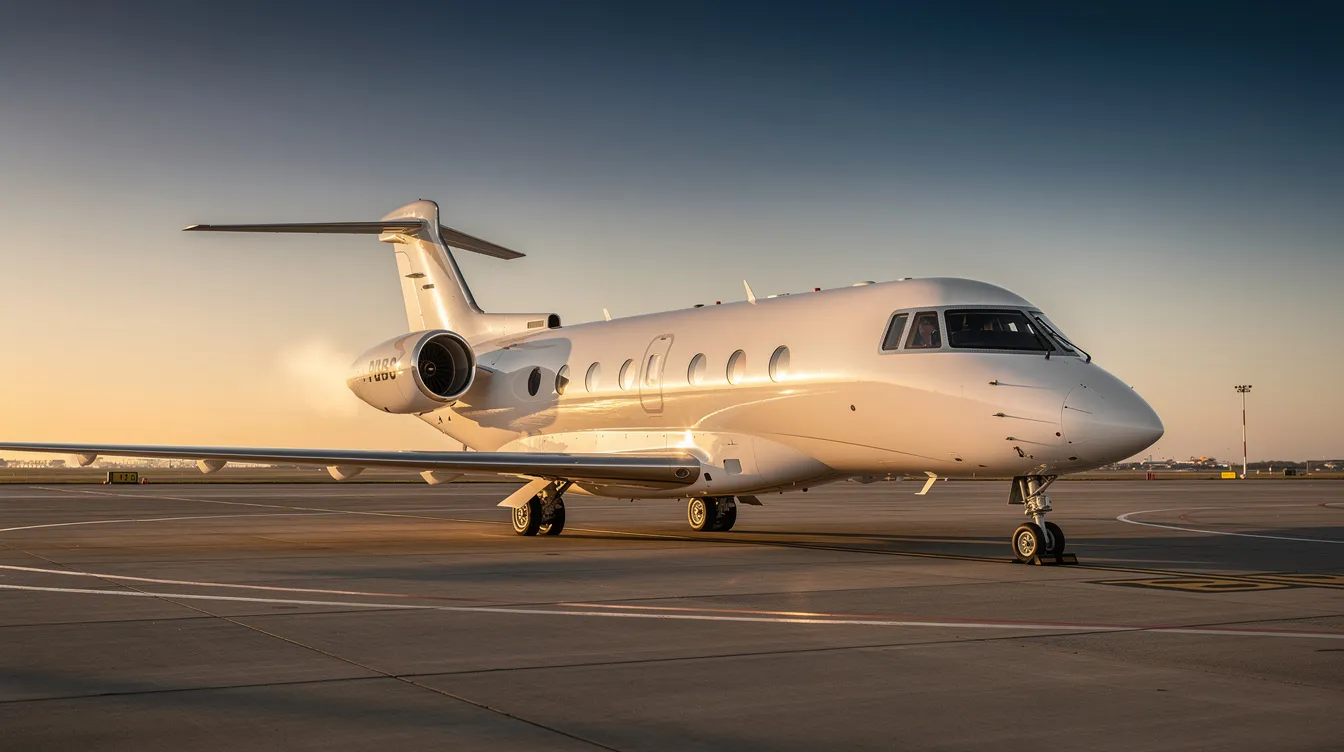
How different airlines handle DL YR and fuel surcharge policies
Carrier imposed surcharges vary by airline, route, cabin class, and booking channel-even on the same aircraft. Here is how key carriers compare:
Delta Air Lines: No fuel surcharge on domestic U.S. flights. DL YR surcharges apply on most long-haul international and partner flights, especially when originating in Europe or Asia. Delta removed surcharges for Delta-operated award flights originating in Europe as of March 2025.
British Airways: Among the highest carrier surcharges globally. Award flights from London Heathrow in business class can carry $500–$800+ in YQ/YR. Even Alaska Airlines Mileage Plan members booking BA metal may face these surcharges.
United Airlines: Does not charge fuel surcharges on any flights-paid or award-making it a best bet for surcharge-conscious travelers.
Alaska Airlines: Passes along partner surcharges on some itineraries (e.g., BA-operated flights) but does not impose its own flights' fuel surcharges.
China Eastern (SkyTeam): Booking through Delta SkyMiles vs. Air France Flying Blue can change the level of carrier imposed surcharges on the same China Eastern route to destination cities in Asia.
Singapore Airlines: Generally moderate surcharges on own flights, but partner bookings through programs like Air Europa or other SkyTeam and Star Alliance partners can vary.
ANA (Japan): As of late 2026, surcharges for Japan–Europe and Japan–North America sectors rose to approximately ¥62,000 (roughly $350–$400) per segment in certain cabins.
Delivery area surcharges-analogous to remote-location fees in logistics-are applied by some carriers on routes to remote or low-density destination cities where operational costs are higher.
Aeroplan's 2020 removal of fuel surcharges on many award tickets signaled growing industry pressure for more transparent pricing. Yet many airlines continue to levy fuel surcharges aggressively, pushing frequent flyers to explore the best jet cards for predictable costs and availability instead.
Strategies to reduce or avoid fuel surcharges on commercial flights
If you fly commercial, here are concrete tactics to avoid fuel surcharges or minimize their impact:
Choose loyalty programs wisely. United MileagePlus and Aeroplan do not impose fuel surcharges on many award flights. If you can transfer points to these programs, your cash cost drops significantly. American Airlines AAdvantage miles also offer surcharge-free options on certain routes.
Route strategically. Starting trips in countries with lower carrier imposed surcharges matters. Avoid departing from the UK when British Airways surcharges and APD are highest. For Delta, originating in Europe on Delta metal now avoids YR entirely.
Booking with transferable points can help avoid fuel surcharges. Programs like American Express Membership Rewards, Chase Ultimate Rewards, Capital One (including one venture card transfers), and Citi ThankYou allow you to transfer to partners that don't pass on high surcharges.
Travelers should compare multiple airlines for lower surcharges. On a JFK–LHR route, flying United Polaris instead of Delta One or British Airways can save $800–$1,500 in carrier surcharges alone.
Changing travel dates may reduce or eliminate fuel surcharges. Avoid peak season when surcharges and demand-based pricing are highest. Shifting a trip by a few days can sometimes eliminate promotional content surcharges tied to holiday periods.
Use premium travel cards that offer annual travel credits or statement credits in dollars to offset unavoidable surcharges and taxes.
For frequent international travelers, these tactics can save thousands per year. But for those who fly often enough in business class or first class, the cumulative surcharges raise a different question: does it make sense to consider private aviation instead, and how does that compare to the broader private jet price list of ownership and charter options?
Commercial surcharges vs private jet pricing with BlackJet
BlackJet's model-Jet Card programs and on-demand charter-eliminates the YQ/YR structure entirely, with premium private jet cards and membership options that bundle all major operating costs into a single, transparent rate. Pricing is quoted as a single, transparent figure covering aircraft, crew, fuel, handling, and safety oversight. There is no DL YR surcharge line item, no hidden carrier imposed fees, and no last-minute yield management spikes.
Consider this scenario: a New York–London executive comparing options.
Delta One (JFK–LHR roundtrip): ~$2,400 base fare + $1,200 YR surcharge + $250 taxes = ~$3,850 total fare per person
BlackJet mid-size or super-mid private jet via a 25-hour Jet Card: All-in hourly rate × flight time, carbon neutral, no separate fuel surcharge
While private aviation is a premium product, the pricing is structurally simpler. For a team of four executives, the per-person cost gap narrows substantially-especially when you factor in the additional fees, time costs, and inflexibility of commercial premium fares when compared with all-in private jet charter pricing models.
Private jet pricing also avoids the surcharge volatility that affects business travelers booking close to departure, when both base fares and carrier surcharges tend to spike.
How BlackJet's Jet Card model simplifies costs and planning
BlackJet Jet Cards for 25 and 50 hours lock in hourly rates across multiple aircraft categories, mirroring the structure of the dedicated BlackJet 25+ Hour Jet Card program. This structure insulates members from fuel surcharge volatility-the kind that makes commercial air travel budgets unpredictable, especially on international flights.
When members book through BlackJet's platform, they see real-time pricing that already includes fuel, crew, handling, and safety-compliance costs. There is no surprise YR line at checkout, no additional taxes layered on after the quoted price.
Consider a frequent transcontinental traveler flying Los Angeles to New York ten times per year. On commercial first class tickets, last-minute fares plus carrier imposed surcharges can run $3,000–$5,000 per roundtrip. With pre-purchased jet hours at a locked rate, total annual spend becomes predictable-critical for corporate travel departments and high-net-worth individuals who need accurate cost forecasts; understanding jet card pricing structures and typical fees helps align those commitments with budget expectations.
Safety, sustainability, and technology: beyond just avoiding surcharges
While avoiding carrier imposed surcharges is financially appealing, discerning travelers also prioritize safety, sustainability, and digital convenience-all areas being reshaped by the most advanced aircraft innovations of 2026. These are not secondary considerations-they are core to why private aviation makes sense for certain travelers.
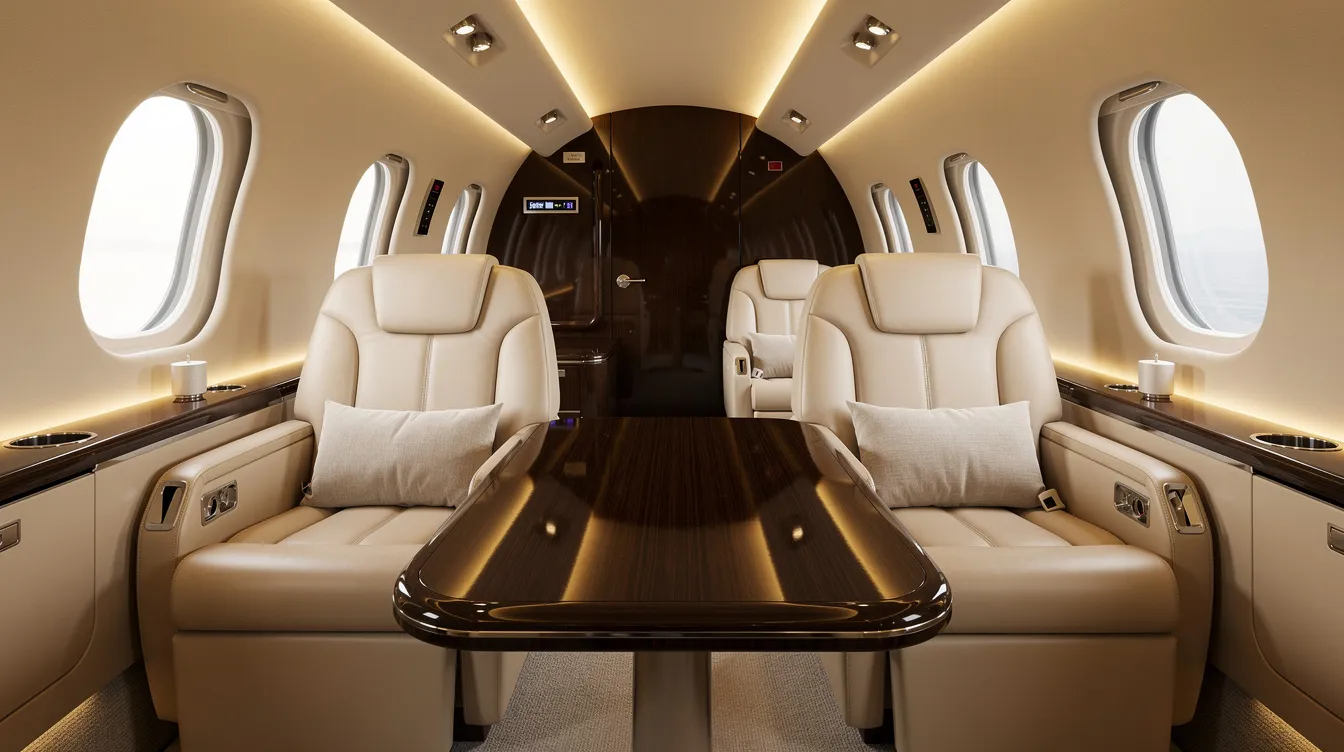
When does a private jet make more sense than premium commercial?
The calculus shifts when you account for total cost-not just the ticket price, but time, flexibility, and hidden fees. Here are scenarios where private makes strategic sense:
Multi-city deal roadshow: A C-suite team flying New York–Chicago–Dallas–San Francisco over two days. Commercial routes require connections, layovers, and full-fare business class tickets plus carrier imposed surcharges at every segment. A BlackJet light or mid-size jet completes the circuit on the team's schedule, with one all-in cost, and larger groups can scale to private jets configured for around 20 passengers.
Last-minute board meeting: Booking Delta One 48 hours before departure means peak fares plus maximum YR surcharges. A Jet Card holder pays the same locked hourly rate regardless of when they book.
Remote destination travel: Routes where commercial options involve multiple connections-say, New York to a Caribbean island with no direct service-cost time and surcharges. A direct private leg provides a strategic advantage and more predictable pricing, and travelers can even buy a single seat on a private jet via shared or semi-private services when a full aircraft is not required.
In each case, the time saved (no TSA lines, direct FBO access, flexible departure times) can offset the apparent price gap, especially when premium commercial fares are burdened by DL YR surcharges and additional fees.
Practical checklist: managing surcharges and upgrading your travel strategy
For commercial travelers:
Audit your current routes for carrier imposed surcharges-request itemized fare breakdowns
Identify airlines and programs with lower fuel surcharge levels for your most-flown countries
Shift award booking tactics: use United, Aeroplan, or American AAdvantage on routes where Delta or British Airways impose high YR-terms apply per program
Track how often DL YR surcharges materially affect your travel budget, especially on international and last-minute trips
Pay attention to data practices around how surcharges are displayed-know what you are actually paying for, and compare that to jet card cost guides that break down fees transparently
For those considering private access:
Frequently asked questions about DL YR surcharges
What is a DL YR surcharge?
A DL YR surcharge is a carrier-imposed fee shown on some Delta tickets, usually under the ticket’s taxes, fees, and charges. Despite where it appears, it is not a government tax; Delta controls the amount. The fee may reflect fuel and other operating costs, and can vary by route, cabin, and booking conditions.
Are DL YR surcharges the same as fuel charges?
Not exactly. Fuel charges are one possible component of carrier-imposed surcharges, but YQ and YR fees can also include other operational or distribution costs. The labels and amounts vary, so check the fare breakdown before booking.
Can I avoid DL YR surcharges when booking with miles?
Sometimes. Award tickets may still require cash payment for carrier-imposed fees, even when miles cover the fare. Compare the same itinerary through multiple loyalty programs and airlines; United, for example, does not charge fuel surcharges on its flights. Transferable points can offer more booking options, but confirm the final cash amount before moving points.
How can I reduce fuel surcharges on an award ticket?
Compare airlines, loyalty programs, routes, and travel dates before booking. Some programs pass on fewer fees than others, and shifting dates or routing may reveal a lower-surcharge option. Travel resources such as The Points Guy also discuss strategies for comparing award-ticket fees; always verify current charges directly with the airline or booking program.
Do fuel surcharges fall when oil prices decline?
They may, but not immediately or consistently. Airlines set carrier-imposed fees and can retain them even when fuel prices fall, since the charges may cover costs beyond fuel. Review the itemized fare rather than assuming the surcharge will track oil prices.
How is a private Jet Card different from paying DL YR surcharges?
A commercial ticket may show YQ or YR fees alongside the base fare and taxes. A Jet Card instead provides prepaid access to private aircraft under the program’s pricing terms; BlackJet quotes flights with major costs presented upfront rather than as a Delta YR line item. Private aviation is a different, higher-cost travel model, but it can offer schedule flexibility, direct routing, and predictable rates for frequent travelers. Check the card agreement for included services, availability, and any applicable fees.
Conclusion and next steps with BlackJet
DL YR surcharges are a powerful but opaque revenue tool in commercial aviation. They materially affect the real cost of business class, first class, and award travel—adding hundreds or thousands of dollars that many travelers may overlook. For frequent international flyers, these fees can compound into a significant annual expense. Comparing them with private jet pricing and charter costs can help travelers assess the full value of alternative access models.
BlackJet offers an alternative built on transparency, safety, technology, and carbon-neutral operations, without carrier-imposed surcharges hidden in the fine print. Every flight is quoted with major costs presented upfront, and Jet Card programs provide prepaid private jet access across aircraft categories. Members can review BlackJet’s private aviation safety standards and program terms as they consider whether a Jet Card fits their travel needs. Each journey is designed around the member’s schedule rather than an airline’s yield-management algorithm.
Elevate your travel-effortlessly. Explore BlackJet's Jet Card programs and discover how refined, predictable air travel becomes your new standard.


 Sign up with google
 Sign up with Apple