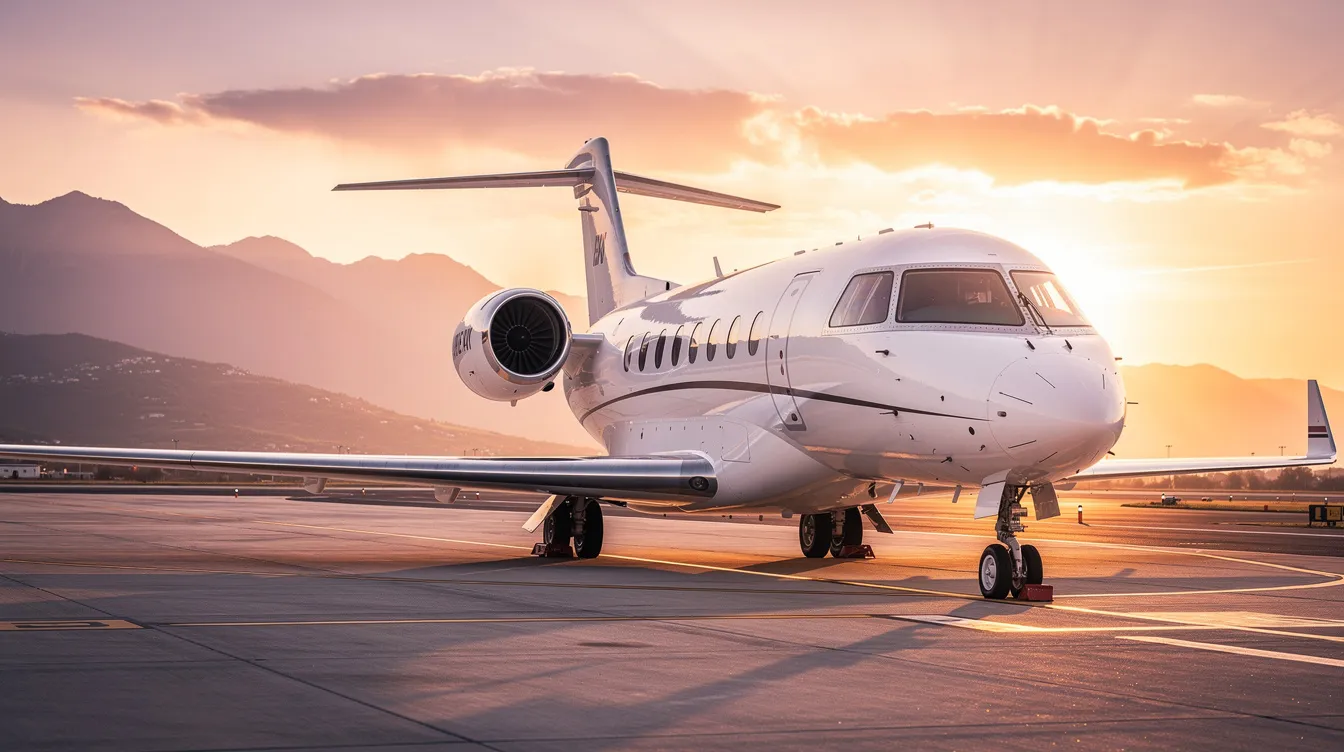
Understanding different flight companies is no longer a casual exercise for frequent travelers - it's a strategic decision that directly affects productivity, privacy, and quality of life. The US airline industry in 2026 presents a sprawling landscape of options, from legacy giants to ultra-low-cost newcomers, each with distinct trade-offs in service, comfort, and reliability. Airlines are categorized as network carriers, low-cost carriers, and ultra-low-cost carriers, and knowing where each fits can save you both time and money.
Network carriers are large airlines that operate extensive international route networks.
Low-cost carriers focus on affordability while maintaining customer satisfaction.
Ultra-low-cost carriers charge for add-ons to their low base fares.
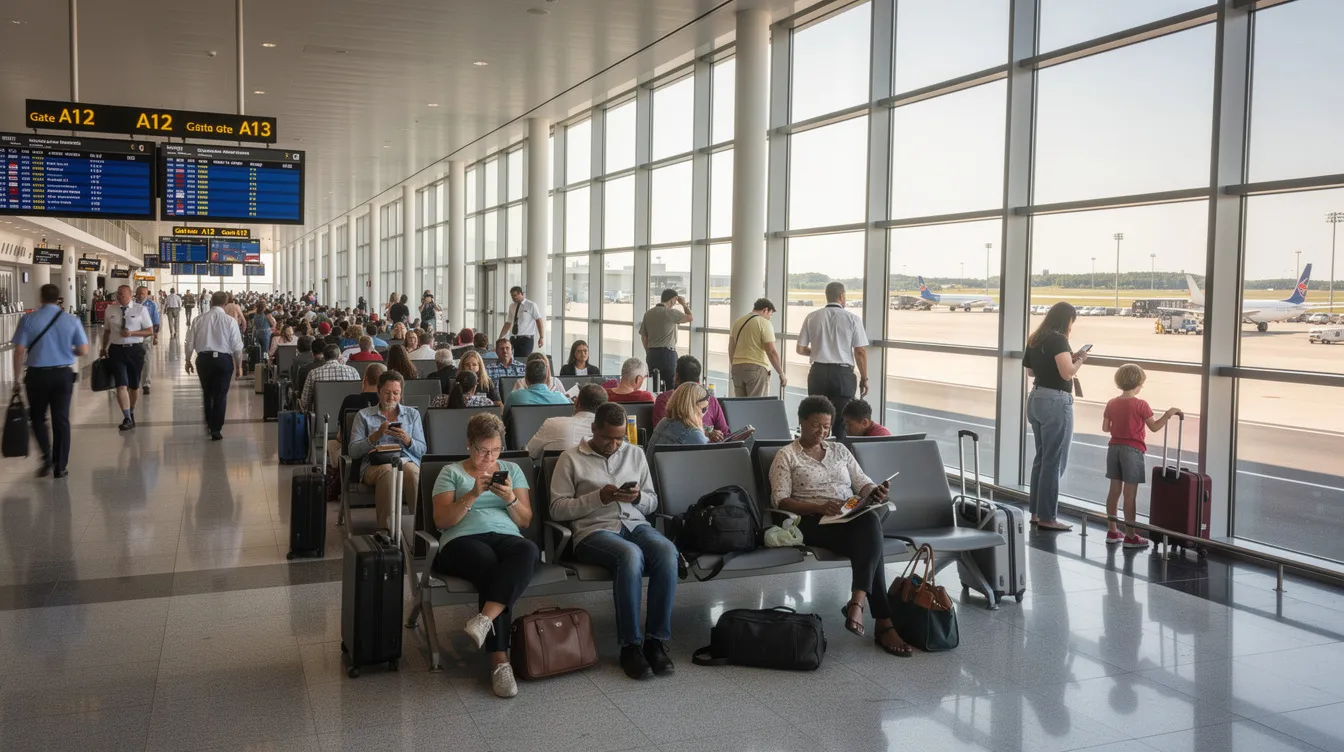
Industry data shows the commercial market is enormous. In summer 2026, US airlines have scheduled roughly 741 million departing seats, with the top four carriers - American Airlines, Delta, United Airlines, and Southwest Airlines - commanding the vast majority of that capacity. That scale delivers reach across domestic and international flights, but it also means crowded hubs, rigid schedules, and cabin classes shared with hundreds of other passengers, which often leaves customers dealing with long lines and limited personal space.
Private aviation offers a fundamentally different model. BlackJet’s premium private jet cards give travelers prepaid access to private jets across multiple aircraft categories, bypassing the constraints of commercial networks entirely - no security lines, no middle seats, no layovers at congested airports.
This article compares key commercial carriers, including United Airlines, Alaska Airlines, American Airlines, Southwest Airlines, Hawaiian Airlines, Spirit Airlines, and Frontier Airlines, then positions BlackJet's private jet solution as the next step for those who demand more.
The Big Four US Airlines: Network Scale and Seat Capacity
American Airlines, Delta, Southwest Airlines, and United Airlines together control over 75% of all scheduled US seats in summer 2026. These four domestic carriers shape pricing, routes, and service expectations for the entire country - and understanding their differences is essential before exploring alternatives.
American Airlines is the largest US airline by seat capacity, with approximately 160.5 million scheduled seats in summer 2026. It operates a classic hub-and-spoke network spanning over 350 destinations in 60 countries, with multiple cabin classes including first class and business class. American Airlines is also the largest employer among U.S. airlines, underscoring its scale across operations and jobs.
Delta and Southwest are closely matched in seat capacity - Delta at roughly 140.4 million seats and Southwest at about 133.4 million, a difference of fewer than 7 million. The contrast in approach, however, is stark. Delta has the highest number of domestic flights and invests heavily in premium cabins and international flights. Southwest Airlines has the most domestic passenger flights in the US but operates a single-cabin, no-first-class model with open seating.
United Airlines sits fourth in total seats but is growing fastest among the top US airlines, adding dozens of new routes since summer 2025. Together, the top four US airlines hold 76% of total capacity.
Yet even flying first class or business class on these carriers means sharing a cabin, conforming to fixed schedules, and navigating busy airports. With BlackJet, travelers enjoy guaranteed privacy, direct routing, and departure from private terminals - a difference that matters when every hour counts.
United Airlines: Growth, Star Alliance, and Premium Focus
United Airlines has emerged as the most aggressively expanding major US carrier, building its global footprint through fleet modernization and strategic partnerships. As a founding member of Star Alliance, United connects passengers to an extensive web of partner airlines across Europe, Asia, and Latin America. Network carriers are large airlines that operate extensive international route networks, and United exemplifies that definition.
United Airlines has the most widebody seats at over 53,000, a figure that more than doubled from under 27,000 in 2015. The airline operates 210 domestic and 120 international destinations, with premium seats (business plus first) comprising about 11.5% of total capacity. Star Alliance membership enhances coverage through partners, but passengers still conform to fixed schedules, crowded hubs, and traditional security lines.
Consider a business executive flying from New York to London. In United Polaris, they get a lie-flat seat, lounge access, and quality dining - alongside dozens of other passengers, after clearing security and boarding queues. Using a 25-hour BlackJet Jet Card on a super-midsize private jet, that same executive boards from a private FBO terminal in minutes, works confidentially in-flight, and arrives on their own schedule. The advantage in time and privacy is not incremental - it is categorical.
American Airlines and Delta: Legacy Carriers Reshaping Premium Cabins
American Airlines and Delta stand as the two other pillars of US legacy aviation, each with large international networks, multiple cabin options, and decades of brand equity. Legacy carriers offer multiple cabin classes and extensive global networks, and both airlines serve as prime examples. Full-service carriers generally operate from primary airports and offer perks such as checked bags and meals, distinguishing them from budget alternatives.
American Airlines has simplified its fleet since the pandemic, retiring older A330 and B767 aircraft while growing its Boeing 787 fleet. Some capacity has shifted from first class into premium economy, reflecting demand from the upper-middle segment. The carrier's oneworld alliance membership links it with premium transatlantic and Asia-Pacific partners.
Delta, founded in 1928 and a major US airline ever since, has more than 10,000 employees and continues expanding widebody capacity with new A330-900neo and A350-900 aircraft. Its SkyTeam alliance connects Europe, Asia, and Latin America. Both airlines rely on their alliances for global connectivity, yet high-value travelers may still face upgrade uncertainty and variable service quality across partner carriers.
Legacy carriers generally provide more in-flight amenities and better service overall than low-cost options. But even the finest business class seat among top airlines still means sharing a cabin, chasing elite status for upgrades, and accepting fixed departure times. BlackJet's private jet model eliminates all three constraints - guaranteed privacy, consistent service standards, and schedules that answer to the client, not the airline.
Low-Cost and Ultra-Low-Cost Carriers: Southwest, Spirit, Frontier, and More
Low-cost carriers focus on affordability while maintaining customer satisfaction, and they serve a massive segment of the US market. Ultra-low-cost carriers push further: Allegiant Air, Avelo, and Sun Country strip service to the bare essentials, while Spirit Airlines and Frontier Airlines use unbundled pricing strategies where travelers pay separately for common extras on top of low base fares, pushing some travelers to explore the cheapest private aircraft options in private aviation instead. Pricing strategies differ between legacy carriers and low-cost carriers, with the total ticket cost including base fare and additional fees for baggage and seat selection. Basic Economy is the most restrictive fare tier for airline tickets across both models.
Southwest Airlines
Southwest Airlines stands apart among low-cost carriers. It provides service to 121 U.S. locations, operates an all-Boeing 737 fleet with point-to-point routing, and Southwest Airlines has no charge for checked bags - a rarity in the industry. There is no first class, no assigned seating, and no premium cabin.
Spirit Airlines
Spirit Airlines cut its scheduled seat capacity by 54% in 2026 due to its Chapter 11 restructuring, shrinking from roughly 214 aircraft to around 76–80 by mid-year.
Frontier Airlines
Frontier Airlines optimizes costs with an all-Airbus fleet. Low-cost carriers often fly to secondary airports away from city centers, adding ground transit time.
Legroom and comfort vary significantly between full-service and low-cost airlines. These different airlines serve price-sensitive passengers well, but the trade-offs in schedule flexibility, legroom, and disruption handling are real, leading some flyers to compare them with the cheapest private jet options for greater control without fully premium pricing. For travelers who have graduated from ULCCs and now expect time, privacy, and reliability over the absolute lowest fare, BlackJet's Jet Card pricing model offers prepaid predictability without any of these compromises.
Regional and Niche US Airlines: Alaska, Hawaiian, JetBlue, SkyWest
Beyond the big four and ultra-low-cost carriers, several regional and niche airlines fill important gaps in the US air travel landscape. These carriers often serve routes and destinations the largest airlines overlook - or serve them with a level of focus the majors cannot match.
Alaska Airlines
Alaska Airlines is a strong West Coast and transcontinental carrier with over 110 travel destinations. Since April 22, 2026, Alaska has fully incorporated Hawaiian Airlines operations, aligning cabin structures, booking systems, and loyalty programs under one brand. Alaska Airlines ranked highest for customer satisfaction for 12 years, a record that reflects consistent quality across its network, which now includes services to Alaska, Hawaii, Mexico, Canada, and transpacific routes via Boeing 787-9 widebodies.
Hawaiian Airlines
Hawaiian Airlines built a legacy reputation for safety - no fatal crashes in its history - and reliable on-time performance connecting the Hawaiian Islands with the mainland US and Asia-Pacific. That reputation now lives within the Alaska brand.
JetBlue Airways
JetBlue Airways serves over 90 locations in the US and beyond, including select transatlantic international flights to London and Paris. JetBlue offers flights to over 90 locations with more legroom and strong in-flight entertainment, but still operates on fixed airline schedules.
SkyWest and Other Commuter Airlines
SkyWest and other commuter airlines operate many flights on behalf of major brands, such as United Express, Delta Connection, and American Eagle. Many different airlines on a ticket actually share aircraft, pilots, and employees behind the scenes - a note worth remembering when evaluating service consistency.
Global Alliances and International Flights: Oneworld, SkyTeam, Star Alliance
The three major airline alliances - Star Alliance, oneworld alliance, and SkyTeam - exist to coordinate routes, schedules, and loyalty benefits for international flights. They stitch together networks that no single carrier could operate alone, giving passengers the ability to fly nearly anywhere in the world through connected partners.
Star Alliance, with United Airlines as a founding member, offers the broadest global reach. The oneworld alliance includes American Airlines and Alaska Airlines, linking premium carriers across the transatlantic and Asia-Pacific. SkyTeam, anchored by Delta, connects Europe, Asia, and Latin America. Together, these alliances serve every major country and region.
Yet even in first class or business class on alliance carriers, pain points persist: fixed departure times, long connections at hub airports in cities like San Francisco or Chicago, immigration queues, and luggage transfers between partner airlines. The service quality can shift dramatically between alliance members - what you expect from one carrier may not match what a partner delivers.
Contrast this with a BlackJet client flying Los Angeles to Teterboro to Geneva via private jets: flexible departure windows, direct routing that avoids congested hubs, and coordinated ground transport to city centers. No alliance rules, no connecting flights, no surprise downgrades. The trip is seamless because every leg is controlled by one curated operator network.
Cabin Classes vs Aircraft Categories: First Class, Business, and Private Jets
There is a fundamental difference between choosing a commercial cabin class and selecting a private jet aircraft category. Commercial airlines offer economy, premium economy, business class, and first class - each with a seat within a shared cabin. Private aviation offers aircraft categories: light jet, midsize, super-midsize, large cabin, and ultra-long-range - each an entire plane at your disposal.
In commercial first class and long-haul business class across airlines like American Airlines, Delta, and United, travelers receive lie-flat seats, lounge access, improved dining, and priority boarding. Premium Economy offers extra legroom and enhanced meal choices. These are meaningful upgrades, but passengers still share the cabin with dozens of others and fly on the airline's schedule.
Ultra-low-cost carriers like Spirit Airlines and Frontier Airlines generally offer a single economy cabin with optional extra-legroom seats and no true first-class product. The experience gap between a Spirit economy seat and a Delta One suite is enormous - but even the suite has limits.
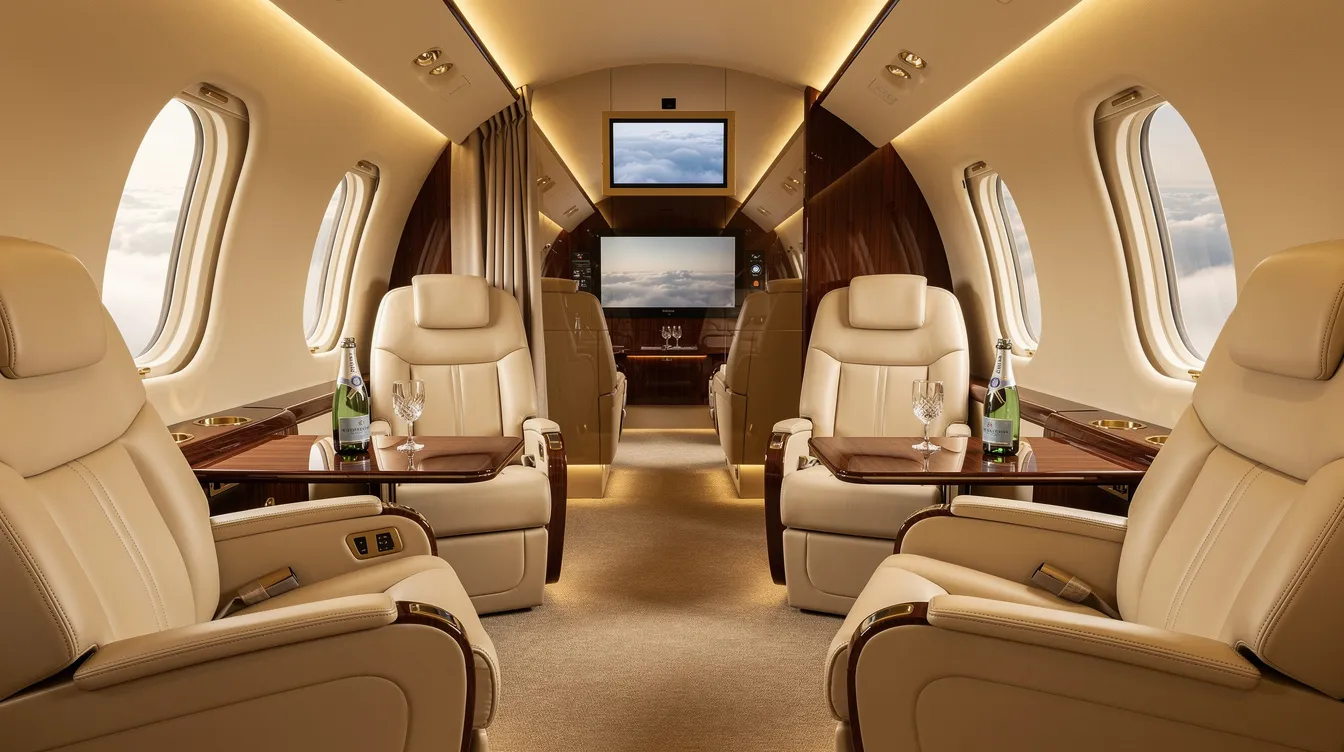
With BlackJet's Jet Card, members choose an aircraft category instead of a seat type, effectively reserving the entire cabin for themselves, their family, or their team, and can align that choice with a clear understanding of private jet sizes and use cases. Catering is customized, the workspace is confidential, and the schedule is tailored. The comparison is not seat versus seat - it is seat versus aircraft.
Safety, Reliability, and Sustainability Across Different Airlines
For high-frequency travelers, safety, operational reliability, and sustainability carry as much weight as price or cabin class. Strong feelings about these topics are well-founded - they protect both passengers and the broader industry.
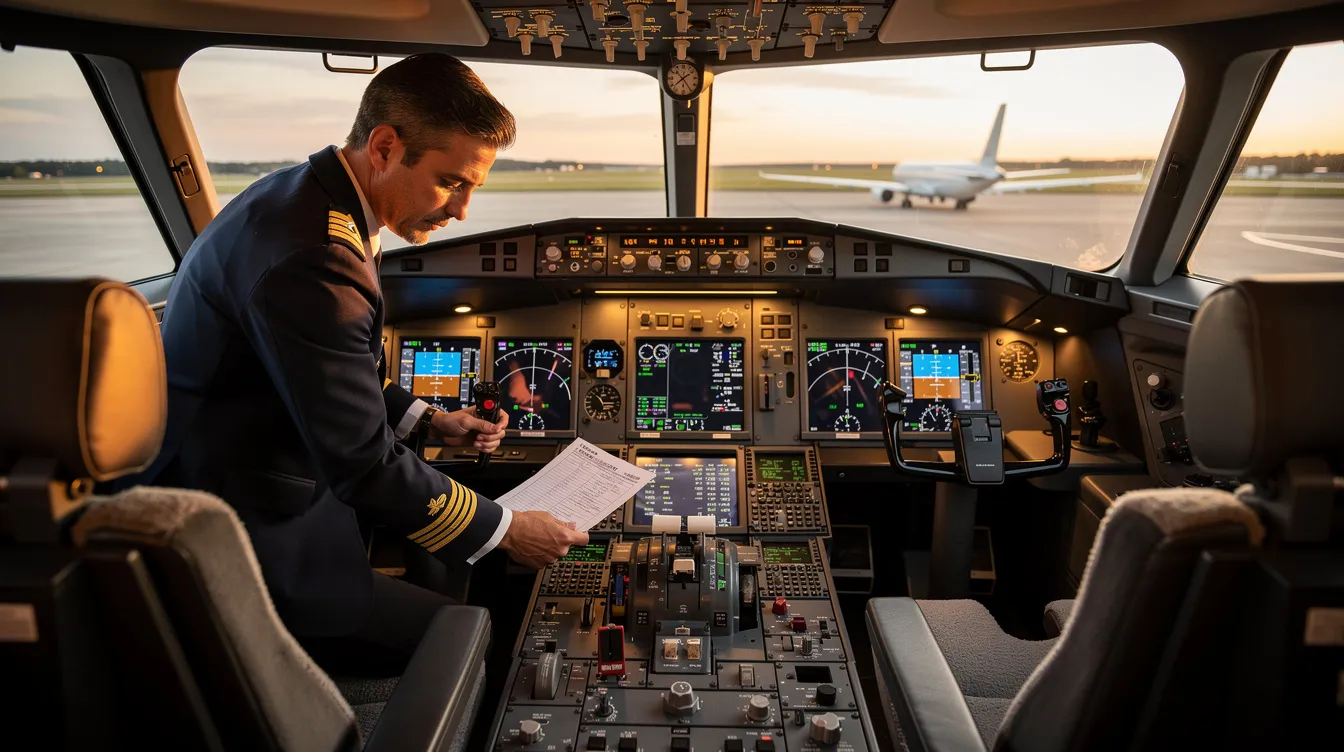
Major US airlines adhere to Federal Aviation Administration safety regulations and often publicize strong safety records. Operational disruptions, however, delays, cancellations, and lost bags remain common at big airports, especially during summer demand peaks. Ultra-low-cost carriers manage tight schedules and rapid aircraft turns, which can amplify disruption risk when weather or air traffic control delays occur.
BlackJet's approach to safety and certification is a core brand pillar, not an afterthought, and aligns with broader data showing that private jets are highly safe when operated under rigorous standards. Every operator in the curated network meets or exceeds industry-standard safety audits such as ARGUS and IS-BAO frameworks, with rigorous aircraft and crew vetting. Fleet age, maintenance practices, and pilot qualifications are continuously monitored.
On sustainability, BlackJet commits to carbon-neutral flights via verified carbon offset programs - at no extra cost to the client, while cruising at higher altitudes than many commercial aircraft often deliver smoother, more efficient private jet flights. Most commercial first class offerings leave offsets as voluntary and inconsistent. In an industry under growing government and public scrutiny for emissions, this represents a meaningful environmental differentiator.
How BlackJet Jet Cards Compare to Flying Different Airlines
BlackJet is positioned as a premium alternative to both commercial first class and traditional ad-hoc charter, built for frequent business and high-net-worth leisure travelers who expect more from every trip and who benefit from understanding overall Jet Card membership pricing before committing.
Jet Cards - available in 25-hour and 50-hour programs - work as prepaid access to private jets with transparent hourly rates across multiple aircraft categories, with the BlackJet 25+ Hour Jet Card tailoring fixed-rate access to mid, super-mid, and large-cabin aircraft. There is no need to track fluctuating cash fares across airlines like United or Alaska Airlines, no fare classes to decode, and no money wasted on upgrades that never clear.
Consider an executive who flies American Airlines or United Airlines monthly for international business. Each trip involves two hours of check-in and security, a possible hub connection, and a shared cabin where confidential calls are impossible. With a BlackJet Jet Card, that same executive boards from a private terminal in minutes, works or negotiates freely in-flight, and arrives rested. The time saved across a year of travel compounds into weeks of recovered productivity.
BlackJet's digital booking tools and real-time flight support let clients arrange trips with app-based simplicity. No navigating multiple airline websites, alliance rules, or fare class restrictions.
BlackJet is not a replacement for every commercial flight. It is the optimal choice for high-value trips where time, confidentiality, and comfort justify stepping beyond even the best commercial first class.
FAQs: Choosing Between Commercial Airlines and BlackJet Private Access
Choosing between commercial airlines and private jet access depends on the type of trip, who is traveling, and what you need from the experience. Here are the most common questions we receive.
When does it make sense to choose a private jet over United Airlines, American Airlines, or Delta?
Private jets deliver the greatest advantage on tight schedules, multi-city roadshows, team travel where several employees fly together, or for high-profile individuals needing privacy. If a trip involves connections, time-sensitive meetings, or confidential work, private access pays for itself in recovered hours.
How does Jet Card pricing compare to commercial first class?
Commercial first class fares fluctuate by route, season, and demand - a last-minute international ticket can easily exceed $15,000 one-way, and some travelers even evaluate a 100-hour Jet Card cost structure when their flying needs are substantial. Jet Card hourly rates are fixed by aircraft category, giving frequent flyers predictable costs and eliminating fare-class guesswork; guides to the best jet cards for frequent flyers consistently highlight this predictability as a key advantage. For those who fly often, the value calculation shifts quickly.
How are safety standards managed in private aviation?
BlackJet maintains a curated operator network where every company meets rigorous third-party audit standards (ARGUS, IS-BAO, Wyvern-level frameworks), comparable to what you’d expect from top private jet charter companies in the USA. Aircraft age, crew qualifications, and maintenance records are continuously reviewed - often exceeding what the Federal Aviation Administration requires as a minimum.
How does BlackJet handle environmental impact?
Every BlackJet flight is carbon neutral through verified offset programs, included at no additional cost. Most commercial airlines leave carbon offsets as a voluntary, passenger-managed option.
How quickly can a new client start flying?
Once a Jet Card membership is established, clients can typically arrange their first flight within hours, subject to aircraft availability. Onboarding is seamless, with 24/7 support from day one.
Conclusion: Redefining Premium Travel Beyond Different Airlines
The US airline industry in 2026 is dominated by a few massive carriers - American Airlines, Delta, United, and Southwest - alongside niche players like Alaska Airlines, Hawaiian Airlines, Spirit Airlines, and Frontier Airlines, even as top private jet companies worldwide reshape expectations at the premium end of the market. Each operates within a defined segment, from US Airways and NorthwestEach operates within a defined segment, from US Airways and Northwest legacy networks to bare-bones ultra-low-cost operations, and together they fly passengers to hundreds of destinations across America, Europe, and beyond, while private aviation follows its own comprehensive private jet price list covering ownership, charter, and Jet Card access.
Airline | Category | Seat Capacity (Summer 2026) | Destinations | Alliance | Notable Features |
|---|
American Airlines | Network Carrier | 160.5 million | 350+ destinations in 60 countries | oneworld | Largest US airline by seat capacity; multiple cabins |
Delta Airlines | Network Carrier | 140.4 million | Extensive domestic and international | SkyTeam | Highest number of domestic flights; premium cabins |
Southwest Airlines | Low-Cost Carrier | 133.4 million | 121 US locations | None | No first class; no checked bag fees; point-to-point |
United Airlines | Network Carrier | Growing fastest; 4th largest | 210 domestic, 120 international | Star Alliance | Largest widebody fleet; extensive global network |
Alaska Airlines | Regional/Network | Included Hawaiian capacity | 110+ destinations | oneworld | Highest customer satisfaction; includes Hawaiian |
Spirit Airlines | Ultra-Low-Cost Carrier | Reduced by 54% in 2026 | Caribbean, Mexico, South America | None | Unbundled pricing; ultra-low-cost model |
Frontier Airlines | Ultra-Low-Cost Carrier | Moderate | 100+ US destinations, 31 international | None | All-Airbus fleet; extra fees for seat amenities |
legacy networks to bare-bones ultra-low-cost operations, and together they fly passengers to hundreds of destinations across America, Europe, and beyond, while private aviation follows its own comprehensive private jet price list covering ownership, charter, and Jet Card access.
Choosing between different airlines, alliances, and cabin classes can optimize cost and comfort, but every option still operates within the boundaries of commercial aviation: fixed schedules, shared cabins, hub routing, and security queues. For travelers who expect priority access, consistent quality, and complete control over their journey, those boundaries eventually become constraints.
BlackJet exists for that moment, whether you want full-cabin access or simply need to understand how to buy a seat on a private jet for select high-value trips. Carbon-neutral, safety-certified, and built around prepaid Jet Card access, it represents the next step for those who have outgrown even the finest commercial first class and are comparing options such as NetJets Jet Card costs before choosing a provider.
Discover how BlackJet Jet Card membership can reshape the way you approach both domestic and international flights - on your schedule, your terms, whether you need the best private jet for 20 passengers, a 50-passenger private charter solution, a 16-seat large-cabin jet, or simply want to explore the top private jets in the world.
Conclusion: Elevate Your Travel Beyond Traditional Airlines
Navigating the landscape of different flight companies—from legacy carriers like American Airlines and United to low-cost and ultra-low-cost options—requires balancing cost, convenience, and comfort. However, even the best commercial first-class experience comes with inherent limitations: fixed schedules, shared cabins, and congested airports. BlackJet redefines premium travel by offering exclusive private jet access through its Jet Card programs, delivering unparalleled privacy, flexibility, and safety. With carbon-neutral flights, rigorous certification standards, and seamless digital booking, BlackJet transforms your journey into a strategic advantage. For discerning travelers seeking to transcend the constraints of commercial aviation, BlackJet’s private jet access is the ultimate choice—where every flight is tailored to your schedule, your preferences, and your elevated expectations.


 Sign up with google
 Sign up with Apple