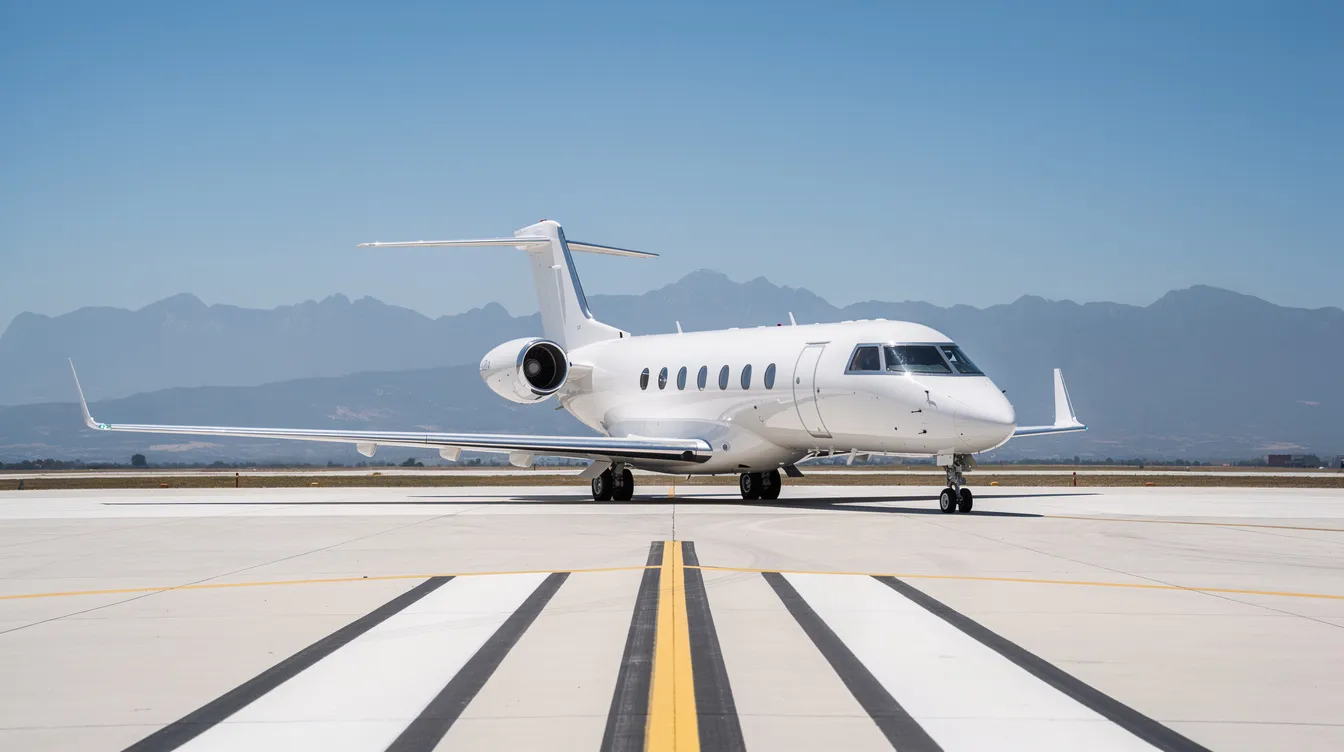
For many aviation enthusiasts, the dream of flight starts not at 40,000 feet but at treetop level - open cockpit, wind in your face, a grass strip ahead. The cheapest ultralight aircraft remains the most accessible door into powered aviation, but what does "cheap" actually mean in 2025–2026? This guide is for aspiring pilots, hobbyists, and anyone curious about affordable entry points into powered flight. This guide breaks down real models, real prices, practical ownership costs, and how basic airplanes at this end of the spectrum compare to light sport aircraft and professionally crewed private jets.
Fast Answer: What Are the Cheapest Ultralight Aircraft Today?
Ultralight aircraft in the US must comply with FAA Part 103. These are single-seat machines limited to a maximum empty weight of 254 pounds, a top speed of 55 knots (63 mph), and a fuel capacity of no more than 5 gallons.
If you search for the cheapest ultralight aircraft you can buy right now, the honest answer is that flyable, Part 103–compliant machines typically cost between $10,000 and $30,000 new. Many ultralight aircraft can cost between $3,000 and $12,000 on the used market, though anything under $5,000 is almost always an incomplete project. Since 2020, inflation, engine shortages, and rising material costs have pushed kit prices up 25–50%, so the days of a brand-new $5,000 ultralight are effectively over.
Pilots do not need a license to fly ultralight aircraft under FAA rules, and ultralights must be used for recreational flying only. That regulatory simplicity is what keeps these planes so affordable compared to certified general aviation.
Here are the most realistic low-cost options available today:
Jordan Lake Air-Bike 103 - An air bike configuration kit starting around $6,995 for the airframe alone. With a small engine, prop, and basic instruments, expect a flyable total of $10,000–$12,000.
Aerolite 103 - One of the most popular aircraft in the Part 103 category. Quick-build kits start near $17,950; ready-to-fly versions run $29,300–$36,600 depending on engine and avionics.
Badland F‑Series ultralight kits - Builder kits from roughly $15,926; near-ready-to-fly setups approaching $26,000–$36,000.
Used Quicksilver single‑seat models - Popular,r affordable ultralight aircraft, including Quicksilver and Kolb models,s frequently appear between $6,000 and $12,000 on the used aircraft market.
"Project" ultralights under $5,000 - Occasionally found as unfinished kits or old airframes needing overhaul. These are rare, require significant expertise, and should be approached with caution.
For context, a single hour aboard a professionally crewed light jet through a 25 Hour Jet Card costs more than a month of ultralight ownership - but it solves an entirely different problem. Ultralights are weekend hobby tools. Jet Cards are strategic travel assets, and understanding Jet Card cost per hour helps frequent travelers compare that asset class to aircraft ownership.
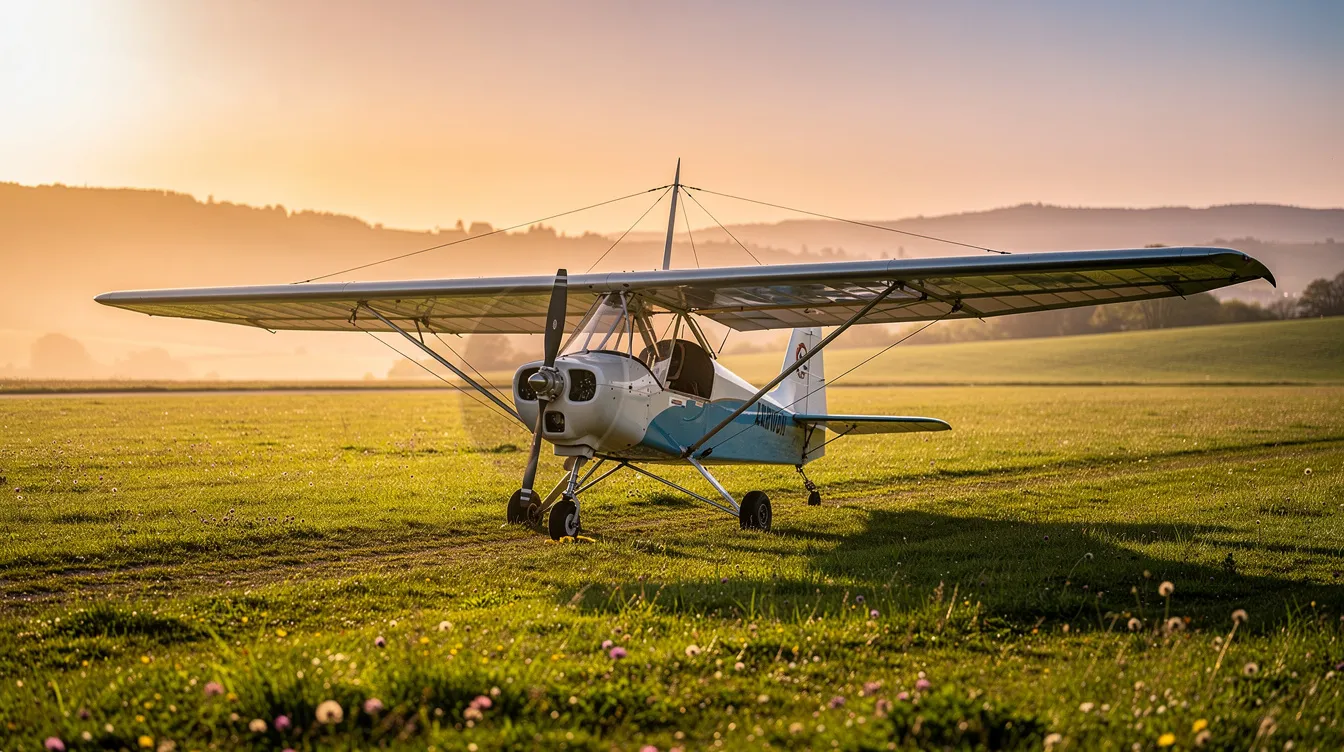
Ultralight vs Light Sport Aircraft vs Private Jets
Understanding how ultralight aircraft fit into the broader aviation landscape requires comparing three distinct tiers, each serving a fundamentally different mission.
Ultralight aircraft in the US must comply with FAA Part 103. These are single-seat machines built for solo, local, recreational flying at minimal cost and regulation. A light sport aircraft steps up to two seats, more avionics, and cross-country capability, but requires at least a sport pilot certificate. Private jets - accessed via BlackJet’s premium private Jet Card programs - deliver multi-city, crew-operated, time-critical travel under rigorous commercial-level safety standards.
Here are the core regulatory and cost differences:
Feature | Ultralight (FAA Part 103) | Light Sport Aircraft (LSA) | Private Jets (Jet Card Access) |
|---|
Seats | Single seat only | Two seats | Multiple seats |
Max Empty Weight | 254 lbs (landplane), 296 lbs (seaplane) | Max takeoff weight ~1,320 lbs (1,430 seaplane) | Varies, multi-thousand pounds |
Max Speed | 55 knots (63 mph) | Higher, varies | High-speed turbofan jets |
Fuel Capacity | Max 5 gallons | Larger tanks for cross-country | Large fuel capacity for long-range flights |
Pilot License Required | No | Sport Pilot certificate required | Professional pilot and crew |
Airworthiness Certificate | Not required | Required | Required, maintained under strict standards |
Operation | Day VFR only, recreational | Day/night, cross-country | All-weather, global operations |
Cost Range (Purchase) | $10,000–$30,000 new; $3,000–$12,000 used | $50,000–$285,000+ | Jet Card hourly rates vary, typically high |
Typical Use | Local recreational flying | Training, cross-country, personal travel | Business, luxury, time-critical travel |
Each segment answers a different question. An ultralight aircraft asks, "How cheaply can I experience flight?" An LSA asks, "Can I actually go somewhere?" A Jet Card asks, "How do I eliminate travel friction entirely?"
Top Budget Ultralights Under $10,000 (When You Can Actually Find Them)
Ultralight aircraft can cost under $10,000, but truly airworthy, compliant examples at this price in 2025–2026 are scarce. They tend to be older designs, used airframes, or unfinished kits being resold by builders who never completed their projects.
Here are the most realistic sub-$10,000 options you'll encounter:
Used Quicksilver MX / MXL single-seat: The quintessential entry ultralight with a tubular aluminum frame and fabric wings. Many 1980s–1990s examples sell between $5,000 and $10,000, depending on the engine (Rotax 377 or 447) and overall condition. Buyers should expect to budget for new sails, control cables, and a thorough engine inspection. Using used engines can significantly reduce ultralight aircraft construction costs, but only if those engines have a documented history and remaining hours before overhaul—principles that also apply when evaluating cheap light aircraft for budget flying beyond the ultralight category.
Partial Jordan Lake Air-Bike 103 kits: Older kits occasionally surface around $4,000–$7,000 without a current engine. The buyer must add an engine (often $3,000–$6,000), a propeller, and instruments before the aircraft is flyable.
Many online ads claiming "$3,000 ultralight" or "plane for $2,850" are projects missing engines, logs, or critical structural parts. These are suitable only for experienced builders comfortable with full rebuilds and pre-flight inspection from the ground up.
A safety caveat: before purchasing any used ultralight, have the airframe evaluated by an experienced ultralight builder or an A&P mechanic familiar with Part 103 designs. Check for service bulletins, corrosion on the frame, and verify that the aircraft's weight and fuel capacity still meet specific FAA regulations for Part 103 compliance.
Cheapest Ultralight Kits and Ready‑to‑Fly Options (2025–2026)
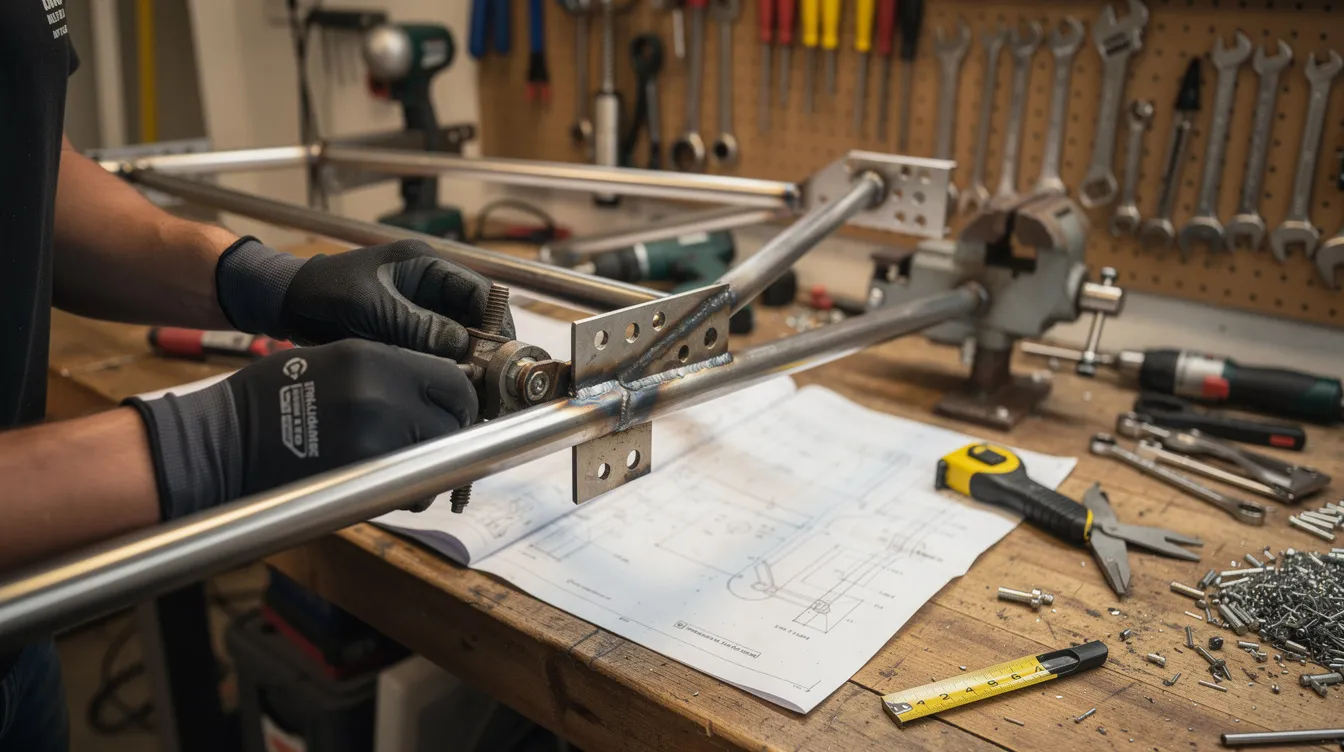
Many buyers prefer new kits or factory-built ultralights for reliability and known provenance, even if they cost more than used projects. DIY ultralight kits are more affordable than buying new factory-complete planes, and affordable ultralight aircraft focus on simplicity and ease of construction, which keeps build hours and mistakes manageable.
Here are the best-known Part 103–friendly options with current approximate pricing:
Jordan Lake Air-Bike 103: A classic air bike configuration with exposed rudder pedals and a motorcycle-like feel. The Jordan Lake Air-Bike LS debuted in 1995 and remains in production. Airframe kits run approximately $6,995; with engine and instruments, expect $10,000–$12,000 flyable. Strong enthusiast community and plans available for scratch-builders.
Aerolite 103: One of the best ultralight aircraft in the Part 103 category. Quick-build kits start around $17,950; ready-to-fly versions with 28–50 hp engines cost $29,300–$36,600. Known for docile handling, short takeoff performance, and relatively quick build times - often under 100–200 hours for experienced builders. Electric propulsion options are also emerging.
Badland F‑Series: Modern ultralight kits designed for Part 103 with no welding required. Builder kits start near $15,926; complete flyable setups push past $25,000. Marketed to builders without hangar access - many models are trailerable, and folding wings in ultralights enhance storage and portability. Robust structural safety is a design priority across their lineup, just as it is when comparing the best small private aircraft for personal travel.
Prices fluctuate based on engine choices (two-stroke vs. modern four-stroke or fuel-injected), avionics (simple analog gauges vs. glass panels), and whether the factory or owner handles final assembly. Always obtain a detailed quote dated for the current year and confirm what is and is not included: engine, prop, covering, paint, and instruments.
Single‑Seat vs Two‑Seat: Cheap Ultralights and Light Sport Alternatives
The cheapest ultralight aircraft are almost always single-seat, Part 103–style machines. Single-place ultralights are limited to one seat for the pilot, and single-seat kits often provide the most budget-friendly options in ultralight aviation. Lower weight and power requirements keep both acquisition and operating costs down, and they are simpler to build and maintain.
Two-seat "ultralight-style" aircraft exist, but they fall outside Part 103. Two-place ultralights can carry a passenger but require registration, at least a sport pilot certificate, and compliance with experimental amateur-built or light sport aircraft rules. Examples include the Quicksilver MX II Sprint - which is easy to assemble and remains a popular aircraft - the CGS Hawk Arrow II, first produced in 1982, and the Kolb Firestar, which has been in production since 1985. Used pricing for these two-seaters commonly lands in the $18,000–$40,000 range, depending on engine hours and avionics.
Some aircraft marketed as "ultralights" exceed Part 103 limits entirely. The Composite FX XEL, for instance, weighs 312 pounds - well above the maximum empty weight of 254 pounds - making it a true ultralight in spirit only. It must be registered and operated under different rules. Meanwhile, amphibious ultralights can land on water and land, but most are typically heavier and also fall outside Part 103.
Here's how the two categories compare:
Single-seat Part 103: Cheapest, solo only, limited performance in range and cruise speed, ideal for local recreational flying in rural areas and uncontrolled airspace.
Two-seat LSA/Experimental: More capability, can train a friend or spouse, many models with more advanced features, but higher purchase and maintenance costs. Not a true ultralight under FAA rules, though they can overlap with the cheapest private aircraft options for pilots who want to go farther than a Part 103 ultralight allows.
Real Costs Beyond the Purchase Price
The purchase price of the cheapest ultralight aircraft is only the beginning. Operating and ownership costs matter even at this scale, and understanding them separates realistic budgeting from wishful thinking.
Maintenance and Upkeep Costs
Core cost categories include:
Engine and airframe maintenance: Two-stroke engines are common in ultralight aircraft because they are lighter and simpler, but they require overhauls every few hundred hours. Four-stroke alternatives offer durability but weigh more - every pound counts against the 254-pound empty weight limit.
Fuel and oil: Most ultralights burn 2–5 gallons per hour. Ultralights typically get 10 to 30 mpg, depending on the engine and cruise speed, with fuel consumption far lower than certified planes—just as fuel burn and hourly costs dominate the math when you study the cheapest private jet options.
Storage: A tie-down at a small field may cost a few hundred dollars per year; a hangar can run several hundred to over a thousand dollars monthly. Trailerable ultralights avoid hangar costs entirely, whereas private jet users focus more on Jet Card membership pricing structures than on physical storage.
Safety gear: Helmet, handheld radio, and a ballistic parachute (if desired) add $1,000–$3,000 to initial setup. Proper training through an ultralight school or instructor is an additional but essential investment.
Storage and Operating Expenses
Smart owners implement annual condition inspections even though ultralights are not required to follow the same inspection regime as certified aircraft. Many follow practices from the EAA community to maintain safety margins.
For comparison, some pilots who outgrow ultralights eventually benchmark their weekend flying costs against a 25+ hour Jet Card program to cover serious business travel:
Owning a Cessna 150 or Piper J-3 Cub: Annual inspections, higher fuel burn (~6–8 gph), insurance, and hangar obligations can cost tens of thousands annually - far exceeding ultralight operating costs for the same number of flight hours.
Using a Jet Card like BlackJet's: You pay per hour flown with no maintenance, crew, or hangar obligations. It solves a completely different mission - learn how Jet Cards work and dive deeper into Jet Card pricing, costs, and benefits.
Safety, Regulations, and Training: How Cheap Is "Too Cheap"?
While ultralights remove barriers like licensing and certification, safety standards still matter. The cheapest ultralight should never mean an unsafe ultralight.
Key FAA Part 103 Rules
Key FAA Part 103 rules relevant to budget buyers:
Single-seat only; the aircraft must meet specific FAA regulations on weight, speed, and fuel capacity.
Ultralights do not require FAA registration or airworthiness certification - no N-number, no medical certificate.
Day VFR operation only. Night flying is not permitted unless the aircraft is equipped with appropriate lighting and the pilot complies with local interpretations. Operations over congested areas are restricted.
Flight in controlled airspace requires advance ATC authorization; most ultralight aircraft fly in uncontrolled airspace.
Training Considerations
Training considerations are critical. There is no formal FAA flight training requirement under Part 103, but proper training from a qualified instructor in a similar aircraft is strongly recommended. A beginner-friendly progression might include dual time in a light sport or trainer - even a Cessna 150 - before soloing a very light single-seater. You cannot log ultralight flight time toward other FAA certificates.
Some "too good to be true" deals carry real risks:
Unknown build quality in older homebuilts with missing documentation.
Non-compliant weights or fuel capacity that technically remove Part 103 protections, meaning you would need registration and a pilot's license after all.
Lack of records on prior repairs, engine overhauls, or structural modifications.
By contrast, private jet operations through BlackJet use professional crews with type ratings, recurrent training, and formal safety management systems. Aircraft are maintained under robust inspection programs - often Part 135 or equivalent - providing an entirely different safety and oversight profile from homebuilt ultralights, a point explored in depth when asking whether private jets are safe.
From Air Bike to Light Sport to Jet Card: Matching Aircraft to Your Mission
Many aviation enthusiasts follow a natural progression through the skies. They start in a cheap ultralight or air bike–style Part 103 machine for the pure joy of flight. Over time, some move into a light sport aircraft for regional trips, shared flying, and instrument-style training. Eventually, those whose careers demand efficient travel rely on private jet access via a Jet Card for business, family, and international routes, often comparing the best Jet Cards for frequent flyers to match their mission.
Consider a founder based in Austin who keeps an Air-Bike 103 at a nearby grass strip for weekend flying - sunrise hops, lazy circles above the lake, the kind of flying that reminds you why you fell in love with aviation. That same person uses a BlackJet Jet Card to fly Austin–San Francisco and Austin–New York on short notice for board meetings, bypassing airline delays and layovers entirely, where understanding Jet Card cost per hour and even evaluating a 100-hour Jet Card cost guide can clarify the long-term value.
Mission determines the "cheapest" choice:
For 20-minute sunset hops at low altitude, a $10,000 ultralight with limited performance is the most cost-effective money you can spend on joy.
For cross-country or international travel with staff or family, the most economical option in time and risk is a professionally crewed jet, not owning and maintaining a piston fleet, especially once you understand the different types of private jets for every traveler.
BlackJet delivers on three pillars: safety through vetted operators and audited fleets, sustainability through carbon-neutral flights built into every hour, and technology through 24/7 digital booking and real-time support—paired with guidance on private jet sizes and cabin categories to right-size each trip.
Your best bet is to own the aircraft that matches your weekend soul and subscribe to the service that matches your weekday demands.
Frequently Asked Questions About the Cheapest Ultralight Aircraft
What is the absolute cheapest price I can realistically pay for a flyable ultralight in 2025–2026?
Around $6,000–$12,000 for a clean used single-seat example like a Quicksilver MX in good condition. New base kits with a minimal engine and instruments typically start at $10,000–$15,000. Anything advertised under $5,000 is almost always an incomplete project requiring thousands more to reach the air.
Can I really fly an ultralight without a pilot's license under FAA Part 103?
Yes. As long as the aircraft meets all Part 103 limits - single seat, maximum empty weight under 254 pounds, stall speed at or below 24 knots, top speed no greater than 55 knots, and fuel capacity of 5 gallons or less - no FAA pilot certificate or medical certificate is required. Training is strongly advised despite not being legally mandated.
Are there any cheap two-seat ultralights I can use for training a friend or partner?
Two-seat models exist (such as the Jordan Lake Tandem Air-Bike), but they no longer qualify under Part 103. They are classified as experimental amateur-built or light sport aircraft, requiring registration, at least a sport pilot certificate, and generally costing $18,000–$40,000+ used. The capabilities compared to a true ultralight are significantly greater, but so is the regulatory burden.
How does an ultralight compare in operating cost to a used Cessna 150 or Piper J-3 Cub?
An ultralight may burn 2–5 gph with minimal fixed costs, no required annual inspection, and cheap storage. A Cessna 150 burns 6–8 gph, requires certified annual inspections, and carries higher insurance and hangar costs. For low-utilization owners, the annual cost difference can be tens of thousands of dollars.
Can I log ultralight flight time toward other FAA licenses?
No. Part 103 operations do not count toward sport pilot certificate or private pilot certificate hour requirements. Only time logged in certificated aircraft counts.
What hidden costs turn a "$5,000 ultralight" into a $15,000 project?
Missing or overdue engines
Worn sails and fabric needing replacement
Corroded control cables
Missing instruments
Non-compliance is forcing a rebuild to reduce weight
The cost of transport, sale fees, ground handling, and ample space for assembly. Budget conservatively.
When does it make more sense to use a private jet membership like BlackJet's instead of trying to travel long distances in a light sport aircraft?
When the mission involves multi-passenger trips, distances over 400 nautical miles, rapid deployment, or business-critical timing. Jet Cards deliver speed, landings at thousands of airports, weather flexibility, and professional crews that small planes simply cannot match. The cost per hour is far higher, but the time saved often makes it the most economical choice for those whose hours carry real value.
How BlackJet Fits Into an Aviator's Journey
Ultralights and light sport aircraft are ideal for hands-on flying, tinkering with aerodynamics, and staying close to the raw, open-air experience of flight. BlackJet exists to solve a different problem: turning travel days into productive, private, and predictable experiences for those whose time is at a premium, often using small private jets for flexible luxury travel.
Safety: Only operators meeting stringent safety and certification criteria - including Wyvern Wingman and ARG/US audits - operate within the BlackJet network, whether it’s a light jet for a small team or a private jet large enough for 20 passengers.
Sustainability: Every BlackJet flight is carbon-neutral through integrated offset programs, at no extra cost.
Technology: Digital booking, transparent pricing by aircraft category, and live support 24/7 ensure seamless coordination across competitive prices and multi-leg itineraries, whether you’re considering a 50-hour Jet Card cost structure or a shorter commitment.
If you already own or are considering an ultralight, explore how a BlackJet Jet Card can handle your serious travel days - while your air bike or ultralight remains your weekend passion in the skies—and compare that approach to NetJets Jet Card costs and other legacy providers.
Conclusion: Choosing the Right Flight Experience for Your Needs
Selecting the cheapest ultralight aircraft offers an affordable, exhilarating entry into the world of aviation, perfect for recreational pilots who value simplicity, low operating costs, and the pure joy of open-air flight. These lightweight machines provide unmatched accessibility without the need for pilot licenses or complex certifications, making them ideal for weekend flyers and hobbyists.
However, as your mission evolves toward longer distances, multiple passengers, or business-critical travel, light sport aircraft and professional private jet access via Jet Cards like BlackJet’s become indispensable. They offer enhanced safety, certification, comfort, and global reach—transforming travel from a hobby into a strategic advantage.
By understanding the distinctions between ultralights, LSAs, and private jets, you can match your aircraft choice to your lifestyle and travel demands. Whether you’re soaring low in a Part 103 ultralight or flying coast to coast in a carbon-neutral private jet, BlackJet is ready to elevate your journey with safety, sustainability, and seamless technology, including access to some of the best private jets in the world. Explore how premium jet access can complement your passion for flight and redefine your travel experience.


 Sign up with google
 Sign up with Apple