Introduction to the Cessna A152 in Modern General Aviation
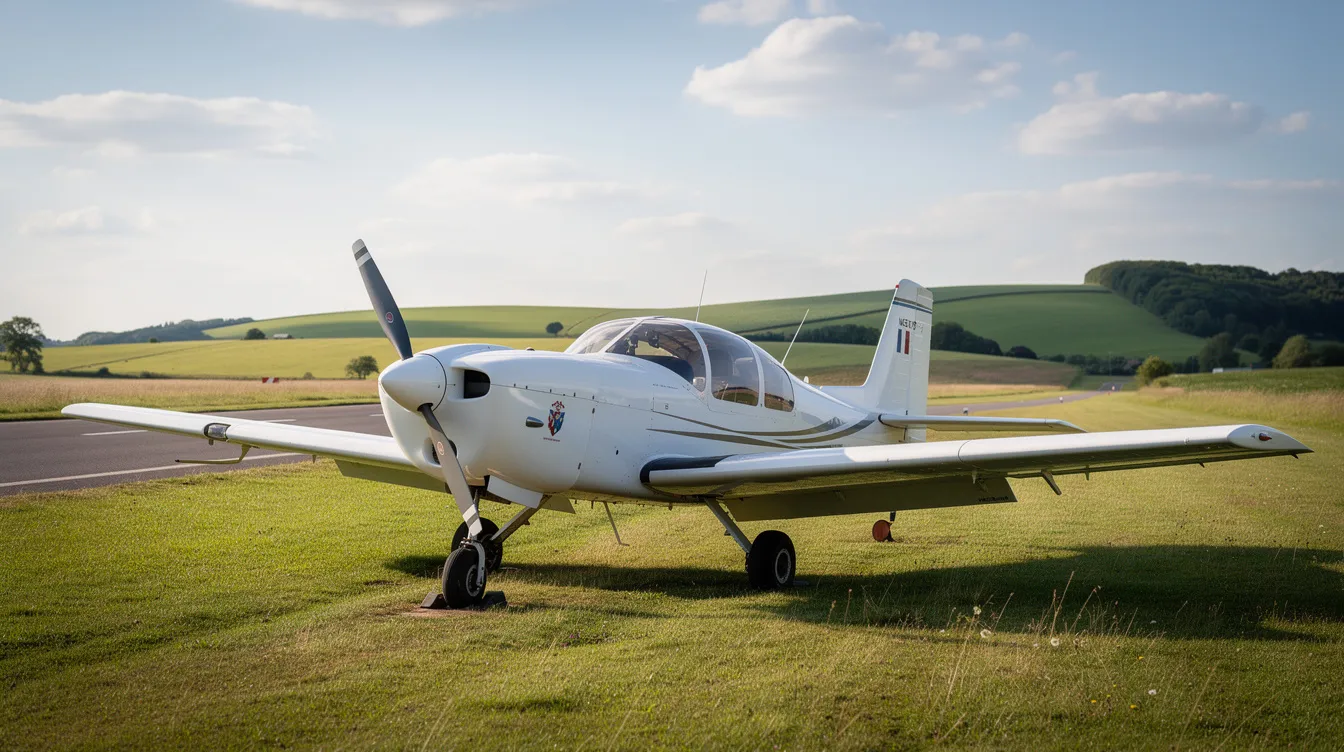
The Cessna A152 Aerobat is a two-seat, high-wing, single-engine light aircraft built for one purpose: teaching pilots how to fly at the edge of an airplane's envelope. This article is intended for student pilots, aviation enthusiasts, and anyone interested in affordable aerobatic trainers. Derived from the Cessna 150, then the Cessna 152, this special model carried aerobatic certification into flight schools worldwide during the late 1970s and early 1980s. The Cessna Aircraft Company introduced the 152 line in 1977, and over 6,600 Cessna 152 aircraft were built from 1978 to 1985. Cessna built 315 Aerobat variants of the 152 for aerobatic training, each certified for +6/-3 Gs in aerobatic flight and approved for spins, loops, rolls, and chandelles within POH limits.
The A152 is a two-seat, high-wing, single-engine light aircraft. The A152 is commonly used for primary flight training and aerobatic training. While BlackJet's world centers on private jet access and jet card programs, many of our clients and their pilots first logged hours in trainers just like this one. The contrast captures an entire career arc: from learning whip stalls at 4,000 feet in an A152 to crossing continents at FL410. This article covers specifications, aerobatic capabilities, differences from the standard model, and why this plane still matters in general aviation.
Cessna 150, Cessna 152, and A152: Evolution of a Classic Trainer
The Cessna 150 debuted in 1958 as a post-World War II two-seat trainer that became the backbone of American flight school fleets. Cessna produced thousands, and by the mid-1970s it was arguably the most popular aircraft for primary instruction in the world. Aviation magazines covered its every minor design revision.
In 1977, Cessna announced the 152. The Cessna 152 is powered by a 110-horsepower Lycoming engine (the Lycoming O-235 series), replacing the Continental O-200. This switch addressed 100LL fuel compatibility, raised gross weight, improved the electrical system to 28 volts, and reduced external noise. The Cessna 152 has low operating costs and forgiving flight characteristics, which made it a popular aircraft in training fleets globally. The Cessna 152 is certified for limited aerobatic flight only in its Aerobat variants.
The A152 Aerobat grew from this lineage. Cessna built the Aerobat as a structurally reinforced variant with jettisonable doors, removable seat cushions for parachute wear, four-point harnesses, and a checkerboard paint scheme. Bill Kershner, known for his dry humor and encyclopedic knowledge of spin recovery, operated his A152 (N7557L) for thousands of spin training sorties beginning in the late 1970s. His safety articles and technical lessons shaped how instructors teach aerobatics to this day.
A quick comparison across the family:
Cessna 150: 100 hp Continental, no aerobatic approval (except A150K variant), ~1,600 lb max gross weight, basic trainer
Cessna 152 (standard model): 110 hp Lycoming, general utility purposes and training, 1,670 lb gross, no aerobatic certification
A152 Aerobat: 110 hp Lycoming, +6/−3 G aerobatic envelope, 1,670 lb gross, spin training and limited aerobatic flight
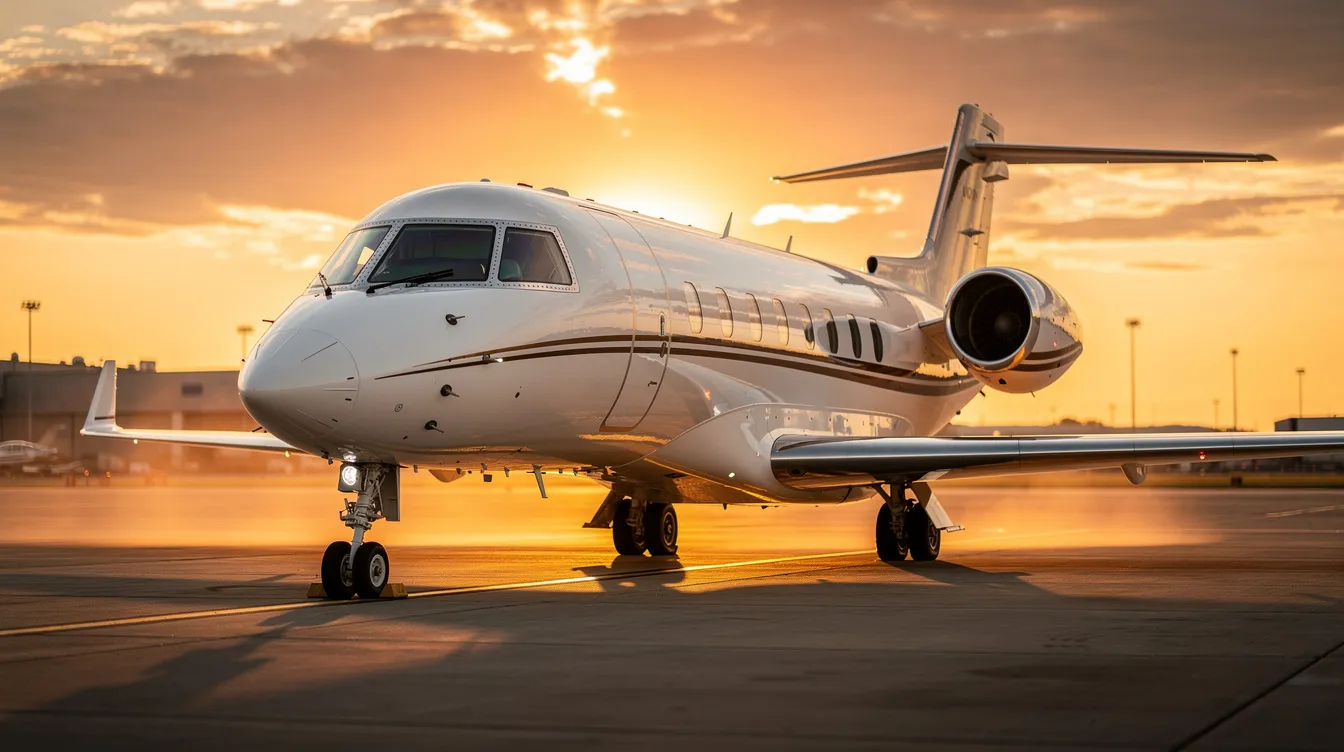
These aircraft are far from the cabin class jets BlackJet deploys, but they remain the first cockpit for many pilots who later command business jets.

Airframe, Interior, and Exterior Features of the Cessna A152
The A152's airframe is built from 2024-T3 aluminum in a riveted semi-monocoque structure, optimized for repetitive training and aerobatics. Its high wing configuration with external struts gives student pilots excellent downward visibility, and the A152 features overhead skylights for improved visibility during climbing turns and aerobatic maneuvers. The A152 has a reinforced airframe certified for +6Gs and -3Gs, with strengthened wing roots, fuselage attachment points, and control surface fittings.
The aircraft shares dimensions with the standard 152: wingspan of roughly 33 ft 4 in, length of about 24 ft 1 in. Cessna delivered Aerobats in bright red, blue, and white patterns; the checkerboard paint scheme on the tail made them instantly recognizable on any ramp. Aftermarket options expanded the plane's capabilities: Horton's STOL kit enhances lift and landing performance by modifying the wings' leading edges, while taildragger conversions improve short-field performance by 10 knots over the standard tricycle landing gear configuration.
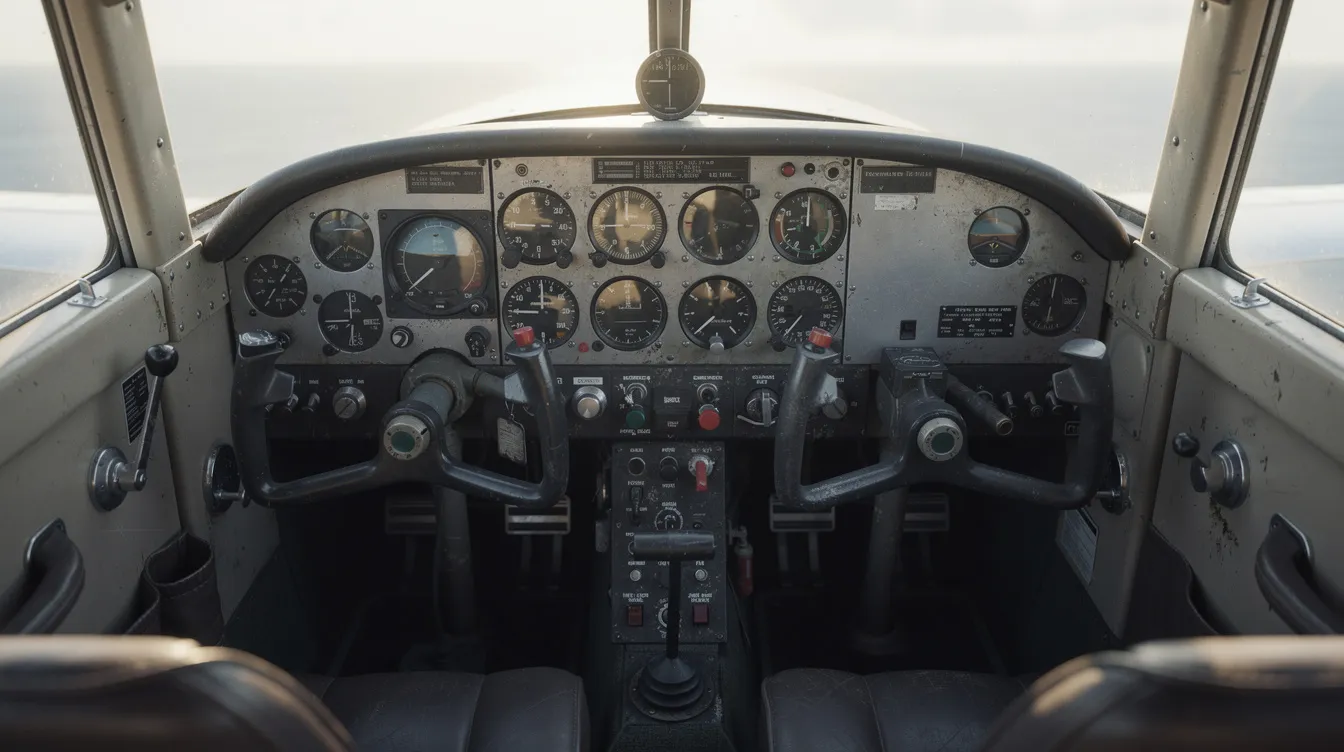
Inside, the A152 has a side-by-side seating configuration with dual flight controls. The cockpit holds a standard avionics suite: the analog "six-pack" (attitude indicator, altimeter, airspeed, VSI, turn coordinator, heading indicator), basic engine gauges, and simple nav/comm radios. Better quality avionics packages were available as additional equipment from Cessna's flight school equipment package catalog, and some operators added additional interior equipment like improved headsets or intercom panels. Trim features include a manual trim wheel on the center pedestal and a right elevator trim tab. The A152 provides better handling for learning basic flying techniques precisely because there is nothing to hide behind; no autopilot, no glass panel, no pressurization. Every input matters.
Powerplant, Systems, and Landing Gear
The A152 runs on straightforward piston technology. Understanding how its engine, fuel, and electrical systems work teaches student pilots the fundamentals before they advance to turbine-powered aircraft with redundant system architecture.
The A152 features a 110-horsepower Lycoming O-235-L2C engine: four-cylinder, horizontally opposed, air cooled, carbureted, and direct drive to a fixed-pitch propeller. Later production units received the O-235-N2C variant (108 hp) to reduce spark plug fouling on high-lead fuel. Fuel flows at cruise run approximately 6 to 7 gallons per hour. The engine's simplicity makes it an ideal platform for teaching how power, mixture, and carburetor heat interact during flight.
The fuel system feeds from two tanks (one per wing) via gravity through a fuel shutoff valve and fuel strainer to the carburetor. The A152 typically has a fuel capacity of 26 US gallons, with about 24.5 usable. Some aircraft were equipped with long-range tanks holding 39 gallons for extended cross-country flying, and the enhanced package occasionally included an auxiliary fuel gauge.
The Cessna 152 has a fixed tricycle landing gear configuration. The main gear uses tubular steel legs with single-disk hydraulic brakes; the steerable nosewheel handles taxi loads. Fixed landing gear keeps maintenance simple and costs low compared to retractable systems on light business jets.
The aircraft features a 28-volt electrical system with a 60-amp alternator, a 14-amp-hour battery, master switch, and circuit breakers on a side-panel bus bar. Pilots learn to keep avionics off during engine start to protect circuits. The pitot-static system (under-wing pitot tube, fuselage static ports) drives the airspeed indicator, altimeter, and vertical speed indicator. Mastering these basic instruments is foundational even for pilots who later handle IFR flying in pressurized jets.
Performance and Specifications of the Aerobatic Cessna 152
All figures below are representative. A pilot must always consult the official POH before flight planning; installed equipment, density altitude, and basic weight variations change real-world numbers.
Specification | A152 Aerobat | Notes |
|---|
Maximum Takeoff Weight | 1,670 lbs | Same as standard 152 |
Empty Weight | ~1,141 lbs | Leaves useful load of ~529 lbs |
Fuel Capacity | 26 US gallons (24.5 usable) | Optional long-range tanks available |
Engine | Lycoming O-235-L2C (110 hp) | Later O-235-N2C (108 hp) variant |
Cruise Speed | ~107 knots at 75% power | Up to 117 knots with Sparrow Hawk kit |
Maneuvering Speed | ~104 KIAS at max weight | |
Never-Exceed Speed | ~149 KIAS | |
Stall Speed (Landing Config) | 43 knots | Clean stall near 48 knots |
Initial Climb Rate | 700-800 ft/min at sea level | |
Service Ceiling | 14,700 ft | |
Range | 350-450 nm | Depending on fuel and conditions |
Aerobatic Certification | +6/-3 Gs | Certified for spins, loops, rolls, chandelles |
The A152 exhibits predictable stall and spin characteristics, which is exactly why flight schools chose it for aerobatics instruction. Within weight, balance, and fuel limits, the POH approves spins, loops, aileron rolls, barrel rolls, Immelmanns, Cuban eights, and chandelles.
Aftermarket modifications push these numbers further. The Sparrow Hawk package increases engine power to 125 hp, and the Cessna 152 has a maximum cruise speed increase of about 10 knots with such modifications. By contrast, a light jet available through BlackJet's fleet options cruises at 400 to 450 knots, operates above FL350, and covers 1,000 to 2,000+ nautical miles. For many missions, small private aircraft or other budget-friendly private aircraft options offer a more efficient balance of speed, range, and cost. Different aircraft, different mission profiles, same underlying aerodynamics.

Training, Aerobatics, and Safety Culture Around the A152
The A152 became a favorite for spin training and basic aerobatic instruction because its airframe tolerates repeated high-G loading and its flight characteristics remain predictable throughout the maneuver envelope. Bill Kershner logged over 4,300 airframe hours on his personal A152 before it was retired to the Smithsonian in 2007, teaching common sense approaches to spin entry and recovery that still shape FAA-recommended curricula.
Flight schools typically use the A152 for a progression: stalls, steep turns, takeoffs and landings during primary instruction, then advancing to spins, loops, and rolls under qualified instructor supervision. Cessna 152 rental rates typically range from $100 to $150 per hour, making it accessible for students accumulating the hours needed for commercial or military certificates and exploring the cheapest new plane options or other affordable aircraft choices for ownership. The A152 has lower operating costs compared to larger aircraft, which keeps training affordable. Aerobatics in a Cessna aircraft must always respect the POH's weight, balance, and G-limit placards.
Decades of accident and incident analysis involving the 152/A152 have produced better maintenance practices (addressing spark plug fouling, carburetor icing protocols) and improved pilot decision-making frameworks. This same discipline carries into private aviation. BlackJet applies strict safety standards and third-party operator vetting through its certification program, and many jet captains who fly these missions started in simple trainers. The pilot qualifications BlackJet requires reflect thousands of hours built on the same procedural rigor that begins in an A152 cockpit.
Whether a pilot is practicing spins or flying at FL450, disciplined adherence to checklists and certified data from the FAA, EASA, or the manufacturer is non-negotiable.
From Piston Trainers to Private Jets: How the A152 Fits the Bigger Picture
A pilot's journey often starts with a first solo in a Cessna 152 or A152, followed by instrument training in more complex Cessna aircraft, then type ratings on turboprops or jets. That trajectory, from unpressurized cabin to climate-controlled suite, is a story of accumulated technical lessons and flying skill that compounds over years and thousands of hours.
Early time in a small trainer forces attention to energy management (trading speed for altitude and vice versa), hand-flying precision, and weather awareness. These competencies powered every safe private jet flight, regardless of whether the airplane is operated under Part 91 or Part 135, and they underpin the intensive training and experience behind private jet pilot costs that owners and charter clients ultimately pay for.
The cost gap tells its own story. An older A152 often sells for $20,000 to $40,000; hourly costs stay in the low hundreds. Owning a light jet runs into millions before accounting for crew, insurance, and hangar fees, as any private jet price list quickly makes clear. BlackJet's jet card programs offer a smarter path: prepaid hours across light, midsize, super-midsize, and large-cabin jets, matched to mission profile the way an instructor matches a student to the right trainer, all delivered through premium private jet cards designed for frequent travelers.
Legacy piston trainers burn leaded 100LL avgas, which faces growing regulatory pressure. BlackJet offsets carbon emissions for every jet card flight, working toward more sustainable private aviation while also giving travelers access to the cheapest private jet options that fit their mission, without asking clients to compromise on speed or flexibility.
The Cessna A152 is the first rung of the ladder. Mastering its simple systems and modest performance is often what enables pilots to later deliver the high-altitude, high-speed experiences BlackJet clients rely on.
FAQ: Cessna A152 Aerobat and Private Aviation Pathways
What makes the Cessna A152 different from a standard Cessna 152?
The A152 carries aerobatic certification with a reinforced airframe rated to +6/−3 Gs. It includes four-point harnesses, jettisonable doors, removable seat cushions for parachute wear, and overhead skylights. The standard model shares the same engine and basic systems but is certified only in the normal category for general utility purposes.
Why is the Cessna 152 sometimes called "the last affordable airplane"?
Used airframes sell for $20,000 to $40,000 in fair condition, while new certified trainers cost several hundred thousand dollars. Cessna 152 rental rates between $100 and $150 per hour keep it within reach for students and recreational pilots, and many compare these costs with budget-friendly private aircraft or even what it might cost to charter a small plane for occasional trips.
Can I train for aerobatics in any Cessna aircraft?
No. Only Aerobat variants (A150K, A152, FA152) are certified for aerobatic maneuvers. Training must follow the POH and be conducted with a qualified instructor who respects weight, balance, and G-limits.
How does time in a Cessna 152 or A152 relate to flying or chartering private jets?
Many professional pilots start in these trainers, building stick-and-rudder skills that carry through every subsequent rating. Passengers typically skip that path and step directly into private jet cabins via services like BlackJet's 25-hour jet card or the BlackJet 25+ Hour Jet Card, and some even buy a seat on a private jet on a trip-by-trip basis.
If I'm ready to move from small trainers to private jet travel, what are my options?
BlackJet offers hour-based jet card programs with real-time booking, 24/7 support, safety-audited operators, and carbon-neutral flights. Before committing, you can compare jet card cost per hour, evaluate whether a 100-hour jet card or a 50-hour jet card better fits your flying profile, review guides to the best jet cards for frequent flyers, and even understand competitors like Flexjet jet card pricing or NetJets jet card cost. Explore how BlackJet can reshape your travel by visiting our jet card guide.
Conclusion: The Enduring Legacy of the Cessna A152 Aerobat
The Cessna A152 Aerobat remains a cornerstone of pilot training and aerobatic instruction, embodying affordability, reliability, and fundamental flying skills. Its robust design, predictable handling, and aerobatic certification make it an ideal platform for mastering the basics of flight and advanced maneuvers alike. While private jet travel, such as that offered through BlackJet’s premium jet card programs, represents the pinnacle of modern aviation luxury and efficiency, the journey often begins in trainers like the A152.
Understanding and respecting the discipline, safety protocols, and technical knowledge gained in these aircraft is essential for any pilot transitioning to high-performance private jets. The A152’s legacy lives on not only in flight schools around the world but also in every safe, seamless private jet journey that follows. For those ready to elevate their travel experience, BlackJet offers exclusive access to a diverse fleet of private jets, combining cutting-edge technology, rigorous safety standards, and sustainable practices—ensuring your next flight is as effortless as it is exceptional.


 Sign up with google
 Sign up with Apple