Few aircraft have introduced more pilots to flying than the Cessna 150. Whether you're a student working toward your certificate or an owner logging weekend cross-countries, understanding fuel burn is essential for safe, economical operations. This guide breaks down realistic Cessna 150 fuel burn numbers by flight phase, translates them into operating costs, and shares practical tips that keep your planning honest and your tanks far from empty.
Quick Answer: Cessna 150 Fuel Burn per Hour
Cessna 150 fuel burn in cruise is approximately 5 to 6 gallons per hour, depending on power setting, altitude, and aircraft condition. Fuel consumption for the Cessna 150 varies by flight phase and power setting, with the full range spanning roughly 5 to 8.5 gallons per hour when you include climb, pattern work, and modified airframes. Most owners and instructors use a conservative planning figure of 6 GPH for safe flight planning and fuel reserves. On a full tank of usable fuel, endurance is around 3.5 to 4 hours, giving comfortable margins for typical training and cross-country missions.
This burn rate translates into relatively low operating costs compared with larger piston aircraft, which is why the airplane remains a favorite among pilots trained for the private pilot certificate and flight schools on a budget and often appears on lists of affordable small aircraft choices for budget-conscious pilots. Note that all numbers on this page are reference examples drawn from typical POH values and pilot reports - always consult the specific Pilot's Operating Handbook for your tail number before flying.
Overview of the Cessna 150 and Its Fuel System
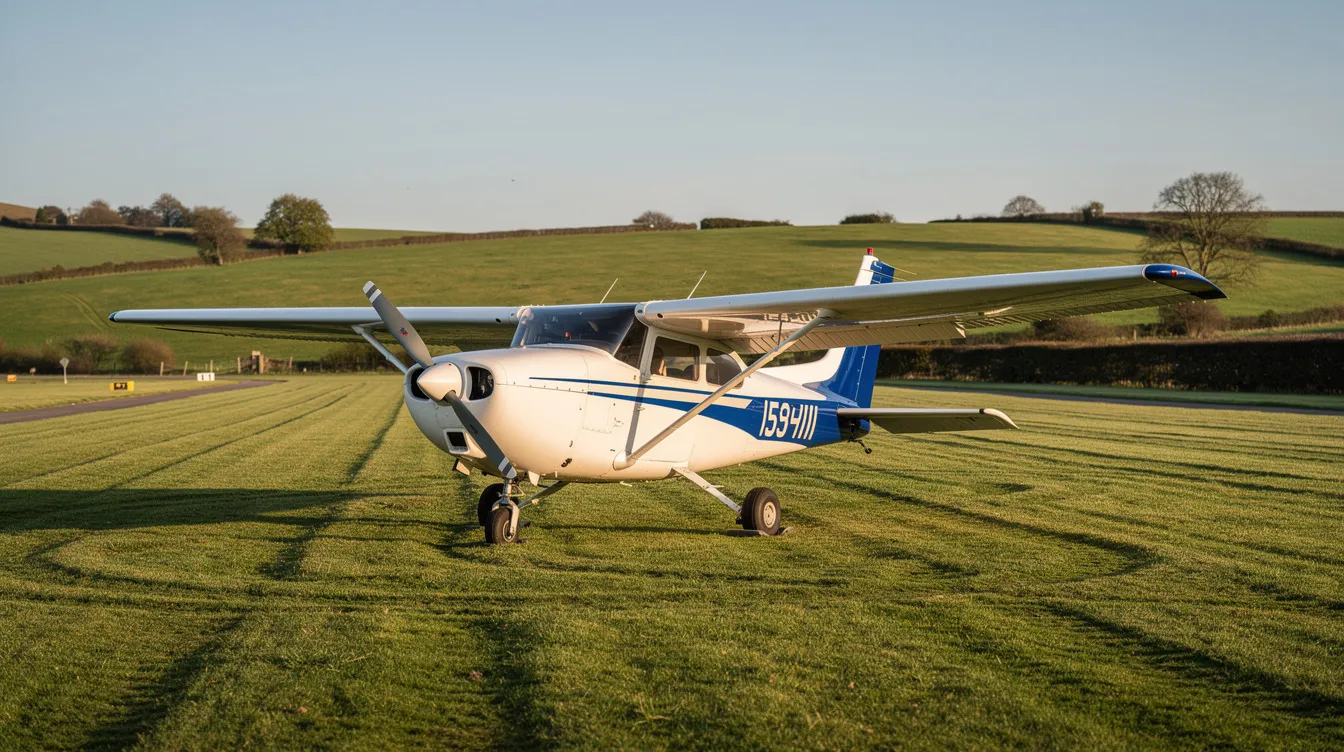
The Cessna 150 is a two-seat, high-wing, tricycle-gear trainer produced from 1958 through 1977.
Engine and Powerplant
Nearly every model is powered by a 100 hp Continental O-200-A engine running on 100LL Avgas, and later models introduced refinements like electric flaps and improved interior trim without changing the core powerplant.
Fuel System Design
The fuel system is elegantly simple. Gravity-fed wing tanks supply fuel without an engine-driven pump. Standard fuel capacity is 26 US gallons total (approximately 22.5 gallons usable), while optional long-range tanks can bring fuel capacity up to 40 gallons. Gravity feed eliminates some mechanical complexity, but pilots still need to manage left-right imbalances - flying uncoordinated or banking consistently to one side can cause uneven tank feeding.
Fuel Measurement
Float-type fuel gauges on older airframes are notoriously inaccurate; a dipstick or visual inspection before each flight is the preferred way to measure what you actually carry.
Compared with the multi-engine or turbine aircraft that BlackJet clients typically fly, the Cessna 150's fuel system is about as straightforward as aviation gets - one selector, two tanks, and no boost pumps.
Typical Cessna 150 Fuel Burn Numbers (Climb, Cruise, and Descent)
Actual fuel flow depends on power setting, mixture position, and altitude, but owners and instructors rely on a few well-established rules of thumb.
Climb
Power setting: Full power, rich mixture.
Typical fuel burn: 6.0–7.5 GPH (up to ~9 GPH at max gross).
Notes: Standard Cessna 150 climbs at 640–670 feet per minute; full-throttle climb fuel burn is about 9 GPH at heaviest weights.
Cruise
Normal training cruise: At 65–70% power, typical fuel burn is 5.5–6.0 GPH. Cruise speed is about 113 knots; most flight schools use this range.
Economy cruise: At 55–60% power, leaned, typical fuel burn is 4.5–5.0 GPH. Cruise speed is 90–95 KTAS; this is best for cross-country range.
Descent
At low power, typical fuel burn is 3–4 GPH. Descent does not significantly change average block burn.
Taxi / Ground Idle
At idle, typical fuel burn is 1–2 GPH, including run-ups and hold-short waiting.
Modified Airframes
A Cessna 150 with a 150-hp engine conversion climbs at 800 to 1,000 feet per minute, significantly improving climb performance but pushing fuel burn to 7–8.5 gallons per hour in cruise and even higher in climb. Cruise speed at 65% power in these modified airframes yields 7–9 GPH - a meaningful increase over the standard airplane. Fuel consumption increases to 7–8.5 GPH with a 150-hp conversion, so budget accordingly if your airframe has been modified.
For standard aircraft, many pilots simply plan 6 GPH "block fuel burn" to cover climb, cruise, and pattern work, which simplifies flight planning and adds a safety margin.
How Fuel Burn Affects Operating Costs per Hour
Fuel burn directly drives the largest variable expense in Cessna 150 ownership. Here is a rough planning framework:
Fuel Costs
Cost Category | Estimated Range per Hour |
|---|
Fuel (6 GPH × ~$6/gal) | $30–$40 |
Maintenance and Insurance
Cost Category | Estimated Range per Hour |
|---|
Maintenance & engine reserves | $12–$25 |
Insurance (amortized) | $2–$5 |
Hangar or tie-down (amortized) | $5–$15 |
Insurance costs for a Cessna 150 range from $1,000 to $2,000 annually, and annual inspections are part of fixed costs that get spread over the hours you fly. When you add everything up, hourly operating costs for a Cessna 150 range from about $44 to $51 in direct costs, though all-in figures including reserves can push the number into the $70–$100 range depending on region and utilization. Owning a Cessna 150 costs about $19,300 annually when you account for all fixed and variable expenses, placing it firmly among the best cheapest planes for budget-minded owners.
Ownership vs. Renting
An important threshold: owning becomes cheaper than renting at roughly 194 hours per year. Below that, renting from a flight school may make more financial sense - above it, ownership pencils out, much like how comparing jet card membership costs and structures helps private fliers decide when membership beats on-demand charter.
For owners who also use private jets through programs like BlackJet Jet Cards, these low Cessna 150 costs make the plane attractive as a local "personal trainer" while relying on jets for long-range, time-critical trips, where understanding jet card pricing structures and benefits becomes as important as knowing your fuel burn.
Fuel Costs, Avgas Prices, and Regional Differences
Avgas prices vary widely by airport and region, causing noticeable swings in cost per hour even when fuel burn stays constant.
Avgas Price Ranges
At 6 GPH, a pilot flying from a $5.50 field spends under $35 per hour on fuel, while the same airplane at an $8.50 coastal FBO burns through more than $50 per hour - a small-scale version of comparing jet card cost per hour across aircraft types and providers. That difference adds up fast - shopping fuel prices or planning a fuel stop at a cheaper field on a cross-country flight can save real money over a season of flying.
Flight Planning for Fuel Savings
Common flight planning apps display current FBO prices, and checking them before launching is a habit that pays for itself. BlackJet's private jet clients benefit from centralized fuel and operations planning handled by professionals, often leveraging some of the best jet card options for frequent flyers, whereas Cessna 150 owners must manage these details on their own.
Gross Weight, Useful Load, and How Fuel Burn Impacts Payload
Gross Weight and Useful Load
Maximum gross weight for a typical Cessna 150 is around 1,600 lbs. Useful load equals gross weight minus empty weight. A well-maintained Cessna with an empty weight of about 1,050 lbs offers a useful load of roughly 550 lbs, but that number has to cover pilot, passenger, fuel, and anything in the baggage area.
Payload Calculations
Fill the standard tanks (22.5 usable gallons ≈ 135 lbs), and remaining payload drops to around 400 lbs. Two 200-lb occupants would already weigh 400 lbs, leaving zero margin for baggage.
Performance Considerations
On warm, high-density-altitude days, climb performance suffers further when the airplane flies near max gross weight. The trade-off is straightforward: more fuel means longer range and a buffer against higher-than-expected fuel burn, but it cuts into what you can carry. Pilots should factor realistic in-flight fuel burn (5–6 GPH) into weight-and-balance and endurance planning, not just maximum tank capacity.
In the private jets offered through BlackJet, dispatch teams account for gross weight limits, fuel load, and passenger baggage automatically during booking - a convenience that completely removes this manual calculation from the traveler's workload and scales seamlessly to scenarios like chartering private aircraft for around 100 passengers.
Fuel Burn and Flight Planning for the Private Pilot
Accurate fuel burn estimates are the foundation of safer, more professional flight planning - especially for the student or newly certificated pilot working with an instructor.
Consider a simple VFR cross-country: 150 NM at 90 knots groundspeed, with calm winds. That's about 1.7 hours of cruise. Add climb, pattern work, and taxi, and you're looking at roughly 2.2 hours of engine time. At 6 GPH, that's approximately 13.2 gallons. Tack on a 45-minute VFR reserve (another ~4.5 gallons) and you need about 17.7 gallons - well within the 22.5-gallon usable fuel capacity of standard tanks.
Conservative assumptions matter. Unexpected headwinds, a hold in the traffic pattern, or a missed approach at your destination can all extend flight time. Wind conditions impact fuel efficiency by changing groundspeed, though they do not affect the engine's fuel burn rate itself - you simply spend more time airborne.
Contrast this hands-on planning with booking a BlackJet private jet, where professional dispatchers handle fuel, alternates, landing considerations, and performance calculations, often supported by advanced private jet flight time calculators for accurate planning. For long or complex missions, that difference in workload is substantial, just as comparing programs like Flexjet jet card costs and options can be a major factor in how travelers structure their private flying.
Factors That Make Cessna 150 Fuel Burn "Way Off" from the Book
Some pilots notice fuel burn much higher or lower than published specifications, and several real-world variables explain the gap.
Improper leaning technique. Flying full rich in cruise - especially at higher density altitudes - is one of the most common reasons pilots burn 1–2 GPH more than necessary. Proper leaning of the fuel-air mixture improves fuel efficiency dramatically.
Engine condition. Engine condition significantly affects fuel consumption in the Cessna 150. Worn rings, fouled plugs, or a carburetor out of adjustment can push burn well above book values. A tired engine on a high-time airframe won't match POH numbers.
Uncoordinated flight. Constant slip or skid causes uneven tank feeding and apparent abnormal burn from one side, even if total fuel flow per hour is normal.
Propeller condition and pitch. Worn blades or non-standard STC propellers alter the relationship between RPM, power, and fuel burn for a given airspeed.
Inaccurate fuel measurement. Using fuel sticks on a sloped ramp or trusting old float gauges introduces errors that make it seem like the airplane is burning more - or less - than it actually is. Performance can vary considerably depending on how you measure.
The fix: periodic "truth tests." Top off before a flight, fly a known duration, then top off again to calculate actual gallons per hour. Compare GPS groundspeed against POH true airspeed to judge efficiency, rather than relying solely on RPM and tach time.
Managing Fuel Burn: Mixture, Power Settings, and Best Practices
Pilots have meaningful control over fuel burn through simple cockpit techniques - no modifications required.
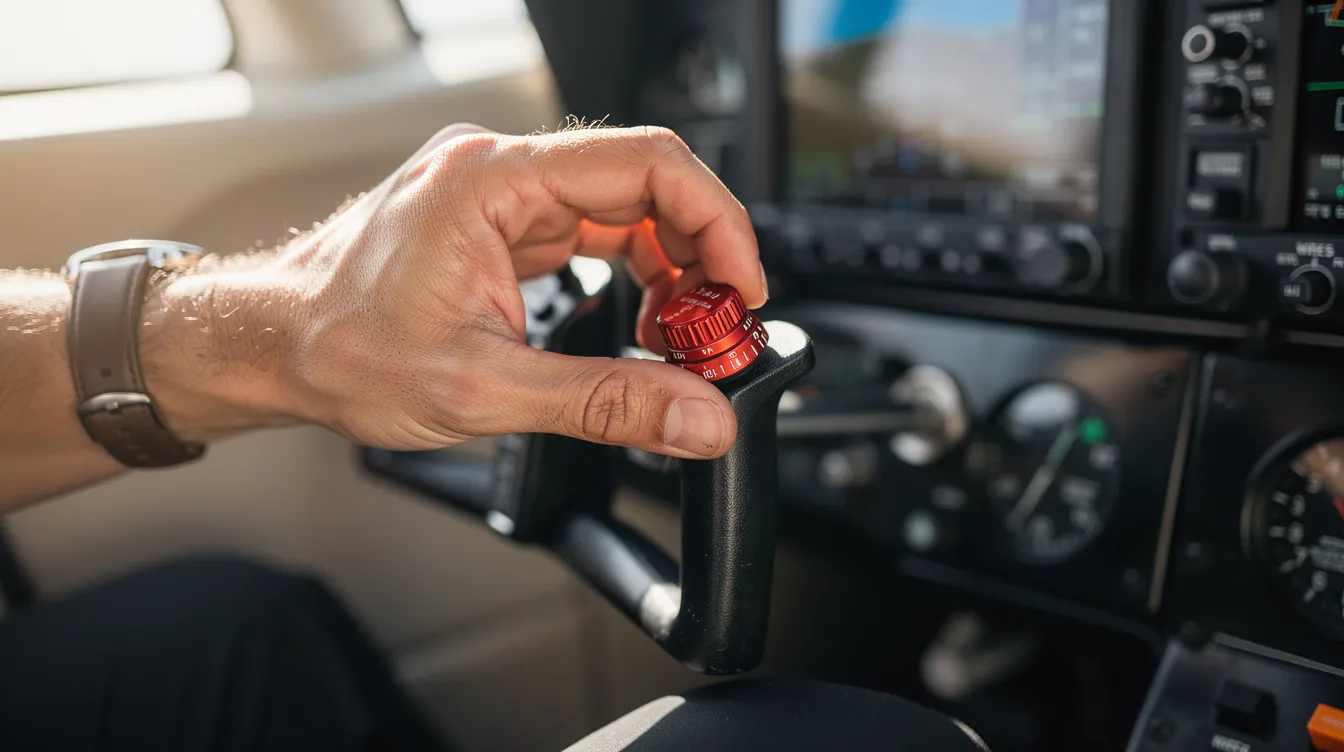
Mixture leaning. In cruise above 3,000 ft, lean the mixture until the engine runs slightly rough, then enrich just enough for smooth operation. If an EGT gauge is installed, lean to peak EGT or slightly rich of peak per the POH. Leaning the mixture can reduce fuel burn by 25% compared with flying full rich at altitude.
Power selection. Higher RPM settings increase the fuel burn rate. Flying at 65% power versus full power cuts fuel burn by roughly 15–25% while only modestly reducing cruise speed - a worthwhile trade on any flight where time pressure is low.
Climb management. Climb at best rate only as needed, then transition to cruise climb power promptly. Every extra minute at full throttle costs fuel.
Logbook tracking. Record fuel added and tach time after every flight. Over a dozen entries, you'll have a reliable average that reflects your specific airplane's true gallons per hour under various conditions.
These hands-on optimization habits mirror - on a smaller scale - the fuel-efficient routing and carbon-neutral operations that modern private jets achieve through advanced avionics, offset programs, and an increasing focus on more affordable private jet options for cost-conscious travelers.
Comparing Cessna 150 Fuel Burn to Other Aircraft and Private Jets
Placing the Cessna 150's 5–6 GPH burn in context helps illustrate why it remains one of the most economical aircraft to fly.
Piston Trainers
Aircraft | Typical Cruise Fuel Burn | Seats | Typical Cruise Speed |
|---|
Cessna 150 | 5–6 GPH | 2 | ~105–113 kts |
Cessna 152 | 6–7 GPH | 2 | ~107 kts |
Cessna 172 | 8–10 GPH | 4 | ~122 kts |
Modern light-sport aircraft can match or beat Cessna 150 fuel burn, but often carry higher sale prices and different payload trade-offs.
Light Jets
Aircraft | Typical Cruise Fuel Burn | Seats | Typical Cruise Speed |
|---|
Light jet (e.g., Phenom 100) | ~100+ GPH | 4–6 | ~390 kts |
Comparing a piston trainer with a light jet charter is admittedly apples to oranges - private jets burn hundreds of gallons per hour, but they spread that cost over multiple passengers, vastly higher speeds, and ranges that make 500- to 2,000-mile trips practical in a single day, which is why many pilots eventually explore whether chartering a private jet is worth it compared with commercial options.
When to Charter
For short local hops and primary training, the Cessna 150 is extremely cost-effective. For business or family trips where speed, range, and comfort matter, chartering private jets is ideal for longer trips - and understanding what charter flights really mean, including their flexibility and booking process, highlights why private jet charter offers flexibility for multi-passenger journeys that a two-seat trainer simply cannot match.
From Training in a Cessna 150 to Traveling by Private Jet with BlackJet
Many pilots start exactly where you might be right now - tracking every gallon per hour in a Cessna 150, learning weight and balance by hand, and building the discipline that makes a safe aviator. Cessna 150 ownership suits pilots flying regularly for training, and the habits formed in that airplane carry forward at every level of aviation.
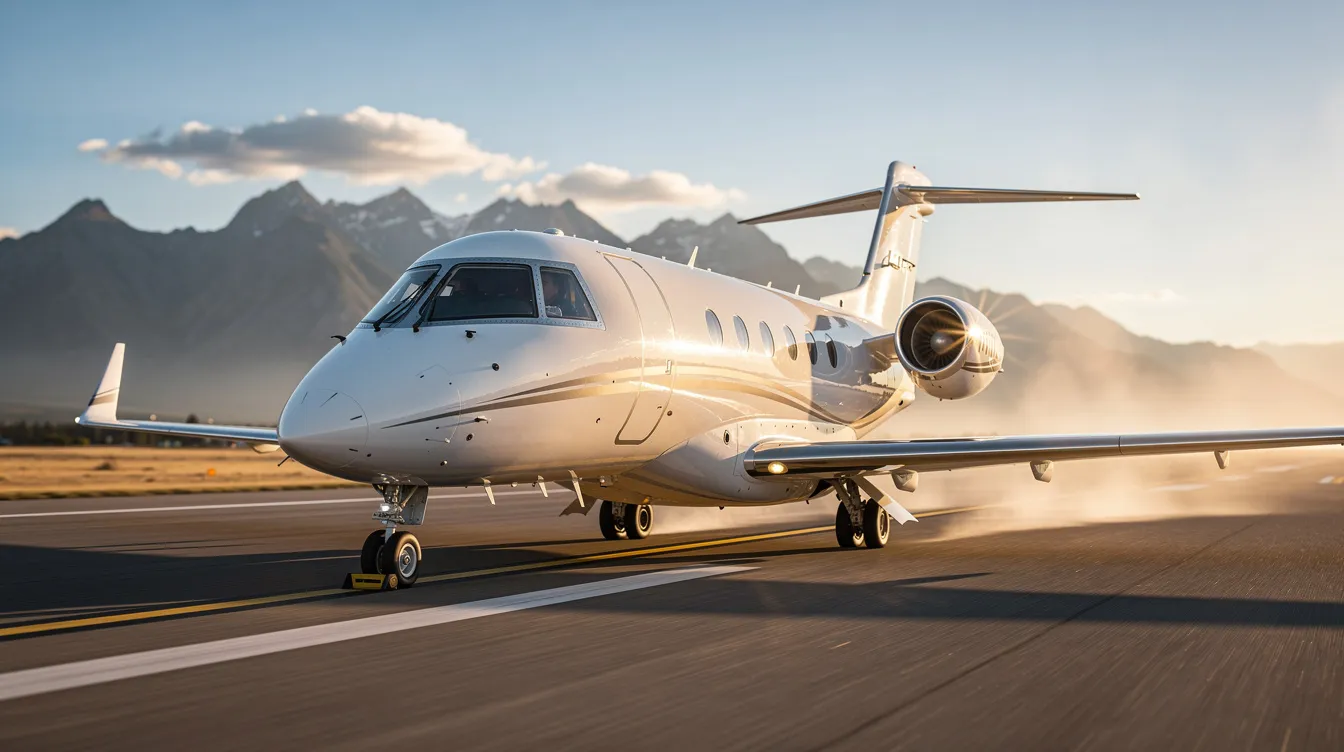
That same mindset - precise planning, respect for performance limits, efficient resource management - is what high-net-worth travelers bring to their travel decisions when they step into private aviation, especially once they start comparing a detailed private jet price list with different access models and costs. The difference is workload: in the Cessna, you personally account for every gallon; with BlackJet, professional flight support teams manage fuel planning, weight and balance, and route efficiency while you focus on your schedule. Chartering eliminates ownership burdens and maintenance headaches.
BlackJet's Jet Card membership provides prepaid access to multiple aircraft categories with 24/7 digital booking, real-time support, rigorous safety standards through proprietary certification, and carbon-neutral flights at no extra cost. Whether you prefer a 25-hour jet card with flexible features and transparent costs or a 50-hour jet card structured for frequent flyers seeking value, the sense of control you developed in a small airplane scales seamlessly into premier private travel.
Frequently Asked Questions About Cessna 150 Fuel Burn
How much fuel does a Cessna 150 burn per hour?
A standard Cessna 150 typically burns about 5–6 gallons per hour in cruise. Actual fuel consumption varies with power setting, mixture, altitude, engine condition, and flight phase. For conservative planning, many pilots use a block-burn estimate of about 6 GPH and follow the aircraft’s Pilot’s Operating Handbook.
How long can a Cessna 150 fly on a full tank?
A Cessna 150 generally has around 3.5–4 hours of endurance on usable fuel, depending on the aircraft’s tank configuration and actual burn rate. Plan with appropriate fuel reserves, and account for taxi, climb, wind, and possible diversions rather than treating maximum endurance as usable flight time.
Why might my Cessna 150 fuel burn be higher than expected?
High fuel consumption can result from running the mixture too rich, using higher RPM, engine wear, carburetor or ignition issues, or a modified engine. Uncoordinated flight and inaccurate fuel measurements can also create apparent tank imbalances or misleading calculations. Check the POH and have a qualified mechanic investigate persistent deviations from expected performance.
Does leaning the mixture reduce Cessna 150 fuel burn?
Yes. Correct mixture leaning at the appropriate altitude and power setting can improve fuel efficiency; some pilots report reductions of up to 25% compared with operating full rich. Follow the POH and engine guidance, and use installed engine instruments where available. Leaning technique should never replace conservative fuel-reserve planning.
How much more fuel does a Cessna 150/150 conversion use?
A 150-hp conversion commonly burns about 7–8.5 gallons per hour in cruise, compared with roughly 5–6 GPH for a standard aircraft. The conversion can improve climb and cruise performance, but its actual fuel capacity, useful load, and operating limits depend on the installed STC and aircraft records.
Is owning a Cessna 150 more economical than renting?
It depends on utilization and local costs. One estimate places the break-even point at about 194 flight hours per year; ownership may suit pilots who fly regularly for training, while renting can avoid fixed costs such as insurance, hangar fees, and annual inspections. For longer trips or multi-passenger travel, private jet charter provides a different option, without the ongoing responsibilities of aircraft ownership.
Conclusion
The Cessna 150 remains an economical, capable aircraft for training and short regional flights, with typical cruise fuel burn around 5–6 gallons per hour. Actual consumption depends on flight phase, power setting, mixture, engine condition, and whether the aircraft has been modified, so use the specific POH and conservative fuel reserves when planning. For pilots who fly regularly, ownership can make sense; for longer, time-sensitive or multi-passenger journeys, private jet charter offers a practical alternative without the responsibilities of aircraft ownership.
Elevate your travel - effortlessly. If you currently fly or train in a small piston aircraft and find yourself limited by the Cessna 150's speed, range, and useful load on longer trips, explore how BlackJet's 25+ Hour Jet Card and BlackJet's Jet Card program can extend your reach. Safety, sustainability, and flexibility - built in.


 Sign up with google
 Sign up with Apple