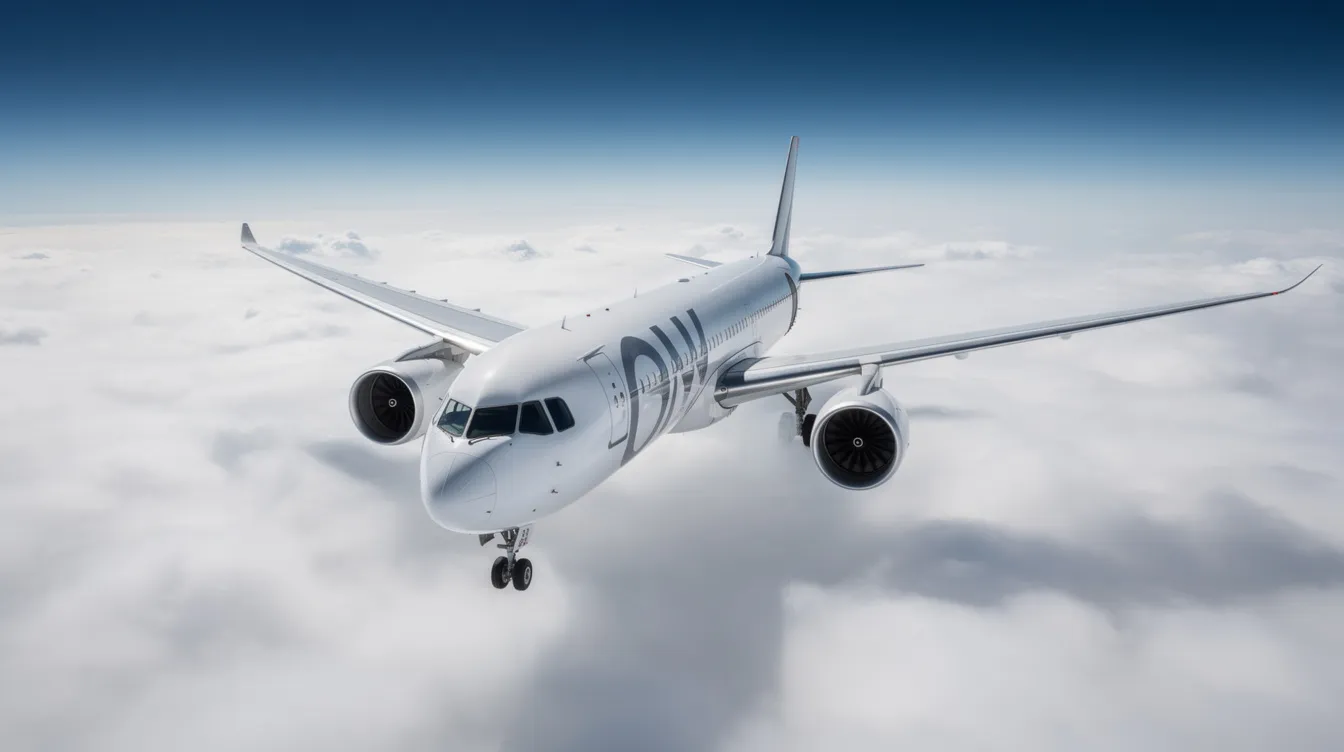
If you searched “boeing wikipedia,” this page gives you the same core overview in a more useful format: Boeing’s history, its best-known aircraft families, the 737 MAX crisis that reshaped the industry, and the company’s current role in commercial, defense, and private aviation. Whether you fly commercial first class across the Atlantic or step aboard a private charter for a transcontinental meeting, the technology beneath the wings likely traces back to one manufacturer’s century of innovation.
Designed for frequent business travelers, private jet users, high-net-worth leisure flyers, and aviation enthusiasts who want more than a summary, this introduction to Boeing explains how the company’s evolution, safety culture, and sustainability efforts affect the aircraft, standards, and travel options available today. Few companies have shaped how humanity moves through the sky as profoundly as Boeing.
Overview of Boeing as a Global Aerospace Leader
The Boeing Company is an American multinational corporation in aerospace and defense, and it stands among the largest global aerospace manufacturers on the planet. Boeing was founded on July 15, 1916, in Seattle, Washington, by William E. Boeing, initially as the Pacific Aero Products Company before adopting the Boeing name in 1917. Today, Boeing's headquarters is located in Arlington, Virginia, United States, following a relocation from Chicago in 2022. At the end of 2025, Boeing reported approximately 182,000 employees and has a significant global presence, serving customers in more than 150 countries. Boeing is also the largest single exporter in the United States by dollar value-a testament to its manufacturing scale and international demand.
Boeing operates through three primary business segments: Commercial Airplanes, Defense, Space & Security, and Global Services. Commercial Airplanes (BCA) designs and produces the 737 family, 767, 777, 777X, and 787 Dreamliner lines. Defense, Space & Security (BDS) covers military aircraft, helicopters, tankers, satellites, and crewed space vehicles. Global Services (BGS), headquartered in Plano, Texas, handles aftermarket maintenance, spare parts, pilot training, and fleet analytics for both commercial and defense clients. In fiscal year 2025, Boeing delivered 600 commercial aircraft and posted total revenues of approximately US$89.5 billion, with a total order backlog exceeding US$682 billion.
Boeing's aircraft-especially workhorses like the 737 MAX family and long-range wide-bodies like the 787-form the backbone of global airline networks. These are the planes that connect hubs, carry first- and business-class passengers across oceans, and generate the routing infrastructure over which premium charter providers such as BlackJet operate. Boeing's traditional rivalry with Airbus has driven relentless innovation in fuel efficiency, range, and cabin comfort, with each generation of aircraft pushing forward composite materials, quieter engines, and improved aerodynamics.
Understanding Boeing's history and aircraft families matters for high-frequency travelers and private jet users because the technologies developed for commercial airliners directly influence the safety standards, efficiency benchmarks, and fleet options available across all tiers of aviation.
Anyone who has searched for a "Boeing Wikipedia" entry in languages ranging from English to Galician-where navigational terms like fontes e ligazóns and instancia de appear at the bottom of each article-quickly discovers the sheer scale of global interest in this company. Boeing isn't just an aircraft manufacturer; it is an instancia de a broader category of institutions that define modern mobility.
Historical Development and Major Aircraft Families
Early Innovations and World War II
Boeing's evolution spans more than a century, from wooden seaplanes on Puget Sound in the 1910s and 1920s, through the mass production demands of World War II, to the jet age that democratized intercontinental travel and the wide-body era that reshaped how airlines operate. Each phase built on the last, creating an engineering lineage that reaches into every corner of modern aviation.
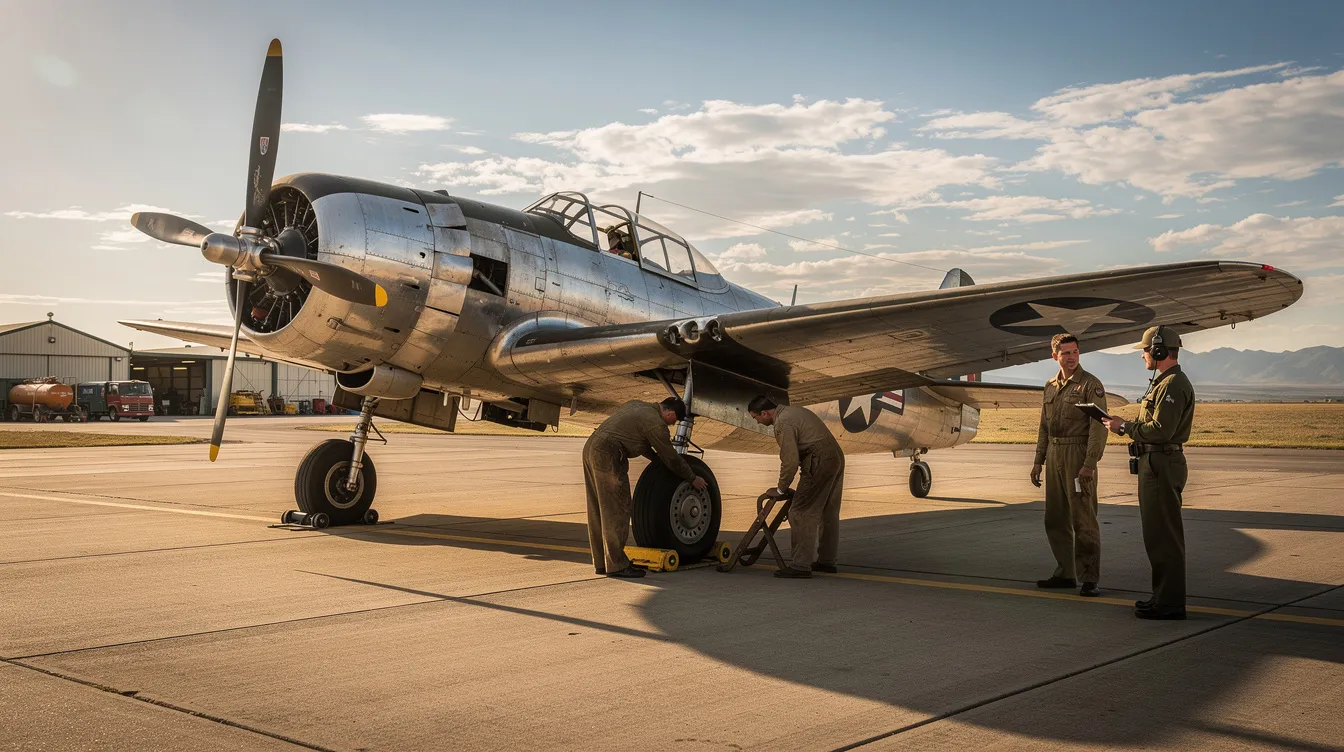
The Boeing 247, introduced in 1933, is widely considered one of the first modern airliners: all-metal construction, twin engines, retractable landing gear, and speeds that outpaced anything competitors offered. It set early standards for safety and performance. Then came the war years. Boeing played a crucial role in manufacturing military bombers during World War II, most notably the B-17 Flying Fortress and the B-29 Superfortress. Both aircraft pushed the boundaries of pressurization, high-altitude endurance, and long-range capability-advances that would directly inform postwar commercial designs. Boeing merged with McDonnell Douglas in 1997, significantly expanding its defense portfolio, but it was these wartime programs that first established Boeing's dual identity as both a commercial and military powerhouse.
Jet Age and the 7x7 Series
Boeing's commercial air transportation revolution began with the Boeing 707, which entered service in 1958 and effectively launched the era of mass long-haul jet travel. Propeller-driven flights that once took 18 hours were suddenly reduced to a fraction of that time, and intercontinental route networks expanded rapidly. For scheduled airlines, the 707 was transformative. For private aviation, it signaled the beginning of a technology cascade that would eventually produce the efficient, reliable engines and airframes now found in business jets.
The narrow-body 7x7 lineup followed steadily:
727 (served medium-capacity shorter routes)
737 (launched in 1967, evolved through Original, Classic, Next-Generation, and now MAX variants to become the best-selling commercial jetliner in aviation history)
757 (introduced in the late 1980s, carved out a niche for transcontinental and certain transatlantic routes and remains in service in select charter and VIP configurations)
The 737 can be thought of as a subclass of the broader 7-series family, each variant inheriting and refining the platform's core design.
Wide-Body Era and the 787 Dreamliner
On the wide-body side, the Boeing 747 was the world's first wide-body aircraft, introduced in 1970, and its iconic double-deck silhouette redefined passenger capacity and range. The 767 arrived in 1981 as a twin-aisle, twin-engine workhorse. The 777, first flown in 1994, pushed capacity and range even further. Then came the Boeing 787 Dreamliner, which entered commercial service in 2011. The Boeing 787 Dreamliner is a wide-body jet that is 51% composite materials-a first for a large commercial airliner-delivering lower fuel burn, higher cabin humidity, and larger windows that measurably improve passenger comfort, paralleling the newest generation of ultra-long-range private jets that blend efficiency with cabin wellness. The Boeing 787 comes in three models: 787-8, 787-9, and 787-3, each tailored to different route lengths and capacity needs.
Boeing has been involved in major space exploration projects, including the Apollo program, extending its engineering influence far beyond atmospheric flight. On the commercial aircraft side, the Boeing Yellowstone Project aimed to modernize the entire lineup: the Y2 designation became the 787, while the Y3 is expected to materialize as the 777X. The Y1 program, intended to replace the 737 and 757, was ultimately shelved in favor of re-engining-the decision that produced the 737 MAX.
Business Jet Adaptations
Several Boeing platforms are commonly adapted into business jets. Boeing Business Jet (BBJ) variants of the 737, 757, 767, 777, and 787 serve governments, corporations, and ultra-high-net-worth individuals with extended-range fuel tanks, bespoke luxury interiors, and unmatched cabin volume, making them ideal as private jets for groups of up to 50 passengers. Charter networks may offer access to aircraft influenced by Boeing technologies within broader fleet partnerships, even when the day-to-day fleet centers on purpose-built business jets.
Boeing 737 MAX and the 2019 Safety Crisis
Development and Launch of the 737 MAX
The 737 MAX program was announced in August 2011 as an updated, more fuel-efficient successor to the 737 Next-Generation (NG) line. The first flight took place on January 29, 2016, and FAA certification followed in March 2017. The first commercial delivery-a MAX 8 to Malindo Air-occurred in May 2017. On paper, the 737 MAX promised airlines a compelling upgrade: approximately 14% better fuel efficiency, significantly reduced noise, and increased range of 340 to 570 nautical miles depending on the variant.
The efficiency gains came primarily from the CFM International LEAP-1B engines, which were larger in diameter than the predecessors and required repositioning higher and further forward on the wing. This repositioning altered the aircraft's pitch behavior in certain flight conditions, prompting Boeing to introduce the Maneuvering Characteristics Augmentation System (MCAS). MCAS was designed to push the nose down automatically in specific situations to maintain handling consistency, but it relied on data from a single angle-of-attack (AoA) sensor-a design choice that would prove catastrophic.
The 2019 Safety Crisis
The 2019 Boeing 737 MAX crisis involved two fatal crashes in fewer than five months. Lion Air Flight 610 crashed on October 29, 2018, in Indonesia, killing all 189 people aboard after erroneous AoA sensor data triggered repeated MCAS activation that pilots could not override. Ethiopian Airlines Flight 302 crashed on March 10, 2019, in Ethiopia under strikingly similar circumstances, taking 157 lives. The crashes resulted in 346 fatalities worldwide. The global response was swift and unprecedented: the 737 MAX was grounded globally for 20 months after the incidents, with the FAA issuing its emergency order on March 13, 2019. Airlines scrambled to adjust schedules, secure replacement aircraft, and manage the financial fallout of losing a key fleet type.
Investigations and Systemic Failures
Investigations by the FAA, international regulators, and the U.S. House Transportation & Infrastructure Committee revealed systemic failures. MCAS relied on a single AoA sensor when the aircraft carried two. Boeing had not adequately disclosed MCAS behavior to airlines or pilots. Training documentation omitted mention of the system. The certification process itself was faulted: Boeing's treatment of the MAX as an amended type certificate of the existing 737 NG-rather than a new aircraft type-meant certain safety reviews were abbreviated. The assumption that pilots would respond in specific, predictable ways under emergency conditions proved fatally flawed.
Return to Service and Reforms
Returning the 737 MAX to service required significant changes. Boeing updated the MCAS software to draw from both AoA sensors, limited the magnitude of nose-down inputs, and prevented the system from repeatedly overriding pilot commands. Revised pilot training, including mandatory simulator sessions covering MCAS behavior, was implemented. The FAA, EASA, and other authorities began phased recertification from late 2020 onward, each conducting independent review before allowing the aircraft back into their airspace.
The crisis left deep marks. Boeing spent over $20 billion responding to the 737 MAX crisis, including a US$2.5 billion Deferred Prosecution Agreement for misleading regulators. Boeing has faced intense scrutiny and challenges related to safety and quality in the past years, further compounded by a January 2024 incident in which a door plug blew out on an Alaska Airlines 737-9 MAX mid-flight. The event triggered additional FAA audits of Boeing's production quality and temporarily stripped Boeing of its authority to issue airworthiness certificates for newly built aircraft.
In private aviation and Jet Card environments, operators emphasize strict safety certification through third-party audits such as Wyvern Wingman and ARGUS ratings, conservative training standards, and rigorous maintenance oversight, and travelers weigh these standards alongside overall jet card cost and pricing structures. The systemic failures highlighted by the 737 MAX crisis-where cost and schedule pressures eroded engineering integrity-serve as a sobering contrast to the layered safety philosophy practiced by premium private aviation providers like BlackJet, where independent safety protocols sit atop regulatory minimums rather than replacing them.
Boeing in Commercial, Defense, and Private Aviation Today
Current Commercial Aircraft Lineup
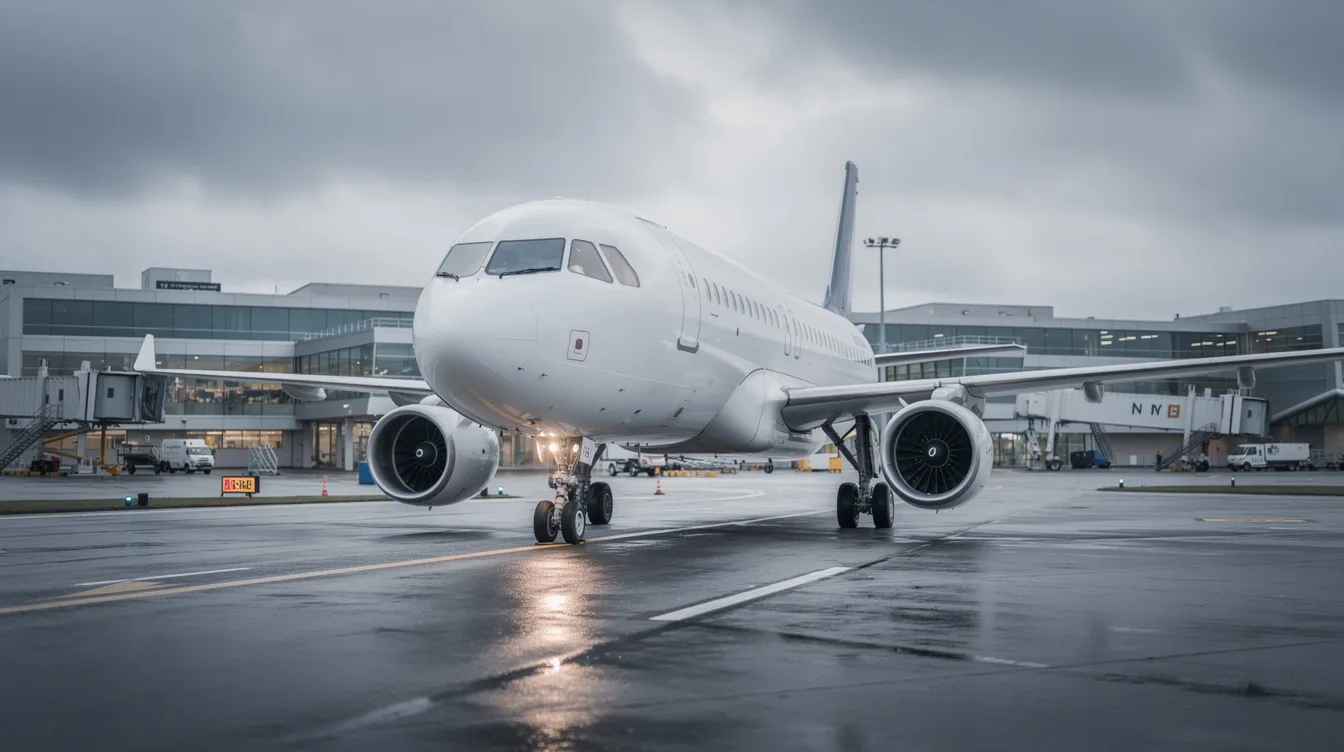
Boeing's post-crisis trajectory is one of cautious recovery and renewed production momentum. The company's current commercial lineup centers on the 737 MAX family (variants MAX 7, MAX 8, MAX 9, MAX 10), the 787 Dreamliner, the 777, and the forthcoming 777X, which received Type Inspection Authorization 4B and targets first delivery in 2027. In 2025, Boeing booked 1,173 net commercial orders-surpassing Airbus for the first time in recent memory-and its commercial backlog stands at over 6,100 aircraft valued at approximately US$567 billion. Production of the 737 series has ramped to 47 aircraft per month as of mid-2026, signaling stabilized manufacturing quality. In July 2026, the FAA restored Boeing's authority to issue airworthiness certificates under its Organization Designation Authorization for both the 737 MAX and 787-a, a milestone in rebuilding regulatory trust.
Defense and Space Programs
Boeing's defense and space portfolio remains vast. Key programs include:
KC-46 Pegasus aerial refueling tanker
P-8 Poseidon maritime patrol aircraft
AH-64 Apache attack helicopter
CH-47 Chinook heavy-lift helicopter
F-15EX and F/A-18 fighter jets
CST-100 Starliner crewed spacecraft
Not every program has succeeded: the Boeing–Sikorsky RAH-66 Comanche was designed for the U.S. Army as a next-generation reconnaissance and attack helicopter, but the RAH-66 program was stopped in 2004 after $7 billion was spent, illustrating the financial risks inherent in advanced defense development. These defense and space activities sustain Boeing's engineering depth and, critically, its investment in safety systems, materials science, and avionics technology that flow into commercial and private aviation applications.
Boeing Business Jets and Private Aviation
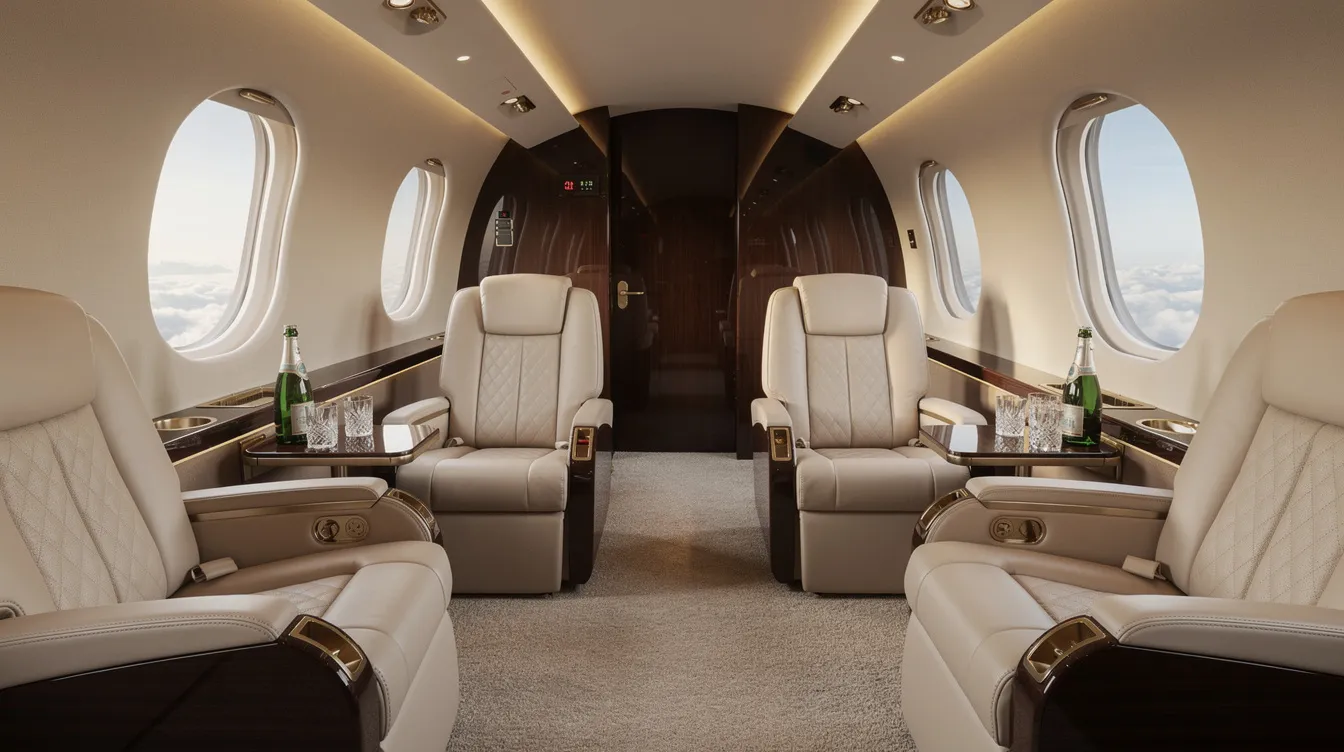
The intersection of Boeing technology and premium private travel is most visible in Boeing Business Jet variants. BBJ versions of the 737, 757, 767, 777, and 787 offer low-density, ultra-luxury cabins with global range-used by heads of state, Fortune 100 executives, and ultra-high-net-worth families-and they sit alongside the largest private jets available for sale or charter as pinnacle options for long-haul luxury travel. For private jet providers like BlackJet’s premium private jet programs, the connection is more indirect but no less important: while day-to-day Jet Card flying typically involves light, midsize, and large-cabin business jets from manufacturers like Gulfstream, Bombardier, and Embraer, the long-haul commercial connections and feeder routes that make global private travel seamless depend heavily on Boeing-built fleets. A BlackJet member flying from New York to London on a private aircraft, for instance, operates within an ecosystem of airports, air traffic management, and maintenance infrastructure originally built around Boeing's commercial presence.
Sustainability Initiatives
On sustainability, Boeing's research into sustainable aviation fuel (SAF), lighter composite structures, and more efficient airframe designs-exemplified by the 787's 51% composite construction-sets benchmarks for the broader industry. BlackJet commits to carbon-neutral private flights through verified carbon offsets and, where available, SAF usage, ensuring that environmental responsibility is built into every journey at no extra cost to members.
Safety Culture and Global Impact
Safety culture has been the defining narrative of Boeing's recent chapter. Post-MAX reforms include enhanced engineering oversight, revised certification collaboration with regulators, and a company-wide emphasis on quality management. In the private aviation sphere, brands like BlackJet layer additional standards-independent safety ratings, operator audits, and real-time operational monitoring on top of manufacturers' requirements, creating redundancy that reflects the expectations of the most discerning travelers.
When browsing multilingual resources on Boeing-including the Galician Wikipedia page where metadata like última edición desta páxina and edición desta páxina foi track article revisions, and where obtido de denotes sourcing-one quickly grasps the global footprint of this manufacturer. Every language edition reflects the same core truth: Boeing's decisions ripple across continents and influence how millions of people fly.
Understanding Boeing's century-long evolution-from Seattle seaplanes to the 787 Dreamliner, from the 737 MAX crisis to renewed production momentum-equips sophisticated travelers with the context to make more informed choices about how they fly. Whether your next journey involves a Boeing-built commercial route or a curated private solution, knowledge of the aircraft ecosystem elevates every decision and helps you compare options like buying a single seat on a private jet versus chartering an entire aircraft or arranging private jet charters in Karachi or private jet charters in Lahore for regional trips.
Frequently Asked Questions (FAQs) about Boeing and Private Aviation
What is the significance of Boeing in the aerospace industry?
Boeing is one of the largest global aerospace manufacturers, known for its commercial airplanes, defense products, and space exploration contributions. It serves customers in more than 150 countries and is the largest single exporter in the United States by dollar value, anchoring an ecosystem that ranges from flagship wide-bodies to budget-friendly private aircraft options accessible through charter and membership models.
How did the 737 MAX crisis impact Boeing and aviation safety?
The 2019 Boeing 737 MAX crisis involved two fatal crashes resulting in 346 deaths. It led to a 20-month global grounding of the 737 MAX, extensive regulatory scrutiny, and major design and training reforms to enhance safety. Boeing spent over $20 billion addressing the crisis.
What are Boeing Business Jets (BBJ)?
BBJs are luxury variants of Boeing's commercial aircraft like the 737, 757, 767, 777, and 787, customized for ultra-high-net-worth individuals, governments, and corporations with extended range and bespoke interiors.
How does Boeing contribute to sustainability in aviation?
Boeing invests in sustainable aviation fuel (SAF), lightweight composite materials (such as the 51% composites in the 787 Dreamliner), and efficient airframe designs to reduce environmental impact, while private travelers increasingly consider the most affordable private jet options that balance cost, efficiency, and sustainability. Private aviation providers like BlackJet complement these efforts with carbon-neutral flight options.
What safety measures distinguish private jet travel from commercial aviation?
Private aviation emphasizes rigorous third-party safety certifications (e.g., Wyvern Wingman, ARGUS), conservative pilot training, and real-time operational monitoring. These layers add redundancy beyond regulatory minimums, ensuring the highest safety standards.
How does Boeing's defense and space portfolio influence commercial aviation?
Technologies developed for military aircraft, helicopters, and space vehicles contribute to advanced materials, avionics, and safety systems used in Boeing's commercial and private aircraft, enhancing performance and reliability.
What is the role of the Boeing 787 Dreamliner in modern aviation?
The 787 Dreamliner is a wide-body jet featuring 51% composite materials, improving fuel efficiency, passenger comfort, and range. It is offered in three models (787-8, 787-9, 787-3) and represents a major advancement in commercial aircraft design.
How does BlackJet integrate Boeing technology in its private jet services?
While BlackJet primarily operates business jets from manufacturers like Gulfstream and Bombardier, the broader ecosystem of airports, air traffic control, and feeder routes relies heavily on Boeing's commercial aircraft infrastructure, ensuring seamless global private travel.
What lessons has Boeing learned from the 737 MAX crisis?
Boeing has implemented enhanced engineering oversight, improved certification processes, and mandatory pilot training updates. The crisis underscored the importance of transparency, rigorous safety culture, and the risks of cost and schedule pressures on engineering integrity.
How can travelers access private jet services like those offered by BlackJet?
Travelers can join Jet Card programs that provide prepaid access to a range of private jets with flexible booking, safety certification, and carbon-neutral flight options, such as 25-hour jet card memberships or larger 50-hour jet card programs, with jet card pricing structures that make private aviation accessible without owning an aircraft and opportunities to maximize jet card tax deductions when flying for qualifying business purposes, whether through providers like NetJets jet card programs, Flexjet jet card options, or other top private jet companies, as well as more budget-friendly private aircraft options for cost-conscious flyers.
Conclusion: Boeing's Enduring Impact on Aviation and Private Travel
Boeing's century-long journey from pioneering wooden seaplanes to cutting-edge composite wide-bodies encapsulates the evolution of modern flight. Its aircraft families, from the ubiquitous 737 to the revolutionary 787 Dreamliner, have shaped global connectivity, enabling faster, safer, and more efficient travel. The 2019 737 MAX crisis, while a profound challenge, catalyzed vital reforms in safety culture, engineering rigor, and regulatory collaboration—lessons that resonate deeply across all aviation sectors.
For discerning travelers and private jet users, understanding Boeing's legacy is more than history; it is insight into the technologies, safety protocols, and sustainability innovations that underpin every journey. Boeing Business Jets extend this legacy to the ultra-luxury private aviation market, while companies like BlackJet leverage this ecosystem to offer seamless, carbon-neutral, and rigorously certified private jet access, often built around best-in-class jet card solutions for frequent flyers and fleets that include top-tier private jets renowned for luxury and performance.
As Boeing continues to innovate in commercial, defense, and space arenas, its influence remains integral to the future of sophisticated travel. Whether crossing oceans on a Boeing wide-body or stepping aboard a private charter connected by Boeing's infrastructure, travelers experience the culmination of a century of aerospace excellence.
Elevate your travel experience by engaging with private aviation solutions that embody Boeing’s commitment to safety, sustainability, and superior technology. Discover how BlackJet’s Jet Card programs can transform your journeys into seamless, premier flights that reflect the pinnacle of modern aviation.


 Sign up with google
 Sign up with Apple