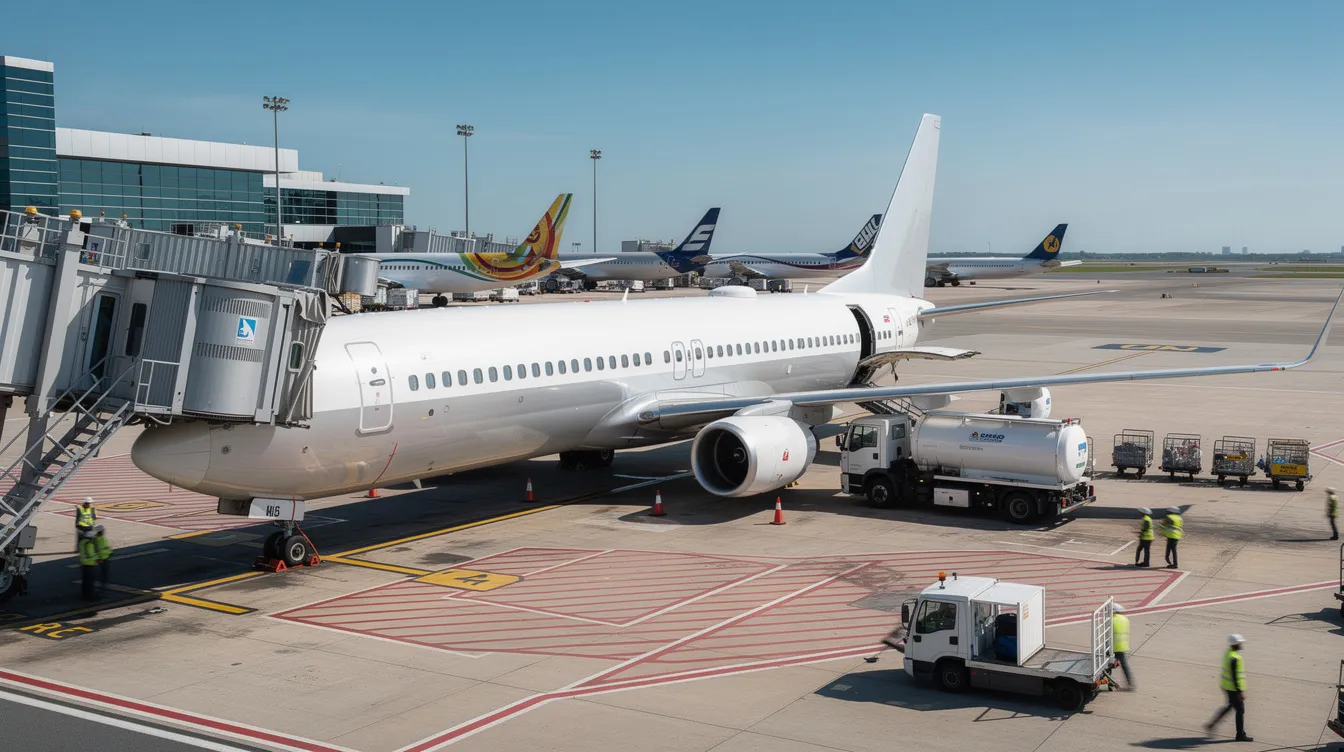
The Boeing 737 is arguably the most consequential commercial aircraft ever built. For nearly six decades, this narrow-body, twin-engine jetliner has connected cities, enabled low-cost air travel, and served as the backbone for airlines on every populated continent. Whether you encounter it on a Wikipedia page, in an airport terminal, or on a flight from New York to Chicago, the 737 is omnipresent in modern aviation.
This article is intended for aviation enthusiasts, frequent travelers, and anyone interested in the evolution of commercial and private air travel. We cover the Boeing 737's history, technical evolution, operational use, and its relevance for those considering private aviation alternatives.
This article traces the full arc of the Boeing 737 family—its origins, technical evolution, operational footprint, and the lessons it holds for travelers considering a move from commercial corridors to private jet access through programs like BlackJet's Jet Card offerings.
Overview of the Boeing 737 Family
The Boeing 737 is a short- to medium-range, narrow-body airliner designed and produced by Boeing Commercial Airplanes. A narrow-body, twin-engine jetliner is an aircraft with a single aisle and two engines mounted under the wings. It first took flight on April 9, 1967, and began commercial operations with Lufthansa in February 1968. It was first flown on April 9, 1967, and entered commercial service with Lufthansa in February 1968. Since that inaugural flight, the aircraft family has undergone numerous engineering updates to enhance efficiency and capability, and it has been in continuous production since its introduction in 1967—a remarkable achievement in industrial manufacturing.
Boeing 737 variants span four generations: Original, Classic, Next Generation, and MAX. The Original series includes the 737-100 and 737-200; the Classic series includes the 737-300, 737-400, and 737-500; the Next Generation series includes the 737-600, 737-700, 737-800, and 737-900; and the MAX series includes the 737 MAX 7, MAX 8, MAX 9, and MAX 10.
The Boeing 737 is the highest-selling commercial aircraft family in aviation history, with over 10,000 deliveries achieved across its timeline. By the mid-2020s, cumulative production across all variants has reached approximately 12,486 airframes.
Here are the essential facts at a glance:
Type: Narrow-body, twin-engine jetliner designed for short- to medium-haul routes
Passenger capacity: The Boeing 737 typically accommodates between 85 and 230 passengers, depending on variant and configuration
Generations: Boeing 737 variants span four generations—Original (-100/-200), Classic (-300/-400/-500), Next Generation (-600/-700/-800/-900), and MAX (-7/-8/-9/-10)
Cruising speed: Around Mach 0.74 to 0.79
Primary roles: High-frequency domestic routes, regional international services, and general airline operations for both legacy carriers and low-cost airlines
Cultural impact: The 737 played a central role in making affordable short- and medium-haul jet travel possible, democratizing air travel for millions
While the Boeing 737 is fundamentally a commercial airliner, its line extends into VIP and corporate configurations—such as the Boeing Business Jet (BBJ)—and even military derivatives. These variants demonstrate how a purpose-built airframe can be adapted well beyond its original commercial use, providing a bridge to the world of tailored private jet travel that companies like BlackJet serve.
An image jpeg of a side-on view of a 737 at a major airport, with a short factual caption noting the variant and operator, would serve the viewer well at the top of this section.
Development, Generations, and Technical Evolution
The Boeing 737's evolution from a compact 1960s regional jet to the most-ordered airliner in history is a story of incremental engineering discipline. Each generation improved performance, range, efficiency, and pilot commonality—allowing airlines to add new aircraft without wholesale retraining of their cockpit crews. The Boeing 737's fundamental configuration allows for substantial commonality in pilot training across generations, a feature that has kept it economically attractive to operators for decades.
A useful way to toggle the table of key metrics is to compare each generation side by side:
Generation | First Flight | Typical Seating | Approximate Range | Engines |
|---|
Original (-100/-200) | 1967 | 85–130 | ~1,500 nmi | Pratt & Whitney JT8D |
Classic (-300/-400/-500) | 1984 | 128–168 | ~2,300 nmi | CFM56-3 |
Next Generation (-600/-700/-800/-900) | 1997 | 110–195 | ~2,800–3,100 nmi | CFM56-7 |
MAX (-7/-8/-9/-10) | 2016 | 135–230 | ~3,100–3,800 nmi | CFM LEAP-1B |
Original Series (737-100 and 737-200)
Boeing launched the original 737 program in February 1965 as a smaller companion to the larger 707 and 727. Lufthansa placed the first order, and the 737-100 entered service in 1968 carrying roughly 85–100 passengers. Only about 30 units of the -100 were ever built. The stretched -200, seating up to 130, proved far more popular, with over a thousand delivered, including "Advanced" variants with improved range and power.
Early operations occasionally featured a third cockpit crew member under certain union arrangements—a historical curiosity that was soon standardized down to the two-pilot cockpit that remains the norm across all subsequent 737s.
Classic Series (-300/-400/-500)
Introduced in the 1980s, the Classic series represented a significant leap. The CFM56-3 high-bypass turbofan engines replaced the older JT8Ds, delivering quieter operation and meaningfully better fuel efficiency. Between 1984 and 2000, Boeing delivered 1,988 Classic aircraft: 1,113 of the -300, 486 of the -400, and 389 of the -500. The 737-500, with its shorter fuselage, was tailored for thinner routes where airlines needed high frequency but smaller capacity.
Next Generation (737NG)
Boeing 737 Next Generation launched in 1993, and Next Generation aircraft have been manufactured since 1996. The 737NG is an improved version of the 737 Classic series, featuring a redesigned wing with higher fuel capacity, updated glass-cockpit avionics, and the more efficient CFM56-7 engine family. The 737NG series includes models 737-600, 737-700, 737-800, and 737-900. The 737NG series includes models 737-600, 737-700, 737-800, and 737-900—with the -800 becoming the workhorse variant for hundreds of airlines worldwide.
Range extended to approximately 2,800 nautical miles for the -800, and seating in two-class configurations reached 160–180 passengers. The platform's versatility also spawned military and special-mission derivatives: the C-40 Clipper for U.S. Navy logistics and the P-8 Poseidon for maritime patrol, with about 187 P-8s built by early 2026.
737 MAX Series
Announced in August 2011, the 737 MAX took its first flight in early 2016 and entered commercial service in 2017. The 737 MAX features advanced CFM LEAP-1B engines with improved aerodynamics, combined with split-tip winglets and airframe refinements that targeted double-digit fuel-burn reductions compared with earlier NG variants. The typical range for the 737 MAX family is roughly 3,100 to 3,800 nautical miles, depending on variant.
The MAX program's trajectory was disrupted by two fatal accidents—Lion Air Flight 610 in October 2018 and Ethiopian Airlines Flight 302 in March 2019—both linked to the MCAS (Maneuvering Characteristics Augmentation System) and faulty angle-of-attack sensor data. A global grounding followed from March 2019, lasting approximately 20 months in the United States before a phased return to service began in late 2020 after software redesigns, enhanced pilot training, and regulatory certification. In January 2024, a separate door-plug incident on a 737-9 MAX prompted the FAA to ground affected MAX-9 configurations and intensify production oversight.
The 737's wing-mounted engines improve efficiency and accessibility without tall airport stairs—a design choice that has remained consistent from the original series through the MAX, reflecting Boeing's philosophy of operational continuity even as the aircraft's capabilities expand.
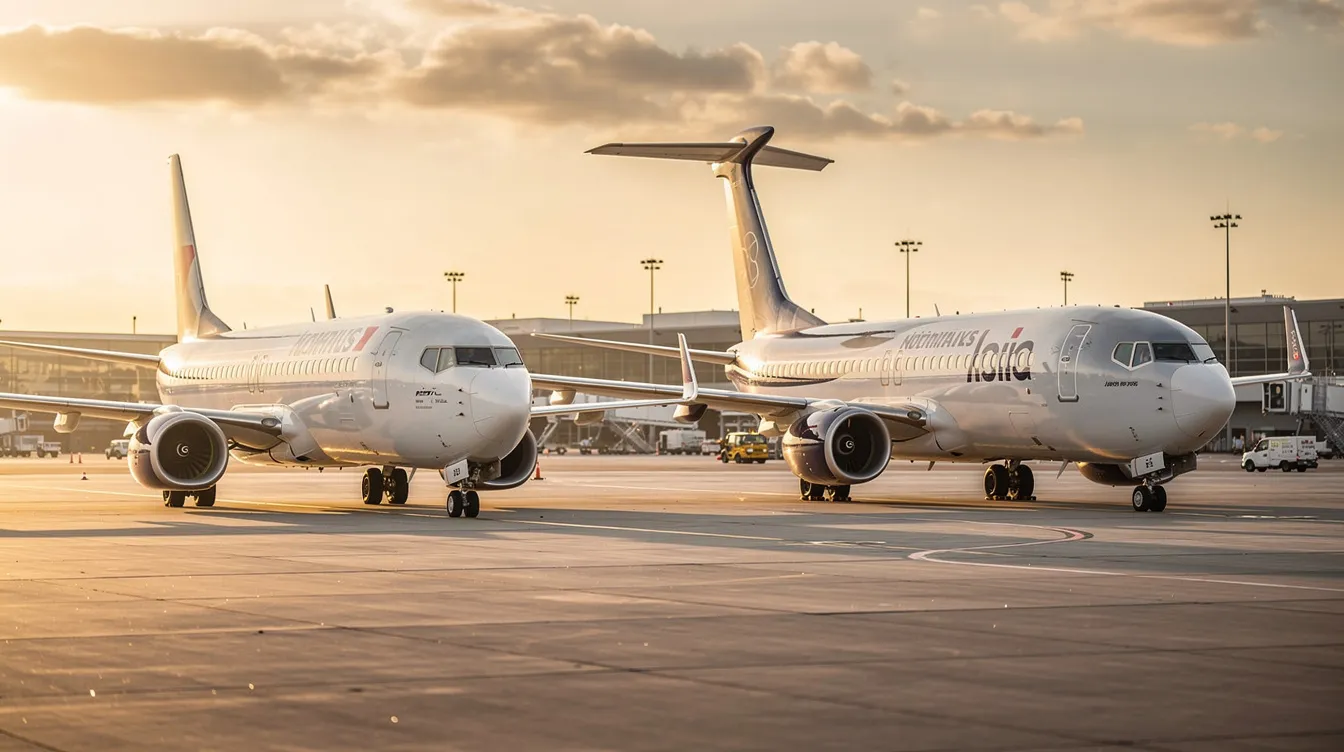
Boeing 737 Economic, Fuel and Environmental Performance
Fuel Efficiency by Generation
Fuel consumption and operating economics drive every airline's fleet decisions. When carriers compare the Boeing 737 against alternatives like the Airbus A320 family—which surpassed the 737 in total deliveries around September 2025—the calculus centers on cost per seat mile, maintenance intervals, and dispatch reliability.
Each 737 generation delivered measurable efficiency gains over its predecessor:
Classic over Original: Engine replacement alone (CFM56-3 replacing JT8D) cut fuel burn and noise substantially
NG over Classic: Larger wings, more capable CFM56-7 engines, and aerodynamic refinements produced double-digit percentage improvements in fuel burn per seat
MAX over NG: Boeing publishes up to 14–20% fuel-burn reduction depending on mission profile, driven by the LEAP-1B engines and advanced wing-tip devices
Airlines evaluate these numbers alongside utilization rates—how many block hours each airframe flies per day—and total ownership or lease costs. Manufacturers seldom publish consumer-style fuel economy guides, which can frustrate anyone seeking straightforward comparisons. What matters to a route planner is whether a given aircraft can profitably serve a 1,200-mile sector three times daily.
Private Jet Environmental Considerations
For private jet travelers, the equation shifts entirely. Time saved, direct routing to smaller airports, and privacy carry more weight than cost per seat, particularly for those exploring the cheapest private aircraft and other budget-friendly options. That said, environmental considerations now influence both commercial and private aviation. Newer 737 engines reduce CO₂ and NOₓ emissions per seat, and airlines increasingly use sustainable aviation fuel (SAF) and carbon offset programs.
BlackJet's Approach to Sustainability
BlackJet bridges these priorities: while the 737 serves mass commercial markets optimized for volume, BlackJet's carbon-neutral private flights and careful aircraft selection—including guidance on the best small private aircraft for different missions—combine efficiency with exclusivity for clients who expect both environmental responsibility and comfort.
Cabin Layouts, Crew, and Passenger Experience
Despite being a narrow-body workhorse, the Boeing 737 offers a surprisingly wide variety of cabin configurations—each tailored to a specific airline strategy and passenger expectation.
Standard commercial layouts:
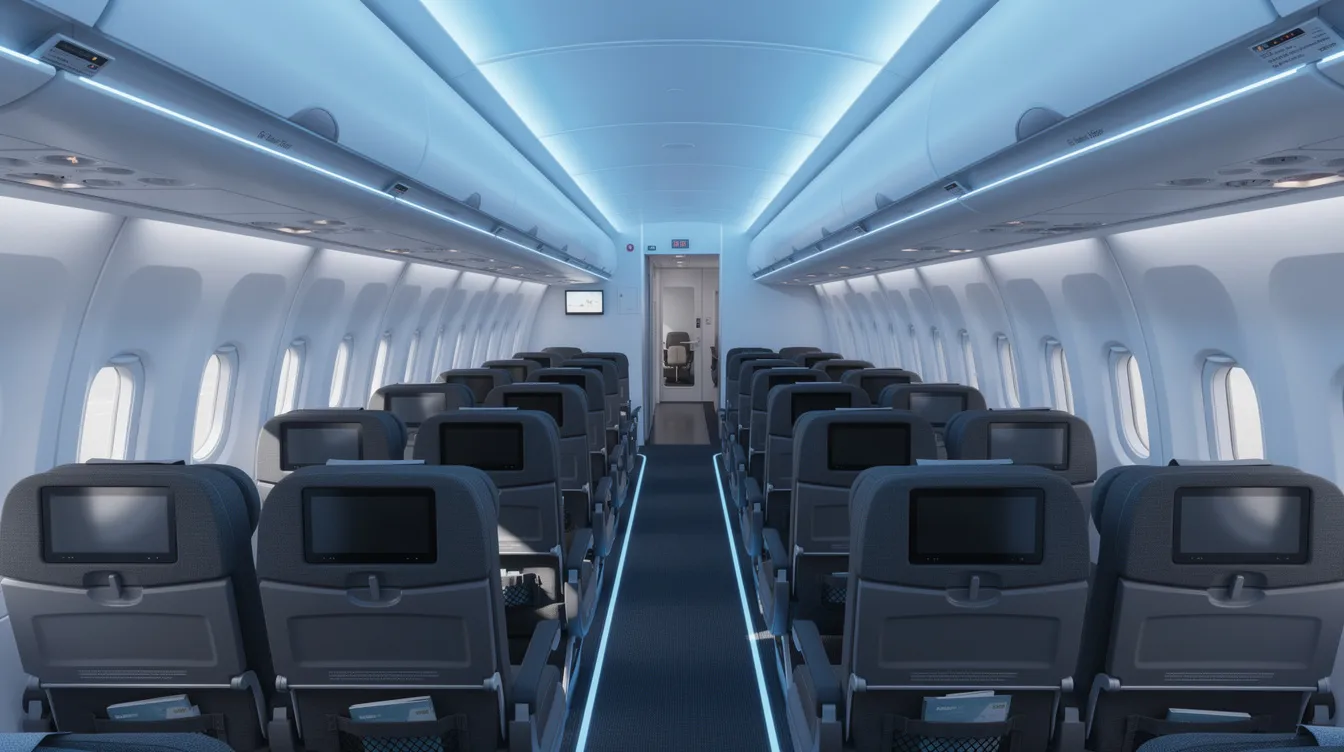
Economy class uses a 3-3 seating arrangement across the cabin, with seat widths of roughly 17–18 inches and pitch ranging from 29 inches on low-cost carriers to 33–34 inches in premium economy or domestic first class
Two-class configurations split the cabin between a smaller business or first-class section at the front and a larger economy section behind
Newer 737 cabins—particularly NG and MAX variants—integrate LED mood lighting, larger overhead bins, and modern in-flight connectivity including Wi-Fi and streaming entertainment
Crew configuration:
The standard two-pilot cockpit has been the norm since the Classic series. Cabin crew numbers vary by airline and regulatory jurisdiction—typically one flight attendant per 50 passenger seats—with premium configurations sometimes adding additional attendants for enhanced service.
VIP and corporate variants:
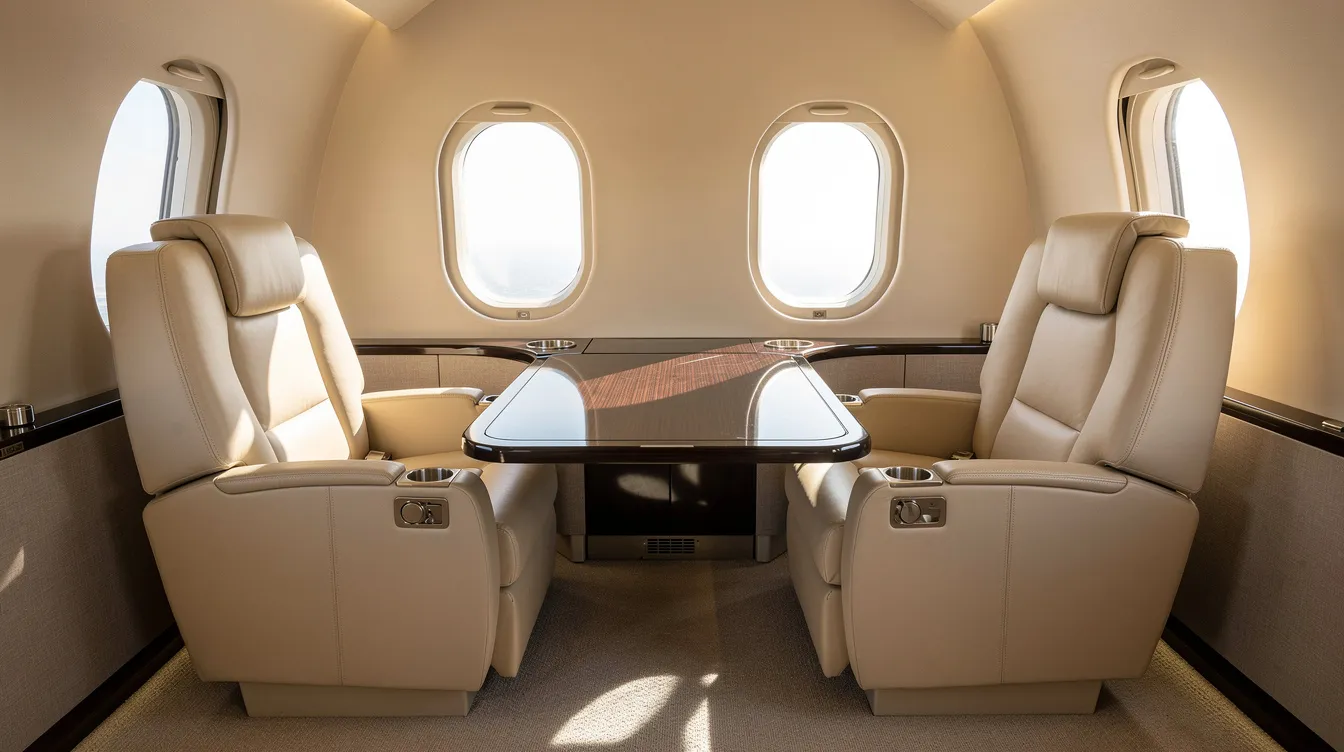
At the other end of the spectrum, Boeing Business Jet (BBJ) conversions transform the 737 airframe into something unrecognizable from its commercial counterpart: lounge-style seating, private suites, conference rooms, and enhanced soundproofing. These configurations demonstrate what is possible when a proven airframe is adapted for larger private groups or event travel, much like the best private jets for 50 passengers, and for smaller groups who prioritize space and privacy—values that align closely with the private jet experience BlackJet clients expect.
Boeing 737 in Service, Operators, and Private Aviation Alternatives
Global Operators
The Boeing 737 serves as the backbone for major low-cost carriers and legacy airlines across every continent except Antarctica. Its service footprint is vast: from ten-minute island hops in Southeast Asia to four-hour transcontinental sectors in the Americas.
Key operators by fleet size (as of mid-2024):
Airline | Approximate 737 Fleet |
|---|
Southwest Airlines | ~815 |
Ryanair | ~566 |
United Airlines | ~496 |
American Airlines | ~363 |
Delta Air Lines | ~240 |
Order and delivery patterns across the decades tell the story of airline deregulation, the rise of budget carriers, and the globalization of air travel. Aviation enthusiasts and industry analysts frequently track monthly and yearly orders through data sources and reference pages—if you visit the Boeing 737 Wikipedia page, you can add languages, access commons media, and see how related file content is used across projects and pages through its usage, or dive deeper into what it takes to buy and operate a Boeing 737 privately. Some page contents not supported in certain locales may still be accessible to any viewer through the main English-language page.
The 737 has also been widely portrayed in popular culture—appearing in films, television documentaries, and aviation-focused series that have made its silhouette recognizable to anyone, even casual travelers who may not know the specific type.
Second Lives for Retired Airframes
When 737s leave passenger service, they don't simply disappear. Many are converted into freighters for cargo operators. Others find new uses as training facilities, museum exhibits, or static flight simulators—cockpit sections preserved in European aviation museums, for instance, offer the general public hands-on flight-simulator experiences.
Commercial vs. Private Travel Experience
For a frequent traveler, the true cost of flying a 737 route isn't just the ticket price. It includes:
Arriving 60–90 minutes before departure for security and boarding
Limited control over schedules—if your meeting runs long, the flight doesn't wait
Shared cabin space with 150+ other passengers
Connections at congested hub airports rather than direct routing
No privacy for calls, preparation, or rest
Consider a senior executive who regularly flies between New York and Chicago or London and Geneva—routes heavily served by 737s. On a commercial schedule, door-to-door travel time for a 700-mile flight can easily reach five or six hours once ground transport, security, boarding, and taxi time are accounted for. A private jet on the same route, departing from a business aviation terminal, may cut that to under three hours, especially when you understand how to buy a seat on a private jet through shared or semi-private options.
This is where the line between commercial and private aviation becomes not a luxury distinction but a strategic one, especially when you compare each model across a full private jet price list of ownership and access options.
From Commercial 737 Flights to BlackJet Private Jet Access
Imagine this scenario: a managing director at a financial services firm flies commercial on Boeing 737 services twice weekly for regional meetings. The airline's schedule is acceptable—most of the time. But a missed connection in Atlanta last month cost half a day. A delayed departure from LaGuardia two weeks ago meant arriving at a client dinner an hour late. And the inability to take a confidential call in a 3-3 economy cabin has become a recurring frustration.
This is precisely where BlackJet's Jet Card programs enter the equation. With prepaid access through a 25-hour or 50-hour Jet Card, travelers gain access to private aircraft across multiple cabin classes—light jets for short hops that compete directly with busy 737 shuttle routes, and larger cabin jets for longer trips or groups.
What changes when you move from a 737 schedule to a Jet Card:
Airport access: Depart from smaller business aviation airports closer to city centers—Teterboro instead of Newark, Van Nuys instead of LAX
Schedule control: Bespoke departure times set around your agenda, not an airline's published timetable, supported by Jet Card structures whose value becomes clearer when you understand Jet Card pricing, costs, and benefits in detail
Ground time: Minutes from car to cabin, not the hour-plus ritual of commercial terminals, and with predictable billing if you choose a program after reviewing a full guide to Jet Card costs and membership pricing
Privacy: A fully private cabin for meetings, calls, or simply undisturbed rest, one of the primary reasons frequent flyers gravitate toward the best Jet Cards for high-usage travelers
Safety: BlackJet maintains rigorous operator vetting, third-party safety audits, and proprietary certification standards designed to exceed baseline regulatory requirements—the same regulatory framework that governs commercial aircraft like the 737—and can be evaluated alongside competitors such as NetJets Jet Card cost and program structures
Sustainability: Every BlackJet flight is carbon neutral by default via verified carbon offset programs, and where possible, flights can be paired with sustainable aviation fuel—an evolution from the high-volume, efficiency-optimized but less personalized world of 737 operations that parallels innovations in the newest generation of sustainable, long-range private jets
The technology layer adds another dimension: 24/7 digital booking tools, real-time flight support, and mobile access mirror the convenience of checking a commercial itinerary online but add concierge-level control and responsiveness. For anyone who has refreshed an airline app waiting for a 737 gate assignment, the difference is immediate.
While BlackJet does not operate Boeing 737s directly, understanding the 737's role in commercial travel helps clients appreciate what changes when they move to purpose-selected business jets curated for smaller groups and higher standards of privacy. For organizations considering operating an airliner privately, a separate path involves buying a Boeing 737 for personal or corporate use. If your current 737-based travel schedule is costing you more in lost time than in ticket prices, that may be the clearest signal to explore an alternative.
Choosing the Right Aircraft Class vs. a Boeing 737 Experience
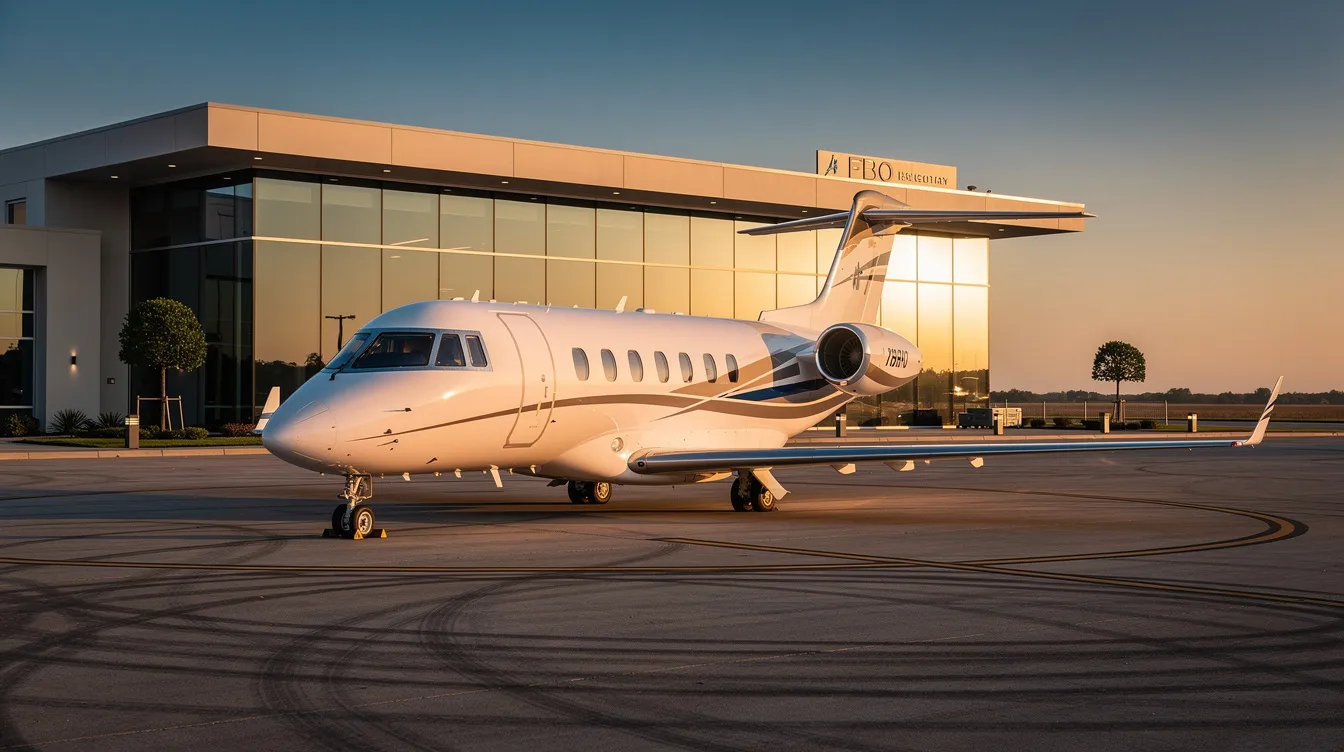
Light jets (seating 4–8 passengers) cover the same 500–800 mile routes that 737s serve on high-frequency domestic schedules—think Boston to Washington or Milan to Geneva. A light jet booked via a Jet Card can reduce total door-to-door time by two to three hours compared with a commercial 737 flight on the same city pair and, in many cases, align with the cheapest private jet options available to individual travelers identified in broader guides to affordable small private aircraft.
Midsize jets (seating 7–9) offer a stand-up cabin, extended range, and enough space for a productive working environment—replacing the cramped confines of a 737 business-class seat on routes up to 2,000 miles, and illustrating why understanding private jet sizes and their ideal missions is crucial when choosing an aircraft.
Super-midsize jets bridge the gap between domestic and international coverage, with ranges that overlap the 737NG's capability while providing a fully private, customizable cabin, whereas larger groups approaching 20 travelers may be better served by the best private jet options for 20 passengers.
Large-cabin jets serve the role that a VIP-configured BBJ would fill—transcontinental or international sectors for groups of 10–16 passengers in lie-flat comfort, with conference and dining areas that no commercial 737 layout can match, though comparing Jet Card cost per hour across these large-cabin categories is essential for budgeting.
Passenger counts tell the story: While a Boeing 737 carries well over 100 passengers in even its smallest configurations, private jets typically serve small groups of executives, families, or high-net-worth individuals. The uses of each aircraft class differ fundamentally—one is optimized for volume and cost per seat, the other for time, privacy, and personalization—and for very high-frequency flyers, a detailed look at 100 hour Jet Card cost structures often determines which path delivers better long-term value.
Visual comparison: An image jpeg showing a 737 on a commercial ramp alongside a business jet on a private apron would reinforce the experiential gap for any reader considering the transition.
Looking ahead: As commercial fleets continue to evolve from 737NG to MAX and beyond, private aviation—driven by companies like BlackJet—parallels that evolution with smarter, safer, and more sustainable options tailored to individual travelers. The information that matters most isn't which aircraft is newer; it's which travel model returns the most value to your time.
Key Takeaways
The Boeing 737 is the most-produced commercial jetliner in history, with four generations spanning nearly six decades of continuous production
Each generation—Original, Classic, Next Generation, and MAX—delivered measurable improvements in fuel efficiency, range, and passenger capacity
The 737 reshaped commercial aviation by making high-frequency, affordable jet travel accessible to millions
For frequent travelers whose schedules are built around 737 routes, the transition to private aviation through a Jet Card program can reclaim hours of productive time per trip
BlackJet's approach—rigorous safety certification, carbon-neutral operations, and flexible booking technology—offers a direct answer to the limitations of commercial air travel
Elevate Your Travel
The Boeing 737 made modern air travel possible for the general public. BlackJet makes it possible to transcend it.
If your current travel routine involves navigating crowded 737 cabins, rigid airline schedules, and congested hub airports, please consider what a different model looks like. With BlackJet's Jet Card programs, private flight is accessible on your terms—complete with rigorous safety, carbon-neutral performance, and unmatched flexibility.
Explore how refined, purposeful travel becomes your new standard. Discover BlackJet's Jet Card options and experience what happens when your aircraft is selected for you, not for 180 other passengers.


 Sign up with google
 Sign up with Apple