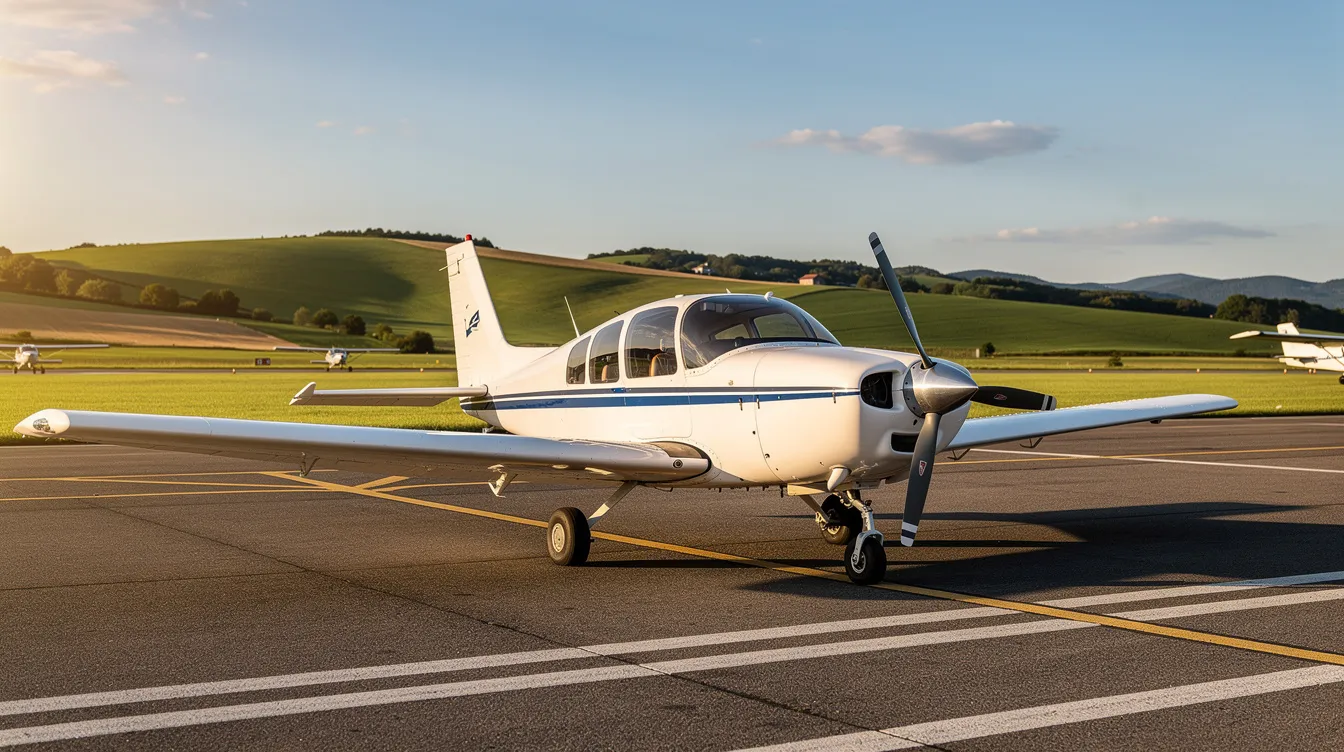
Choosing the best starter plane is one of the most consequential decisions a new pilot will make. The right aircraft shapes your safety margins, your rate of skill development, and your financial exposure for years to come. This guide breaks down mission planning, specific beginner aircraft comparisons, ownership costs, and explains when accessing private jets through a jet card program may actually be the smarter first move.
Why Your First Plane Decision Matters More Than You Think
Your first plane imprints habits. A forgiving trainer teaches you to fly the airplane rather than fight it. An overly complex machine teaches you to manage screens while your stick-and-rudder fundamentals lag behind. The difference matters more than most novice pilots realize.
Consider two paths: A newly certificated pilot who buys a Cessna 172 Skyhawk spends roughly $2,000–$4,000 per year on insurance, flies behind a simple panel, and builds confidence in an aircraft with stable handling and predictable stall behavior. Another pilot, eager to impress, jumps straight into a Cirrus SR22, facing insurance premiums that can reach $20,000–$29,000 annually for low-time pilots, fuel burn nearly double the Skyhawk's, and composite maintenance costs that punish deferred attention. The Cessna 172 is a popular choice for new pilots precisely because it keeps the learning curve manageable.
Many BlackJet clients begin their aviation journeys exactly this way: flying small piston singles for training and weekend trips, then graduating to private jet access via jet cards when business and family travel demand speed, range, and reliability that no single-engine aircraft can deliver.
This guide prioritizes safety, predictable handling, and manageable ownership costs-not speed, ego, or aesthetics. Below, we cover mission planning, detailed looks at the Cessna 150/152, Cessna 172, Piper PA-28, Diamond DA40, Cirrus SR20/SR22, and Cessna Stationair, followed by cost analysis, financing structures, and when a jet card replaces ownership entirely.
Step One: Define Your Mission Before You Pick a First Airplane
Mission comes before model. The same logic BlackJet uses to match clients with the right cabin class applies to picking a first airplane: define your mission to guide your aircraft selection before you ever browse listings.
For most new pilots, early missions fall into predictable categories: local flight training and pattern work, short "hundred-dollar hamburger" trips, cross-countries under 400–500 nautical miles with one to three passengers, and occasional regional business hops. Consider the number of passengers, annual hours, typical distance, runway types, and climate before narrowing your search.
Mission Profile | Ideal Aircraft Type |
|---|
Weekend training at a paved metro airport, 60–80 hrs/year, VFR with IFR goals | Simple two- or four-seat trainer (Cessna 150/152 or 172) |
Family backcountry trips, grass/short strips, high altitude, gear, and passengers | Higher-payload utility single (Cessna Stationair class) |
Time-sensitive business travel (NYC–Chicago, regional/international) | Private jet card or charter, piston singles cannot compete |
If your primary mission is time-sensitive business travel, a personal piston aircraft is the wrong tool. A jet card like BlackJet's provides the speed, flexibility, and range that no beginner aircraft can match.
Are You Ready to Own, or Should You Keep Renting?
Many new pilots rush into buying their first airplane before they fully understand what they enjoy flying. That enthusiasm is admirable, but expensive when misdirected.
Completing at least 40–80 hours of flight training and post-checkride flying in rental aircraft helps you refine genuine preferences: high wing versus low wing seating position, glass versus analog avionics, comfort in turbulence, and how often you actually fly when scheduling is up to you. Renting offers low upfront cost and access to multiple models without maintenance risk. Ownership gives scheduling freedom and pride, but carries fixed costs-hangar, insurance, annual inspections-that persist whether the airplane flies or sits.
BlackJet's most active members often separate their training aircraft (a rented or modestly owned piston) from their mission aircraft (accessed through a private jet card for real-world business travel). If you expect to fly fewer than about 50–75 hours per year, renting plus occasional charter for long or critical trips is typically more cost-effective than immediate ownership, especially when you factor in affordable private aviation options that bridge the gap between piston aircraft and traditional jet ownership.
Key Factors That Make a Plane a Good First Aircraft
A good first airplane is one that makes mistakes survivable, maintenance predictable, and the learning curve enjoyable. The best beginner-friendly airplanes prioritize stability and forgiving flight characteristics above all else.
Core evaluation factors for any first aircraft include:
Stability and stall behavior. Slow stall speed is crucial for safe learning landings in beginner aircraft. Pilot training emphasizes the importance of aircraft with predictable stall behavior because it gives you time to recognize and recover from errors during landing practice and takeoff.
Fixed gear vs. retractable. Fixed gear eliminates gear-up landing risk, reduces systems complexity, and cuts insurance and maintenance. Rugged aircraft gear is important for accommodating less-than-perfect landings during early solo flights.
Avionics simplicity. Basic analog or simple digital panels reduce cockpit distraction while you build situational awareness.
Payload and seating. Two seats versus four changes utility dramatically. Many four-seat aircraft become two-seat machines once you add full fuel and luggage.
Insurance and ownership costs. Your experience level influences aircraft choice significantly-insurers charge more for complex, high-value airframes flown by low-experience pilots.
Parts availability, local mechanics, and experienced instructors familiar with the type often matter more than novelty. And resale value counts: types like the Cessna 172 and Piper PA-28 remain among the most tradeable piston singles on the market, because most starter planes are kept only three to five years.
Cessna 150/152: The Budget-Friendly Trainer for Pure Skill Building
The Cessna 150 and 152 are classic two-seat trainers that defined flight training for decades. The Cessna 150 was produced from 1958 to 1977 with roughly 23,800 units built, succeeded by the Cessna 152 (1978–1985) with refinements to engine and systems. The Cessna 150/152 series is ideal for beginner pilots who want pure skill building at minimal cost and are comparing them against other budget-friendly private aircraft options.
Why they work: the Cessna 150/152 series is known for its forgiving flight characteristics-gentle stall warnings, slow approach speeds, excellent visibility from the high-wing layout, and a simple Continental O-200-A engine with no turbocharging. The Cessna 150 has a cruise speed of 122 mph with a modest range of around 300–350 miles and a fuel burn of only 6–6.5 GPH. For primary training and time building, a few aircraft are cheaper to operate.
Ownership highlights:
Acquisition cost: approximately $15,000–$50,000 for clean examples
Annual inspections: $900–$2,500
Engine overhaul: roughly $12,000–$22,000 at 1,800-hour TBO
Strong community support and abundant used airframes
Limitations: Cramped cabin with only two seats, limited baggage capacity, short range, and age-related concerns, including corrosion and outdated avionics. Thorough pre-purchase inspections are non-negotiable on airframes this old.
Cessna 172 Skyhawk: The Global Benchmark First Plane
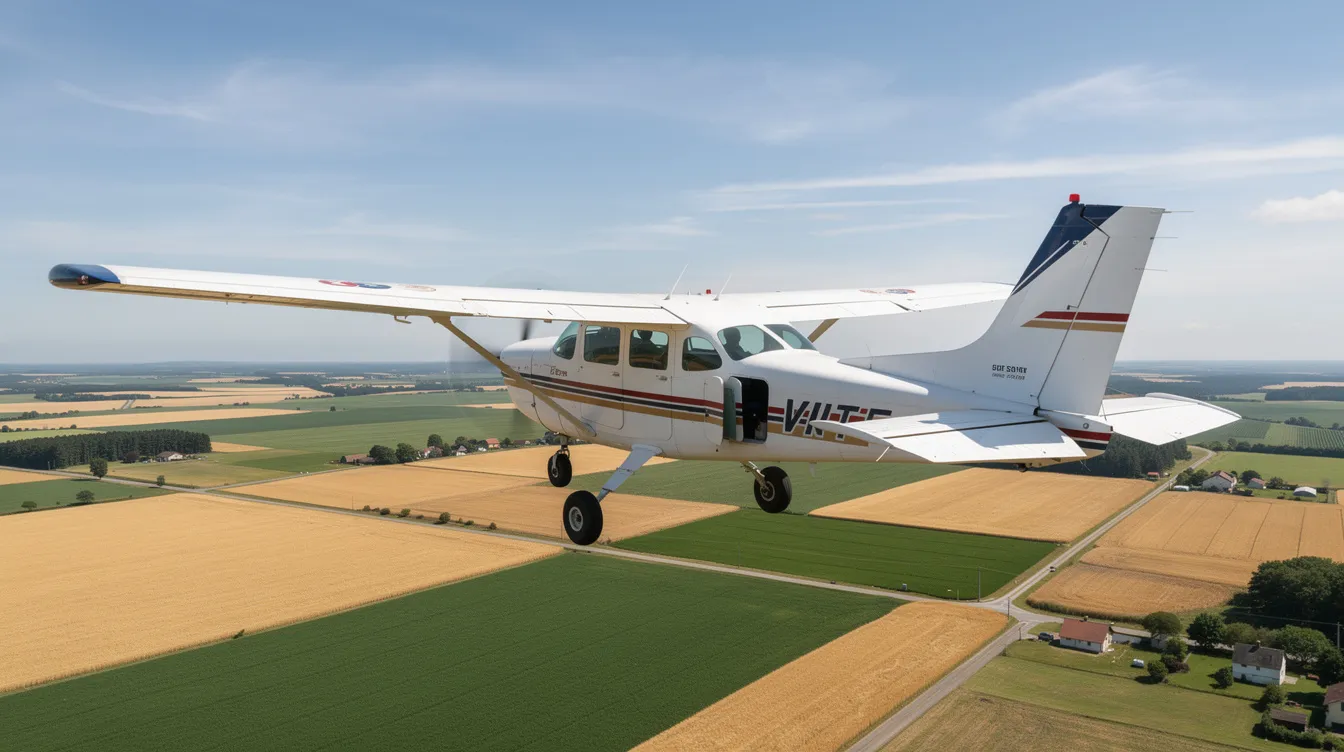
The Cessna 172 Skyhawk is the world's most-produced aircraft. Over 44,000 Cessna 172s have been built since 1956, and for good reason: this airplane sets the global benchmark for what a good first airplane looks like.
The Cessna 172 has excellent stability and predictable stall behavior. Its high-wing design provides strong crosswind performance and forgiving landings that instructors trust for primary and instrument training. The Cessna 172 Skyhawk is a popular beginner aircraft that comfortably seats four, with a cruise speed of 140 mph and a range of 730 miles, practical for weekend trips with family or adult children and short cross-countries alike.
Ownership factors:
New (172S): approximately $369,000–$438,000 depending on avionics
Used: widely variable by age, hours, and aircraft condition
Fuel burn: 8–10 GPH in cruise
Useful load: ~850–880 lbs in modern variants
Strong resale value and broad parts support worldwide
For many pilots, a well-equipped Cessna 172 serves as both primary training aircraft and first cross-country family airplane for several years-an excellent platform that justifies its higher purchase price versus the 150/152 through versatility and utility, especially when compared with other small private aircraft choices in the same mission range.
Piper PA-28 Cherokee/Archer: The Low-Wing Legend for New Pilots
The Piper PA-28 family-Cherokee, Warrior, Archer-represents the low-wing alternative to the Cessna line. The Piper PA-28 family has produced over 32,000 aircraft since 1960, and the Piper Archer has trained generations of pilots since 1960 in flight schools across the United States and Europe.
The Piper Cherokee offers a "car-like" cockpit feel and a planted landing attitude that some students find more natural than a high-wing seating position, and it often appears alongside some of the cheapest private jet and turboprop options when pilots evaluate long-term upgrade paths. The flare picture, with the ground visible alongside the fuselage rather than hidden beneath the wing, appeals to pilots who prefer an airliner-style sight picture. Performance is similar to the Cessna 172 in common variants, with four seats, cruise speeds in the 110–130 knot range, and friendly handling that works well from first solo through instrument training.
Piper PA-28 and Cessna models are both suitable for beginner pilots due to their forgiving handling. Strengths include large production numbers, consistent training fleets, good parts availability, and predictable maintenance profiles. Trade-offs worth noting: the single cabin door and wing height can affect access and ground visibility, and older airframes demand careful inspection for corrosion in spar carries and control surfaces.
Modern Glass-Cockpit Starters: Diamond DA40 and Cirrus SR20/SR22
Some new pilots prefer to learn in modern composite aircraft with advanced avionics that resemble business jet cockpits more than classic trainers. Modern Light Sport Aircraft are known for their efficiency and advanced avionics, and two models stand out for cross-country-minded beginners.
The Diamond DA40 NG features modern avionics and excellent visibility, paired with a composite fixed-gear airframe, efficient engines, and Garmin G1000-class panels ideal for cross-country and instrument flight training, even for those who eventually aspire to 10-million-dollar private jet options as their travel needs grow. Used DA40s range from $150,000–$300,000 depending on age, with fixed costs of $6,000–$13,000 per year and variable costs around $76 per hour.
The Cirrus SR20 includes an integrated parachute system for safety (CAPS), while the faster SR22 pushes cruise speeds to approximately 183 knots with fuel burn of 14–18 GPH, making them natural stepping stones toward structured access models like the BlackJet 25+ Hour Jet Card. New SR22s (G6/G7) exceed $800,000; used models range from $200,000 to $600,000. Annual operating costs for 100–150 hours typically run $30,000–$50,000, excluding financing.
Benefits: Early exposure to glass panels, automation, and cockpit management that mirrors what pilots later encounter in private jet cabins.
Cautions: Higher acquisition and ownership costs, steeper insurance premiums for low time pilots, and the risk of focusing on screens before mastering stick-and-rudder fundamentals. Transition training is essential; these are great airplanes, but they demand discipline.
Cessna Stationair: When Your "Starter Plane" Must Haul People and Gear
The Cessna Stationair line represents the rugged aircraft workhorse of single-engine general aviation. Introduced in the early 1960s, the Cessna Stationair remains popular for utility, family travel, and remote-strip operations where payload and range matter more than simplicity.
Its niche is clear: six seats, long-distance capability (700+ nautical miles), and useful loads of around 1,300–1,400 pounds in many variants. For pilots who genuinely need to haul people, gear, and cargo into shorter or more remote strips, few single-engine aircraft match the Stationair's capability. Many owners absolutely love the combination of capacity and ruggedness.
However, this is rarely a true first airplane for brand-new pilots. Performance and weight management demand a more experienced pilot mindset, a strong understanding of weight and balance, high-altitude operations, and higher fuel and maintenance costs. Pilots with heavy-haul or backcountry ambitions should build their skill level first in simpler fixed-gear trainers, then step up to Stationair-class aircraft with an instructor's guidance.
High Wing vs. Low Wing, Fixed Gear vs. Retractable: What New Pilots Should Choose
Wing placement and gear complexity directly influence training, visibility, and ownership costs. These are not cosmetic decisions.
High-wing advantages for a first aircraft:
High-wing designs improve downward visibility during turns-visibility is important for beginner aircraft, and high-wing designs provide better downward visibility
Shelter from the sun and rain on the ramp
Straightforward fuel checks from the ground
Common configuration in many training fleets worldwide
Low-wing advantages:
Low-wing designs provide a more planted feel during landings, with an "airliner-like" sight picture in the flare
Often easier to fuel from ground level
Certain handling characteristics preferred by some pilots in crosswinds
Gear type matters more than wing type. Fixed gear is generally recommended for any first airplane: it eliminates gear-up accident risk, lowers insurance, simplifies preflight checks, and produces fewer surprise maintenance bills. New pilots should avoid retractable gear and high-performance turbocharged singles as first aircraft, reserving those for later once solid skills and hours are established and after they have weighed other small private aircraft for evolving missions.
Ownership Costs: What First-Time Buyers Usually Miss
Here is the reality check that many first-time owners underestimate lifecycle costs. The purchase price of a first aircraft is only the opening chapter. Operating costs include fuel, maintenance, and insurance-and they repeat every single year.
Key recurring cost categories:
Category | Typical Annual Range |
|---|
Fuel and oil | Varies by hours flown; $4,000–$15,000+ |
Routine maintenance and inspections | $2,000–$6,000 |
Insurance | $2,000–$29,000 depending on type and pilot experience |
Hangar or tie-down | $1,800–$12,000+ by region |
Engine/prop overhaul reserves | $2,000–$5,000/year set-aside |
Avionics subscriptions and charts | $500–$2,000 |
Annual insurance for low-time pilots can exceed $10,000 to $15,000 on high-value aircraft like the Cirrus SR22. A "cheap" older airplane can require tens of thousands in catch-up maintenance or panel upgrades in the first year alone. Flying too little inflates the cost per hour because fixed costs persist whether the airplane flies or sits in the hangar.
Build a conservative annual budget based on at least 100 flight hours, then adjust for realistic usage. Contrast this with the BlackJet model: members pay for actual flight time on business jets without bearing maintenance risk, depreciation, or hangar expenses, guided by a clear understanding of jet card pricing structures.
Safety, Training Ecosystems, and Support: The Hidden Advantage of Popular Trainers
The best starter plane is defined as much by the support ecosystem around it as by the airframe itself. Stability and predictability are crucial for beginner aircraft, but so is access to people and infrastructure that keep you safe.
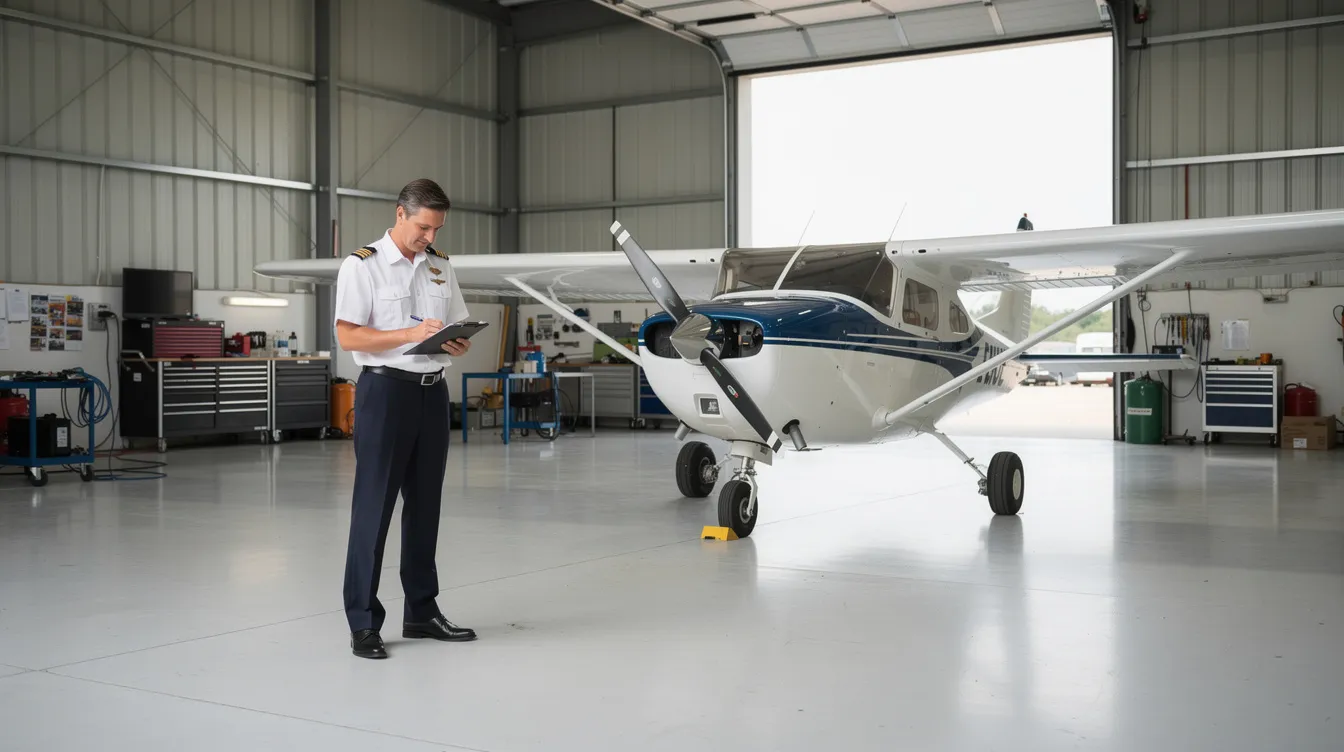
Widespread trainers like the Cessna 172 and Piper PA-28 are safer choices for straightforward reasons: abundant experienced instructors, standardized training curricula, and well-understood maintenance regimes built on millions of collective flight hours. Flying from airports with active flight schools, maintenance shops, and safety cultures that encourage recurrent training and regular checkouts makes a measurable difference in outcomes.
This mirrors BlackJet's safety framework for jet card programs: proprietary vetting of operators, strict pilot experience minimums, and standardized operating procedures create the same predictable comfort that mainstream training aircraft provide at the piston level, similar to what you would evaluate when comparing the best jet cards for frequent flyers.
First-time owners should commit to ongoing proficiency, at least one formal training flight every three to six months, plus periodic instrument or scenario-based training. A good trainer, combined with consistent planning and practice, outperforms a fast or flashy aircraft flown by an unprepared pilot every time.
When a Private Jet Card Is a Better "First Plane" Than Owning One
For many high-net-worth individuals and executives, the best first aircraft is not a piston single at all-it is reliable, on-demand access to private jets that match each specific mission.
BlackJet's jet card model provides prepaid access in blocks (25-hour, 50-hour, and larger) across multiple cabin classes, from light jets to super-midsize, following the same principles explained in this broader guide to jet card membership pricing. This lets members match aircraft size to each trip rather than compromising with a single owned airplane that cannot fly long distances at jet speed.
Jet cards remove maintenance risk, crew management, hangar logistics, and depreciation, and high hidden costs of owning even a "simple" first airplane-which is why understanding jet card cost per hour is critical when comparing them to ownership. Consider this scenario: a new pilot trains locally in a Cessna 172 for weekend flying and skill development, while using BlackJet for New York–Miami business trips that would take a piston single all day but take a midsize jet roughly two hours.
BlackJet's pillars-safety certification, carbon-neutral flights, and digital booking tools-reinforce that stepping into private jets is both efficient and responsible, especially for travelers who might otherwise buy a seat on a private jet through more ad hoc channels. Pairing a modest training aircraft with a jet card gives you the best of both worlds without the burden of owning something that cannot serve your real-world travel needs.
Financing and Structuring Your First Aircraft Purchase
Smart financing and legal structure can turn a first aircraft purchase into a controllable investment rather than an open-ended expense.
Specialized aviation lenders typically require 15–25% down on a piston aircraft, with interest rates in the 6–8% range depending on credit, aircraft condition, and age, and a solid grasp of airplane financing options and strategies can materially change your total cost of ownership. Loan terms for piston singles generally run 10–15 years. For example, financing a Diamond DA40 at $220,000 with 20% down over 15 years at 7% interest yields payments around $1,600 per month.
Forming an ownership LLC or partnership can share costs and provide liability protection, but requires clear written agreements, scheduling rules, equitable cost splits, and defined exit strategies. Partnerships without these guardrails breed conflict.
Secure pre-approval and understand lender expectations before shopping aggressively. Emotionally charged aircraft purchases made in weeks rather than months of careful research produce the most regret. High-net-worth individuals should also weigh the opportunity cost: capital locked in a depreciating piston airplane versus capital allocated to a jet card membership or other investments that afford greater flexibility, including analyzing the 50-hour jet card cost and value against full ownership.
Putting It All Together: Choosing the Best Starter Plane for You
There is no single best airplane for every pilot. There is only the right aircraft for a clearly defined mission and budget. Here is how each category maps to pilot profiles:
Aircraft | Best For | Key Advantage |
|---|
Cessna 150/152 | Tight budget, pure primary training, time building | Lowest ownership risk and cost |
Cessna 172 Skyhawk | Versatile family and training missions | Excellent platform with strong resale value |
Piper PA-28 (Cherokee/Archer) | Low wing preference, proven good trainer | Abundant support, generations of proven use |
Diamond DA40 | Tech-forward beginners, IFR-focused pilots | Modern avionics, composite efficiency |
Cirrus SR20/SR22 | Serious cross-country, safety-conscious, high-performance | CAPS parachute, speed, and advanced cockpit |
Cessna Stationair | Hauling passengers, gear, and backcountry strips | Payload and range unmatched in class |
Universal rules that apply regardless of which model you choose:
Start with fixed gear and avoid retractable or turbocharged aircraft until you have the hours to manage them safely
Prioritize stability over speed-you will never regret a forgiving airplane during your early cross-countries
Rent before buying when in doubt; a few extra weeks of research prevents years of regret
Never compromise on maintenance records, pre-purchase inspections, or aircraft condition
Factor in full costs-fuel, insurance, hangar, resale risk-not just the purchase price
Spend time with the airplane and its community before committing; many owners wish they had done more research in their first year.
For pilots who also travel frequently for business or high-value leisure, treat your first plane as a training and hobby platform, and compare that investment against options like a 100-hour jet card cost structure if most of your critical mileage is in the flight levels. Let private jets handle the time-critical missions where speed, cabin class, and control over your schedule genuinely matter, whether through BlackJet or established providers whose jet card costs and structures you’ve evaluated carefully.
The smartest aviators match each tool to its purpose. Whether you fly a Cessna on Saturday mornings or step onto a carbon-neutral jet for Monday's board meeting, the goal is the same: fly safely, spend wisely, and never let the wrong aircraft hold you back—especially if you later explore leasing a private jet instead of buying one outright.
Frequently Asked Questions About Choosing Your First Aircraft
What makes the Cessna 172 Skyhawk a top choice for beginner pilots?
The Cessna 172 Skyhawk offers excellent stability, predictable stall behavior, and a forgiving high-wing design that improves downward visibility. Its widespread use in training ensures abundant instructor support, parts availability, and strong resale value, making it a reliable and practical first airplane.
Should I buy a plane or keep renting as a new pilot?
Renting initially is often recommended to help you understand your flying preferences, gain experience, and avoid the fixed costs and maintenance responsibilities of ownership. Many pilots rent for 40–80 hours before deciding to buy, ensuring their choice aligns with their mission and flying habits.
How do ownership costs compare between different starter planes?
Ownership costs vary widely. For example, annual insurance for low-time pilots can range from $2,000 for simpler planes like the Cessna 150/152 up to $15,000 or more for high-value aircraft like the Cirrus SR22. Fuel, maintenance, hangar fees, and inspections add to ongoing expenses, so budgeting realistically is essential.
What are the advantages of high-wing versus low-wing aircraft for beginners?
High-wing aircraft, like the Cessna 172, provide better downward visibility and shelter on the ramp, which benefits new pilots during training. Low-wing planes, such as the Piper PA-28, offer a more "airliner-like" sight picture on landing and a planted feel, which some pilots prefer. Choice depends on personal comfort and mission.
When is a private jet card a better option than owning a starter plane?
For pilots who travel frequently on time-sensitive business trips or longer distances, a private jet card provides access to a variety of jets with speed, range, and luxury that piston aircraft cannot match. It eliminates maintenance risk and fixed ownership costs while offering flexibility across multiple cabin classes.
Conclusion: Making the Smart Choice for Your Aviation Journey
Selecting the best starter plane is a pivotal step that shapes your flying experience, safety, and financial commitment. Prioritize stability, predictable handling, and manageable ownership costs to build confidence and skills effectively. Whether you choose the enduring Cessna 172 Skyhawk, the versatile Piper PA-28, or a modern glass cockpit like the Diamond DA40, aligning your choice with a clear mission and realistic budget is key.
Remember, ownership is not the only path. Many pilots find renting initially—and supplementing with private jet card access for business or long-distance travel—a balanced approach that maximizes flexibility and minimizes risk, particularly when compared with other cheapest private aircraft pathways into private aviation. BlackJet’s private jet card programs offer a seamless transition to jet travel without the burdens of ownership, delivering safety, sustainability, and convenience tailored to your evolving needs—whether you eventually require the best private jet for 20 passengers for team trips or even a private jet for 50 passengers for larger group travel.
Fly smart, invest wisely, and let the right aircraft and travel solutions elevate your journey from the very first flight.


 Sign up with google
 Sign up with Apple