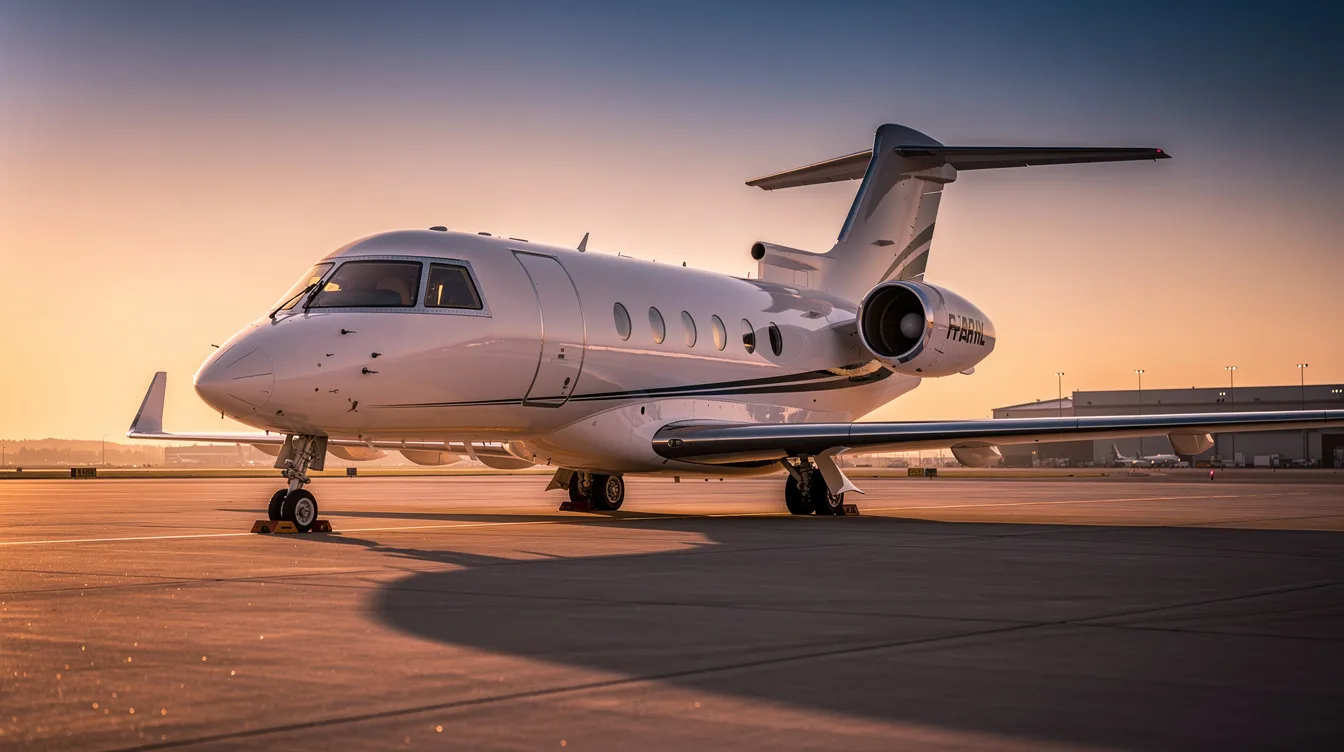
Private aviation is no longer a mere indulgence. For executives and high-net-worth travelers navigating packed schedules, volatile airline delays, and growing security complexity, a jet card has become a strategic instrument—one that turns time into a competitive advantage. This guide breaks down how the Amalfi jet card stacks up against modern alternatives, and where BlackJet's approach delivers something fundamentally different.
Amalfi Jets Overview and Why Jet Cards Matter in 2026
Amalfi Jets is a private aviation company founded in 2020 that operates as a charter broker, not an aircraft owner—a different path from outright acquisition of a high-end aircraft, such as the kind detailed in guides to 20 million-dollar private jets. Through a global network of over 3,500 aircraft, Amalfi Jets arranges private jet charter services via products like the Amalfi One Jet Card and the Amalfi Reserve Membership. The company sources flights through registered Part 135 operators, giving clients access to a wide fleet without the overhead of ownership.
Why does structured jet card access matter now? Consider a New York–Miami executive commute. A commercial flight takes roughly five to six hours door-to-door once you factor in check-in, TSA queues, boarding, and ground transit. On a jet card, that same trip shrinks to about three and a half hours—Teterboro to Opa-Locka, with departure times you choose and no terminal wait. For many travelers flying 25 to 50 hours a year, that time savings compounds into weeks of recovered productivity. Private jet access also allows bypassing regional bottlenecks associated with the Amalfi Coast, which lacks a commercial airport due to its geography, making private travel the only efficient option for reaching the region.
BlackJet competes in this same space alongside Amalfi Jets, NetJets, XO, and Sentient Jet, but with a distinct philosophy: carbon-neutral flights included by default, transparent fixed hourly rates, and a technology-first booking experience built around premium private jet card programs.
Here are the key contrasts at a glance:
Deposit and commitment: Amalfi One requires a ~$100,000 minimum deposit; BlackJet's 25-hour cards start around $175,000 with all costs built in
Pricing model: Amalfi uses capped rates with dynamic pricing downside; BlackJet uses fixed, all-inclusive hourly rates
Sustainability: BlackJet includes 300% carbon-neutral offset on every flight at no extra cost; Amalfi does not prominently include standard offsets
Hours expiration: Neither program expires unused hours or balances
Fleet model: Both are brokers sourcing from vetted operators-neither owns the aircraft
What Is the Amalfi One Jet Card and How Does It Work?
The Amalfi One Jet Card is a prepaid flight account requiring a minimum deposit of approximately $100,000 for new accounts, with top-ups starting at $50,000. The program offers capped hourly rates with dynamic pricing-meaning the cap sets a ceiling, but if market rates drop below it, you pay less. Amalfi One Jet Card has no initiation or annual fees, and funds in the Amalfi One Jet Card are fully refundable. Members enjoy fully refundable account balances with no expiration.
The program offers guaranteed access during peak travel periods without blackout dates, and clients can access guaranteed aircraft availability within 48 hours. It covers five aircraft categories—light jet, midsize, super-midsize, heavy, and ultra long-haul—across a primary service area spanning 30-plus countries.
Here is how a frequent traveler would use it:
Fund: Deposit at least $100,000 into your flight account
Request: Specify your route, date, passenger count, aircraft type preference, and departure city via the Amalfi Jets app or your dedicated account manager
Fly: Amalfi sources a specific aircraft from its operator network, confirms the quote (at or below the capped rate), and dispatches the flight
A critical distinction: Amalfi Jets operates as a charter broker and arranges flights through registered operators. It does not own or operate the aircraft. This means cabin condition, crew professionalism, and onboard amenities can vary between flights depending on which operator fills the mission.
Comparing Jet Cards, On‑Demand Charter, and Memberships
Three main access models define private jet services today. Using Amalfi Jets as a reference:
On-demand charter: Single flights booked as needed. No deposit, no commitment. Pricing is per-trip and fluctuates with fuel costs, seasonality, and repositioning. On-demand charter allows pay-per-trip flexibility without pre-funding, and is better for unpredictable travel schedules.
Jet card (Amalfi One, BlackJet 50 Jet Card): Prepaid blocks of hours with guaranteed availability, predictable pricing, and a dedicated service layer. Jet card programs typically require a minimum purchase of 25 hours. Dedicated 25-hour jet card programs explain how blocks are structured, priced, and optimized for different traveler profiles. Jet card pricing can include fixed, capped, or dynamic rates. Jet card programs are ideal for travelers flying 25 to 50 hours annually.
Membership programs (Amalfi Reserve, BlackJet equivalents): Monthly subscriptions ($99–$500/month for Amalfi Reserve) providing lifestyle perks, empty leg access, and concierge benefits. Membership programs offer flexible access to various aircraft types without locking in large deposits.
Consider a client flying 50 hours a year split between Los Angeles, Dallas, and New York. A detailed look at 50-hour jet card cost and value shows why this level of flying often justifies a structured program. Using demand charter at peak-season midsize rates of ~$12,000/hour plus repositioning, total annual spend could exceed $600,000. On an Amalfi jet card with dynamic pricing, that same client might see effective rates drop to ~$9,030/hour for super-midsize during favorable market windows—roughly 21% savings. BlackJet's fixed rate programs for super-midsize might land around $10,384/hour all-in, offering tighter predictability with no surprise surcharges.
A side-by-side breakdown would include: upfront capital, refundability, hours expiration, notice windows, pricing structure, aircraft categories, safety certification, sustainability features, and global coverage.
Empty Leg Flights vs Jet Cards: When Savings Outweigh Certainty
Empty leg flights are one-way repositioning journeys—when a jet needs to fly back to base or reposition for its next charter, the return segment is sold at a steep discount. Empty leg flights can save travelers 30–75% off standard rates, and discounts on empty leg flights can reach up to 90% in some cases, especially when you buy a seat on a private jet via shared or semi-private options.
Amalfi Jets promotes empty leg flights through its network and app, with private jet companies updating empty leg listings weekly. Typical routes include Los Angeles to Las Vegas, London to Geneva, and Toronto to Montreal.
Ideal use cases: Last-minute weekend getaways, opportunistic business trips where schedule flexibility exists, or first-time private flyers testing the experience at lower cost using the cheapest private jet options
Pros: Booking empty leg flights can offer substantial savings compared to traditional private jet charters. A two-hour light jet leg that might cost $14,000 on charter flights could drop to $5,000–$7,000 on an empty leg
Cons: No schedule control, high cancellation risk, limited route options, and amenities may vary significantly
Versus jet cards: Both Amalfi One and BlackJet cards trade those deep discounts for guaranteed availability, fixed or capped hourly pricing, and full schedule control—critical for business-critical travel
For frequent flyers, relying on empty leg flights and deals makes sense only as a supplement to a jet card, not a replacement.
Inside the Amalfi Jets App and the Rise of Digital Private Jet Platforms
The Amalfi Jets app lets users create an account, search routes by date and passenger count, filter by aircraft categories, and receive instant estimates, similar to many platforms that let you buy a seat on a private jet through shared and semi-private services. Reserve members receive weekly customized empty leg listings by region and aircraft type. The booking process also supports subscription management, in-app billing, and 24/7 concierge chat.
Modern travelers now expect private jet mobile applications to include:
Side-by-side aircraft specs with cabin photos, Wi-Fi availability, and luggage capacity
Real-time pricing estimates with clear breakdowns of what is and is not included
Itinerary tracking from departure to landing with push notifications
Stored jet card or membership balance visibility and flight history
BlackJet's digital tools mirror and extend these capabilities. Clients see their stored balances, access pre-flight safety certifications, and track carbon-offset data in-app. The platform also offers real-time support for private jet flight booking around the clock.
App-based flows reduce friction compared with phone-only brokers, especially for repeat routes like New York–Palm Beach or London–Nice, allowing travelers to book flights in minutes rather than hours.

Aircraft Categories and Access to 3,500+ Aircraft
Members can access over 3,500 aircraft globally through Amalfi Jets, and BlackJet similarly sources from a vetted global network. Here are the main aircraft categories:
Turboprops (e.g., Pilatus PC-12, King Air 350): Turboprops are efficient for short runways and remote destinations. Range: ~1,000 miles; 6–9 seats.
Very light / light jets (e.g., Phenom 300, Citation CJ3+): Very light jets are ideal for short trips under 1,500 miles. Perfect for hops like Dallas–Chicago or Teterboro–Opa Locka.
Midsize jets (e.g., Citation XLS+, Hawker 800XP): Midsize jets offer more cabin space for regional business hops. Range ~2,000–2,500 miles; 7–8 seats.
Super-midsize jets (e.g., Challenger 350, Citation Longitude): Ideal for coast-to-coast US flights. 8–9 seats with generous baggage capacity.
Heavy jets (e.g., Falcon 900, Gulfstream G450): Heavy jets are used for long-range or transcontinental flights. More luxurious, more space, and higher payload.
Ultra long-haul (e.g., Gulfstream G650, Global 6000): Nonstop ocean crossings. The top tier for international missions.
Choosing a turboprop for a 250-mile hop to a short-runway destination like Aspen saves cost and simplifies operations. For a transcontinental leg like Teterboro to Van Nuys, a super-midsize or heavy cabin delivers speed, comfort, and nonstop range.
Safety, Certification, and Operational Standards
Private jet operators must comply with FAA Part 135 regulations, and private aviation safety standards are set by aviation authorities worldwide (including EASA equivalents for international operations). All aircraft in Amalfi Jets' network meet high safety standards, and many operators exceed third-party audit standards like ARGUS and Wyvern.
Safety protocols include regular maintenance checks and pilot training, recurring simulator sessions, crew rest requirements, and minimum experience thresholds. Amalfi Jets holds a Wyvern Broker Badge and has introduced internal systems like AmalfiShield, a risk assessment tool applied to each trip.
Why does brokered access demand extra vigilance? Because the aircraft changes between flights. A safety checklist should cover:
Are ARGUS/Wyvern/IS-BAO accreditations current for the assigned operator?
What is the maximum aircraft age and cabin refurbishment standard?
What crew qualification and recurrent training criteria apply?
How are disruptions (mechanical, weather) handled? How quickly is a replacement aircraft sourced?
BlackJet overlays its own proprietary certification — "BlackJet Certified" — on top of regulatory requirements, surfacing a pre-flight safety report to clients. This additional layer positions operational standards as a differentiator, not an afterthought. For broader analyses of how jet cards compare to charter and fractional ownership on safety and service, the differences are significant.
Concierge Services, Lifestyle Benefits, and Beyond‑the‑Flight Value
The Amalfi Reserve Membership emphasizes global lifestyle perks: curated events, exclusive access to partner hotels, villas, restaurants, and experiences like yacht charters through Ocean Independence and exotic car rentals through Monza Exotics. Membership programs often include access to exclusive events and curated experiences that extend well beyond the flight itself.
Typical concierge services attached to jet card programs and private jet memberships include ground transportation, in-flight catering, multi-leg itinerary coordination, and last-minute changes. 24/7 concierge support includes integrated logistics and personal account management.
Consider these scenarios:
Multi-city European investor roadshow: London, Geneva, Paris in three days-a lifestyle concierge service handles FBO transfers, hotels, dinner reservations, and aircraft selection for each leg
Golf trip to Scotland: Flights arranged, villa booked, tee times secured, and ground transport coordinated as part of the membership's partner network
Family holiday: BlackJet's concierge team acts as an extension of a client's PA or family office, integrating seamlessly into existing travel planning workflows
Pricing, Dynamic Models, and Cost‑Saving Strategies
Private jet charter costs range from $1,500 to over $20,000 per hour depending on aircraft type, route, and season. As broader guides to private jet charter pricing explain, pricing breaks into several components: hourly rates, fuel surcharges, landing and handling fees, repositioning, de-icing, and Federal Excise Tax.
Amalfi One's capped-rate model with dynamic pricing means you never pay above the cap, but you can pay less when market conditions allow; understanding overall jet card cost and pricing structures helps put these trade-offs in context. For example, promotional rates have shown super-midsize jets at ~$9,030/hour-roughly 21% below the ~$11,500 cap. BlackJet's own pricing philosophy is different: transparent, fixed-rate jet card rates with carbon-neutral flights at no extra cost and route-specific optimization to minimize repositioning. Explore current private plane rates for a detailed breakdown.
Cost-saving tactics for any program, many of which mirror broader small plane charter cost strategies:
Use secondary airports to reduce landing and handling fees
Select turboprops for sub-300-mile flights instead of jets
Watch for empty leg flights on frequent routes
Book three to seven days out when possible to avoid surge pricing
Compare: a Teterboro–Opa Locka super-midsize one-way (~2.5 hrs) might cost ~$28,750 on demand charter, ~$22,500 on Amalfi One at dynamic pricing, and ~$26,000 on a BlackJet card all-in with no hidden fees
Dynamic pricing models can help you fly smarter, but fixed hourly rates eliminate the mental overhead of wondering whether you caught a good rate or a bad one.
Environmental Considerations and Sustainable Private Aviation
Choosing right-sized aircraft, minimizing repositioning, and combining legs reduces emissions while also lowering cost, and fits into a wider private jet price framework that balances budget, mission profile, and access model. Newer-generation jets like the Embraer Praetor 600 and Gulfstream G500 offer measurable fuel-efficiency gains over older models, and a broker can prioritize them when sourcing from its global network, much as they do when recommending the cheapest private aircraft options for budget-sensitive flyers.
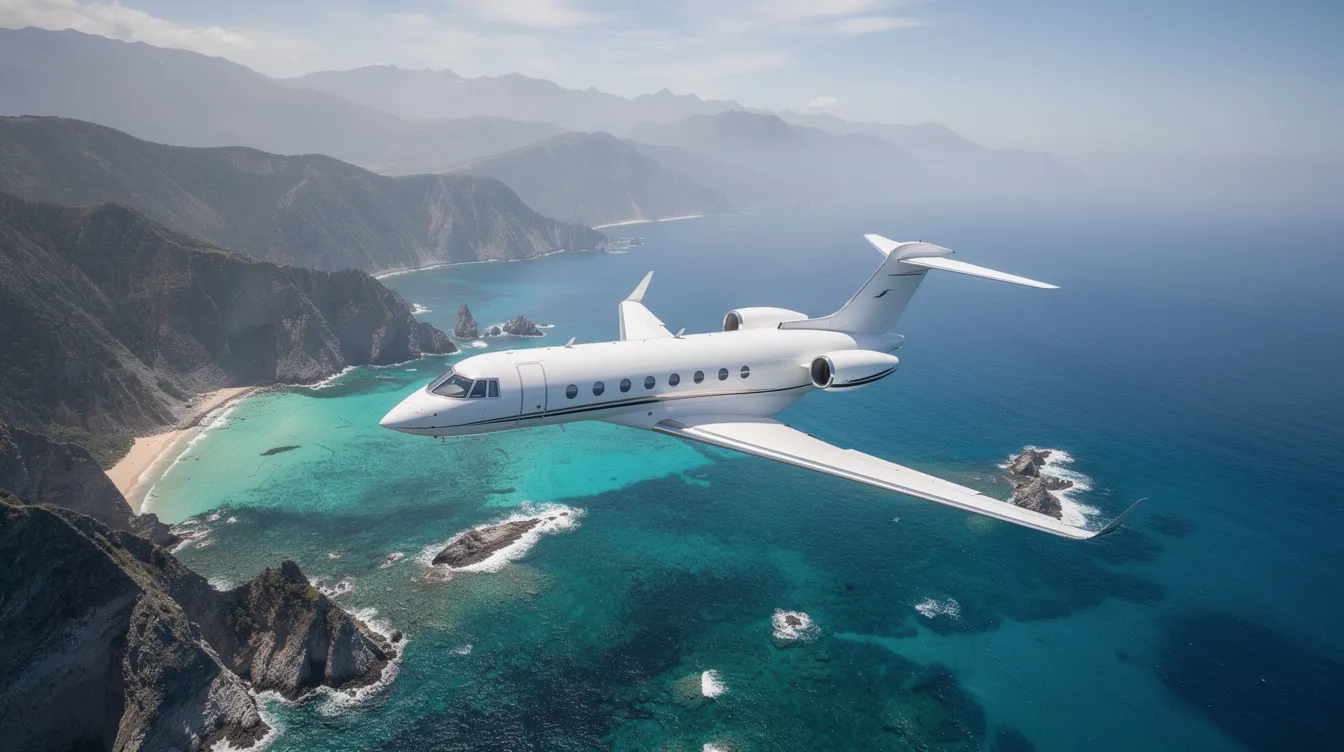
Amalfi Jets does not prominently lead with sustainability messaging. BlackJet, by contrast, commits to carbon-neutral flights by default—every jet card flight includes 300% carbon and emissions offset through verified programs at no additional cost.
For example, a New York–London flight in a Global 6000 (~6 hours) produces a calculable CO₂ footprint, just as region-specific analyses of private jet price in rupees factor in distance, aircraft type, and operational efficiency. BlackJet computes those emissions using standard methodology and purchases verified offsets covering three times the total. The client pays the same all-in rate regardless. For travelers who want to fly private without ignoring environmental impact, this is a meaningful differentiator, especially when paired with rigorous standards that show how safe private jets are in practice. Learn more about green private jet travel and how offsets work in practice.
FAQ: Choosing Between Amalfi Jet Card Programs and BlackJet
Do I need a membership to book with Amalfi Jets or BlackJet?
No. Amalfi offers on-demand charter without a membership. The Amalfi One Jet Card requires a ~$100,000 deposit. BlackJet's jet card programs require purchasing a 25- or 50-hour block—no separate membership fee.
How far in advance should I book?
Amalfi One cardholders have guaranteed availability within approximately 48 hours. BlackJet offers similar 24–48-hour notice periods for most cabin classes.
Can I rely on empty legs for business travel?
Empty leg flights offer substantial savings but with high schedule uncertainty. For business-critical travel, a jet card's guaranteed aircraft availability with notice is far more reliable.
What aircraft categories can I access?
Both providers cover light through ultra long-haul. Compare Amalfi Jets against BlackJet's provider comparison guide, free from their respective platform,s for a full Amalfi provider comparison guide and a free PDF comparison guide of cabin options.
Are funds refundable?
Amalfi One funds are fully refundable. BlackJet hours do not expire; refund terms vary by contract—review your specific agreement.
Is the Amalfi Jets app required to book?
The Amalfi Jets app is the primary booking channel, though phone and concierge are available. BlackJet similarly offers an app, phone, and concierge email—whichever suits your workflow.
What about sustainability and carbon-neutral flights?
BlackJet includes 300% carbon offset on every jet card flight at no added cost. Amalfi does not currently include standard carbon-neutral coverage in its core jet card terms. For travelers whose values include sustainability, this is a key distinction.
How do I mitigate risks when choosing a broker-based program?
Ask about operator vetting, ARGUS/Wyvern accreditations, aircraft age limits, and operational procedures for disruptions. Both providers source from vetted operators, but the depth of proprietary safety overlay differs.
Conclusion: When an Amalfi Jet Card Makes Sense—and When BlackJet Is the Better Fit
The Amalfi One Jet Card and Amalfi Reserve Membership serve a clear purpose in today's private jet industry. For travelers who want flexible programs with dynamic pricing that can deliver savings when market conditions cooperate, and who value a broad lifestyle concierge ecosystem, Amalfi Jets is a legitimate option to consider. Its personalized service layer and global network of over 3,500 aircraft make it competitive for certain flight profiles.
BlackJet's core pillars address a different set of priorities. Every flight is carbon-neutral at no extra charge. Pricing is fixed and transparent—no guessing whether you caught a favorable rate. Stringent safety standards go beyond regulatory minimums through proprietary certification. And a technology-driven platform makes it effortless to book flights, track balances, and manage itineraries from anywhere. For frequent flyers who want to fly private with clarity, conscience, and consistency, these differences matter—and align closely with what defines the best jet cards for frequent flyers.
If you are evaluating your 2026–2027 travel patterns and wondering whether a jet card, a membership, or a blended on-demand approach is optimal, BlackJet's advisory team can help you benchmark everything from a 25-hour starter block to a 100-hour jet card cost analysis. Explore premium jet access and request a private consultation to see how your flight hours, preferred routes, and values align with a program built for modern travelers.


 Sign up with google
 Sign up with Apple