
If you have watched your ticket prices climb despite booking months ahead, airline surcharges are likely the culprit. Here is what every frequent flyer needs to know heading into 2027. This guide explains what airline surcharges are, how they are calculated, how fuel prices affect them, and practical strategies for frequent flyers and business travelers to minimize costs in 2027. Understanding surcharges can help you compare the true cost of travel, make smarter booking and loyalty-program decisions, and choose the right option for your schedule and budget.
Why Airline Surcharges Matter More Than Ever in 2027
Airline surcharges are no longer a minor line item. On long-haul commercial flights, fuel surcharges can add $200 to over $1,000 to tickets, depending on route, cabin, and carrier. Surcharges can impact the total cost of air travel significantly, yet most passengers never examine the breakdown until checkout.
Rising fuel costs are the primary driver. Global jet fuel prices rose from $85 to $209 per barrel in 2026, forcing every major carrier to respond. Rather than raise the published base fare, most airlines in the airline industry tack on carrier imposed fees that shift with the market. The result is a pricing structure where the advertised fare tells only half the story: base fare plus taxes plus carrier imposed surcharges plus ancillary charges equals the real cost travelers pay.
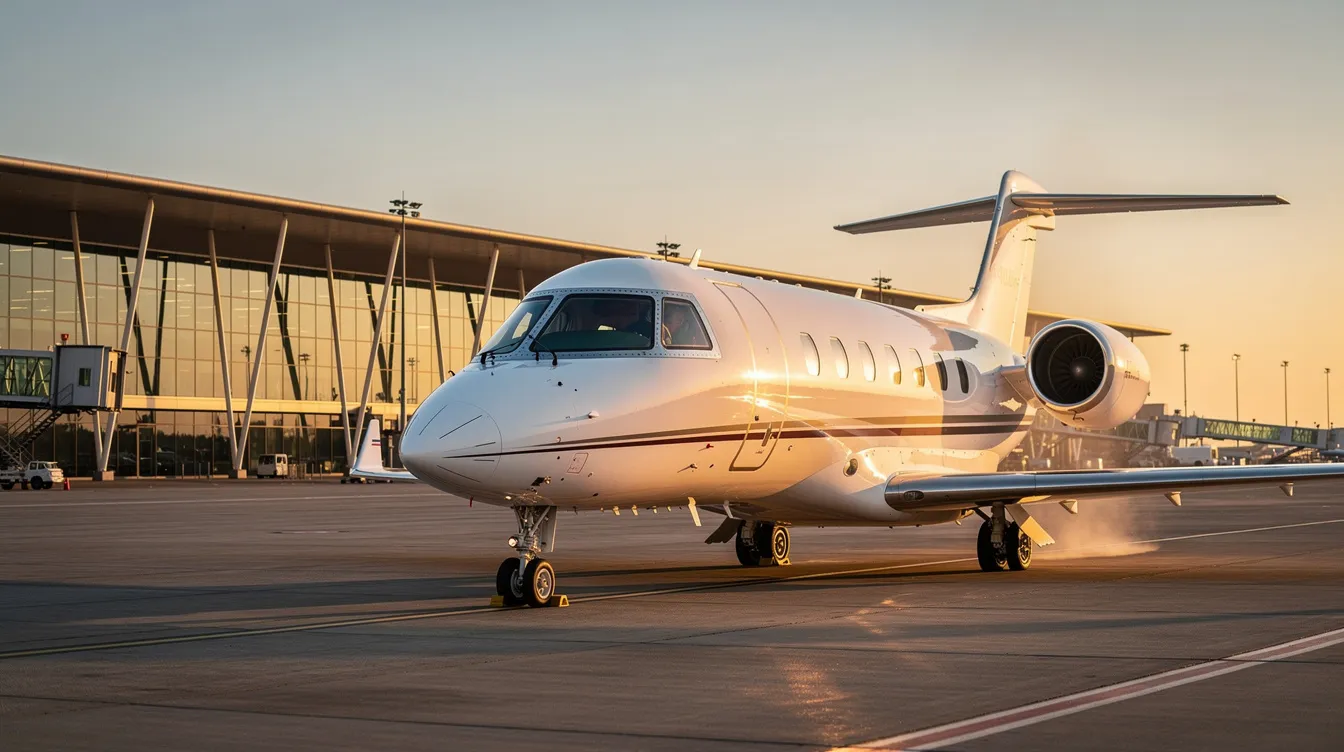
For executives flying transatlantic or visiting multiple destinations in a single week, the contrast with private aviation is stark. Programs like BlackJet's Jet Card offer transparent, all-in hourly pricing with no per-ticket surcharges, giving frequent flyers the predictability that commercial booking simply cannot match.
What Exactly Are Airline Surcharges? (Fuel, Carrier-Imposed & More)
Airline surcharges are extra fees added by carriers on top of the base airfare. Fuel surcharges began in 2004 due to rising oil prices and were originally positioned as temporary, yet airlines kept them even after fuel prices dropped.
Carrier imposed surcharges are sometimes labeled as YQ or YR on ticket receipts. Many airlines now call them "carrier fees" or "international surcharges" to avoid scrutiny.
Government taxes and airport fees are typically separate from airline surcharges. Surcharges are set entirely at the carrier's discretion, and fuel surcharges are not mandated by fuel prices or government regulation.
Surcharges may vary by route distance and market conditions. For example, a New York to London business-class ticket on British Airways can carry $800 or more in fuel surcharges, while United Airlines on the same route may charge $350 to $500. Airlines like British Airways impose heavy fuel surcharges across both their own flights and partner bookings, which is why understanding NetJets Jet Card cost and other private options can be useful for frequent transatlantic travelers.
On domestic flights, low-cost carriers like Southwest Airlines and JetBlue often bake fuel into the base fare, so the surcharge line may not appear. But on international routes through Europe or Asia, surcharges often increase the advertised base fare significantly at checkout, sometimes by hundreds of dollars, pushing more travelers to explore buying a seat on a private jet instead.
Surcharges help airlines cover operating costs like fuel and logistics, and fuel surcharges can add $50 to $300 even on shorter flights. In award travel, these fees are still charged in cash, making "free" seats far from free and prompting some travelers to look at budget-friendly private aircraft options instead.
How Rising Fuel Costs Translate Into Surcharges and Ticket Prices
Jet fuel costs now represent a structural burden on the airline industry. Fuel surcharges can make up 20% to 30% of an airline's operating costs when oil prices rise, and airlines use surcharges to maintain pricing flexibility without altering base fares.
Airlines may adjust surcharges in response to fluctuations in fuel prices, but here is the catch: airlines often impose fuel surcharges regardless of oil price drops. The lag going downward is far longer than the speed going up. Surcharges can serve to generate additional revenue beyond ticket sales, covering everything from logistics to credit-card processing.
Recent moves illustrate the trend. Air France/KLM recently increased its fuel surcharge by roughly 40%, and Delta and Southwest raised checked baggage fees by $10 due to fuel costs. Airlines may also implement peak-season surcharges during high-demand periods, compounding the rise for summer and holiday travelers. Meanwhile, environmental surcharges may be used to cover the cost of Sustainable Aviation Fuel, a growing line item that some carriers bundle quietly into carrier fees.
Consider a hypothetical Paris to Tokyo economy ticket: the base fare might be $350, but a carrier imposed fuel surcharge of $280 nearly doubles what passengers actually pay. By contrast, BlackJet Jet Card members fly on transparent hourly rates with fuel assumptions built in and no opaque per-ticket surcharges to watch for.
Fuel Surcharges and Loyalty Programs: Why "Free" Flights Aren't Free
Fuel surcharges can inflate award ticket costs significantly because frequent flyer miles typically do not cover surcharges in award tickets. Points and miles purchase the seat, but the cash portion at checkout can be a shock.
A 70,000-point business class seat may cost over $500 cash once carrier imposed surcharges and taxes are added, particularly on routes to London or across Europe.
British Airways adds fuel surcharges to American Airlines flights booked through its loyalty program, meaning even American Airlines passengers using partner awards face elevated fees.
United MileagePlus charges no fuel surcharges on its own flights and many partner redemptions, making it a preferred source for travelers who want to save money on award bookings.
Booking through certain programs can avoid high surcharges entirely. Compare the total "miles plus cash" cost across programs before committing.
When surcharges and taxes approach 40% to 50% of the lowest available cash fare, using points may no longer make financial sense. An executive based in New York flying to London monthly could spend $9,600 to $14,400 annually in surcharges alone on commercial award tickets, an amount that rivals a mid-tier Jet Card for similar flight hours and illustrates how Jet Card membership pricing can often be more predictable than commercial surcharges.
How to Spot, Estimate, and Reduce Airline Fuel Surcharges
Always open the full fare breakdown on the airline website or use Google Flights and ITA Matrix to search for lines labeled YQ, YR, or "carrier-imposed surcharge" before you purchase.
Estimate the impact: international long-haul economy surcharges typically run $150 to $400; premium cabins can add $400 to $900 or more per direction, depending on the carrier and route.
Choose airlines known for lower surcharges. Delta Air Lines and United keep fees moderate on many routes; avoid carriers notorious for high YQ on transatlantic or transpacific award flights.
Flexibility with dates can reduce miles and surcharges. Off-peak dates often carry lower demand-based pricing. Choosing alternate gateways, such as departing from a different airport, can also minimize surcharges on awards.
If the cash fees exceed roughly half the lowest sale fare for your destination, keep your points in your account and bank them for a better redemption. Pay the cash fare, save the miles.
For frequent C-suite travelers or families flying peak-season routes, private aviation offers a surcharge-free space. Savvy travelers can leverage strategies to fly private more affordably with no per-segment fees, no luggage charges, and no advertisement-inflated pricing.
Private Jet Travel vs. Commercial Surcharges: Where BlackJet Fits In
A typical 2027 commercial journey involves multiple segments, variable fuel surcharges per ticket, a checked bag fee, change penalties, and rules that shift by carrier. A BlackJet Jet Card trip prices everything by aircraft category and flight hours.
Members prepay for blocks of flight time, such as 25-hour or 50-hour programs or other 50 hour Jet Card options, locking in rates that already account for fuel costs with clearly disclosed adjustment clauses rather than ad-hoc surcharges.
Every aircraft available through BlackJet adheres to rigorous third-party safety audits and operator certification, comparable to the standards maintained by top private jet companies, a level of control passengers cannot exercise over individual commercial flights.
BlackJet offsets carbon emissions for each member flight as standard, so there are no surprise "green" surcharges or environmental add-ons beyond the published hourly rate, unlike some unlimited private jet membership models that may add separate environmental fees.
Use case: a leadership team needs to cover Frankfurt, Milan, and London over three days. Commercially, that means six segments, six sets of surcharges, and hours lost at the airport. With a large-cabin jet suitable for 20 passengers through BlackJet, it is three direct legs, one hourly rate, zero surcharges, and time reclaimed for the work that matters.

Key Takeaways and How to Choose the Right Path for 2027 Travel
Airline surcharges, especially fuel surcharges, are a permanent fixture of commercial pricing driven by long-term jet fuel costs and revenue strategy, not short-term spikes alone, which is why many executives benchmark them against the fixed costs of owning or chartering top private jets in the world.
Look beyond headline ticket prices. The full cost breakdown, including carrier imposed fees and the cash portion of loyalty program redemptions, is where the real price lives, just as a private jet price list reveals the true economics of ownership, charter, and jet cards.
Decision framework: tolerate commercial surcharges for occasional economy domestic flying; optimize through smarter route and program choices if you are a frequent business traveler; consider the best jet cards for frequent flyers or broader private jet access if you fly high-frequency, time-sensitive, or multi-city itineraries where cumulative surcharges and lost productivity erode value.
For those whose annual surcharge outlay and schedule friction are approaching Jet Card territory, BlackJet 25+ Hour Jet Card membership delivers safety, real-time support, and carbon-neutral operations as built-in standards, not add-ons.
Frequently Asked Questions About Airline Surcharges
What are airline surcharges?
Airline surcharges are carrier-imposed charges added to the base airfare. Fuel surcharges may appear as YQ or YR on a ticket receipt, while government taxes and airport fees are generally listed separately. Check the full fare breakdown to understand the total cost.
Why do airlines charge fuel surcharges?
Airlines may use fuel surcharges to help cover operating costs and maintain pricing flexibility without changing the published base fare. These fees are not automatically mandated by fuel prices or government rules, and they may remain even when oil prices fall.
Can frequent flyer miles cover fuel surcharges?
Usually, miles cover the award seat rather than the cash portion of the booking. Taxes and carrier-imposed surcharges may still be due at checkout, so compare the full cash-plus-points cost with a paid fare. United MileagePlus generally does not impose fuel surcharges on its own flights.
How can travelers reduce airline surcharges?
Compare the total price across airlines and loyalty programs before booking. Flexible travel dates, alternate gateways, and lower-surcharge partner programs may help reduce fees. Check current fare rules and the final checkout total, since charges vary by route, carrier, and market conditions.
How do BlackJet Jet Cards differ from commercial airfare?
A BlackJet Jet Card provides prepaid access to private aircraft by flight hours and cabin category, rather than pricing each seat with airline surcharges. Members can book through digital tools with real-time support; flights include carbon offsetting, and available aircraft meet BlackJet’s safety and certification requirements. For frequent, time-sensitive travel, compare the published program terms and hourly pricing with the full cost of commercial tickets, fees, and time spent in transit.
Conclusion: Make the Full Cost of Travel Count
Airline surcharges can turn an attractive fare or award redemption into a much more expensive journey. Before booking, compare the full ticket price—including carrier-imposed fees, taxes, and any extras you need—and review how route, timing, and loyalty-program rules affect the total. For occasional trips, a careful comparison may be enough to keep costs in check. For frequent, time-sensitive travel, consider whether predictable private jet access could better serve your schedule and priorities. BlackJet Jet Cards offer prepaid flight hours, digital booking, real-time support, safety-certified operators, and carbon-offset flights, providing an alternative to per-ticket commercial surcharges without requiring aircraft ownership.
Elevate your travel, effortlessly with options that scale from 25 to 100 hour Jet Card programs. Explore BlackJet's Jet Card programs and our broader guide to Jet Card pricing or speak with our team to compare your current surcharge-laden commercial spend against a tailored private aviation solution. Discover how refined, predictable travel becomes your new standard, whether you prioritize Jet Card cost per hour, overall Jet Card membership pricing, or the broader Jet Card pricing structure.