In 2026, the cheapest path into the sky is usually a used two-seat single-engine aircraft - think a Cessna 150 for around $25,000 or an ERCO Ercoupe for under $20,000. But the cheapest plane isn't always the smartest investment. For many travelers, not owning at all and using on-demand charter or jet cards is the sharper move.
Three paths dominate the conversation: buying a cheap airplane outright, joining a shared ownership or flying club arrangement, or accessing private aviation through programs like BlackJet's Jet Card memberships when time matters more than hourly aircraft cost. Affordable entry-level planes include vintage two-seaters and light trainers, but affordable airplanes are defined not by low sticker price alone - they're machines where total ownership costs (purchase price plus operating costs plus insurance plus annual inspections) stay manageable over five to ten years.
Consider this: a $25,000 Cessna 150 with roughly $8,000–$10,000 in annual costs gives you a personal flying machine. But if you only need 20–30 flights per year for business, paying per-trip through a Jet Card eliminates maintenance risk entirely. This article covers specific budget models, real operating costs, light sport aircraft, financing options, and exactly when BlackJet-style access beats ownership for budget-conscious buyers.
What "Affordable" Really Means in General Aviation
Affordability is about cost per year and per flight hour, not merely finding the most affordable airplanes on a classified listing. Entering general aviation requires balancing purchase or rental prices with operating costs - and those ongoing costs are where most aircraft owners get surprised.
Fixed costs (incurred whether you fly or not):
Hangar space or tie-down fees
Insurance costs (hull + liability)
Annual inspections and registration
Avionics subscriptions (charts, databases)
Variable operational costs (scale with usage):
Fuel burn (gallons per hour × fuel price)
Oil and consumables
Routine maintenance and unexpected repairs
Engine/propeller overhaul reserves
The total cost of ownership includes fuel, insurance, maintenance, and storage fees. A Cessna 150 burns roughly 6 GPH at cruise, while a Cessna 172 consumes about 7–8 GPH. At 50–100 hours per year, that fuel difference alone shifts annual expenses by hundreds of dollars. Older but common airframes from Cessna, Piper, and Beechcraft tend to be more affordable aircraft than obscure types because parts are plentiful and most A&P mechanics know them cold.
For executives and entrepreneurs, "affordable" may mean the lowest time cost per trip - where a Jet Card eliminates fixed costs for someone who rarely flies their own plane, especially once you understand jet card cost per hour and how it compares to ownership.
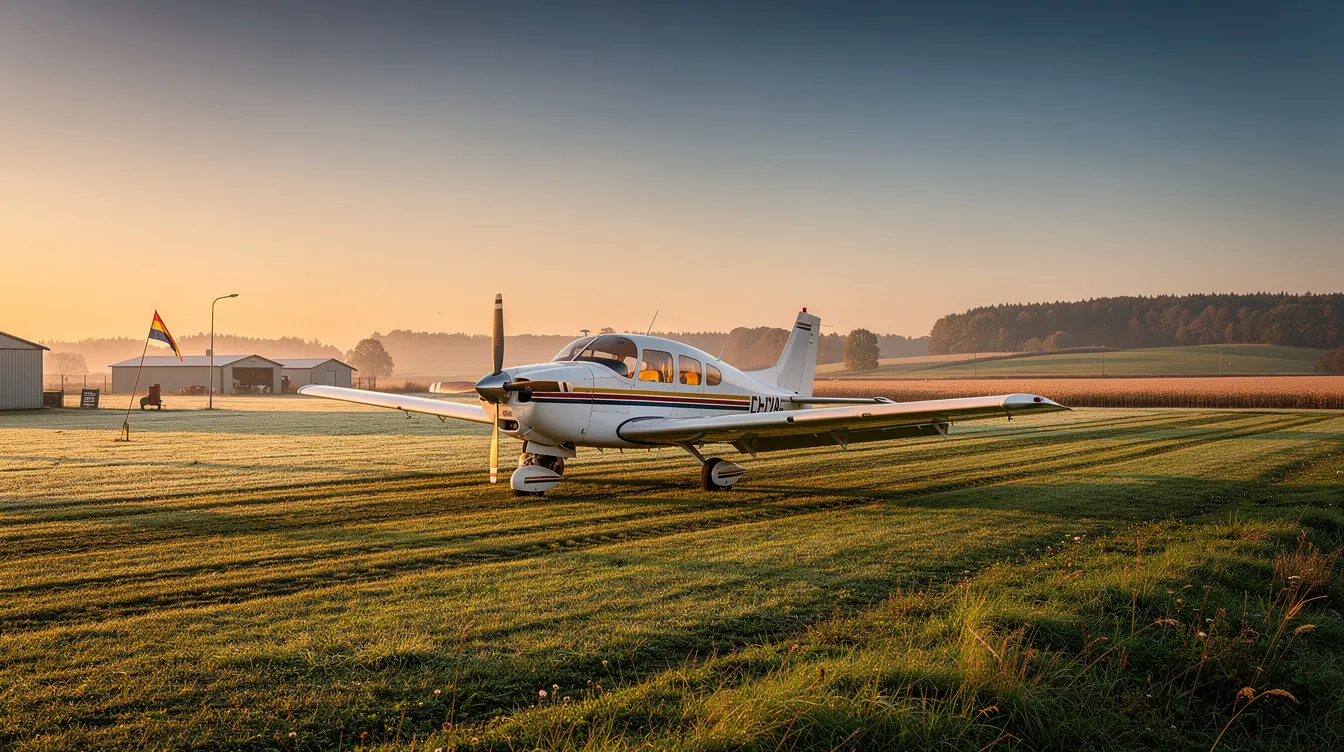
The Most Affordable Planes in 2026: Standout Budget Models
Here's the shortlist of real-world affordable planes dominating the used aircraft market in 2026, each with proven track records for budget-minded pilots.
Aircraft | Seats | Cruise Speed | Fuel Burn (GPH) | 2026 Used Price Range |
|---|
ERCO Ercoupe 415 | 2 | ~90 mph | ~4.5–5 | $15,000–$20,000 |
Cessna 150/152 | 2 | ~95–105 kts | ~6–7 | $25,000–$58,000 |
Aeronca 7AC Champion | 2 | ~85 mph | ~5 | $20,000–$25,000 |
Taylorcraft BC-12D | 2 | ~95 mph | ~4.5 | $20,000–$35,000 |
Luscombe 8A/8C | 2 | ~100 mph | ~5 | $18,000–$35,000 |
Piper J-3 Cub | 2 | ~70 mph | ~4 | $42,000+ |
Cessna 140/120 | 2 | ~95 kts | ~5.5 | $28,000–$45,000 |
Stinson 108 | 4 | ~115 mph | ~9 | $35,000–$60,000 |
Purchase prices for used aircraft range from $15,000 to $80,000, with the very cheapest planes under $20,000 typically being older two-seat trainers or vintage aircraft. The ERCO Ercoupe is priced under $20,000 in 2026, the Aeronca Champion can often be found for under $25,000, the Taylorcraft BC-12D can be found for about $20,000, and Piper J-3 Cub prices start around $42,000 due to collector demand, all fitting into a broader landscape of cheapest planes and affordable options for every budget.
These models balance low purchase price, predictable operating costs, strong type-club communities, and straightforward parts sourcing. For many pilots building hours for an airline or corporate career, the Cessna 150 remains the backbone of affordable aircraft choices for budget-conscious pilots at flight schools worldwide, making it the most produced plane in its class within aviation history.
Cessna 150 & 152: The Benchmark Cheap Planes for Training
The Cessna 150 (introduced 1958) and the 152 (introduced 1977) are the definitive cheap airplane families for new pilots and flight schools. Older light-sport or vintage two-seaters, like the Cessna 150, are budget-friendly options that have trained more student aviators than arguably any other type.
Key specs: two-seat layout, tricycle gear for easy handling, Continental O-200 (150) or Lycoming O-235 (152) engines producing 100–110 hp, cruise speed around 95–105 knots, and fuel burn of approximately 6–7 GPH. Simple systems keep insurance costs and maintenance costs on the lower end of the GA spectrum. Cessna 150 models are available for around $25,000, with higher-time airframes slightly cheaper but potentially demanding more attention during a thorough pre-purchase inspection.
Their dominance in flight training creates a massive support network: abundant parts, detailed maintenance knowledge, and private owners who benefit from decades of accumulated wisdom.
Scenario: A student pilot uses a Cessna 150 for 60–80 hours to earn a private certificate, spending roughly $15,000–$20,000 on the aviation journey. Years later, as an executive, that same pilot compares buying a similar small plane to occasionally booking a BlackJet light jet for business trips - and realizes the Jet Card saves both time and annual expenses.
Vintage Bargains: ERCO Ercoupe, Aeronca Champ, Luscombe 8 & Taylorcraft BC-12D
Four vintage aircraft consistently appear on "most affordable aircraft" lists, each with a distinctive personality and surprisingly affordable price points.
ERCO Ercoupe 415: The ERCO Ercoupe costs under $20,000 in 2026. Its rudderless two-axis control and spin-resistant design make it a revolutionary airplane in flight characteristics - ideal for relaxed weekend personal flying. Cruise sits around 90 mph with low operating costs and amazing fuel economy at roughly 4.5–5 GPH.
Aeronca 7AC Champion: Aeronca Champion prices often remain under $25,000. This forgiving tailwheel trainer is well-suited for learning classic stick-and-rudder skills and short field performance on grass strips. Tailwheel operations demand extra ground-handling discipline but reward pilots with responsive controls.
Luscombe 8A/8C: Prices range from the high teens to the mid-$30,000s; the Luscombe offers a nostalgic flying experience with more responsive and less forgiving handling than trainers like the Cessna 150. It's a low-wing aircraft that sharpens rudder coordination for pilots who want precision.
Taylorcraft BC-12D: The Taylorcraft BC-12D can be found for about $20,000, offering lower fuel consumption, simple systems, and tube-and-fabric charm. It delivers budget-friendly maintenance for pilots who appreciate vintage aircraft.
While purchase prices are low, vintage cheap airplanes may require more intensive fabric and corrosion inspections. A pre-purchase inspection and complete maintenance history review are non-negotiable before writing a check.
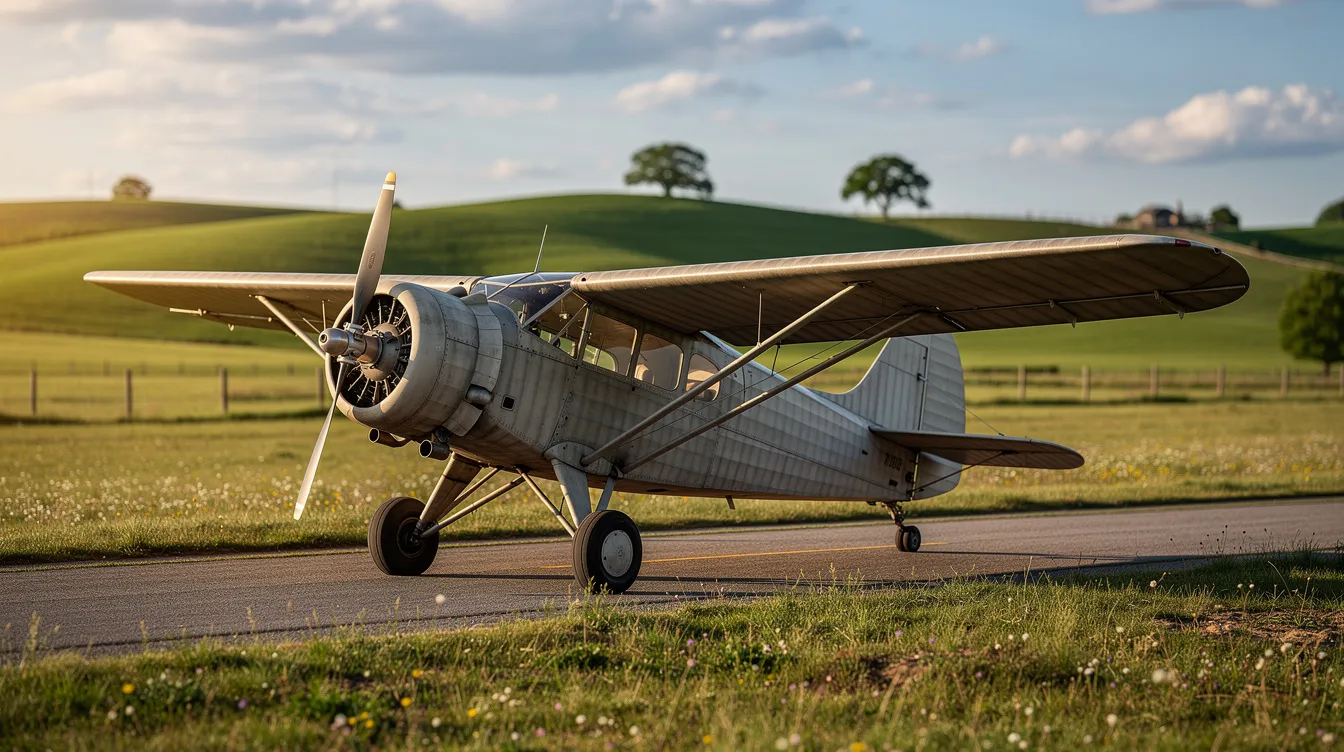
Affordable Four-Seaters: Cessna 172, Piper Cherokee, Stinson 108 & More
Budget-conscious family pilots often need the cheapest family aircraft that can carry passengers, baggage, and handle cross-country flights. Here are the best value airplanes in the four-seat category.
Cessna 172 Skyhawk: The world's most produced plane, period. Used prices in 2026 range from $50,000 to $120,000+, with cruise speed around 110–120 knots and legendary reliability. Parts availability is unmatched, and many pilots consider it the single best entry into single-engine aircraft ownership.
Piper PA-28-140/160 Cherokee: This low-wing alternative offers stable flight characteristics, 2–4 seat configurations, cruise around 105–115 knots, and relatively low-cost fuel burns of 8–10 GPH. Piper PA models have deep aftermarket support and remain popular at flight schools.
Stinson 108: One of the more affordable four-seat taildraggers, often in the $35,000–$60,000 bracket, with comfortable cabins, good short-field performance, and classic styling. Piper J-3 Cub prices start around $42,000 due to demand, but the Stinson offers more cabin space for a similar investment.
Other solid picks include the Beechcraft Musketeer and early Cessna 182. Insurance costs and fuel costs will be higher than two-seat trainers, but annual costs remain manageable if flown regularly. For many aircraft owners who carry 3–4 passengers only occasionally, stepping into a larger cabin via BlackJet's Jet Card programs may be more efficient than paying year-round for a seldom-used piston aircraft, especially for travelers also considering 10 million dollar private jet ownership and access options.
Light Sport Aircraft (LSA) & Ultralights: Low Operating Costs, Clear Limits
Light sport aircraft and ultralights represent categories with low operating costs, modern safety features, and in some regions lighter licensing requirements.
LSA basics: maximum 2 seats, weight and speed restrictions, and the ability in many cases to burn automotive fuel (MOGAS) - keeping fuel costs under roughly $25/hour. Concrete examples include Van's RV-12 and Flight Design CTLS, with used prices in 2026 between $60,000–$120,000 and typical fuel burns of 4–6 GPH. Experimental aircraft often have lower maintenance costs and modern performance characteristics compared to certified legacy designs, and some travelers even combine them with affordable private plane rideshare options for longer trips.
Ultralights are even more minimalistic, affordable planes, often $15,000–$30,000 new, with extremely low maintenance and storage costs but strict limits on payload, weather capability, and range. They suit budget-conscious buyers focused on local recreational flying rather than long-range IFR travel and illustrate some of the cheapest new plane options for aspiring pilots.
LSAs and ultralights rarely replace private jet travel. Instead, they complement it - an enthusiast might keep a simple LSA for weekend local flights while using BlackJet Jet Cards for business or family trips requiring speed, range, and comfort. For similar enthusiast-builder options, BlackJet has also covered affordable kit aircraft worth exploring, along with a comprehensive guide to leasing a private jet for more flexible access.
Operating Costs, Annual Inspections & Insurance: The Real Price of a Cheap Plane
A $20,000–$40,000 purchase is only the beginning. Ongoing costs over 5–10 years determine whether a cheap airplane is truly an affordable aircraft - or a money pit. A $20,000 plane with $5,000/year maintenance can be a bad deal if you're only flying 30 hours annually.
Annual Inspections
For simple single-engine aircraft, annual inspections typically cost between $750 and $2,000 for straightforward cases. Annual inspections for certified aircraft cost typically $2,000 to $5,000 when discoveries during the inspection add squawks to the bill. Hidden operating costs can include unexpected repairs and replacement parts.
Fuel Costs
The dominant variable cost. With 2026 avgas averaging about $8.13/gallon, a Cessna 150 at 6 GPH costs ~$49/flight hour in fuel alone; a Cessna 172 at 7.5 GPH runs ~$61/hour. Fuel costs can account for 70% of variable operational costs across most light aircraft, a useful benchmark when comparing with the hourly economics of a 50-hour jet card program.
Insurance
Hull value, pilot experience, aircraft age, and hangar vs. tie-down storage influence premiums. Expect ~$1,200–$3,000 annually for basic single-engine models, which can be weighed against alternatives like NetJets jet card costs and benefits.
Other Recurring Costs
Hangar storage costs range from $300 to $600 per month.
Add subscriptions, consumables (tires, brakes, oil), and engine overhaul reserves at $10–$18/hour.
Fixed costs for aircraft ownership include insurance, inspections, and hangar fees that accumulate regardless of usage.
Annual operational costs for small aircraft average $8,000 to $12,000, and total yearly operating expenses can climb higher with surprises.
For aircraft owners who only fly a few business trips per year, paying per hour on a Jet Card avoids these fixed costs entirely, especially when you factor in the complete structure of jet card pricing and related fees.
Financing, Co-Ownership & Flying Clubs for Budget-Conscious Buyers
Not everyone needs to buy outright. Several structures reduce both upfront and ongoing costs.
Aircraft Loans
Typical terms run 10–20 years with interest rates in 2025–2026 around 6–9%.
Monthly payments on a $50,000 aircraft with 20% down over 10 years at 7% land around $420–$450/month - before operating costs.
Co-Ownership Partnerships
Two or three pilots splitting the purchase price, hangar, insurance, and maintenance costs can dramatically change the math.
Co-ownership of aircraft can significantly reduce overall expenses.
Shared ownership can reduce aircraft expenses significantly, but written agreements covering scheduling, cost splits, and exit clauses are essential.
These co-ownership partnerships work best when the partners have compatible flying schedules.
Flying Clubs
Flying clubs allow members access to shared aircraft, reducing individual costs.
A typical structure involves a one-time buy-in ($1,000–$5,000), monthly dues ($50–$150), and hourly wet rates.
Wet rental rates typically range from $120 to $220 per hour - often less than FBO rental rates.
Renting an airplane is typically billed wet or dry, with wet rates including fuel.
Leaseback
Ownership typically makes financial sense if you fly frequently enough to justify fixed costs. For those who don't, BlackJet's membership model works similarly to a flying club - spreading access costs across members - but with professionally crewed light jets, midsize jets, and large cabin jets and zero maintenance responsibility, making it one of the best jet card options for frequent flyers seeking predictable costs.
Managing Maintenance & DIY: Keeping Cheap Airplanes Truly Affordable
Disciplined maintenance planning is what separates an affordable plane from a financial burden.
Owner-permitted preventive maintenance - oil changes, spark plug cleaning, replacing tires and bulbs - saves hundreds annually when performed within regulations. Choosing common models like the Cessna 150, Cessna 172, or Piper PA-28 means parts are easy to source, and most mechanics know these aircraft intimately, enabling budget-friendly maintenance schedules. Annual operational costs for small aircraft range from $8,000 to $12,000 when managed proactively.
Best Practices for Low Maintenance Ownership
Replace hoses and wear items before failure
Perform regular corrosion checks on vintage aircraft
Stay ahead of Airworthiness Directives
Join a pilots association, type clubs, EAA chapters, and online forums for troubleshooting tips and vetted shop recommendations.
While DIY work manages costs on simple, affordable airplanes, high-performance turboprops and jets demand professional maintenance - one reason travelers who only need jet capability occasionally choose charter or a jet card program over ownership, or apply smart strategies to fly private as cheaply as possible.
Ownership vs. Charter vs. Jet Cards: When an "Affordable Plane" Isn't the Smartest Option
An affordable plane on paper may not be the smartest financial choice for pilots or executives flying fewer than 60–100 hours per year, especially once you compare it with what it actually costs to rent a private jet for specific trips.
Comparison Table: Ownership vs. Charter vs. Jet Cards
Option | Fixed Costs | Variable Costs | Flexibility | Maintenance Risk | Typical Use Case |
|---|
Ownership | High | Moderate | High | Owner's burden | Frequent flyers (60+ hrs/year) |
Charter | None | High | Highest | None | Occasional trips, pay-per-trip |
Jet Cards | Low/None | Moderate | High | None | Predictable access, frequent but not full-time use |
Comparative example: Owning a $30,000 Cessna 150 flown 50 hours/year costs roughly $11,000–$15,000 annually (fixed costs plus variable cost per hour). That same $15,000 buys roughly 2–3 on-demand charter flights in a light jet - covering distances and schedules no Cessna 150 can match.
On-demand charter offers no fixed costs and pay-per-trip flexibility, but higher hourly rates and potential surcharges for short notice or repositioning. Jet Cards occupy the middle ground: prepaid hours at locked rates, guaranteed availability, transparent pricing, and 24/7 digital booking tools, with options like a 100-hour jet card cost structure tailored to frequent travelers. BlackJet's Jet Card programs, including its 25+ Hour Jet Card for flexible mid- and large-cabin access, function as the private aviation parallel to a flying club - without any maintenance risk.
Many high-net-worth individuals keep a small airplane for local leisure flying while relying on a BlackJet membership for time-critical regional or international trips where a Cessna 150 or Cherokee simply cannot compete. The calculation is straightforward: estimate your expected annual flight hours, map your mission profiles (distance, passengers, weather), and honestly assess the value of your time. For many, the variable cost of Jet Card access beats the fixed burden of ownership.
Safety, Technology & Sustainability on a Budget
Safety and technology upgrades significantly affect the true affordability of older cheap planes. Replacing outdated radios with modern GPS/ADS-B units can cost $10,000–$30,000 - investments that may exceed the hull value of the aircraft itself. Budget-conscious buyers should evaluate whether basic VFR instruments suffice for their mission or whether IFR-capable avionics are essential.
Cutting corners on safety is never an acceptable way to make flying cheaper. Shoulder harness retrofits, engine monitoring, and quality maintenance standards protect both lives and long-term investment value.
On sustainability: small piston aircraft have relatively low fuel burns but still emit CO₂, and 100LL avgas contains lead. BlackJet ensures all Jet Card and charter flights are carbon-neutral through integrated offset programs - at no extra cost. For environmentally conscious travelers who fly occasionally, booking carbon-neutral private flights or exploring the cheapest private jet options that balance cost and efficiency may be more sustainable than holding and operating an underutilized personal airplane.
Choosing the Right Affordable Plane for Your Mission
Matching the plane to your mission, hours, and budget matters more than chasing the absolute most affordable aircraft on classified sites.
Mission | Suggested Aircraft | Why |
|---|
Local fun flying / hour-building | Cessna 150, Aeronca Champ | Low cost per flight hour, easy handling, strong training pedigree |
Flight training for new pilots | Cessna 150/152, Piper Tomahawk | Proven trainers at flight schools, narrow landing gear teaches precision |
Family trips (3–4 people) | Cessna 172, Piper Cherokee 140 | Cheapest family aircraft with four seats and cross-country range |
Faster cross-country on a budget | Mooney M20, Cessna 182 | Higher cruise speed, still a relatively low-cost single-engine aircraft |
Business travel, multi-city, international | BlackJet Jet Card (light jets+) | No ownership burden, speed, flexibility, carbon-neutral |
Think about runway lengths, typical weather, comfort expectations, luggage needs, and how often you'll really fly per year. For missions involving international routes, complex itineraries, or tight schedules, private jets accessed via Jet Cards remain the more strategic "affordable" option once time, flexibility, and opportunity cost enter the equation, especially when you understand the broader private jet price list across aircraft types and access models.
Frequently Asked Questions About Affordable Planes
What is the minimum annual budget to safely own a simple small plane?
Even the cheapest planes require a baseline annual budget. For a simple, hangared single-engine aircraft flown 50–75 hours per year, plan on roughly $7,000–$9,000 annually covering insurance, basic maintenance, fuel, and hangar or tiedown fees. Annual inspections typically cost between $750 and $2,000, and fuel costs for 50 hours add $1,500–$3,000 depending on the engine.
How many hours per year make ownership cheaper than chartering?
Ownership tends to become financially competitive around 100–150 hours per year for basic single-engine aircraft, given fixed costs exist whether the plane flies or not. Below that threshold—especially in the 20–60 hour range—on-demand charter or Jet Card programs often prove more economical, offering flexibility without fixed overhead.
Are older vintage planes as safe as newer models if maintained properly?
Airworthiness depends on condition, maintenance quality, and regulatory compliance—not age alone. Many vintage aircraft fly safely today with meticulous care. However, older designs may lack modern safety features, so upgrades and rigorous maintenance are essential.
Can I offset ownership costs by renting my plane to others?
Yes, through leaseback arrangements, dry leases, or flying clubs. These options can help offset expenses but come with trade-offs like increased wear and scheduling complexity. Consult legal and insurance professionals before pursuing rental agreements.
How does BlackJet’s Jet Card compare to owning an affordable plane?
BlackJet’s Jet Card offers prepaid access to professionally crewed private jets with no maintenance, hangar, or insurance costs. For travelers flying fewer than 60–100 hours annually or those valuing time savings and flexibility, Jet Cards provide a cost-effective alternative to ownership with carbon-neutral flights included.
What should I look for in a pre-purchase inspection?
A thorough inspection covers airframe, engine, propeller, avionics, corrosion, compression, and compliance with Airworthiness Directives. Expect fees around $800–$1,500. Complete maintenance logs and no major damage history are critical for a sound purchase.
Are light sport aircraft (LSA) a good affordable plane option?
LSAs offer lower operating costs and lighter licensing requirements but have limits on payload, range, and weather capability. They are ideal for local recreational flying but not suitable for cross-country or IFR missions.
What financing options are available for affordable planes?
Aviation loans with terms from 10 to 20 years and interest rates around 6–9% are common. Down payments often start at 20%. Financing helps spread out the purchase cost alongside ongoing operating expenses.
How can I manage maintenance costs on a budget?
Choose common, well-supported models; perform owner-permitted preventive maintenance; stay ahead of inspections and Airworthiness Directives; and leverage pilot communities and type clubs for advice and parts sourcing.
What are typical fuel costs for affordable planes?
Fuel can account for about 70% of variable operating costs. For example, a Cessna 150 burning 6 gallons per hour at $8 per gallon results in roughly $48 per flight hour in fuel alone.
Conclusion: Fly Affordably - Whether You Own, Share, or Charter
Truly affordable airplanes balance purchase price, operating costs, insurance costs, and annual inspections with the owner's real flying habits. Usedsingle-enginee trainers and light aircraft can be remarkably cost-effective for active pilots - especially when supported by thoughtful maintenance, co-ownership partnerships, or club participation.
But for many high-net-worth or corporate travelers, the smartest "affordable" move is skipping ownership entirely and using a curated private jet solution for crucial trips while perhaps renting or club-flying a light aircraft for fun, leveraging the cheapest private aircraft and access models to keep total costs under control. BlackJet's premium private jet cards and membership programs deliver seamless, carbon-neutral private jet access that respects both your time and your budget - no hangar fees, no annual inspections, no surprises.
Discover how BlackJet can reshape your travel → Or, if you prefer to start smaller, explore how to buy a single seat on a private jet through shared or semi-private options.


 Sign up with google
 Sign up with Apple


