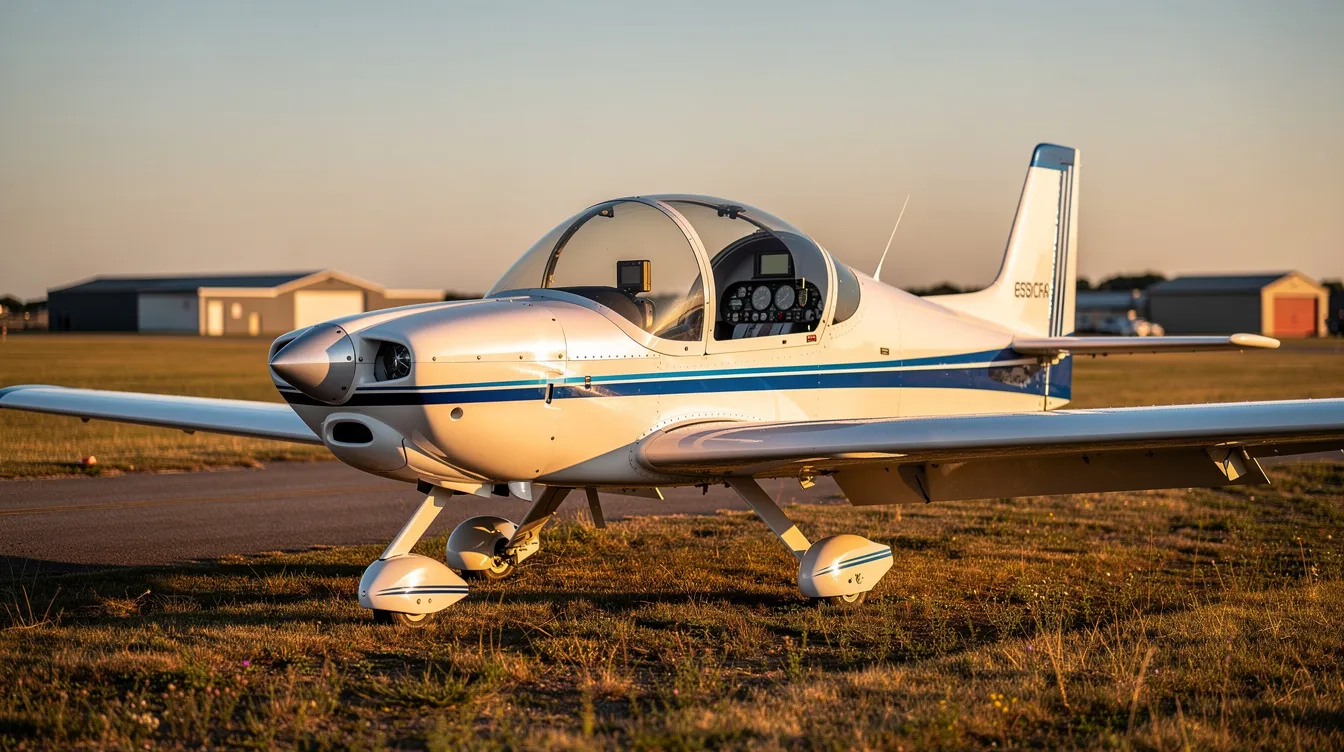
For the discerning traveler who values both the freedom of personal flight and the efficiency of premium aviation access, kit aircraft represent one of the most compelling developments in modern aviation. In recent years, there has been a surge in popularity and technological advancements in kit aircraft, making them more accessible and appealing than ever. Deciding to build a kit aircraft requires evaluating your budget, available time, skill level, and workshop space.
This guide is for private aviators, aviation enthusiasts, and prospective kit builders seeking a comprehensive overview of kit aircraft ownership and operation. It covers definitions, regulatory context, build considerations, costs, safety, and how kit aircraft compare to jet card programs.
Consider the contrast: a new certified aircraft like a Cessna 172 commands north of $400,000, with annual fixed costs exceeding $20,000. For example, the average vehicle costs around $37,000, so building a kit aircraft for less than $25,000 can save a significant amount of money and is an attractive alternative for many. A completed kit aircraft from manufacturers like Van’s RV series or Kitfox delivers comparable or better performance for $80,000–$150,000 total investment. Van’s alone boasts over 10,000 flying examples worldwide, while Kitfox has delivered more than 7,000 kits to 43 countries with zero reported in-flight structural failures.
This guide walks through kit aircraft types, leading models, build considerations, and safety realities—while clarifying how a jet card program like BlackJet’s premium private jet card programs complements rather than replaces personal kitplane ownership.
Core Themes at a Glance:
Cost: 50–70% savings versus certified aircraft
Freedom: Build to your specifications, fly on your schedule
Regulatory Framework: FAA Experimental category with clear builder requirements
What Is a Kit Aircraft? Key Definitions and Regulatory Context
Understanding aircraft kits requires familiarity with Federal Aviation Administration terminology and the regulatory framework that governs aircraft homebuilding in the United States.
Kit aircraft are formally classified under the Experimental-Amateur Built (E-AB) category, governed by 14 CFR section 21.191(g). The critical distinction lies in the 51% Rule: the builder must perform at least 51% of fabrication and assembly to qualify for certification. This separates legitimate homebuilt aircraft from factory-built planes wearing an experimental label.
Key Terms Defined:
Kit Aircraft / Homebuilt / Amateur-Built: Aircraft constructed by non-professionals primarily for educational or recreational purposes, operating under experimental airworthiness certificates without type certification
Experimental-Amateur Built (E-AB): The primary certification category for kit aircraft; allows significant builder customization but requires adherence to the 51% rule
Experimental Light Sport Aircraft (E-LSA): A subset adhering to Light Sport Aircraft parameters: maximum 1,320 pounds takeoff weight for landplanes, 120-knot maximum level speed, simplified construction for sport pilots
51% Rule: FAA requirement that the builder perform the major portion of fabrication and assembly; the FAA evaluates kits to ensure sufficient work remains for the builder
Plans-Only vs. Partial vs. Quick-Build Kits: Ranging from blueprints requiring full scratch-building to comprehensive kits with pre-assembled wings or fuselages, matched-hole drilling, and CNC-laser-cut parts
Quick-build kits may include major components such as pre-assembled wings or a fuselage, streamlining the assembly process and integrating critical structural elements.
These aircraft are typically single- or two-seat designs focused on recreation, training, or personal regional travel—not jet-like business aviation.
In the United States, homebuilt aircraft are classified as Experimental under FAA regulations, allowing builders to construct aircraft for personal use without the need for certification as a commercial product. The primary builder can apply for a Repairman Certificate, which permits them to perform required annual condition inspections on their specific aircraft, enhancing maintenance flexibility and cost control.
When budgeting for a kit aircraft, a common guideline is the one-third rule: allocate one-third of your budget for the airframe kit, one-third for the engine and propeller, and one-third for avionics, interior, and paint.
Standard Features in Modern Kit Aircraft Designs
Modern kit aircraft designs have evolved dramatically from their 1980s predecessors. Today’s offerings incorporate manufacturing precision and ergonomic features that would have been unthinkable a generation ago.
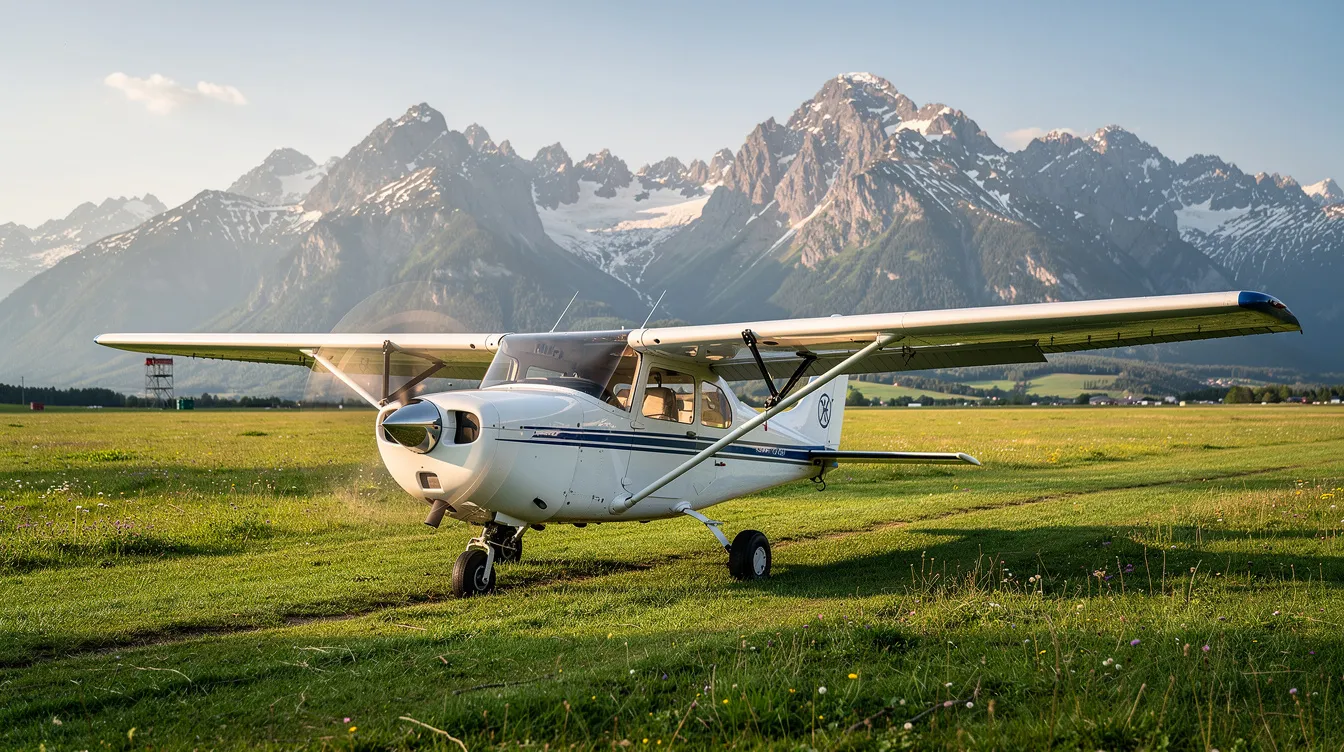
Common Design Traits Across Leading Brands:
Folding or removable wings for hangar storage (Kitfox Series 7 folds to under 8 feet total width, and its folding wings can be folded within 15 minutes, providing the advantage of non-traditional storage and travel options)
Convertible landing gear options: tri gear for easier ground handling or tail dragger configurations for rough-field capability, offering the advantage of flexibility for different operating environments
STOL capabilities with 150–290 foot ground rolls standard on adventure-focused designs, an advantage for short or unimproved runways
4130 chromoly steel tube fuselages are welded to aircraft-grade specifications for the advantage of strength and durability
6061-T6 aluminum skins and spars for structural efficiency, providing the advantage of reduced weight and increased performance
Finnish birch ribs provide torsion strength in fabric-covered designs, an advantage for structural integrity
Composite cowlings for weight savings, offering the advantage of improved fuel efficiency
Poly-Fiber fabric coverings treated with Poly-Tac and Poly-Brush for durability, an advantage for long-term maintenance
Ergonomic and Technology Features:
Side-by-side seats (typically 2 seats; 27-inch cockpit width common in LSA-class kits), an advantage for comfort and usability during flight
Oversized doors for entry/exit
Four-point harnesses and hydraulic toe brakes
Glass cockpit options like Dynon SkyView with synthetic vision and autopilots
Modern kits include comprehensive equipment such as brakes, avionics, and other essential components, which is an advantage as it reduces build time and ensures optimal aircraft performance
Matched-hole, CNC-cut, and laser-cut components reduce build time by 30–50% versus legacy kits
Kit builders can install modern technology, such as advanced electronic flight displays or LED lighting, at a lower cost compared to certified parts, enhancing both functionality and affordability.
Assembly Manuals and Builder Support
The quality of documentation separates a rewarding build from a frustrating one. Superior manuals correlate directly with 20–30% faster builds, higher airframe longevity, and 10–20% better resale value.
Kitfox’s industry-leading builders manual exemplifies best practices: comprehensive binder-style guides with step-by-step drawings, hardware callouts, torque sequences (AN bolt specs at 25–40 in-lbs), wiring diagrams, and EAA-inspired safety checklists covering fireproofing and fuel system integrity. Sonex’s Onex manuals leverage matched-hole technology for foolproof alignment.
What Strong Documentation Includes:
Step-by-step drawings with clear visual references
Complete hardware lists and specifications
Torque sequences for critical fasteners
Systems diagrams (electrical, fuel, controls)
Safety checklists and inspection procedures
Factory Support Ecosystems:
24/7 phone and email technical support
Active owner forums (e.g., Kitfox’s “Kitfoxers” community)
EAA chapter workshops and builder-assist weekends
Factory visits where crews help accelerate complex assemblies
Questions to Ask Before You Buy a Kit:
Can I review sample manual pages before purchase?
How frequently are manuals revised and updated?
What video tutorials or multimedia resources are available?
What are builder-assist program costs and availability?
Popular Kit Aircraft Families and Their Use Cases
Different aircraft families optimize for different missions. Understanding these distinctions helps match aircraft to your flying goals.
STOL/Adventure Aircraft:
Model | Wingspan | Useful Load | Cruise Speed | Takeoff Roll | Stall Speed |
|---|
Kitfox Series 7 Super Sport | 36 ft | 725–800 lb | 120–130 mph | 150 ft | ~40 mph |
Kitfox STi | 36 ft | 700+ lb | 110–120 mph | 150 ft | ~37 mph |
Just Aircraft Highlander | 31 ft | 650 lb | 100–110 mph | 200 ft | ~32 mph |
These aircraft excel on rough strips, with tundra tire options and chromoly tube-and-fabric construction designed for rugged 1,500–2,000-foot grass strips. Their low stall speed enhances safety and control during approach and landing, making them ideal for short and unimproved runways.
Cross-Country Cruisers:
Van’s RV-10: Four-seat, 210 mph cruise on 260 hp Lycoming (E-AB, not LSA), stall speed ~57 mph
Zenith CH 650B: All-aluminum, blind-riveted construction; 150–160 mph cruise on 100 hp; 43-gallon fuel capacity for 800+ nm range, stall speed ~38 mph
Rans S-21 Outbound: 815 lb useful load, 155 mph cruise, 325-foot takeoff, 43 gallons fuel, stall speed ~45 mph
Entry-Level Options (Sub-$25K Base Price):
Kits range from 'plans only'—where you fabricate most parts yourself—to 'quick-build' kits that come partially completed, reducing labor for builders who want to spend less time on construction.
Building a kit aircraft typically requires between 500 and 2,000+ hours of labor, depending on design complexity. Successful kit builders often make it a habit to work on their project daily, even if for a short time, steadily progressing toward completion.
Note that base price excludes $20K–$40K you may need to spend on engine options and $10K–$30K for avionics—pushing completed totals to 2–3× the kit cost.
Many builders opt for simpler designs to keep costs down, as a lighter, simpler airplane requires less fuel and has lower overall operating costs, making it an economical choice for recreational flying.
Key considerations in building a kit aircraft include defining the mission, choosing materials, and evaluating manufacturer support. These decisions influence build time, complexity, performance, and safety.
Engines and Performance: From 80 HP to 180 HP
Engine choice fundamentally shapes mission capability, operating economics, and insurance costs. The market offers everything from proven aviation powerplants to experimental conversions.
Common Engine Families:
Engine | Horsepower | Typical Cruise | Fuel Burn | Notes |
|---|
Rotax 912iS/ULS | 100 hp | 110–130 mph | 5 gph | Fuel-injected, 30,000+ hr TBO |
Rotax 914 UL | 115 hp | 120–140 mph | 6 gph | Turbocharged for density altitude |
Rotax 915 iS | 141 hp | 140–160 mph | 7 gph | Top-tier LSA power |
Jabiru 2200/3300 | 80–120 hp | 100–130 mph | 4–5 gph | Economical, more maintenance |
AeroVee/VW | 80 hp | 90–110 mph | 4 gph | Budget-friendly ($15K) |
Continental O-200 | 100 hp | 110–130 mph | 6 gph | Certified, proven, heavier |
Lycoming O-320 | 160 hp | 140–170 mph | 8 gph | Higher performance, higher cost |
Performance Envelopes:
LSA-class kits with 80–100 hp typically cruise 90–130 mph. The Sonex Onex achieves 135–155 mph TAS with 700–900 fpm climb and 535 nm range at sea level. Higher horsepower boosts useful load but increases insurance by 20–50% for unproven engine combinations.
Why Not Automotive Engines? While Corvair and other engines offer ul power at lower cost, factory-supported aviation engines like Rotax provide better reliability data, easier parts sourcing, and lower insurance premiums. Automotive conversions risk vibration issues and lack the flight testing pedigree insurers prefer.
Structures, Materials, and Testing
Homebuilt aircraft can be constructed from various materials, including wood, metal, and composite materials, each employing different construction techniques.
Structural integrity determines both safety and longevity. Modern kit manufacturers have developed approaches that minimize builder-induced variability while maximizing strength.
Wooden aircraft structures typically use Sitka spruce and Douglas fir, which are joined with adhesive and covered in aircraft fabric for strength and durability.
Metal construction methods for aircraft include sheet aluminum, tube aluminum, and welded steel tube, often requiring metal-cutting and riveting techniques.
Composite aircraft construction involves using high tensile strength fabrics like fiberglass or carbon fiber combined with structural plastics, allowing for advanced design capabilities.
Many builders opt for dedicated aircraft engines for better performance and reliability.
Primary Structural Approaches:
Welded 4130 chromoly steel tube fuselages (yield strength 63 ksi) form crash-resistant structures with chromoly lift struts
All-metal aluminum monocoque designs using blind rivets for simplified construction
Wood-composite hybrids combining traditional materials with modern manufacturing
Kitfox exemplifies rigorous development: 30+ years of refinements, precision-welded fuselages, aircraft-grade Finnish birch ribs, and over a million accumulated flight hours validating designs. The company reports zero in-flight structural failures across 4,000+ completed aircraft.
Modern Manufacturing Advantages:
CNC cutting offers the advantage of ±0.005-inch tolerances versus older hand methods prone to 0.1-inch variances
Matched-hole tooling provides the advantage of eliminating alignment guesswork
Carbon fiber components add the advantage of 20–30% weight savings where applied
Static load testing to +6/-3G validates aerobatic-capable structures
Inspections focus on weld penetrants, airworthiness directive compliance, and careful 100-hour phase-one evaluations during initial flight testing.
Safety in Kit Aircraft vs. Certified Aircraft
Transparent discussion of the safety record is essential for informed decision-making. Data indicates Experimental-Amateur Built aircraft experience accident rates 3–4× higher than certified general aviation aircraft, according to FAA analyses and EAA trend studies.
Standard aircraft are "type-certified" by the FAA, indicating they must meet strict safety standards in design and production processes, a rigor not required for kit aircraft.
Primary Contributing Factors:
Builder variances (5–10% involve airframe issues)
Insufficient transition training during phase I 25-hour restrictions
Novel prop/engine combinations without adequate testing
Second owners unfamiliar with aircraft-specific characteristics
Powerplant failures from experimental or poorly maintained engines
Most nations require amateur-built aircraft to be marked as such, and additional flight testing is typically mandated before non-pilot passengers can be carried, ensuring transparency and safety for occupants.
Mitigation Strategies:
EAA SportAir courses and type-specific mentoring
FAA-compliant test flight plans
Conservative operating habits during initial hours
Proficiency maintenance through regular flying
Records like Kitfox’s zero structural failures demonstrate that well-designed, properly built, and conservatively operated kit aircraft can achieve excellent safety outcomes.
When to Choose a Kitplane—and When to Rely on BlackJet: Kit aircraft shine for recreational VFR flying in good weather. For IFR conditions, time-critical business travel, or missions exceeding 500 nm, professionally crewed jets accessed via BlackJet provide weather resilience, safety certification, and cabin comfort that experimental aircraft cannot match.
Cost Realities: Purchase, Build, and Operating Economics
Understanding true costs requires looking beyond the base price prominently displayed in manufacturers’ marketing.
Typical Cost Stack for a Two-Seat Cross-Country Kit:
Component | Cost Range |
|---|
Base Kit (Airframe) | $20,000–$50,000 |
Engine (Rotax 912) | $20,000–$30,000 |
Avionics Package | $10,000–$30,000 |
Paint and Interior | $5,000–$15,000 |
Tools and Workspace | $5,000–$10,000 |
Total Completed | $80,000–$150,000 |
Annual Operating Costs:
Hangar: $2,000–$6,000 depending on location
Insurance: $1,000–$2,500 (higher for low-time pilots)
Fuel: $3,000–$5,000 (50 hours at 5 gph, $6/gallon)
Maintenance and inspections: $1,000–$2,000
Total Annual: $7,000–$15,000
Compare this to certified aircraft ownership ($15,000–$25,000+ annually) or jet travel outlined in private jet price list and ownership cost guides. However, the hidden cost of time building—often 1,000–2,000 hours at an opportunity cost of $50/hour—adds $50,000–$100,000 in theoretical value.
Kit aircraft optimize for the 100–300 nm recreational mission, not 1,000 nm business travel, where speed and crew become essential, at which point options like buying a seat on a private jet via shared or on-demand services become more appropriate.
Kit Aircraft vs. BlackJet Jet Card Access
Kit aircraft and BlackJet’s comprehensive jet card membership options serve fundamentally different but complementary roles in a sophisticated aviation lifestyle.
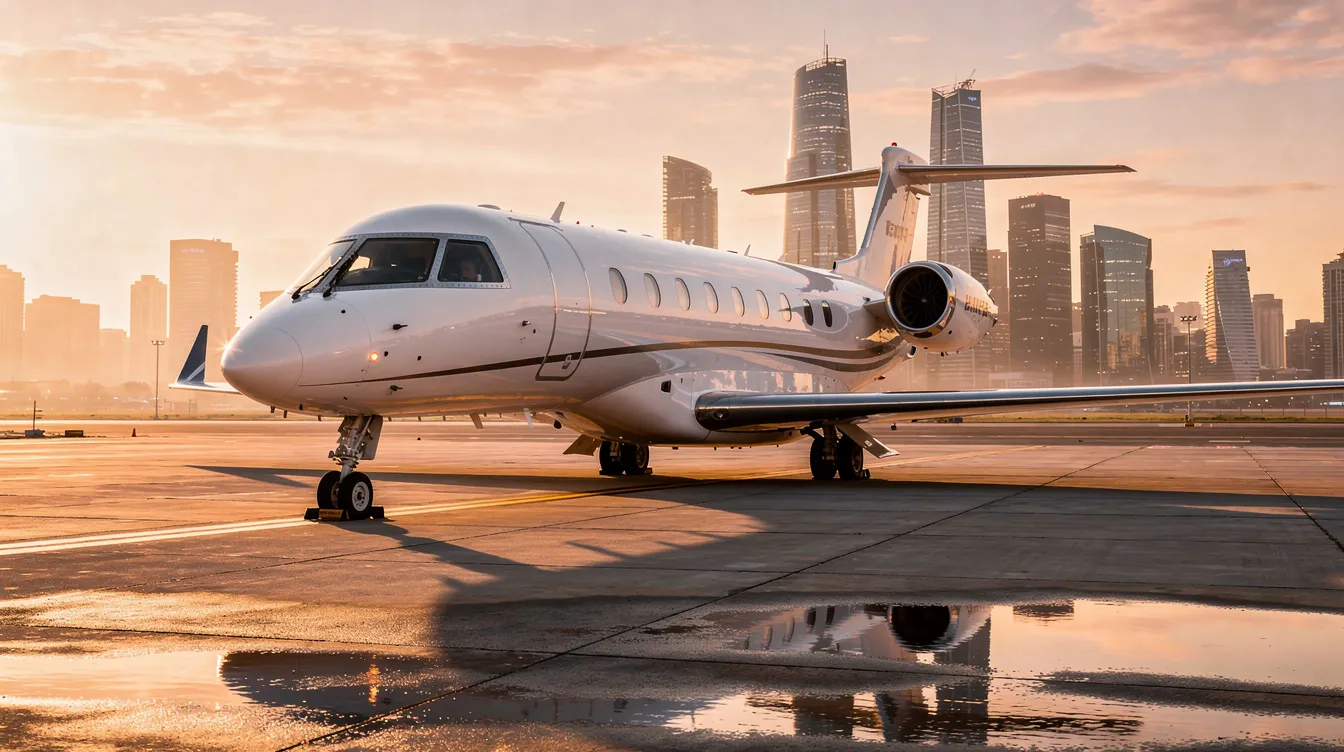
Side-by-Side Comparison:
Factor | Kit Aircraft | BlackJet Jet Card |
|---|
Typical Range | 300–600 nm | 1,000–4,000+ nm |
Cruise Speed | 100–180 mph | 400–550+ mph |
Pilot Workload | You fly, you maintain | Professional crew included |
Weather Flexibility | VFR-limited for most | Full IFR capability |
Passengers | 1–2 typical | Up to 14+ in a large cabin |
Booking | Your schedule, your plane | 24/7 digital booking |
Carbon Footprint | Low (30–40 mpg equivalent) | Carbon-neutral via offsets |
Trip Profile Contrast: For travelers who only need a few such business trips per year, a 25-hour jet card program can provide a more flexible balance between cost and guaranteed access.
A weekend builder might fly their Kitfox 300 nm to visit a friend’s private strip—a rewarding, cost-effective adventure. That same enthusiast might use BlackJet for a New York–Miami business meeting requiring a guaranteed arrival time, weather-independent travel, and the ability to work productively en route, potentially justifying a 100-hour jet card cost structure tailored to frequent missions.
BlackJet’s multi-cabin fleet access (from light jets to Gulfstreams), real-time flight support, and carbon-neutral commitment through programs like the BlackJet 25+ Hour Jet Card provide capabilities no two-seat experimental can deliver. The smart aviation enthusiast builds both into their lifestyle.
Sustainability and Technology in Private and Experimental Aviation
Both kit aircraft and modern jet cards—structured under varying jet card pricing models and fee structures—can align with environmental consciousness, though through different mechanisms.
Kit Aircraft Efficiency:
Rotax 912 engines achieve 30–40 mpg equivalent (5 gph at 120 mph)
Low empty weight and modest wing area minimize drag and fuel consumption
Minimal ground infrastructure requirements
Technology Integration:
Modern builders can equip kitplanes with glass cockpits, synthetic vision, autopilots, and ADS-B capabilities developed by innovators like Chris Heintz at Zenith Aircraft and refined across the industry.
Sustainability Snapshot: BlackJet offsets carbon emissions on every jet card flight at no additional cost to members. While kit aircraft achieve efficiency through simplicity and low fuel burn, BlackJet ensures carbon-neutral travel for multi-passenger, long-range missions where jets remain the only practical option.
Digital tools support both worlds: EAA builder logs and CAD-designed components for kitplanes; BlackJet’s mobile booking platform, providing real-time aircraft availability and flight support for jet card members, and even enabling evaluation of unlimited private jet membership concepts for very frequent flyers.
Practical Considerations Before You Choose a Kit Aircraft
Building and flying a kit aircraft requires honest self-assessment before commitment.
Personal Readiness Checklist:
[ ] 10–20 hours per week available for construction (1,000–2,000 hours total investment)
[ ] Workshop space (minimum 20×20 feet with adequate lighting and ventilation)
[ ] Mechanical aptitude or willingness to learn (EAA skills assessment available)
[ ] Access to EAA chapters or builder communities for mentorship
[ ] Budget for tools, materials, and inevitable overruns
Regulatory Steps:
Obtain FAA Repairman Certificate post-completion (allows owner-performed annuals)
Complete phase I flight testing (typically 25–40 hours in a designated area)
Track service bulletins from the manufacturer
Maintain condition inspection compliance
Training Requirements:
Tailwheel endorsement for tail dragger configurations (additional 10–20 hours)
Type-specific transition training (critical for insurance)
Consider Experimental Aircraft Association courses before committing
Phased Entry Approach:
Attend EAA AirVenture or regional fly-ins
Visit factory demo days and sit in a demonstrator aircraft
Complete the builder workshop before selecting a kit
Consider renting or co-owning before committing to a build
The term 'homebuilding' became popular in the mid-1950s, largely due to articles by EAA founder Paul Poberezny, who encouraged individuals to build their own aircraft from plans, sparking a movement that continues to inspire builders today.
FAQs About Kit Aircraft and Jet Card Travel
How long does it take to build a typical kit aircraft?
Most builders complete their aircraft in 1,000–2,000 hours over 2–5 years. Quick-build options with pre-assembled components can reduce this to 700–1,000 hours. Consistent weekly effort (10–20 hours) matters more than marathon sessions.
Can I use a kit aircraft for business travel?
Practically, no. Two-seat capacity, VFR limitations, 100–180 mph cruise speeds, and pilot workload make kitplanes unsuitable for time-critical business missions. They excel at recreational and regional personal travel.
What licenses do I need to fly a kit aircraft?
A sport pilot certificate (minimum 20 hours training) suffices for LSA-compliant kits flown under sport pilot rules. A private pilot certificate offers greater flexibility. Tailwheel endorsements are required for conventional gear airplanes.
Are kit aircraft safe?
When properly built, maintained, and flown conservatively by proficient pilots, kit aircraft achieve strong safety records. Manufacturers like Kitfox report zero in-flight structural failures. Risk increases with builder errors, inadequate training, and experimental powerplant combinations.
How does a BlackJet Jet Card compare to owning a small plane?
BlackJet provides guaranteed access to professionally crewed jets across multiple cabin classes, 24/7 booking, weather-resilient IFR operations, and carbon-neutral flights. Kit aircraft ownership offers hands-on satisfaction and low per-hour costs for local flying, but cannot match jet speed, range, or crew support.
I already fly my own kitplane—why would I need a jet card?
Your experimental excels at weekend adventures within 500 nm. When business demands a Los Angeles–Chicago meeting, weather grounds VFR flight, or you need to bring four colleagues, BlackJet delivers the capability your two-seater cannot provide.
Can I offset emissions from my personal flying?
Several organizations offer carbon offset programs for general aviation. BlackJet includes offsets on every flight as standard—ensuring carbon-neutral travel without additional member action.
Conclusion: When Kit Aircraft Shine—and When BlackJet Is the Better Tool
Kit aircraft offer something no certified aircraft or charter service can replicate: the profound satisfaction of building, understanding, and flying an aircraft you created with your own hands. For hands-on pilots willing to invest time building and maintaining their machines, kitplanes deliver unmatched customization and cost-effective regional flying. The world of experimental aviation rewards those who approach it with patience, discipline, and respect for the craft.
Yet the trade-offs are real. Speed, range, weather resilience, cabin comfort, and professional crew—these are areas where a jet card and professionally operated jets provide capabilities that transcend what any two-seat experimental can practically offer. When the mission demands New York to Miami in three hours regardless of weather, or London to Geneva with a team of colleagues working productively en route aboard a long‑range $15 million private jet, the calculation changes entirely.
BlackJet exists as the natural extension for kit aircraft enthusiasts who demand strategic, time-saving, and carbon-neutral travel for business and high-value leisure beyond recreational flying; for some, understanding jet card tax deduction strategies is part of that overall aviation planning. Many of our members build and fly their own airplanes for weekend adventures while relying on our fleet for mission-critical access. The two modes complement rather than compete.
Explore BlackJet Jet Card membership to discover how premier jet access integrates seamlessly into your aviation lifestyle—because the most sophisticated aviators understand that the right tool depends entirely on the mission at hand.


 Sign up with google
 Sign up with Apple