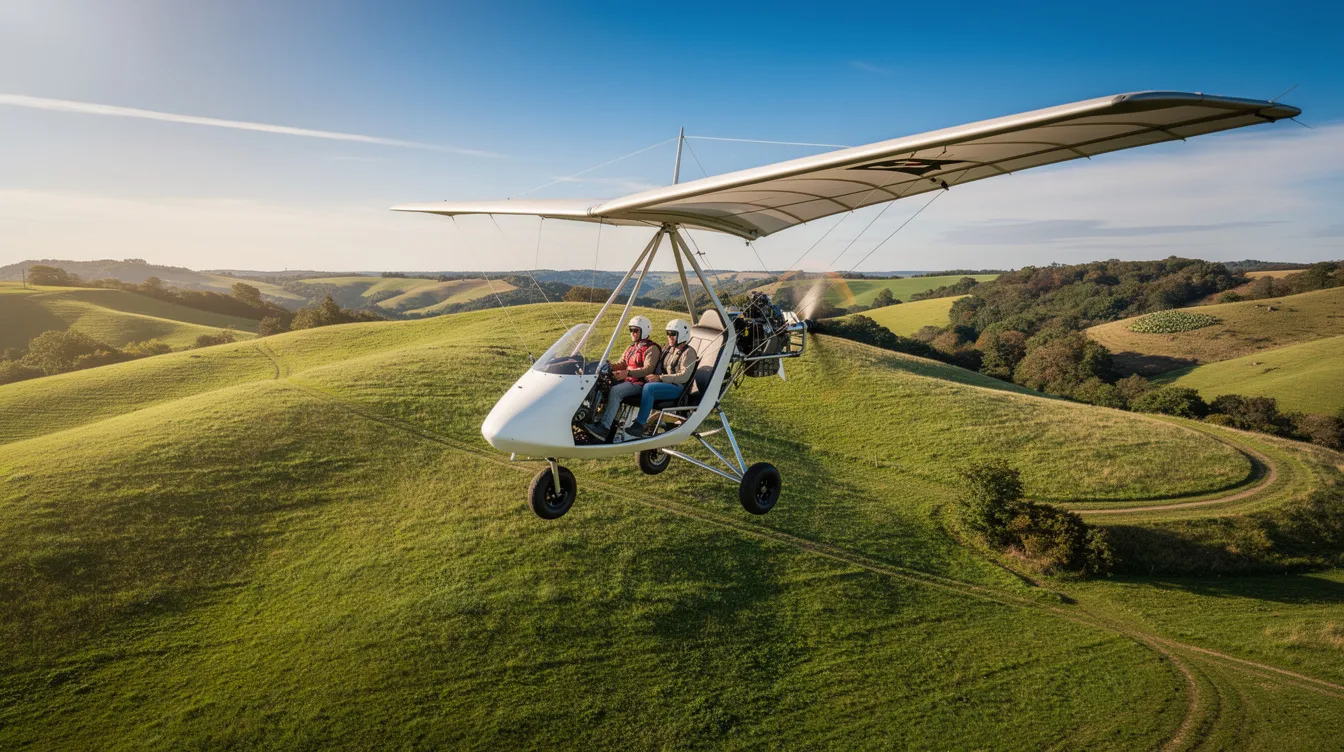
If you’ve been searching “two seat ultralight for sale” in 2026, you’re joining thousands of pilots ready to experience affordable fun flying. This guide delivers real-world price ranges, popular models, and critical inspection points to help you buy with confidence.
Key Takeaways
Two-seat ultralights bridge the gap between basic single-seat aircraft and certified light sport aircraft, offering side-by-side training capability and shared leisure flights at a fraction of traditional ownership cost.
Buyers can choose between ready-to-fly aircraft and kit form builds, with 2024–2026 market prices ranging from USD $12,000–$65,000 depending on age, engine type, and avionics configuration.
Prioritize these features immediately: airframe hours with complete logbooks, engine type and time since overhaul, integrity of control surfaces and fabric, and whether there’s a steerable tail wheel or tricycle gear.
New two-seater ultralights typically range from $25,000 to $60,000, while used models often range from $12,000 to $30,000.
While ultralight ownership suits weekend flying, BlackJet Jet Cards serve business and long-range travel where safety audits, carbon-neutral performance, and on-demand access matter, following the same principles outlined in comprehensive Jet Card pricing guides that unpack costs and benefits.
What Counts As A Two-Seat Ultralight In 2026?
A two-seat ultralight is typically a very light, two-place sport aircraft used for training or recreation. In the United States, true ultralights under FAA Part 103 are strictly limited to single occupancy—meaning two-seat aircraft that resemble ultralights generally fall into the Light Sport Aircraft or Experimental categories due to weight limits.
Typical specifications buyers encounter:
Maximum takeoff weight: 950–1,320 lbs
Cruise speed: 55–95 knots (cruise speeds for basic trainers range from 55–65 mph, while high-performance models can reach 168 mph)
Stall speed: A critical safety metric, typically between 35 and 45 mph, ensuring safer landings and better control at low speeds
Fuel burn: 3–6 gallons per hour
Useful load: approximately 570 lbs, making payload and fuel calculations essential for safe operation
Fuel capacity: 10–30 gallons, enabling ranges from 150 to over 700 miles
Common configurations include high-wing tube-and-fabric designs, tandem seating (narrower fuselage with less drag) versus side-by-side seating (better communication between pilot and passenger). Many two-seaters can take off in under 250 feet from small grass strips.
Light Sport Aircraft require a Sport Pilot certificate and aircraft registration. Unlike single-seat ultralights, two-seat ultralights require pilot registration and aircraft registration. In Canada, these fall under Advanced Ultralight rules, while EASA classifies them as microlights up to 600 kg maximum takeoff weight.
Current Market Overview: Two-Seat Ultralight For Sale Prices & Examples
The 2024–2026 resale market shows strong demand driven by post-pandemic hobby flying, limited new production slots, and active classifieds across Barnstormers, AeroExpo, and regional forums.
2026 Price Brackets:
Category | Price Range | Typical Example |
|---|
Budget | $10,000–$20,000 | 1990s tube-and-fabric, Rotax 582 |
Mid-Range | $25,000–$45,000 | 2000s design, Rotax 912 |
Premium | $55,000–$90,000 | Newer LSA, glass cockpit |
Notable models in the market include the Earthstar Odyssey, known for its innovative design offering smooth handling and exceptional visibility—suitable for both seasoned pilots and weekend flyers. The Aerolite 103 is a factory-built ultralight aircraft featuring a Hirth F23 engine with 50 horsepower, producing approximately 290 lbs of static thrust. The Flightstar Spyder comes equipped with a Rotax 447 engine and features a ballistic parachute, although buyers should verify the chute's currency as it is currently out of date.
Prices increase with low engine hours, hangared storage, modern avionics (GPS, ADS-B Out), fresh fabric, and recent inspections logged in 2024–2025.
Kit Form vs Ready-To-Fly Two-Seat Ultralights
One of the first decisions shoppers face: buy a complete, flying airplane or tackle a kit form project.
Ready-to-fly advantages:
Faster time to first flight
Proven build quality if factory-built or professionally assembled
Clearer maintenance history
Ideal for buyers with limited workshop time
Kit form benefits:
Lower upfront cost ($5,000–$15,000 for partially complete kits)
Choose your own engine, avionics, and control surfaces configuration
Deeper mechanical familiarity for ongoing maintenance
Fully finished kits with test hours typically fetch $20,000–$35,000
Many kits are sold as a complete set of parts, including everything needed for assembly
Kits may offer optional fairings for improved aerodynamics or cockpit enclosures, allowing builders to customize their aircraft
Consider a pilot choosing a used, flying RANS S-6 over starting a new kit—they wanted to be airborne by next season rather than investing 400–800 build hours in a hangar. The builder who completes their own assembly gains intimate knowledge of every system, which proves invaluable for troubleshooting.
Key Features To Inspect: Airframe, Engine, And Control Surfaces
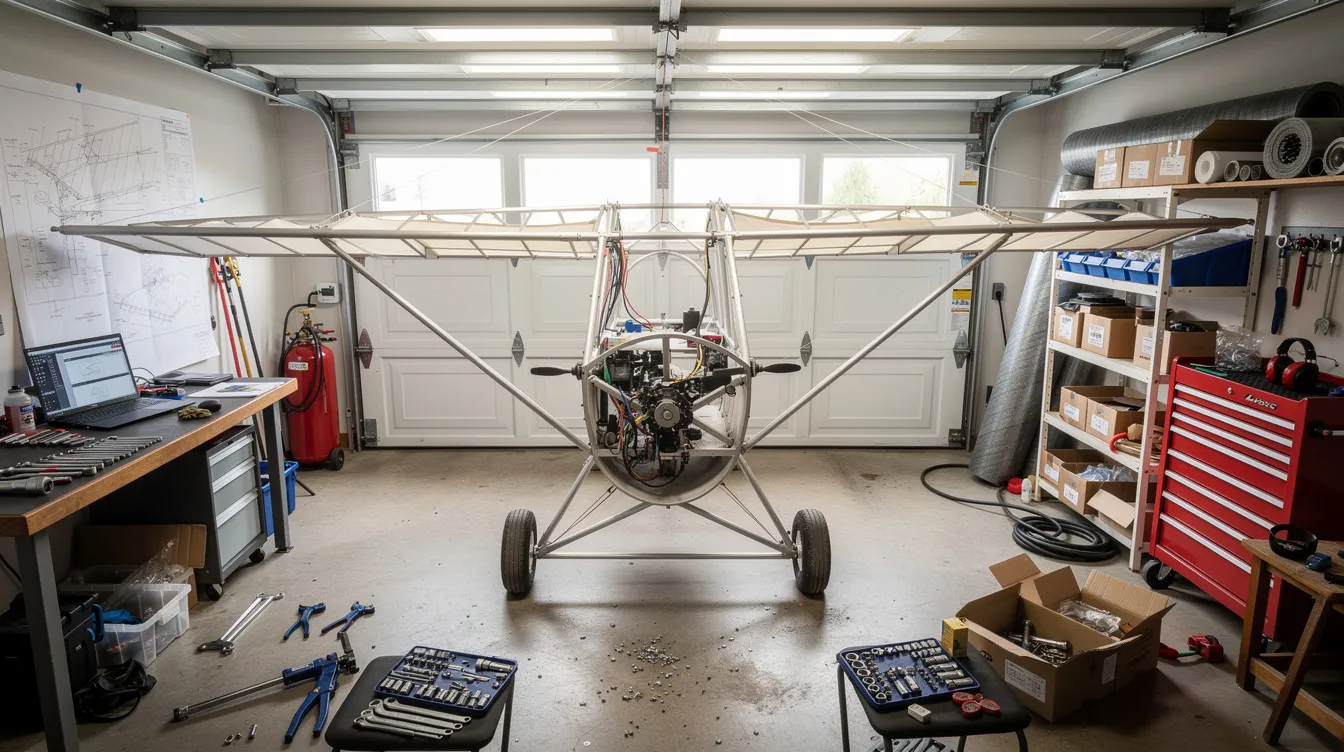
While ultralights deliver affordable fun, they remain aircraft demanding methodical technical inspections.
Airframe examination:
Total airframe hours and complete logbooks
Corrosion on metal tubing, especially at attachment points
Fabric condition (perform punch test on tube-and-fabric designs)
Incident history with properly documented repair entries
Consider construction materials: aluminum provides durability, while composite materials offer sleek aerodynamics
Engine checks:
Two-stroke engines (Rotax 447, 503, 582) are lighter and cheaper but require more frequent maintenance compared to four-stroke engines
Four-stroke engines (Rotax 912) tend to be more reliable, quieter, and more fuel-efficient
Verify compression readings and hours since overhaul
Check for oil leaks during run-up with the electric start engaged
Control surfaces inspection:
Verify smooth movement of ailerons, elevator, rudder, and flaps
Check hinges and rod-end bearings for play
Confirm correct rigging with all safety wires and cotter pins in place
Inspect the leading edge of wings for damage or deformation
Performance metrics like stall speed and cruise speed are crucial for safety—a low stall speed (typically 35–45 mph) is desired for safer landings. Payload and useful load are critical specifications, requiring calculation of occupant weight and fuel.
Taildragger vs Tricycle Gear: How A Steerable Tail Wheel Changes The Experience
Picture taxiing a classic two-seat taildragger across a grass field—the tail low, prop clearance generous, visibility over the nose requiring S-turns. Now contrast that with the familiar trike configuration’s straightforward ground handling.
A steerable tail wheel system uses mechanical linkage from rudder pedals to provide low-speed steering authority. Proper adjustment ensures straight tracking during takeoff and landing rolls. Taildraggers with steerable tail wheels excel on rough strips with better prop clearance.
Considerations by gear type:
Feature | Taildragger | Tricycle |
|---|
Ground handling | Requires skill | More forgiving |
Rough strip performance | Superior | Limited |
Crosswind technique | Demanding | Easier |
Training requirement | Tailwheel endorsement | Standard |
Low-time pilots without tailwheel endorsements should factor training costs ($1,500–$2,500) into their purchase decision. A new owner picking a tricycle-gear plane for a paved suburban airfield makes sense, while an experienced bush pilot deliberately selects a taildragger for backcountry operations.
Two Seat Ultralight vs Light Sport Aircraft vs Private Jets
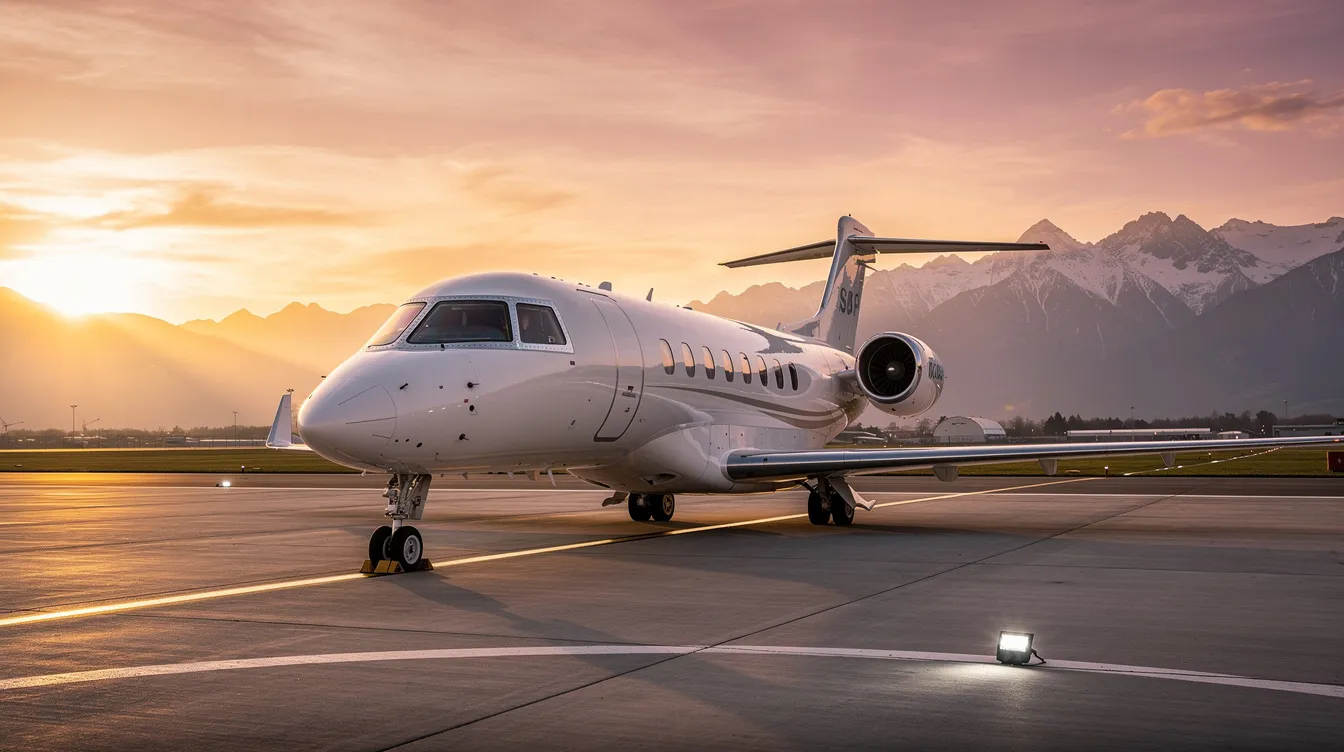
These represent distinct tools: ultralights for budget recreational flying, LSAs for cross-country comfort, and private jets with varied pricing and access models—from top-tier luxury private jets to large-cabin jets for 20 passengers, 50-passenger private charter aircraft, and even premium UK-based private jets for sale—for time-critical business travel, each fitting into broader private jet size categories tailored to different missions and the main types of private jets for every traveler.
Light sport aircraft are built on ultralight foundations with higher maximum takeoff weights, better useful loads for passengers plus baggage, certified avionics, and four-stroke engines capable of 100–135 knot cruise speeds suitable for regional trips—occupying a middle ground between budget-friendly private aircraft choices, affordable private planes for budding aviators, and more capable small private aircraft for demanding missions.
Operating cost comparison:
Ultralights excel at low acquisition costs, simple maintenance, and the pure open-air flight experience, making them comparable to other cheap light aircraft for budget-friendly flying adventures. However, they’re limited to VFR operations, typically within a few hundred miles of home.
For the same individual who keeps a two-seat ultralight for weekend adventures, a BlackJet 25+ Hour Jet Card provides professional crews, pressurized cabins, and full IFR capability for business travel between New York and Aspen or London and Nice, benefits that mirror those outlined in the complete guide to 25-hour Jet Card features and costs, with optional access to long-range private jets for intercontinental trips and potential Jet Card tax deduction strategies.
Safety, Training, And Insurance for Two-Seat Ultralight Owners
Buying a two-seat ultralight means accepting personal responsibility for training, maintenance oversight, and operating discipline—there’s no operations department monitoring every flight.
Training pathways:
Work with instructors experienced in experimental and ultralight types
Obtain Sport Pilot licensing where required (approximately $8,000–$12,000)
Invest time in pattern practice, stall training, and emergency procedures
Prioritize aircraft with safety systems such as a ballistic parachute to improve emergency landings
Annual condition inspections remain essential for experimental aircraft. Find an A&P mechanic familiar with specific types, and maintain meticulous logbooks documenting every change to airframe, engine, or control surfaces.
Insurance availability varies—liability-only policies run $200–$400 annually, while hull coverage costs $600–$1,500 depending on aircraft value. Total time, recent flight hours, and training certificates affect premiums significantly.
BlackJet operations incorporate third-party safety audits, crew recurrent training, and comprehensive insurance as standard—illustrating the contrast between personal recreational flying and curated executive-level air travel safety, especially when you evaluate whether chartering a private jet is worth it from a practical cost and time perspective or exploring strategies to fly private more cheaply.
How To Search, Evaluate Listings, And Negotiate A Purchase
Many readers arrived here after searching “two seat ultralight for sale” and finding scattered classifieds, social media groups, and forum posts.
Structure your search:
Define budget and desired specifications
Decide on taildragger vs tricycle gear
Select desired cruise speed and range
Short-list 3–5 models with adequate maintenance support
Evaluate listings for:
Logbook snapshots and detailed photos
Close-ups of engine and control surfaces
Clear mention of total airframe and engine hours
Date of last inspection and hangar history
Contact information for the owner and phone availability for inquiries
Red flags include vague maintenance history, missing serial numbers, or seller resistance to pre-buy inspection. Arrange an in-person evaluation with a mechanic, test-fly in realistic conditions, and verify registration documents match serial numbers.
Reference recent comparable sales when negotiating. Consider value from spare parts, prop, or instruments included, and walk away if safety issues surface that the seller refuses to address, especially if you’re weighing these costs against budget-friendly private aircraft options and other cheap small planes suited to tight budgets.
When To Skip Ownership And Fly Privately With BlackJet Instead
Consider the high-net-worth reader who loves aviation enough to own a two-seat ultralight but primarily needs fast, reliable travel between business hubs multiple times yearly, and may even evaluate unlimited private jet flight memberships alongside traditional Jet Cards or comprehensive private jet leasing arrangements for longer-term access while staying informed on billionaire private jet price trends in 2026.
Ultralight ownership suits local leisure flying within a couple of hundred miles of home, with limitations on weather, night operations, and payload, whereas private plane rideshare options and other ways to buy a single seat on a private jet can extend your reach without full ownership commitment, even as some buyers explore effortless private jet purchases with cryptocurrency. It’s a complement, not a substitute, for serious business travel.
BlackJet’s Jet Card model offers prepaid blocks of flight hours (25 or 50 hours), granting on-demand access to private jets across cabin classes, with many travelers starting by analyzing the 50-hour Jet Card cost and value before upgrading to larger 100-hour Jet Card programs or comparing the best Jet Cards for frequent flyers against options like NetJets Jet Card cost structures, Flexjet Jet Card pricing and options, and other top private jet companies, while also weighing affordable private jets for under 10 million and how to maximize Jet Card tax deductions.
Our core pillars include rigorous safety oversight with independent audits, carbon-neutral flights through verified offset programs, and 24/7 digital booking technology.
Position ultralight ownership as your personal passion project. Consider a BlackJet membership as your strategic travel solution—transforming time management while you keep flying for pure joy on weekends.
Elevate your travel—effortlessly. Explore how BlackJet Jet Cards can reshape your journey with safety, sustainability, and flexibility built in.
Frequently Asked Questions About Two-Seat Ultralights
FAQ: Two-Seat Ultralight For Sale
What is a realistic budget for buying a two-seat ultralight in 2026?
Expect USD $15,000–$25,000 for an older but airworthy two-seat ultralight with a two-stroke engine. Well-equipped examples with a Rotax 912 four-stroke typically run $30,000–$45,000. Newer light sport aircraft with modern avionics start around $55,000 and can exceed $85,000.
Can I legally use a two-seat ultralight for flight training?
Two-seat experimental or light sport aircraft can be used for instruction by appropriately rated instructors. True single-seat Part 103 ultralights cannot legally accommodate formal training. Check the current 2024–2026 regulations with your national aviation authority before purchasing, specifically for training purposes.
How much does it cost to operate a two-seat ultralight per hour?
Typical fuel burn runs 3–6 gallons per hour, depending on engine and power setting. Add maintenance reserves and hangar or tie-down fees, leading to rough all-in operating costs of USD $40–$90 per flight hour—not including insurance and major engine overhauls.
Is a two-seat ultralight suitable for cross-country business travel?
While some two-seat ultralights handle 200–400 nm trips in perfect weather conditions, they’re not optimized for time-sensitive business travel, IFR conditions, or carrying multiple passengers with luggage, scenarios better suited to small private aircraft optimized for range and comfort and other small private jets that deliver efficient luxury travel, which typically cruise far higher than commercial traffic as explained in how high private jets fly compared to airlines. For reliable business travel, Jet Card access through providers like BlackJet proves far more practical, especially when compared with entry-level and cheapest private jet options or simply renting a private jet on a per-trip basis.
How does owning a two-seat ultralight compare to using BlackJet?
Ultralight ownership is hands-on: you fly, maintain, and manage within VFR and performance limits. BlackJet delivers turnkey travel with professional crews, certified maintenance, safety audits, and global routing handled for you—carbon-neutral at no extra cost. Many aviation enthusiasts own both: an ultralight for weekend passion and a Jet Card for business efficiency.
Conclusion: Combining Passion with Practicality in Two-Seat Ultralight Ownership
Owning a two-seat ultralight offers an unmatched blend of affordability, hands-on flying enjoyment, and personal freedom. Whether you’re drawn to the engineering elegance of classic tube-and-fabric designs or the sleek aerodynamics of modern composites, these aircraft provide a fulfilling way to explore the skies on your terms. With careful attention to airframe condition, engine type, and control surface integrity, you can secure an ultralight that delivers both safety and fun.
However, for discerning travelers who require seamless, reliable, and time-efficient air travel—especially for business or long-distance journeys—ultralight ownership alone falls short. That’s where BlackJet’s Jet Card programs elevate your experience. Located at the forefront of private aviation, BlackJet offers prepaid access to a fleet of rigorously certified private jets, from super-midsize aircraft to some of the largest private jets for sale and charter, combining premier safety standards, carbon-neutral flights, and 24/7 digital booking convenience. This blend of sustainability, engineering excellence, and operational flexibility transforms private jet access from a luxury into a strategic advantage.
If you’re interested in expanding your aviation lifestyle beyond weekend flying, consider how BlackJet can install a new standard of effortless, sustainable private travel into your routine. Whether you’re evaluating private jets under 10 million dollars, comparing best 10 million dollar private jet options, stepping up to 5 million dollar pre-owned jets, or exploring the top features of 15 million dollar private jets and the best features of a 20 million dollar private jet, BlackJet’s expertise spans everything from newest private jet innovations for 2026 and the most expensive private jet options for luxury travel to group solutions like 16-seat private jet cabins, ideal private jets for 15 passengers, and top private jets for 30 passengers, all informed by global perspectives such as private jet pricing in rupees for the Indian market. Visit BlackJet.com to explore how their Jet Card programs provide unmatched access to private jets with the safety, style, and service that discerning travelers expect.
Elevate your travel—effortlessly. Balance your passion for ultralights with the strategic advantage of BlackJet’s premium private aviation solutions.


 Sign up with google
 Sign up with Apple