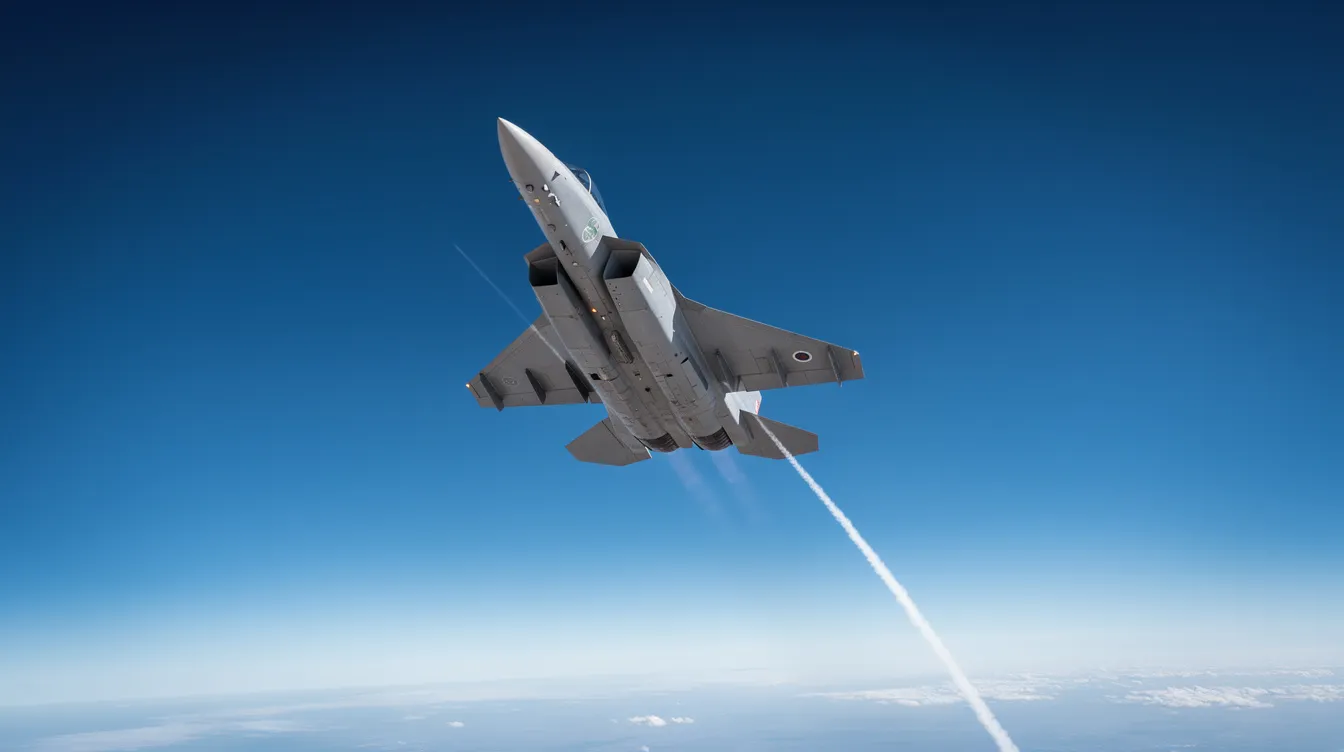
For discerning travelers who measure advantage in minutes saved and missions accomplished, understanding what powers the world's fastest aircraft—turbojet engines—is more than curiosity; it's strategic literacy. This article is for private jet travelers, aviation enthusiasts, and anyone interested in the technology behind high-speed flight. We will explain how turbojet engines work, compare them to other jet engines, and discuss their relevance in modern private aviation.
Turbojet Summary: What Is a Turbojet? Main Uses and Characteristics
Turbojets generate thrust by expelling high-speed exhaust gases.
They are commonly used in military fighter jets.
Turbojets are primarily effective at supersonic speeds.
They are generally louder than modern high-bypass turbofans.
Turbojets are less fuel-efficient at lower speeds than turbofans.
Why Turbojet Power Still Matters in Modern Jet Travel
Turbojet engines are the original pure jet engines, designed to convert fuel into raw speed. They propel military aircraft past Mach 2 and climb at rates no commercial airliner can match. In contrast, the turbofan engines aboard today's business jets cruise at Mach 0.85, burning far less fuel per nautical mile and producing a fraction of the noise.
Understanding this distinction matters. BlackJet members frequently ask what separates a turbojet from a turbofan—and why their Jet Card flights use the latter. For a broader context, it helps to understand the main types of jet engines used in aviation. The answer involves fuel consumption, range, comfort, and airport access. This article provides that clarity, connecting gas turbine fundamentals to the strategic, time-sensitive travel decisions that define private aviation.
With this context, let's define what a turbojet engine is and how it works.
What Is a Turbojet Gas Turbine Engine?
A turbojet engine is the simplest form of gas turbine propulsion. All air enters through the intake, passes through the compressor, combustor, and turbine, then exits at high speed through the nozzle; this exhaust flow generates thrust. Turbojets are simpler than turbofans with no bypass flow, meaning all air passes through the engine core.
Key characteristics of turbojet engines:
Fewer mechanical components for simplicity
No bypass flow; every molecule of air goes through the hot core
Used in military fighter jets, target drones, and experimental aircraft
Historically important models: Junkers Jumo 004 (1941–42), Rolls-Royce Welland (1943), General Electric J47 (late 1940s)
Few new pure turbojet models are manufactured today; most civil and business aircraft use turbofan engines
The term "jet engines" broadly covers turbofans, turboprops, and turboshafts—all gas turbine variants that use power differently, and they power the range of aircraft available through BlackJet’s premium private jet services and Jet Card programs.
With a clear understanding of what defines a turbojet, let's explore how these engines operate from air intake to jet thrust.
How a Turbojet Engine Works: From Air Intake to Jet Thrust
A turbojet converts chemical energy in fuel into kinetic energy of exhaust, following the Brayton cycle that describes the operation principle of every gas turbine. The Brayton cycle describes the operation principle of a turbojet engine. Air is compressed in low-pressure and high-pressure compressors, then combustion occurs, and the turbine extracts energy from exhaust gases to power the compressor.
Turbojet Engine Components
Inlet: Slows and directs incoming airflow into the compressor while minimizing drag—critical for fighter aircraft like the F-104 Starfighter.
Compressor: Raises the pressure of incoming air for efficient combustion.
Combustor: Mixes compressed air with jet fuel and ignites the mixture at extremely high temperatures.
Turbine: Extracts energy from exhaust gases to drive the compressor.
Nozzle: Accelerates exhaust gases to increase exit velocity and produce thrust; convergent-divergent nozzle geometries enable supersonic performance, while variable-area nozzles adjust to maintain optimal pressure across flight regimes.
In a pure turbojet, essentially all thrust is produced by hot core flow—a sharp contrast to turbofans, where cooler bypass air contributes significantly.
Turbojet Performance Characteristics
Peak efficiency at supersonic speeds (Mach 1.5–2.0) and high altitudes (40,000–60,000 ft)
Inefficient at subsonic speeds due to unused energy in exhaust gases
High thrust-to-weight ratio for fighter performance
Louder and less fuel-efficient at lower speeds compared to turbofans
Turbojet Applications
Military fighter jets (e.g., Lockheed F-104, MiG-21)
Target drones and experimental platforms
Historical jet airliners (e.g., de Havilland Comet)
Compression: Low-Pressure and High-Pressure Stages
Air is compressed in low-pressure and high-pressure compressors arranged on concentric shafts. The first stage of the low-pressure air compressor raises pressure moderately, conditioning airflow for the high-pressure section, which delivers the higher pressure needed for efficient combustion.
Innovations such as blisks (bladed disks), used in engines like the Eurojet EJ200 for the Eurofighter Typhoon, reduce weight and improve aerodynamic efficiency. Fighter turbojets often have lower total pressure ratio values than commercial turbofans because, at high speeds, the inlet already partially compresses incoming air through the ram effect.
Combustion and Turbine: Operating at Extreme Temperatures
Inside the combustor, compressed air mixes with jet fuel and is ignited. Combustion occurs at temperatures over 2,000 degrees Celsius—well above the melting point of internal alloys. Compressor bleed air provides cooling to protect turbine blades and vanes, along with single-crystal nickel superalloys and thermal barrier coatings.
The turbine extracts energy from exhaust gases to power the compressor via the shaft, while leaving enough energy in the gas stream to expand through the nozzle and produce thrust. Turbojets typically use fewer turbine stages than turbofans, maximizing thrust-to-weight ratio for fighter performance at high temperature operating conditions.
Afterburner and Thrust Augmentation Systems
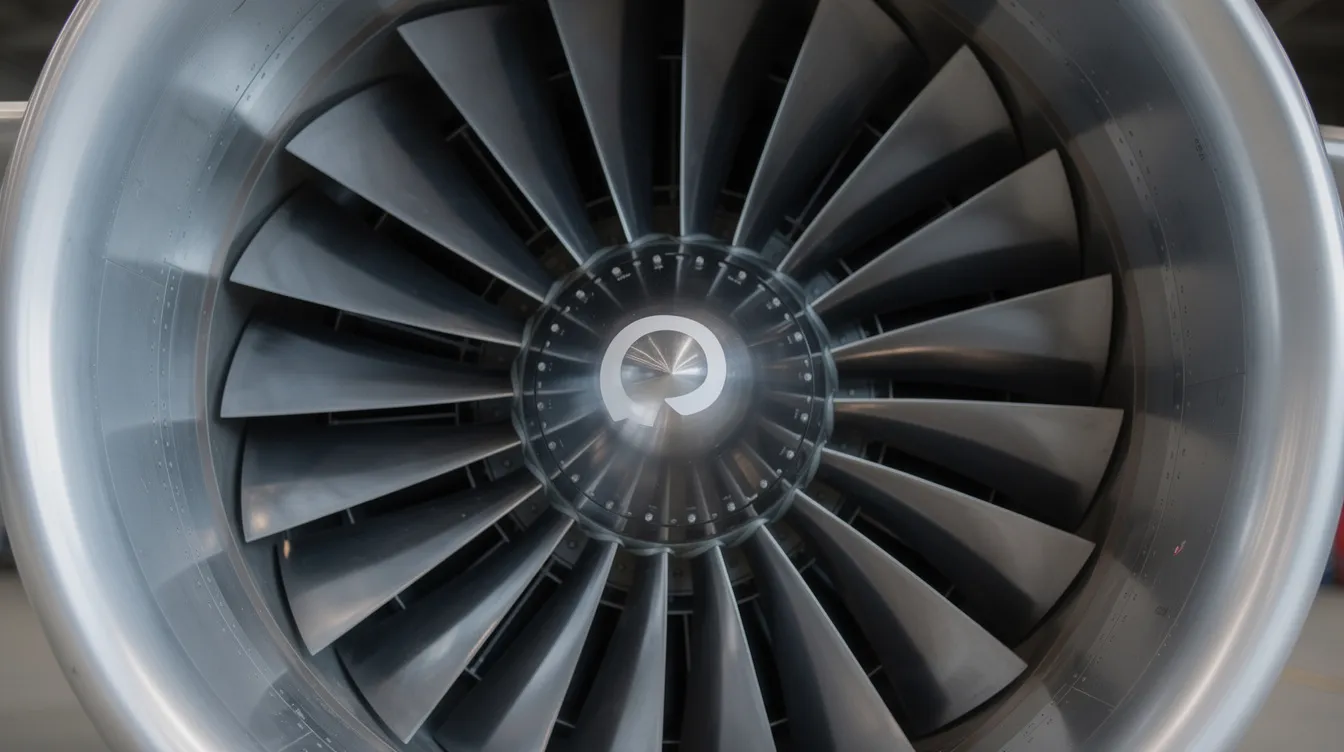
Turbojets use afterburning for thrust augmentation in demanding military scenarios. Afterburners ignite additional fuel in the exhaust stream downstream of the turbine, and afterburners can increase thrust by 30 percent—though at dramatic cost to fuel consumption.
Water/methanol injection was tested in turbojets since 1941 as an alternative method to increase thrust during takeoff.
Variable-geometry nozzles, including petal-style mechanisms on engines like the Pratt & Whitney J57, adjust exit area to accommodate both dry and afterburning modes.
These systems are essential for supersonic flight and high-g maneuvers but are not found on business jets serving BlackJet clients, which prioritize efficiency, comfort, and control over raw speed.
With this understanding of turbojet operation, let's compare how these engines differ from other jet engine types.
Turbojet vs. Turbofan vs. Other Jet Engines
All these power plants are gas turbine jet engines. The difference lies in how they convert turbine work into thrust or shaft power.
Jet Engine Comparison Table
Engine Type | Bypass Ratio | Main Use Cases | Efficiency at Subsonic Speeds | Noise Level | Example Aircraft/Engines |
|---|
Turbojet | 0:1 (no bypass) | Military fighters, drones | Low | High | F-104 (GE J79), MiG-21 (R-25) |
High-bypass Turbofan | 5:1 to 12:1 | Business jets, airliners | High | Low | Gulfstream G650 (BR725), Global 7500 (GE Passport) |
Low-bypass Turbofan | 1:1 to 2:1 | Military fighters, early jets | Moderate | Moderate | F/A-18 (F404), Learjet 23 |
Turboprop | N/A | Regional, short-haul | Very High (low speed) | Low | King Air, Dash 8 |
Turboshaft | N/A | Helicopters | N/A | N/A | Sikorsky S-76 |
Turbojet Performance Characteristics
Zero bypass ratio; all air passes through the core
Best for high speeds and supersonic flight
Louder and less fuel-efficient at lower speeds
Turbofan Performance Characteristics
High bypass ratio; a large portion of air bypasses the core, with thrust combined from the core jet stream and bypass airflow
Quieter and more fuel-efficient
Dominant in business and commercial aviation
Turboprop and Turboshaft Performance Characteristics
Bypass Ratio, Fuel Efficiency, and Noise
Bypass ratios define how much air flow bypasses the core versus passing through it. Turbofans can achieve a bypass ratio of up to 12:1, mixing cooler bypass air with hot core exhaust. This reduces exhaust velocity, cuts noise significantly, and improves fuel efficiency.
Turbofans are quieter than turbojets due to the bypass air cushioning the exhaust. Turbojets are generally louder than modern high-bypass turbofans and less fuel-efficient at lower speeds than turbofans. For the same thrust, a modern business turbofan may use 20–40% less fuel—translating into quieter cabins, extended range, and lower carbon emissions per flight hour for BlackJet clients.
Optimal Performance Envelope: Speed, Altitude, and Range
Turbojets: Primarily effective at supersonic speeds—peak efficiency around Mach 1.5–2.0 at altitudes of 40,000–60,000 ft. Inefficient at subsonic speeds.
High-bypass turbofans: Optimized for Mach 0.80–0.90 cruise and ranges up to 7,700 nautical miles. BlackJet clients leverage this performance envelope to maximize range and comfort on transcontinental and transatlantic missions.
With these comparisons in mind, let's look at how turbojet technology evolved and influenced modern aviation and the best small private aircraft options for different missions.
Historical Evolution of Turbojet Engines
The jet age began in the 1930s with independent work by Frank Whittle in Britain and Hans von Ohain in Germany. The Heinkel He 178 made the world's first jet-powered flight in 1939, followed by the Gloster E.28/39 in 1941. The Messerschmitt Me 262, powered by Jumo 004 turbojets, entered service in 1944 as the first operational jet fighter.
Post-war, turbojet-powered fighters proliferated, and early jet airliners like the de Havilland Comet (1949) entered service. Rising fuel costs and noise regulations through the 1960s drove the shift toward high-bypass turbofans. Early corporate jets like the Learjet 23 (1964) used low-bypass engines; modern BlackJet-accessible aircraft now fly with far more efficient, reliable turbofans, including some of the newest private jet models showcasing cutting-edge innovation.
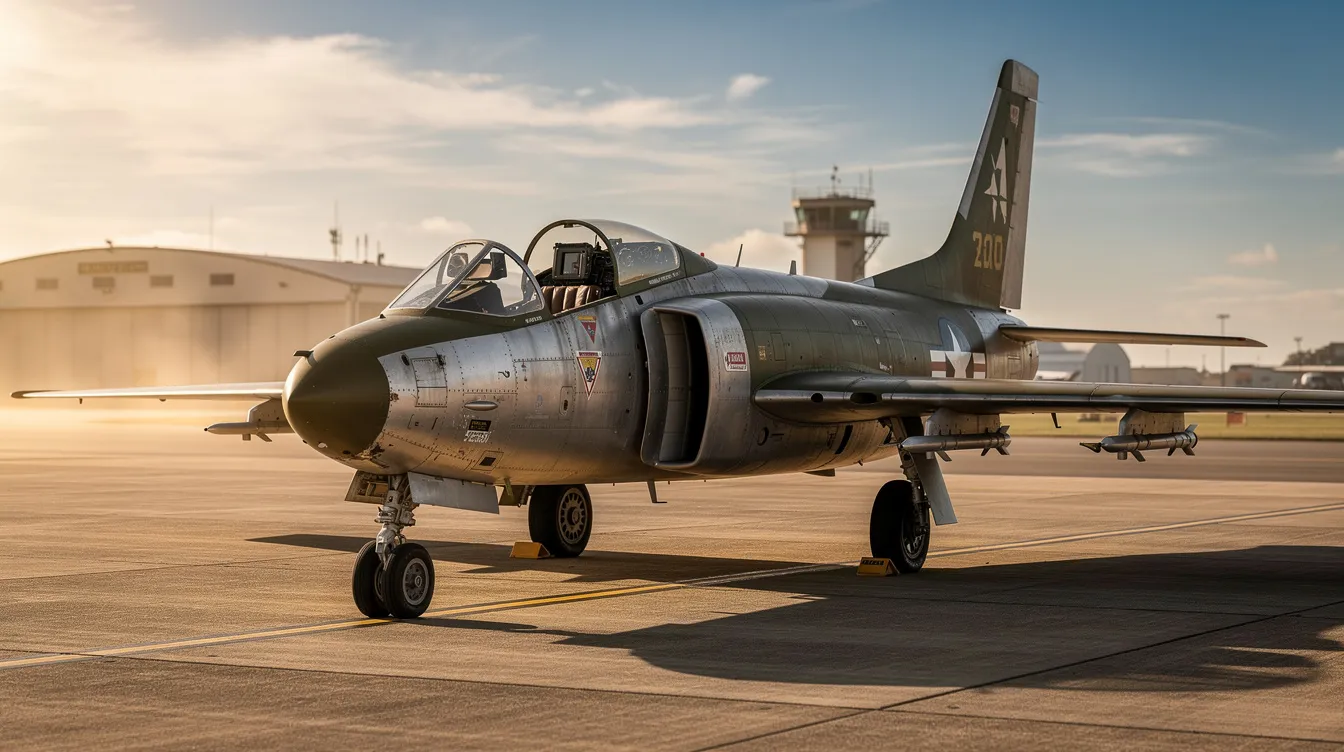
The evolution of turbojet technology set the stage for today's advanced, efficient, and quieter jet engines. Next, let's examine the safety, performance, and control standards that emerged from this legacy.
Turbojet Technology, Safety, and Performance Standards
Extreme turbojet operating conditions forced the development of rigorous safety and inspection protocols—borescope inspections of turbine blades, fatigue life tracking on rotating components, and system redundancies. These practices now underpin all modern jet engine maintenance, including turbofans monitored aboard business jets.
BlackJet partners exclusively with operators whose aircraft meet or exceed leading industry certifications, with continuous engine health monitoring and strict maintenance intervals ensuring reliability on every flight—often using some of the best private jets in the world for luxury and performance.
Control, Monitoring, and Automation in Modern Jet Engines
Legacy turbojets used hydromechanical control systems. Modern engines—military and civil—rely on FADEC (Full Authority Digital Engine Control) to manage fuel flow, variable stator vanes, and nozzle area automatically. These systems prevent compressor stalls and optimize burn across all flight phases, delivering consistent performance, smoother flights, and higher dispatch reliability across the BlackJet network.
With robust safety and control systems in place, let's consider how turbojet and turbofan engines impact fuel burn, sustainability, and airport access.
Turbojets, Fuel Consumption, and Sustainability in Aviation
Classic turbojet engines consume roughly 1.0–1.2 lb of fuel per pound of thrust per hour, while current-generation turbofans achieve 0.3–0.6—a reduction that cuts CO₂ emissions substantially. Improvements inspired by turbojet research—higher compression, advanced cooling, superior materials—made this possible.
BlackJet's sustainability commitment includes carbon-neutral flights through high-quality offset projects matched to fuel burn, preference for modern turbofan-powered aircraft to reduce baseline emissions, and optimized routing to minimize unnecessary fuel consumption—key factors to weigh alongside overall private jet pricing, ownership, and access options.
Noise, Airport Access, and Community Impact
Turbojet engines, with their high exhaust velocities and lack of bypass air, fail to meet many civilian airport noise standards (ICAO Chapter 14, FAA Stage 5). Modern business jets used through BlackJet feature optimized nacelles, acoustic liners, and high-bypass turbofans to meet or exceed current noise regulations—enabling discreet operations at premium airports worldwide.
Understanding these environmental and operational factors, let's see how turbojet power compares to private jet ownership, charter, and Jet Card programs, especially when evaluating overall jet card cost and private jet membership pricing.
Turbojet Power vs. Private Jet Ownership, Charter, and Jet Cards
Pure turbojet engines rarely power today's business jets. Understanding their limitations clarifies why discerning travelers prefer turbofan-powered aircraft and flexible access models. Private jet travel offers direct routing, reduced airport dwell time (often under 30 minutes), and access to smaller airports—advantages amplified by choosing the right access model:
How BlackJet's Jet Card Model Leverages Modern Jet Engines
BlackJet’s 25+ Hour Jet Card program is designed to harness the advantages of modern turbofans while keeping pricing and access predictable for frequent flyers.
BlackJet's Jet Card programs—25-hour or 50-hour blocks—provide guaranteed access to turbofan-powered private jets with predictable cost structures, with per-hour economics similar to those outlined in our guide to jet card cost per hour. Aircraft span light jets for regional hops to large-cabin models for transatlantic missions, all featuring modern engines with strong dispatch records and lower fuel burn—whether you’re comparing the best small private aircraft for specific needs or evaluating large private jets that can seat around 20 passengers.
Use case: A BlackJet client flying New York to London on a large-cabin jet uses efficient turbofan engines for nonstop routing, arriving in a quiet, comfortable cabin—a service experience that turbojet-era aircraft simply cannot match.
Safety, Certification, and Real-Time Support
BlackJet works only with operators meeting top-tier certifications (ARGUS, Wyvern, or equivalent). Turbofan engines powering these flights benefit from engine health monitoring, predictive maintenance, and built-in redundancies. Real-time 24/7 flight support ensures operations are continuously monitored, with swift alternatives arranged if any issue arises—aligned with what sophisticated travelers seek when comparing the best jet cards for frequent flyers.

With these access models and safety standards in mind, let's address some of the most common questions about turbojets, jet engines, and private aviation.
Frequently Asked Questions About Turbojets, Jet Engines, and Private Aviation
What is the difference between a turbojet engine and a turbofan engine?
A turbojet has zero bypass ratio—all air passes through the core. A turbofan diverts a large portion of airflow around the core, improving fuel efficiency and reducing noise. Turbojets excel at supersonic speeds; turbofans dominate subsonic civil and business aviation, as outlined in our overview of different types of jet engines. A turbojet has zero bypass ratio—all air passes through the core. A turbofan diverts a large portion of airflow around the core, improving fuel efficiency and reducing noise. Turbojets excel at supersonic speeds; turbofans dominate subsonic civil and business aviation.
Why don't modern business jets use turbojet engines?
Noise limits, high fuel cost, limited range at subsonic speeds, and passenger comfort requirements make turbojets impractical for private aviation; instead, operators and owners typically select from the best small private aircraft and light jets for their missions. Noise limits, high fuel cost, limited range at subsonic speeds, and passenger comfort requirements make turbojets impractical for private aviation, particularly when compared against the predictable economics described in our overview of jet card cost per hour.
Are all private jets powered by gas turbine engines?
Nearly all contemporary private jets use turbofan gas turbine engines for their combination of performance, reliability, and efficiency, even when you’re exploring the cheapest private jet options for entry-level travelers. Nearly all contemporary private jets use turbofan gas turbine engines for their combination of performance, reliability, and efficiency, with frequent flyers choosing 50-hour style programs similar to those discussed in our guide to 50-hour jet card costs and value.
How does BlackJet ensure engine safety and reliability?
Through rigorous operator vetting, strict maintenance standards, engine health monitoring, and aircraft age and technology criteria—similar to the benchmarks savvy buyers examine when reviewing NetJets jet card costs and program details. Through rigorous operator vetting, strict maintenance standards, engine health monitoring, and aircraft age and technology criteria.
What role does engine efficiency play in BlackJet's carbon-neutral flights?
Efficient turbofans lower baseline emissions before offsets are applied. BlackJet calculates fuel burn per trip and matches it with high-quality carbon offset projects at no extra cost, a consideration comparable to how travelers weigh value in programs like those explained in our guide to Flexjet jet card costs and options. Efficient turbofans lower baseline emissions before offsets are applied. BlackJet calculates fuel burn per trip and matches it with high-quality carbon offset projects at no extra cost, which ties directly into understanding broader jet card pricing structures and benefits.
With these answers in mind, let's conclude by reflecting on the turbojet's legacy and its influence on seamless, sustainable private flight.
Conclusion: From Turbojet Heritage to Seamless, Sustainable Private Flight
Turbojet engines launched the jet age with unrivaled speed and climb performance, laying the technical foundation for every advanced turbofan engine flying today. While turbojets are now confined to specialized military and experimental roles, their legacy—in materials, safety protocols, and digital engine control—directly benefits the business jets that carry BlackJet clients across continents.
The evolution from pure turbojet to modern turbofan represents a decisive gain in fuel efficiency, noise reduction, and reliability—precisely the qualities that define premium private travel, as detailed in our comparison of turbojet and turbofan engines.
Elevate your travel—effortlessly. Explore BlackJet's Jet Card programs to experience carbon-neutral, safety-led, and technologically advanced private jet access tailored to your business and lifestyle demands.


 Sign up with google
 Sign up with Apple