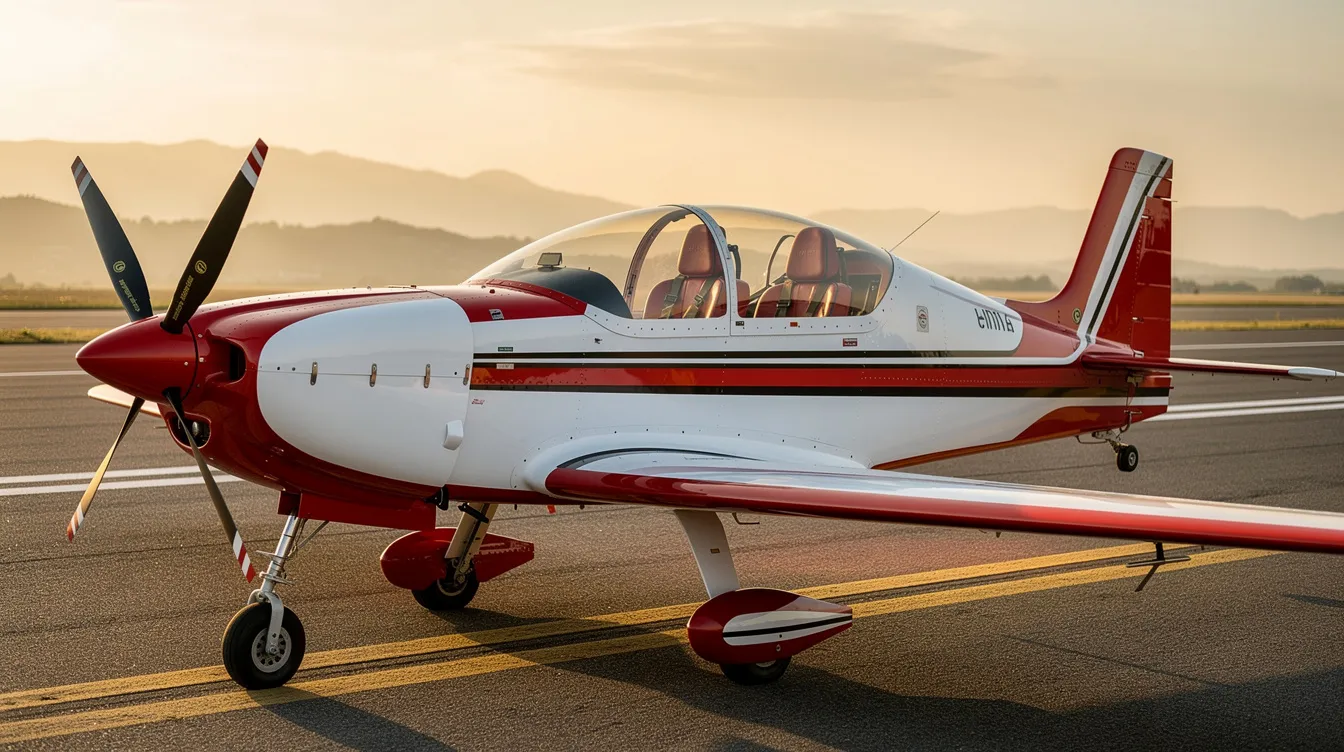
In an era where commercial aviation funnels millions through identical terminals and identical seats, the tandem plane stands as a reminder that how an aircraft is configured changes everything about the mission it can accomplish. A tandem aircraft - whether defined by its fore-and-aft seating arrangement or by a tandem wing configuration with two wings generating lift in sequence - represents a deliberate engineering choice that optimizes for performance, visibility, or aerodynamic efficiency over conventional layouts.
Configuration still matters in 2020s aviation because modern avionics, lightweight composites, and fuel-efficient engines mean that mission-specific design delivers sharper advantages than ever. Bush pilots in Southern Africa rely on tandem seating taildraggers to negotiate 400-meter gravel strips at high elevation. European sport aviators push tandem designs through alpine passes at cruise speeds above 100 knots. And for those who value precision in their travel without getting their hands dirty with avgas, programs like BlackJet select optimal aircraft layouts - from light jets to large-cabin turboprops - ensuring every flight matches the mission.
Quick definitions:
Tandem aircraft (seating): Two seats arranged one behind the other
Tandem wing: Two main lifting surfaces in fore-aft arrangement, both contributing lift
Flying Flea: Henri Mignet's historic tandem wing homebuilt (HM-14, 1930s)
Fuel capacity: Usable gallons, the single biggest driver of range
Cruise speed: True airspeed in knots (KTAS), affected by drag, weight, and propeller setup
Why consider a tandem layout at all?
Performance: Narrower fuselage means less drag and better speed per horsepower
Visibility: Fighter-style forward and downward view for terrain navigation
Safety: Tandem wing designs can offer favorable stall behavior with the front wing stalling first
Hangar size: Compact fuselage footprint reduces ground storage cost
Tandem Aircraft Basics: Layouts, Missions, and Key Terms
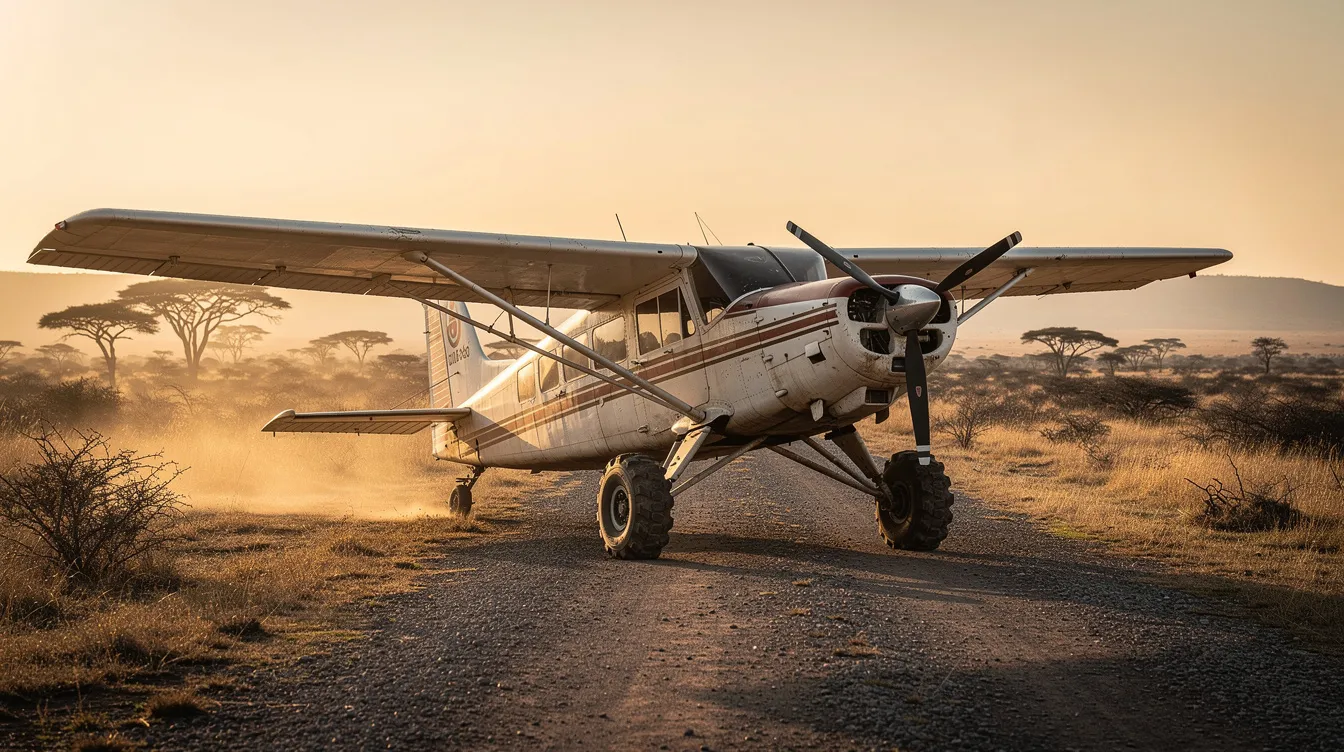
The word "tandem" covers two distinct ideas in aviation. Tandem seating aircraft like the Piper Super Cub, Bearhawk Patrol, and RANS S-7 place pilot and passenger in line - one behind the other in a narrow fuselage. Tandem wing aircraft like Henri Mignet's flying flea or the Rutan Quickie use two lifting surfaces arranged fore and aft, both carrying substantial lift rather than relying on a conventional tail for stability alone. Both wings of a tandem plane contribute substantially to the aircraft's total lift.
Feature | Tandem Seating (fore-aft) | Side-by-Side Seating |
|---|
Pilot visibility (solo) | Excellent forward and down view | Central obstruction possible; good side views |
Passenger interaction | Limited; conversation harder | Natural; shared cockpit environment |
Cabin width & comfort | Narrow; less elbow room | Wider; better for luggage and larger passengers |
Aerodynamic profile | Smaller frontal area; lower drag | Wider fuselage; typically needs more horsepower |
A "bush plane" in concrete terms means an airplane capable of operating from rough, unimproved strips of 400–800 meters in length - gravel, grass, or dirt - often at high density altitude. Near Johannesburg at roughly 5,500 feet elevation, and on remote Namibian strips reaching 7,000–8,000 feet, air density drops and performance degrades significantly.
Key Performance Metrics
Key performance metrics for tandem planes in this world include cruise speed (typically 100–150 KTAS), fuel capacity (40–60 US gallons on many experimental tandems), useful load (how much weight the plane can carry beyond its empty form), and STOL performance measured in takeoff and landing roll in feet.
Mission Planning Questions
Before choosing a tandem aircraft, answer these questions:
What is your required mission range in nautical miles, including reserves under hot-and-high conditions?
What payload do you need - pilot, passenger, baggage, fuel?
What runway quality, length, and elevation will you operate from?
What is your budget ceiling including kit, engine, avionics, and ongoing maintenance?
Case Study: Designing a Tandem Bush Aircraft for Southern Africa
Picture this mission profile: 400–450 NM range, roughly 400 lbs of payload (pilot plus passenger plus 50–60 lbs of baggage), cruise speed above 100 KTAS, a budget of $90,000–$120,000, and operations from hot-and-high strips near Johannesburg and remote Namibian gravel runways where the ground can be unforgiving—very different from urban private plane rideshare routes that connect major cities but driven by the same mission-first planning mindset.
The Bearhawk Patrol fits this line of requirements well. It cruises at 148 mph (roughly 129 KTAS) with 180–200 hp Lycoming power, carries 55 gallons of usable fuel in its tanks, and delivers a useful load around 850 lbs. Its STOL numbers are remarkable - approximately 160 feet takeoff roll and 170 feet landing under optimal conditions. The kit cost plus engine and avionics typically lands between $100,000 and $150,000 depending on detail and finish.
The RANS S-7 Courier offers a lighter entry point with a 100 hp Rotax 912ULS, but its 26-gallon fuel capacity and max cruise of roughly 110 mph (95–100 KTAS) limit both range and climb performance at high density altitude. Its useful load of about 588 lbs is capable but leaves less margin for the mission described.
Super Cub clones and PA-18 derivatives remain popular, but most struggle to meet both speed and range goals without pushing toward 200+ hp engines and constant-speed props. Realistic cruise sits around 100 KTAS, and you need 48–55 gallons of usable fuel to cover 400 NM with adequate reserves.
A critical detail many builders underestimate: at 7,000 feet density altitude on a hot day, takeoff distance can increase by 20–30%. This push toward higher-horsepower legacy engines - 200 hp Lycomings or turbocharged options - over lighter production powerplants. For those interested in experimental freedom, the trade-off between experimental and certified aircraft in South Africa involves lower maintenance cost and more modification flexibility for experimentals, but stricter regulatory oversight and better resale for certified types like the ACA Scout.
Tandem vs Side-by-Side: Performance, Comfort, and Visibility
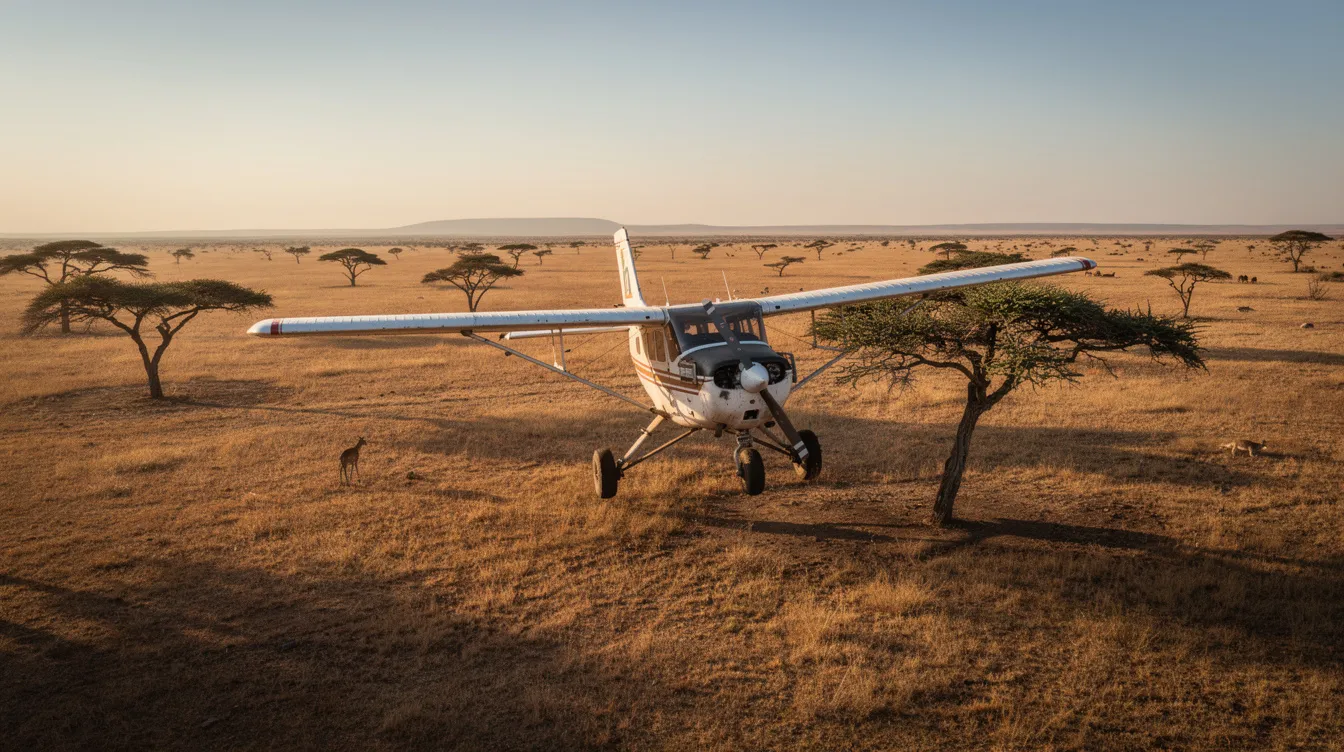
Some pilots will never give up the thrill of a tandem cockpit - that swept-back view over the nose, feet on the rudder pedals, wind sound through the control surfaces. Others, after weeks of long cross-country legs, find the idea of shouting over engine noise to a passenger behind them loses its appeal fast.
Tandem advantages (solo and backcountry flying):
Fighter-style visibility forward and down - essential for spotting strips and obstacles
Lighter control feel and more responsive handling
Narrower fuselage reduces frontal area, potentially adding 5–15 knots of cruise speed versus a similar-power side-by-side airplane
Side-by-side advantages (travel and passenger comfort):
Natural conversation; shared charts, tablets, navigation
More elbow room on 3+ hour legs
Typically heavier construction that rides turbulence more smoothly
The aerodynamic efficiency angle is real. A tandem design like the Bearhawk Patrol can outperform heavier side-by-side aircraft of similar horsepower in cruise, much like the way small private aircraft are evaluated for specific mission needs in modern private aviation. Very light tandem bush planes with low wing loading, however, can feel bouncy in rough air - something to consider when your passenger isn't a pilot.
The guidance is straightforward: when the function of the flight centers on passenger experience, conversation, or executive comfort on regional hops, the side-by-side cabins found in BlackJet's light jets and turboprops are preferable. When low-level scenic flying, training, or backcountry adventure is the goal, tandem taildraggers are hard to beat for fun and precision.
Tandem Wing Designs: From Flying Flea to Modern Experiments
Here the concept of "tandem plane" shifts from seating to aerodynamics. A tandem wing configuration places two wings in fore-aft arrangement, both generating meaningful lift - unlike a conventional airplane where the tail primarily provides stability rather than lift. A conventional aircraft typically has one large main wing and a smaller horizontal tailplane, whereas tandem wings feature two substantial lifting surfaces that can achieve a wing area ratio above 2:1. A conventional aircraft has one large main wing and a small horizontal tailplane.
The tandem wing design offers several aerodynamic advantages: it can reduce drag at certain speeds due to greater surface area and a stiffer, more compact wing structure. Tandem wings also allow a wider center of gravity range, which increases operational flexibility but requires precise balancing. However, wing wake interference between the two wings can reduce lifting efficiency, and some tandem configurations may suffer from longer takeoff distances compared to conventional aircraft. Conversely, well-optimized tandem wing designs have demonstrated reductions in takeoff distance by up to 40%, echoing the performance focus seen in long-range private jets engineered for nonstop global missions.
Historical Milestones
The history of tandem wings is rich and dates back centuries. As early as the 15th century, Tito Livio Burattini experimented with tandem wing models, pioneering concepts that would echo through aviation history. In the early 20th century, Samuel Langley's Aerodrome, built in 1903, was a tandem-wing monoplane, though it failed to achieve sustained flight. Louis Blériot's type VI became the first tandem-wing aircraft to fly successfully in 1907. The first fully controllable tandem-wing glider flew in 1922, marking a milestone in practical tandem wing flight. However, some ambitious tandem projects, like the Caproni Ca.60 prototype in 1921, ended in failure when it broke up on its first takeoff attempt.
The tandem wing concept saw renewed interest with Burt Rutan's Quickie in 1977, a highly efficient homebuilt aircraft that won awards for its innovative design. The Quickie demonstrated the potential of tandem wings for low-drag, high-speed performance in the homebuilt market and influenced subsequent designs.
The stability principle behind tandem wings is elegant: the front wing, set at higher wing loading or incidence, stalls first, causing the nose to drop while the rear wing continues to provide lift. This behavior reduces the risk of full-aircraft stall and spin, enhancing safety. These design characteristics make tandem wings attractive for specialized applications, including sport aviation and bush flying.
Nature also embraces tandem wing configurations: dragonflies and butterflies use fore-and-aft wing pairs to achieve maneuverability and endurance, inspiring biomimetic UAV research.
Practical Considerations: Fuel Capacity, Range, and Cruise Speed
Mission planning for any tandem plane comes down to three hard numbers: required range in nautical miles, desired cruise speed in KTAS, and realistic fuel burn in gallons per hour, just as broader private jet price lists and category comparisons weigh range, speed, and operating economics when matching travelers to aircraft types.
High-level Benchmarks
Modern experimental Cub clones: ~48 gal usable fuel, ~8 gph at 100–110 KTAS
Bearhawk Patrol: 55 gal fuel, 125–148 mph cruise with 180–200 hp, range ~810 statute miles
RANS S-7S: 26 gal fuel, ~110 mph cruise, ~5 gph burn, endurance ~5.2 hours, range ~572 statute miles
Bush wheels, tundra tires, fixed-wide gear struts, flaps, and floats all increase drag. The Bearhawk Patrol on 31-inch tundra tires at economy cruise sees true airspeed drop to around 133 mph - a 10–15 mph penalty. The RANS S-7 loses similar proportions on oversized rubber. Every modification that helps you on the ground costs you in the air.
Planning margins matter: keep at least 45–60 minutes of fuel reserve beyond your planned cruise leg. On routes like Johannesburg–Maun or Cape Town–Windhoek, wind aloft can shift your ground speed by 15–25 knots. This affects whether your tanks need to be 48 gallons or 55-plus.
Consider two aircraft on the same 420 NM bush route: one cruises at 100 KTAS with 55-gallon tanks (completes the leg nonstop with solid reserves), while a faster airplane at 130 KTAS but only 26 gallons of fuel capacity requires a refueling stop - adding ground time and logistical complexity. Now guess what a BlackJet member might choose: a light jet or turboprop with 1,000+ NM range covering that same route in under two hours, no fuel stop required, with max comfort in a climate-controlled cabin.
From Tandem Bush Planes to Private Jets: How BlackJet Curates Aircraft
BlackJet operates as a curator of aircraft types and cabin layouts, complementing traditional charter and private jet leasing structures with flexible membership models. Rather than locking members into a single configuration, the Jet Card programs - available in 25-hour and 50-hour tiers - give access to side-by-side or club-seating cabins that solve the comfort limitations of small tandem aircraft on multi-hour journeys, all within a broader premium private jet membership and charter platform.
Safety and certification represent the sharpest contrast between the experimental tandem world and private jet travel. BlackJet partners exclusively with operators meeting rigorous safety standards, including third-party audits, standardized cockpit procedures, and pilots with recurrent training - the same philosophy that extends to large-cabin private jets for groups of around 20 passengers, where safety oversight and certification are critical.
Sustainability is integrated, not optional. BlackJet ensures every member flight is carbon-neutral through verified offsets or sustainable aviation fuel where available. Even the most efficient tandem bush aircraft can't easily offer structured offset programs on ad-hoc private missions.
BlackJet's digital tools - mobile booking, real-time flight support, and aircraft category selection across light jet, midsize, and large cabin classes - let travelers pick the right cruise speed, cabin size, and range profile without worrying about the underlying technical configuration, whether they're accessing full-aircraft charter or simply buying a seat on a private jet. The picture is simple: you choose the mission, BlackJet handles the airplane.
Choosing the Right Aircraft: Builder, Bush Pilot, or Jet Card Member?
Three distinct paths exist in private aviation, ranging from experimental builds to budget-friendly private aircraft and access models:
Build or buy an experimental tandem bush aircraft - for pilots who want cockpit involvement, weekend adventures, and the satisfaction of a custom-built machine
Purchase a certified backcountry or touring aircraft - for those wanting proven airframes with established maintenance and resale value, often cross-shopping with the most affordable private jet and turboprop options once total ownership and operating costs are compared
Use a private jet membership like BlackJet - for frequent regional or intercontinental travelers who value predictability, safety, and time without ownership complexity
Key factors in the decision:
How often you fly and typical leg length
Need for rough-field capability vs paved-runway access
Appetite for maintenance, regulatory management, and hands-on involvement
Whether you value being a pilot or being a passenger
Cost Considerations
Cost ranges tell the story clearly. Completing a high-spec experimental tandem bush plane in the 2020s runs $90,000–$150,000+ for the kit, engine, and avionics - before annual hangar or garage space under a protective roof, insurance, and inspection expenses, and making sure the aircraft actually fits. A Jet Card program offers predictable hourly rates without ownership risk, downtime, or regulatory burden, and tools like a dedicated guide to Jet Card membership pricing and value help frame those costs against outright aircraft ownership.
Example Personas
Two personas: A South African engineer building a Javron Cub to explore remote strips on weekends - hands covered in Loctite and safety wire for weeks at a time, but living for the climb out of a short Namibian strip. A European CFO using a BlackJet Jet Card to move between London, Zurich, and Milan twice per month - valuing seamless access, cabin comfort, and zero maintenance overhead, while staying informed about private jet rental costs and route-based pricing.
Tandem planes are outstanding tools for pilots with specific missions. High-frequency business or luxury travelers typically gain more by leveraging a curated private jet fleet.
FAQs About Tandem Planes and Private Jet Access
What is the difference between a tandem aircraft and a tandem wing?
Tandem seating refers to a fuselage layout with fore-aft seats. A tandem wing is an aerodynamic configuration with two lifting surfaces arranged one behind the other. The former affects cabin experience; the latter affects stall behavior, lift distribution, and stability.
Can tandem bush planes really cruise above 100 knots?
Yes. The Bearhawk Patrol cruises at roughly 129 KTAS with 180–200 hp. The RANS S-7S reaches 95–100 KTAS. Higher-horsepower engines and clean airframes push speeds further, though bush modifications like tundra tires reduce cruise by 5–15 knots—just as higher utilization can make a 100-hour Jet Card cost structure more attractive for frequent private travelers.
How much fuel capacity do typical tandem aircraft have?
The RANS S-7S carries about 26 US gallons. The Bearhawk Patrol holds 55 US gallons. Some experimental builds allow auxiliary tanks for extended range.
What is a flying flea and is it still built today?
The Flying Flea (HM-14) is a 1930s tandem wing homebuilt designed by Henri Mignet. It used a tilting front wing for pitch control and a rudder-only yaw system. Early versions had dangerous stability problems; later variants corrected these. Builders still produce variants today, though it remains very niche.
Are tandem experimental aircraft legal for bush flying in South Africa?
Yes, under private (non-commercial) operations. However, recent regulatory amendments require all commercial operations - regardless of aircraft weight - to use licensed aerodromes, which limits where bush aircraft can operate commercially.
Are tandem experimental aircraft as safe as certified or charter aircraft?
Safety depends on pilot skill, build quality, and maintenance discipline. Certified charter operators and Jet Card providers like BlackJet enforce consistent standards through third-party audits, qualified maintenance, and regulatory oversight, similar to established programs where understanding NetJets Jet Card costs and guarantees is part of evaluating safety and service. Experimental aircraft can be safe, but variability is higher.
What if I want the freedom of private aviation without building or owning an aircraft?
Jet Card programs offer prepaid flight hours across varied aircraft in a managed fleet - flexibility without maintenance, registration, storage, or the industry burden of ownership. For those interested in separating flying passion from travel logistics, this is the most efficient entry point, especially when you compare the best Jet Card options for frequent flyers by benefits and costs.
Conclusion: Where Tandem Aircraft Fit in a Modern Travel Strategy
Tandem planes - whether defined by seating arrangement or wing configuration - offer unique advantages in performance, visibility, and niche mission capability. A well-built tandem bush aircraft can cover 400–450 NM hops at cruise speeds above 100 KTAS, operate from strips that would ground most conventional designs, and fit in a compact hangar with minimal footprint.
For frequent executives and high-net-worth travelers, the smarter long-term strategy is often to separate flying passion from core travel logistics. Own or rent specialized aircraft like tandem bush planes for weekend adventures. Use BlackJet for predictable, time-efficient regional and intercontinental flights backed by certified operators, carbon-neutral commitment, and 24/7 digital support.
The world of aviation rewards those who match the right tool to the right mission. Explore BlackJet Jet Card membership to complement your flying - whether you pilot a tandem bush plane on weekends or simply want the most efficient way to move between key business cities, or even compare it with unlimited private jet flight memberships where a flat fee covers frequent travel.


 Sign up with google
 Sign up with Apple