Understanding small private plane cost starts with the numbers: in 2026, buying a small private plane typically runs from about $40,000 to $450,000+ for piston aircraft, annual ownership costs often add another $15,000 to $40,000+, and charter rates range from roughly $300 to $600 per hour for piston planes and $1,000 to $4,000+ per hour for turboprops and light jets. For high-net-worth travelers, executives, and frequent business or leisure flyers weighing ownership against charter or a jet card, this isn't an academic exercise-it's a capital allocation decision with real implications for your time, safety, flexibility, and financial exposure.
Whether you're evaluating a small plane purchase for personal or business travel or comparing it against the convenience of charter and the flexibility of a jet card, the numbers in 2026 deserve careful scrutiny. The real decision goes beyond the sticker price to financing, maintenance, fuel, insurance, taxes, pilot training, aircraft positioning fees, safety standards, and cost-saving options such as empty leg flights-so you can judge when owning makes sense, when charter is the better value, and how to avoid paying for capacity you won't use.
Quick Cost Snapshot: Own vs. Charter a Small Private Plane
For high-net-worth and business travelers, owning a small plane costs $40,000 to $450,000 at the initial purchase price alone, with some starting by exploring the cheapest private aircraft options before committing to higher-end models. Beyond that, total ownership expenses can exceed $15,000 to $40,000+ per year before financing, covering hangar fees, insurance, fuel costs, annual inspections, and maintenance reserves. Here's how the two models compare at a glance:
Ownership (single-engine piston to very light jet): Initial purchase price of $40,000–$450,000+ for pistons; $800,000–$3.5M+ for turboprops and VLJs. Yearly operating costs for ownership range from $10,000 to $20,000 on simpler aircraft, escalating sharply for turbine-powered platforms.
Charter or Jet Card (BlackJet): Chartering a small plane costs $300 to $600 per hour for piston aircraft; $1,000–$4,000+ per hour for turboprops and light jets. No financing, no storage costs, no maintenance risk.
Consider a concrete example: a 2-hour New York–Boston round trip on a light jet. A charter flight runs roughly $8,000–$12,000 including handling fees and repositioning. An owner flying the same aircraft 60–80 flight hours per year would spend far more per trip once loan payments, hangar fees, insurance, and overhaul reserves are amortized across those limited hours. Flying 200+ hours annually makes ownership cost-effective, but most private travelers never reach that threshold.
The bottom line: purchase prices range from $40,000 to $3.5M, and hourly charter rates span $300 to $4,000+, depending on aircraft class, with an expanding universe of affordable private plane options for budding aviators sitting at the lower end of that spectrum. The sections below break down every cost layer.

Initial Purchase Price of a Small Private Plane
The initial purchase price is the single largest check most aircraft owners will write, but it's only the starting point. Owning a small single-engine aircraft typically requires an initial purchase of $15,000 to $500,000, depending on type, condition, and avionics.
Here's where 2026 prices land for the most common small planes and specialized planes on the market:
Classic trainers (Cessna 150/152): Cessna 150 prices range from $20,000 to $45,000. A used Cessna 150 can cost as little as $30,000 with a mid-time engine.
Popular four-seat singles (Cessna 172 Skyhawk): Cessna 172 costs approximately $80,000 to $200,000 used; new production models exceed $450,000.
Entry-level retractables (Piper PA-28 Cherokee): Piper PA-28 Cherokee prices range from $30,000 to $80,000, making them among the most affordable entry-point options for multi-mission owners.
High-performance singles (Cirrus SR22): Cirrus SR22 can cost between $350,000 and $900,000 depending on vintage, avionics, and engine time remaining.
Entry turboprops (Beechcraft King Air 90): King Air 90 turboprops often sell for $800,000 to $1.5 million pre-owned.
Very light jets (Phenom 100, HondaJet): $1.5M–$3.5M+, bridging the gap between small aircraft and the private jet world.
Pre-owned single-engine planes can cost between $15,000 and $150,000 for older, simpler models, and many budget-conscious pilots start by exploring the cheapest single-engine plane options before moving up in size or capability. But the purchase price alone doesn't capture the full picture. Buyers should budget 10–15% above the sticker for pre-purchase inspections for small aircraft, which usually cost between $1,500 and $5,000, plus state taxes, FAA registration, title search, and immediate squawk repairs discovered during the inspection process.
Financing, Depreciation, and the True Capital Cost
Most small private planes above roughly $150,000 are financed through dedicated aircraft loans-instruments closer to yacht or second-home financing than a standard auto loan, and some travelers instead consider fractional jet ownership and its depreciation dynamics to spread capital cost. Aircraft loan terms typically range from 10 to 20 years, and interest rates for aircraft loans are around 5% to 7% fixed in mid-2026, depending on credit profile, aircraft age, and whether usage is personal or commercial.
A typical down payment for financing is 15% to 20% of the purchase price. Here's a worked example: financing $200,000 at 6% over 15 years costs about $1,350 monthly. Over the full term, interest can add $50,000 to $70,000 to the life of a loan. Scale that up to a $400,000 Cirrus SR22 with 20% down, and monthly payments climb toward $2,700–$3,000 with total interest exceeding $150,000.
Depreciation compounds the capital burden. New aircraft lose 40–60% of value in the first 5–7 years, then flatten if well-maintained. Savvy owners think in terms of annual capital cost-interest plus depreciation minus expected resale-rather than fixating on the sticker price alone.
BlackJet members sidestep all of this: no capital risk, no depreciation, no interest payments. You access the same aircraft categories through premium private jet cards and jet card programs without owning a depreciating asset.
Hangar Fees, Tie-Downs, and Airport-Based Costs
Airport-based storage costs represent a fixed monthly drain that many prospective owners underestimate. Hangar storage costs range from $150 to $1,500 per month, depending on location and aircraft size:
Outdoor tie-down at rural airports or smaller regional airports: $50–$200/month
T-hangar for a piston single at regional airports: $250–$600/month
Hangar storage in urban areas: $300 to $600 per month, and more at high-demand fields
Larger hangars for turboprops or VLJs near major metros (Teterboro, Van Nuys): $800–$1,500+/month, often with multi-year waitlists
Hangars protect against UV damage, corrosion, and weather, reducing inspection costs and paint deterioration while sometimes lowering insurance premiums. But owners also encounter additional expenses: security access badges, self-serve vs. FBO fuel pricing differences, and ramp or handling fees when visiting busy FBOs during cross-country flights. You may need to rent space at destination airports for overnight stops as well.
Fixed costs of aircraft ownership include hangar fees, insurance, and annual inspections-expenses that accrue whether the airplane flies or sits. With a charter or a BlackJet jet card, these costs are absorbed by the charter operator and reflected in the hourly rate, never appearing as a separate monthly bill.
Maintenance, Inspection Costs, and Long-Term Overhauls
Maintenance costs can account for 10 to 45 percent of yearly expenses and are among the least predictable elements of owning a small plane. Budgeting conservatively here safeguards both safety and resale value.
Recurring inspections mandated by the Federal Aviation Administration include:
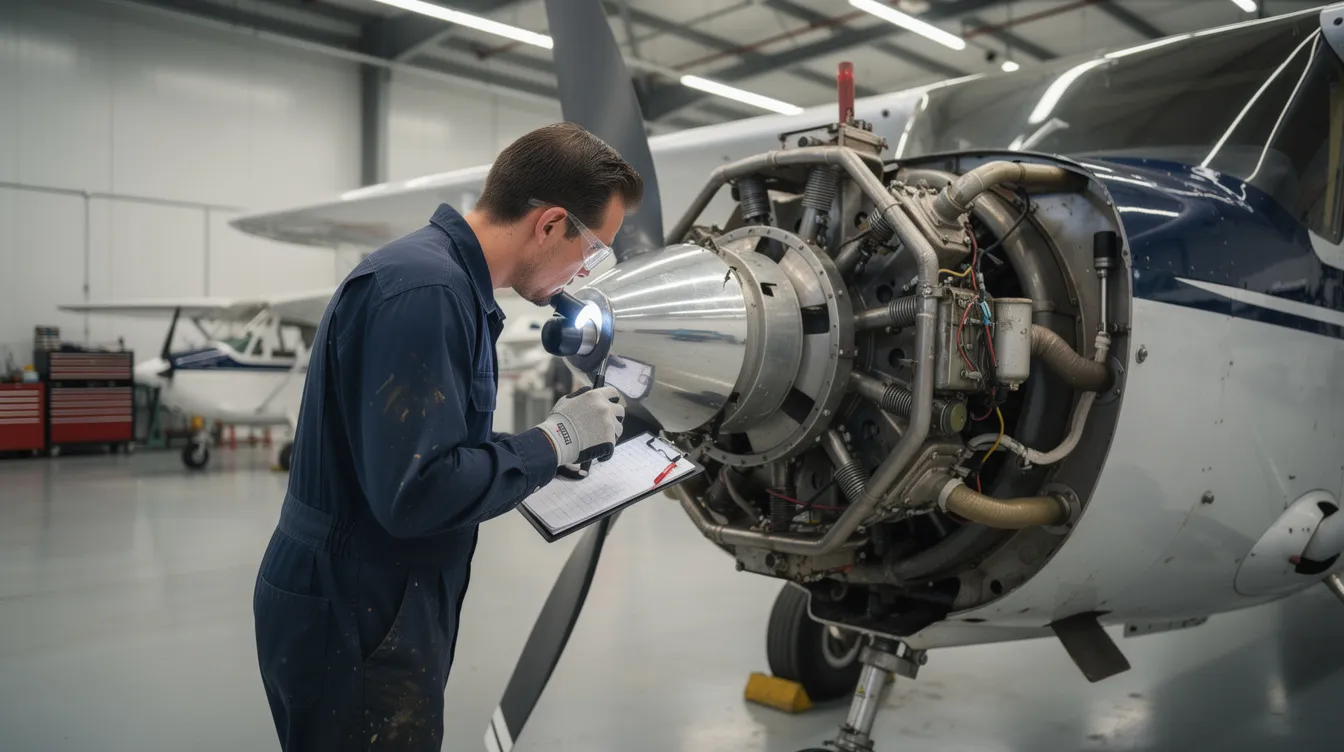
Annual inspections for small planes range from $750 to $2,000 for a straightforward single-engine piston. Complex, retractable-gear, or multi-engine planes cost substantially more.
Aircraft used for hire require an additional 100-hour inspection, roughly doubling inspection costs for commercially operated small aircraft.
Routine maintenance includes oil changes every 50 flight hours ($150–$400 each), tire and brake replacements, battery swaps, and minor component repairs. For a typical owner flying 100 hours per year, owning a small plane can incur annual costs of $8,000 to $12,000 in combined routine maintenance and inspections. Annual operating costs for small aircraft can range from $8,000 to over $30,000 when higher-performance airframes are involved.
Major overhauls represent the largest single maintenance expense. A major engine overhaul can cost $30,000 to $50,000 and is often required every 10–15 years, depending on flight hours. Propeller overhauls add another $5,000–$10,000. Setting aside reserves for future maintenance is recommended for engine overhauls and repairs-a common approach is $20–$40 per flight hour for piston singles.
When you fly with BlackJet, inspection costs, maintenance reserves, and unscheduled repairs sit entirely on the operator's side. You see an hourly or trip rate, not a line-item repair bill.
Fuel Costs and How Flight Profile Affects Them
Fuel costs are the dominant variable operating expense for both aircraft owners and charter flights. Variable costs include fuel and maintenance expenses incurred during operation, and fuel alone can determine whether a trip makes financial sense.
Here are specific fuel burn rates matched to 2026 pricing:
Aircraft | Fuel Burn | Fuel Type | Approx. Hourly Fuel Cost |
|---|
Cessna 150/152 | 5–7 gal/hr | 100LL | $37–$52 |
Cessna 172 | 8–10 gal/hr | 100LL | $59–$74 |
Cirrus SR22 | 13–17 gal/hr | 100LL | $97–$126 |
King Air 90 (turboprop) | ~40 gal/hr | Jet-A | $300–$600 |
Phenom 100 (VLJ) | ~75 gal/hr | Jet-A | $560–$900 |
Fuel costs for small aircraft typically range from $50 to $150 per hour, depending on local prices and aircraft type. U.S. average avgas sits around $7.43 per gallon in mid-2026. Fuel costs for small planes can reach $2,500 to $5,000 annually based on 100 hours of flight time; specifically, fuel costs can range from $2,500 to $5,000 annually for 100 hours on a typical piston single.
Flight profile matters: climb segments burn significantly more fuel than cruise speed segments at altitude. Weight, routing, and ATC vectors all influence the final cost. Charter quotes and BlackJet jet card rates already factor fuel costs and potential surcharges into the hourly price, whereas owners pay directly at each fuel stop, sometimes at premium FBO rates.
Insurance, Taxes, and Registration Fees
This is the "policy and paperwork" layer of small private plane cost, unavoidable and frequently underestimated by first-time buyers.
Aviation insurance covers hull damage and liability insurance for third-party injury or property damage. Insurance for small planes typically costs between $1,200 and $3,000 annually for standard single-engine pistons at modest hull values. Insurance premiums for small planes range from $1,200 to $3,000 annually for typical owner-flown models. However, insurance for small aircraft generally ranges from $2,000 to $8,000 annually, depending on hull value, pilot experience, ratings, and claims history; high-performance retractables and turboprops push premiums significantly higher.
Factors that reduce premiums include hangar storage (vs. tie-down), recurrent training, and advanced ratings such as an instrument certification.
Taxes and registration add to ongoing costs:
State sales or use tax on the initial purchase: often 5–10% of the purchase price, though some aviation-friendly states offer exemptions
FAA registration: $5 every three years
Possible annual personal property tax based on assessed aircraft value in certain states
For charter clients and BlackJet members, liability insurance, regulatory compliance, and tax management are baked into hourly or segment pricing and handled entirely by the charter operator.
Training, Licensing, and Safety-Related Costs for Owner-Pilots
Flying your own private plane requires more than a purchase-it demands substantial investment in pilot training, and for larger aircraft, the full cost of hiring private jet pilots, plus ongoing proficiency. These recurring costs are easy to overlook during the buying process.
Certification costs in 2026:
Private pilot license (PPL): $10,000–$20,000 including ground school, flight instruction, exams, and aircraft rental hours
Instrument rating (critical for business use and weather flexibility): additional $5,000–$15,000
Multi-engine or commercial ratings: $5,000–$10,000+ each
Ongoing proficiency expenses include biennial flight reviews, simulator sessions, and type-specific checkouts. Responsible aircraft owners typically budget $500–$2,000+ annually for recurrent training. Insurers and lenders often require documented training on specific airframes-especially high-performance single-engine planes, turboprops, or VLJs-before coverage is issued. Travelers who prefer to outsource piloting altogether can instead fly private more cheaply through smart strategies such as optimized routing, empty legs, and membership models.
The pilots' association standards and FAA requirements set the floor, but truly safe owner-pilots invest well beyond minimums, especially when they start by evaluating the cheapest private aircraft and budget-friendly options and then layering in robust training and maintenance discipline.
With BlackJet, this equation is inverted. Every private jet flight uses professional, type-rated crews who meet or exceed FAA standards and undergo third-party safety audits through programs like ARGUS and Wyvern. Executives who value risk management over piloting as a hobby gain access to elite crew proficiency without bearing the cost of their own training pipeline.
How Much Does It Cost to Charter a Small Private Plane?
For travelers flying fewer than 100–150 flight hours per year, understanding charter flights and how they work shows why private jet charter typically delivers lower total cost, higher convenience, and zero capital risk compared to ownership, and fits neatly within a broader private jet price list of access options from ad-hoc charter to jet cards and fractional programs. Chartering eliminates fixed costs associated with ownership entirely-no loan payments, no hangar fees, no maintenance reserves.
Here are 2026 hourly charter rates by category, which align with broader benchmarks on how much it costs to rent a private jet and a deeper look at private jet charter pricing fundamentals:
Aircraft Category | Hourly Rate Range | Typical Seats |
|---|
Piston (Cessna 172, PA-28) | $300–$600/hr | 2–3 |
Turboprop (PC-12, King Air) | $1,000–$2,000/hr | 4–8 |
Very light jet / Light jets | $2,500–$4,000/hr | 4–7 |
Midsize jets | $4,000–$6,000/hr | 7–9 |
Heavy jet | $8,000–$14,000/hr | 10–16 |
Charter costs for turboprops range from $1,000 to $2,000 per hour for regional missions. Light jet charters cost between $2,500 and $4,000 per hour, depending on cabin space, range, and demand. Minimum flight-time charges are typically 1.0 to 2.0 hours per leg.
Accurate routing assumptions and winds aloft can shift these totals, which is why sophisticated travelers increasingly rely on private jet flight time calculator tools when budgeting.
Route examples:
Los Angeles → Napa Valley (same-day return, light jet): ~2–3 hours billable at $3,500–$4,500/hr, total trip cost of $10,000–$15,000 including handling fees.
Dallas → Houston (turboprop, business day trip): ~1.5 hours billable at $1,500–$2,000/hr, total roughly $3,000–$5,000.
BlackJet's jet card programs offer fixed hourly rates across multiple cabin categories, guaranteed aircraft availability on peak days, and all-inclusive pricing that already covers many ancillary fees-delivering budget predictability that on-demand charter rarely matches; a detailed breakdown of jet card cost per hour can help you compare programs side by side.
Aircraft Positioning Fees, Handling Fees, and Other Charter Surcharges
Aircraft positioning-moving an airplane empty to your departure airport or back to its base after drop-off-is one of the most misunderstood elements of private jet charter costs. Aircraft positioning fees are calculated based on the distance between the aircraft's current location and your departure point, and whether a return deadhead leg is needed after your flight.
In practice, aircraft positioning fees can add 0.5–3.0 hours of billable time depending on geography. A charter flight from a smaller airport destination may require the jet to reposition from a hub 90 minutes away, effectively adding $3,500–$12,000 to a light jet trip before you even board.
Other common surcharges:
Handling fees from FBOs: $150–$800 per stop, sometimes waived with minimum fuel purchase
Landing fees can range from $100 to $1,500 per flight, with larger international airports charging the most
Overnight fees and ramp parking for multi-day trips: $200–$1,000+
Winter deicing charges: several hundred to several thousand dollars depending on aircraft size and conditions
BlackJet works with a vetted network of operators to minimize unnecessary aircraft positioning fees by sourcing the closest suitable aircraft for each mission and negotiating handling fees. The result is more predictable final cost figures for members compared to ad-hoc charter booking, where these surcharges arrive as surprises on the invoice.
Taxes, Federal Excise Tax, and International Routes
Government taxes apply differently to owners and charter clients, and the distinction matters for accurate cost modeling.
For U.S. domestic charter:
Federal excise tax is 7.5% on all domestic charter flights, applied to the base charter amount and mandatory for all Part 135 operations.
Per-segment passenger fees of approximately $4.50–$5.00 per leg are added on top.
These are unavoidable ongoing costs for anyone using private jet charter domestically.
For international flights and international routes:
International head taxes apply for flights to and from the U.S.
Overflight fees, landing permit charges, customs clearance, and immigration handling fees can add $500–$5,000+ depending on the destination country and route complexity.
Aircraft owners primarily face sales or use tax on the initial purchase and possible annual property taxes, but avoid per-trip FET; those considering longer-term access without buying outright may also evaluate leasing a private jet as a hybrid path. Charter clients see recurring FET and international levies on each trip instead of upfront capital taxation.
BlackJet quotes typically show federal excise tax and international fees as separate line items for full transparency. The company's 24/7 support team helps anticipate these charges when planning cross-border itineraries, ensuring no surprises in the total trip cost.
Empty Leg Flights, Jet Cards, and Other Ways to Reduce Final Cost
Empty leg flights are repositioning segments sold at a discount-often 25–75% off standard charter pricing-when an aircraft needs to return to base or reposition for its next charter, making them one of the most dynamic levers in private jet rental pricing. They represent the most affordable entry point into flying private for travelers with flexible schedules.
Pros and cons of empty leg flights:
Upside: Substantial discounts; premium cabin space at turboprop or light jet prices; access to aircraft you might not otherwise book
Downside: Limited routes, last-minute schedule changes, and potential cancellations if the primary charter shifts, making them unreliable for time-sensitive private jet travel
Jet card programs like BlackJet's offer a more structured alternative and sit among the best jet cards for frequent flyers, competing with offerings analyzed in resources such as NetJets jet card cost breakdowns:
Prepaid blocks of time (e.g., 25 or 50 hours)
Fixed hourly rates by cabin class, reducing surprise surcharges
Priority access during peak periods, often with capped repositioning and aircraft positioning fees
Other cost-reduction strategies include choosing the best small private aircraft for your mission, avoiding peak travel days, combining legs into efficient round-trip itineraries, and using nearby secondary airports with lower landing and handling fees. Travelers with flexible schedules can also explore affordable private plane rideshare options to spread costs across multiple passengers. Using a flying club or fractional ownership can reduce the fixed costs of aircraft ownership for those who still want some operational involvement without bearing the full burden.
For frequent travelers flying 25–100 hours per year, understanding jet card cost and structure is essential, as a jet card typically gives the best balance of predictable cost, safety, and convenience without the multi-million-dollar commitment of owning your own private plane.
Safety, Certification, and Technology: The "Hidden Value" in Small Private Plane Cost
Not all hours of flying private are equal. Safety standards, crew proficiency, and onboard technology materially affect both cost and the value you receive for that cost.
Third-party safety certifications-ARGUS, Wyvern, IS-BAO-require operators to maintain elevated training standards, documentation rigor, and maintenance protocols and are a core part of evaluating whether chartering a private jet is worth it for your specific missions. These programs increase the charter operator's operating costs, which is one reason certified operators charge higher hourly charter rates. But the tradeoff is a measurably lower risk profile for travelers, backed by independent audits rather than self-reported compliance.
On the technology side, modern avionics upgrades dramatically improve situational awareness and safety. Retrofitting an older small aircraft with a Garmin glass panel, ADS-B In/Out, synthetic vision, and autopilot can cost $30,000–$ 80,000+, a significant addition to ownership costs that many buyers don't anticipate.
BlackJet only partners with operators and aircraft that meet strict safety and maintenance criteria. The company's digital platform provides real-time flight support, weather monitoring, and route optimization-capabilities that an individual aircraft owner would need to replicate through multiple vendors and subscriptions-and it can be paired with unlimited private jet flight-style memberships for travelers seeking maximum utilization on predictable budgets. BlackJet also provides carbon-neutral flights as standard, embedding sustainability into every private flight without additional cost to the traveler.
When comparing cost per hour between owning and chartering, factor in the embedded value of professional crews, advanced safety systems, and a full operations team-all included in BlackJet pricing and especially evident on small private jets for luxury travel, where comfort and efficiency amplify the value of each flight hour.
Case Studies: Ownership vs. Flying Private with BlackJet
Case 1: Midwest Entrepreneur - 40 Hours/Year
A business owner flying between Chicago and regional Midwest cities evaluates a used Cessna 172 ($140,000, financed with 20% down at 6% over 15 years). Monthly payments: ~$950. Add hangar fees ($400/month), insurance ($2,200/year), fuel costs ($3,500/year for 40 hours), inspection costs and routine maintenance ($3,000/year), and the annual tab reaches roughly $19,000-before the major engine overhaul reserve. At 40 hours, that's $475+ per hour all-in.
A BlackJet jet card or pay-per-trip charter on a turboprop at $1,200–$1,800/hour delivers the same aircraft category with professional crews, zero capital at risk, and no management burden, and a 50-hour jet card cost analysis can clarify when this structure beats outright ownership. For 40 annual hours, charter wins decisively, and for larger parties considering moving up to cabin classes like 12-seater private jets and their cost structure, similar utilization math still applies.
Case 2: Executive Team - 80–100 Hours/Year on Light Jets
A New York-based executive team regularly flies New York–Miami, Dallas–Nashville, and similar routes totaling 80–100 flight hours annually. Owning a very light jet ($2.5M purchase, crew salaries, hangar in Teterboro, insurance at $40,000+/year, and fuel burn of $600–$900/hour) produces all-in costs well above $500,000 annually. Crew management, aircraft downtime for maintenance, and scheduling complexity add non-financial friction.
A BlackJet light jet card at fixed hourly rates across multiple cabin classes-including midsize jets for longer legs-eliminates crew hiring, hangar negotiation, and downtime risk while providing guaranteed aircraft availability; a dedicated guide to 100-hour jet card cost helps quantify the value at this utilization level. Below 150–200 hours per year, the jet card is both more economical and more operationally resilient.
Case 3: Leisure Family - Occasional Private Travel
A family flies private 6–8 times per year for ski trips and island holidays. Rather than owning ultralight aircraft or a piston single they'd rarely use, they combine discounted empty leg flights on attractive routes with off-peak charter bookings, use a size guide to understand private jet sizes and cabin categories, and occasionally supplement with a 25-hour jet card for predictable access. Total annual spend: $30,000–$50,000 for premium cabin space experiences that would cost far more under ownership. No hangar fees. No overnight costs for stranded aircraft. No insurance renewals.
FAQ: Small Private Plane Cost and Choosing the Right Access Model
At what point does owning a small private plane become cheaper than chartering? For most single-engine pistons, ownership becomes financially competitive when you're consistently flying 150–200+ hours per year. Below that threshold, the fixed overhead of hangar fees, insurance, and overhaul reserves makes the per-hour cost of ownership higher than charter or jet card alternatives.
How do empty leg flights compare to standard charter in terms of reliability and price? Empty leg flights offer 25–75% discounts but come with route limitations and cancellation risk if the primary charter changes, but they remain one of the cheapest private jet options for flexible travelers. They work well for flexible leisure travelers but are unreliable for time-sensitive business use. Stratos jets and other brokers list them, but availability is unpredictable.
Can small private planes be used economically for international routes? International flights add customs fees, overflight charges, landing permits, and international head taxes that can push costs $500–$5,000+ above domestic equivalents, and regional dynamics-such as private jet prices in rupees for India-bound travel-can further shape the total bill. Owners also face overnight costs and crew logistics. For occasional international trips, charter or a jet card with operator-managed permits is typically more practical, and business users may even optimize jet card tax deductions when flights meet IRS business-use criteria.
How do fuel surcharges and aircraft positioning fees affect my final cost when flying private? Positioning can add 0.5–3.0 hours of billable time, and fuel surcharges fluctuate with oil markets. Together, they can inflate a base quote by 20–40%, as explained in greater detail in private jet charter pricing guides. BlackJet mitigates this by sourcing nearby aircraft and building many surcharges into fixed hourly rates.
What's the difference between an on-demand charter and a jet card in terms of budgeting? On-demand charter pricing varies by market conditions, aircraft availability, and day of week, plus federal excise tax and segment fees appear on each invoice. A jet card locks in rates, caps repositioning exposure, and provides a quick cost snapshot before booking, with products like the BlackJet 25+ Hour Jet Card designed specifically for travelers who want predictable access without full ownership. For frequent travelers, a jet card program transforms unpredictable private jet costs into a manageable line item.
Can businesses deduct charter or jet card costs? Business use of charter and jet cards is generally deductible as a travel expense, subject to IRS documentation requirements. Flights must have a documented business purpose. Consult a tax advisor familiar with private aviation to ensure compliance with current rules. Members of the pilots association or aviation trade groups can also access guidance resources.
For a tailored cost comparison between ownership, ad-hoc charter, and jet card membership based on your specific yearly flying pattern, contact BlackJet's advisory team, and consider how strategies to fly private cheaply without sacrificing comfort scale up when you're evaluating cabins that can seat 15, 20, 30, or even 50 passengers. Large groups weighing the best private jet for 15 passengers, 20-passenger private jet options, 30-passenger private jet solutions, or 50-passenger private jet charters face similar tradeoffs between hourly rates, utilization, and capital risk.
Conclusion: Calculating the Real Cost of Flying Private in 2026
The true cost of a small private plane extends across multiple layers: initial purchase price, financing and depreciation, hangar fees, fuel costs, inspection costs, overhaul reserves, insurance, taxes, and-on the charter side-aircraft positioning fees, handling fees, and federal excise tax. No single number captures it. Understanding each layer is what separates informed decisions from expensive mistakes.
A clear rule of thumb emerges from the data: unless you consistently fly more than 150–200 hours per year and want to be actively involved in aircraft management, charter or a jet card delivers better cost-to-benefit than owning a small private plane. The ongoing expenses of ownership compound quietly-hangar fees in January, insurance renewal in March, a surprise cylinder replacement in June-while charter and jet card models convert that complexity into a single, predictable hourly rate.
BlackJet's value proposition is built precisely for this calculus, whether you're evaluating individual trips or large-group solutions like charter planes for 100 passengers within the broader context of how many private jets operate worldwide:
Access to multiple aircraft categories-from light jets to heavy jet platforms-without tying up capital
Carbon-neutral commercial flights as standard, at no extra cost
Safety-vetted operators, professional crews, and real-time digital support through every private flight
Predictable pricing through jet card programs instead of volatile per-trip quotes
Private aviation should simplify your life, not complicate it with monthly payments, recurring costs, and management overhead.
Explore BlackJet's jet card programs or request a personalized cost analysis comparing your current travel spend with tailored private aviation solutions. Your time is the one asset that doesn't depreciate-invest it accordingly.


 Sign up with google
 Sign up with Apple


