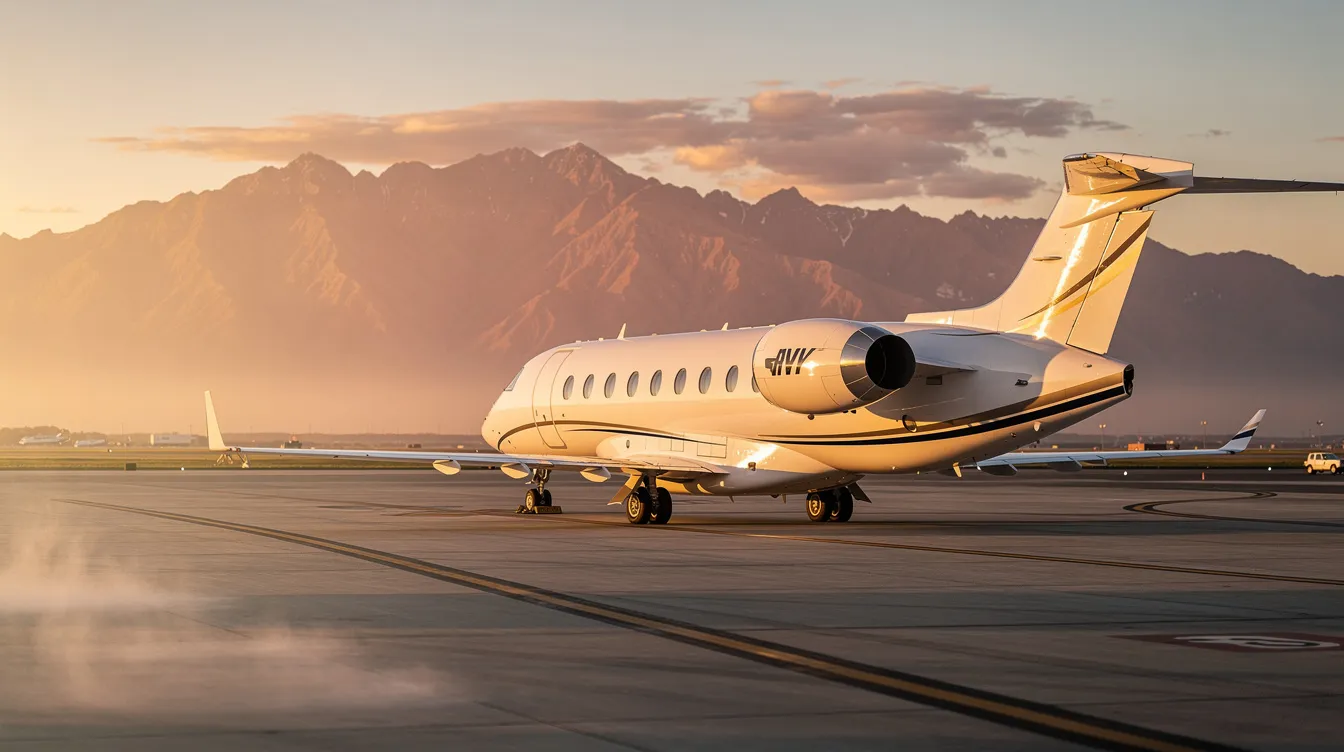
For most owners flying fewer than 100 hours per year, selling an airplane in 2026 is less about letting go and more about gaining leverage. The math has shifted. Fixed costs keep climbing, capital events loom, and flexible access models now deliver the same private flight experience without the maintenance burden. This guide walks you through every step - from documentation and pricing to escrow and what comes next.
Why Many Owners Are Selling Aircraft and Switching to Jet Cards
The economics of aircraft ownership have tilted decisively. A light jet owner in 2026 can face annual fixed expenses exceeding $650,000 - crew, insurance, hangar, subscriptions, and maintenance minimums - before a single hour is flown, which makes exploring cheaper private aircraft and access options increasingly attractive for many pilots and executives. Meanwhile, hangar fees at a busy Class C airport run $800 to $1,500 per month, and engine reserves accumulate whether the airplane flies or not. Selling an aircraft often leads to reduced fixed costs that most owners never fully appreciated until they stopped writing those checks.
The broader industry reflects this shift. According to McKinsey's 2026 business aviation analysis, fractional ownership flight hours grew 10.8% annually from 2019–2025, while charter grew 4.2% - both outpacing private ownership's modest 1.9%. Most owners switch to on-demand charter after selling, and charter options provide flexibility without ownership costs for those who understand how charter flights work and what they offer.
Many former aircraft owners now rely on BlackJet Jet Card memberships to retain private access without capital tied up in a depreciating asset. Jet card programs offer prepaid access to private jets across multiple cabin categories, creating a hassle-free transition: sell the airplane, eliminate maintenance and airworthiness risk, and replace it with guaranteed access to light, midsize, or large-cabin jets on your schedule through premium private jet card programs.
Should You Sell, Keep, or Upgrade? A 2026 Cost-of-Ownership Check
Example: Piper PA-28 vs. Citation CJ1 Ownership Costs
In mid-2026, owners of 1970s–2000s piston singles and early light jets face a decision point. Upcoming capital events - a major engine overhaul due in 2027, mandated avionics modernization, ADS-B compliance costs, and the broader burden of private jet ownership and pilot costs - can turn a manageable annual budget into a six-figure outlay overnight.
Consider a concrete example. A 1978 Piper PA-28 is one of the best and cheapest planes for budget-conscious owners, with annual fixed costs of $6,000 to $15,000 (hangar, insurance, annual inspection, database subscriptions) and variable costs of $77–$105 per hour that might seem affordable. But at only 50 hours per year, total costs land around $10,500–$20,000 - pushing $200–$400 per hour once you factor in reserves and depreciation. A 2001 Citation CJ1 used for 100 hours annually carries dramatically higher fixed costs, similar to many 2 million dollar private jet options, and if the engines are approaching TBO, the next overhaul could run several hundred thousand dollars.
Ownership vs. Charter: When Does Selling Make Sense?
The rule of thumb: below roughly 75–100 flight hours per year, pay-as-you-fly models beat ownership on both cost per hour and time spent managing the asset, especially once you understand typical private jet rental costs and drivers and how chartering a small private plane is priced. Former aircraft owners often switch to on-demand charter services, and many sellers test charter services before committing to ownership again, weighing whether chartering a private jet is truly worth it. Your three realistic options are to keep and refurbish (bearing full capital risk), sell and charter ad hoc (maximum flexibility but variable pricing), or sell and join a structured Jet Card like BlackJet's 25-hour or 50-hour program for predictable, prepaid access; for many former owners, a 50-hour jet card cost breakdown and a detailed 100-hour jet card cost guide become the benchmarks for comparing alternatives. Evaluating the best jet cards for frequent flyers can clarify which membership model fits your post-sale flying pattern. Serious flyers should also compare jet card pricing structures and fees and understand overall jet card cost per hour across cabin classes before committing capital. When comparing these paths, it helps to look at a broader private jet price list and access models rather than focusing solely on ownership costs. If you expect to fly more frequently, understanding overall jet card membership pricing and how NetJets jet card costs compare helps you compare these options objectively.
Essential Documentation: Airworthiness Certificate, Logbooks, and Paper Trail
Key Documents Required for Sale
[ ] Airworthiness Certificate: Must be current at the time of sale. Ensure it matches the correct N number and serial number. If modifications have changed the airplane's configuration, the certificate and operating limitations must reflect those changes.
[ ] Complete Maintenance Records: Airframe, engine, and propeller logbooks with continuous entries, 8130 tags for replaced parts, STC paperwork for installed modifications, and current weight and balance data reflecting the latest configuration.
[ ] Logbooks: Must be clean and complete to maximize buyer trust. Missing years, gaps in entries, or no proof of major repairs can materially reduce value or halt closing entirely - especially when lenders or the buyer's insurance company is involved.
[ ] Airworthiness Directives Compliance: For U.S. aircraft, sellers should show compliance with all Airworthiness Directives documented in the logs, including recurring ADs and any upcoming required inspections. BlackJet's safety team demands similar rigor from every aircraft in its network. Ensure the airworthiness certificate is current before sale - this single step prevents more deals from stalling than almost any other.
Preparing the Aircraft: Maintenance, Pre-Purchase Inspection, and Presentation
Steps to Prepare Your Aircraft for Sale
Complete a full annual inspection (or 100-hour inspection, depending on usage) before listing.
Fix recurring squawks and update logbook entries.
Ensure AD compliance is clearly annotated.
Make the airplane inspection-ready for a pre-purchase inspection at a neutral maintenance facility.
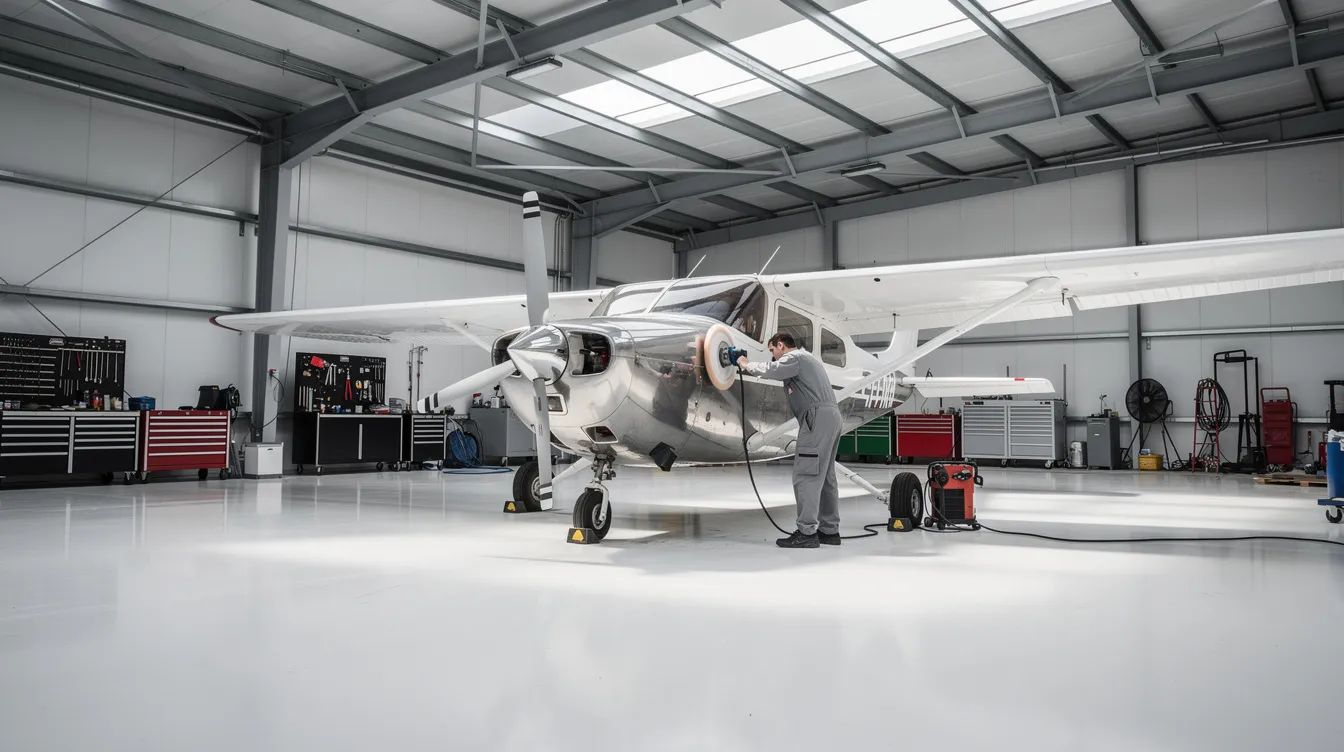
Professionally detail the aircraft: wash and wax the exterior, deep-clean the cabin, replace yellowed plastic trim, recondition worn carpets, and ensure instrument panel lighting is uniform.
For turbine and business jets, document engine times since overhaul, APU status and hours, and avionics modernity (WAAS GPS, ADS-B Out, LPV approach capability) before allowing a test flight.
Well-prepared airplanes - current annuals, no open squawks, clean cosmetics - sell faster and closer to asking price. Transparency about an aircraft's maintenance history builds buyer confidence and shortens the buying process.
Pricing Strategy and Marketing Your Aircraft Effectively
Tips for Effective Aircraft Marketing
[ ] Check actual sale prices (not just listings) on specialized platforms like Controller, Trade-A-Plane, and global marketplaces.
[ ] Adjust price for engine time versus TBO, avionics modernization, damage history, and interior condition.
[ ] Create a strong listing with professional photos from multiple exterior angles, cockpit, and cabin.
[ ] Include a detailed spec sheet with clear maintenance highlights and recent upgrades.
[ ] Consider engaging an aircraft broker for complex transactions, especially for turbine aircraft or international buyers, or explore leasing a private jet as an alternative if you still need regular access without full ownership.
In the 2024–2026 market, buyers are data-driven. Pricing should be based on comparable recent sales data - not wishful thinking. Asking prices that ignore recent comps sit unsold for months. Avoid overpricing as it can lead to stale listings and reduced buyer interest.
Managing Buyers: Test Flights, Deposits, and Avoiding Tire Kickers
Best Practices for Managing Prospective Buyers
Secure a refundable or partially refundable deposit held in an escrow account before allowing test flights. This eliminates most non-serious prospects and protects both parties.
Share a maintenance summary, key logbook pages, and equipment list early, but reserve full logbooks and ownership chain details until the purchaser provides proof of funds.
Define who will be Pilot-in-Command during demo flights. Ensure the seller's insurance covers demonstration flights and verify the buyer's insurance independently.
For international buyers, account for time zones, export considerations, potential re-registration requirements, and currency exchange. Documentation issues (STCs, parts approvals) may differ across jurisdictions.
The typical 2026 buyer journey moves from online inquiry to document review, deposit, pre-purchase inspection, and then test flight close to final acceptance, while some former owners later choose to buy individual seats on private jets instead of owning an entire aircraft again. Filtering out tire kickers early saves both the seller and buyer significant time.
Transferring Ownership: Bill of Sale, Aircraft Transfer, and Escrow
Aircraft Transfer Checklist
[ ] Bill of Sale: Complete FAA Form 8050-2 in duplicate. Both originals go to the buyer. This document proves the transaction and supports the new owner's registration.
[ ] Aircraft Registration Application: Purchaser completes FAA Form 8050-1 and submits it with the bill of sale and fee to the FAA registry in Oklahoma City.
[ ] Temporary Registration: Buyer receives a temporary registration while the FAA processes the permanent record.
[ ] Return Current Registration Certificate: Seller returns Form 8050-3 to the FAA within 21 days and notifies the FAA to remove their registration after sale.
[ ] Title Search: Conduct a title search to confirm no liens exist before signing the purchase agreement.
[ ] Escrow Services: Use a reputable aviation escrow agent to coordinate funds and document transfer. Never release logbooks, keys, or the original airworthiness certificate until escrow confirms cleared funds.
[ ] Verify Chain of Title: Use FAA FSDO offices and registered owner records to verify chain of title if questions arise.
Transferring ownership of an aircraft is more like selling a small business than selling a car, especially when you compare it to arranging charter planes for 100 passengers, which can be operationally complex but doesn’t require you to manage long-term ownership risk. The paperwork drives the closing, and a single missing document can delay or derail the transaction, especially in cross-border deals such as marketing a premium UK private jet for sale.
Case Study: Selling a PA-28 and Moving to BlackJet's Jet Card
Meet a business executive based near Teterboro in early 2026, someone who once evaluated top affordable private planes and access options before deciding full ownership no longer fit his flying pattern. He's the registered owner of a 1979 Piper PA-28, flying roughly 60 hours per year - mostly up and down the Northeast corridor with occasional trips to Florida. After calculating that his ownership costs exceeded $300 per flight hour and an engine overhaul loomed in 2027, he decided to properly sell the airplane and transition to private jet access.
He gathered every document: airworthiness certificate, airframe and engine logbooks, propeller records, STC paperwork, and weight and balance data. He hired a neutral maintenance facility in New Jersey for a full annual inspection, fixed minor corrosion on the control surfaces, and had the cabin professionally detailed. He listed the PA-28 on Controller with professional photos, a complete spec sheet, and pricing based on recent 2025–2026 comps, cross-checking against a broader view of the cheapest private jet options and operating costs. One bill of interest turned into multiple bills of inquiry within weeks.
A buyer emerged, verified proof of funds, completed a pre-purchase inspection, and negotiated a modest price reduction for the corrosion repair. The deal closed through escrow - one bill of sale (FAA Form 8050-2), registration filed, money cleared, and the new owner took delivery.
Post-sale, the executive now uses a BlackJet 25-hour Jet Card for monthly New York–Miami trips on light jets and upgrades to midsize cabins for longer legs, mirroring the benefits outlined in the BlackJet 25+ Hour Jet Card program and, for very frequent flyers, in broader unlimited private jet flight memberships. No more hangar visits, no more coordinating annuals, no more worrying about the engine approaching TBO. Every flight is booked through BlackJet's mobile platform with 24/7 support and carbon-neutral operations built in - vetted operators, rigorous certification standards, and sustainability at no extra cost.

Life After the Sale: Private Flying Without Owning an Aircraft
Private Aviation Options After Selling
Model | Pros | Cons |
|---|
On-demand charter | Maximum flexibility, no commitment | Variable pricing, availability not guaranteed |
Jet Card membership | Fixed rates, guaranteed availability, multiple cabin classes | Upfront capital for hour blocks |
Fractional ownership | Equity share, frequent-flier value | Partial fixed costs, depreciation exposure |
Jet card programs offer prepaid access to private jets with predictable pricing - from light jets for a two-hour regional hop to large-cabin aircraft for international missions- and they can also unlock meaningful jet card tax deductions when structured correctly. BlackJet integrates mobile booking, real-time flight support, and carbon-neutral performance into a hassle-free platform purpose-built for former owners, especially those focused on flying private as cheaply as possible without sacrificing safety or comfort.
Picture a former owner booking a Friday evening light jet from Los Angeles to Aspen for a family ski weekend. No repositioning logistics, no maintenance coordination - just a seamless booking, a clean cabin, and weather delays managed by BlackJet's operations team.
Frequently Asked Questions About Selling an Airplane
What is the importance of the airworthiness certificate when selling an airplane?
The airworthiness certificate must be current at the time of sale. It proves the aircraft meets safety standards and is essential for a smooth transfer of ownership.
Who completes the Bill of Sale and what form is used?
The seller completes the Bill of Sale using FAA Form 8050-2, which must be filled out in duplicate. Both originals go to the buyer to support the registration transfer.
What is the role of the Federal Aviation Administration in the sale?
The FAA oversees aircraft registration and requires notification to remove the seller's registration after the sale. The buyer submits FAA Form 8050-1 for temporary registration during the transfer process.
How can I verify there are no liens or title issues on the aircraft?
A title search through most FAA FSDO offices or specialized services is recommended to confirm the aircraft is free of liens before completing the sale, just as you would fully understand private jet charter pricing structures before signing a longer-term access agreement.
What happens to the aircraft registration after the sale?
The seller returns the current registration certificate to the FAA and notifies them to remove their name. The buyer obtains their own temporary registration pending permanent records, which is especially important if they plan to upgrade to a larger aircraft such as a 12-seater private jet and need to understand the costs involved.
Can the buyer legally fly the aircraft immediately after purchase?
Yes, the buyer can complete their own temporary registration (FAA Form 8050-1) and legally fly the aircraft while permanent registration is processed.
What is the "pink slip" equivalent for airplanes?
Unlike cars, airplanes do not have a pink slip. The Bill of Sale and registration documents serve as proof of ownership.
How long does a pre-purchase inspection typically take?
A pre-purchase inspection can take from 1-2 hours to a full annual inspection lasting several hours, depending on the aircraft and buyer requirements.
What should be included in the aircraft bill of sale?
The bill of sale should include exact seller names as on the registration, aircraft details (N number, make, model, serial number), sale price, and signatures of both buyer and seller.
Are escrow services helpful during the transaction?
Yes, using a reputable aviation escrow service is helpful to secure purchase funds, coordinate document exchange, and ensure funds are only released after all conditions are met.
Where can I get the FAA forms needed for the sale?
FAA forms like AC Form 8050-2 (Bill of Sale) and Form 8050-1 (Aircraft Registration Application) are available from the FAA website, most FAA FSDO offices, or your nearest airport.
What are the registration needs after selling an aircraft?
The seller must return the registration certificate to the FAA and notify them to remove their registration. The buyer must submit registration paperwork to complete the transfer.
How do fund transfers and escrow work in aircraft sales?
Funds are typically held in escrow until the seller completes all required documents, and the buyer confirms inspection and acceptance. This protects both parties.
Is it necessary to have an aircraft purchase agreement?
Yes, a detailed purchase agreement is helpful for both the buyer and seller to address contingencies, payment terms, and responsibilities.
What if the seller is not the last registered owner?
The buyer must obtain a complete chain of ownership with conveyances from the last registered owner to prove legal ownership.
What is the nearest airport's role in the sale?
The nearest airport often hosts FAA FSDO offices where you can get assistance with registration, forms, and inspections.
How important is it to keep complete logbooks?
Complete and clean logbooks build buyer confidence and are crucial to maximizing the aircraft’s sale price and avoiding transaction delays.
What should the seller do about insurance after the sale?
The seller should cancel their aircraft insurance promptly after the sale is finalized to avoid liability.
Are there any tax reporting requirements after selling an aircraft?
Yes, sales must be reported to the IRS after completion. Consult a tax professional for details.
How to handle international aircraft sales?
International sales may require export certificates, deregistration from the FAA, and coordination with the importing country’s aviation authority, especially when dealing with markets where private jet prices are quoted in rupees or other local currencies.
This FAQ section is designed to provide helpful answers covering key aspects of selling an airplane, ensuring clarity on documentation, procedures, and post-sale responsibilities.
Conclusion: Turn a Complex Sale into a Strategic Upgrade
Selling an airplane in 2026 means managing documents, inspections, pricing, and securely transferring ownership - but it also opens the door to more flexible, more efficient private access. Keep the airworthiness certificate and logbooks current, prepare thoroughly for the pre-purchase inspection, price based on real 2024–2026 data, and use escrow plus a properly executed bill of sale for a hassle-free closing.
BlackJet is the natural next step after the sale - a way to convert a single-aircraft commitment into multi-aircraft, carbon-neutral, safety-certified access via Jet Card membership.
Elevate your travel - effortlessly. Explore BlackJet's Jet Card programs and discover how selling your aircraft can lead to a higher level of control, flexibility, and comfort in your private travel.


 Sign up with google
 Sign up with Apple