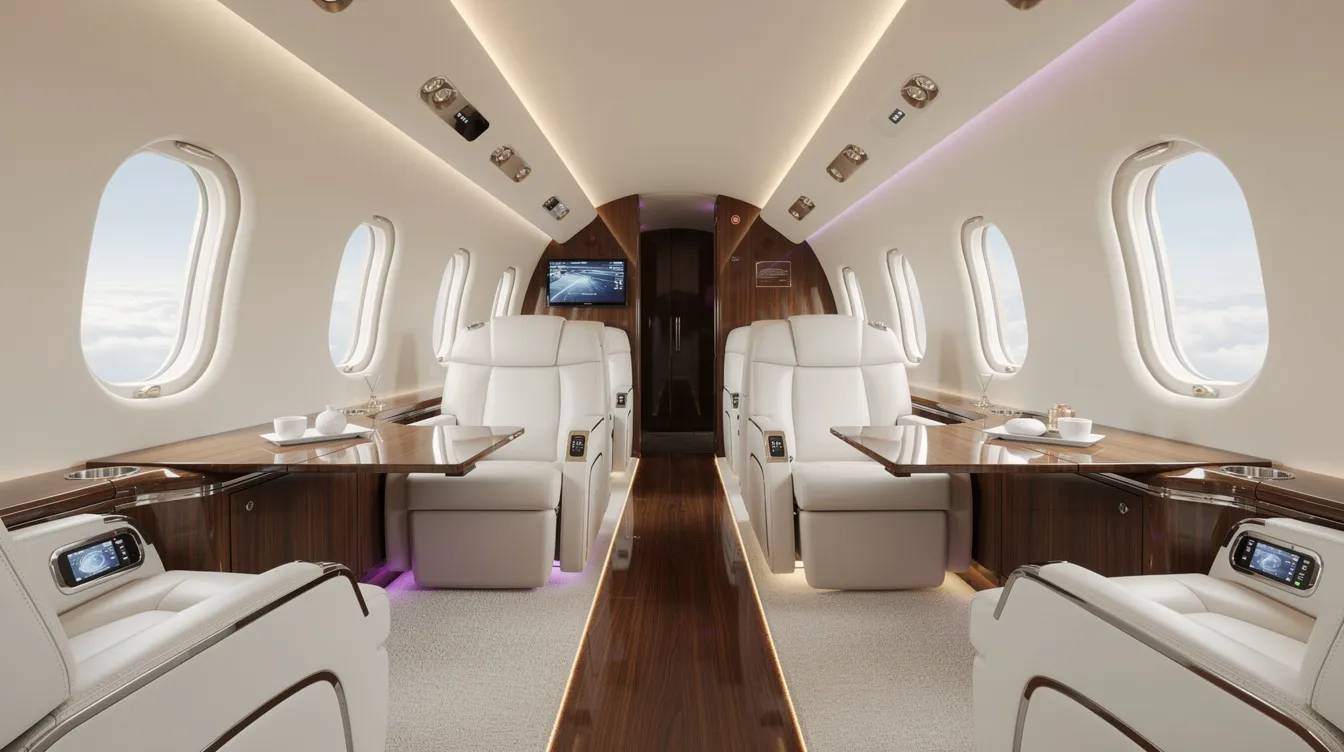
Inside the Saudi Prince Private Plane: How Airbus A380 Luxury Redefined Private Jet Travel
Introduction
This article explores the world of Saudi prince private planes, focusing on Prince Alwaleed bin Talal's legendary Airbus A380 'Flying Palace.' It is designed for executives, frequent flyers, and aviation enthusiasts interested in the ultimate in private jet luxury, technology, and the evolution of high-end air travel. You'll learn what sets Saudi royal aviation apart, how it compares to modern private jet solutions, and why these aircraft matter in the world of business and luxury travel. The jet is referred to as the 'Flying Palace.'
The Saudi prince private plane most people mean is Prince Alwaleed bin Talal's customized Airbus A380 flying palace: a multi-deck private residence in the sky ordered in 2007, widely seen as the most extreme private aviation project ever proposed, even though its final delivery remains unclear. When a Saudi prince orders the world's largest commercial airliner and strips out every seat to build a private residence at 40,000 feet, the result is less aircraft and more architectural statement. The plane was called a palace for a reason: at half a billion dollars, it carried the price tag of a waterfront house in every major capital combined.
For executives, frequent business flyers, high-net-worth leisure travelers, and anyone comparing private jet ownership with more flexible access, this story is more than royal excess. It shows what ultra-wealthy travelers actually value—privacy, control, space, and service—and sets up a practical look at how those benefits compare with typical private jets, Jet Card programs, aircraft categories, safety standards, sustainable aviation efforts, and BlackJet's digital booking and real-time flight support in 2027.
From Commercial Giant to Flying Palace: The Story of Saudi Prince Alwaleed's Airbus A380
Prince Alwaleed bin Talal Al Saud is a member of the Saudi royal family and a global investor whose portfolio has included major stakes in Citigroup, Four Seasons Hotels, and several media holdings. As a philanthropist and dealmaker, he built a reputation throughout the 1990s and 2000s as one of the most visible Saudi business figures on the world stage. Saudi royal flights facilitate international business and investment travel, and Prince Al Waleed's aviation choices reflected that pattern on a scale no one had attempted before.
In November 2007, at the Dubai Airshow, the prince placed a firm order for an Airbus A380 through his investment vehicle, Kingdom Holding. The A380 is the largest private jet model ever considered for single-owner use. In standard airline configuration, the aircraft holds roughly 800 passengers across two full decks spanning over 6,000 square feet of cabin space. Prince Alwaleed bin Talal ordered every one of those seats removed.
Prince Alwaleed's jet cost $400 million to purchase. An additional $100 million was spent on customization, bringing the total program cost to approximately half a billion dollars. Delivery was initially projected for 2012 to 2013. The A380 is modified for private use with luxury features that turn the aircraft into something closer to a multi-story penthouse than a plane.
Saudi princes are known for custom-outfitted wide-body commercial airliners. Saudi aviation includes a blend of state-owned and privately owned aircraft, and Saudi Arabia represents approximately 70% of Boeing Business Jet sales in the Gulf region. But Prince Alwaleed's A380 order stood apart. Saudi Prince Alwaleed bin Talal owns the largest private jet; no other individual has ordered a widebody of this size for personal use.
There are conflicting reports about whether the aircraft was ever delivered in its final form. Airbus A380 orders for Saudi princes were often canceled due to logistical issues, including hangar constraints, airport compatibility, and the sheer cost of continuing operations on an aircraft that burns fuel at commercial-airliner rates. Aviation databases and order records do not confirm delivery of a completed VIP A380 tied to Prince Alwaleed. The prince is publicly associated with a Boeing 747-8 VIP, which does appear to exist and operate. Saudi royal aviation operates without strict public scrutiny compared to some monarchies, so the full timeline remains partially opaque. The A380 order itself is well documented, and the flying palace concept it inspired continues to serve as the benchmark for ultra-VIP aviation.
For most people reading this post, owning an A380 is not a realistic proposition. But the core advantages the prince was buying- privacy, schedule control, and tailored luxury- are now accessible to high-net-worth travelers through asset-light models like Jet Cards that require no money tied up in airframe ownership, especially when you understand how Jet Card pricing structures work.
Inside the Flying Palace: Layout, Features, and Life On Board
What follows is a room-by-room view of the flying palace concept as reported in design proposals and media coverage from 2007 through 2013. Each space was designed to turn a 14-hour flight into an experience indistinguishable from life inside a royal residence on the ground.
The Grand Entrance and Reception Areas
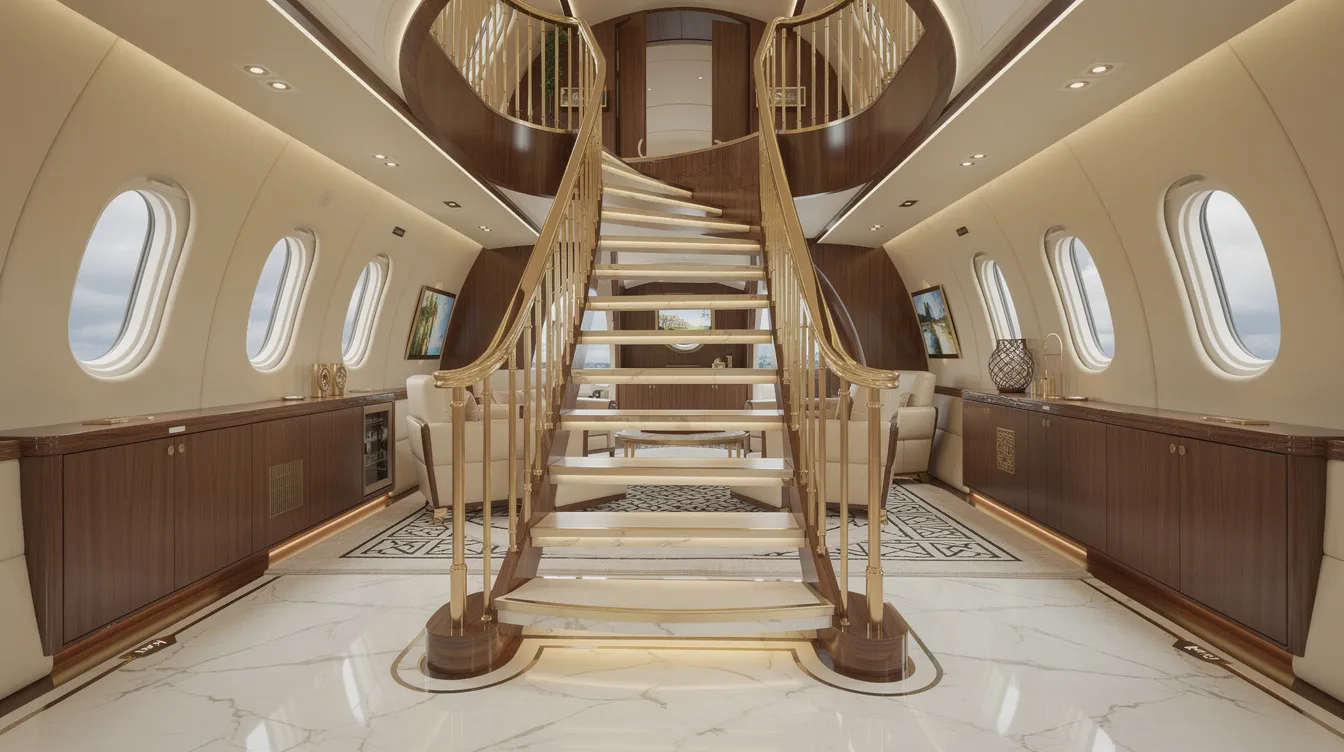
The main deck concept opened with a grand entrance hall featuring a sweeping staircase connecting the two full decks. Finishes included marble-style flooring, gold accents, and architectural detailing that reflected the prince's taste for materials typically found in palace interiors rather than aircraft cabins. Saudi royal aircraft commonly utilize customized materials and heavy soundproofing, and the A380's sheer fuselage width allowed for wall treatments, paneling, and acoustic insulation that would be impossible in a narrow-body jet.
A dedicated majlis-style reception area provided space for greeting guests and dignitaries. Saudi royal family members often travel with large entourages, and the layout acknowledged that reality with facing sofas, low tables, and room for dozens of people to gather in a single cabin zone. Saudi royal jets typically feature large dining and entertainment halls; the A380's main deck dining room seated enough guests for a formal business dinner or high-level meeting at altitude.
The Prayer Room
Aircraft used by Saudi royals often include dedicated prayer areas. The flying palace concept reportedly included a large prayer room oriented toward Mecca, with automated prayer mats that adjusted based on the aircraft's heading. This was not a small curtained-off corner. It occupied a distinct cabin zone, finished with the same caliber of materials used in the reception areas.
Wellness, Leisure, and Recovery
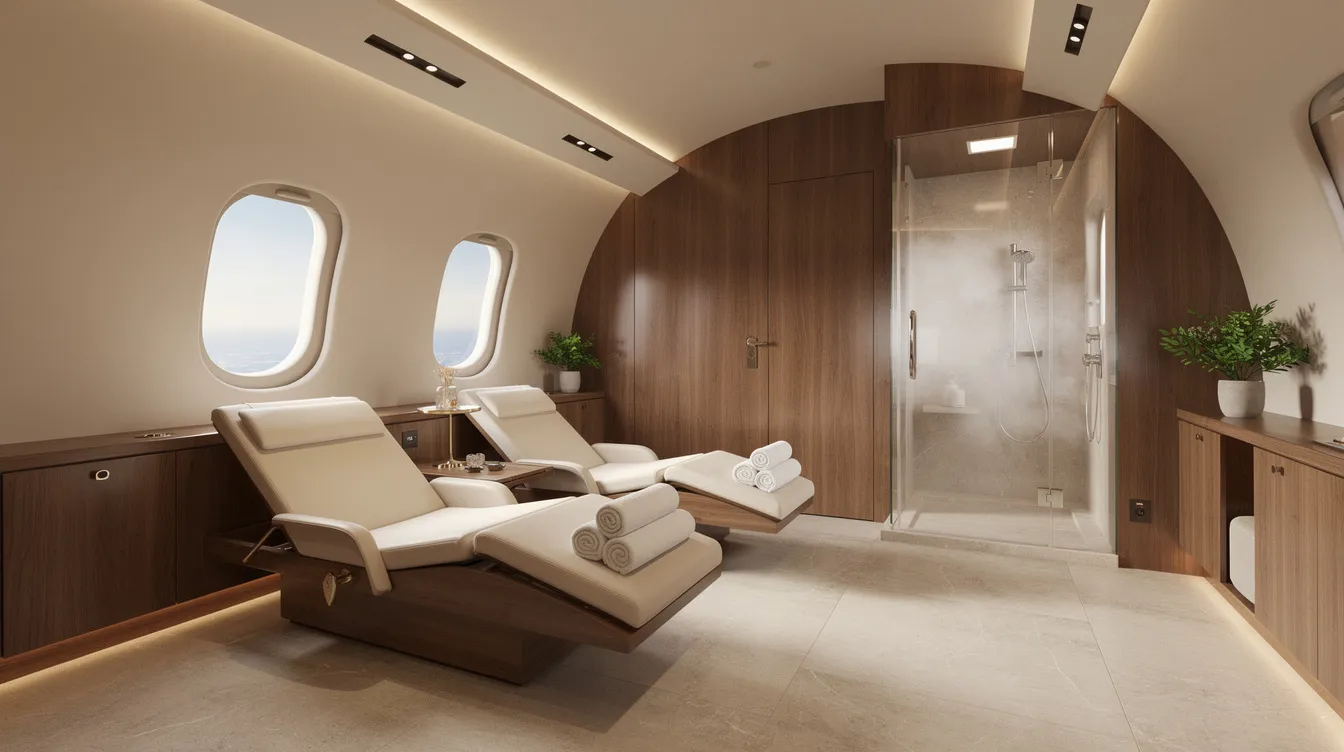
Saudi royal aviation emphasizes bespoke luxury interiors for comfort and privacy, and the flying palace pushed that principle into territory usually reserved for five-star hotels:
A private Turkish bath (hammam) complex with heated marble benches and steam capability
Spa-style shower rooms with full plumbing systems
A fully equipped gym with cardio and strength equipment
A relaxation suite designed for recovery after long flights between Riyadh, London, or New York
These features were not decorative. For a traveler who might fly 14 hours between the Gulf and the United States, arriving physically rested rather than fatigued is a strategic advantage. Saudi royals frequently use aircraft as highly customized flying residences, and the wellness suite reflected that continuing philosophy.
The Royal Suite and Guest Quarters
The private residential quarters included a multi-room royal suite for the Saudi prince: a bedroom, dressing room, and a dedicated office. Several guest suites offered separate sleeping quarters for family, advisors, or business partners. Staff accommodation occupied a distinct zone. The cabin, taken as a whole, was more comparable to a multi-story penthouse than a typical business jet cabin.
Saudi royal aircraft are designed as mobile command centers for statecraft. Secure satellite communications, conference facilities, wide-band internet, and cinema-grade entertainment systems allowed the prince to manage global investments mid-flight, hold video conferences, or simply view a film in a screening room with theater seating.
An additional $100 million was spent on customizing the jet to achieve this level of finish, covering everything from structural alterations to bespoke furniture, silk fabrics, and custom lighting throughout.
The Garage and Falcon Bay
Early design proposals included a lower-deck garage space for a luxury car, often cited as a Rolls-Royce. A separate stable-style area for prized falcons also appeared in reports. Whether these features were structurally feasible at flight weights is debatable, but they signal the kind of bespoke ambition that defined the entire project.
Scale Comparison
To acknowledge how far this concept sits from conventional private aviation:
Feature | A380 Flying Palace | Gulfstream G650ER | Bombardier Global 7500 |
|---|
Cabin floor area | ~6,000+ sq ft (two decks) | ~1,100 sq ft | ~1,230 sq ft |
Typical passengers | 1 owner + entourage | 12–16 | 12–19 |
Bedrooms | Multiple suites | 1 stateroom possible | 1 stateroom possible |
Spa / Turkish bath | Yes (proposed) | No | No |
Car garage | Yes (proposed) | No | No |
Base price (at order) | ~$400 million | ~$72 million | ~$75 million |
The scale and customization of Saudi royal aviation differ from smaller Western private jets in every measurable dimension. The A380 concept was not a bigger version of a business jet; it was a different category entirely.
From Royal Flying Palace to Your Own Private Jet Experience in 2027
Owning an A380 flying palace is reserved for a handful of royal families and billionaires. The capital required, the operational complexity, and the infrastructure demands place it beyond reach for virtually every traveler on earth. But the core advantages Prince Alwaleed bin Talal was purchasing- privacy, control over schedule, tailored service, and the ability to fly anywhere on personal terms- are now accessible through modern private jet solutions like BlackJet's premium private jet cards and charter services that do not require buying or maintaining an aircraft.
BlackJet's Jet Card Model
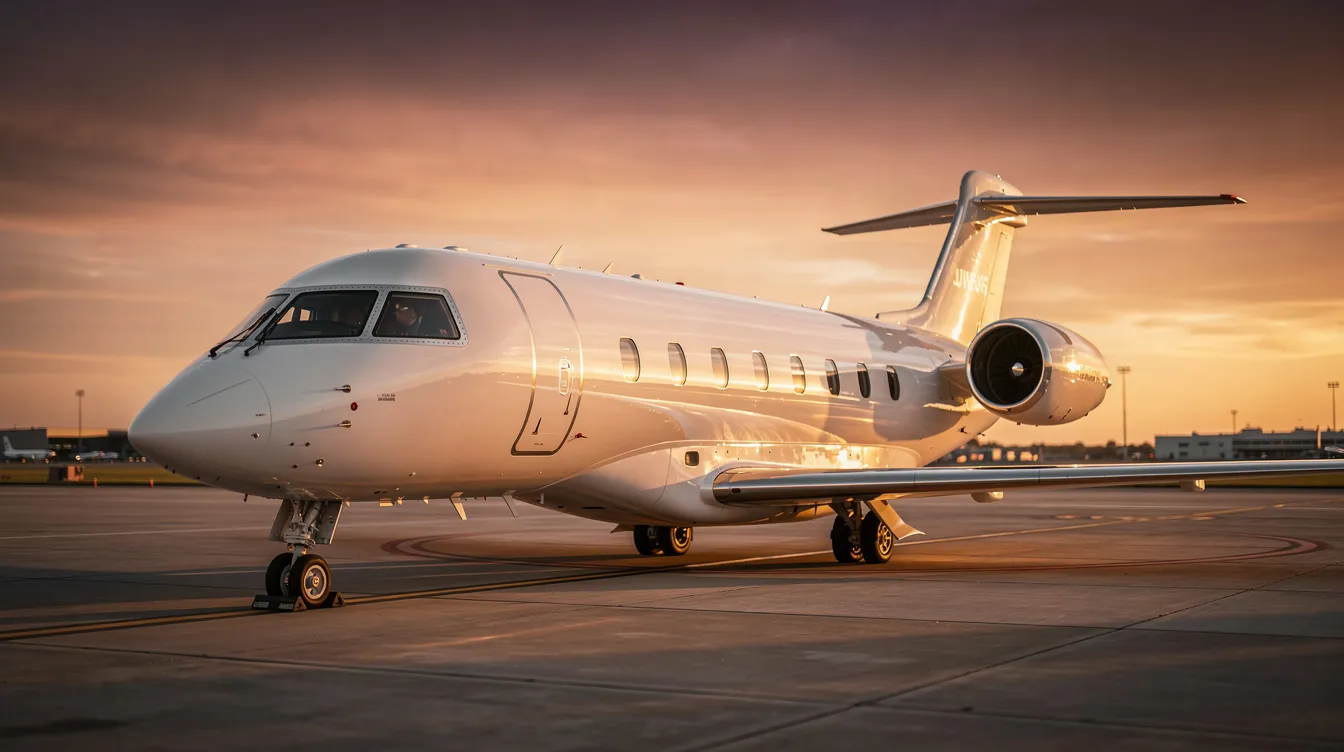
BlackJet is a premier private aviation company offering Jet Card programs that give prepaid access to a curated fleet of private jets across multiple cabin classes. The 25-hour Jet Card suits executives who fly regionally or internationally several times per year and aligns well with the considerations outlined in our complete guide to 25-hour Jet Cards. The 50-hour Jet Card fits travelers with heavier schedules or families who want guaranteed access for extended travel periods, and frequent flyers should review how 50-hour Jet Card costs and value compare across providers.
Here is how ownership of a jet like Prince Alwaleed bin Talal's compares to on-demand access through a Jet Card; when evaluating that trade-off, it helps to look at Jet Card cost per hour across cabin classes and overall Jet Card pricing structures and fees:
Factor | A380 / Widebody Ownership | BlackJet Jet Card |
|---|
Capital outlay | $400M+ purchase, $100M+ customization | Prepaid block hours only |
Ongoing costs | Crew salaries, hangar, maintenance, fuel, landing fees | Hourly rate covers operations |
Asset risk | Full depreciation and resale risk on owner | None; no aircraft owned |
Privacy and schedule control | Total | Near-total; 24/7 booking, guaranteed availability |
Airport flexibility | Limited (A380 requires specific runways/gates) | Access to thousands of private terminals |
Crew management | Owner's responsibility | Handled by certified operators |
Issues of privacy and security influence private aviation for Saudi royals and high-net-worth individuals alike. Travelers who fly often can compare the best Jet Card options for frequent flyers to decide whether BlackJet's model delivers both without the complexity of managing a widebody fleet.
Aircraft Categories Available
BlackJet provides access across multiple aircraft classes, each suited to a different mission:
Light jets for short regional hops (Riyadh to Manama, Milan to Geneva): 4 to 7 passengers, flight times under 3 hours — ideal for travelers comparing the best small private aircraft options or researching the cheapest private jet solutions on the market
Super-midsize jets for Europe to Middle East routes: 8 to 10 passengers, non-stop range up to 3,500 nautical miles
Large cabin jets for intercontinental missions (New York to Dubai, London to Riyadh): up to 16 passengers, non-stop range exceeding 6,000 nautical miles, with lie-flat beds, showers, and dedicated workspaces, mirroring many of the amenities found in top 16-seat private jet models
No aircraft matches the 6,000-square-foot cabin of an A380. But a large cabin jet on a 12-hour transatlantic leg offers the same privacy and schedule freedom that make the flying palace concept appealing, at a fraction of the cost; those considering something closer to the original may explore what a private Airbus A380 experience entails.
Safety Certification
Every aircraft BlackJet offers must meet stringent third-party safety certification and operator standards. Crews are audited, maintenance records are verified, and operators carry ratings from agencies such as ARGUS International and Wyvern. This structured approach to safety provides a contrast to the headline-grabbing luxury details of the Saudi prince's private plane; the focus is on what happens behind the cabin door, not just inside it.
Carbon-Neutral Flights and Sustainable Aviation
All BlackJet flights are carbon-neutral by default through verified carbon offsets, at no extra cost to the member. The company is aligned with 2027-era sustainable aviation fuel (SAF) initiatives, which reduce lifecycle carbon emissions from jet fuel by up to 80% compared to conventional kerosene. For travelers aware of the environmental cost of operating a four-engine A380 for a single passenger, this is a meaningful alternative. BlackJet ensures every journey is carbon neutral, turning private travel into a responsible choice rather than purely an indulgent one, even for travelers who typically focus on the cheapest private aircraft and budget-friendly options.
Digital Booking and Real-Time Support
BlackJet's 24/7 mobile and web booking tools allow members to price, schedule, and confirm a private jet within minutes. Real-time flight support mirrors the always-available travel flexibility that royal households expect; except it runs on a smartphone rather than a palace operations center. You can view availability, agree to terms, confirm, and receive trip details by email without speaking to anyone, or call a dedicated support line any month of the year, similar to the seamless process described in our guide on how to buy a seat on a private jet.
Two Use Cases
Executive shuttle, Riyadh to European financial centers. A managing director at a Gulf-based investment firm flies to London, Zurich, and Frankfurt six times per year. Using a 25-hour Jet Card, she books a super-midsize jet for each leg, departs from a private terminal in Riyadh with no commercial queues, and lands at Farnborough or Zurich's private aviation facility, applying the principles outlined in our comprehensive 25-hour Jet Card guide. Total flight time per round trip: roughly 12 to 14 hours. She uses the remaining hours for regional travel within the Gulf.
Family itinerary, Middle East to Mediterranean. A family of six charters a large cabin jet for a multi-stop summer trip: Dubai to Mykonos, Mykonos to Sardinia, Sardinia to Bodrum, Bodrum back to Dubai. Four legs over three weeks. The 50-hour Jet Card covers all legs with hours to spare for the rest of the year, illustrating many of the value dynamics discussed in our 50-hour Jet Card cost guide. The experience echoes the comfort and privacy of a flying palace, adapted to a world where people want flexibility rather than a single altered airframe parked in a hangar between trips.
Explore Private Jet Access on Your Terms
The flying palace set a standard no other private aircraft has matched. Prince Alwaleed bin Talal's order for the world's largest private jet proved that there is no upper limit to what aviation can deliver in terms of luxury, privacy, and control. That place at the top of the market still belongs to the A380 concept.
For those who agree that private aviation should deliver privacy, schedule control, and comfort but prefer to fly without the capital commitment and operational weight of owning the world's largest plane, BlackJet's Jet Card programs offer a practical path forward; frequent travelers can compare 100-hour Jet Card costs and benefits alongside hourly Jet Card cost benchmarks to decide what level of commitment fits their flying pattern.
Explore BlackJet's Jet Card programs and discover how to bring flying palace-level privacy and control to your own travel in 2027, with safety, sustainability, and flexibility built into every flight, while using our overview of the best Jet Cards for frequent flyers to choose the structure that matches your needs.
FAQ
What is the "Flying Palace"?
The Flying Palace is the name given to Prince Alwaleed bin Talal's customized Airbus A380, ordered in 2007 for approximately $400 million with an additional $100 million in interior customization. It was designed as a multi-deck private residence in the sky, similar to the ultra-luxury concepts explored in our analysis of private jet Airbus A380 experiences and Saudi prince private plane luxury and features.
Was the Flying Palace ever delivered?
Conflicting reports exist. Aviation databases do not confirm delivery of a completed VIP A380 to Prince Alwaleed. Airbus A380 orders for Saudi princes were often canceled due to logistical issues including hangar size, airport compatibility, and operating costs, the kind of operational constraints that lead many flyers to consider top private jet companies and their access models instead of outright ownership.
How does a Jet Card compare to owning a private jet?
A Jet Card provides prepaid access to private jets without purchasing an aircraft. Members pay hourly rates for the cabin class they need, avoid maintenance and crew costs, and retain the privacy and scheduling flexibility that ownership provides, while benefiting from the predictable budgets outlined in our guide to Jet Card pricing, costs, and benefits.
Are BlackJet flights carbon neutral?
Yes. All BlackJet flights include verified carbon offsets at no additional cost, and the company supports sustainable aviation fuel initiatives aligned with 2027 industry standards, even for travelers entering via the cheapest private jet options and entry-level aircraft.
What safety standards does BlackJet require?
Every operator in BlackJet's network must hold third-party safety certifications from agencies such as ARGUS International or Wyvern, with audited maintenance records and vetted flight crews, similar in rigor to what discerning buyers review when comparing NetJets Jet Card costs and programs.
Conclusion: Private Aviation on Your Terms
Prince Alwaleed bin Talal’s proposed A380 Flying Palace remains an extraordinary vision of private aviation, built around privacy, space, and control. Yet its reported $400 million purchase price, $100 million customization program, and demanding infrastructure requirements also show why owning an aircraft of that scale is practical for very few travelers. For a closer look at the aircraft’s design, explore our guide to private Airbus A380 experiences and learn more about Saudi prince private plane luxury and features.
For executives and families seeking similar freedom without managing a widebody fleet, a Jet Card offers a more flexible route to private jet access. BlackJet combines aircraft choice, 24/7 booking and support, operator safety standards, and carbon-neutral flights to make each journey more considered. Explore BlackJet’s Jet Card programs and discover a more seamless way to travel in 2027.


 Sign up with google
 Sign up with Apple