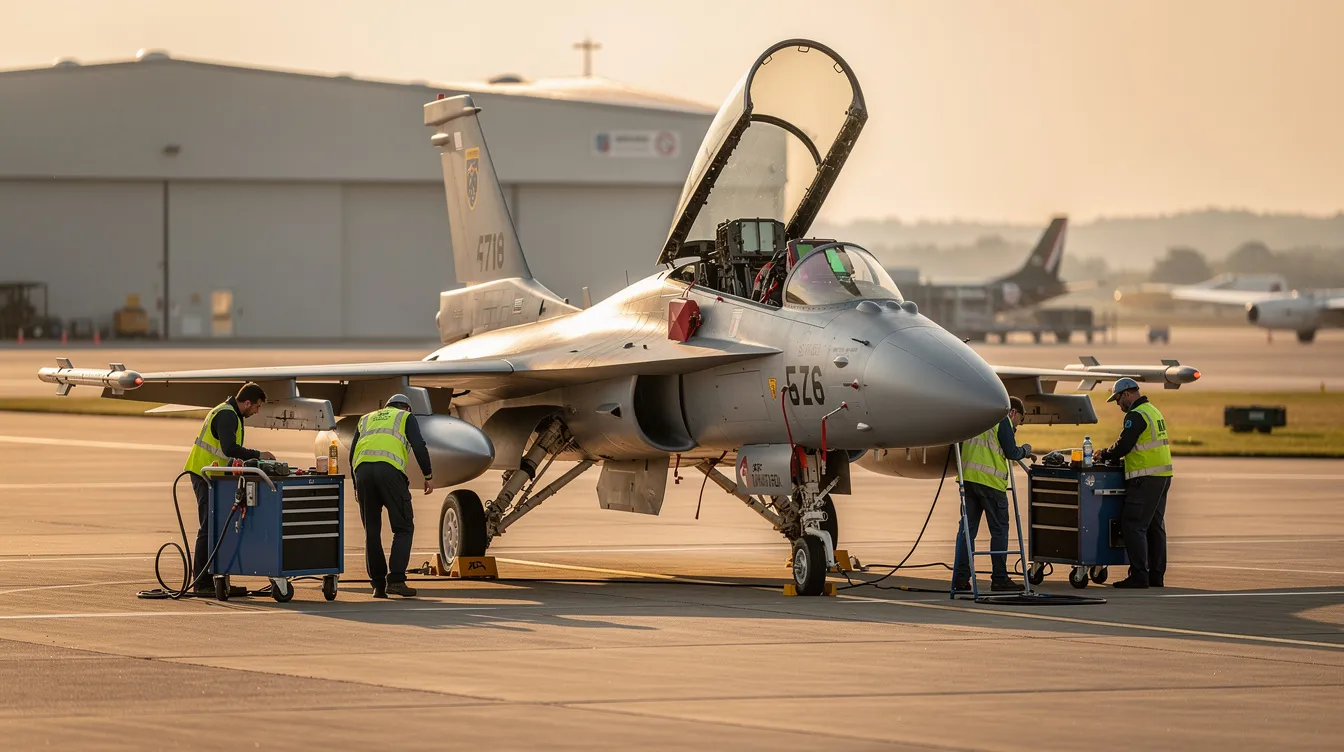
Private aviation is not just a luxury; for executives, family offices, and global entrepreneurs, it is a strategic advantage measured in time, privacy, and control. Yet few forms of aviation carry more prestige than privately owned military jets: machines built for combat, speed, training, and national power. This guide explains who owns them, how they are regulated, what they cost, and why most serious travelers ultimately choose business aviation access over ownership.
Why Privately Owned Military Jets Matter In 2026
Privately owned military jets now sit at the intersection of military history, private ownership, and modern defense training. Once controlled almost exclusively by the air force, navy, Marine Corps, or Royal Air Force, decommissioned military aircraft increasingly appear in civilian hands as collectibles, museum pieces, airshow performers, and tactical assets.
In the U.S., there are roughly 1,000 privately owned military jets. They are usually classified as personal ownership or tactical training, and many examples are retired from active service before entering civilian use; privately owned jets are primarily used for airshows and military pilot training exercises. The category ranges from WWII warbirds to fourth-generation fighter aircraft such as F-16s and Su-27s, with most operating under strict Federal Aviation Administration rules.
Concrete examples show the breadth of the world. Jared Isaacman owns a Panavia Tornado and MiG-29s, along with aircraft such as the Aero L-39. Draken International has over 150 military aircraft in its fleet. Top Aces operates the world's first private F-16 fleet. Civilian Aero L-39 operators fly one of the most accessible former military training aircraft types.
Privately owned military jets differ significantly from commercial jets in design and operation: a fighter jet is built for speed, altitude, maneuvering, and combat, not quiet cabins or luggage. That romance is powerful, but the practicality is limited. A BlackJet Jet Card delivers private jet access without maintaining engines, storing aircraft in a hangar, managing fuel logistics, or carrying FAA compliance risk.
Who Actually Owns Military Jets Privately Today?
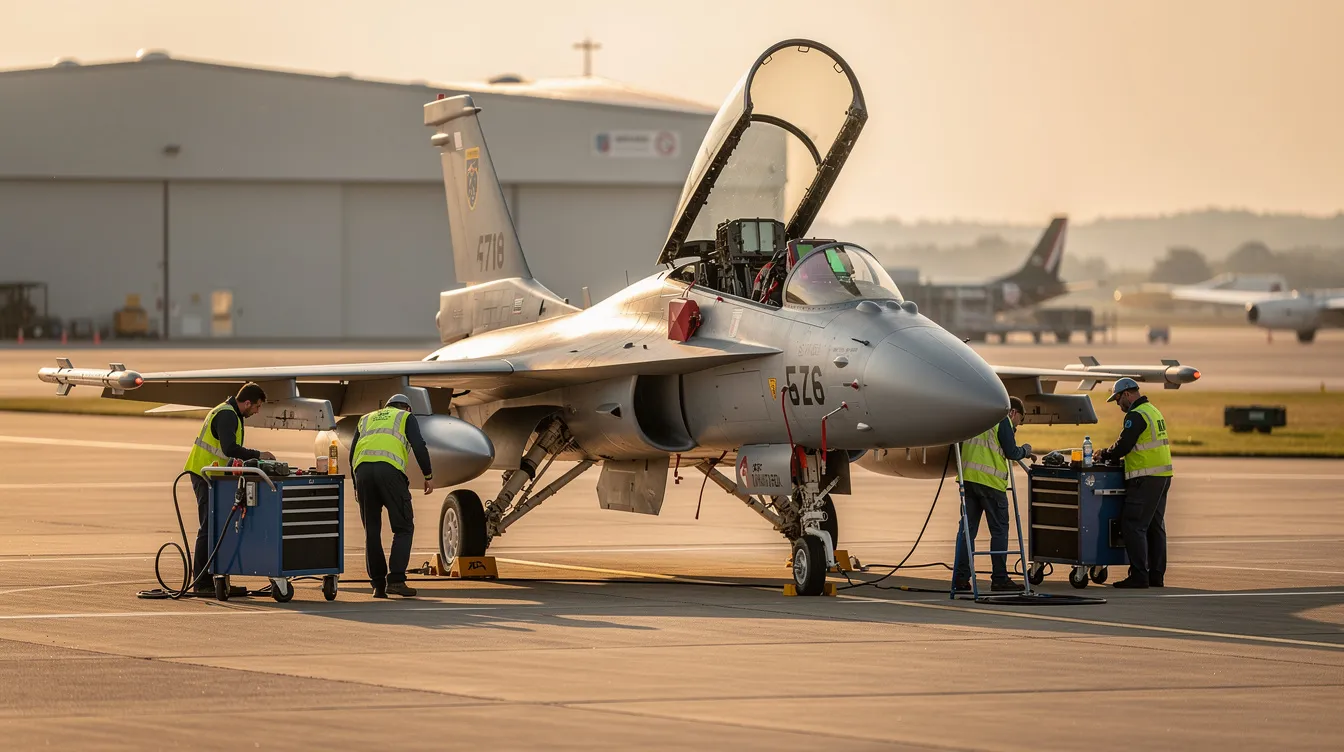
There are three main owner groups: individual collectors, private companies such as Draken International and Top Aces, and museums or nonprofit foundations preserving warbirds for the public.
Individual private owners include aviation enthusiasts, former military service pilots, and ultra-high-net-worth collectors. Jared Isaacman is the best-known modern example, with MiG-29 Fulcrums, a Panavia Tornado, and L-39 jets. Other ex-military pilots fly demilitarized Hawker Hunters, MiG-21s, and the occasional privately owned Harrier.
Companies hold the largest tactical fleets. Draken International, founded in 2012 in Lakeland, Florida, operates over 150 military aircraft and provides air support. The Draken fleet has included A-4 Skyhawks, L-159s, Mirage F1S, and other capable tactical aircraft.
Top Aces became especially notable in 2021 as a private company operating the world's first private F-16 fleet, supported by Alpha Jet and A-4 platforms.
Many airworthy P-51 Mustangs, Spitfires, and Aero L-39s are owned through LLCs or trusts for liability, tax, and insurance reasons. Obsolete jets are often sought by collectors and contractors because they offer historical value or useful training capabilities. Compared with global business aviation planes, the number of privately owned tactical jets is tiny, but their top speed, noise, cockpit drama, and wings attract outsized attention around the world, even though most UHNWIs ultimately care more about understanding the broader private jet price list, costs, and access models.
Legal Framework: How Civilians Can Own Former Military Aircraft
Private ownership of military aircraft is legal in the U.S., and civilians can legally own and operate decommissioned military jets. The key is that military jets are tightly regulated by the Federal Aviation Administration, and ownership requires specific pilot licensing and FAA authorization.
Most former military aircraft fly under an FAA Experimental/Exhibition airworthiness certificate. The FAA requires an Experimental/Exhibition airworthiness certificate for military aircraft because many were never certified as civilian aircraft. Use is limited to training, proficiency, maintenance flights, exhibitions, and airshows; operators often submit annual program letters. Civilians cannot use military aircraft for commercial purposes, such as normal passenger charter,r under these rules.
Demilitarization is mandatory. Civilians must demilitarize military aircraft before ownership, and demilitarization is required to remove all armament and classified avionics. Weapon systems must be permanently removed from military aircraft, including guns, ordnance racks, targeting computers, classified radar modes, and sensitive avionics, though the aircraft may still be equipped with non-sensitized or civilian-approved systems after demilitarization.
Importing a MiG-29, Su-27, or other foreign military jet can also trigger ITAR, export control, sanctions, and customs reviews. Since 2022, parts from Russia and Ukraine have become more difficult to source. Current front-line fighters such as F-35s, Eurofighter Typhoons, and comparable aircraft from other nations remain under state control and are not sold to private owners.
Iconic Warbirds And Fighter Jets You Can Actually Buy
“Warbirds” usually means WWII-era propeller aircraft, while tactical aircraft or jets usually mean postwar trainers and fighters. Prices vary by provenance, restoration quality, remaining engine life, documentation, and whether the aircraft is fully restored and airworthy.
Aircraft | Typical airworthy price | Notes |
|---|
Supermarine Spitfire Mk IX/XVI | $3.5M–$7M | Around 50–60 airworthy examples are often cited |
North American P-51 Mustang | $2.5M–$4.5M | About 150 airworthy worldwide |
P-38 Lightning | $4M–$7M+ | Rare and expensive |
Hawker Sea Fury | $1.8M–$3.5M | High-performance piston warbird |
Aero L-39 Albatros | $200k–$450k | Airworthy Aero L-39 Albatros jets sell for $200,000 to $450,000 |
Aero L-29 Delfin | From about $80k | Lower-cost trainer; “aero l” listings appear on specialty sites |
MiG-21 | $300k–$800k | The MiG-21 is the most-produced supersonic aircraft in history, with over 11,000 built |
MiG-29 | $2M–$5M | Sanctions and parts control complicate ownership |
Sukhoi SU-27 | $2M–$5M | The Sukhoi SU-27 can cost between $2 million and $5 million |
F-104 Starfighter | $1M–$2.5M | Historic sound barrier icon |
Northrop F-5 | $500k–$1.5M+ | Popular aggressor-style fighter |
Douglas A-4 Skyhawk | $500k–$1.5M | Airworthy Douglas A-4 Skyhawks sell for $500,000 to $1.5 million |
Alpha Jet | $500k–$1.2M | Used by private training companies |
Harrier GR.3 | $1.5M–$3M+ | Rare VTOL aircraft; few fly |
The Aero L-39 Albatros has approximately 2,800 units produced, which helps explain its comparatively strong parts ecosystem. The Douglas A 4 Skyhawk and TA-4J can cost far more when rebuilt for military training. A BAC Strikemaster may appear near $100,000, while a Canadair CL-41G Tebuan may be closer to $200,000. Buyers search brokers, auctions, online marketplaces, and sites such as Trade-A-Plane, but the purchase price is only the beginning.
Running Costs: What It Really Takes To Operate A Fighter Jet
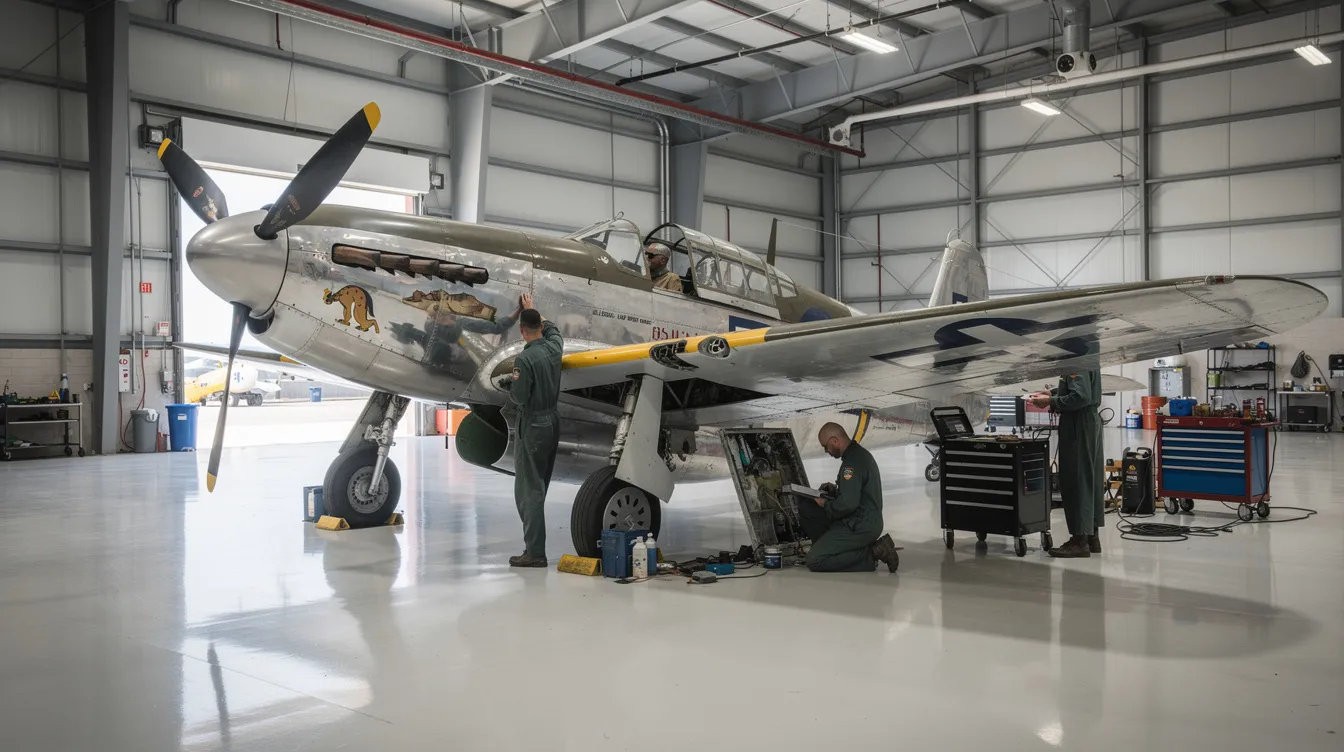
Operating military jets incurs exceptionally high costs compared to civilian aircraft. Advanced military jets can reach $10,000–$50,000+ per flight hour once fuel, inspections, insurance, engines, parts, pilots, and specialist maintenance are included.
Here are typical figures:
Operating costs for the L-39 Albatros range from $1,000 to $1,500 per flight hour, with fuel expenses accounting for $400 to $800 per hour.
Alpha Jet operating costs can run $2,000–$3,000 per hour.
A-4 Skyhawk operating costs can reach $3,000–$5,000 per hour.
MiG-29 and Su-27 operations often run $8,000–$12,000 per hour.
F-4 Phantom II operating costs can exceed $15,000 per hour.
F-16 operating costs are about $50,000 per hour in high-end estimates.
Rare Tornado, late-life F-16, or complex VTOL platforms can approach tens of thousands more when scarce parts are included.
Annual inspections are required for privately owned military aircraft, and annual inspections for military aircraft can cost $5,000 to $50,000. Annual operating costs for a P-51 Mustang run $50,000 to $100,000. Merlin or Allison engine overhauls can cost $150,000–$250,000 every 500–800 hours, which is why many enthusiasts look instead at the cheapest private jet options for actual transport.
Maintenance for military jets requires specialized technicians and FAA approval. Insurance underwriters may require former military instructors, recurrent checks, and documented emergency training. By contrast, BlackJet Jet Card hourly access includes aircraft, crew, maintenance, insurance, and support without ownership risk.
Private Adversary Air: How Companies Like Draken International Use Fighter Jets For Training
Adversary air training, often called red air, means private corporations contract demilitarized fighter jets for simulated enemy aircraft use. These companies help air force pilots practice air-to-air combat, air defense, intercepts, and threat recognition without consuming front-line military operations capacity.
Draken International provides adversary air services for military training. Founded in Lakeland, Florida, Draken operates one of the world’s largest privately owned military aircraft fleets, with over 150 military aircraft. Its customers include the U.S. Air Force, Navy, Marine Corps, and allied nations, using aircraft such as A-4 Skyhawks, L-159s, and Mirage F1S.
Top Aces operates the world's first private F-16 fleet. Its F-16A/B aircraft, acquired beginning in 2021, bring near-front-line threat replication, while Alpha Jet and A-4 aircraft support other training profiles.
Defense contractors often own high-performance military jets for government training contracts because outsourcing can be cheaper than using F-35s or F-22s for every exercise, just as corporations weigh different top private jet companies when outsourcing business travel. European activity includes Draken Europe at Bournemouth and French SDTS missions using A-4N Skyhawks for target towing and gunnery support.
From Military Jets To Business Aviation: What High-Net-Worth Flyers Really Choose
The appeal is obvious: afterburner noise, a tight cockpit, the thrill of taking these aircraft into the skies, the sound barrier, and the heritage of the Vietnam War or Cold War combat aviation. But most UHNWIs and executives choose business jets or Jet Card access because the mission is different.
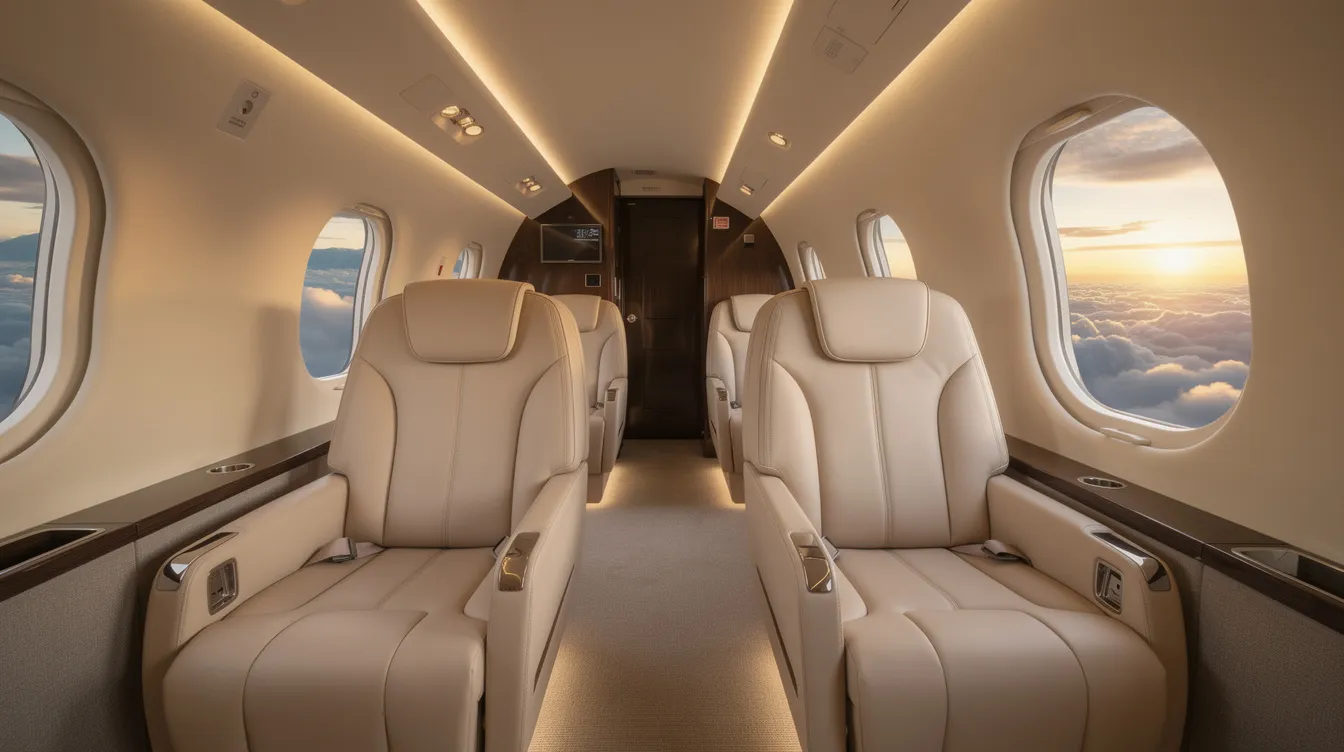
A military jet is optimized for short, intense sorties. It may carry minimal baggage, offer limited weather flexibility, and demand oxygen masks, G-suits, and complex operating procedures. A business jet is optimized for range, privacy, Wi-Fi, cabin comfort, and productivity, and can include the top affordable private planes that still deliver serious performance. New York to London overnight is a work-and-rest mission, not a fighter sortie.
Safety and regulation also differ. Former military aircraft may operate in narrower windows, while modern business jets meet Part 135, Part 91K, or equivalent standards and are supported by certified crews, maintenance programs, and third-party safety audits such as ARGUS or Wyvern.
BlackJet’s model is simple: prepaid 25+ Hour Jet Card blocks provide access to light, midsize, super-midsize, and large-cabin aircraft without owning any aircraft, let alone a fighter. A client may love warbirds yet rely on BlackJet to move between London, Geneva, and Dubai for board meetings in quiet cabins with carbon-neutral operations.
Safety, Sustainability, And Technology: How Private Military And Business Aviation Differ
Whether you fly a 1940s Spitfire or a 2023 Gulfstream, safety and control are non-negotiable. The frameworks, however, are completely different.
Warbird and military jet safety depends on specialist shops, owner associations, pilot communities, and careful logbook discipline. These aircraft were built for military service, not long civilian lifecycles, so corrosion, fatigue, and parts scarcity matter.
Business aviation safety relies on standardized maintenance, modern avionics, TCAS, ADS-B, advanced autopilots, weather radar, and audited operators. BlackJet works with vetted operators and certified crews, giving members private aviation safety without managing the aircraft themselves.
Sustainability is another dividing line. Aging fighter aircraft burn heavy fuel volumes, produce noise, and have limited sustainable aviation fuel options. Leading private jet programs now prioritize carbon-neutral flights through verified offsets and, where available, SAF blends, even when focusing on the cheapest private aircraft and budget-friendly access models.
The technology stack differs, too. Combat jets focus on radar, weapons integration, and high-G performance. BlackJet emphasizes digital booking tools, mobile access, real-time flight support, optimized routing, and responsive service.
How To Buy A Military Jet (And When Not To)
Buying a military jet starts with a budget that includes the purchase plus 5–10 years of operating costs and a clear understanding of how that compares with jet card pricing structures. Next, choose a category: trainer, warbird, tactical fighter, or rare museum-grade aircraft. Specialized dealers such as Platinum Fighter Sales or Code 1 Aviation, brokers, auctions, and aviation marketplaces can help source planes, while many travelers instead buy a seat on a private jet when they simply need to get from A to B.
Due diligence is critical:
Audit logbooks and military history.
Verify airframe hours, engine cycles, and prior military operations.
Inspect corrosion, fatigue, landing gear, wings, and control surfaces.
Confirm demilitarization of ordnance, weapons systems, and classified avionics.
Validate FAA registration, insurance, and import paperwork.
Certification means working with the FAA or national authority, securing Experimental/Exhibition approval, arranging training, and proving pilots are qualified. Ownership of military jets requires specific pilot licensing and FAA authorization.
When should you not buy? If your primary goal is efficient flight between cities, a private jet charter or a Jet Card is more rational; frequent flyers find the 100-hour Jet Card cost guide more relevant than a warbird purchase agreement. Air-experience flights, heritage flights, airshow rides, and simulators let aviation enthusiasts experience military aircraft without buying a hangar full of risk.
Privately Owned Military Jets And The Future Of Air Superiority
Modern air forces balance fifth-generation fighters such as F-35s, F-22s, and Rafales with outsourced adversary fleets to preserve air superiority while controlling budgets. Private companies will keep upgrading cockpits, datalinks, electronic warfare tools, and threat emulation in F-16, Alpha Jet, A-4, and similar platforms.
Future red air will likely mix piloted ex-military jets with drones, AI-enabled simulators, and virtual training environments. That may reduce the number of legacy aircraft required for some training.
Regulators may also tighten noise, emissions, altitude, and airport access rules. Urban expansion around older airfields will make loud aircraft harder to operate. Privately owned fighters will remain a niche, high-profile corner of aviation; the mainstream growth area is efficient, sustainable business aviation.
BlackJet Perspective: Strategic Access To Jets Without Owning One
Owning a military jet is emotional, historic, and technically demanding. Owning a business jet or fighter is rarely the most efficient way to gain strategic travel advantages.
BlackJet’s Jet Card model gives members prepaid 25- or 50-hour blocks, access to multiple aircraft categories, fixed or capped hourly structures, 24/7 digital booking, and human support. Safety comes through audited operators and certified crews. Sustainability comes through carbon-neutral flights as standard. Technology comes through mobile booking, real-time support, and efficient routing.
A client might fly in a privately owned Aero L-39 at an airshow one weekend, then use BlackJet during the week between Los Angeles, New York, and London in a quiet midsize or large-cabin jet.
Explore BlackJet’s 25-hour Jet Card guide and see how premium private jet access can deliver the strategic advantages of aviation without the burdens of ownership.
Frequently Asked Questions About Privately Owned Military Jets
Can a civilian legally own a fighter jet in the U.S.?
Yes. Civilians can legally own and operate decommissioned military jets in the U.S. if the aircraft is demilitarized, properly registered, and operated under FAA rules. The FAA generally requires Experimental/Exhibition certification, pilot licensing, and specific operating authorization.
What are the most advanced fighter jets currently in private hands?
Top Aces operates the world's first private F-16 fleet, making its aircraft among the most advanced tactical jets in private hands. Jared Isaacman owns a Panavia Tornado and MiG-29s. Rare Harriers, Tornados, F-5s, and MiG-29s also exist in private hands, though availability is limited.
How much does it cost to own and fly a fighter jet compared with a private business jet?
A basic L-39 may cost $1,000–$1,500 per hour, while an F-16 can reach about $50,000 per hour. Business jet access through a Jet Card is not inexpensive, but it is designed for transport, productivity, and reliability, with crew, maintenance, insurance, and support included; a detailed 50-hour Jet Card cost breakdown can help compare those costs to military jet ownership.
Is there a way to experience military jet performance without buying one?
Yes. Air-experience flights, heritage flights, airshow rides, and high-fidelity simulators can offer the thrill of military aviation without ownership. For real travel, reviewing the best jet cards for frequent flyers and choosing a BlackJet Jet Card lets you keep the fighter jet experience as a passion while using private aviation for work, family, and global mobility.
Conclusion: The Strategic Edge of Private Military Jet Ownership and Business Aviation
Privately owned military jets represent a unique blend of history, technology, and prestige, offering enthusiasts and tactical operators an unparalleled flying experience. However, the complexities of ownership—from regulatory compliance and high operating costs to specialized maintenance—make them a niche pursuit best suited for collectors, contractors, and defense training providers.
For the discerning traveler and high-net-worth individual seeking strategic advantages in mobility, business aviation access through programs like BlackJet’s Jet Card offers a superior solution. It combines safety, sustainability, and flexibility without the burdens of ownership. Whether captivated by the legacy of warbirds or the cutting-edge performance of tactical jets, the ultimate choice for seamless, efficient, and luxurious travel lies in leveraging private aviation services that deliver unparalleled convenience and control.
Elevate your travel experience with BlackJet and discover how premium private jet access can transform your journey—without the complexities of owning a military jet.


 Sign up with google
 Sign up with Apple