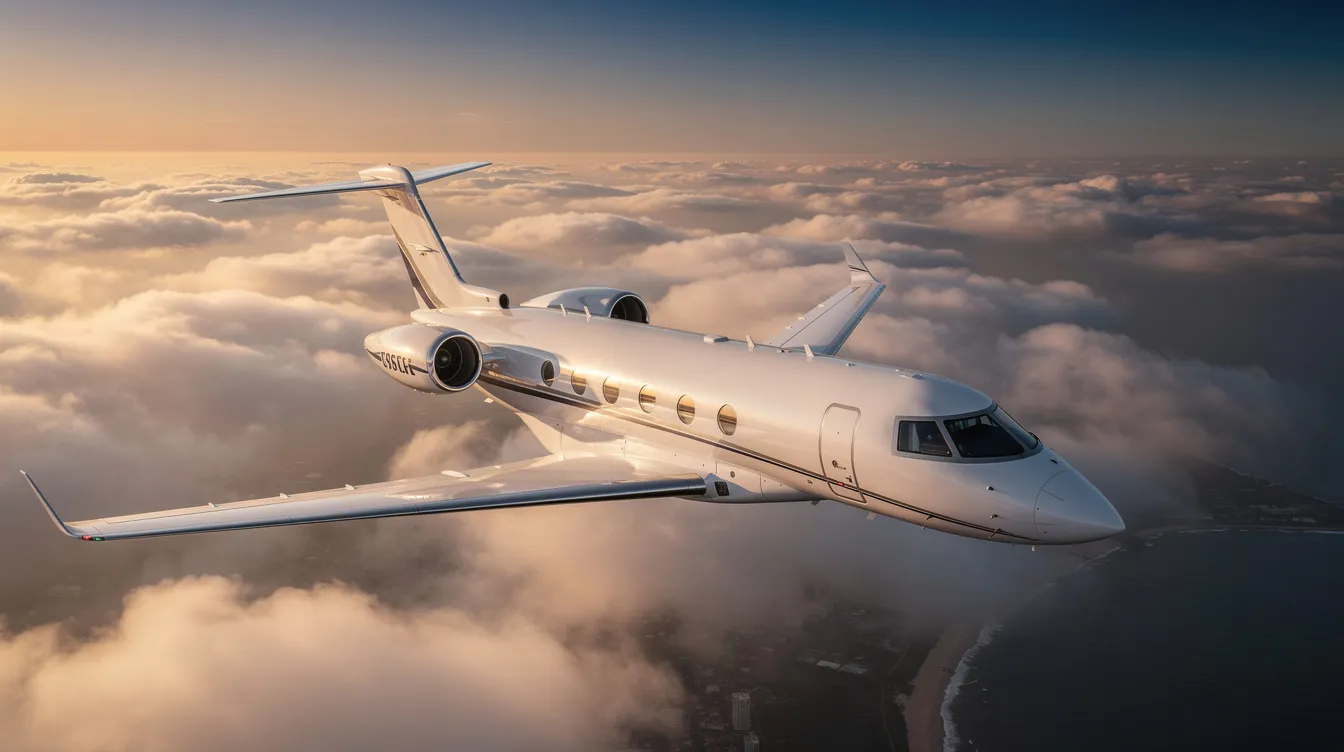
A New York–Miami round-trip that consumes 8–10 hours door-to-door on a commercial airline can be completed in under 4 hours when flying private. Booking a round trip on a private jet not only maximizes time savings but can also reduce overall travel costs and improve scheduling flexibility, making it an efficient and cost-effective solution for travelers. That time difference represents the core value proposition of private aviation—not luxury for its own sake, but strategic control over your most finite resource.
In 2026, private jet travel has evolved well beyond the stereotypes. With post-pandemic demand up 20% since 2020 and a U.S. private jet fleet exceeding 15,000 aircraft, sophisticated travelers now have multiple pathways to secure access. This article explains how affluent travelers practically “buy” private jet access today, with a focus on BlackJet Jet Cards as the most flexible middle ground between ad-hoc charters and full ownership.
What “Private Jets Tickets” Really Mean in 2026
Here’s a fundamental truth that surprises many first-time private flyers: there are no literal “tickets” in private aviation. Unlike commercial flights, where you purchase a single seat, private aviation operates on a full-aircraft charter basis where the entire plane is rented.
Instead, access is secured through three primary mechanisms:
On-demand charters, where you pay per trip
Jet cards or memberships that function as prepaid blocks of flight hours
Fractional or full ownership of an aircraft
For time-sensitive executives and UHNW families, private jet access functions as a strategic tool rather than a luxury indulgence. With the ability to book flights at a moment's notice, travelers enjoy unmatched flexibility. Consider the numbers: that New York–Miami trip saving 4-6 hours per direction translates to an extra workday recovered on a single round-trip. For quarterly board meetings, deal negotiations, or family relocations, this advantage compounds rapidly.
The 2026 landscape heavily favors flexible, sanitary, and carbon-neutral travel options, shaped by rapid innovation across the best aircraft of 2026 in both commercial and private aviation. Long security lines at commercial hubs, connection delays, and the unpredictability of crowded terminals have driven sophisticated travelers toward private terminals and direct access to smaller airports closer to final destinations. Private jets can access over 5,000 airports in the U.S., a stark contrast to the roughly 500 major hubs served by commercial airlines, allowing travelers to land closer to their final destinations and save significant ground travel time.
Modern private aviation platforms now offer instant pricing, providing immediate access to real-time rates and booking options for various routes and aircraft. Mobile booking platforms enable travelers to book flights quickly and efficiently, often within 15-60 minutes, with features such as instant quotes, itinerary management, and real-time customer support, streamlining the entire travel experience.
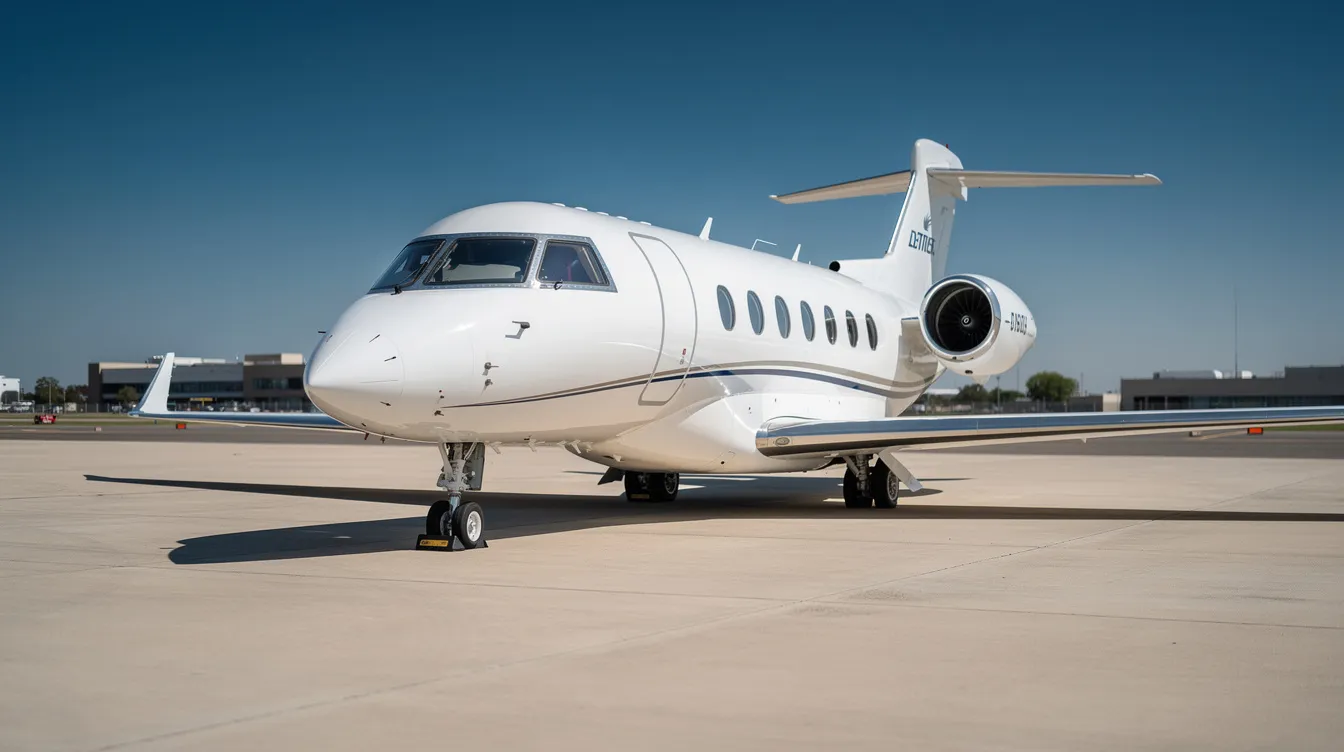
Private Jet Ticket Options at a Glance
Before diving into specific solutions, understanding the three core models helps you make informed decisions about which structure fits your travel needs.
On-Demand Charter (Pay-As-You-Go)
With on-demand charter, you contact a charter operator or broker for each trip and receive pricing based on current market conditions. This model works best for travelers flying 1-3 private trips per year. The tradeoff: you spend time shopping each journey, and pricing can spike 20-50% during peak periods like holidays or major events. Pricing is typically per flight, not per seat, so groups traveling together can often find better value compared to commercial first-class fares. Additionally, one-way "empty leg" flights can be booked at discounts of 50% to 75% off standard charter rates, offering substantial savings for flexible travelers.
Jet Card / Membership (Prepaid Hours)
Jet cards provide prepaid access to private jets, allowing travelers to book flights without the long-term commitments associated with ownership, and understanding overall jet card cost and pricing helps determine whether this model fits your budget. A jet card offers prepaid blocks of flight time—typically 25 or 50 hours—with fixed hourly rates and guaranteed availability. This model suits travelers flying 25-75 hours annually. BlackJet’s jet card programs exemplify this approach, providing access across multiple cabin classes without the shopping friction of ad-hoc bookings and sharing many of the advantages highlighted in the best jet cards for frequent flyers.
Fractional or Full Ownership (Asset-Heavy)
For travelers logging 200+ hours annually, purchasing a share (1/16th to 1/2) or an entire aircraft makes financial sense, especially for those considering a $20 million private jet and its features. However, this path incurs millions upfront plus $1-5 million in annual operating costs, exposing owners to maintenance, crew management, and depreciation risks.
Understanding a private jet price list provides useful context for the following Quick Cost Comparison: 2-Hour New York–Chicago Light Jet
On-demand charter: $8,000–$12,000 (variable based on timing)
Jet card: $7,500–$10,000 (prepaid discount, guaranteed rate)
Fractional ownership: $15,000+ effective occupied hour plus monthly fees
The following sections will show you exactly how to choose the right structure and avoid overpaying for private jet tickets.
How BlackJet Jet Cards Turn “Tickets” into Guaranteed Access
BlackJet operates as a premium B2C jet card provider—not a broker matching you with random charter options. This distinction matters because it determines the consistency of your travel experience.
Core Structure: 25-Hour and 50-Hour Programs
BlackJet offers prepaid programs usable across turboprops to ultra-long-range jets, with its flagship BlackJet 25+ Hour Jet Card tailored to frequent business and leisure travelers. These hours function like a stack of guaranteed private flights with several key advantages:
Guaranteed availability with a 24-48 hour notice (shorter during off-peak periods)
Fixed hourly rates that shield you from fuel volatility and seasonal spikes
No per-trip bidding or shopping—request and confirm
Flexibility across cabin classes based on each trip’s requirements
Integrated Technology and Support
The BlackJet platform combines:
24/7 digital booking via mobile app and web
Real-time flight support with human backup at any point
Proprietary safety certification exceeding FAA Part 135 minimums
Storage of passenger profiles, preferences, and documentation
Carbon Neutral by Default
Sustainability is a core pillar of BlackJet’s service. Unlike many legacy private jet charter services that treat sustainability as an upsell, all BlackJet flights are carbon neutral through automatically verified offsets. This includes investment in independently verified environmental projects such as reforestation and renewable energy. Additionally, BlackJet and the broader private aviation sector are increasingly adopting Sustainable Aviation Fuel (SAF), which reduces lifecycle carbon emissions by up to 80% compared to conventional jet fuel. SAF blending is now standard at major hubs, powering many private flights and signaling the industry’s commitment to greener skies. The sector is also focusing on integrating green technologies, including electric and hybrid aircraft, to further enhance sustainability in air travel.
Types of Private Jets You Can “Ticket” with a Jet Card
Aircraft selection directly connects to the mission profile. A regional hop demands different capabilities than a New York–London overnight or a multi-city tour across continents. Certain aircraft are specifically designed to handle longer distances, making them ideal for international or transcontinental travel.
Aircraft Categories and Typical Applications
For cost-conscious flyers, very light jets and efficient turboprops often feature prominently in analyses of the cheapest private jet options.
Turboprops (e.g., King Air 350)
Range: 600–1,000 miles
Passengers: 6–8
Hourly rate: $2,500–$3,500
Best for: Regional trips like Dallas–Austin or Nashville–Atlanta
Light Jets (e.g., Citation CJ4, Phenom 300)
Range: Up to 1,500 miles (2–3 hour flights)
Passengers: 4–8
Hourly rate: $4,000–$6,000
Best for: LA–Jackson Hole ski weekend, Miami–Nassau family trip
Super Midsize Jets (e.g., Challenger 3500, Praetor 500)
Range: Approximately 2,450 miles (coast-to-coast U.S.)
Passengers: 8–9 with stand-up cabins
Hourly rate: $6,000–$8,500
Best for: New York–Los Angeles, Chicago–Seattle
Heavy and Ultra-Long-Range Jets (e.g., Gulfstream G600, Global 6500)
Range: Over 6,600 nautical miles to 8,000+ (intercontinental nonstop)
Passengers: 10–14
Hourly rate: $9,000–$15,000+
Best for: Transcontinental flights, board meetings in Dubai, family trips to Europe, and longer intercontinental journeys requiring extended range and comfort.
Flexibility Advantage
BlackJet cardholders select cabin class per trip rather than being locked to a single aircraft type. This contrasts sharply with fractional ownership, where you’re tied to whatever you purchased a share in.
Side-by-Side Route Examples:
Trip | Aircraft | Duration | Approximate Cost |
|---|
Miami–Nassau family vacation | Light jet (Phenom 300) | 1 hour | ~$5,000 total |
New York–Dubai board meeting | Ultra-long-range (G600) | 12 hours | ~$120,000 total |
This range flexibility means the right aircraft for each specific trip, optimizing both comfort and cost.
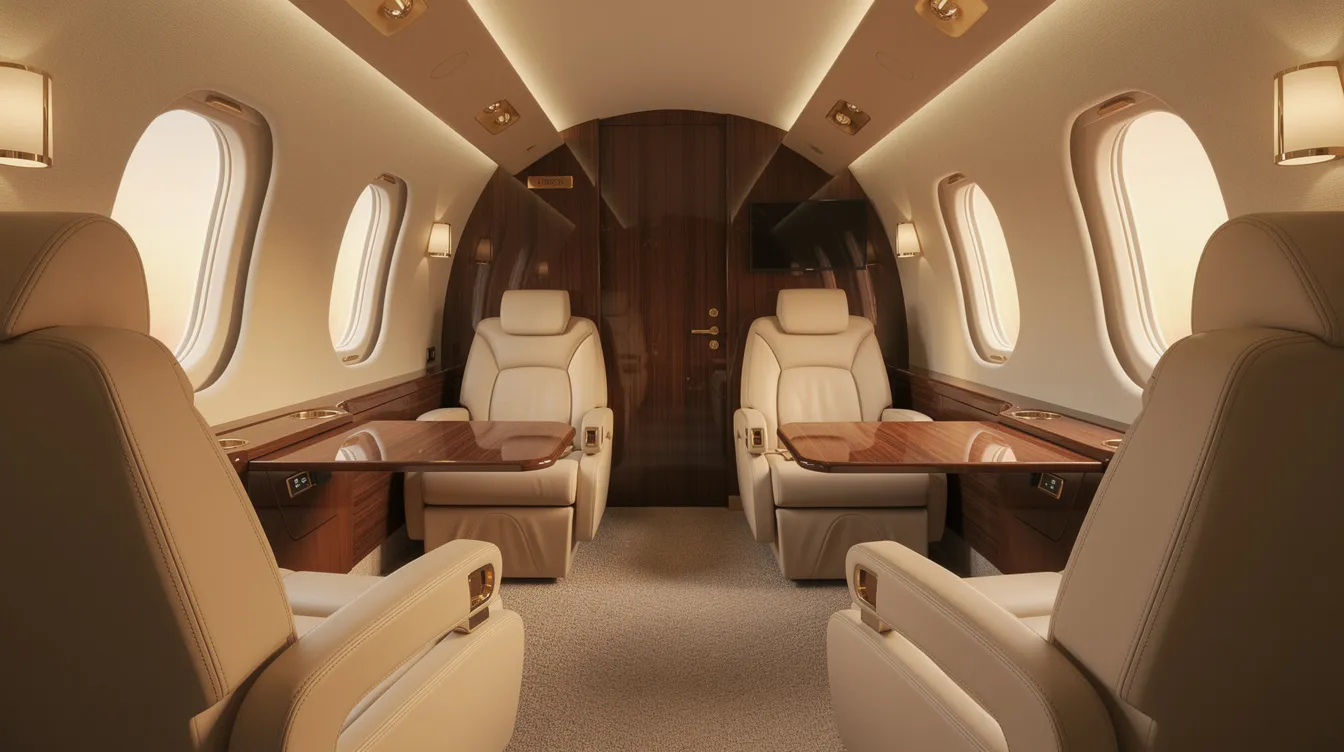
Pricing: How Much Do Private Jets Tickets Really Cost?
There’s no flat “ticket price” in private aviation comparable to airline first class. Costs depend on flight time, aircraft size, routing, and market conditions, much like the variables outlined when assessing how much it costs to rent a private jet. Understanding the structure helps you budget accurately.
A clear grasp of jet card pricing structures also helps put these hourly figures into context.
Hourly Rate Ranges by Category (Illustrative)
Aircraft Type | Hourly Rate Range | Passengers |
|---|
Turboprops | $2,500–$3,500 | 6–8 |
Light jets | $4,000–$6,000 | 4–8 |
Super midsize | $6,000–$8,500 | 8–9 |
Heavy / ultra-long-range | $9,000–$15,000+ | 10–14 |
What’s Included vs. Extra
BlackJet jet card rates typically bundle:
Pure charter flights often add 20-30% in extras like positioning, overnight fees, and catering upgrades. This creates the frustrating experience of receiving a quote, then seeing costs balloon with additions.
Model Itineraries with Ballpark Costs
For lighter users, 25-hour jet card programs can be a strategic way to cover trips like a Los Angeles–Jackson Hole Ski Weekend (Super Midsize, 2 hours)
New York–London Overnight (Heavy Jet, 6.5 hours)
Jet cards smooth out peak vs. off-peak pricing and protect against last-minute surcharges that can spike 20% during holidays. They function like an advance-purchase block of premium aircraft access, locking in rates before market fluctuations.
Choosing Between On-Demand Charter, Jet Card, and Ownership
The primary decision factor is volume and predictability of flying, not simply wealth level. Each model serves a specific use case.
On-Demand Charter
Best for occasional private flyers (1-3 trips per year). You contact brokers like XO or Air Charter Service for each trip, comparing quotes and availability. The drawback: more time spent shopping, and pricing can spike during holidays like Super Bowl weekend, when hundreds of jets converge on a single city.
For a 40-minute light jet hop, you might pay $2,800. For 1.5 hours on a midsize jet, expect $34,500. Variability is high.
Jet Cards (BlackJet Model)
Ideal for 25-75 hours of private flight annually—roughly 10-25 round-trips per year. Jet cards eliminate per-trip shopping, guarantee aircraft availability within stated call-out windows, and lock in predictable pricing.
BlackJet’s programs provide all the benefits of having tickets on demand without the ownership’s asset exposure and operational burdens.
Fractional or Full Ownership
For 200+ hours annually, ownership may pencil out financially, but as many billionaire private jet buyers and price trend analyses show, asset-heavy strategies carry significant long-term commitments. However, you’re exposed to:
$2-5 million in annual fixed costs (hangar, crew, maintenance)
Aircraft depreciation
Management complexity
Being locked to a single aircraft type
Scenario: The Frequent Flyer Calculation
Consider a New York–Silicon Valley executive flying twice monthly year-round (24 round-trips, approximately 50 flight hours).
Option 1: Commercial First Class
Option 2: Ownership
Cost: $2+ million annual operations
Time saved: significant
Complexity: crew management, maintenance scheduling, asset risk
As a benchmark, many travelers compare similar programs using a 50-hour jet card cost breakdown before choosing Option 3: 50-Hour BlackJet Jet Card
Cost: ~$300,000 prepaid (~$6,000/hour effective)
Time saved: equivalent to ownership
Complexity: near zero
The jet card delivers 90% of ownership’s utilization benefits without the operational friction. For business travelers prioritizing time over everything else, this math is decisive.
Safety and Certification: The Invisible Part of Your Ticket
The most important part of any private jet ticket is the charter operator behind it—not the cabin photos in marketing materials. This invisible layer determines whether your flight operates with commercial airline-level rigor or general aviation’s higher-risk profile.
Certification Foundations
BlackJet works exclusively with operators meeting rigorous standards:
FAA Part 135 certification (U.S. commercial operations requiring dual pilots, structured maintenance, drug/alcohol testing)
ARGUS ratings (Platinum-level operators vetted across 1,000+ points, including crew qualifications, training, and operational history)
Wyvern Wingman standard (pilot fatigue limits, weather minimums, safety management systems)
IS-BAO certification for international operators (risk assessments, de-icing protocols, systematic safety management)
BlackJet Safety Policies
Specific requirements include:
Minimum 500-1,000 captain hours on aircraft type
Dual-pilot crews on all flights
Recurrent simulator training and checks
Maximum 8-hour flight duty with mandatory rest periods
Weather and icing limitations that prioritize safety over schedule
Safety Performance
Private aviation often boasts higher on-time performance, with some providers reporting rates exceeding 97%, compared to roughly 75% for major commercial airlines. While general aviation presents higher fatality risks overall—with accident rates averaging 0.84–1.19 fatalities per 100,000 flight hours—charter flights operated under FAA Part 135 regulations demonstrate significantly better safety metrics at 0.201 fatalities per 100,000 hours. The majority of private aviation accidents stem from pilot error, mechanical failure, and adverse weather, with landing accidents being the most common. BlackJet’s exclusive partnerships with FAA-certified operators ensure clients benefit from industry-leading safety standards and proactive risk management.
Vignette: Safety Over Schedule
A late-winter departure from Chicago illustrates the philosophy. Radar detects developing icing conditions along the route. Rather than pressing forward, the BlackJet support team proactively reschedules the departure to a later slot when conditions clear. The executive arrives three hours later than originally planned—but arrives.
Since 2020, safety incidents in vetted private charter have dropped 15% as audit frameworks tighten. Private flights with properly certified operators now surpass commercial airlines in per-mile safety metrics.
Sustainable Private Jet Tickets: Flying Carbon Neutral with BlackJet
Private aviation accounts for roughly 5x the per-passenger carbon emissions of commercial flights. For high-net-worth travelers in 2026, credible sustainability isn’t optional—it’s a reputational necessity.
BlackJet’s Carbon-Neutral Commitment
Every BlackJet flight is carbon neutral through automatic offsetting:
No opt-in required—sustainability is standard, not an upsell
Independently verified projects (Gold Standard, Verra-certified reforestation, renewable energy, or SAF credits)
Transparent accounting of emissions and offset methodology
Sustainable Aviation Fuel (SAF)
SAF represents the emerging tool for reducing lifecycle CO₂:
Currently available at major hubs in the U.S. (Teterboro, Van Nuys) and Europe (Farnborough, London airports)
10-50% blending with conventional Jet-A is standard where available
Reduces lifecycle emissions up to 80% compared to fossil-only fuel
Private aviation SAF adoption has increased 300% since 2020
Example: Carbon-Neutral New York–London
A heavy jet flight from Teterboro to Farnborough generates approximately 50 tons of CO₂. BlackJet offsets this through verified projects equivalent to:
1,000-tree reforestation, or
Wind farm capacity additions
The cost (approximately $5,000) is embedded in the program, not added as a line item. This approach contrasts with competitors' offering optional offset add-ons that many clients skip.
Booking Private Jets Tickets with Technology: The BlackJet Digital Experience
Technology has replaced phone-only booking and made private jet access feel as simple as reserving a hotel suite. The friction that once required multiple calls and days of back-and-forth now resolves in minutes.
BlackJet Digital Tools
The platform provides:
Mobile app and web access for searching trips by origin, destination, date, and cabin class
Real-time aircraft availability displays with a 2-hour notice are possible during off-peak periods
Stored passenger profiles, including preferences, documentation, and pet information
Live flight tracking with crew bios and tail details
24/7 human support accessible via chat or phone at any point
Security and Discretion
For high-profile clients, privacy features include:
Encrypted payment processing
Hidden tail numbers in public materials
Strict data privacy policies and NDAs
Anonymized flight details in tracking databases
Use Case: Same-Day Executive Travel
A CFO receives word at 10 p.m. that tomorrow’s board meeting has moved from virtual to in-person at a Boston headquarters. From a hotel in Washington D.C., she opens the BlackJet app, requests a 1.5-hour light jet for 7 a.m. departure, and receives confirmation with crew details and FBO instructions within minutes.
No phone trees. No waiting until business hours. No uncertainty about aircraft availability.
This digital-first approach has driven a 40% increase in mobile bookings since 2020, with aviation experts noting that midweek booking flexibility often yields 15-20% savings versus weekend departures.

Popular Routes and Use Cases for Jet Card “Tickets”
While you can fly almost anywhere, a handful of high-frequency routes define how clients typically use private flights. Understanding these patterns helps new cardholders visualize their own usage.
Popular private jet routes include New York to Miami, Los Angeles to San Francisco, and Chicago to Dallas, all of which illustrate the pricing patterns discussed when evaluating how much to rent a private jet on common routes or comparing top private jet companies for service and network strength. Las Vegas is also a major private jet destination, renowned for its world-class events, entertainment, and business travel opportunities. The convenience of private flights arriving at specialized Las Vegas airports makes it a top choice for both leisure and corporate clients seeking time savings and luxury experiences.
High-Frequency Route Examples
New York (Teterboro) – Miami (Opa-Locka)
Aircraft: Light jet or super midsize
Duration: 2.5 hours
Cost range: $10,000–$20,000
Use case: Winter escapes, Art Basel, real estate closings
Advantage: Arrive 20 minutes before departure vs. 2+ hours at JFK/MIA
Los Angeles (Van Nuys) – Aspen (ASE)
Aircraft: Super midsize (popular aircraft for ski routes)
Duration: 2.5 hours
Cost range: $15,000–$20,000
Use case: Ski weekends, holiday family travel
Advantage: Aspen’s short runway is handled easily; direct access to slopes
London (Farnborough) – Geneva
Aircraft: Light jet
Duration: 1.5 hours
Use case: Finance meetings, diplomatic travel, ski access
Advantage: Avoid Heathrow congestion entirely
Dallas – Chicago
Aircraft: Turboprop or light jet
Duration: 2 hours
Use case: Same-day board meetings, customer visits
Advantage: Morning departure, afternoon meeting, home for dinner
New York – Dubai (Long-Haul International)
Aircraft: Gulfstream G600 or Global 6500
Duration: 12 hours
Cost range: $120,000+
Use case: Board meetings, family relocations, deal negotiations
Advantage: Direct routing, privacy for preparation, arriving ready to work
Common Use Case Categories
Private jet travelers typically cluster around several scenarios:
Quarterly board meetings require multiple cities in a single day
Family holidays with pets, excess luggage, and flexible scheduling
Last-minute deal negotiations where arriving at a moment’s notice matters
Sports and entertainment tours (Super Bowl alone draws 500+ private jets annually)
Leisure travel to destinations with limited commercial service
Each scenario benefits from the ground transportation savings, more airport access, and personalized service that private terminals provide, even for travelers who might initially buy just a seat on a private jet via semi-private or shared options.
Private charters typically allow pets to travel directly in the cabin rather than in cargo, and have more lenient baggage restrictions compared to commercial airlines, even on more economical private aircraft options. Travelers also enjoy the convenience of arriving at private terminals just 15–30 minutes before departure, bypassing standard TSA lines, which significantly reduces pre-flight stress and wait times.
FAQ: Fast Answers About Private Jets Tickets and Jet Cards
Can I buy a single “ticket” on a private jet?
Not in the traditional sense. Private plane access typically means chartering the entire aircraft. Semi-private options like JSX offer shared flights with per-seat pricing on specific routes, but standard private charter and jet cards involve full-aircraft booking. Public charters operate differently from true private charter options.
How far in advance do I need to book with a jet card?
BlackJet’s standard call-out window is 24-48 hours for guaranteed access. During peak periods (holidays, major events), 72 hours provides more flexibility. Off-peak, same-day requests often confirm within hours.
Can I fly with my dog or service animal?
Most charter flights welcome pets. Light jets accommodate 1-2 small animals comfortably; larger aircraft handle more. Documentation requirements vary—international trips require health certificates and sometimes quarantine clearance. Inform BlackJet support during booking for guidance on your specific trip.
How much luggage can I bring?
Luggage limits are tied to aircraft size. Turboprops typically handle 300 lbs, midsize jets 800-1,000 lbs, and heavy jets 2,000+ lbs. Ski equipment, golf bags, and oversized items fit easily compared to commercial airline restrictions. Pre-trip guidance ensures the perfect plane matches your needs.
What happens if my meeting runs late?
Real-time support handles departure adjustments. Aircraft can typically hold 1-2 hours with advance notice; repositioning to later slots is possible. This travel flexibility distinguishes private from commercial, where a missed flight means rebooking.
Are there hidden fees?
BlackJet emphasizes transparent pricing with most costs bundled into hourly rates. Potential extras include premium catering upgrades (5-10% above standard) and de-icing in winter conditions. All fees are disclosed during the booking process before confirmation.
What aircraft types are available through the jet card?
Cardholders access turboprops through ultra-long-range jets based on trip requirements. There’s no need to determine the right aircraft yourself—flight details entered during booking generate appropriate recommendations.
How does a jet card differ from long-term contracts?
Jet cards involve prepaid hours without ongoing membership fees or multi-year commitments. Hours expire per program terms (typically 12-24 months), but there’s no continuous obligation beyond the initial deposit providing access.
How to Get Started with BlackJet: Your Next Step Beyond First Class
Using a BlackJet Jet Card often proves smarter than stringing together ad-hoc private jet tickets or tolerating commercial first-class seats with their long security lines and connection delays.
The four core pillars supporting this approach:
Time savings: 4x faster door-to-door on typical business routes
Safety and certification: Operators vetted beyond FAA Part 135 minimums
Carbon-neutral sustainability: Automatic offsets on every flight, no opt-in required
Frictionless technology: App-based booking with 24/7 human support
Your Next Steps
Review your last 12-18 months of travel to determine whether a 25-hour or 50-hour program fits your pattern
Identify a test route—perhaps your next New York–Miami or Los Angeles–Aspen trip—to experience the difference firsthand
Request a consultation to discuss your travel needs with BlackJet’s aviation experts
Private aviation in 2026 offers unprecedented access to clients who value their time, demand safety, and expect sustainability as standard. Now is the moment to lock in smarter, predictable access to private skies, whether you start with a 25-, 50-, or even 100-hour jet card program tailored to your travel volume.
Discover how BlackJet can reshape your travel experience, including innovative options like private jet purchases with cryptocurrency. Secure your next block of jet card hours and join the world of travelers who’ve moved beyond first class to something more strategic—direct access to wherever business and life take you, on your schedule.
Conclusion: Elevate Your Journey with BlackJet
In today’s fast-paced world, private jet tickets are no longer just about luxury—they represent a strategic advantage for discerning travelers who value time, safety, flexibility, and sustainability. BlackJet stands at the forefront of this evolution, offering meticulously vetted jet card programs, seamless digital booking, and a commitment to carbon-neutral flights. Whether you’re flying regional hops or intercontinental journeys, BlackJet’s diverse fleet and expert support ensure your travel is efficient, secure, and tailored to your unique needs.
Explore how BlackJet can transform your private aviation experience by visiting www.blackjet.com. Discover unparalleled access to private skies, backed by industry-leading safety standards and innovative technology designed to put you in control of your journey. Join the elite community of travelers who trust BlackJet to deliver not just flights, but elevated experiences that redefine what it means to fly private.


 Sign up with google
 Sign up with Apple