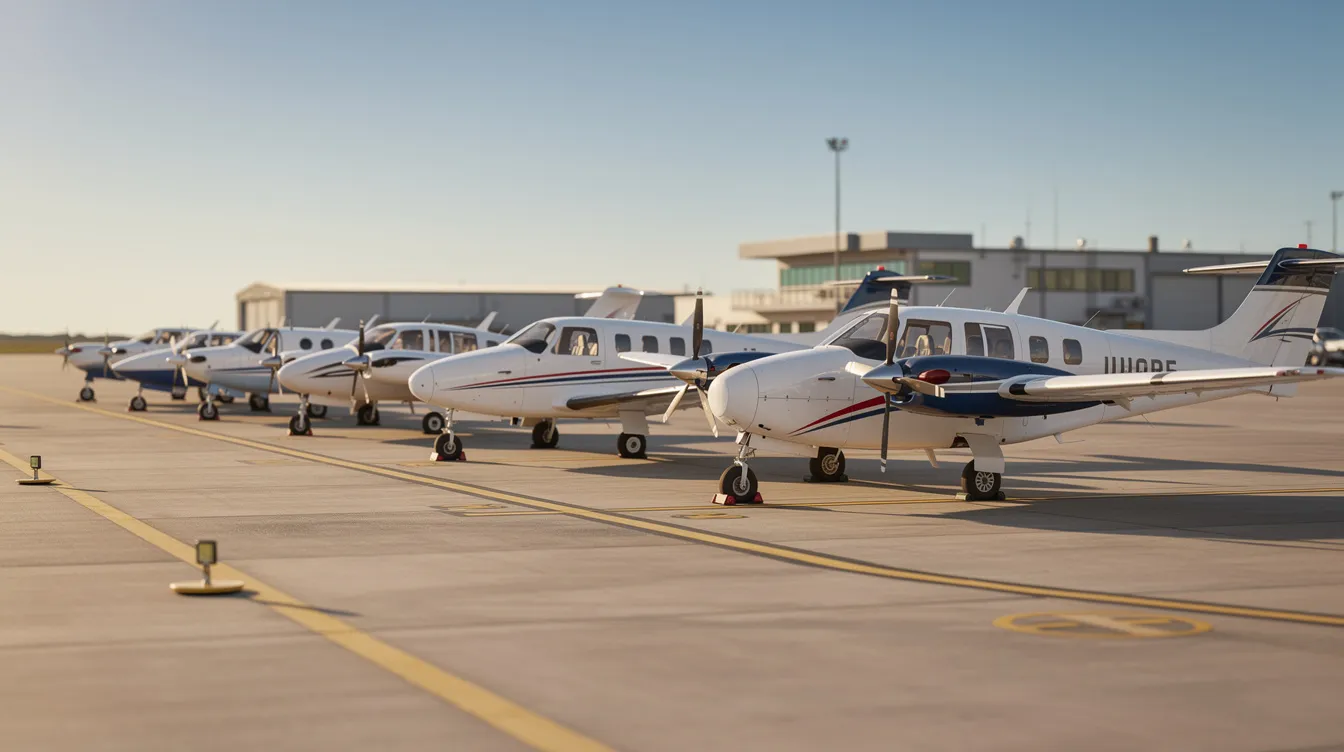
Cessna aircraft pricing varies from about $30,000 to over $30 million, depending on whether you're shopping for a vintage taildragger or a new Citation business jet. This guide is for executives, aviation enthusiasts, and affluent families considering Cessna ownership or access. But the price on the listing is never the full story. For executives, aviation enthusiasts, and affluent families weighing aircraft ownership, the real question is what you will spend annually once that aircraft is yours.
This guide breaks down current Cessna prices by model, the cost drivers that shift value by hundreds of thousands of dollars, and the recurring operating costs that often surprise first-time buyers. From BlackJet's perspective, we also examine when purchasing a Cessna makes financial sense versus securing access through a jet card or charter program that preserves capital and eliminates asset risk.
Market Snapshot: What Different Cessna Models Cost Today
Cessna offers various aircraft categories: single-engine pistons for training and personal use, turboprops for utility and cargo, and business jets for executive travel. Cessna aircraft models include training planes and business jets, and prices reflect that breadth. Here is what the market looks like in 2025–2026:
Light Single Engine Pistons
Cessna 120/140: Flyable vintage examples start around $15,000 to $19,000, with restored aircraft reaching $25,000. Older Cessna models can be found for as low as $15,000.
Cessna 150 and 152 aircraft typically sell for $18,000 to $55,000, depending on airframe time and panel condition, making them strong contenders among the cheapest plane options for budget-conscious pilots.
Cessna 172 Skyhawk: The most popular single-engine piston ever built-Cessna has produced over 45,000 Skyhawk models since 1956. A new Cessna 172 costs between $400,000 and $500,000 with modern avionics like the Garmin G1000 NXi. Used Cessna 172 prices range from $40,000 to $300,000.
Cessna 182T Skylane: Mid-2000s aircraft run $350,000–$450,000. Late-model Cessna Skylanes are priced between $469,000 and $785,000; a 2023 182T with 40 hours was listed at $759,000. Cessna 182T Skylanes can cost over $500,000.
Cessna 210s typically range from $250,000 to $350,000 for well-maintained examples.
Heavier Pistons & Cabin-Class Twins
Cessna 206H / T206H Stationair HD: Late-1990s models around $299,900; 2019–2023 turbo variants reach $775,000–$899,000.
Cessna 340A, 414A, 421C Golden Eagle: A 1976–1980 340A runs $229,000–$379,000. A refurbished 1980 414A can reach $550,000+ after a modern avionics and interior conversion.
Utility Turboprop & Cargo/Commuter
Grand Caravan EX: New factory-equipped pricing sits around $3.5M–$4.2M depending on optional configurations.
Cessna 408 SkyCourier: Cessna introduced the SkyCourier in 2017 for 19 passengers. Market pricing for recent examples falls in the $7.75M–$10.4M range depending on hours and configuration.
Business Jets
Cessna business jets, like the Citation, have prices starting from around $1 million for older models. Textron Aviation's Citation line-including the M2 Gen3, CJ3 Gen3, and the Citation CJ4 Gen2, which is Cessna's largest light jet-extends well beyond. Cessna has delivered over 5,000 light jets. For a deeper look at how much a private jet costs and to explore the cheapest private jet options, the range climbs sharply from there.
What Really Drives the Price of a Cessna?
Aircraft condition and maintenance history are vital for determining Cessna value. Newer Cessna models typically have higher market prices due to less wear. Here are the factors that move the needle:
Model year and total time: Pricing for Cessna aircraft is influenced by age and airframe hours. Older Cessna models from the 1970s–1990s are cheaper than newer models, but carry corrosion, fatigue, and obsolescence risk. A llow-timeairframe under 3,000 hours commands a clear premium.
Engine and propeller status: Many pilots overlook the engine's remaining life. Cessna 172 engine overhauls cost between $20,000 and $40,000-a liability that buyers must budget for. Propeller condition adds several thousand more.
Avionics and interior: Avionics upgrades can add $40,000 to $120,000 to aircraft prices. A factory oxygen system, air conditioning, or FIKI certification further shifts value. The gap between a legacy analog panel and a G1000 NXi glass cockpit is enormous in resale.
Use case and compliance: Part 135-operated aircraft with complete maintenance history often justify higher asking prices. Airworthiness Directive compliance and damage history materially shift what a buyer should pay.
Market conditions: 2024–2026 have seen elevated demand in general aviation. Clean, reliable, well-documented Cessna aircraft hold or appreciate, making the search for a bargain increasingly difficult.
Beyond Purchase Price: Annual Operating Costs of Cessna Aircraft
The sticker price on a Cessna for sale is just the landing cost. The annual cash burn is what determines whether ownership is a strategic asset or an expensive hobby.
Cessna 172 / light single-engine: Owning a Cessna incurs annual costs of $15,000 to $30,000 for pilots flying 75–150 hours. Operating costs for a Cessna 172 are about $100 to $150 per hour, covering fuel and oil ($40–$70/hr), routine maintenance, insurance ($1,200–$5,000 annually), and reserves toward engine overhaul.
Larger pistons (182T, 206H, 340A): Higher fuel burn and parts complexity push annual operating costs into the $25,000–$60,000+ range depending on utilization and whether the aircraft is hangared.
Utility turboprop (Grand Caravan EX, SkyCourier): Hourly operating costs often reach $800–$1,200+ all-in, including fuel, inspections, and crew. Active commercial operators should budget well into six figures annually.
Hidden line items-nav database subscriptions, unexpected squawks during annual inspection, and hangar fees-add up quietly. For travelers using a Cessna primarily as a mobility tool, these fixed costs often make on-demand charter or a jet card the more rational choice, especially once you understand overall jet card cost structures.
Key Fixed Costs: Hangar Fees, Insurance & Mandatory Annual Inspection
Hangar and storage: Hangar fees range from about $150–$400/month in lower-density regions to $600–$1,500+ in coastal metros. Outdoor tie-down saves money but accelerates corrosion and paint degradation, reducing resale and reliability.
Insurance: A privately-owned Cessna 172 runs $1,200–$5,000/year depending on pilot experience and hull value. Higher-value models like the 206H or cabin-class twins carry substantially larger premiums; a SkyCourier example showed hull insurance alone near $13,600/year.
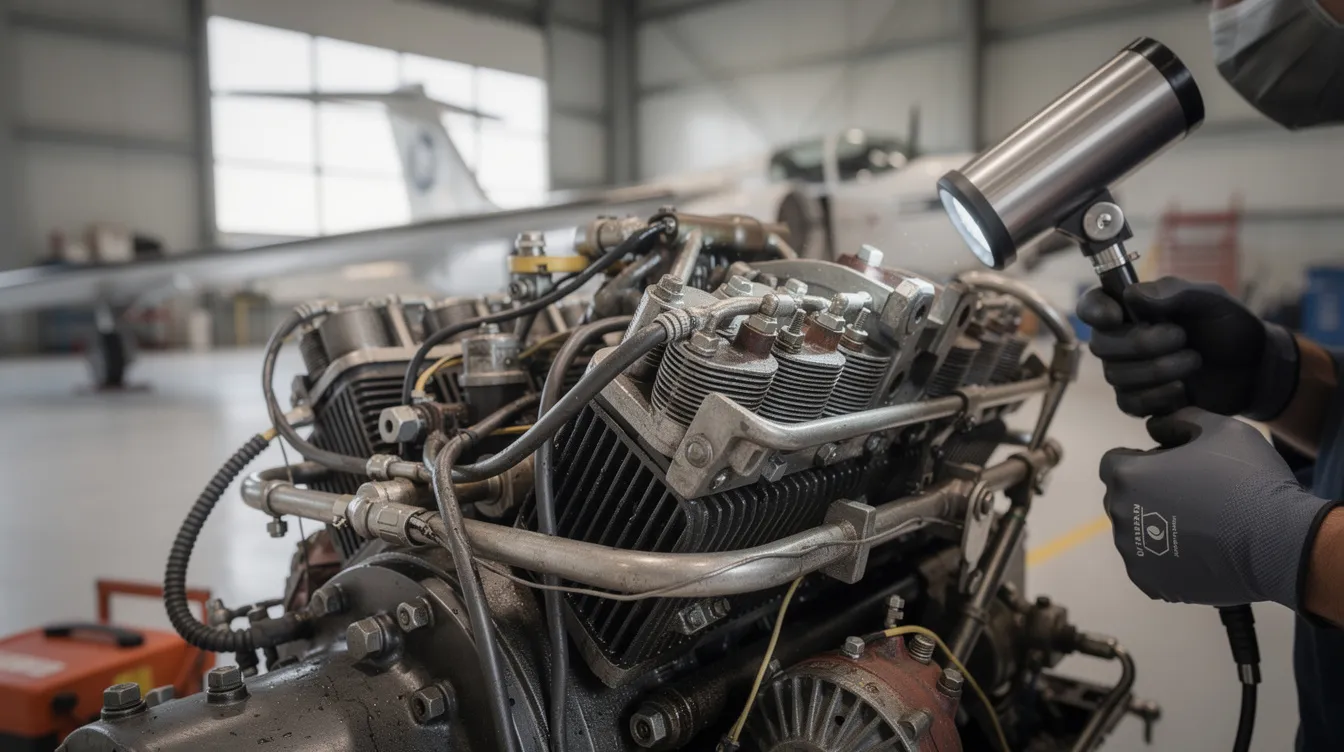
Annual inspection: FAA-mandated annual inspections for a Cessna 172 typically cost between $1,000 and $2,000-but a planned $1,500 annual can balloon to $7,000+ when deferred maintenance, exhaust issues, or cylinder problems surface.
Other essential items: Pitot-static and transponder checks, ELT inspections, and recurring AD compliance are calendar-driven budget items that cannot be deferred.
Ownership vs. Access: When Chartering a Cessna or Using a Jet Card Makes More Sense
Purchasing a Cessna aircraft locks capital into a depreciating asset and introduces ongoing management complexity. A jet card program converts that burden into predictable, all-in hourly rates with no hangar, no inspections, and no maintenance downtime, and the best jet cards for frequent flyers further optimize availability and flexibility.
Chartering a Cessna is often more economical for 50–150 hours annually. Rental rates for a Cessna typically range from $120 to $180 per hour, and jet card or charter access for light jets covers similar missions at comparable or better value when fixed costs are removed from the equation, particularly when you benchmark them against a 50-hour jet card cost guide.
For operators who need flexible mission profiles-upgrading from a single-engine platform to a Citation-class jet for longer-range trips- BlackJet's membership delivers that flexibility without purchasing multiple aircraft. BlackJet's carbon-neutral flights, curated safety certification, and digital booking platforms let members compare aircraft categories per mission in real time, while the BlackJet 25+ Hour Jet Card offers fixed-rate access for clients needing consistent midsize and larger jet capacity.
Example Scenarios: Real-World Cessna Costs vs. BlackJet Access
Scenario 1 – Regional executive, 60–80 hrs/year: Buying a used 182T at $400,000 plus $25,000–$40,000/year in operating costs, hangar fees, and annual inspection versus using BlackJet hours on comparable single-engine or light jet options for meetings within a 500 nm range or evaluating a 100-hour jet card cost structure if flying needs increase. The executive preserves capital and avoids depreciation risk.
Scenario 2 – Family seasonal trips: A family considering a 2025 Grand Caravan EX at ~$3.95M for mountain strips and island resorts. At 40–70 hours/year, booking a Caravan-class utility turboprop through BlackJet covers the same missions without the budget-consuming residual value and maintenance risk.
Scenario 3 – Owner-pilot needing business jet capability: Many pilots love flying their own Cessna 172 or 206 locally but need longer-range executive capability. BlackJet handles the Citation-class legs or even ultra-long-range private jet missions, saving hours per flight and doubling productivity compared to a slower piston platform.
Scenario 4 – Cross-border purchasing vs. global access: Buying a used Cessna internationally involves import costs, regulatory compliance, and re-certification. BlackJet provides seamless multi-country flying on certificated operators with integrated safety oversight and access to curated private jets for sale in key markets like the UK.
Smart Buying Checklist: How to Avoid Overpaying for a Cessna
For those ready to proceed with purchasing, an informed decision requires discipline:
Pre-buy inspection: Hire an A&P/IA familiar with your exact model. Stress logbook completeness, AD compliance, and corrosion checks-especially on pressurized cabin-class twins where complexity multiplies risk.
Price benchmarking: Research recent sold prices on Controller, Trade-A-Plane, and Aircraft Exchange-not just asking prices. Adjust for engine time, avionics upgrades, paint, interior age, and Part 135 pedigree. A popular choice like the Beechcraft Bonanza often serves as a cross-reference for affordable small aircraft valuations in the single-engine piston category.
Negotiation: Use escrow, define responsibility for discrepancies in writing, and expect 30–60-day closing timelines. Avoid rushing "price on request" listings with incomplete logs.
Financing: Lenders prefer well-documented, mid-time aircraft. Expensive, high-time Cessna models may require cash. Compare tying up capital in an aircraft versus allocating those funds to business investments while using charter access for training and travel, and review an essential guide to financing an airplane before you commit.

Frequently Asked Questions About Cessna Prices
How much does a Cessna cost?
Cessna prices range from about $30,000 for some older aircraft to more than $30 million for business jets. The exact price depends on the model, age, condition, maintenance history, avionics, and equipment. A new Cessna 172, for example, typically costs $400,000–$500,000, while a used example may range from $40,000 to $300,000.
What affects the price of a used Cessna?
Key factors include the aircraft’s age and airframe hours, engine and propeller time, maintenance records, damage or corrosion history, and avionics. A thorough pre-buy inspection by a qualified aircraft mechanic can reveal upcoming costs that are not reflected in the listing price.
What are the ongoing costs of owning a Cessna 172?
Annual ownership costs can range from $15,000 to $30,000, before accounting for financing or depreciation. Typical expenses include fuel, insurance, hangar storage, routine maintenance, and inspections. An annual inspection often costs $1,000–$2,000, while an engine overhaul may cost $20,000–$40,000.
Is it cheaper to rent or charter a Cessna than to own one?
For pilots flying roughly 50–150 hours a year, chartering or renting can be more economical because it avoids fixed ownership expenses. Cessna rental rates typically fall between $120 and $180 per hour, although availability, aircraft type, and location affect the rate. Travelers who need longer-range business flights may also compare charter or Jet Card access with ownership.
How many seats do Cessna aircraft have?
Seating depends on the model. The Cessna 172 is a four-seat aircraft, while larger models such as the 206 can accommodate up to six people. Cessna’s SkyCourier is configured for 19 passengers, while Citation business jets offer different cabin layouts and capacities by model.
Conclusion: Choosing Between Owning a Cessna and Premium Private Jet Access
Cessna prices in 2026 span from roughly $15,000 for legacy taildraggers to nearly $4M for a new Grand Caravan EX, with ongoing operating costs that can surpass the purchase price within a decade. For customers who fly under 150 hours annually, the math rarely favors ownership once fuel, insurance, hangar, inspections, and depreciation are considered.
For many business travelers and affluent families, the strategic move is not finding a cheaper Cessna but choosing the most efficient way to fly-often through a curated jet card or on-demand charter, ideally after understanding how jet card pricing is structured. BlackJet delivers carbon-neutral flights, rigorous safety oversight, and 24/7 digital booking across aircraft categories, from Cessna-class single-engine missions to midsize and super-midsize jets, without the burden of maintenance or depreciation.
Explore how BlackJet's Jet Card programs can deliver the flexibility you seek from Cessna ownership-with higher safety, sustainability, and time efficiency built in- whether you're comparing them to the cheapest private aircraft options, evaluating 5 million dollar jet capabilities, or benchmarking providers like Flexjet jet cards and NetJets jet card programs, as well as large-group solutions such as private jets for 50 passengers or even unlimited private jet flight memberships.


 Sign up with google
 Sign up with Apple