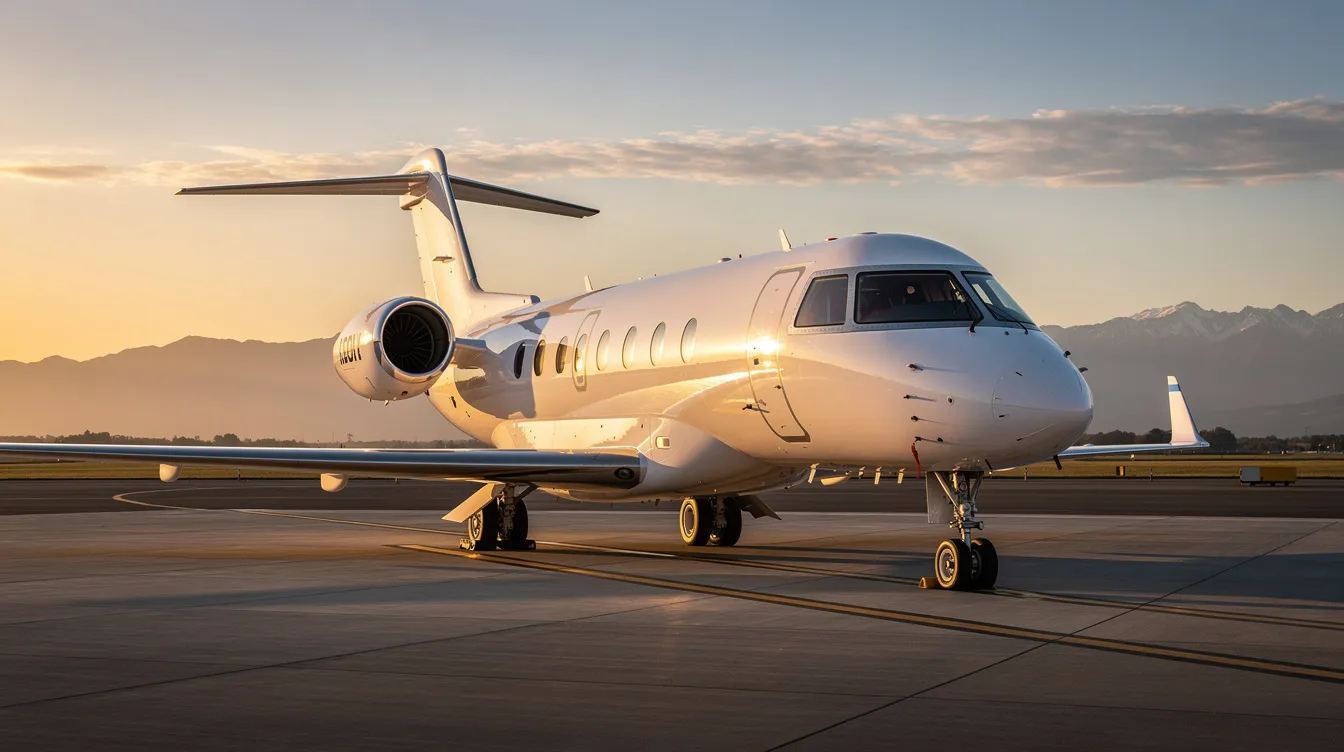
Since the Wright Flyer achieved the first controlled, powered, and sustained heavier-than-air human flight, we've given aircraft names that carry weight far beyond identification. Plane names encode aviation history, engineering ambition, military doctrine, and brand prestige into a handful of syllables or alphanumeric codes. For travelers who choose private jets over commercial first class, understanding those names is more than trivia - it's a strategic edge.
This article traces the arc of plane names from air force designations and commercial icons to the private jet families that define elite travel today. Along the way, we'll decode what those names actually tell you about capability, comfort, and mission fit.
Why Plane Names Matter for Elite Travelers
Planes are primarily categorized by their purpose: commercial, private, or military. But the names attached to each category do something more subtle - they frame expectations before you ever step aboard. Aircraft names often reflect their purpose or design, and that reflection shapes how safety, speed, and prestige are perceived from the ground up.
Consider the gap between a commercial boarding pass that reads "Flight 890, Seat 14C" and the visceral associations triggered by names like the SR-71 Blackbird, the jumbo jet, or the infamous mad dog. One is a transaction; the other is a story. For high-net-worth and corporate travelers, that story often determines confidence in the aircraft, the operator, and the mission ahead.
At BlackJet, we see this play out daily. Jet Card members don't simply request "a plane." They want to know if they're boarding a light jet for a two-hour hop or a large-cabin aircraft built for an overnight Atlantic crossing. The model name is their first clue, and our job is to decode it into practical, plain-English guidance - seat count, stand-up cabin height, range with reserves, lavatory type, luggage capacity.
Understanding naming conventions gives discerning travelers the ability to compare options quickly without wading through spec sheets. It's the difference between passively accepting whatever aircraft shows up and actively selecting the right tool for the trip.
Quick Contrast - Two Ends of the Spectrum
Aircraft Name | Key Features |
|---|
SR-71 Blackbird | Mach 3+, reconnaissance, sleek titanium airframe, operates above 80,000 feet. The name evokes speed and secrecy. |
Boeing 747 "Jumbo Jet" | The first wide-body passenger aircraft (1970, Pan Am) carried hundreds across oceans in comfort. Nickname became shorthand for mass international travel. |
Both names are instantly recognizable. Both tell you exactly what the aircraft was intended to do. That same principle applies when a BlackJet member sees "Citation XLS" versus "Global 7500" on their booking confirmation - one signals regional flexibility, the other signals cross-planet capability with a four-zone cabin.
How Military Aircraft Get Their Names and Designations
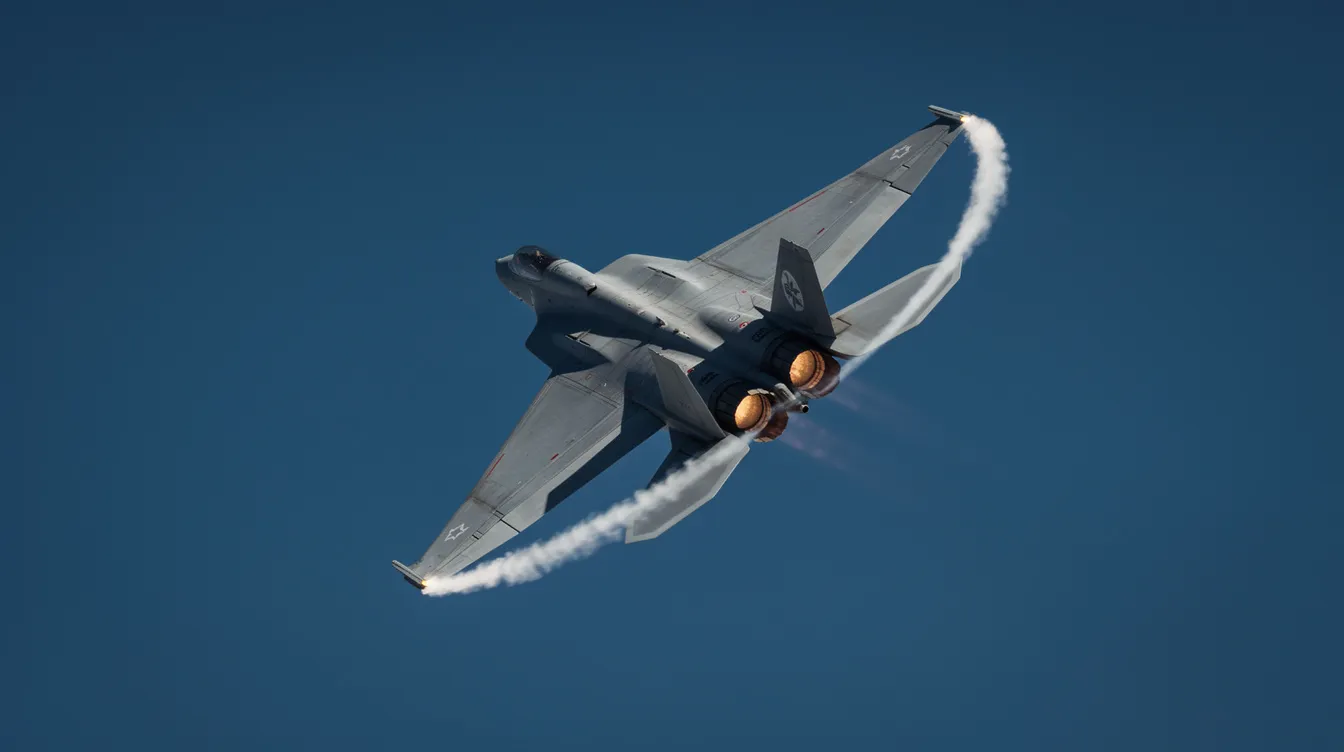
Military aircraft naming follows a structured system that, once understood, reads like a compressed mission brief. The US Armed Forces consolidated its naming system in 1962 under what's known as the Tri-Service Designation System, unifying the previously separate schemes used by the Air Force, Navy, and Marine Corps into a single alphanumeric framework.
The system's core logic is straightforward. A letter prefix indicates mission type:
F = Fighter (e.g., F-15, F-22, F-35)
B = Bomber (e.g., B-2, B-52)
C = Cargo / Transport (e.g., C-17, C-130)
A = Attack (e.g., A-10)
E = Electronic warfare (e.g., EA-18G)
H = Helicopter (e.g., HH-60)
R = Reconnaissance (e.g., RC-135)
X = Experimental (reserved for development and test platforms)
X represents Experimental in military aircraft designations, flagging prototypes and proof-of-concept platforms like the XB-70 Valkyrie, named for its imposing and elegant design, which pushed the boundaries of sustained supersonic flight in the 1960s.
Numbers track the sequence of development within a mission category. The fighter lineage, for example, runs F-14 → F-15 → F-16 → F-22 → F-35, each number marking a new generation.
The F-15 Eagle first flew on 27 July 1972 and entered service with the U.S. Air Force in January 1976, designed as an air superiority fighter with later variants adding multirole strike capabilities. The F-104 Starfighter is a notable aircraft name from an earlier generation, capturing the Cold War ambition to push beyond Mach 2 with raw thrust and a razor-thin wing.
Official names are chosen to project power, myth, or heritage:
F-22 Raptor - apex predator imagery, matching the aircraft's air dominance role
B-52 Stratofortress - strategic bomber dominance; first flight in April 1952, entered service in February 1955, and roughly 76 B-52Hs remain in service today with plans to fly until the 2050s
C-130 Hercules - classical mythology evoking strength and endurance
T-41 Mescalero - named after a Native American tribe, continuing a tradition of cultural naming in trainer and helicopter programs
Some names draw from history in more creative ways. The B-58 Hustler is known for its outrageous design - a delta-wing bomber built for supersonic dash speed that looked like nothing else on the ramp when it was introduced in the late 1950s.
Then there are the nicknames. Air Force culture, combined with pilot humor and cockpit experience, generates informal names that often eclipse the official ones. Pilots call the A-10 Thunderbolt II the "Hog" for its ungainly appearance and ground-attack tenacity. The F-16 is universally known as the "Viper" rather than its official name, Fighting Falcon. The B-1B Lancer earned the moniker "Bone" (from B-One). These nicknames carry forward through generations of crew members and into public consciousness.
European military aviation produced its own iconic names. The Supermarine Spitfire remains perhaps the most emotionally charged fighter name in history, synonymous with the Battle of Britain. The bae harrier - famous for its vertical takeoff ability - rewrote expectations of what a fighter could do without a runway. And the Avro Vulcan, with its massive delta wing, became a beast of Cold War strategic deterrence, its shape unmistakable against any skyline.
BlackJet clients occasionally ask about aircraft with military lineage - Gulfstream jets, for example, are widely used by government air wings for VIP transport. We translate those technical designations into practical implications: cabin noise levels, ride quality, range with full passenger loads, and luggage capacity, often referencing top-tier private jets known for combining luxury and performance. The point isn't to memorize codes; it's to understand what the aircraft can do for you.
Iconic Plane Names in Commercial Aviation History
From the early days of commercial flying in the 1930s, airlines needed names that could sell the adventure of air travel to a public still gripped by a mix of fascination and fear. The names had to do double duty: inspire confidence in the technology and evoke the romance of reaching distant corners of the world.
The Douglas DC-3 revolutionized air travel by making flights reliable and economically viable. Introduced in 1936, the DC-3 - known as the "Dakota" in British RAF service - became the backbone of commercial and military transport. "DC" stood simply for "Douglas Commercial," but the aircraft's reputation for toughness created a brand that lasted through the DC-8, DC-10, and into the McDonnell Douglas MD-11 era.
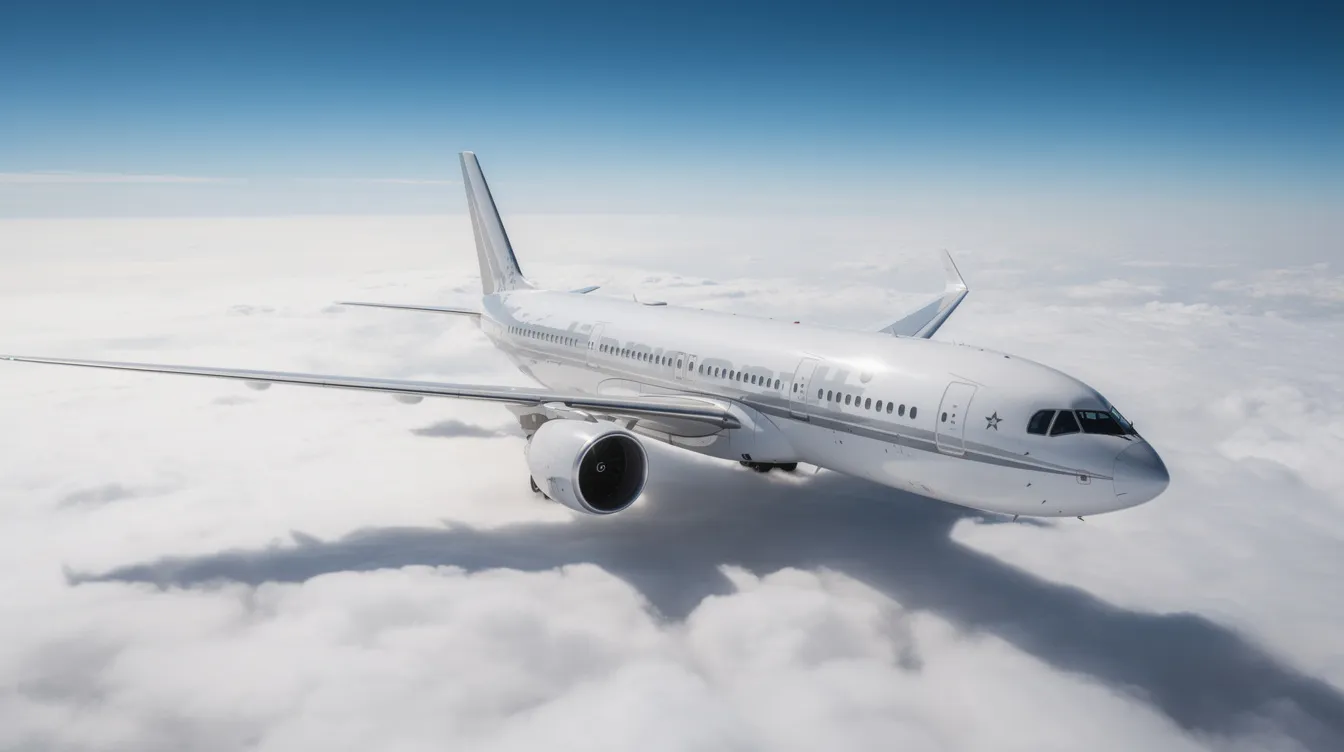
The Boeing 747 changed everything again. Making its first flight in 1969 and entering service with Pan Am in 1970, the 747 was the world's first wide-body passenger aircraft. The nickname "Jumbo Jet" wasn't an official Boeing designation - it came from the media and passengers - but it became inseparable from the model. For half a century, the 747 defined long-haul international luxury, and its silhouette became the universal symbol of global air travel.
Other names from mid-20th-century aviation history carried similar weight:
Lockheed Constellation - with its graceful triple tail and pressurized cabin, the Constellation was Pan Am's flagship in the late 1940s and early 1950s, a name that evoked celestial navigation and global reach
de Havilland Comet - the world's first commercial jet airliner, launched in 1952, its name reflecting speed and modernity even as early structural issues revealed the painful learning curve of jet-age development
Lockheed L-1011 TriStar - a wide-body with three engines that entered service in 1972, its name nodding to its tri-engine configuration and stellar aspirations
Concorde - a joint British-French project that could cruise at twice the speed of sound, connecting London and New York in under four hours; it redefined what "fast" meant in commercial aviation until its retirement in 2003
Meanwhile, Boeing established the most recognized numerical naming convention in commercial aviation. The Boeing 737 is the most-produced jet airliner family in history - a workhorse that has served virtually every airline on earth across multiple generations. The 777, nicknamed the "Triple Seven," became the long-haul twin-engine standard. And the 787 "Dreamliner" pushed forward with composite airframe construction and fuel-efficient engines.
Airbus took a different approach, relying on clean numeric designators - A300, A320, A380 - without official names. The Airbus A320 is one of the most productive and widely used single-aisle aircraft in the world, a market anchor for short-to-medium-haul routes across Europe and beyond. The A380, however, quickly earned the nickname "Superjumbo" from the press and traveling public, proving that even numeric names can't resist the pull of cultural branding.
The acronym CRJ stands for Canadair Regional Jet, a family that filled the gap between turboprops and mainline jets on shorter routes - a reminder that not every important aircraft name sounds glamorous; sometimes the name just needs to land the point clearly.
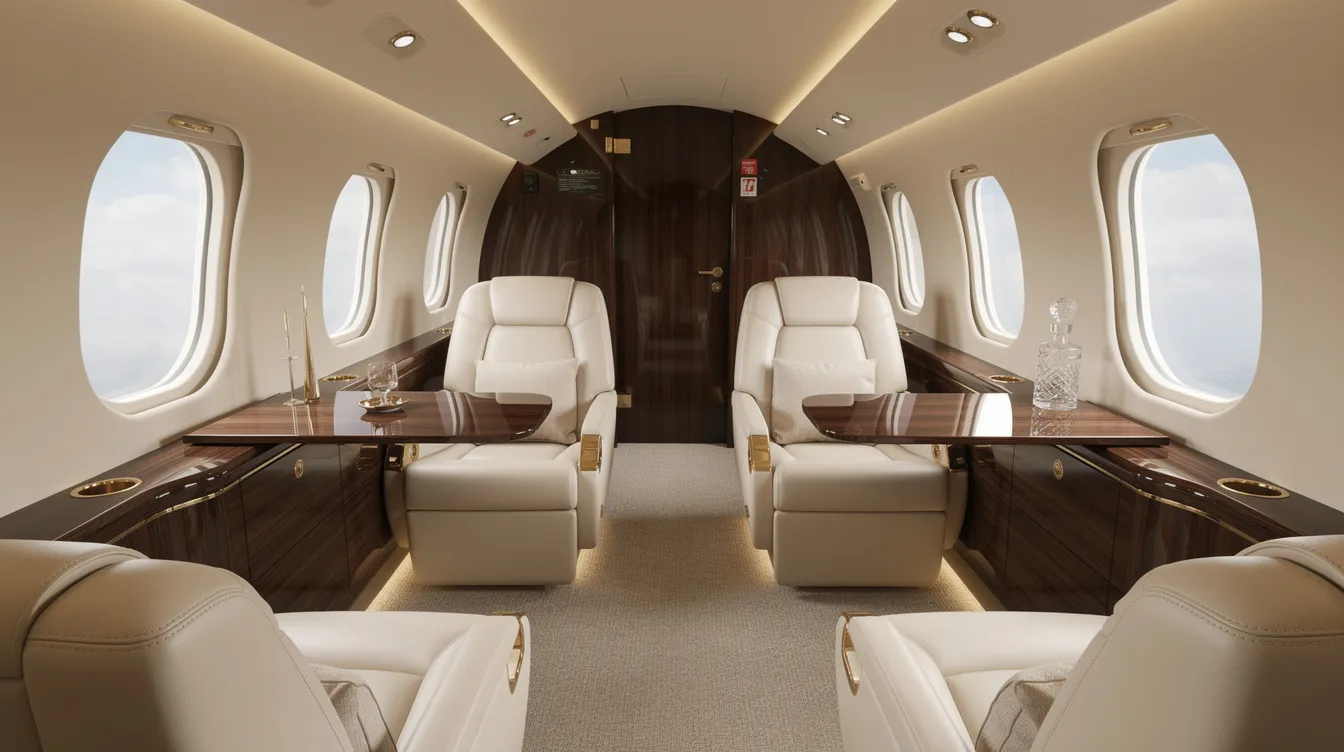
For BlackJet Jet Card members, the connection between commercial giants and private jets is practical. A traveler accustomed to the space of a 777 cabin can find comparable comfort in a large-cabin private jet like the Bombardier Global 7500 or Gulfstream G700, minus the crowds, while others may prioritize budget-friendly private aircraft options that still deliver a premium experience. Our role is to match the experience - stand-up height, cabin zones, seat width - to expectations shaped by years of commercial travel, then improve on every dimension.
Nicknames That Stuck: From "Mad Dog" to "Blackbird"
Official names are chosen by committees, approved by procurement offices, and announced in press releases. Nicknames emerge from something rawer - the way an aircraft sounds on the ramp, how it handles in a climb, or what pilots mutter about it after a long sortie. The distinction matters because nicknames often carry more emotional truth than any manufacturer designation.
The "Mad Dog" - McDonnell Douglas MD-80
The McDonnell Douglas MD-80 series earned the nickname "Mad Dog" during its years of heavy service with U.S. carriers like American Airlines and Delta through the 1980s and 1990s. The name stuck because of the aircraft's powerful rear-mounted two engines, which produced a distinctive roar and smoky exhaust on taxi. The MD-80 wasn't elegant, but it was relentless - a combination of noise, thrust, and utilitarian reliability that crews either loved or endured.
The "Blackbird" - Lockheed SR-71
The SR-71 Blackbird has a sleek and mysterious name that perfectly matches its mission profile. Developed in the 1960s by Lockheed's Skunk Works division, the SR-71 made its first flight on 22 December 1964 and entered service in January 1966. It was a strategic reconnaissance aircraft capable of speeds exceeding Mach 3 and altitudes over 80,000 feet. The name "Blackbird" was never an official designation - "SR" stands for Strategic Reconnaissance - but its dark, heat-dissipating shape and near-mythical performance made the nickname inevitable. No other aircraft in history has so thoroughly merged form, function, and public imagination.
The "Fork Tailed Devil" - P-38 Lightning
The Lockheed P-38 Lightning earned the nickname "fork-tailed devil" from Luftwaffe pilots during World War II, who recognized - and feared - its distinctive twin-boom silhouette. With two engines, twin tails, and concentrated forward firepower, the P-38 was a beast in both the European and Pacific theaters. The name revealed how an aircraft's visual signature could generate a reputation on both sides of a conflict.
Other Nicknames Worth Knowing
"Flying Fortress" - the Boeing B-17, named for its bristling defensive armament and the introduction of strategic daylight bombing over Europe
"Thunderscreech" - the Republic XF-84H, an experimental turboprop fighter that produced sounds so unbearable it reportedly caused nausea in ground crew on the flight line
The de Havilland Canada DHC-2 Beaver reflects versatility and performance in its name and its legacy - a bush plane that could land on water, snow, or unpaved strips, beloved by pilots from Alaska to the Australian outback.
These nicknames influence public perception far beyond aviation insiders, shaping documentaries, books, and enthusiast culture for decades. The Piper Cub, for instance, became synonymous with learning to fly, its name evoking simplicity and accessibility.
In private aviation, aircraft quietly earn reputations too. The Cessna Citation Excel and XLS are known as dependable workhorses - not flashy, but consistently reliable for short-to-medium missions. The Bombardier Challenger 300 and 350 hold a reputation for balanced range, speed, and cabin space. BlackJet translates these reputations into straightforward guidance: when a member asks, "What should I fly for a four-hour trip with six passengers and golf bags?", we don't cite spec sheets - we recommend the aircraft whose reputation matches the mission and aligns with their expectations on private jet pricing, categories, and access models.
Plane Names in Private and Business Aviation
Private and business aircraft naming blends marketing, lineage, and technical classification into a system that's less regimented than military codes but no less meaningful. The market is organized by cabin class - light jet, midsize, super-midsize, large cabin, ultra-long-range - and each model's name signals where it sits in that hierarchy.
Famous Business Jet Families
Gulfstream has built one of the most recognizable naming progressions in aviation. The GIV (introduced in the late 1980s) gave way to the GV, then the G550, and eventually the G650, which became a status symbol for global business travel. The latest G700, revealed as Gulfstream's flagship, pushes cabin volume and range even further forward - representing a slow but relentless march toward longer legs, taller cabins, and quieter rides.
Bombardier covers the widest spectrum. The Learjet series defined the light-jet category for decades. The Challenger 300 and 350 occupy the super-midsize sweet spot. And the Global family - Global 5000, Global 6000, Global 7500 - signals ultra-long-range, intercontinental capability suitable even when you're considering large-cabin private jets for 20 passengers. The Global 7500 first flew on 4 November 2016, received certification on 28 September 2018, and entered service on 20 December 2018, with a range exceeding 7,700 nautical miles and a four-zone cabin.
Cessna Citation runs from entry-level light jets (the CJ series) through the midsize XLS and up to the super-midsize Latitude and Longitude. The Cessna 172 Skyhawk was introduced in 1955 as a training and personal aircraft - not a business jet - but Cessna's reputation for reliability carried forward into its Citation line, creating a manufacturer identity that members trust on every page of the catalog and that often appears among the most affordable private jet options for owners and charter clients alike.
Embraer contributes the Legacy and Phenom families, names that evoke heritage and precision and frequently appear in rankings of the best private jets in the world. Piper, historically associated with general aviation, has also placed models in the light-jet category.
How BlackJet Simplifies the Naming Maze
While air forces emphasize mission codes, private aviation emphasizes cabin experience, flexibility, and range. Names like "Global" signal intercontinental reach; "Legacy" signals comfort; "Citation Sovereign" signals prestige.
BlackJet organizes access to multiple aircraft categories under our Jet Card model - 25-hour and 50-hour programs that cover everything from a light jet for a Boston-to-DC day trip to a large-cabin aircraft for a New York-to-London overnight, with the BlackJet 25+ Hour Jet Card providing fixed-rate flexibility across mid, super-mid, and large-cabin categories. Instead of asking members to memorize manufacturer alphanumeric codes, we create profiles that match each model to real-world missions. The replacement for guesswork is expert curation.
Reading a Plane Name: What It Tells You About Capability
Think of an aircraft name as a compressed data packet. With a little context, you can unpack role, size, range, and even generation from a few characters. Here's a quick decoding guide.
Military Designations
A designation like "F-35A" tells you immediately that you're looking at a fighter (F), the 35th in the development sequence, and the A variant - in this case, the conventional-takeoff version operated by the U.S. Air Force. The B variant is the short-takeoff/vertical-landing model, and the C is the carrier-capable Navy version. This system makes it possible to read news coverage or air force fleet updates without specialized training.
Commercial and Private Names
Commercial and private aircraft names typically encode the manufacturer, series, and sometimes generation:
Boeing 787-9 vs. 787-10: Same family, but the -10 is a stretched fuselage with more seats.
Airbus A320neo: The "neo" suffix (New Engine Option) signals an engine and efficiency upgrade over the original A320.
Gulfstream G500 vs. G600: The G600 adds range and cabin length over the G500.
What Private Jet Names Tell BlackJet Members
For a Jet Card member evaluating options, the aircraft name is the starting point for matching capabilities to the itinerary:
Aircraft | Category | Approx. Range | Typical Mission |
|---|
Citation XLS | Light / Midsize | ~1,800 nmi | Short-to-medium regional hops |
Challenger 350 | Super-midsize | ~3,200 nmi | Coast-to-coast U.S. |
Global 7500 | Ultra-long-range | ~7,700 nmi | Intercontinental nonstop |
BlackJet's digital platform and 24/7 support team translate these model names into plain-English profiles: "Seats 8, stand-up cabin, nonstop New York–Miami with reserves, fully enclosed lavatory, baggage for 8 carry-ons." Members don't need to decode - they just need to state their mission, and we match the right aircraft through our premium private jet card and charter services.
The hour you spend learning to read a plane name pays off in faster decisions, better comfort, and fewer surprises at the gate.
Safety, Sustainability, and Technology Behind the Names
Behind every memorable aircraft name is a certification process, safety record, and technology stack that matters far more than branding to discerning travelers - and to air forces, whose procurement depends on proven performance under extreme conditions.
Certification and Safety
Every commercial and business aircraft in service has passed rigorous type certification. In the United States, FAA certification requires exhaustive testing of structural integrity, engine reliability, avionics redundancy, and emergency systems before a single passenger flight. The European Union Aviation Safety Agency (EASA) applies parallel standards. Modern business jets like the Gulfstream G650 (certified 2012) and Bombardier Global 7500 (certified 2018) undergo years of development, flight testing, and regulatory review before their names become marketing assets.
BlackJet goes a step further. Every operator in our network is audited against stringent safety benchmarks - maintenance records, crew training, dispatch reliability, and insurance coverage. A name on a booking confirmation means the aircraft behind it meets standards we've verified on the ground and in the air.
Sustainability and Efficiency
New aircraft names increasingly come with sustainability narratives. Lighter composite airframes - built with advanced materials rather than traditional aluminum - reduce weight and fuel burn. Modern engines deliver more thrust per unit of fuel consumed. Compatibility with Sustainable Aviation Fuel (SAF) is becoming a standard feature rather than a project-stage aspiration.
The rise of electric and hybrid "eVTOL" concepts - with names like "Lilium Jet" and "Joby" - signals a future where aircraft naming conventions may change entirely, anchored in eco-credentials rather than range or speed.
BlackJet delivers carbon-neutral flights by offsetting emissions on every leg at no extra cost to members. Whether you're flying a light jet for a one-hour dash or a large-cabin aircraft across the Atlantic, our sustainability commitment is built into the Jet Card, not bolted on as an afterthought, and we pair it with transparent jet card pricing structures and cost drivers.
Technology in the Name
For high-net-worth travelers, the right name signals more than prestige. It signals fly-by-wire flight controls, advanced avionics with synthetic vision, high-altitude cabin pressurization equivalent to 4,000 feet even at cruise altitude, and reduced noise footprints. These aren't features you see in the name itself - but they're the substance behind the launched marketing campaigns. BlackJet factors these attributes into aircraft selection, ensuring that the combination of comfort, safety, and efficiency is optimized for every trip.
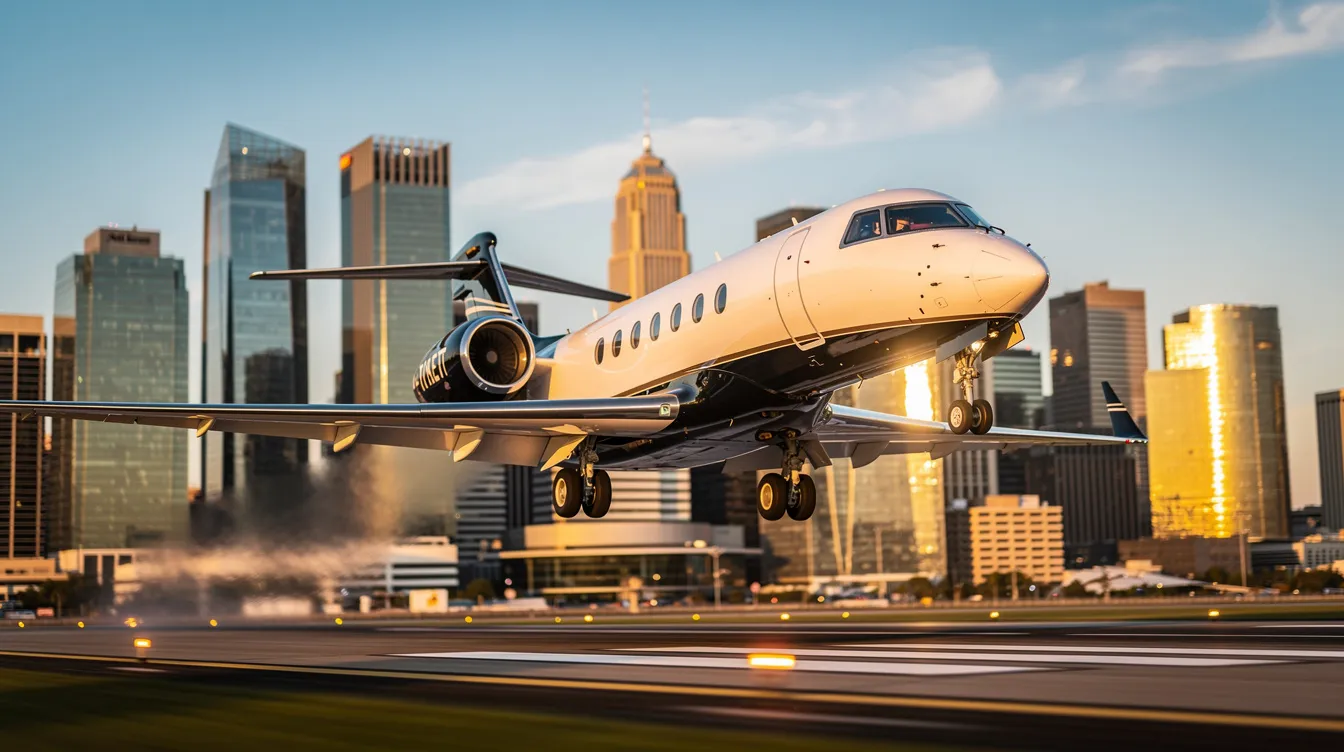
Conclusion: From Air Force Legends to Your Next Private Flight
Plane names - from air force icons like the Blackbird and the Raptor to commercial legends like the Jumbo Jet and the Constellation - tell a compressed story about role, era, and performance. They've evolved from hand-painted nose art and military designation tables to sophisticated brand platforms, but the underlying logic hasn't changed: a good name tells you what an aircraft can do and why it matters.
For private fliers, understanding broad naming patterns helps interpret aircraft size, range, and comfort at a glance. But expert guidance is what turns that knowledge into better trips, faster decisions, and a travel experience that matches your standards rather than settling for whatever's available, especially when paired with a clear view of overall jet card costs and membership options.
Elevate your travel - effortlessly. With BlackJet, private flight isn't reserved for a few - it's accessible on your terms through our Jet Card programs, whether you're starting with a 25-hour jet card for flexible access or stepping up to a 50-hour jet card for frequent travel. Rigorous safety audits, carbon-neutral performance, and unmatched flexibility are built into every hour you fly. Explore our offerings and discover how the next legendary name in your personal aviation history could be the aircraft you step aboard with BlackJet.
Join BlackJet's Jet Card program for seamless, premium private travel - safety, sustainability, and flexibility built in, whether you're evaluating a 100 hour jet card cost for ultra-frequent flying, exploring ways to buy a seat on a private jet, comparing NetJets jet card pricing and benefits, planning large-group private jet travel for up to 50 passengers, reviewing the top private jet companies and their models, considering premium private jets for sale in the UK, or arranging private jet charters in Karachi and private jet charters in Lahore.


 Sign up with google
 Sign up with Apple