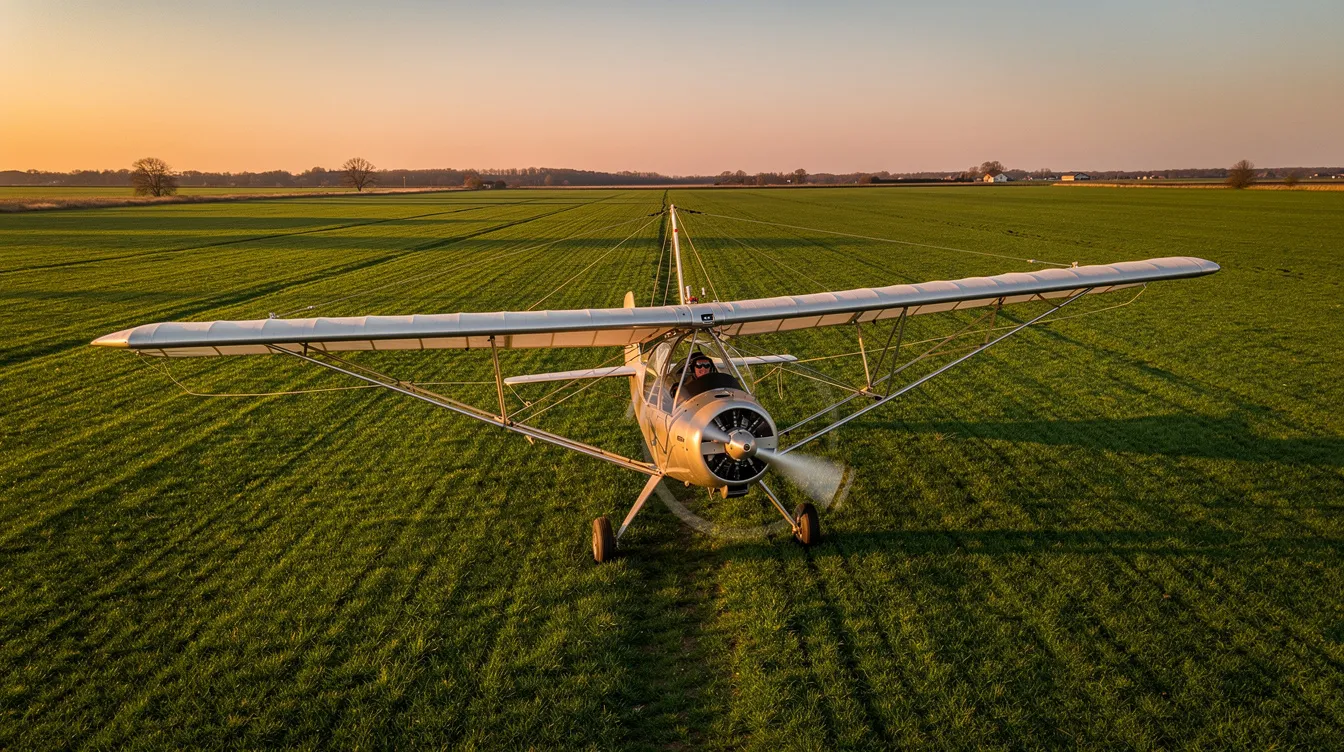
This guide explores personal ultralight aircraft—what they are, why they appeal to private jet travelers and aviation enthusiasts, and how they fit into a modern flying lifestyle. Whether you're curious about regulations, costs, or the hands-on experience of ultralight flying, this article provides a comprehensive overview for both newcomers and seasoned aviators.
At 41,000 feet in a midsize jet, you watch city lights scroll beneath you like a circuit board. Four days later, at 500 feet in a personal ultralight aircraft, you hear nothing but wind and a small engine behind your shoulders as orange groves drift past below. Both experiences are flight. Both are yours.
Why Personal Ultralight Aircraft Fascinate the Same People Who Fly Private Jets
Private jet travelers already understand the value of control over time. A typical New York-to-Miami trip on a private jet saves 1.5 to 3 hours door-to-door compared to commercial aviation, factoring in faster processing, direct routing, and access to smaller airports. That same impulse, choosing precision over waiting, choosing freedom over friction, draws executives and high-net-worth individuals toward ultralight aviation on weekends.
The appeal is not about replacing strategic jet travel. It is about completing it. A BlackJet Jet Card solves the Monday board meeting in Dallas. A single-seat ultralight parked on a grass strip solves the Saturday morning need to simply fly, unscheduled and unhurried.
Why this matters to serious travelers:
Ultralights offer the most accessible, least regulated entry into piloting your own aircraft
The open-air cockpit experience delivers sensory immersion that enclosed cabins cannot replicate
Owning or building a personal ultralight aircraft adds a hands-on, craft-level dimension to an aviation lifestyle already defined by performance and convenience.
What Is a Personal Ultralight Aircraft?
A personal ultralight aircraft is a very lightweight, single-seat flying machine designed for recreational day flying at low altitudes. In the United States, these planes fall under Federal Aviation Regulation Part 103, which sets precise limits:
Ultralight aircraft must weigh under 254 pounds empty (excluding floats and safety devices)
Cannot exceed a top speed of 63 mph in level flight
Maximum fuel capacity of 5 U.S. gallons
Stall speed no more than 28 mph with power off
Unpowered ultralights, such as a hang glider, must weigh less than 155 pounds
Ultralights do not require registration or an airworthiness certificate. No pilot license is required for ultralight aircraft under FAA Part 103. The term microlight aviation is used in the UK and Europe for similar categories, though weight limits and regulations differ by country. Ultralights include powered fixed wings, powered parachutes whose parachute-like wings generate lift, along with trikes, powered paragliders, and minimalist gliders.
Ultralight Aircraft vs Light Sport Aircraft vs Private Jets
These three categories of aircraft serve fundamentally different purposes. An ultralight is for low-and-slow solo recreation. A light sport aircraft accommodates two seats and has more serious cross-country capability. A private jet, like those accessed through a BlackJet Jet Card, delivers speed, range, and comfort for business and long-range travel, spanning types of private jets for every traveler, from very light jets to ultra-long-range aircraft.
Key regulatory differences:
Ultralight: no pilot license required in the U.S. if fully Part 103 compliant; no medical certificate needed
Light sport aircraft: requires at least a sport pilot certificate and a valid driver's license or FAA medical certificate
Private jets: flown by professional, type-rated crews under Part 91 or Part 135 standards; subject to rigorous safety audits
In practical terms, a single-seat ultralight cruises around 50-60 mph with a range of 50-150 miles. A light sport aircraft might cruise 100-140 mph with 300-600 miles of range. A midsize private jet cruises at roughly 530 mph with a nonstop range exceeding 2,000 nautical miles. An executive might fly a Kolb Firefly from a home strip on Sunday, then board a carbon-neutral BlackJet midsize jet Monday morning for a Teterboro-to-Dallas journey without a second thought, especially when holding a 100 hour jet card with predictable costs. The two modes of flight are not competitors; they are complementary.
Comparison Table: Ultralight Aircraft, Light Sport Aircraft, and Private Jets
Feature | Ultralight Aircraft | Light Sport Aircraft (LSA) | Private Jets |
|---|
Pilot License Required | No (if FAA Part 103 compliant) | Yes (Sport Pilot Certificate) | Yes (Professional Pilot License) |
Maximum Occupants | 1 | 1-2 | Multiple (varies by aircraft) |
Maximum Empty Weight | 254 lbs (unpowered less) | Up to 1,320 lbs | Varies widely (several thousand lbs) |
Maximum Speed | 63 mph | 100-140 mph | 400-600+ mph |
Typical Range | 50-150 miles | 300-600 miles | 1,500-5,000+ miles |
Medical Certificate Required | No | Yes, or a valid driver's license | Yes |
Registration & Certification | Not required | Required | Required |
Operational Airspace | Mainly uncontrolled, with ATC clearance for controlled airspace | Controlled and uncontrolled airspace | Controlled airspace |
Flight Conditions | Day VFR only | Day VFR and some IFR | All conditions |
Cost Range | $10,000-$50,000+ | $50,000-$200,000+ | $2 million and up |
Regulations, Pilot License Rules, and Safety for Ultralight Pilots
In the U.S., if your aircraft meets every Part 103 criterion, you do not need a private pilot license, a sport pilot certificate, or a medical certificate to operate it. However, comprehensive flight training with an experienced flight instructor is highly recommended. The FAA trusts ultralight pilots to self-regulate, which means the burden of safety and knowledge falls squarely on you.
Core rules every ultralight pilot must know:
Ultralights cannot carry a passenger; single-seat, single-occupant only
Ultralights can only be flown in day VFR conditions, and pilots must operate with visual reference to the ground at all times.
Ultralights cannot be flown over congested areas or open-air assemblies without permission.
Ultralight operations are typically restricted to uncontrolled airspace; entry into Class B, C, D, or E surface areas requires ATC authorization
Pilots must yield the right-of-way to all other aircraft
Pilots are responsible for ensuring the maintenance of their ultralight; there is no FAA-mandated inspection program
Pilots should wear personal safety gear, including helmets and seatbelts, during ultralight flights
In many European jurisdictions, such as the UK and Germany, a microlight license is required even for lightweight aircraft. Registration and periodic inspections are standard.
The open-air design of ultralights offers a high level of sensory immersion and freedom for pilots, but it also increases exposure to wind and weather. This is a fundamentally different safety model than private jet travel, where operators within networks like BlackJet's undergo rigorous auditing and certification processes. In ultralight aviation, you are the pilot, the mechanic, and the safety officer.
Popular Personal Ultralight Aircraft Models and Categories
Today's ultralight market ranges from classic tube-and-fabric designs to modern all-metal and even electric options. Categories include fixed-wing ultralight airplanes, amphibious ultralights, weight-shift trikes, and foot-launched powered paragliders. Here are four models worth knowing:
Aerolite 103: Single-seat pusher configuration. Aerolite 103 kits start at about $23,000; fully assembled Aerolite 103 planes start at about $28,000. Known for quick assembly and strong community support.
Quicksilver MX103: Open cockpit, iconic style. Quicksilver MX103 fully assembled versions start as low as $18,000, making it one of the most affordable factory-built ultralights available.
Kolb Firefly: Kolb Firefly quick-build kits start at $17,270, excluding the engine. Kolb Firefly features folding wings for storage, which appeals to owners who trailer their aircraft to fly-in sites.
Hummel Ultracruiser: Hummel Ultracruiser is an all-metal ultralight aircraft with a refined look reminiscent of classic GA planes. Hummel Ultracruiser build kits cost $28,442, excluding the engine. Ready-to-fly Hummel Ultracruiser starts at $37,292.
Amphibious ultralights can land on water and land, but adding floats introduces extra weight that can push the aircraft toward or beyond Part 103's 254-pound empty weight limit. Rotorcraft and autogyro configurations also exist, though they remain niche within the ultralight world.
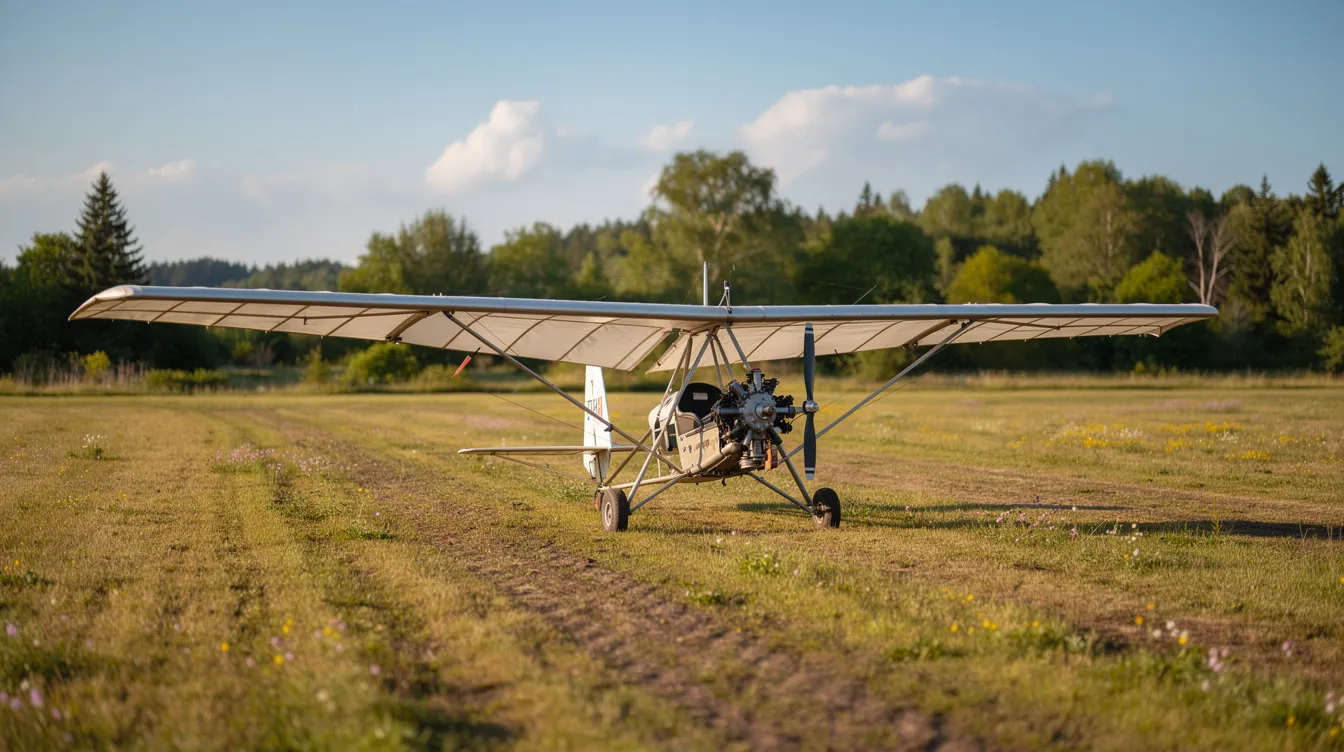
Costs, Ownership, and DIY Ultralight Aircraft Builds
Realistic 2024-2026 price ranges for ultralight aircraft:
Used, basic single-seat ultralights: occasionally under $10,000 with careful shopping and thorough inspections
New kits: commonly $15,000-$35,000, depending on completeness and engine choice
Ready-to-fly factory ultralights: typically $25,000-$50,000+ for premium builds
Many ultralights are sold as DIY kits, ranging from plans-only packages to quick-build options with all the parts pre-cut and pre-drilled. Aerolite 103 can be assembled in less than 50 hours. Hummel Ultracruiser offers plans or parts kits for building, giving owners flexible entry points. DIY ultralight aircraft kits allow for customization options in paint, avionics, and power configuration.
Budget beyond the airframe: engine cost, propeller, minimal avionics (GPS, handheld radio), hangar or trailer storage, insurance where available, fuel, and ongoing maintenance, similar to the considerations covered when comparing the best cheap light aircraft for budget-friendly flying. Fuel burn runs roughly 1.5-3 gallons per hour for most powered ultralights, keeping operating costs affordable and inviting comparisons with the cheapest private aircraft and other budget-friendly options in general aviation.
Contrast this with the BlackJet model: no ownership overhead, no hangar fees, no engine rebuilds, all structured within a transparent private jet price list explaining costs and options. A Jet Card provides prepaid access to multiple cabin classes with professional crews and dedicated dispatch. Ultralight ownership is intimate and hands-on; Jet Card access is seamless and managed, with pricing best understood through a dedicated guide to understanding jet card costs.
Where People Actually Fly Ultralights (and How It Complements BlackJet Travel)
Ultralights are most susceptible to wind and weather conditions and are flown during calm times, typically early morning or late afternoon. Pilots operate from rural grass strips, private airparks, and small uncontrolled airspace airports at altitudes between 300 and 1,000 feet above ground.
A Florida owner flies a single seat ultralight over orange groves near Winter Haven on a still Saturday morning, landing back home before the thermals build. A Colorado executive trailers a trike to a high-country meadow strip on weekends, then Monday boards a BlackJet midsize jet from Centennial to Teterboro.
Ultralight flying satisfies the hands-on pilot's passion for air, land, and sky.
BlackJet solves time-critical business trips and family travel across fewer hours and greater distances, whether via on-demand access or structured private jet leasing options
Ultralights are local and weather-dependent; private jets provide consistent, year-round access to distant destinations
Community, Training, and Ultralight Aviation Organizations
Ultralight pilots rarely start alone. Most join local chapters or online forums where experienced builders and pilots share knowledge freely. In the United States, EAA Ultralight Chapters serve as hubs for mentorship, pilot training, safety seminars, and fly-ins. Internationally, organizations like the UK's British Microlight Aircraft Association and Australia's Recreational Aviation Australia provide structured licensing and community support.
Joining a club gives you access to experienced builders, group fly-outs, maintenance workshops, and help in interpreting local airspace regulations. This grassroots community mirrors, at a personal scale, the 24/7 flight support that BlackJet provides on the jet side of your flying life, where choosing among the best small private aircraft for every need often complements ultralight ownership.
Sustainability in Ultralight and Private Jet Aviation
Many ultralights burn just 1.5-3 gallons of fuel per hour, making their environmental footprint modest for short local flights. Electric motors are entering the ultralight world as well, with lightweight models like the Electric Ride E-Bird demonstrating fully electric flight within Part 103 limits, though battery capacity still constrains duration.
BlackJet's sustainability framework approaches the question from the opposite end of the spectrum: carbon-neutral flights through verified offset programs integrated into every Jet Card hour, plus prioritization of newer, more fuel-efficient aircraft within the network, even when evaluating the cheapest private jet and other affordable options.
Ultralight weekend flights produce minimal emissions at the source
Electric ultralights point toward zero-emission recreational flying
BlackJet ensures every private jet flight is carbon neutral at no extra cost to the user
How BlackJet Fits into an Aviator's Life Beyond Ultralights
BlackJet serves as the long-range, high-speed complement to a flying lifestyle that might also include a personal ultralight aircraft. The Jet Card programs offer 25-hour and 50-hour options across light, midsize, super-midsize, and large-cabin jets, with transparent hourly rates locked at purchase for budgeting predictability, including the flagship BlackJet 25+ Hour Jet Card.
An owner who spends Saturday morning in a single seat ultralight can use a BlackJet midsize jet Sunday night from Teterboro to Opa-locka for Monday meetings, leveraging one of the best jet card programs for frequent flyers. A family keeps an ultralight at a lake house for recreational flying while relying on a BlackJet large-cabin jet for a multigenerational holiday from Chicago to Aspen, choosing from different private jet sizes to match cabin comfort and range needs. Professional crews, audited operators, 24/7 digital booking, real-time human support, and carbon-neutral flights come standard, not as add-ons, particularly within structured 50-hour jet card cost and value programs.
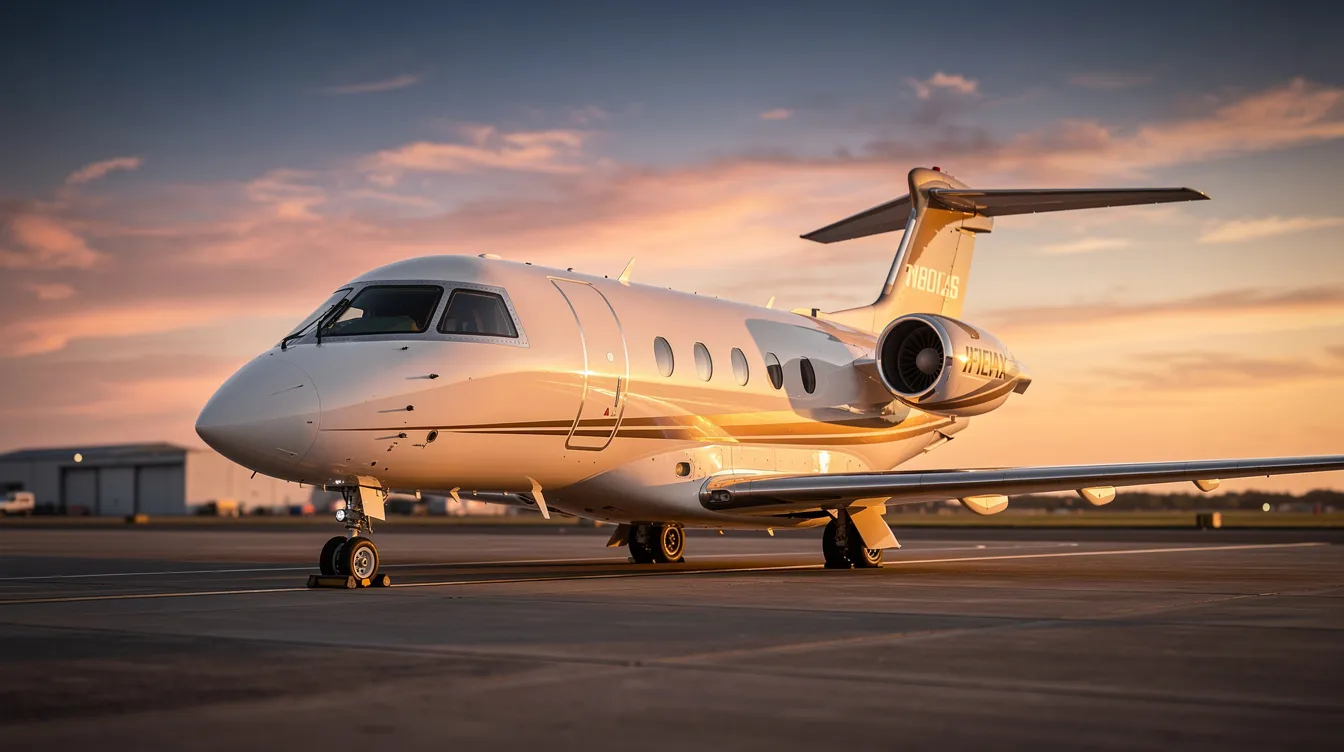
FAQs: Personal Ultralight Aircraft and Private Jet Access
Do I really not need a pilot's license to fly an ultralight aircraft in the U.S.?
Correct. Under FAA Part 103, no pilot license, medical certificate, or registration is required if your aircraft meets all weight, speed, fuel, and operational limits. However, structured pilot training with a qualified flight instructor is strongly recommended for safety and competence.
Can I fly an ultralight from the same airport where I board a BlackJet private jet?
It depends on the airport. Most ultralights operate from small, uncontrolled airspace strips or private fields. Larger regulated airports typically restrict ultralight operations. Check local rules and airport management before planning.
How far can most ultralight aircraft fly compared with a light jet?
Most ultralights have a practical range of 50-150 miles per flight. A typical BlackJet light or midsize jet covers 1,000+ nautical miles nonstop at cruise speeds exceeding 450 mph, a fundamentally different performance envelope similar to that of the best long-range private jets for sale.
Is ultralight aviation safe?
Safety depends entirely on training, maintenance discipline, weather judgment, and respect for regulations. Ultralight flying lacks the regimented, audited environment of BlackJet's network, where operators meet ARGUS and Wyvern-level standards, comparable to other vetted providers discussed in this guide to NetJets jet card costs and programs. Personal responsibility is the cornerstone.
How does BlackJet ensure its private jet flights are carbon neutral?
BlackJet integrates verified carbon offset programs into every Jet Card hour by default. These offsets fund projects in renewable energy, reforestation, and emissions reduction, ensuring that every flight's carbon footprint is fully neutralized, even for members considering unlimited private jet flight memberships for frequent travel.
Conclusion: Owning the Sky from 500 Feet to 45,000 Feet
Personal ultralight aircraft represent the most accessible, most immediate form of piloted flight available today. They ask very little in terms of regulated infrastructure and return something enormous: the pure, unfiltered experience of being in the air under your own control. For those who also navigate the world at 45,000 feet through a BlackJet Jet Card, ultralights complete a circle that starts with strategic, time-critical travel and ends with hands-on, wind-in-your-face freedom.
Respect for regulations and structured training make ultralight flying safer. A commitment to sustainability, whether through a 2-gallon-per-hour engine or a carbon-neutral Jet Card, makes every flight more responsible. And a life that includes both a grass strip and a VIP terminal is, quite simply, a life that has mastered the full spectrum of what aviation can offer.
If you already love flight, whether from a backyard runway or a polished FBO lounge, discover how a BlackJet Jet Card can formalize and elevate the serious-travel half of your aviation life.


 Sign up with google
 Sign up with Apple