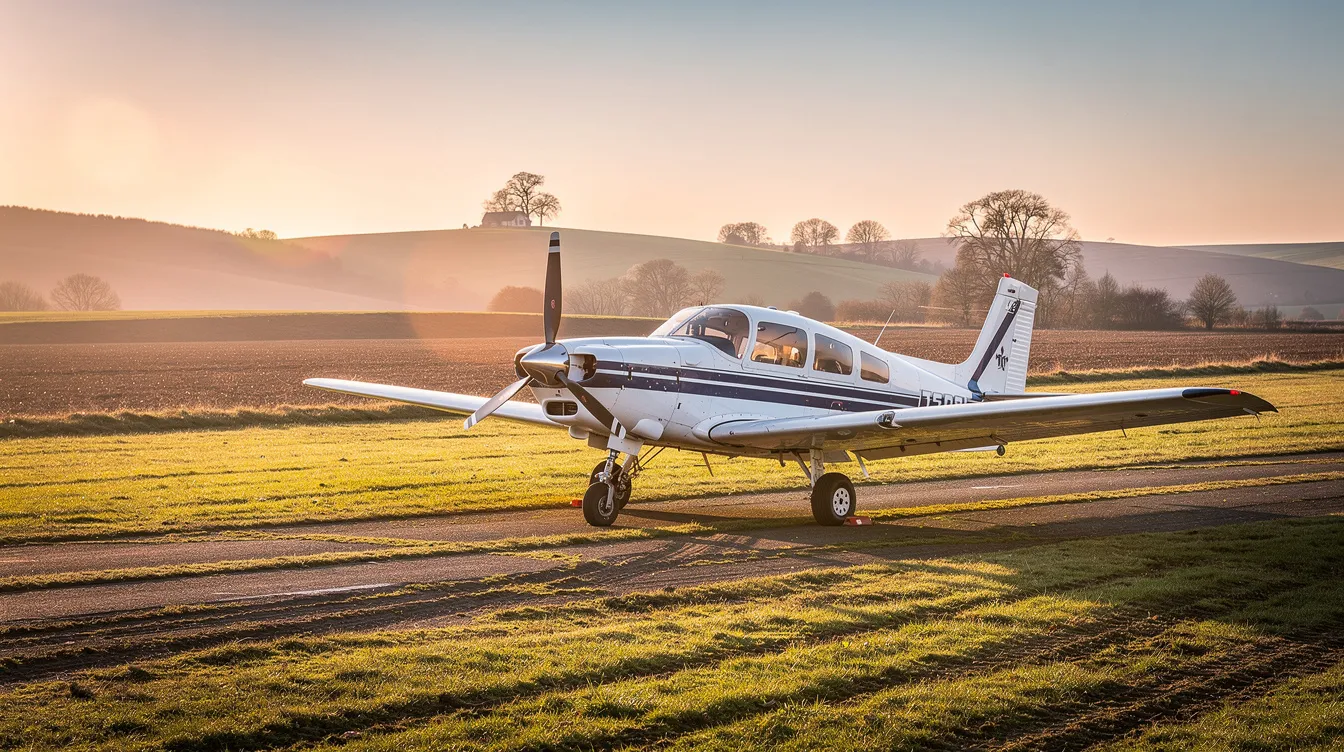
The one-engine plane has shaped aviation for over a century—launching careers, proving technologies, and giving pilots direct command of the sky, for today's discerning traveler, understanding where single-engine aircraft fit in the broader private aviation landscape is the first step toward making smarter, more strategic decisions about how you fly.
Why Single-Engine Aircraft Still Matter in a World of Private Jets
Single-engine planes are popular for short-to-medium distance travel, recreational flying, and sightseeing, and they remain a cost-effective entry into private aviation. But in 2026, their relevance extends beyond weekend flying. Many of the safety systems, avionics, and cockpit philosophies now standard in business jets were prototyped and proven in single-engine piston aircraft first. For high-net-worth travelers evaluating fleet access, the story of single-engine airplanes is also the story of how modern technology migrated upward into the jets they fly today.
The performance gap, however, is substantial. A typical single-engine piston airplane offers a cruise speed between 120 and 210 KTAS, with a range of 500 to 1,100 nautical miles depending on model and fuel capacity. Compare that with the private jet options available through BlackJet: a light jet cruises at 450 KTAS or faster, covering 1,500 to 2,000 nautical miles nonstop. On a New York-to-Miami leg of roughly 1,300 nautical miles, a BlackJet light jet saves well over an hour per leg—with no fuel stops, altitude constraints, or the fatigue of managing a piston engine through variable weather.
Consider a concrete side-by-side: the Cirrus SR22T cruises at approximately 213 knots with an IFR range of nearly 1,000 nautical miles, making it capable for regional missions. A BlackJet light jet—an Embraer Phenom 300, for instance—cruises at roughly 450 KTAS and covers 1,800 to 2,000 nautical miles nonstop. The time saved on a 1,200-nautical-mile trip can exceed one hour per leg, before accounting for the fuel stops the piston requires. Many BlackJet members started their aviation journey in single-engine piston airplanes, building skills and confidence before transitioning to premium private jet card access when their mission profile demanded greater speed, enhanced comfort, and professional crew support.
What is a one-engine plane? (Single-Engine Piston and Turboprop Basics)
A one-engine plane is a fixed-wing aircraft powered by a single powerplant—either a piston reciprocating engine or a turbine driving a propeller. Both categories generate thrust through a propeller, but the difference in powerplant type creates distinct performance envelopes, maintenance demands, and cost profiles.
Single-engine piston aircraft form the backbone of general aviation. The Cessna 172, with its first flight in 1955 and over 44,000 units built, remains the most popular single-engine aircraft in the world. Their operational simplicity makes them user-friendly, and models like the Piper PA-28 variants are popular for their stable flight characteristics and forgiving handling. These aircraft are agile and can access shorter runways, making them ideal for everything from flight training to agricultural operations for crop dusting, cargo and express delivery in remote areas, emergency medical transport, and aerial surveying and utility work.
The single-engine turboprop sits between high-performance pistons and light jets. Aircraft like the Pilatus PC-12 NGX and the Daher TBM 960 deliver jet-like capability on regional routes. The TBM 960 cruises at roughly 330 KTAS with a range of approximately 1,700 nautical miles, placing it firmly in turboprop private jet territory. The PC-12 NGX cruises at around 290 KTAS with similar range, offering a pressurized cabin and exceptional payload capacity for its class.
From a regulatory standpoint, ADS-B Out compliance became mandatory in the U.S. in 2020 for aircraft operating in Class A, B, C, and most controlled airspace. This shifted avionics expectations across the entire fleet of single-engine aircraft. Modern models now commonly include ads b In and Out, glass cockpits, WAAS-capable GPS, and synthetic vision as standard equipment.
Best Single-Engine Planes in 2025–2026 by Mission
Determining the best single-engine planes depends entirely on mission type. A trainer needs different qualities than a cross-country flyer or a backcountry hauler. Selection criteria should include cruise speed, useful load, advanced avionics (including ads b and glass cockpits), safety systems, and total ownership costs per year. Typical single-engine aircraft purchase prices range from $150,000 to over $600,000, and understanding what each dollar buys is critical, especially for pilots comparing these models with the cheapest single-engine plane options available on the market.
Training and Primary Certification
Cessna 172S Skyhawk dominates here.
Useful load: 800 to 900 lbs
Cruise speed: approximately 120 to 125 KTAS
Fuel burn: roughly 8 to 9 gallons per hour
Used 1990s models: start around $150,000
Newer glass-cockpit variants: push toward $400,000
Brand-new 2026 172S: lists near $465,000
Often used for flight training worldwide, their predictable handling characteristics make them the standard by which trainers are measured.
Efficient Owner-Operator and Personal Travel
Diamond DA40 NG
Fuel efficiency and modern design
Cruise speed: around 155 to 165 KTAS
Used pricing: $300,000 to $450,000, depending on avionics
Cirrus SR20
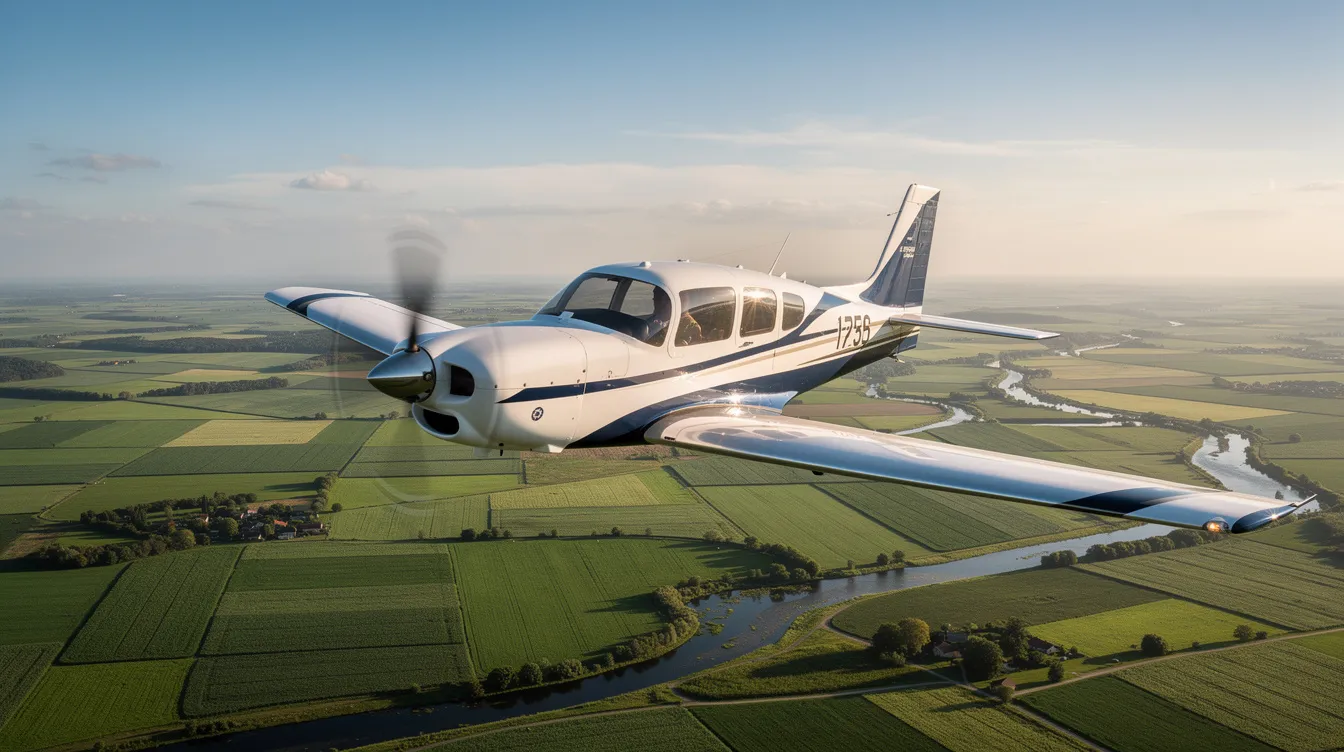
High Performance Cross Country Flying
Utility and Backcountry
Stepping Stone to Jet Access
TBM 960 and PC-12 NGX represent the upper end of owner-flown aircraft, sitting well above more accessible budget-friendly private aircraft options that many pilots consider early in their aviation journey.
New TBM 960 pricing: $4.5 to $5 million
Used examples: $3 to $4.5 million
Deliver speed and range that overlap with light jets, but with substantial fixed costs (turbine maintenance, insurance, hangar)
Many owners of these aircraft eventually discover that a jet card delivers comparable or better overall utilization with none of the operational burden.
Spotlight on Cirrus Aircraft and Other High-Performance Single-Engine Pistons
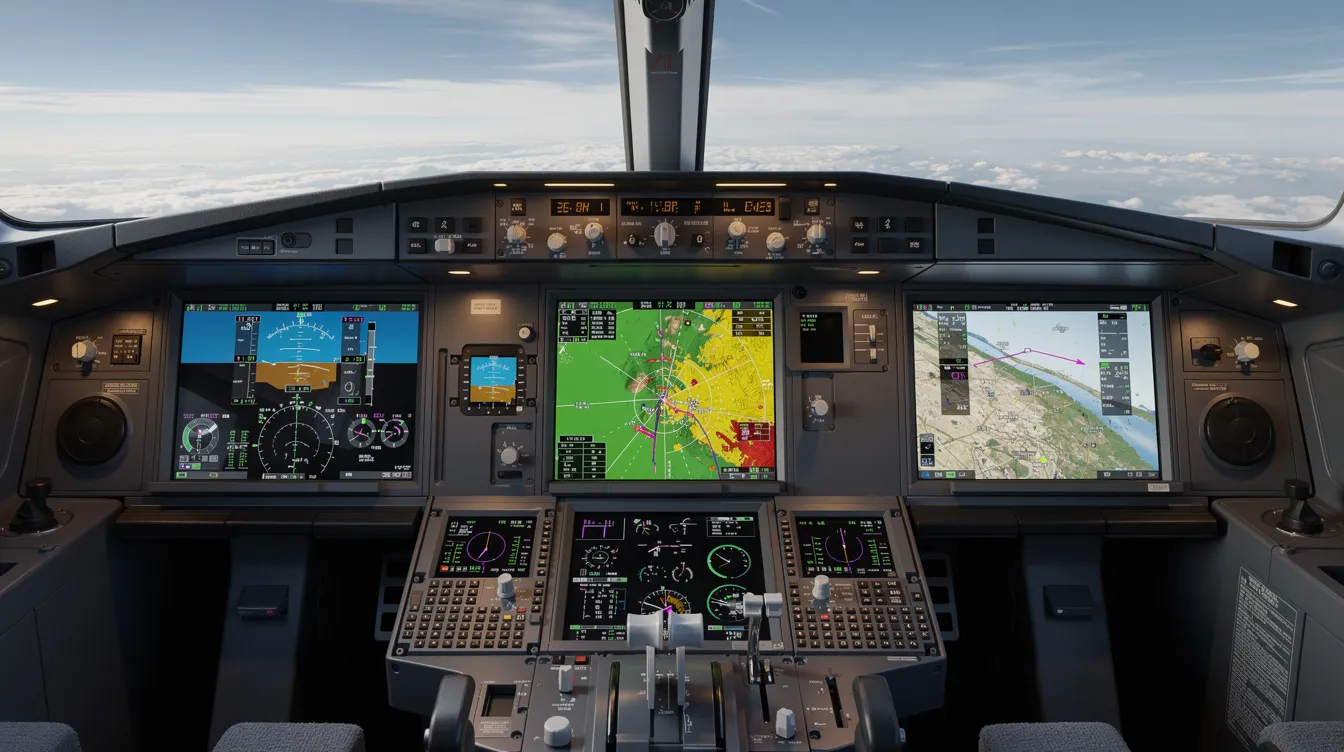
Cirrus Cockpit Experience
Cirrus aircraft defines the reference point for modern single-engine piston luxury and advanced technology in 2026. The SR-series—SR20, SR22, and SR22T—combines a unique blend of cockpit innovation, airframe safety, and refined aesthetics that few competitors match.
Safety Innovation
Cirrus Airframe Parachute System (CAPS parachute)
G7+ variant includes Safe Return, an emergency autoland system—a first for any piston airplane
Comparing Leading High Performance Singles
Cirrus SR22T: Cruises at 213 knots, ideal for owner-pilots flying regional missions who want a fully equipped, technologically advanced platform.
Mooney M20V Acclaim Ultra: Greater speed at 242 KTAS but demands higher pilot proficiency, steeper insurance premiums, and a less forgiving flight envelope.
Beechcraft Bonanza G36: Cruises at 175 to 220 knots, trades speed for a comfortable cabin and strong brand legacy.
Each model fits a different pilot-owner profile, but all share a common ceiling: when trips regularly exceed two hours or cross weather systems, the limitations of a single-engine piston become tangible.
Ownership Costs of a Single-Engine Plane vs Private Jet Access with BlackJet
Annual Cost Breakdown
For a representative high-performance single-engine piston—say a 2015 Cirrus SR22 or Cessna 182—flying 100 to 150 hours per year in 2026, expect the following ranges:
Hangar fees: $3,000 to $8,000 annually
Insurance: often exceeding $8,000 annually for high-performance models
Annual inspections and scheduled maintenance: $3,000 to $8,000
Fuel: at 15 to 18 GPH and current avgas prices, $10,000 to $20,000+ per year
Engine reserves: set aside for overhauls that typically cost between $30,000 and $60,000 every 1,800 to 2,000 hours
Avionics upgrades: ads b compliance, WAAS GPS, and database subscriptions add ongoing cost
Annual ownership costs range from $20,000 to $40,000 for simpler models, pushing well above $60,000 for late-model high-performance singles once you factor in depreciation and overhaul exposure, which is why many travelers compare these figures with structured jet card cost frameworks before committing to ownership. Add the acquisition cost of $400,000 to $900,000, and the single-engine plane's worth calculation becomes complex. A thorough review of maintenance history is essential before any purchase to avoid hidden issues that inflate costs further.
BlackJet Jet Card Model
Prepaid 25-hour light jet card: deposit of approximately $175,000, with all-in hourly rates of $7,000 to $8,000, aligning closely with many of the features outlined in a complete guide to the 25-hour jet card
50-hour card: roughly $330,000, a tier that suits flyers whose demand approaches the utilization levels discussed in comprehensive analyses of 50-hour jet card pricing and value
Rates cover fuel, crew, landing fees, carbon-neutral emissions, and standard operational charges
No hangar, no insurance policy, no engine overhaul surprise, and no scheduling around maintenance windows
Example: An executive flying New York to Chicago and back 20 times per year, plus occasional coast-to-coast legs, might be better served by a structured 100-hour jet card program than by owning a single-engine piston outright. Owning an SR22T means multiple fuel stops on transcontinental routes, limited high altitude performance in an unpressurized cabin, and personal responsibility for weather decisions. A BlackJet light jet covers the same route nonstop at higher altitudes, in pressurized, enhanced comfort, with a professional crew.
Single-engine aircraft are generally cheaper to purchase and operate than multi-engine models, but when you compare the total cost of ownership against the flexibility and predictability of jet card access—and understand the underlying jet card cost per hour—the math frequently favors BlackJet.
Speed, Range, and Comfort: Single-Engine Piston vs Turboprop vs Private Jet
Performance metrics shape every travel decision, but travelers also weigh them alongside the broader private jet price list and access models that define long-term cost and flexibility. Cruise speed (measured in KTAS), range (nautical miles with IFR fuel reserves), and useful load determine what missions an aircraft can realistically serve.
Performance Comparison Table
Aircraft Type | Cruise Speed (KTAS) | Range (nm) | Cabin Type | Fuel Burn (GPH) | Notes |
|---|
Single-engine piston (SR22T) | ~213 | ~1,000 | Unpressurized | 17–18 | Most efficient for short/medium trips |
Single-engine turboprop (TBM 960) | ~330 | ~1,700 | Pressurized | — | Jet-like capability, turbine efficiency |
Light private jet (Phenom 300/CJ3+) | 430–450 | 1,800–2,000 | Fully pressurized | — | Climate-controlled, lavatory, crewed |
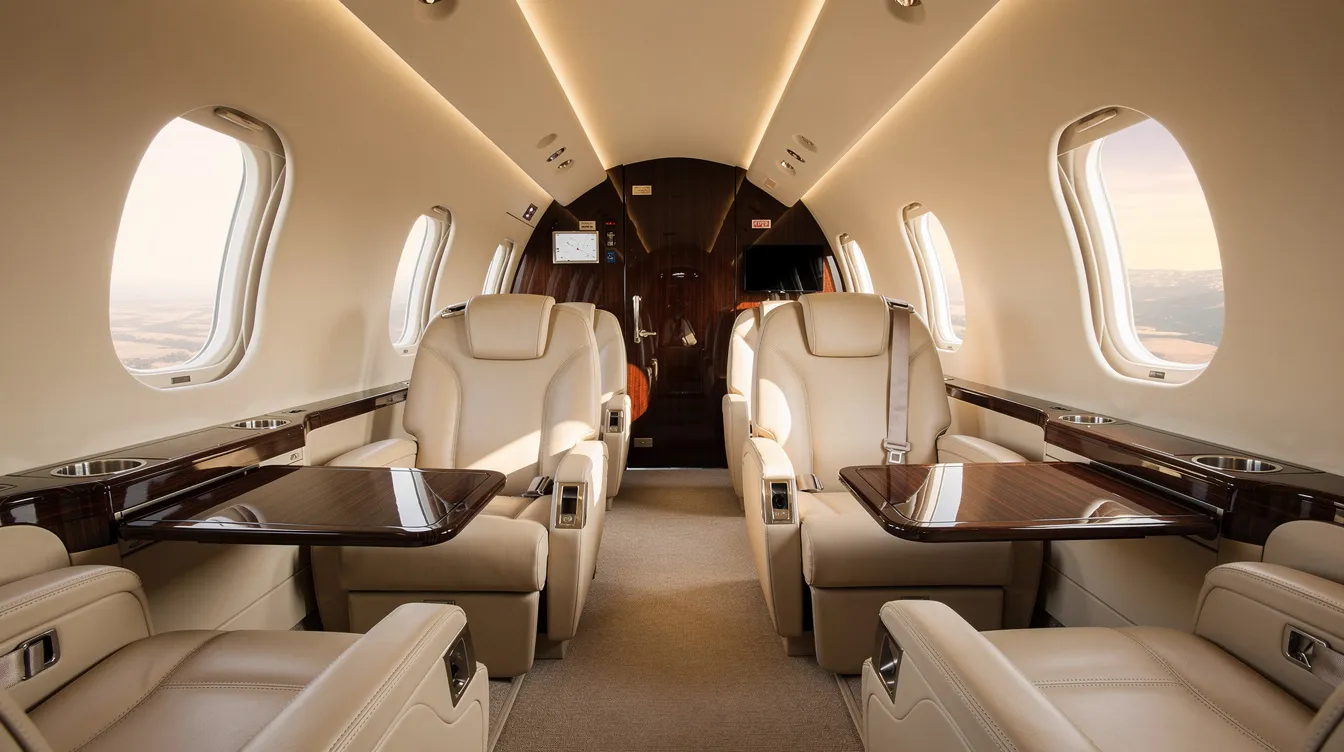
Single-engine planes provide excellent fuel efficiency relative to their speed, but they cannot match the cabin experience of a jet on flights exceeding one to two hours, which is why many travelers evaluate whether chartering a private jet is worth it for specific high-impact trips. Piston cabins are unpressurized, limiting comfortable cruising to below 12,000 feet, with higher noise and vibration levels. Turboprops like the PC-12 NGX offer pressurization and quieter turbine operation, but propeller hum remains. Light jets deliver full pressurization at higher altitudes, larger cabin cross-sections, noise insulation, and enclosed lavatories—factors that matter enormously for long-distance travel or arriving fresh for a business engagement.
Pilot Workload
Owner-flown single-engine aircraft demand constant attention: weather monitoring, fuel management, navigation, and communication all fall on one person. BlackJet flights are crewed by professionally trained pilots with 24/7 operations support, dispatch assistance, and weather routing—effectively reducing pilot workload to zero for the traveler and eliminating the need to budget separately for private jet pilot costs and staffing. For mission-critical, multi-city itineraries, a private jet or jet card is the clear choice.
Safety, Technology, and Sustainability Across One Engine and Jet Operations
Safety is non-negotiable for BlackJet members, and the lessons learned in modern single-engine aircraft have directly influenced today's professional jet operations.
Autopilots with envelope protection prevent stalls and unusual attitudes
Synthetic vision displays terrain and obstacles in low visibility
Ads and transponders provide real-time traffic awareness
These technologies, first adopted widely in high-end single-engine piston cockpits, are now standard across the jet fleet and intersect with many of the safety features highlighted even in more affordable private aircraft categories.
However, NTSB data shows that general aviation single-engine piston airplanes account for a disproportionate share of accidents per 100,000 flight hours, with most incidents traced to pilot error or weather-related decisions rather than mechanical failure. The primary drawback of any single-engine aircraft is a lack of engine redundancy—if that one engine fails, options narrow immediately. BlackJet mitigates these risks with ATP-licensed crews, Part 135 operator standards, rigorous safety protocols, and advanced technology systems across its network, all delivered through transparent jet card pricing structures that bundle these protections into a predictable hourly rate.
Digital Security
BlackJet's digital booking platform also reflects a commitment to security. The system employs a security service layer that includes performing security verification on every account action and screening for malicious bots that attempt unauthorized access. Each session generates a response ray ID for technical traceability, and once security verification is successful—verification successful—members can book seamlessly through the mobile platform. This approach adds an extra layer of digital protection that parallels the operational safety standards applied to every flight.
Sustainability
On sustainability, BlackJet embeds 300% carbon and emissions neutrality into every jet card flight at no additional cost. Sustainable Aviation Fuel integration is expanding across partner operators. By contrast, individual owners of single-engine aircraft face limited access to SAF, continued reliance on leaded avgas (100LL), and minimal infrastructure for personal offset programs. BlackJet elevates the environmental bar beyond what personal ownership can typically achieve.
When a One-Engine Plane Makes Sense—and When a BlackJet Card Is Smarter
The decision framework comes down to mission, frequency, and priorities, including whether a flexible best-in-class jet card program aligns better with your travel profile than aircraft ownership.
Owning a single-engine plane makes more sense for pilots flying 100 to 200 or more hours per year who deeply value hands-on flying as part of their flying experience. Ownership allows flying on your own schedule without rental constraints, enables spontaneous weekend trips, and delivers the satisfaction of personal ownership. Single-engine planes typically have lower maintenance costs than multi-engine models, and for passionate aviators, nothing replaces the direct connection of managing your own airplane.
A BlackJet jet card fits executives and families flying 20 to 100 hours per year, where outcomes matter more than aircraft management. Consider a Florida-based entrepreneur who owns a Cirrus SR22 for regional hops—Tampa to Savannah, weekend trips to the Keys—but needs New York access for quarterly board meetings and an Aspen ski trip each winter. The SR22 handles the first mission; BlackJet handles the second, with access to multiple aircraft categories from light jets to large-cabin options, all available on clearly defined jet card cost-per-hour terms.
Or consider an executive weighing the purchase of a Bonanza G36 against a 25-hour BlackJet card for 10 to 12 multi-city business tours per year, comparing capital outlay and risk with the flexibility of the BlackJet 25+ Hour Jet Card program. The Bonanza requires hangar, insurance, annual inspections, engine reserves, and personal time managing the aircraft. The jet card delivers predictable cost, professional crew, and access across cabin classes—making it the practical choice when your mission profile spans cities and time zones.
BlackJet's network covers light, midsize, super-midsize, and large-cabin jets, all accessible on the same membership, complementing on-demand options for those who may occasionally prefer to rent a private jet by the hour. Whether your aviation journey began in a Cessna 172 or a TBM 960, the transition to jet card access represents a strategic elevation in how you travel.
Explore BlackJet membership to discover how prepaid jet access can reshape your travel.

FAQs About Single-Engine Aircraft and BlackJet Access
Are single-engine planes safe for business travel at night?
Yes, with important caveats. Modern single-engine aircraft equipped with advanced avionics—ADS-B, synthetic vision, autopilot with envelope protection—and flown by experienced pilots can operate safely at night under IFR. However, the lack of engine redundancy means mechanical failures carry a higher risk. BlackJet flights are crewed by ATP-certified professionals operating under Part 135 standards, with dispatch support and weather minimums that substantially reduce risk on every leg. Learn more about private aviation safety and how BlackJet’s safety protocols ensure premier protection.
How do the ownership costs of a single-engine piston compare to a BlackJet jet card?
Annual ownership costs for a high-performance single-engine piston flying 100 to 150 hours per year typically run $20,000 to $40,000 or more, excluding acquisition and depreciation. Operating costs climb further when engine overhauls, avionics upgrades, and unexpected maintenance enter the picture. A BlackJet 25-hour light jet card costs approximately $175,000 with hourly rates of $7,000 to $8,000, covering all standard charges. For travelers whose missions include long-distance or time-sensitive legs, the jet card often delivers better value per mission. Learn more about jet card costs.
Can I choose aircraft type when booking with BlackJet?
With BlackJet jet cards, you select the cabin class—light jet, midsize, super-midsize, or large cabin—appropriate for each trip. The fleet consists of multi-engine jets and select turboprops; one-engine planes are not part of the standard jet card fleet. For each booking, BlackJet matches the right aircraft type to your mission profile and passenger load. Discover our aircraft categories for details.
What avionics and safety certifications should I look for if I still want to own a single-engine aircraft?
Prioritize ADS-B Out (mandatory since 2020), WAAS-capable GPS for precision IFR approaches, a glass cockpit for situational awareness, and synthetic vision. Safety systems like the Cirrus Airframe Parachute System and autopilots with envelope protection add meaningful protection. Always review full maintenance history and confirm compliance with all airworthiness directives before purchasing.
Can I combine owning a single-engine plane with using BlackJet for longer or more complex trips?
Absolutely. A hybrid strategy often delivers the best of both worlds. Fly your single-engine aircraft for local and regional missions you enjoy—building hours, maintaining proficiency, and taking spontaneous personal travel trips. Then rely on BlackJet for long legs, international itineraries, or time-critical flights where professional crew, pressurized cabins, and greater speed make more sense. Many clients maintain this combination as their needs evolve, keeping the joy of hands-on flying while accessing the capability and comfort of private jet travel when the mission demands it. Learn how private jet charter complements ownership.
Key Takeaways
Single-engine planes remain a vital part of private aviation, offering pilots seeking piston performance, operational simplicity, and cost-effective access to the skies. They excel in training, recreational flying, and regional travel up to 1,100 nautical miles, with models like the Cirrus SR22T and Mooney M20V Acclaim Ultra delivering impressive speed and advanced safety features. Ownership provides flexibility and control, allowing spontaneous trips and personal customization, while generally enabling pilots to save money compared to more complex aircraft.
However, single-engine aircraft have inherent limitations, including a lack of engine redundancy and unpressurized cabins, making them less suitable for longer, high-altitude, or multi-leg business travel. BlackJet’s jet card programs offer a strategic alternative, delivering professional crew, multi-engine jets, carbon-neutral flights, and seamless digital booking, all without ownership burdens. For pilots flying fewer than 100–150 hours annually or requiring greater range and comfort, combining single-engine ownership with BlackJet access can optimize both cost and convenience.
Conclusion
The one-engine plane continues to be a cornerstone of general aviation, blending performance, efficiency, and affordability for pilots seeking hands-on flying experiences. Yet, as mission demands grow more complex, private jet access through programs like BlackJet’s jet cards presents a compelling evolution—offering safety, speed, and luxury with predictable costs and zero maintenance responsibility.
Whether you are a pilot seeking piston performance and the joy of ownership, or a discerning traveler prioritizing time savings and operational excellence, understanding the strengths and trade-offs of single-engine planes versus private jet access is crucial. Embracing a hybrid approach or transitioning to a jet card membership can elevate your travel strategy, ensuring every journey is effortless, premier, and tailored to your unique needs.
Explore BlackJet membership today to discover how prepaid jet access can reshape your aviation experience and unlock the full potential of private travel.


 Sign up with google
 Sign up with Apple