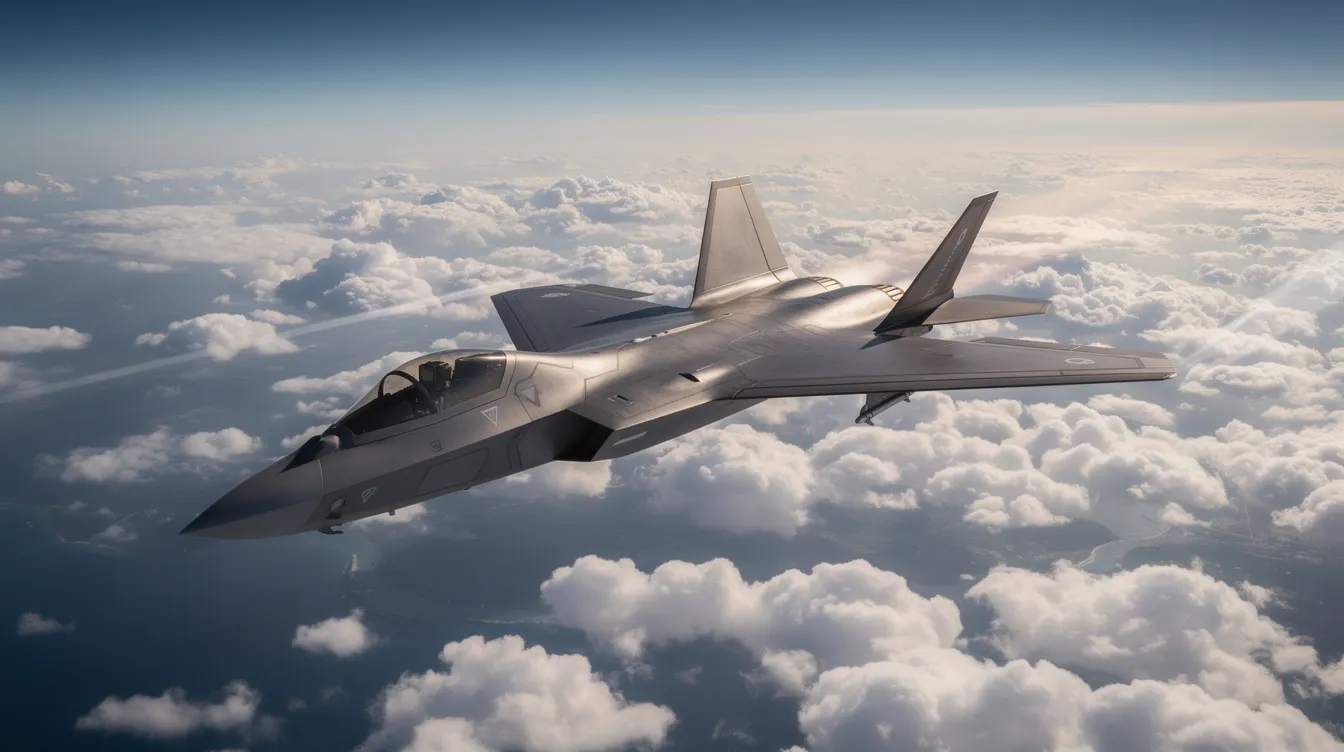
Next-generation aircraft technology aims to reshape modern aviation on two fronts: military air dominance and private flight.
This article explores how next-generation aircraft are transforming both military and private aviation, offering insights for travelers, aviation professionals, and enthusiasts interested in the latest breakthroughs that impact travel efficiency, safety, and environmental responsibility. We will cover the latest advancements in both defense and private sectors, examine the core technologies driving change, and explain why these innovations matter for anyone invested in the future of flight.
Strategic Advantage of Next-Generation Aircraft for Elite Travelers
The race to develop next-gen aircraft is producing breakthroughs in connectivity, propulsion, and safety that benefit fighter pilots and private jet members alike. For high-net-worth travelers, these advances translate directly into hours saved, tighter security, and flexible scheduling that commercial airlines cannot match.
Consider a New York-to-London trip. A commercial first-class passenger spends 2-3 hours in airport queues and security before an 8-hour flight; add a potential hub connection, and door-to-door time stretches past 12 hours. A BlackJet member flying on a modern ultra-long-range business jet departs from a fixed base operator in under 30 minutes, lands closer to central London, and completes the trip in roughly 5-6 hours. European studies show business aviation saves up to 300 minutes per journey in congested regions.
Next-generation air platforms, military and civilian, share three technology pillars:
Advanced connectivity (satellite internet, encrypted communications)
Sustainable propulsion (SAF blends, hybrid-electric research)
Intelligent systems (envelope protection, predictive maintenance, AI-driven avionics)
BlackJet applies these pillars as a safety-led, carbon-neutral private aviation provider, giving members access to newer, fuel-efficient aircraft through its Jet Card programs and broader premium private jet services. Prestige, safety, and efficiency are not marketing slogans; they are operational standards.
Generation Aircraft in Defense: From Air Superiority to Next Generation Air Dominance
Air forces across the globe are developing sixth-generation fighters to replace aging fleets and secure full-spectrum air dominance. Only 28% of military aircraft currently in use are new-generation models, which gives these programs urgency.
What separates a sixth-generation aircraft from its predecessors? Fourth-generation fighters like the F-15 introduced fly-by-wire and look-down radar. Fifth-generation platforms (F-22, F-35) added advanced stealth, sensor fusion, and internal weapons bays. Sixth-generation crewed aircraft push further: deep multi-band stealth, AI-assisted cockpits, loyal wingman drones, and adaptive engines. The 6th-generation fighter jets will succeed the F-22 and F-35 as the world's premier air superiority platforms.
Key programs underway:
US Air Force NGAD program / F-47: Boeing won the prime contractor contract in March 2025 to build over 185 F-47 fighters. The F-47 fighter jet incorporates advanced stealth design features, with a combat radius exceeding 1,000 nautical miles at speeds above Mach 2. The NGAD program aims to reduce costs compared to the F-35.
US Navy F/A-XX: Contract awarded to Boeing in September 2026 to replace the F/A-18E/F Super Hornet, targeting carrier-based sixth-generation platforms.
Global Combat Air Programme (GCAP): The UK, Japan, and Italy are jointly developing a sixth-generation fighter with a demonstrator expected in late 2027 and service entry in the mid-2030s. France, Germany, and Spain pursue a parallel Future Combat Air System. Sweden and Turkey are exploring their own future designs.
China: Chengdu's J-36 and Shenyang's J-50 prototypes, both flown in December 2024, claim sixth-generation features. Russia continues Mikoyan PAK DP interceptor ambitions, though no confirmed Russian hardware has appeared publicly.
The B-21 Raider, a new-era bomber already in the US Air Force inventory, features an AI co-pilot for enhanced safety, pointing toward how AI will dominate cockpit operations. Looking further, 7th-generation fighters may be unmanned and AI-controlled, removing the pilot entirely.
These programs compress mission decision cycles from minutes to seconds through manned-unmanned teaming, real-time data links between fighters, drones, AWACS, and satellites. That same philosophy of networked, sensor-rich operations now filters into private aviation.
Core Technologies of Next Generation Aircraft (Military & Civil)
Both sixth-generation fighters and modern business jets evolve around four pillars: advanced connectivity, open architectures, power and thermal innovation, and human-centric safety systems.
Connectivity and sensors: Military aircraft feed encrypted, low-latency data between the F-47, its collaborative combat aircraft drones, and orbital sensors. In business jets, Ka-band satellite internet and VPN-secure communications let executives hold video conferences at 45,000 feet. Next-gen aircraft are compatible with modern air traffic management systems, enabling real-time route optimization for both bombers and business jets.
Architecture and materials: Open mission systems in defense allow modular sensor and electronic warfare upgrades without full airframe redesign. Next-generation aircraft use lightweight composite materials to improve efficiency. Novel aerodynamic shapes, including blended-wing body designs, reduce drag and improve fuel efficiency while cutting noise, echoing many of the best aircraft of 2026. Robust cybersecurity measures are necessary for both military and civilian next-generation aircraft systems that depend on networked control.
Power and thermal management: NASA's HEATheR project targets thermal management systems with four times lower heat losses. Research into hybrid-electric propulsion continues, with Heart Aerospace developing the ES-36 series-hybrid regional aircraft for 2031 service entry. These solutions keep modern private jet cabins quiet, cool, and energy-efficient.
Safety: Advanced avionics enable automated flight controls in next-generation aircraft. AI and machine learning integrate into next-gen flight controls to enhance safety, while advanced safety systems improve hazard detection and management. In defense, next-generation ejection seats like the ACES 5 protect pilots in sixth-generation cockpits. In private aviation, flight decks like the Gulfstream Symmetry and Bombardier Vision offer enhanced and synthetic vision, envelope protection, and fly-by-wire control. BlackJet's operator network requires Part 135 certification and third-party audits through ARGUS and Wyvern.
Next-generation aircraft also use artificial intelligence during design and maintenance phases. Digitalization enables predictive maintenance and enhances operational efficiency, reducing unplanned downtime across both military fleets and private operators.
Next Generation in Private Aviation: How BlackJet Brings Advanced Aircraft to Members
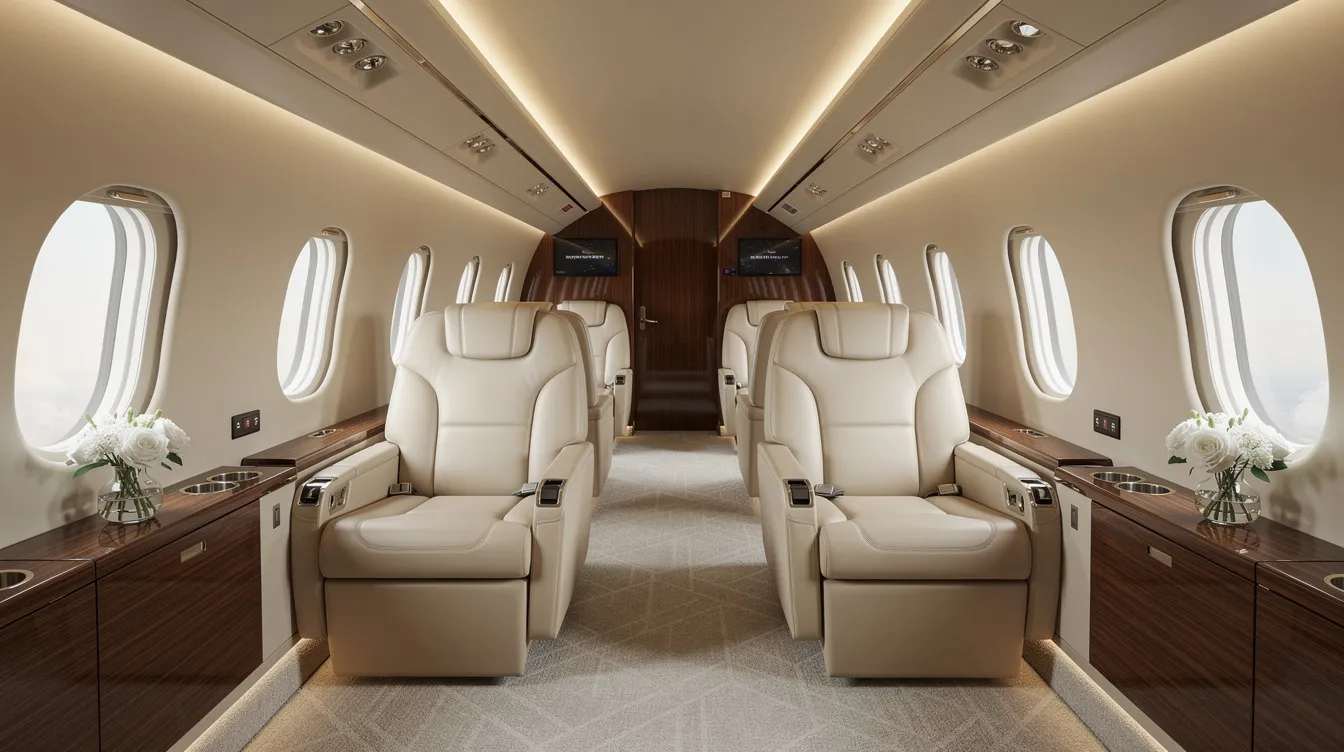
While sixth-generation fighters target air dominance, next-generation private aircraft aim to dominate speed, comfort, and reliability for business and leisure travelers. Next-generation aircraft may improve passenger experience through better comfort and connectivity, and that improvement is tangible in today's best business jets.
Aircraft BlackJet members access through 25+ Hour Jet Cards:
Super midsize: Bombardier Challenger 3500, with ranges around 3,400 nm and cabin heights near 6 feet, illustrating many of the best features of a 20 million dollar jet.
Large cabin: Gulfstream G500/G600, Dassault Falcon 7X; 5,000-6,500 nm range depending on speed and payload, comparable to many of the largest private jets for sale.
Ultra-long-range: Bombardier Global 7500 (7,700 nm range, Mach 0.925 top cruise, ~$14,000/hour operating cost) and the Gulfstream G700, both among the best long-range private jets available today.
These aircraft mirror advanced technology trends from defense: Ka-band Wi-Fi, in-flight VPN-secure video conferencing, and real-time flight support from BlackJet's operations team. Lighter composite materials, optimized aerodynamics, and new-generation engines reduce noise and emissions while increasing cabin space and range, mirroring innovations in the newest private jets.
BlackJet's Jet Card model (25-hour and 50-hour blocks) functions as a next-generation access system, comparable in structure to other jet card membership pricing. Members prepay at capped rates, book via app, and receive dynamic aircraft selection across multiple cabin classes, without owning or maintaining any aircraft. A sample scenario:
A member needs a last-minute New York-to-London flight for 10 passengers. Through the BlackJet app, they book a Global 7500 or another top 16-seat private jet; the route is optimized in real time; the cabin serves as a productive office for the 7-hour crossing; the flight is carbon-neutral at no extra cost. Door-to-door time: roughly 6 hours versus 11+ hours on a commercial carrier.
Sustainability and Next Generation Air: SAF, Electrification, and Carbon-Neutral Flights
Aviation accounts for roughly 2.4-3% of global CO₂ emissions. Next-generation aircraft designs often prioritize environmental sustainability and efficiency, and private aviation, which emits more per passenger-hour than commercial flight, faces particular pressure to act.
Sustainable aviation fuels aim to lower lifecycle greenhouse gas emissions compared to conventional fuels, with reductions of 70-80% per lifecycle. Gulfstream has conducted transatlantic SAF demonstration flights; Bombardier has tested 100% SAF in single-engine operations. Sustainable aviation strategies must consider the full lifecycle impacts on the environment, from feedstock sourcing to combustion.
Beyond SAF, the history of aviation propulsion is entering a new era. Hybrid-electric, fully electric, and hydrogen-powered propulsion systems reduce carbon emissions across different mission profiles and will influence the future global private jet fleet. Electric propulsion systems can eliminate direct emissions during flight entirely. Collins Aerospace invested billions in aircraft electrification. Hydrogen propulsion could reduce greenhouse gas emissions in aviation; up to 100,000 tonnes of green hydrogen will be needed by 2050 to support commercial-scale adoption. Fokker aims for operations over 1,500 miles without carbon emissions, and electric vertical takeoff and landing aircraft enable new passenger transport solutions for urban mobility, complementing emerging affordable private jet options.
Challenges remain. Electric aircraft face difficulties with battery energy density and range capabilities. Regulatory challenges exist regarding certification for novel propulsion technologies. Transitioning to alternative energy sources requires infrastructure investment at airports across the globe, from SAF storage to hydrogen fueling stations, alongside expanding markets for premium private jets for sale.
How does this affect private flyers choosing between options?
Commercial business class: Lowest per-seat emissions when full, but schedule constraints, hub connections, and 10+ hour door-to-door times reduce its appeal for time-sensitive travel.
Ad-hoc private charter: High flexibility but inconsistent aircraft age, optional carbon offsets at extra price, and unpredictable availability compared with more structured budget-friendly private aircraft options.
BlackJet Jet Card: Access to modern, fuel-efficient, SAF-ready aircraft through a vetted operator network with predictable jet card pricing structures. Every flight is carbon-neutral at no added cost. Transparent emissions reporting included.
Future Outlook: What Sixth Generation Innovation Means for Private Flyers
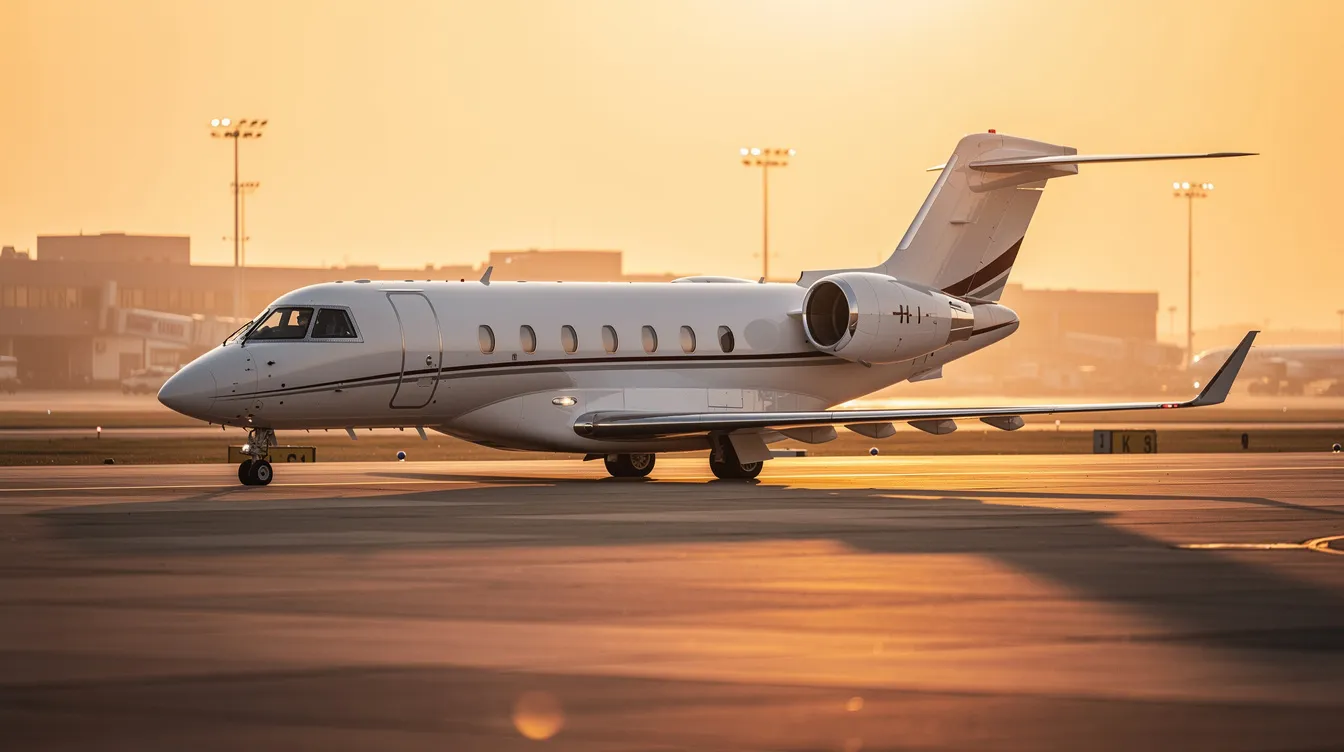
The line between defense and civil aviation technology continues to blur. Breakthroughs in next-generation air dominance programs are expected to filter into business jets within the next decade.
Next-generation aircraft are expected to use adaptive cycle engines, first developed for the NGAD program, that optimize fuel burn across different flight regimes. AI-driven predictive maintenance tools, born from military sensor fusion research, are already entering private aviation operations centers. By the mid-2030s, SAF blends of 50-100% should be widely available, with regulatory mandates pushing adoption. Semi-autonomous flight features, including advanced autoland and crew-augmentation AI, are underway in civil certification pipelines.
BlackJet's course forward aligns with these trends:
Continuously curating a fleet mix that favors newer, tech-forward models over older aircraft
Investing in digital booking and operations platforms for real-time support across the globe
Maintaining rigorous safety and sustainability standards as baseline requirements, not optional add-ons
Frequently Asked Questions about Next Generation Aircraft and Private Aviation
Next-generation aircraft are those that incorporate advanced technologies—such as artificial intelligence, adaptive engines, sustainable propulsion systems, lightweight materials, and advanced avionics—to reshape modern aviation for improved efficiency, safety, and environmental sustainability.
What defines a next-generation aircraft?
Next-generation aircraft incorporate advanced technologies such as AI-driven avionics, sustainable propulsion systems, lightweight composite materials, and enhanced connectivity. These innovations improve efficiency, safety, and passenger experience in both military and private aviation.
How do next-generation aircraft improve safety?
They use AI and machine learning for predictive maintenance and flight control, advanced safety systems for hazard detection, and robust cybersecurity to protect networked systems. Military models include features like next-generation ejection seats, while private jets utilize envelope protection and synthetic vision.
What role does sustainability play in next-generation aircraft?
Sustainability is a core pillar, with aircraft using sustainable aviation fuels (SAF), hybrid-electric and hydrogen propulsion systems, and design innovations to reduce emissions and noise. Private aviation providers like BlackJet offer carbon-neutral flights at no extra cost.
How do Jet Cards work with next-generation private jets?
Jet Cards provide prepaid access to a fleet of modern, fuel-efficient aircraft, allowing members to book flights easily via app with real-time support, and rank among the best jet card options for frequent flyers. This model offers flexibility and convenience without the costs and responsibilities of ownership, and can be compared with alternatives like Flexjet jet card costs and programs.
What are adaptive cycle engines and why are they important?
Adaptive cycle engines optimize fuel efficiency and performance across different flight phases. Developed initially for military programs like NGAD, they are expected to enhance private jets’ range and environmental footprint.
Can AI replace pilots in the future?
While AI assists pilots with decision-making and flight controls today, fully autonomous, AI-controlled aircraft are anticipated in future generations, particularly in military applications such as 7th-generation fighters.
What are the challenges in adopting new technologies in aviation?
Challenges include regulatory certification for novel propulsion systems, infrastructure development for alternative fuels like hydrogen, battery limitations for electric aircraft, and ensuring cybersecurity in increasingly digitalized systems.
How does BlackJet ensure safety and sustainability?
BlackJet partners with Part 135 certified operators, requires third-party audits (ARGUS and Wyvern), and offers carbon-neutral flights through verified offset programs, integrating safety and sustainability as operational standards.
What is the future outlook for next-generation private jets?
For larger executive teams and family groups, the future includes more efficient private jets for 20 passengers that balance sustainability with comfort and range.
Expect broader adoption of AI-driven maintenance, semi-autonomous flight features, higher SAF blends, and new propulsion technologies, making private aviation safer, more efficient, and environmentally responsible.
How do next-generation aircraft impact travel time compared to commercial flights?
For very large parties, next-generation private jets for 50 passengers can consolidate multiple commercial itineraries into a single nonstop mission, saving significant door-to-door time.
Next-generation private jets reduce door-to-door travel time significantly by avoiding airport congestion, flying direct routes, and offering expedited boarding, saving travelers several hours compared to commercial first-class journeys.
Conclusion: Elevate Your Travel with Next Generation Aircraft and BlackJet
Next generation aircraft represent more than technological innovation—they offer a strategic advantage for discerning travelers who demand efficiency, safety, and sustainability. From the cutting-edge AI and adaptive engines pioneered in sixth-generation fighters to the luxurious, carbon-neutral private jets accessible through BlackJet’s Jet Card programs, the future of aviation is here today.
By bridging defense-grade technology with premier private aviation service, BlackJet ensures members enjoy seamless, secure, and environmentally responsible travel. Whether you’re crossing continents or flying regionally, next-generation aircraft reduce travel time, enhance comfort, and uphold the highest standards of safety and certification.
Join BlackJet to experience how next-generation aircraft can reshape your journey—offering unparalleled access, flexibility, and peace of mind. Elevate your travel effortlessly, knowing every detail is managed with precision, innovation, and care.


 Sign up with google
 Sign up with Apple