Introduction: Why Popular Airliners Matter for Premium Travelers
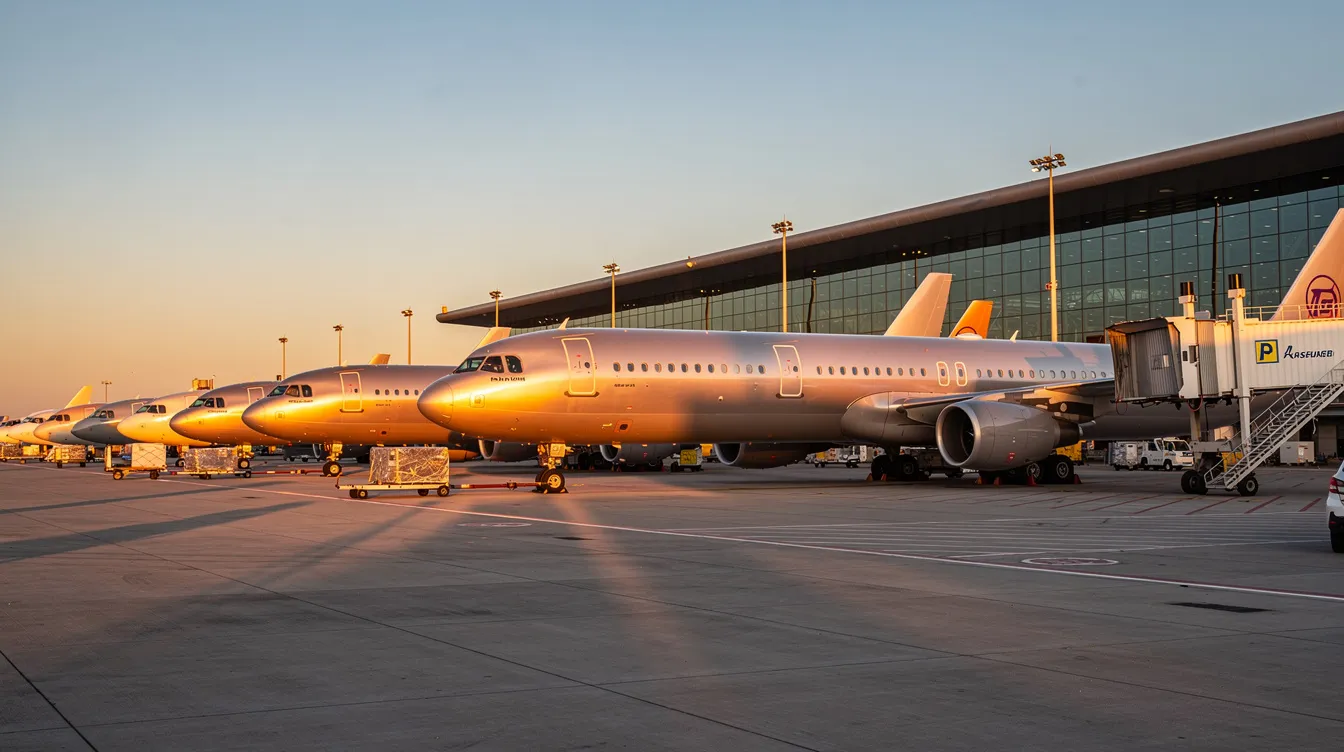
The aircraft types that dominate today's skies define how billions of passengers move across the world. From the Airbus A320 family and Boeing 737 to wide-body flagships like the Boeing 777 and Airbus A330, these commercial airplane families form the backbone of airline fleets on every continent. Understanding which planes fly the most routes-and why-gives frequent travelers a strategic edge when deciding how to fly.
Airline popularity depends on customer service quality and network reach, but so does the airplane itself. The most popular airliners are measured by production numbers, aircraft in service, flight frequency, and the sheer volume of passengers they carry each year. The U.S. alone was the largest passenger market in 2025, with over 890 million passengers, and the majority of those travelers boarded an A320 family or 737 variant. Airlines are ranked based on factors like awards and customer surveys, and the aircraft they operate play a central role in shaping that reputation.
Yet for executives and high-net-worth travelers who love flying but not crowded terminals, the question shifts: when does commercial still make sense, and when is private aviation the smarter move? A BlackJet Jet Card lets you bypass busy hubs, avoid the constraints of fixed schedules, and access airports that the world's most common airliners never serve. This article maps out the most popular commercial aircraft in service today-narrow-body, wide-body, regional jets, and iconic jumbos-then shows where private jet access elevates the journey beyond what even the finest commercial airliner can offer.
How "Popularity" of an Airliner Is Measured
Aviation analysts and airlines use several metrics to rank aircraft types by popularity:
Total aircraft produced and delivered - cumulative orders and firm deliveries over the life of a program. The Airbus A320 Family has accumulated 8,374 deliveries, while the Boeing 737 Family has reached 10,877 deliveries.
Active in-service fleet - how many aircraft are still flying revenue flights today? The A320 Family has 8,374 units in service; the Boeing 737 Family has 7,649 units in service.
Annual flight movements - the number of takeoffs and landing cycles per year. Narrow-bodies like the A320 and 737-800 dominate this metric on short-haul routes.
Available Seat Kilometres (ASK) - seats multiplied by distance flown. Wide-body aircraft like the Boeing 777 and Airbus A330 lead here despite fewer flights.
On-time performance influences customer preferences for airlines, and reliability metrics like on-time operations impact loyalty among passengers-meaning the aircraft that fly most reliably also tend to be ordered most aggressively.
Historically, the "most-produced aircraft" title belongs to the Cessna 172 in general aviation, while the Boeing 737 leads among commercial jets. But "most used today" shifts the focus to the A320neo, 737 MAX, Boeing 787, Embraer E-Jet family, and Bombardier CRJ variants that operate thousands of daily flights.
In private aviation, popularity is measured differently: flight hours purchased, charter demand, and Jet Card utilization matter more than production runs-a distinction we explore later.
Airbus A320 Family: The World's Most Flown Narrow-Body
The A320 family, spanning the A318, A319, A320, and A321 in both ceo and NEO variants, entered service in 1988 and has since become one of the two dominant single-aisle commercial aircraft families worldwide. With over 19,075 total orders and more than 11,860 delivered by the end of 2024, this is the airplane that many airlines simply cannot operate without.
The Airbus A320 Family has delivered 10,176 aircraft across its program life. The fleet has logged over 328 million flight hours and 176 million flight cycles. Cabin comfort significantly impacts customer satisfaction, and the A320's relatively wide six-abreast cabin, generous overhead bins, and the neo's quieter engines address exactly that. The A320neo variants improve fuel efficiency by 15–20 percent over the ceo, reducing cabin noise and operating costs simultaneously.
Top operators span every region: IndiGo runs the world's largest A320 fleet, easyJet dominates European short-haul routes, American Airlines deploys A321s across the U.S., and JetBlue operates transatlantic A321LR service. In 2026, JetBlue Airways ranked highest for customer satisfaction in the first/business-class segment, partly thanks to its A321 Mint cabin.
For a BlackJet client, however, the contrast is clear: even a well-appointed A320 transcontinental flight ties you to fixed schedules and hub transfers. A midsize private jet accessed through a BlackJet 25 Jet Card delivers door-to-door privacy and a tailored departure time—advantages no commercial airplane can match—and guides to the complete 25-hour Jet Card features and costs can help you decide if that level of commitment fits your flying profile.
Boeing 737 Family: The Classic Narrow-Body Workhorse
The Boeing 737 is one of the most produced Boeing aircraft in history, in continuous production since the late 1960s and still a cornerstone of global airline fleets. Across its Original, Classic, Next-Generation, and MAX generations, the Boeing 737 family has delivered 10,877 aircraft, with 7,649 units in service today.
The 737-800 and Boeing 737 MAX 8 dominate global flight counts on short-haul routes across North America, Europe, and Asia. By the end of 2024, over 1,600 737 MAX aircraft had been delivered, accumulating more than 4.6 million revenue flights. The 737 MAX's improved engines deliver meaningful fuel efficiency gains over the NG series, though the aircraft's grounding in 2018–2019 following two incidents reshaped public perception and forced rigorous recertification.
Many airlines remain committed to the 737 for a straightforward reason: a common pilot type rating across NG and MAX variants means airlines can train crews efficiently and operate mixed sub-fleets with minimal friction. Southwest Airlines, the world's largest 737 operator, built its entire network around this single aircraft design. In 2025, Southwest Airlines ranked highest in U.S. customer satisfaction—proof that the right fleet strategy, paired with consistent service, earns passenger loyalty. Ticket price and value are significant factors influencing airline selection, and the 737's cost-effective seat-mile economics help carriers like Southwest deliver on both.
For BlackJet clients who frequently fly routes like New York–Chicago or Dallas–Los Angeles on 737s, moving to a private jet means reclaiming hours lost to ground delays, security lines, and boarding processes—turning a four-hour ordeal into a two-hour mission — and for some travelers, exploring the cheapest private aircraft and budget-friendly options is the smartest way to enter private aviation.
Wide-Body Favorites: Boeing 777, 787, and Airbus A330, A350
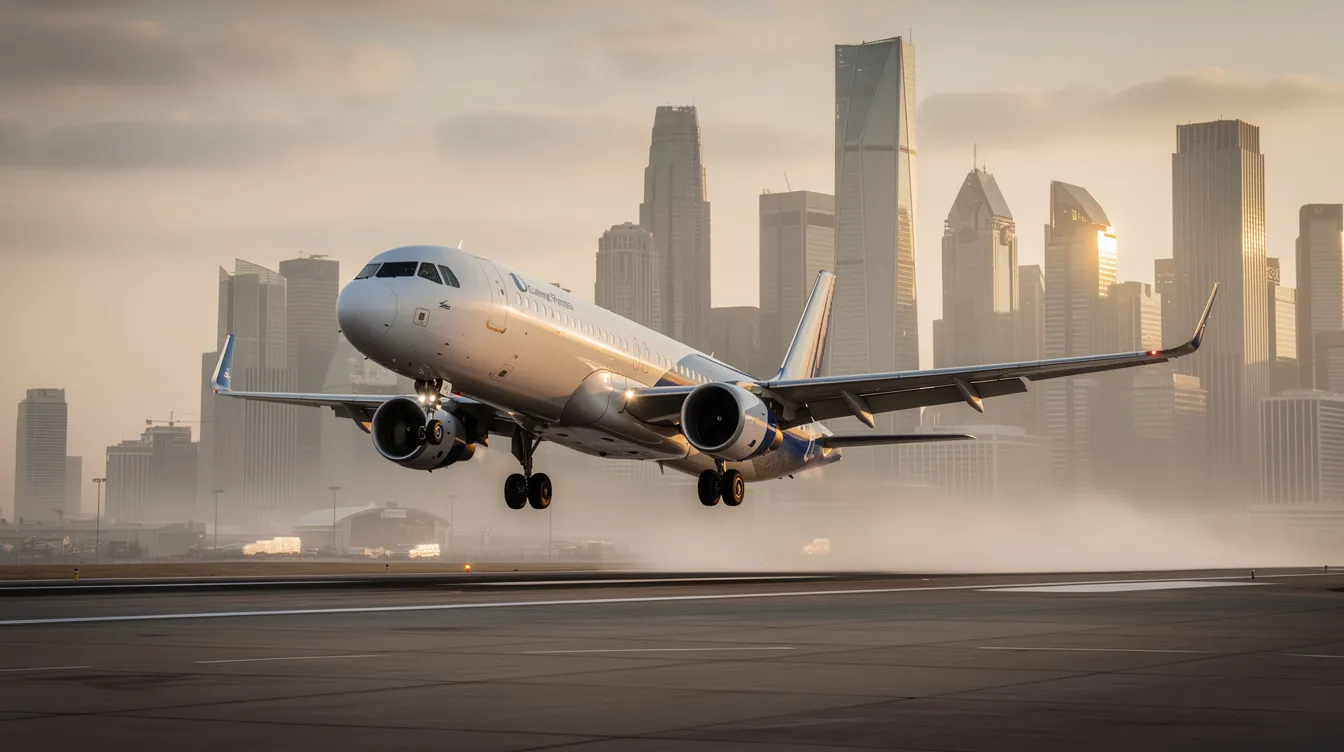
Wide-body airliners carry more passengers over longer distances, anchoring the long-haul and intercontinental networks that connect the world's major economies.
Boeing 777 Family. The 777 launched in the 1990s and has since seen 1,677 aircraft delivered, with the Boeing 777 Family maintaining 1,483 units in service. The 777-300ER became the definitive long-haul widebody, favored by carriers like Emirates, which is known for its extensive global network and premium offerings. Qatar Airways also operates 777s as part of its premium services, complemented by its celebrated Qsuite business-class product.
Boeing 787 Dreamliner. With 961 units in service, the 787 reshaped passenger expectations. The Boeing 787 Dreamliner is known for its quiet cabin experience, lower cabin altitude thanks to its composite fuselage, and higher humidity, reducing jet lag on transpacific and transatlantic routes. Customer experience factors include seat comfort and cabin cleanliness, and the 787's architecture delivers on both.
Airbus A330. The Airbus A330 has delivered 1,527 aircraft since 1992, with the Airbus A330 Family maintaining 1,303 units in service. The A330neo variant, which entered service in 2018, improved fuel burn and extended range, making it a flexible medium-to-long-haul workhorse for approximately 150 operators worldwide.
Airbus A350. The Airbus A350 offers a smooth and quiet passenger experience and has 436 aircraft in service. Singapore Airlines is celebrated for exceptional service and in-flight experience, and its ultra-long-haul A350-900ULR service from Singapore to New York showcases the type's range capabilities. High standards in hospitality are essential for perceived flight value in these marathon sectors.
For travelers who need long-haul connectivity without fixed schedules or hub connections, BlackJet can route clients via large-cabin, long-range business jets-from New York to London or Dubai-with departure times that serve the traveler, not the airline, leveraging many of the largest private jets available for sale and charter when missions demand maximum space and range.
Iconic Jumbos: Boeing 747 and Airbus A380
The largest passenger planes ever built reshaped long-haul air travel and continue to capture the imagination of passengers worldwide, even as their roles in current airline fleets shrink.
The Boeing 747, the original jumbo jet, made its first flight in the late 1960s and entered service in 1970 with Pan Am. Nicknamed the "Queen of the Skies," the Boeing 747 has an iconic upper deck for passengers and has served in roles from presidential transport to cargo hauler. The Boeing 747 has 1,527 deliveries as of 2021 across all variants. Today, passenger 747s have been largely retired by major carriers like Lufthansa, Delta Airlines, and United, though hundreds continue to operate as freighters and in specialized cargo roles.
The Airbus A380 took the concept even further with two full passenger decks. A total of 251 were built before production ended in 2021, and roughly 186 remain in active service—116 of them with Emirates. The Airbus A380 features a wide cabin for comfort, and select carriers offer onboard bars, suites, and even showers. An airline's safety record is crucial for consumer trust, and both jumbo jets maintain strong operational track records despite their complexity.
These planes deliver spectacle: enthusiasts seek 747 and A380 flights as bucket-list experiences. But BlackJet passengers trade mass-capacity glamour for exclusivity, schedule control, and tailored service on smaller jets-an altogether different way to cruise at altitude.
Regional Heroes: Embraer E-Jet Family and Bombardier CRJ
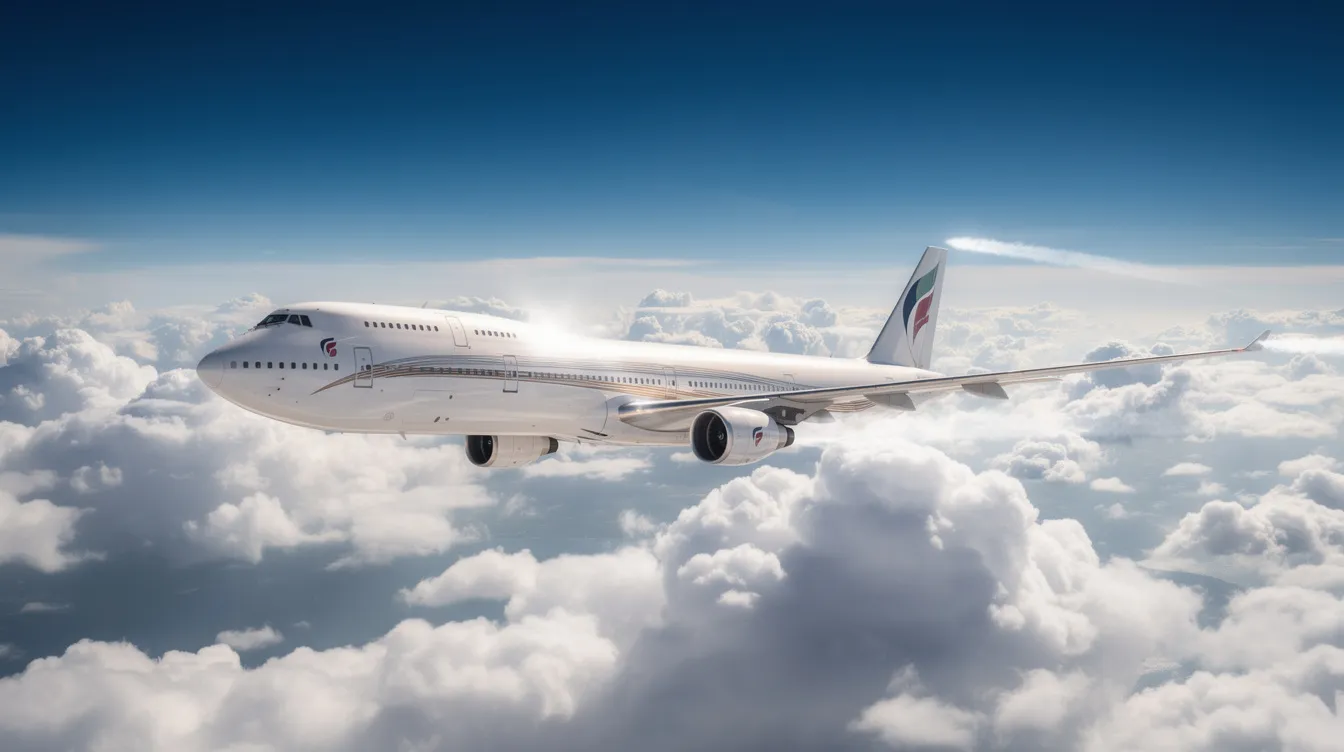
Regional jets serve as the connective tissue of modern air travel, linking secondary cities to major hubs on short-haul, feeder, and thin routes.
The Embraer E-Jet family-covering the E170, E175, E190, and E195, plus the newer E2 upgrades-has seen over 1,710 E1 aircraft delivered by the end of 2024. Many airlines and their regional affiliates operate these planes across North America, Europe, and Latin America. Passengers appreciate the Embraer E-Jet family's 2–2 seating layout—no middle seat—which makes the E175 one of the most comfortable regional jets flown today. The Embraer ERJ family preceded the E-Jets and helped establish Embraer as a credible force in the regional market.
The Bombardier CRJ family (CRJ100 through CRJ1000) delivered approximately 1,900 aircraft over its production run. These jets remain widely used by U.S. regional affiliates and European carriers on flights under about 90 minutes, where low trip costs and the ability to serve thinner routes justify smaller aircraft.
For BlackJet clients, many missions directly replace these regional flights. An executive traveling to a factory in a secondary city can access a smaller airport closer to the destination via a light or midsize private jet, avoiding tight regional cabins, indirect routings, and the ground time that piles up at connecting hubs. As you compare options, a clear private jet price list and cost breakdown help align the right access model with your budget. Explore BlackJet's aircraft categories to find the right cabin class for every regional mission.
Other High-Volume Commercial Aircraft Types
Beyond the headline families, several other aircraft types still play a meaningful role in global commercial operations.
The Boeing 767 and Boeing 757 families are both out of production for passenger variants, yet they remain widely flown. The 767 continues to serve in cargo operations for carriers like FedEx and UPS, while the 757, revered by pilots for its range and climb performance at altitude, is slowly thinning from airline fleets. The Airbus A220 has emerged as a modern complement, and the Airbus A220 has the widest economy seats in the industry for its class, attracting carriers looking for other aircraft to replace aging 757s on domestic and regional routes.
Within the A320 family, the A319ceo handles thinner routes while the A321ceo and neo dominate higher-demand, medium-haul sectors, illustrating how a single aircraft family can serve diverse network roles. Turboprops like the ATR 72 remain regional workhorses, especially in country markets where runways are short and demand is light. Legacy types like the McDonnell Douglas DC-9 and MD-80 family were once flown by half the airlines in America but are now largely retired from mainstream fleets.
These aircraft collectively build the backbone of global connectivity that BlackJet clients sometimes complement-or replace entirely-with private flights when schedule and route complexity demand it.
Most-Produced vs. Most-Flown: Cessna 172 and the Training Fleet
The phrase "most popular aircraft" extends beyond airline fleets into general aviation-and here, one airplane stands alone.
The Cessna 172 is the most produced civil aircraft in history, with more than 45,000 delivered since the late 1950s. Its high wings offer excellent visibility during flight; its forgiving handling characteristics make it the ideal training platform; and its simple systems keep maintenance straightforward. Nearly every pilot who later flies an A320, 737, or Embraer E-Jet began their career in a Cessna 172 or a similar light airplane.
This connection matters: the pilot shortage affecting many airlines today traces directly back to training fleet capacity. Many private jet pilots-including those hired by BlackJet's partner operators-started on these same wings before graduating to jets. The ground-level skills learned in a 172 form the foundation for the safety culture that extends across both commercial and private aviation.
How Airlines Build Their Fleets Around These Aircraft Types
Fleet strategy is one of the most consequential decisions an airline makes. The aircraft a carrier chooses determines its cost structure, network design, and brand positioning for decades.
The concept of fleet commonality explains why so many airlines build around a single family: using Boeing 737 variants or Airbus A320 variants across a fleet reduces pilot training costs, maintenance complexity, and spare parts inventories. A robust route network allows seamless access to destinations, and fleet commonality supports the operational consistency that drives an airline's brand reputation.
Narrow-bodies (A320 family, 737) handle high-frequency short- and medium-haul routes
Wide-bodies (Boeing 777, 787, Airbus A330, A350) anchor long-haul networks from major hubs
Regional jets (Embraer E-Jet family, Bombardier CRJ) feed passengers into those hubs
Low-cost carriers like Ryanair and easyJet operate near-homogeneous fleets of 737 MAX or A320neo variants. Legacy carriers like Lufthansa, Delta Airlines, and American Airlines run mixed fleets for flexibility. Delta Air Lines leads major U.S. airlines in operational reliability-a competitive advantage built on disciplined fleet management. The geographic position of an airline's hub influences its connectivity, which is why carriers invest heavily in matching the right aircraft to the right market.
For the individual traveler, a BlackJet Jet Card functions as a parallel fleet strategy: access to multiple private aircraft categories-light, midsize, super-midsize, and large cabin-without owning a single airplane. A solid understanding of overall Jet Card cost and membership pricing makes it easier to treat those hours as a predictable line item. You choose the right point of the fleet for each mission, just as airlines do.
Commercial vs. Private: When to Choose Popular Airliners or a Private Jet
The most popular airliners serve billions of travelers every year. But for those whose time and privacy carry a premium, the calculus shifts.
Scenario 1: New York to London, overnight. A Boeing 777 or Airbus A350 business-class seat offers a lie-flat bed, premium service, and direct routing—but you're locked to the airline's schedule, navigating JFK or Heathrow at peak congestion. A large-cabin private jet through BlackJet International Travel departs when you're ready, lands at a less congested airport, and clears customs in minutes.
Scenario 2: Regional day trip, 90 minutes. An Embraer E175 or Bombardier CRJ gets you there, but add security, boarding, connection time, and ground transport from a major airport, and the trip balloons to five hours. A light jet reaches a closer regional airport in the same flight time with a fraction of the ground hassle, and for occasional travelers, learning how to buy a seat on a private jet can unlock this experience without committing to full ownership.
Key decision factors include schedule flexibility, airport choice, total door-to-door time, confidentiality, and the ability to conduct meetings on board. Frequent-flyer programs create incentives for passengers to choose an airline, and frequent-flyer programs enhance customer loyalty among airline passengers, but they cannot buy back lost hours. Brand perception can outweigh higher fares in driving airline selection for some travelers, yet for the most discerning, the brand that matters is the one that delivers control over the entire journey.
A BlackJet 50 Jet Card offers cost predictability and flexibility that ad-hoc charter or jet ownership cannot match, especially for travelers who still fly commercial first or business class on select routes. A dedicated guide to the 50-hour Jet Card cost and value can clarify when stepping up from a smaller program makes financial sense.
Safety, Sustainability, and Technology Across Airline and Private Fleets
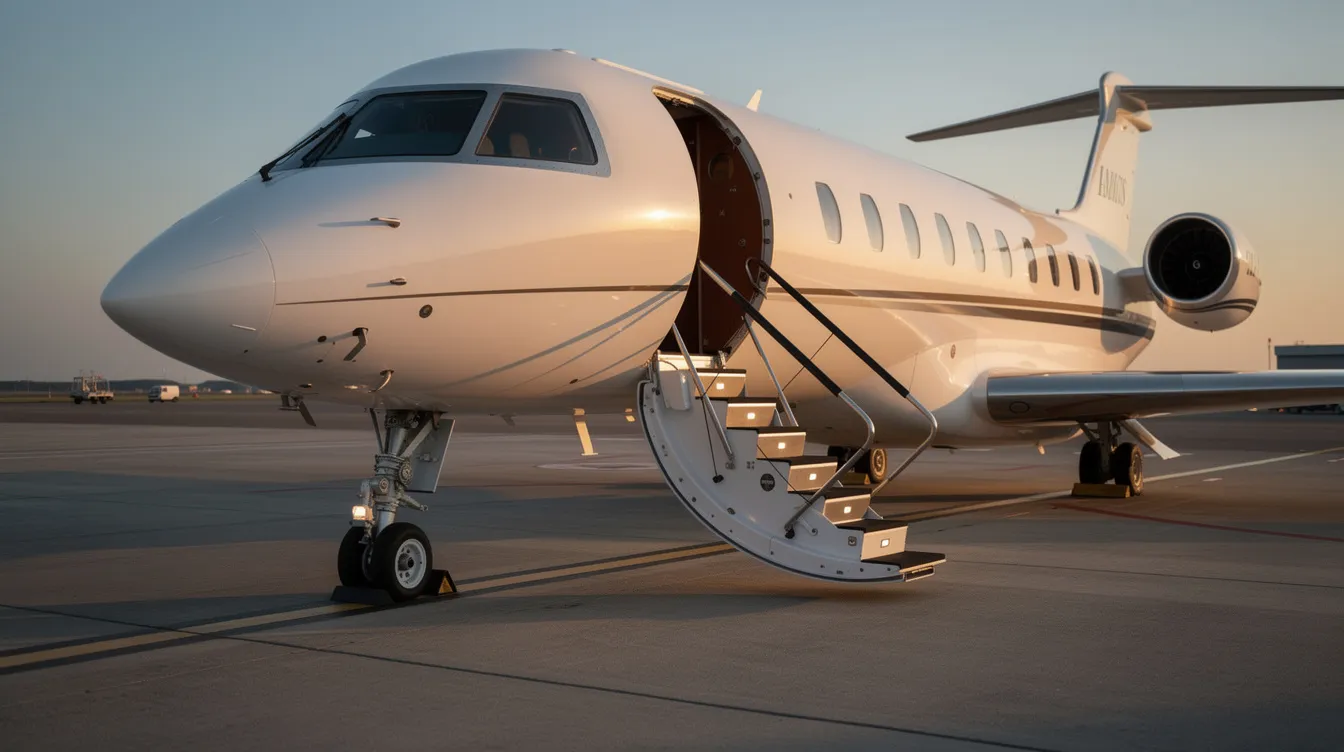
Both commercial and private aviation are evolving around three pillars that matter deeply to discerning travelers.
Safety. Commercial aircraft like the Boeing 737 MAX and Airbus A320neo undergo rigorous certification by the FAA and EASA. Reputable Jet Card providers apply additional proprietary vetting: BlackJet's safety standards include third-party audits, operator certification beyond regulatory minimums, and continuous monitoring of partner fleets.
Sustainability. Newer aircraft—A320neo, 737 MAX, A350, 787, A330neo, Embraer E2—reduce fuel burn by 15–20 percent per seat over prior generations. In private aviation, per-seat emissions can be higher, which is why BlackJet delivers carbon-neutral flights through offsets and sustainable aviation fuel initiatives-at no extra cost to you, a factor increasingly weighed alongside Jet Card pricing structures and associated fees when comparing programs.
Technology. Advances in cabin pressurization, lighting, humidity control, and reduced cabin noise define modern commercial airliners. In private aviation, BlackJet's digital platform enables 24/7 booking, real-time flight support, and seamless trip management from your phone.
Choosing private jets through a program like BlackJet does not mean compromising on safety or environmental responsibility. It means accessing modern aviation standards with the added dimension of personal control, supported by BlackJet's premium private Jet Card programs and services designed for frequent, high-value travelers.
FAQ: Popular Airliners and Private Jet Alternatives
What is the most popular commercial aircraft in airline fleets today?
The Airbus A320 family and Boeing 737 family lead by virtually every metric. The A320 Family has 8,374 units in service, while the Boeing 737 Family has 7,649 units in service. Together, these two families account for the majority of daily commercial flights worldwide.
Which wide-body aircraft are most common on long-haul routes?
The Boeing 777 Family has 1,483 aircraft in service, followed by the Airbus A330 Family with 1,303 units in service and the Boeing 787 Dreamliner with 961 units in service. The Airbus A350, with 436 aircraft in service, is the fastest-growing segment.
Are regional jets like the Embraer E-Jet family and Bombardier CRJ comfortable for frequent flyers?
The Embraer E-Jets offer 2–2 seating with no middle seat, making them among the most comfortable regional aircraft. CRJ cabins are more compact but effective for short hops. For the most part, frequent travelers who prioritize space and privacy often find that a light private jet offers a superior experience on these same routes.
How does flying private compare with business class on an Airbus A330 or Boeing 777?
Business class on these wide-body aircraft delivers lie-flat seats and premium service, but within fixed schedules, shared cabins, and hub-dependent routings. Private flight via a Jet Card gives total schedule control, full cabin privacy, access to smaller airports, and dramatically faster ground flows.
What is a Jet Card, and how does BlackJet's model work for frequent travelers?
A Jet Card is a prepaid program where clients purchase blocks of flight hours across various aircraft categories. Understanding Jet Card pricing, costs, and benefits helps travelers choose the right structure for their flying pattern. BlackJet offers programs starting at 25 hours, with access to light through large-cabin jets, digital booking, real-time support, and carbon-neutral flights included.
Are private jets as safe and sustainable as major commercial aircraft?
Yes. BlackJet's partner operators must meet or exceed regulatory oversight, with additional proprietary certification and third-party safety audits. On sustainability, BlackJet proactively offsets carbon emissions, ensuring every flight is carbon-neutral. Many travelers also compare the top private jet companies for luxury travel and service before deciding which provider aligns best with their expectations.
Conclusion: Elevate Your Travel Experience Beyond the Most Popular Airlines
The world's most popular airliners—from the Airbus A320 family to the Boeing 737 and wide-body giants like the Boeing 777 and Airbus A350—form the backbone of global commercial aviation. They offer reliability, extensive networks, and economies of scale that serve billions annually. Yet, for the discerning traveler, these benefits come with compromises: fixed schedules, crowded hubs, and limited privacy.
Private aviation, exemplified by BlackJet's Jet Card programs, transforms these limitations into opportunities for unparalleled convenience, flexibility, and exclusivity. By choosing private jet access, travelers gain control over their itinerary, access to airports beyond the reach of commercial giants, and a seamless, personalized journey anchored by the highest standards of safety, sustainability, and technology.
Whether you frequently fly regional routes or traverse continents, understanding the role and reach of the most popular airliners equips you to make informed decisions about your travel. More importantly, it highlights how private aviation is not simply a luxury but a strategic advantage—saving time, enhancing privacy, and elevating every aspect of your journey.
Discover how a BlackJet Jet Card can reshape the way you travel-beyond the world's busiest skies. Explore your options here.


 Sign up with google
 Sign up with Apple