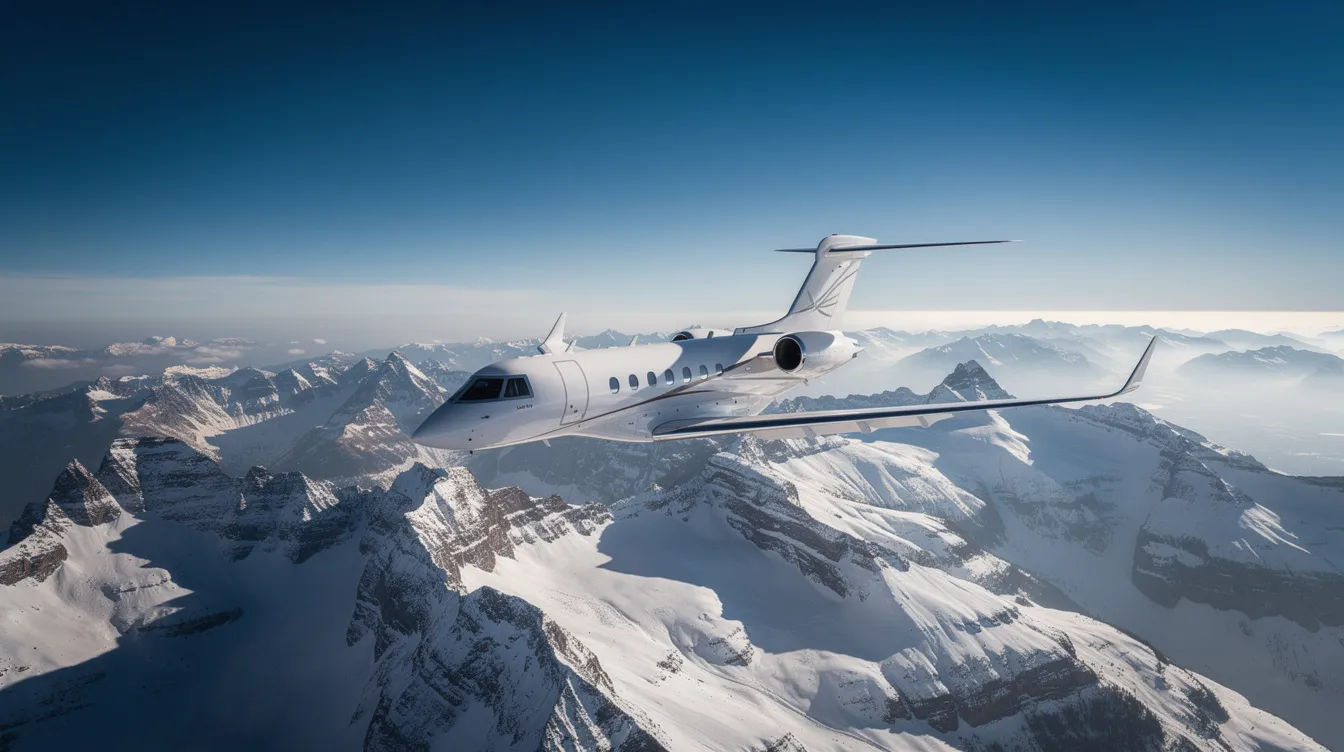
Luxury private jet cost typically ranges from about $2,000 to more than $23,000 per billable flight hour, depending on the aircraft size, cabin class, and access model you choose; a light jet charter from New York to Miami, for example, often costs around $15,000 to $18,000. For the executive closing deals across three time zones or the family escaping to a mountain retreat on 24 hours' notice, flying private isn't a frivolous upgrade - it's a strategic decision that reclaims time, privacy, and control. While commercial airlines offer first-class suites and lie-flat seats, they can't eliminate the two-hour security queue, the connection through a congested hub, or the total lack of schedule flexibility.
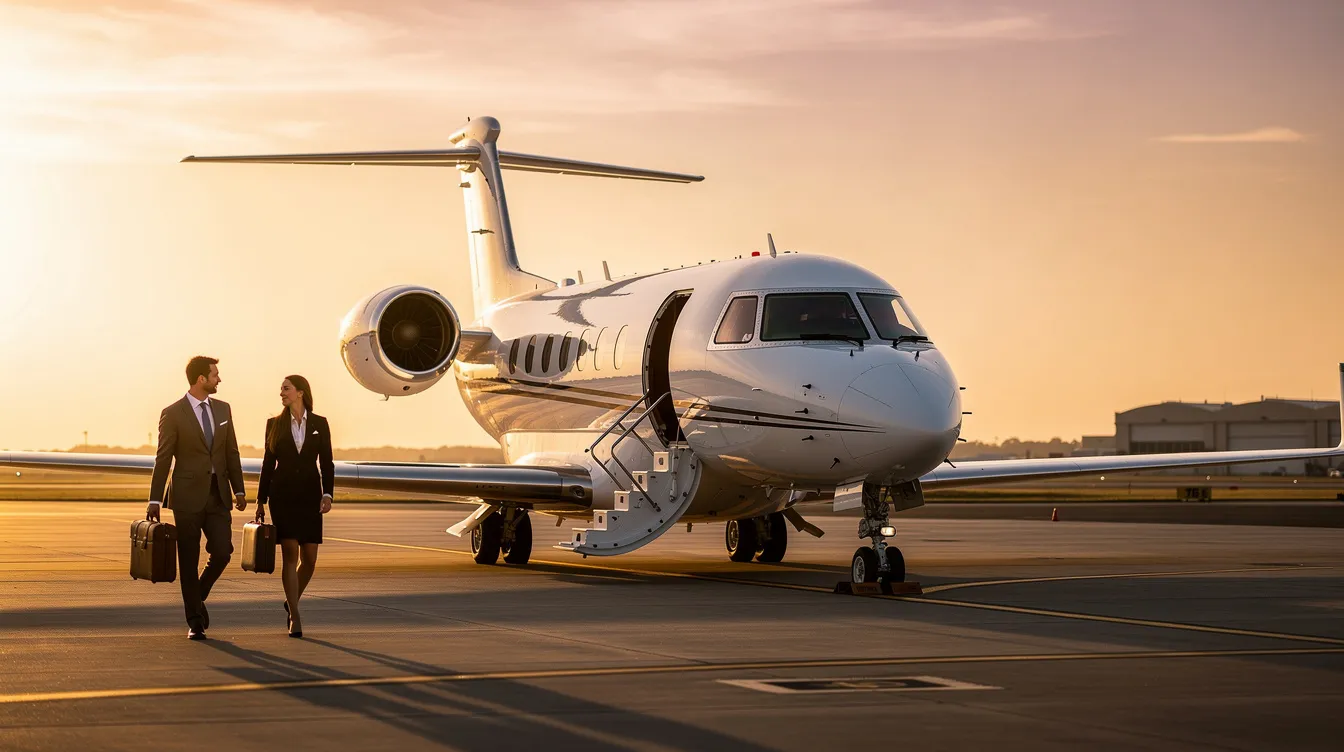
Consider a straightforward comparison. A New York–Miami day trip on a commercial airline - even in first class - typically consumes six to eight hours door-to-door once you factor in check-in, boarding, taxi, deplaning, and ground transfers at both ends. The same trip on a private jet, departing from a private terminal at Teterboro, takes three to four hours total. Multiply that time savings across 20 or 30 trips per year, and the calculus shifts dramatically for frequent business travelers and high-net-worth leisure flyers deciding whether charter, a Jet Card, or ownership makes the most financial sense.
BlackJet exists to make that calculus accessible. As a Jet Card and membership provider, BlackJet gives clients prepaid access to multiple aircraft categories - from light jets to large-cabin flagships - without the capital burden of owning a private jet. Members purchase blocks of flight hours at fixed, all-inclusive rates and enjoy guaranteed availability, carbon-neutral flights, and 24/7 digital booking support.
This article answers the question at the center of every private aviation decision: how much does it cost? We'll break down luxury private jet cost across charter, ownership, and Jet Card models, then compare aircraft categories and cabin classes, additional fees and operating costs, booking strategies, safety and sustainability considerations, and detailed trip examples so you can judge what you'll actually pay - from the billable flight hour and purchase price to crew salaries, fuel surcharges, and the ongoing costs that separate headline quotes from the real invoice.
Key Takeaways: Understanding Luxury Private Jet Costs
Private jet charter prices vary widely based on aircraft size, range, and flight distance, typically ranging from $2,000 to over $23,000 per hour.
Access models matter: On-demand charter suits occasional flyers under 50 hours/year, Jet Cards provide fixed pricing and availability for 50–150 hours/year, and ownership is best for ultra-frequent flyers over 300 hours/year.
Additional fees such as repositioning, taxes, fuel surcharges, and luxury services can significantly impact the final cost.
Safety, sustainability, and technology are critical pillars that justify premium pricing and ensure a superior private aviation experience.
Jet Cards offer the best balance of luxury, predictability, and cost control for most high-net-worth individuals and business executives.
Booking strategies like flying off-peak, choosing smaller aircraft, and leveraging empty leg flights can reduce expenses without sacrificing convenience.
Ownership involves substantial fixed and variable costs beyond purchase price, including crew salaries, maintenance, hangar fees, and depreciation.
Assess your travel patterns carefully to select the private jet access model that aligns with your budget, schedule, and service expectations.
These insights empower you to make informed decisions about private jet travel—transforming luxury from an indulgence into a strategic advantage.
Executive Snapshot: How Much Does Luxury Private Jet Travel Really Cost?
Before we unpack every variable, here is the direct answer. Private jet rental prices range from $1,800 to $18,000 per hour, and chartering a jet costs $2,000 to $20,000 per hour, depending on the aircraft type you select. Charter hourly rates vary significantly by aircraft type, and charter costs vary based on aircraft type and flight distance. The ranges below reflect 2024–2025 U.S. and European market estimates:
Very light jets: $2,000–$3,500 per billable flight hour
Light jets: $3,500–$6,000 per hour
Midsize / super midsize jet: $5,000–$9,500 per hour
Heavy / ultra-long-range: $9,000–$23,000+ per hour
To make those numbers concrete, here are four one-way trip estimates at typical all-in charter pricing:
Route | Aircraft Class | Estimated One-Way Cost |
|---|
NYC–Miami | Light jet | ~$15,000–$18,000 |
LA–Las Vegas | Very light jet | ~$6,000–$8,000 |
NYC–Aspen | Midsize jet | ~$12,000–$18,000 |
London–Dubai | Ultra-long-range jet | $90,000–$130,000 |
These rates typically include the aircraft, crew, standard catering, fuel, and insurance. They can, however, exclude repositioning, Wi-Fi, deicing, and some airport fees - a distinction we'll explore in detail below.
For perspective, six passengers flying from New York to Miami in commercial first class would pay roughly $6,000–$12,000 total. The private jet flight cost is higher, but the group gains three to four hours of productive time, complete privacy, and the ability to depart on their own schedule from a private terminal - a trade-off that defines private jet travel for most high-net-worth travelers.
Chartering vs Owning vs Jet Cards: Which Luxury Path Fits Your Budget?
There are three primary ways to access a luxury private jet: on-demand private jet charter, private jet ownership (full or fractional), and Jet Card memberships like those offered by BlackJet. Each model suits a different travel frequency and tolerance for complexity, and understanding the broader private jet price list, costs, and access options helps frame which path delivers the best value for your flying profile.
Typical annual usage thresholds:
Under ~50 flight hours per year: On-demand charter is often the most rational choice - you pay only when you fly, with no capital risk, though occasional flyers may also benefit from structured 25-hour Jet Card programs that preserve flexibility.
~50–150 hours per year: Jet Cards tend to deliver the best combination of price predictability and premium service, with many travelers comparing different 50-hour Jet Card cost and value options before committing.
300+ hours per year: Private jet ownership can begin to make financial sense, particularly for corporations with dedicated flight departments, while ultra-frequent flyers may also analyze 100-hour Jet Card cost guides as a hybrid alternative.
Chartering a private jet:
Pay only when you fly, with no asset depreciation or ongoing operational costs
Highest flexibility to choose a different aircraft type for each mission
Rate volatility and peak-day surcharges are common without a membership to buffer pricing
Private jet ownership:
Upfront purchase price from roughly $3 million for very light jets to $75 million or more for large-cabin ultra-long-range aircraft
Annual operating costs - fuel, crew salaries, hangar, maintenance, insurance - often run 10–15% of the aircraft's value
Best suited for corporations or families flying 300–400+ hours per year with consistent route patterns
BlackJet Jet Cards:
Pre-purchase 25 or 50 hours at fixed hourly rates across light, midsize, and heavy jets
Guaranteed availability with 24–48 hours' notice, including defined peak-day rules
Carbon-neutral flights are included for all members through certified offset programs
Members receive ownership-like certainty - priority recovery aircraft, dedicated support teams - without managing crews, hangars, or maintenance schedules
Luxury Private Jet Rental Costs by Aircraft Category
Aircraft size, range, and cabin features are the primary drivers of the cost per hour of a luxury private jet. A turboprop on a 45-minute regional hop and a Gulfstream G700 crossing the Atlantic occupy fundamentally different cost universes. The table below summarizes the aircraft categories that define private aviation pricing.
Category | Typical Seats | Approximate Range | Average Hourly Charter Cost |
|---|
Very Light Jet | 2–4 | 1,000–1,200 mi | $2,000–$3,500 |
Light Jet | 6–7 | 1,200–1,800 mi | $3,500–$6,000 |
Midsize Jet | 7–9 | 2,000–2,800 mi | $5,000–$8,000 |
Super-Midsize Jet | 8–10 | 3,000–3,500 mi | $7,000–$10,000 |
Heavy Jet | 10–16 | 4,500–6,000 mi | $9,000–$15,000 |
Ultra-Long-Range | 12–18 | 6,500–7,500+ mi | $15,000–$23,000+ |
BlackJet's Jet Card pricing aligns with these ranges but converts them into fixed, all-inclusive hourly rates for members - eliminating the volatility that can spike on-demand charter quotes by 25–40% and making it easier to compare Jet Card cost per hour across providers and aircraft types.
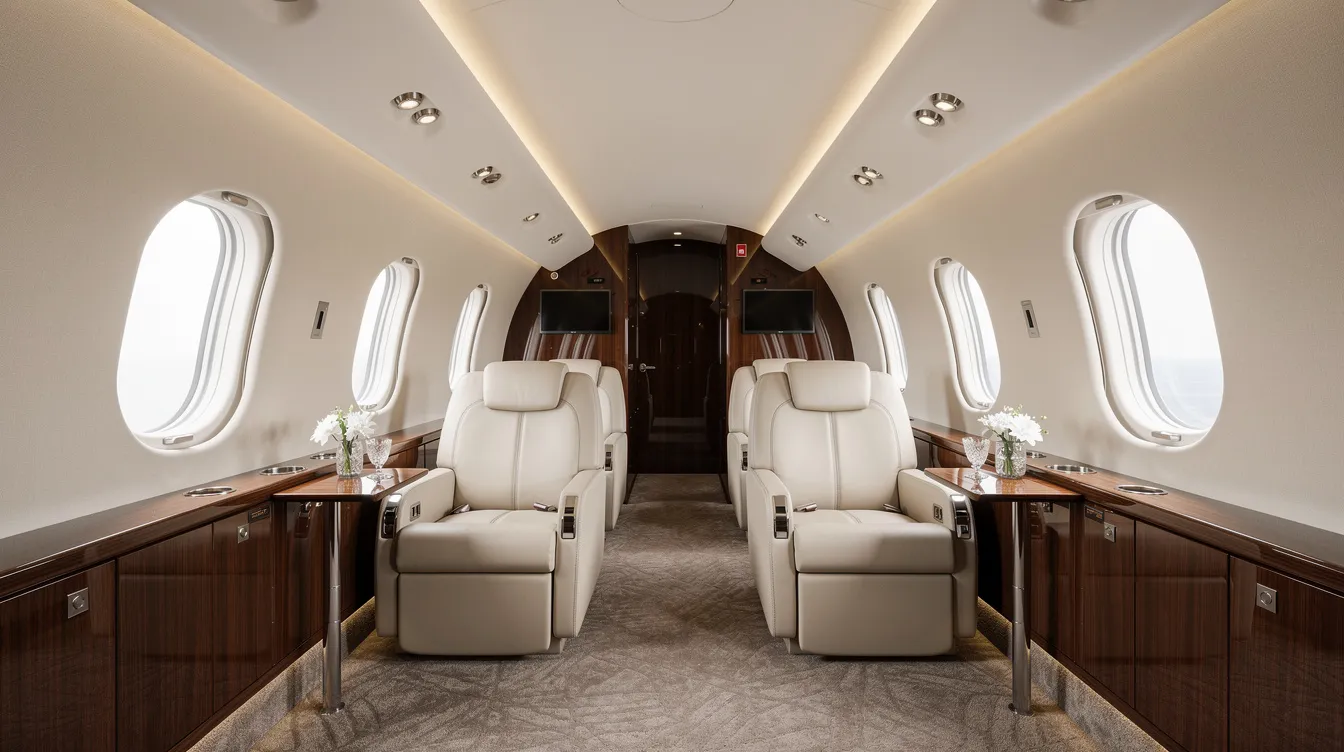
Luxury amenities such as stand-up cabins, lie-flat seating, enclosed lavatories, full galleys, and dedicated flight attendants generally start with super-midsize and heavy jets, which partly justifies their higher hourly price. High-density airports like Teterboro (NYC), Van Nuys (LA), and Farnborough (London) also tend to see elevated market demand and slightly higher charter rates.
Very Light Jets and Light Jets: Entry to Luxury at a Lower Cost
Very light jets and light jets represent the most cost-effective entry into private aviation. Very Light Jets are perfect for flights under 2 hours - think city-pair hops like Miami to Nassau or Dallas to Houston - seating two to four passengers with minimal galley provisions and no stand-up cabin. Light jets accommodate 6-8 passengers for short trips, with enclosed lavatories, small refreshment centers, and ranges of 1,200 to 1,800 miles.
Turboprop charters start at around $2,000 per hour, while light jets cost between $2,000 and $5,000 per hour depending on the specific model and region. Choosing smaller aircraft can significantly reduce charter costs for travelers whose itineraries don't demand a larger cabin, and many of the cheapest private aircraft options sit in these very light jet and turboprop categories.
Route examples:
Miami–Nassau round-trip (very light jet, weekend escape): approximately $6,000–$8,000 all-in
Dallas–Chicago one-way (light jet): roughly $7,000–$9,000
NYC–Boston (light jet): actual air time is about 45 minutes, but most operators bill at a 1.5–2.0 hour minimum per leg, illustrating how the billable flight hour works in practice
BlackJet typically recommends light jets for groups of up to six travelers flying under 2.5 hours with limited luggage - a configuration that keeps private jet charter costs optimized without sacrificing the core benefits of flying privately.
Midsize and Super-Midsize Jets: The Sweet Spot for Business and Family Trips
Midsize jets and super-midsize jets occupy the "boardroom in the sky" tier of private aviation. Midsize jets can carry 7-9 passengers and fly up to 5 hours, making them ideal for coast-to-coast domestic legs and much of the European–Middle East corridor. Super-midsize jets push range to 3,000–3,500 miles and typically feature stand-up cabins, enhanced Wi-Fi, conference seating, and significantly better luggage capacity.
Midsize jets range from $4,000 to $12,000 per hour, while super-midsize jets generally fall between $7,000 and $10,000 per hour. Both categories serve business and leisure travel with a balance of cabin comfort and operational efficiency, and many private jets for sale under 10 million dollars fall into these segments.
Scenario pricing:
NYC–Aspen on a midsize jet: $12,000–$18,000 depending on season and airport charges
Palm Beach–New York on a super midsize jet: $25,000–$30,000 round-trip over a long weekend
Many BlackJet Jet Card members gravitate to midsize jets for mixed business and leisure travel, finding the range-versus-cost ratio the most practical for frequent private flights across the U.S.
Heavy and Ultra-Long-Range Jets: Top-Tier Luxury and Global Reach
Heavy and ultra-long-range jets are the flagship of luxury private aviation - aircraft like the Gulfstream G650/G700, Bombardier Global 6500/7500, and Dassault Falcon 8X. Heavy jets are ideal for long-haul flights, accommodating 12-18 passengers across separate cabin zones with full galleys, bedroom options, private offices, and dedicated flight attendants. Ultra-long-range jets can fly over 7,000 nautical miles non-stop, enabling nonstop international flights like NYC–London or LA–Tokyo and putting you into the same category as the largest private jets available for sale and charter.
Heavy jet charters can cost up to $10,000 per hour at the lower end, with premium heavy and ultra-long-range models far exceeding that. Ultra-long-range jets can exceed $23,000 per hour for the most in-demand airframes during peak periods. Jets capable of longer flights command higher prices, and larger aircraft typically incur higher purchase and operating costs than smaller jets - a reality reflected directly in charter rates.
Trip examples:
NYC–London on a heavy jet: $80,000–$95,000 for up to ~14 passengers
London–Geneva on a light jet (~1 hour): $8,000–$10,000, but note that minimum billable hours for a heavy jet charter on such a short leg would push costs far higher.
LA–Honolulu on a heavy jet: $70,000–$90,000 round-trip, depending on length of stay and positioning
Ultra-long-range jets deliver the highest per-trip cost, but when 10–14 private jet travelers are sharing a lie-flat cabin on a transatlantic crossing, the per-person cost begins to approach - or even rival - commercial first class, while delivering incomparably more privacy, flexibility, and comfort.
Ownership Economics: Purchase Price and Operating Costs of Luxury Jets
Beyond the headline purchase price, owning a private jet involves substantial ongoing operational costs that often exceed the acquisition investment over the aircraft's lifecycle. Purchase prices for luxury private jets range from $3 million to over $150 million, but private jet ownership starts around $2 million for smaller, pre-owned jets entering the secondary market.
BlackJet positions its Jet Cards as an alternative for those who want ownership-level service and availability without capital outlay or the complexity of aircraft management. For many high-net-worth individuals comparing 10 million dollar private jet ownership options to flexible access models, on-demand charter or Jet Cards remain more rational than full ownership when flying under 300 hours per year.
Purchase Price Ranges by Category
Realistic 2024–2025 new private aircraft price ranges by category:
Category | New Purchase Price Range | Examples |
|---|
Very Light Jets | $3M–$5M | Embraer Phenom 100EV |
Light Jets | $5M–$9M | Cessna Citation CJ3+, Phenom 300E |
Midsize Jets | $9M–$16M | Citation XLS+, Hawker 900XP |
Super-Midsize | $16M–$25M | Gulfstream G280, Praetor 500 |
Heavy Jets | $25M–$45M | Challenger 650 |
Ultra-Long-Range | $50M–$75M+ | Global 7500, Gulfstream G700 |
Pre-owned aircraft are typically 30–60% cheaper than new, depending on age, cycles, and maintenance records. However, newer jets with updated avionics are more expensive than older models for good reason: older jets can carry significantly higher maintenance costs and fuel burn, partially offsetting the initial purchase price savings, which is why many buyers look closely at the cheapest private jet options that balance acquisition price with ongoing operating expenses.
Luxury features can add high costs to private jet prices. Bespoke leather, bedroom suites, and on-board offices can add several million dollars to base prices. And the initial purchase price doesn't include major retrofits like Wi-Fi upgrades, avionics overhauls, or cabin refurbishments that many aircraft owners undertake every 7–10 years.
Operating Costs, Crew Salaries, and Annual Budgeting
The distinction between fixed and variable costs is critical for anyone evaluating private jet ownership. Fixed costs associated with private jet ownership exist regardless of flight hours - you pay them whether the entire aircraft flies 50 hours or 500. Variable costs in private jet ownership depend on flight time.
Annual fixed cost ranges:
Light jet: ~$500,000–$800,000 per year (crew, hangar, insurance, maintenance reserves)
Heavy jet: $1.5M–$3M+ per year in fixed costs alone
Owning a private jet incurs annual costs of $400,000 to $800,000 for lighter business jets, while annual operating costs for a private jet typically range from $500,000 to over $3 million, depending on the aircraft category and utilization.
Major line items include:
Crew salaries: Captain and first officer often total $200,000–$300,000+ annually; add a flight attendant for larger aircraft
Hangar and parking: $30,000–$100,000+ per year, depending on base airport
Insurance: $30,000–$100,000 annually, varying by aircraft value and usage profile
Fuel costs: Can account for 25% to 35% of operating expenses - thousands of dollars per flight hour, higher for heavy jets
Engine maintenance programs: $100–$300 per flight hour per engine
Routine maintenance: Can be quite expensive and vary widely, with unscheduled events adding unpredictable costs
Ownership costs for a private jet include pilot salaries, hangar space, and maintenance, and many corporate flight departments budget $2,000–$10,000+ per operating hour, depending on jet size, on top of fixed annual costs, though fractional jet ownership tax benefits can offset part of that burden for qualifying business use.
Depreciation significantly impacts the true cost of private jet ownership. While non-cash, depreciation erodes resale value - particularly in the first five to seven years - and is one of the largest economic factors that aircraft owners face.
For owners flying under 250–300 hours per year, the effective hourly cost can be significantly higher than comparable BlackJet Jet Card or on-demand charter rates.
What Drives the Price of a Luxury Private Jet Flight?
Beyond basic hourly rates, a web of factors - billable flight hours, positioning, seasonality, and international fees - determine the final invoice for any private jet flight. Two quotes for seemingly similar routes can differ by tens of thousands of dollars once these variables are accounted for.
BlackJet uses transparent, fixed hourly private jet pricing in its Jet Card programs to shield members from many of these fluctuations, particularly during peak periods when on-demand charter markets tighten. Safety, certification, and sustainability requirements - including ARGUS and IS-BAO audits, carbon offset programs - also add cost but remain non-negotiable for reputable aircraft operators.
Billable Flight Hours, Minimums, and Repositioning
A billable flight hour is not the same as your actual time in the air. It typically runs "wheels up to wheels down" but may include taxi time and any minimum usage requirements the operator imposes. Charter fees often exclude taxes and additional costs, so understanding these billing mechanics is essential, as is grasping the full picture of how much it costs to rent a private jet across different aircraft types and routes.
Many operators impose:
1.0–1.5 hour minimums per leg flights for light jets
2.0–3.0 hours daily minimums for midsize and heavy jets, even if your actual flight duration is shorter
Repositioning - or "ferry" flights - occur when the charter aircraft must fly empty to your departure airport or back to its base. These leg flights may be billed partially or fully to the client, and can add 30–100% to the total trip cost on less common routes.
Example: A 45-minute NYC–Boston flight on a light jet might be billed as 1.5 hours outbound plus 1.0 hour of repositioning if the private plane is based elsewhere, tripling the effective cost of actual air time.
BlackJet mitigates repositioning for Jet Card members through network optimization, sourcing aircraft already positioned near the departure airport. And for travelers with flexible schedules, empty leg flights can save 30-75% on costs by filling otherwise unpaid ferry legs.
Seasonal Peaks, Events, and Airport Choice
Private jet demand is highly seasonal, with pronounced spikes that directly impact market demand and pricing.
Peak periods that typically increase prices:
U.S. Thanksgiving, Christmas–New Year, Presidents' Day weekend
Major events: Super Bowl, Art Basel Miami, CES Las Vegas, Cannes Film Festival, Monaco Grand Prix, Davos
During these windows, limited aircraft and crew availability lead to surcharges on hourly rates, stricter minimums, longer non-refundable deposit periods, and tighter cancellation policies.
Airport selection also matters. Choosing secondary airports - White Plains instead of Teterboro, or Burbank instead of LAX - can sometimes reduce airport landing fees, ramp charges, and congestion-related delays. The ability of private jets to use smaller airports can significantly shorten ground transportation time, amplifying the value proposition of flying privately.
Booking private jets on Tuesdays or Saturdays can lower rates, and flying during off-peak times can lead to lower charter prices across most aircraft categories. BlackJet Jet Card members benefit from fixed hourly rates across the calendar, reducing exposure to seasonal spikes and last-minute surges.
Taxes, Fuel Surcharges, and "Hidden" Luxury Fees
Reputable providers break these fees out clearly. The goal is transparency, not surprise. Here are the key regulatory and tax components for U.S. private charters:
Taxes and regulatory fees:
A 7.5% Federal Excise Tax applies to all domestic flights in the U.S.
Segment fees of approximately $4.50 per passenger per leg
International fees can add $500 to $5,000 to charter costs, including head taxes of ~$19.70 per passenger for departures to non-U.S. destinations
Landing fees range from $100 to $1,500 per flight
Ramp and handling fees can cost between $100 and $500 per flight
Operational surcharges:
Fuel surcharges start at around $300 per hour during price surges
Deicing fees can range from $1,500 to $15,000, depending on aircraft size
Crew overnight expenses add $200 to $600 per crew member on multi-day itineraries
Wi-Fi charges on some aircraft run $2–$9 per MB, particularly on transoceanic flights
Luxury extras that raise additional costs:
Custom in-flight catering from high-end restaurants: $230–$2,000+ per leg
Premium ground transportation: $180–$1,000+ per transfer for chauffeured sedans or SUVs
Concierge services (villa reservations, security teams) priced by individual quote
BlackJet aims for all-in quotes for Jet Card members, where most of these items are either included or disclosed up front, so the private jet flight cost on your invoice matches the number you expected.
Jet Cards vs On-Demand Charter vs Ownership: Cost and Value Comparison
Cost alone doesn't tell the whole story. Predictability, flexibility, and service level can justify differing price models - and for many private jet travelers, certainty of experience matters as much as the number on the invoice, which is why comparing the best jet cards for frequent flyers is just as important as comparing raw hourly rates.
Factor | On-Demand Charter | BlackJet Jet Card | Fractional/Full Ownership |
|---|
Upfront Commitment | None | Prepaid hours (25–50+) | $800K–$75M+ |
Effective Hourly Cost | Variable, often higher at peak | Fixed, all-inclusive | Lower per hour at high utilization |
Sweet Spot (Annual Hours) | Under 50 | 50–150 | 200–400+ |
Best For | Occasional flyers | Frequent, predictable travel | Ultra-frequent or corporate |
On-Demand Charter: Pay-As-You-Go Luxury
On-demand private jet rental works simply: request a quote per trip, choose from available charter aircraft, and pay for that itinerary only. Rental of a private jet involves a pay-as-you-go pricing model with no long-term contracts.
Pros:
No capital outlay or ongoing costs; chartering avoids costs like maintenance and crew salaries
Freedom to select a different aircraft type for each mission from multiple charter companies
Ideal for travelers flying under ~25–50 hours per year
Cons:
Private jet charter costs fluctuate significantly based on market demand and availability
No guaranteed aircraft type or recovery option during irregular operations
Less leverage on peak-day pricing - a Tuesday midsize charter flight might cost $5,500 per hour, while the same route on a holiday weekend climbs past $9,000
Many BlackJet clients begin with on-demand charter and graduate to a Jet Card once their flying pattern stabilizes and the cost savings of fixed-rate access become clear, especially after they understand Jet Card cost structures and membership pricing.
BlackJet Jet Cards: Fixed-Rate, Carbon-Neutral Luxury Access
A Jet Card is a prepaid block of flight hours - typically 25 or 50 hours - purchased at fixed hourly rates across designated aircraft categories. BlackJet's Jet Card membership delivers a private aviation experience that sits between the flexibility of charter and the consistency of ownership, following the same core Jet Card pricing principles and cost-benefit tradeoffs you see across the market.
Core features:
Membership tiers across light, midsize, and large-cabin jets
Fixed hourly rates that include aircraft, crew, standard catering, and most airport fees
Guaranteed availability with 24–48 hours' notice, with defined peak-day rules
Carbon-neutral private flight operations for all members through certified offset programs
Cost advantages:
Smooths out seasonal price spikes and repositioning risk
Easier budgeting for corporate travel managers - the effective hourly cost is known in advance
Often more economical than pure charter for 25–150 hours of annual flying
Use case: A CEO based in Los Angeles flying 40–60 hours per year - LA–NYC, LA–Aspen, LA–Seattle - on a 25-hour Jet Card in the midsize category. At a fixed rate versus an ad-hoc charter, the annual spend is more predictable, repositioning charges are minimized, and premium service benefits - a dedicated 24/7 flight team, priority mechanical recovery, and tech-enabled booking - come standard.
Fractional and Full Ownership: When the Numbers Start to Work
Fractional jet ownership means buying a 1/16th, 1/8th, or 1/4 share of a private aircraft - typically granting 50–200 hours of annual access. Fractional ownership allows sharing costs for aircraft ownership, with buyers paying an acquisition fee, a monthly management fee, and an hourly occupied rate per flight, and many prospective owners compare these economics directly to NetJets jet card costs and programs.
Best suited for:
Full ownership of a private jet offers maximum control - over schedule, interior, and crew - but carries the highest upfront cost. Experts recommend buying a private jet only if planning to fly 150 to 200 hours per year at a minimum, and ownership makes sense for those flying 300+ hours annually when measured purely on per-hour economics.
Downsides for both models:
Many aircraft owners and fractional shareholders still use BlackJet for supplemental lift, different cabin classes, and routes their own private jet can't serve efficiently - making Jet Cards a complement to, not just a replacement for, ownership.
Real-World Cost Examples: Luxury Private Jet Trips Broken Down
This section offers concrete case studies of luxury private jet costs using approximate line-item breakdowns. All numbers are illustrative market averages as of 2024–2025 and are not binding quotes. For the most current pricing on specific routes, a private jet charter service or Jet Card provider can offer tailored estimates, and travelers focused on value can apply fly private cheap strategies for affordable luxury travel to optimize those numbers.
Example 1: NYC to Los Angeles (Luxury Cross-Country)
A business executive flies Teterboro (TEB) to Van Nuys (VNY) on a weekday - a classic coast-to-coast leg requiring 5–6 billable flight hours eastbound to westbound.
Aircraft Class | Estimated One-Way Cost |
|---|
Light jet (may require fuel stop) | $28,000+ |
Midsize | ~$34,000 |
Super-midsize | ~$45,000 |
Heavy jet | $60,000+ |
Costs include flight distance-based fuel burn, airport landing fees, and handling at both airports, as well as incremental catering and Wi-Fi charges. Six passengers booking last-minute transcontinental business class would pay roughly $18,000–$24,000 total - less than the jet, but without schedule control, privacy, or the ability to work uninterrupted. A BlackJet Jet Card holder would pay a known fixed hourly rate for this route, with cost savings on peak-day surcharges versus on-demand charter.
Example 2: Miami to the Bahamas (Short Luxury Escape)
A weekend leisure trip from Miami Opa-locka (OPF) to Nassau (NAS) on a very light or light jet - one of the most popular short-haul flights in private aviation.
Very light jet round-trip: ~$6,000–$8,000
Light jet round-trip: ~$8,000–$10,000, depending on whether the aircraft waits or repositions
Actual air time is roughly 40–45 minutes each way, but minimum billable hours and potential repositioning inflate the cost for such a short sector. Commercial first class or premium economy on the same route would run under $1,000 per person, but here, travelers are paying for privacy, direct tarmac access, and total schedule control. Cost-sharing with fellow passengers reduces private jet expenses - splitting an $8,000 round-trip among four travelers brings the per-person cost to $2,000.
BlackJet can bundle ground transportation and villa coordination via concierge partners for a fully curated luxury experience.
Example 3: London to Geneva and NYC to Aspen (European and Mountain Routes)
Two routes popular among luxury flyers for the ski season and business:
London (Farnborough) to Geneva on a light jet:
Estimated cost: $8,000–$10,000 one-way or day-return
Airport slot constraints during peak ski and financial seasons increase demand and rates
Flight distance is short (~400 nm), but market premiums apply
NYC (TEB) to Aspen (ASE) on a midsize or heavy jet:
Estimated cost: $12,000–$18,000 per one-way on midsize; more on a heavy jet
Performance and terrain considerations at Aspen often require specific aircraft types and experienced crews - not every private plane can operate there safely.
Weather diversions and deicing in winter can add several thousand dollars to each itinerary.
A BlackJet Jet Card member benefits from guaranteed availability for peak ski weekends, while on-demand charter clients often face scarcity pricing that can double the normal rate.
Safety, Sustainability, and Technology: Why Premium Providers Cost More
The most reputable luxury private jet operators and membership programs invest heavily in safety oversight, sustainability, and technology - all of which influence pricing. In the private aviation industry, the lowest price rarely equals the best value. Safety ratings, pilot training standards, and environmental strategy are non-negotiable markers of a premium provider, and these pillars sit at the core of BlackJet’s premium private jet card and membership offerings.
BlackJet deliberately sources aircraft from top-tier safety-audited operators and offsets all member flights to carbon neutrality. This section explains why that matters - and why it costs what it does in the context of the most expensive private jet options in luxury travel.
Why Safety Protocols and Certification Affect Cost
Major safety audit programs - ARGUS Gold/Platinum, Wyvern Wingman, IS-BAO Stage II/III - require operators to meet strict minimums on pilot time-in-type and invest in recurrent simulator training. These are not symbolic certifications.
Operators maintaining these standards:
Spend tens of thousands of dollars per pilot annually on recurrent simulator training at major centers
Carry more comprehensive insurance policies and maintain higher compliance overhead
Follow enhanced maintenance schedules and inspections beyond regulatory minimums, contributing to maintenance costs that are significantly higher than the industry floor.
BlackJet only works with operators meeting these stringent safety benchmarks. In practice, this means that if a member's aircraft experiences a mechanical issue mid-trip, BlackJet can rapidly deploy a replacement from its curated operator pool - a "mechanical recovery" capability that less rigorous providers simply cannot offer.
Sustainable Luxury: Carbon-Neutral and SAF Programs
Sustainable aviation is an emerging expectation among private jet owners and charter clients alike, not a niche add-on. Carbon offsetting works by calculating CO₂ emissions per flight and purchasing verified carbon credits - through standards like VERRA or Gold Standard - to neutralize the environmental impact.
Sustainable Aviation Fuel (SAF), increasingly available at leading FBOs in the U.S. and Europe, offers emissions reductions of up to 70–80% on a lifecycle basis versus conventional Jet-A fuel. While SAF is not yet available at every airport, its adoption is accelerating across the private aviation options landscape.
BlackJet ensures every Jet Card flight is carbon neutral at no additional cost to members - a core brand pillar, not an upsell. These initiatives increase operational costs slightly but align with the expectations of environmentally conscious UHNW and corporate clients, particularly those with ESG mandates.
Technology and Real-Time Support as Part of the Price
BlackJet's digital platform and mobile booking tools provide 24/7 access to quotes, trip management, and aircraft selection - integrating with real-time weather and operational data for proactive support. Building and maintaining secure, compliant tech stacks requires significant investment in software development, cybersecurity, and data privacy, adding overhead that improves reliability and transparency.
Real-time flight support includes:
Dedicated teams monitoring each mission, able to reroute, rebook, and coordinate ground transportation on short notice
A level of operational depth that distinguishes premium Jet Card providers from basic broker models offering little beyond the initial booking
Technology is a key reason why BlackJet can optimize aircraft selection, minimize repositioning, and keep costs competitive even within the luxury private segment.
Frequently Asked Questions About Luxury Private Jet Cost
How much does it cost to charter a small plane or light jet? Light jets typically cost between $3,500 and $6,000 per billable flight hour, while turboprop charters start at around $2,000 per hour. A one-way charter flight on a light jet from New York to Miami runs approximately $15,000–$18,000 all-in.
How much does a typical luxury private jet flight cost per hour? It depends entirely on the aircraft type. Very light jets start around $2,000 per hour, midsize jets range from $4,000 to $12,000 per hour, and heavy jet charter pricing can reach $10,000 per hour or more. For the largest ultra-long-range models, hourly rates can exceed $23,000.
What is included in the charter price and what isn't? Most quotes include the aircraft, crew, fuel, insurance, and standard catering. Common exclusions include repositioning fees, deicing, Wi-Fi, airport fees, and the 7.5% Federal Excise Tax on domestic flights in the U.S. BlackJet Jet Card members receive fixed, all-in hourly rates that cover most of these items.
Is it cheaper to buy a private jet or charter one? For most travelers, chartering is more cost-effective. Annual operating costs for owning a private jet range from $500,000 to over $3 million, plus capital depreciation. Ownership makes financial sense primarily for those flying 300+ hours annually.
How far in advance should I book a luxury private jet flight? For on-demand charter, 48–72 hours is generally sufficient, though peak periods demand earlier booking. BlackJet Jet Card members can confirm flights with 24–48 hours' notice, even during high-demand windows.
Do Jet Cards really save money compared to on-demand charter? For travelers flying 25–150 hours per year, Jet Cards typically deliver meaningful cost savings through fixed rates, reduced repositioning charges, and elimination of peak-day surcharges. The predictability alone reduces budget variance for business executives and travel managers.
What is a billable flight hour, and why is it higher than my actual flight time? A billable flight hour runs from wheels-up to wheels-down and may include taxi time, minimum leg requirements (often 1.0–1.5 hours for short hops), and repositioning. Your 45-minute flight may be billed as 1.5 hours or more.
Can I make my private jet flight carbon neutral? Yes. Programs like BlackJet's include certified carbon offsets on every Jet Card flight at no extra charge. SAF blends are also increasingly available for private aviation users at major FBOs.
How much does it cost to charter a private jet for a weekend? A round-trip NYC–Miami weekend on a midsize jet - including positioning, fees, and waiting time - runs approximately $31,000–$50,000. A LA–Cabo weekend escape on a light jet might fall in the $18,000–$25,000 range, depending on flight duration and season.
Conclusion: Choosing the Right Luxury Private Jet Solution for You
The true luxury private jet cost depends on four variables: aircraft category, flight distance, your chosen access model, and the level of service you expect. From a $6,000 hop to Nassau on a very light jet to a $130,000 transatlantic crossing on a Global 7500, the range is vast - but so is the value proposition for those who understand what they're paying for.
For most high-net-worth individuals and business executives flying 25–150 hours annually, Jet Cards like BlackJet's provide the most compelling balance of luxury, predictability, and cost control. You get the consistency of private jet ownership - guaranteed aircraft, dedicated support, seamless booking - without managing crews, hangars, or depreciation, especially with structured programs like the BlackJet 25+ Hour Jet Card.
Before committing to any private aviation option, assess your own travel patterns: annual flight hours, typical routes, group size, and how much variability you can tolerate in pricing. That analysis will clarify whether on-demand chartering, a Jet Card, or fractional ownership serves you best.
Explore BlackJet's Jet Card programs or schedule a confidential consultation to model your private aviation costs. When safety, sustainability, and technology converge with fixed-rate access, private jet travel transforms from a periodic indulgence into a strategic asset - and BlackJet is built to deliver exactly that.


 Sign up with google
 Sign up with Apple