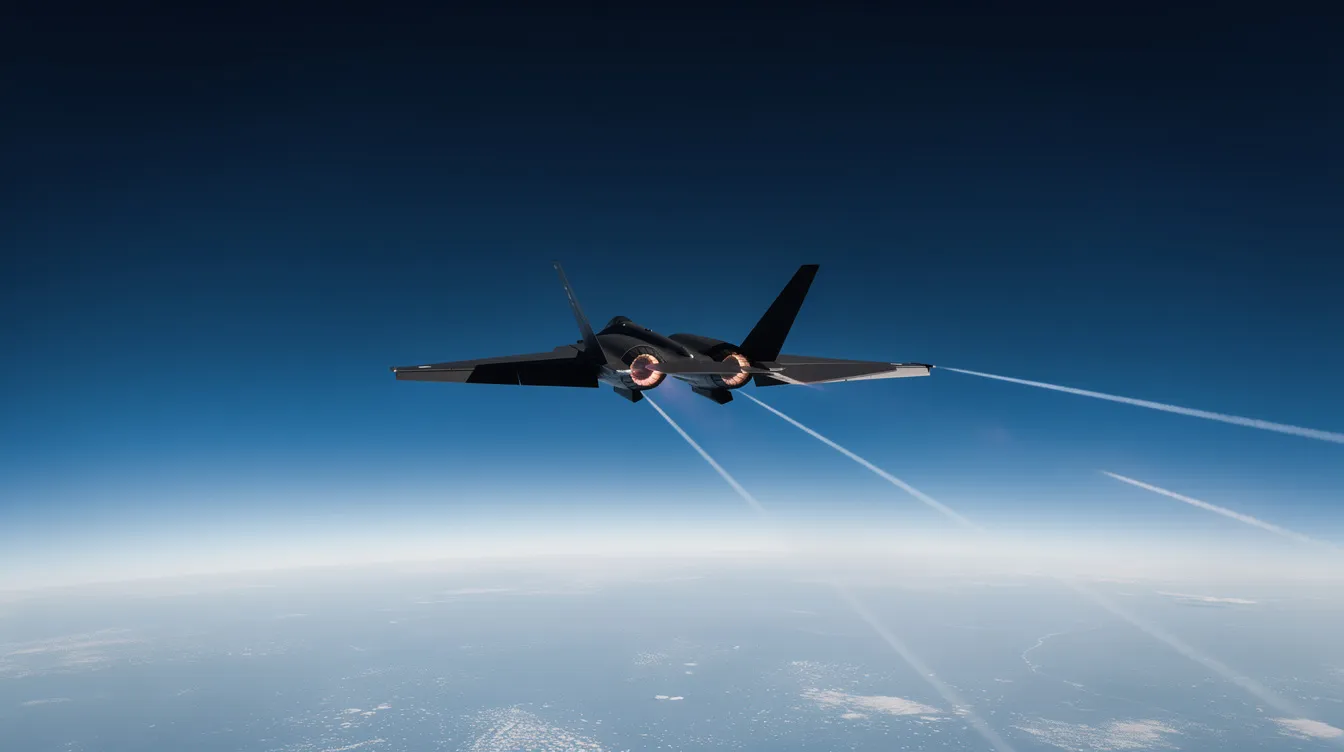
Lockheed YF-12 Top Speed Overview
The Lockheed YF-12 top speed remains one of the most staggering figures in aviation history. On 1 May 1965, the YF-12A reached a certified maximum speed of 2,070.101 mph - roughly Mach 3.2 - while also climbing to an altitude record of 80,257.86 feet in sustained horizontal flight. As a high-altitude interceptor prototype, this aircraft was designed for speeds above Mach 3, and it delivered. The YF-12 remains the fastest combat-coded interceptor ever flown.
Derived from the Central Intelligence Agency's A-12 Oxcart and closely related to the SR-71 Blackbird, the Lockheed YF-12A was not a pure reconnaissance aircraft. It was built to carry air-to-air missiles and destroy threats before they reached American airspace - a weapons platform optimized for extreme speed and altitude.
While BlackJet operates modern private jets far below Mach 3, the high-speed research pioneered by programs like the YF-12 directly shaped the safety standards, materials science, and engineering culture that premium private aviation benefits from today.
Design Origins: A High-Altitude Interceptor Prototype From Skunk Works
By the late 1950s, the United States Air Force recognized that its existing interceptors - including the F-106 Delta Dart - could not counter the next generation of fast Soviet bombers expected at high altitude. The Air Force needed a potential replacement capable of sustained Mach 3 cruise and extreme range interception.
Lockheed's design team under Kelly Johnson at the legendary Skunk Works (a precursor to today's Lockheed Martin) evolved the CIA's A-12 into the Lockheed YF-12, an interceptor variant purpose-built for speed and missile engagement. The YF-12A was developed in the 1960s for the USAF, and only three prototypes of the YF-12 were built during its development. It was designed to counter Soviet long-range nuclear bombers.
Key design features that enabled Mach 3+ flight:
Titanium construction: over 90% of the airframe used titanium alloy to handle skin temperatures exceeding 500°F during sustained cruise
Extended chines and enlarged nose: accommodated the Hughes AN/ASG-18 fire control radar, unlike the slimmer A-12 reconnaissance aircraft
Twin-seat version: the YF-12 featured a twin-cockpit layout for a pilot and fire control officer in a second cockpit, managing weapons and radar simultaneously
Ventral fins and aerodynamic refinements: the aircraft closely resembled the A-12 but added structural elements for weapons carriage and stability at high Mach numbers
The maiden flight of the first YF-12A (serial 60-6934) took place on 7 August 1963. The aircraft was publicly revealed on 29 February 1964, though under a fictitious designation - "A-11" - to protect the classification of the broader Blackbird family.
How the YF-12 Reached Mach 3.2: Engines, Aerodynamics, and Materials
Pratt & Whitney J58 Engines
Behind the Lockheed YF-12's record-setting speed was a convergence of propulsion innovation, aerodynamic precision, and materials science that had never been attempted at this scale.
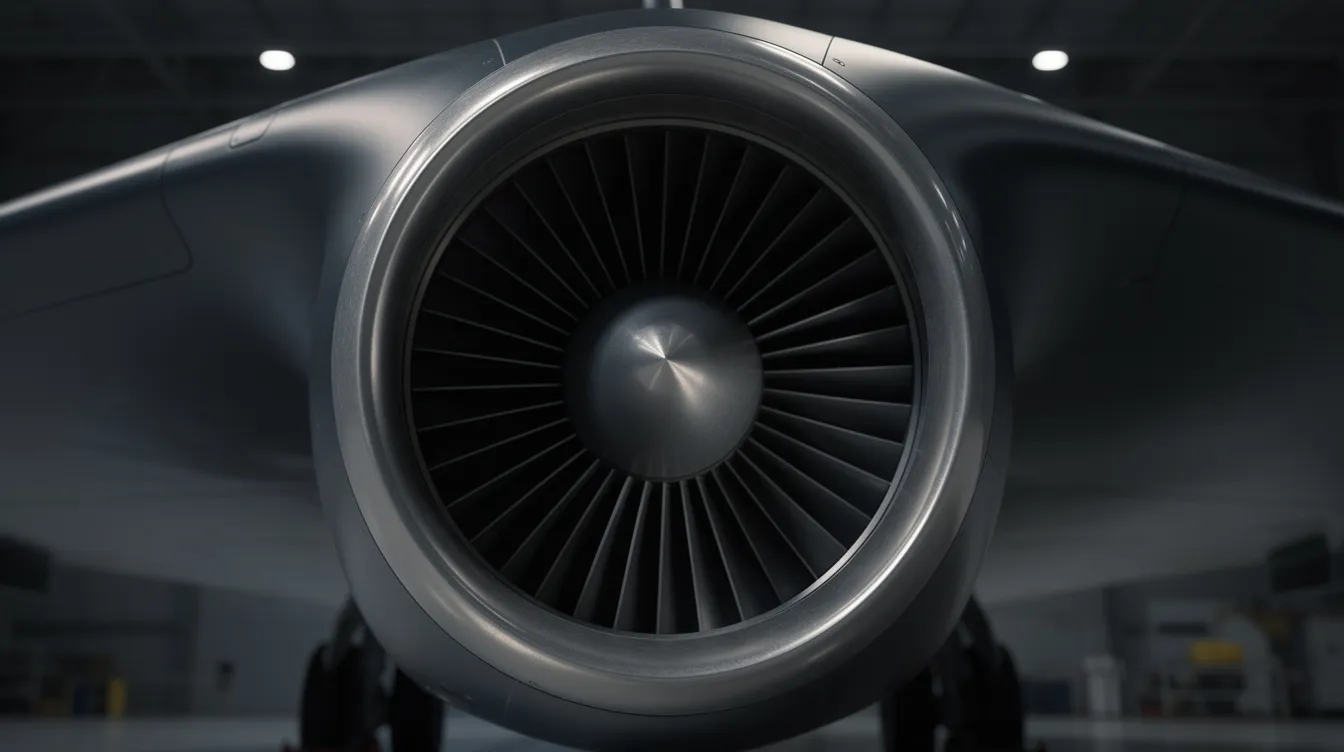
The aircraft's speed capabilities were largely due to its two Pratt & Whitney J58 turbojet engines. Each engine produced approximately 32,500 lbf of thrust in afterburner. The J58's signature feature was its bleed-bypass system: at speeds above Mach 2.5, compressed air bypassed the rear compressor stages and fed directly into the afterburner, effectively transforming the turbojet into a hybrid ramjet. This supersonic cruise technology was critical to sustaining high speed at high altitude.
Aerodynamic Innovations
The engine nacelles housed carefully designed axisymmetric inlets with translating spike cones. As speed increased, each spike retracted rearward to reposition shock waves and maintain subsonic airflow into the compressor - preventing catastrophic engine unstarts.
Materials and Thermal Management
The YF-12 was constructed primarily from titanium alloy to withstand aerodynamic heating. It utilized a titanium skin with expansion gaps, corrugated panels, and floating fasteners that accommodated thermal growth - the plane literally expanded several inches during Mach 3 cruise. Fuel tanks were pressurized with inert nitrogen to prevent vapor explosions, and the aircraft used JP-7, a specially formulated fuel developed to resist thermal breakdown. In-flight refueling was standard: the YF-12 typically took off with partial fuel, then refueled before accelerating past Mach 2.6 during flight tests at Edwards Air Force Base.
Record Flights: Documented Top Speed and Altitude of the Lockheed YF-12A
On 1 May 1965, the Lockheed YF-12A cemented its place in aviation history with a series of FAI-certified world records flown under strict international oversight:
Absolute speed over a 15/25 km straight course: 2,070.101 mph (3,331.505 km/h), approximately Mach 3.2 - flown by pilot Col. Robert L. Stephens and fire control officer Lt. Col. Daniel Andre in airframe 60-6936
Altitude record in sustained horizontal flight: 80,257 feet (24,463 meters), achieved by Maj. Walter F. Daniel and Maj. Noel Warner
Closed-circuit speed records: approximately 1,643 mph over 500 km and 1,688 mph over 1,000 km
The aircraft achieved a speed record of 2,070 mph - a figure verified through precise FAI measurement protocols: timed passes over fixed course lengths, radar-verified altitude constraints, and independent observation. The YF-12A could operate at altitudes exceeding 80,000 feet, a service ceiling that placed it well above virtually every other aircraft of its era.
These altitude world records and the speed record stood until the SR-71 Blackbird - a closely related aircraft - officially exceeded some of them in the 1970s.
Operational Envelope: High Speed, High Altitude, and Interceptor Tactics
There is a meaningful distinction between a record-setting pass and routine operational use. Typical YF-12 flight profiles involved subsonic takeoff, in-flight refueling, a climb to around 70,000–80,000 feet, and then acceleration past Mach 2.6 toward Mach 3.0+ for interception runs.
The aircraft was intended for combating high-speed bombers and threats - closing on targets like Tu-95 Bear or projected Tu-22 formations before they could launch nuclear weapons. The YF-12 had a significant operational speed advantage over standard interceptors of its time, dramatically shortening reaction windows for U.S. air defense.
Trade-offs at Mach 3 and high altitude were real: limited maneuverability in thin air, reliance on missile stand-off range rather than dogfighting, and continuous thermal stress on structures and engines. While the airframe was structurally capable of speeds at or near its certified record, operational safety margins and engine life considerations kept routine operations around Mach 3.0–3.2.
For context, modern private jets typically cruise around Mach 0.80–0.90 (~530–590 mph) at 40,000–45,000 feet. The YF-12 operated in an entirely different regime - a domain where every additional tenth of a Mach number demanded exponential engineering effort.
Armament and Avionics: Speed in Service of Long-Range Interception
Fire Control Radar
The Lockheed YF-12's top speed existed for one purpose: to reach and destroy enemy bombers before they could threaten the continental United States. The YF-12A was designed to intercept Soviet bombers at extreme range, and every system aboard was integrated toward that mission.
Weapons Systems
Fire control equipment: managed by a dedicated fire control officer seated in the second cockpit, responsible for target acquisition, tracking, and weapons release
Weapons: the aircraft was designed with internal bays - three internal bays housing Hughes AIM-47 Falcon missiles, each capable of speeds beyond Mach 5 and engagement ranges well over 100 km
Missile Testing
Missile systems: the YF-12A successfully fired six AIM-47 missiles during testing, engaging drone targets from ranges greater than 30 nautical miles while the aircraft flew at Mach 3.2 during missile tests at approximately 75,000 feet
The YF-12A influenced the development of the AIM-54 Phoenix missile, which later became the primary long-range weapon of the F-14 Tomcat. As the fastest crewed interceptor ever to carry and fire air-to-air missiles, the YF-12 proved that high-speed interception at extreme altitude was operationally viable.
Program Cancellation: Politics, F-12B, and the Rise of Missiles
F-12B Production Plans
Despite exceptional performance, the YF-12's future was determined by shifting military priorities rather than engineering shortcomings.
The Air Force planned to procure 93 production F-12B interceptor aircraft based on the YF-12A, approved in 1965 to replace aging interceptors in Air Defense Command. However, Defense Secretary Robert McNamara delayed funding for three years and ultimately canceled the order.
Cancellation Reasons
The YF-12 program was canceled in January 1968 due to funding issues, driven by several factors:
Growing emphasis on ICBM defense rather than bomber interception, making the high-altitude interceptor prototype a lower priority
The F-12B production was canceled due to Vietnam War costs and parallel programs like the F-111
Doctrinal shift toward ground-based missile systems and radar networks over extremely high-speed manned interceptors
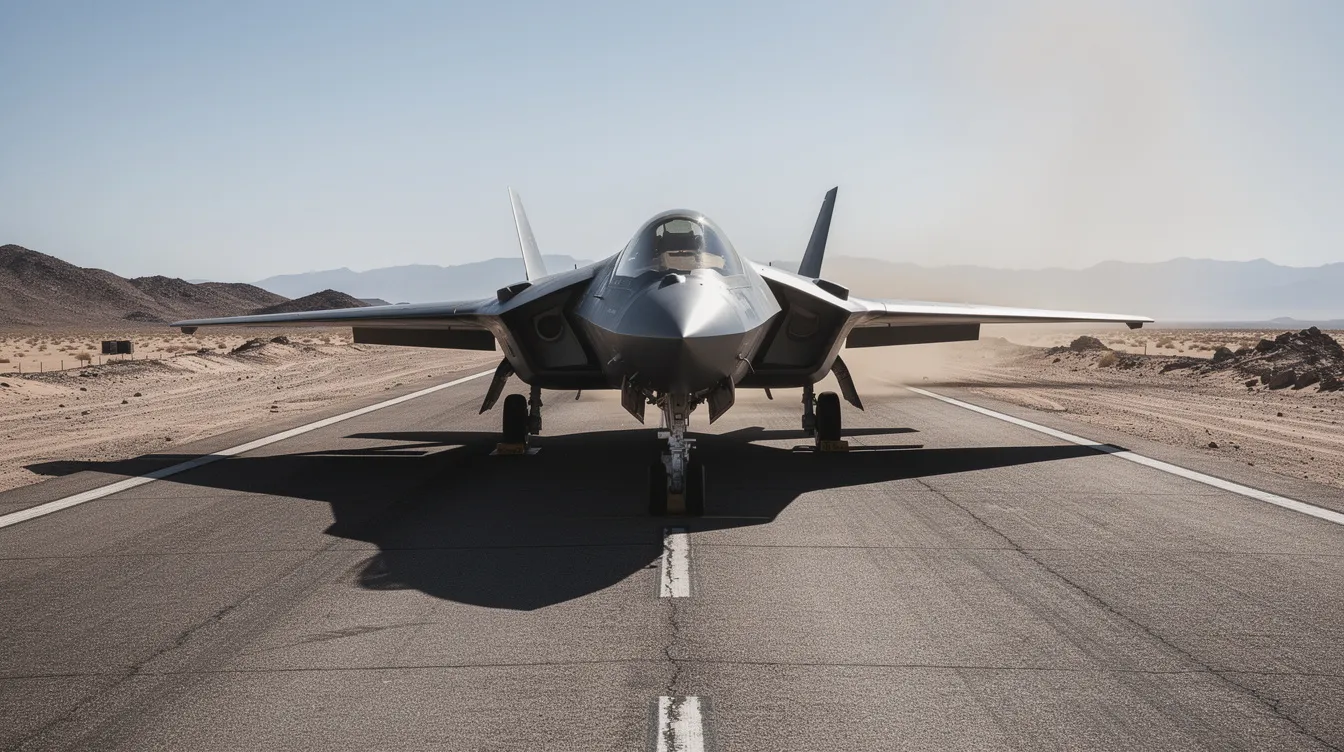
Only three aircraft were completed as true YF-12A prototypes. One was lost in a landing mishap and subsequent fire. The surviving two were transferred to NASA as research aircraft for supersonic flight studies. The cancellation did not reflect any flaw in the aircraft's high-speed performance - the Lockheed YF-12 had proven its capability at Mach 3.2 and above 80,000 feet.
NASA Research Legacy
NASA operated the surviving YF-12 aircraft from 1969 through 1979, studying supersonic cruise technology, heat transfer, and propulsion integration. These findings informed concepts for future high-speed transports and advanced civil aircraft design regarding thermal loads and structural durability.
Legacy: From YF-12 to SR-71 Blackbird and Modern High-Speed Research
The Lockheed YF-12's top speed trials and high altitude operations directly shaped the SR-71 Blackbird and decades of subsequent aerospace research.
Design lessons from the YF-12A and F-12B studies - improved inlet controls, thermally tolerant titanium structures, and operational procedures for Mach 3+ cruise - fed directly into the SR-71. That reconnaissance aircraft entered Air Force service in 1966 and operated until 1998, routinely flying above Mach 3 and continuing the Blackbird family's dominance in high-speed flight.
Today, one Lockheed YF-12A is preserved at the National Museum of the United States Air Force in Dayton, Ohio. Another is displayed at the Hill Aerospace Museum in Utah. Visitors can appreciate the sheer scale of a Mach 3 interceptor - an aircraft whose gross weight, wing area, and empty weight dwarf anything in today's fighter inventory.
Comparing YF-12 Performance to Modern Private Jets and Air Force Aircraft
To appreciate what the Lockheed YF-12 achieved, it helps to place its numbers alongside current aircraft - both military and civilian:
Aircraft | Top Speed | Ceiling | Primary Role |
|---|
Lockheed YF-12A | Mach 3.2 (~2,070 mph) | 80,000+ ft | High altitude interceptor prototype |
SR-71 Blackbird | Mach 3.3+ (~2,193 mph) | 85,000+ ft | Strategic reconnaissance |
F-22 Raptor | ~Mach 2.25 (~1,500 mph) | ~65,000 ft | Air superiority / multirole |
F-35 Lightning II | ~Mach 1.6 (~1,200 mph) | ~50,000 ft | Multirole stealth |
Typical business jet | Mach 0.80–0.90 (~530–590 mph) | 40,000–51,000 ft | Executive/private travel |
Mach 3+ speeds dramatically shorten flight time but incur enormous fuel consumption, extreme thermal stress, and maintenance complexity that make them unsuitable for routine commercial or private operational use. Unlike today's fighters, which prioritize maneuverability and stealth, the YF-12 sacrificed everything for speed and altitude.
What matters for modern aviation: the high-speed research developed for the YF-12 and SR-71 improved engine reliability, avionics resilience, and structural safety margins - foundational knowledge that underpins the safety culture operators like BlackJet depend on today.
From Mach 3 Icons to Modern Premium Travel: What BlackJet Clients Can Learn
The YF-12 proved that with the right engineering, human flight could reach speeds once thought impossible. For today's discerning traveler, the "top speed" that truly matters is something different: end-to-end journey time, door-to-door.
This is where private aviation delivers a strategic advantage that no Mach number alone can replicate:
Direct routing to secondary airports closer to final destinations - bypassing congested hubs
Flexible departure times that match business schedules, not airline timetables
Elimination of security lines and hub-and-spoke connections that add hours to every trip
BlackJet's Jet Card programs and broader suite of premium private jet card services are built around these principles, and travelers who want to understand jet card pricing structures and benefits can quickly see how these programs translate engineering efficiency into real-world time savings. A BlackJet member flying from New York to Los Angeles on short notice for a board meeting saves several hours compared to commercial first class - not through faster airspeed, but through seamless access, direct routing, and zero ground delays.
BlackJet's core pillars reflect the same pursuit of excellence that defined programs like the Lockheed YF-12, and are reflected in its approach to jet card membership pricing, especially when you compare structures like Flexjet jet card costs and options or NetJets jet card pricing models:
Frequently Asked Questions About the Lockheed YF-12 Top Speed
What was the top speed of the Lockheed YF-12?
The Lockheed YF-12A set a certified top speed record of 2,070.101 mph (Mach 3.2) on May 1, 1965, making it the fastest combat-coded interceptor ever flown.
How high could the YF-12 fly?
The YF-12 achieved an altitude record of 80,257.86 feet in sustained horizontal flight, allowing it to operate well above most other aircraft of its era.
What engines powered the YF-12 to such high speeds?
The aircraft was powered by two Pratt & Whitney J58 turbojet engines, which featured a unique bleed-bypass system that allowed the engines to operate like ramjets at speeds above Mach 2.5.
Why was the YF-12 program canceled despite its advanced capabilities?
The program was canceled in January 1968 primarily due to shifting defense priorities, rising Vietnam War costs, and a strategic move toward missile defense rather than high-speed interceptors.
Where can I see a Lockheed YF-12 today?
One YF-12A is preserved and displayed at the National Museum of the United States Air Force in Dayton, Ohio. Another is exhibited at the Hill Aerospace Museum in Utah.
How did the YF-12 influence modern aviation?
The YF-12 contributed to advances in materials science, high-speed aerodynamics, propulsion technology, and fire control radar systems, influencing the development of the SR-71 Blackbird and modern aerospace engineering.
What was unique about the YF-12’s missile system?
It carried Hughes AIM-47 Falcon missiles in internal bays and successfully fired them at Mach 3.2 during tests, demonstrating long-range interception capabilities at extreme speeds.
How does the YF-12 compare to modern private jets?
Modern private jets cruise at speeds around Mach 0.80–0.90 and altitudes up to 51,000 feet, far slower and lower than the YF-12’s Mach 3.2 and 80,000+ feet. However, the YF-12’s high-speed research laid groundwork for safety and materials standards benefiting today’s premium private aviation.
Conclusion: The Enduring Legacy of the Lockheed YF-12’s Speed and Innovation
The Lockheed YF-12 remains an icon of aviation achievement, a testament to the extraordinary engineering and visionary design that pushed the boundaries of speed and altitude in the 1960s. Its record-setting top speed of Mach 3.2 and operational ceiling above 80,000 feet marked a new era in interceptor capability, showcasing how technology can be harnessed to meet strategic defense challenges.
Though the YF-12 program was ultimately curtailed by shifting military priorities and budget constraints, its innovations in propulsion, materials, radar, and weapons systems laid the groundwork for the legendary SR-71 Blackbird and continue to influence aerospace engineering today. The lessons learned from the YF-12’s high-speed flight and missile integration echo in modern aviation safety standards and advanced materials used in premium private jets.
For discerning travelers and aviation enthusiasts alike, the YF-12 story underscores how the pursuit of speed and performance can translate into broader benefits—whether in military defense or the seamless, safe, and sustainable travel experiences offered by today’s private aviation leaders like BlackJet. While commercial and private jets operate far below Mach 3 speeds, the pioneering spirit of the YF-12 lives on in the commitment to excellence, innovation, and strategic advantage that defines premier private jet access.
Elevate your travel - on your terms. No Mach 3 required, whether you access the skies through jet cards, charter, or ownership of a 5 million dollar private jet, once you understand the broader private jet price list and cost drivers behind different categories of aircraft. Explore BlackJet's Jet Card program and discover how the best jet cards for frequent flyers compare with top private jet companies in today’s market to make refined, strategic private flight your new standard.


 Sign up with google
 Sign up with Apple