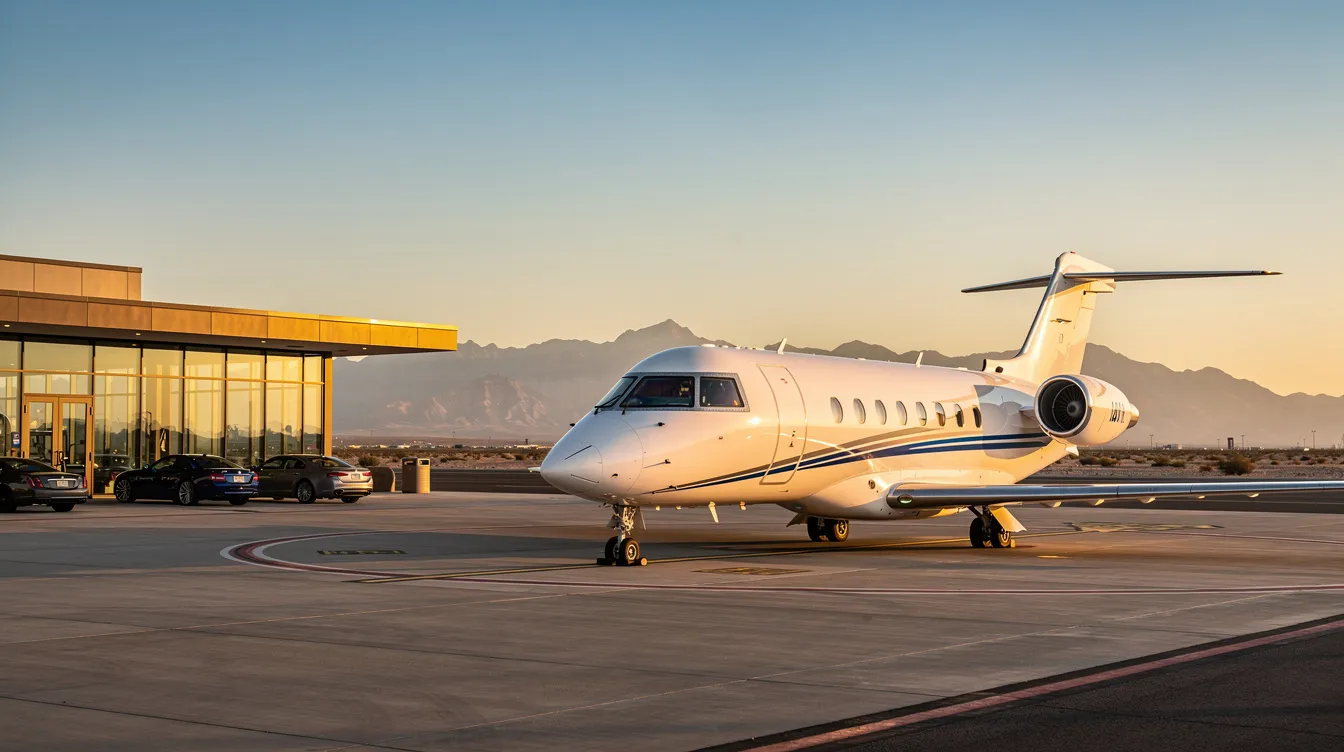
For travelers who want more than economy but aren't ready to charter an entire plane, JSX occupies a curious middle ground. Here's what you'll actually pay for semi-private flights in 2026—and how those fares stack up against commercial first class and true private jet options.
Fast Answer: Typical JSX Prices in 2026
JSX flights generally range from about $249 to $1,199+ one way per seat in 2026. The price you pay depends heavily on route, demand, season, and how far in advance you book. JSX is positioned between private jet services and commercial airlines in pricing.
Short-haul routes (Burbank to Las Vegas, Dallas to Houston): $249–$499 one way during shoulder seasons and midweek travel
Mid-haul routes (Los Angeles to Scottsdale, Oakland to Las Vegas): $399–$699 one way, trending higher on weekends and peak dates
Seasonal leisure routes (Scottsdale to Cabo San Lucas): $499–$1,199+ one way, especially around holidays and spring break
Premium peak corridors (Westchester to Miami in winter): $899+ one way, with round trip tickets climbing past $1,798
JSX uses dynamic pricing similar to commercial airlines—not fixed private jet hourly rates—so fares can shift daily. These JSX prices typically run higher than economy on United or American but often land below full-fare first class or traditional charter.
What Is JSX and How Its Business Model Affects Pricing
JSX launched in 2016 as a "public charter" carrier, originally branded JetSuiteX. The company flies Embraer regional jets with business class legroom and private-terminal style boarding, letting passengers skip the congested gate experience at major hubs. For travelers exploring other ways to buy a seat on a private jet, JSX sits alongside empty-leg deals and shared-charter services as a semi-private option. JSX allows check-in as late as 20 minutes before departure from dedicated private terminals, avoiding long security lines entirely.
JSX sells individual seats on scheduled routes, not whole aircraft. This is why JSX prices resemble airline tickets more than private jet charter invoices.
The fleet includes approximately 56 Embraer E135/E145 jets plus 4 ATR 42-600 turboprops as of 2026, each configured with a limited seating capacity of 30 seats and no middle seats for passenger comfort. Lower seat density and premium amenities naturally push per-seat costs above standard economy.
The JSX business model centers on high-frequency routes, dynamic fares, and city pairs like Las Vegas to Burbank, Dallas to Houston, and seasonal leisure markets like Cabo San Lucas.
By contrast, BlackJet's model-on-demand private jet charter and Jet Card membership prices flights by hourly aircraft rates and distance rather than individual seat fares, offering predictable cost structures for frequent flyers.
How JSX Determines Seat Prices: Dynamic Fares Explained
JSX flights operate on a dynamic pricing model based on demand. Fares move with booking window, route popularity, day of the week, and seasonal peaks—much like what you'd expect from any airline.
Route length: Short hops like Burbank to LAS are priced cheaper than cross-border runs to Cabo San Lucas or longer Florida routes.
Advance purchase: Booking early is crucial for securing lower fare options on JSX. A flight from Las Vegas to Burbank booked three weeks out might start around $249–$299; the same seat can exceed $600 close to departure.
Day of week: Mid-week flights often have lower fares compared to weekends on JSX. Friday and Sunday repositioning flights regularly command premiums.
Seasonality: Seasonal travel significantly affects JSX ticket prices during busy holidays. Higher demand routes can see significant fare increases, particularly around New Year's, spring break, and October holiday launches to destinations like Cabo San Lucas.
Introductory or promotional JSX flights may briefly drop below $200, but most core routes cluster in the $300–$800 range for one-way Hop On fares.
With BlackJet, clients know the rough cost per flight hour by aircraft category rather than watching daily seat-price fluctuations—a meaningful difference for travelers who fly frequently and need budget certainty.
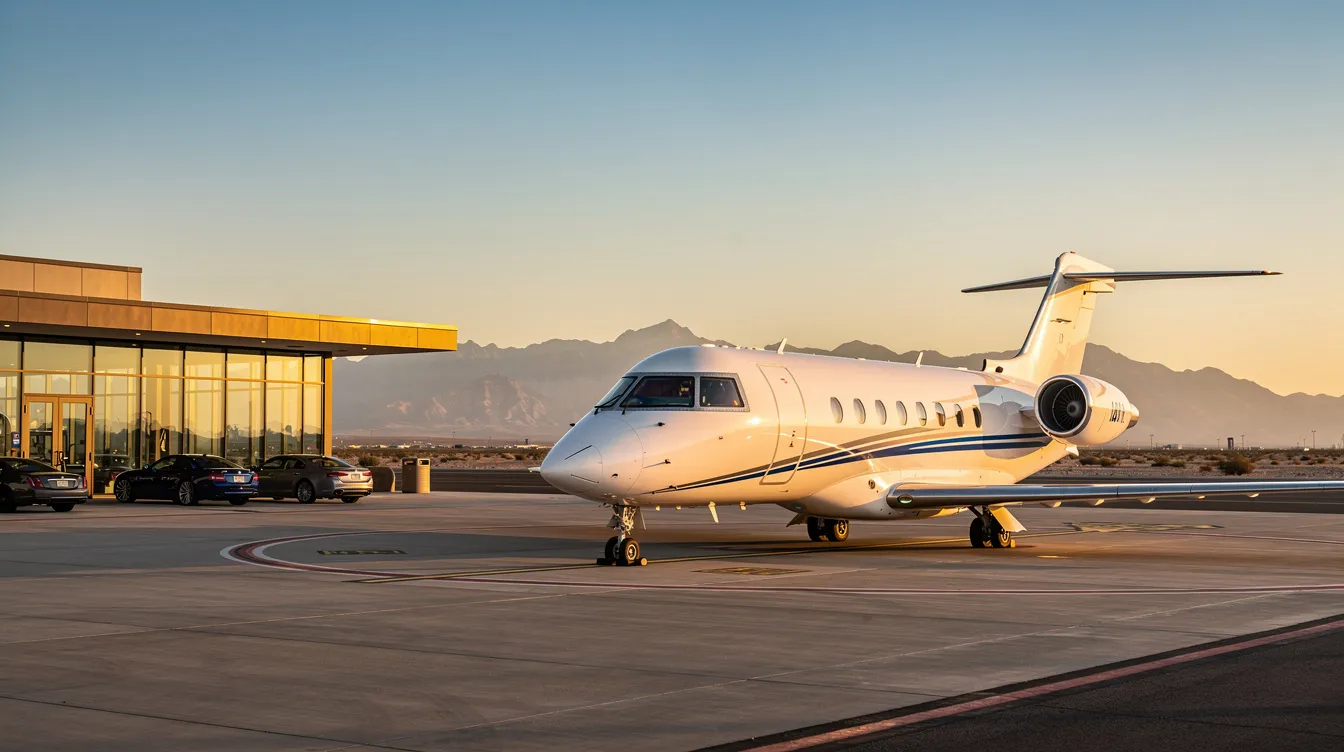
JSX Ticket Types and What You Really Pay For
JSX offers two ticket types: Hop On and All In. The difference comes down to refundability, flexibility, and baggage allowances—and it meaningfully impacts what you actually pay.
Hop On fares: The lower JSX prices. Hop On tickets are nonrefundable but offer future flight credit. Typical range is $249–$699 on domestic routes in 2026. Hop On tickets include two checked bags up to 50 pounds. Hop On fares earn 150 TrueBlue points per flight.
All In fares: All In tickets allow free seat selection and refunds, with three checked bags up to 50 pounds included. Expect to pay $150–$400 more per round trip than Hop On. On a route like Westchester to Miami, the All In fare runs $2,598 for the round trip versus $1,798 for Hop On.
While list prices may start near $249 for basic seats, typical JSX prices once you choose premium times, seat assignments, and busy travel days often push a trip past $1,000 round trip.
BlackJet Jet Card or on-demand clients pay a single aircraft price for the mission—say, New York to Miami or Los Angeles to Cabo San Lucas—rather than juggling fare families, bag fees, and change penalties, a structure that mirrors the tradeoffs explored in whether chartering a private jet is worth it. Explore how that compares in the 2026 Private Flight Cost Guide.
Route Examples: How JSX Prices Compare with Commercial and Private Jet Charter
Concrete numbers matter more than generalizations. Here's how real JSX prices compare on popular 2026 routes.
Westchester (HPN) to Miami: A round-trip JSX flight from Westchester to Miami costs $1,798 for Hop On. American Airlines charges $509 for a main cabin ticket on the same route, while commercial first class lands near $1,009. Flying JSX costs roughly 3.5x economy but delivers private terminal access and a far quieter cabin with only 30 passengers.
Las Vegas routes: Common JSX prices on LAS to Burbank or LAS to Oakland run $249–$599 one way in shoulder seasons. During CES week, New Year's Eve, or major fight weekends, expect those fares to hit $700+. A light-jet charter via BlackJet on the same leg, split among four to six travelers, can rival JSX per-person costs while delivering a fully private cabin; understanding how much it costs to rent a private jet on these city pairs helps clarify when charter beats semi-private fares.
Scottsdale to Cabo San Lucas: This seasonal destination route launched in October 2026 with introductory fares starting at $499 one way. Holiday and spring break demand pushes fares to $899–$1,199+. For a group of six to eight passengers, chartering a midsize jet through BlackJet may cost a few tens of thousands round trip—but per person, those numbers approach or beat premium JSX fares.
Door-to-door value: JSX's private-terminal model can save 60–90 minutes per leg over commercial hubs in California, Denver, Reno, or Florida. A full BlackJet charter compresses ground time even further and allows custom departure schedules from airports in Orange County (SNA), Houston (HOU), or smaller fields outside the JSX route map.
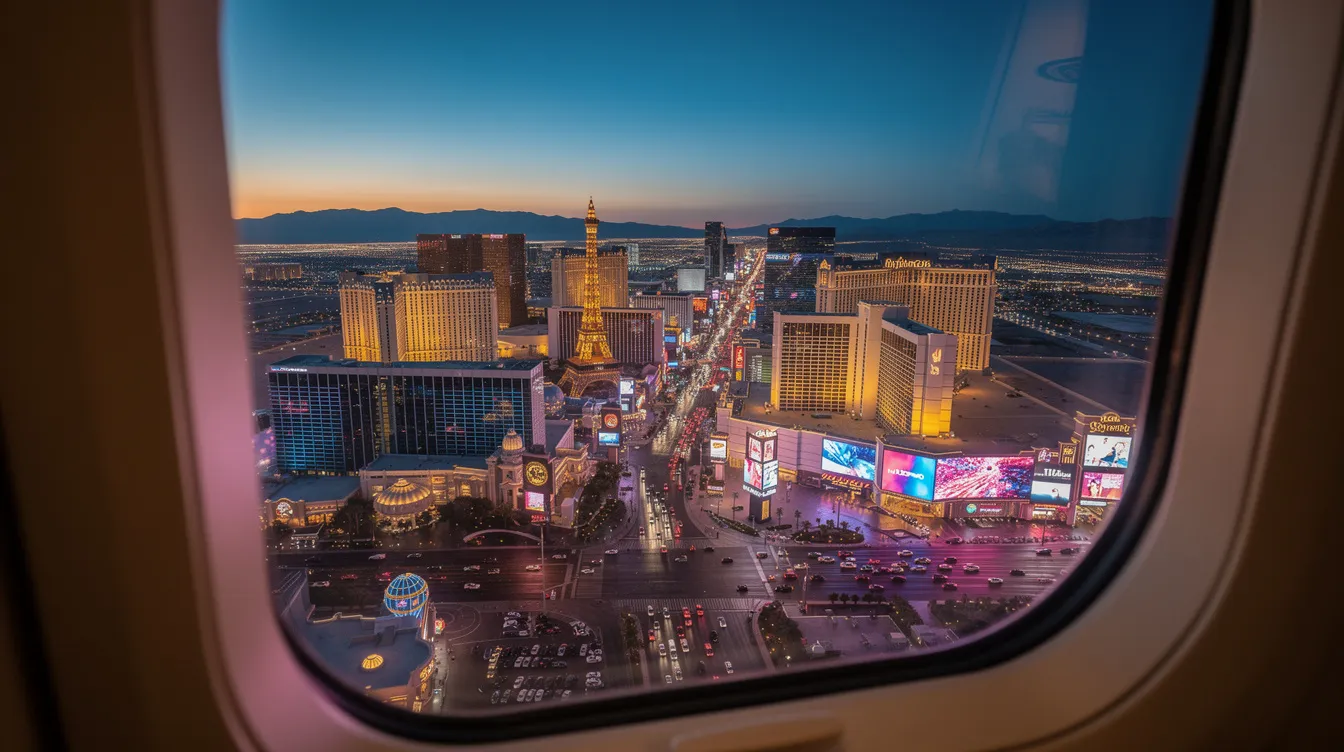
Comfort, Business Class Legroom, and What You Get for the JSX Price
Travelers aren't just buying a seat—they're paying for the cabin experience. Here's what JSX delivers for the price, and where a private jet elevates the equation.
JSX Cabin Experience
JSX aircraft feature approximately 30 seats in a layout designed for more, with no middle seats, generous pitch comparable to domestic business class legroom, complimentary drinks and snacks, and JSX provides complimentary Starlink free wifi across its entire fleet.
Booking through JSX typically allows fast check-in approximately 20 minutes before departure—a stark contrast to the 90-minute airport ritual at a crowded gate in Dallas, Denver, or York.
JSX's comfort proposition sits between commercial first class and a fully private cabin: a shared plane, but quieter and more spacious than standard airlines. Reviews from customers consistently call out the legroom and the time saved over commercial alternatives.
Private Jet Comparison
BlackJet's offering goes further: true private cabins across light, midsize, or large jets, fully private for families or teams, custom catering beyond complimentary snacks, and the ability to choose cabin class and configuration at the quote stage, drawing on a wide range of types of private jets for every traveler. Learn more about aircraft categories and cabin options.
JSX prices represent a premium for space and time relative to economy, while BlackJet pricing delivers exclusivity, privacy, and tailored itineraries—especially compelling for executives, families with children, or security-conscious travelers interested in a higher tier of service.
When JSX Makes Sense vs. When a BlackJet Jet Card or Charter Is Smarter
This is a strategic decision: a seat on a semi-private JSX flight versus booking an entire aircraft through a provider like BlackJet. The right answer depends on trip type, passenger count, and privacy needs.
When to Choose JSX
JSX is ideal for: Solo or couple leisure travelers on weekend Las Vegas trips, quick hops between California and Texas business hubs like Dallas or Houston, and passengers who want private-terminal convenience without full charter prices. Every penny counts, and JSX can be a deal for low-frequency travelers.
When to Choose BlackJet
BlackJet is smarter for: Executive teams moving between multiple cities in one day, families traveling with pets (JSX charges $100 for pets on board per one-way flight—a fee that adds up) and bulky luggage to Cabo San Lucas or Destin, Florida, or clients who require strict confidentiality and bespoke departure times and value the full suite of premium private jet card and charter programs BlackJet provides.
Once a group reaches five to eight travelers on the same itinerary, all-in JSX prices can approach or exceed the per-seat cost of chartering a light or midsize jet via Jet Card hours with BlackJet, especially with fixed-rate options like the BlackJet 25+ Hour Jet Card.
BlackJet builds safety certification and carbon-neutral flights into every program at no extra cost. JSX integrates eco-friendly practices in its services, including carbon neutrality options, but passengers have no direct control over sustainability offsets. In a world where corporate travel policies increasingly demand verifiable environmental accountability, this distinction matters, especially when you compare options across the broader private jet price list and access models.
If you're pricing out multiple JSX flights per year across routes like Oakland, Reno, or Miami, model those costs against a BlackJet Jet Card for predictable, locked-in hourly rates.
FAQs on JSX Prices vs. Private Jet and Jet Card Options
Are JSX flights cheaper than traditional private jets?
On a per-seat basis for one or two passengers, yes—often significantly. JSX flights typically start at $249 one way, while chartering even a light jet starts in the thousands. But the comparison flips once your party grows beyond four or five people.
How do JSX prices compare to BlackJet Jet Card hourly rates?
JSX charges per seat with dynamic fares; BlackJet charges per flight hour at a fixed or capped rate. For solo travelers, JSX is cheaper. For groups or frequent flyers, Jet Card economics often win, especially once you understand Jet Card cost per hour. See the Jet Card provider comparison for details.
Can JSX ever be cheaper than commercial first class?
On short routes like Burbank to Las Vegas, base Hop On fares around $249 can undercut first class on some commercial airlines. On longer routes like Westchester to Miami, JSX round-trip costs nearly double what you'd pay for first class on a carrier like JetBlue or American.
Do JSX prices to Las Vegas or Cabo San Lucas spike on holidays?
Absolutely. Seasonal travel, major conventions, and holiday weekends in April or October can push fares 50–100% above baseline. Booking four to six weeks ahead remains the best tip to save.
Is JSX cost-effective as part of a corporate travel policy?
For occasional trips, JSX can be worth the premium over commercial. For executives who fly ten or more legs per year, a Jet Card provides better budgeting, locked hourly rates, and eliminates the comment-worthy unpredictability of dynamic seat pricing; a broader guide to Jet Card cost and membership pricing can help quantify that tradeoff.
Can I earn enough points or miles to offset JSX prices meaningfully?
Hop On fares earn 150 TrueBlue points per flight, which is modest. JSX ended its broader JetBlue partnership in February 2026, so the benefits of point accumulation are limited compared to flying a full-service airline with a robust loyalty row of partners, which is why many frequent travelers look instead at Jet Card pricing structures where value comes from fixed hourly rates rather than loyalty points.
Ready to compare side by side?
Reach out to BlackJet for a custom cost comparison between your planned JSX flights and an equivalent Jet Card or on-demand charter solution, especially if you're considering committing to a 100-hour Jet Card program for the long term. Discover how BlackJet can reshape your travel with predictable pricing, true privacy, and carbon-neutral flights on every journey.
Conclusion: Choosing the Right Flight for Your Priorities
JSX prices can make sense when you’re traveling solo or as a couple and value a faster airport experience over the lowest available fare. With seats typically starting around $249 one way, dedicated terminals, and a 30-seat cabin, JSX offers a practical middle ground between commercial airlines and private aviation. But fares vary by route and demand, and popular trips from LAX, OAK, or RNO may cost considerably more during peak periods.
For larger groups, executives with time-sensitive itineraries, or travelers who need privacy and schedule flexibility, compare the total JSX ticket cost with a private jet charter or Jet Card. BlackJet provides access to private aircraft without ownership, along with digital booking tools, real-time support, private aviation safety certification, and carbon-neutral flights. The best choice depends on your passenger count, route, and priorities: a JSX seat for straightforward city-to-city travel, or private jet access when control and privacy matter most.


 Sign up with google
 Sign up with Apple