For travelers who fly privately, fuel is rarely a topic of dinner conversation. It should be. The liquid fuel powering your aircraft at 45,000 feet operates under conditions that would render most ground fuels useless, and understanding the key differences between jet fuel and diesel fuel reveals why aviation demands such exacting standards. This guide breaks down what separates these two fuels, why it matters for safety and performance, and how BlackJet ensures every flight meets the highest fuel and operational benchmarks.
Jet Fuel vs Diesel: Quick Answer for Private Fliers
Jet fuel (primarily Jet A and Jet A-1) and diesel fuel are both middle distillate petroleum products refined from crude oil. (Middle distillates are fuels produced from the middle boiling range of crude oil refining, including kerosene, jet fuel, and diesel.) They share a similar boiling range and energy density. But they are certified for fundamentally different engine types and safety regimes, making them non-interchangeable in practice.
Here are the core distinctions at a glance:
Engine compatibility: Jet fuel powers turbine engines in aircraft; diesel fuel powers compression ignition engines in trucks, generators, and heavy equipment.
Freezing point: Jet A-1 stays liquid below −47 °C; standard diesel begins gelling around −15 °C to −20 °C.
Lubricity: Diesel provides superior lubrication compared to jet fuel, which has lower lubricity due to aggressive hydrotreating during the refining process.
Additives: Aviation fuel requires anti-static, de-icing, and corrosion-inhibiting additives tailored for high altitudes; diesel additives focus on emissions and cetane improvement.
Regulation and taxation: Jet fuel follows ASTM D1655 and international aviation safety standards; diesel conforms to ASTM D975 specifications and road-tax frameworks.
Typical users: Private jets, airlines, military aircraft vs. road transport, marine vessels, backup power.
For BlackJet members, these distinctions are not abstract. Reliability at altitude, strict standards for fuel sourcing, and predictable supply across a global network all depend on the correct fuel being in the tank - every single time.
Specification | Jet A / Jet A-1 | Road Diesel (ULSD) |
|---|
Engine type | Gas-turbine aircraft engines | Compression ignition diesel engines |
Freezing point | −40 °C (Jet A) / −47 °C (Jet A-1) | −15 °C to −20 °C (cloud/pour) |
Lubricity | Low; may need additives | Higher; still needs ULSD additives |
Primary standard | ASTM D1655, DEF STAN 91-91 | ASTM D975, EN 590 |
Typical users | Private jets, commercial aircraft, military | Trucks, marine, generators, GSE |
Though visually similar - both are clear to straw-colored liquids - the engineering demands of turbine flight versus ground transport force critical divergences. BlackJet's private jet membership and Jet Card programs benefit from proper fuel selection at audited FBOs, strict sourcing protocols, and carbon-neutral operations that account for every gallon burned.
What Is Jet Fuel? (Jet A, Jet A-1, and Jet B)
In business aviation, "jet fuel" refers to aviation turbine fuel designed for gas-turbine engines - not aviation gasoline (avgas) for piston-powered propeller planes, and certainly not auto fuel for road vehicles. Most private jets flying in 2026 burn Jet A or Jet A-1. Jet fuel is a mixture of different hydrocarbons from petroleum, and its fuel specifications began with the first standard published in 1944, evolving over decades to meet increasingly demanding performance metrics.
Jet A is the dominant kerosene-based fuel in the United States. Jet A fuel meets ASTM specification D1655, with a maximum freezing point of −40 °C, a flash point of at least +38 °C, and a net heat of combustion no less than 42.8 MJ/kg. It is a relatively high sulfur fuel by road-vehicle standards - jet fuel can contain up to 1,000 ppm sulfur, which actually enhances its lubricating properties compared to ultra-low-sulfur automotive diesel.
Jet A-1 is the international standard. Jet A-1 has a lower freezing point than Jet A fuel - a maximum of −47 °C - making it essential for long-range and polar-route international flights where ambient temperatures at cruise altitude routinely drop below −50 °C. Jet A-1 was developed specifically for its lower freezing point and improved safety profile, and it also conforms to DEF STAN 91-91. Notably, Jet A-1 has a minimum flash point of 38 °C (100 °F), and Jet A-1 requires an anti-static additive, unlike Jet A, to safely dissipate charge during high-flow fueling operations.
Jet B is a wide-cut fuel - a blend of approximately 30% kerosene and 70% gasoline - with an extremely low freezing point near −60 °C. Its higher volatility makes it more hazardous to handle, so it is used mainly in extremely cold regions like northern Canada. Jet B is rarely seen in modern business jet operations.
Jet fuel remains liquid at extreme sub-zero temperatures and can operate at temperatures below −50 °C (−58 °F), a critical requirement at high altitudes. Jet fuel contains additives to improve flow and performance in low temperatures, along with anti-static agents, fuel system icing inhibitors, and corrosion inhibitors. Strict controls on water contamination, particulates, and specific hydrocarbons ensure safe, consistent combustion in every jet engine.
BlackJet exclusively uses certified aviation fuels that meet or exceed Jet A / Jet A-1 specifications at audited FBOs and partner operators.
What Is Diesel Fuel and How Do Diesel Engines Use It?
Diesel fuel is a middle-distillate petroleum product refined alongside kerosene and fuel oil from crude oil. In the United States, it is governed by ASTM D975; in Europe, by EN 590. Since the mid-2000s, ultra-low sulfur diesel (ULSD) has been mandated to enable modern emissions after-treatment systems, drastically reducing the sulfur content that once gave diesel its natural lubricating properties.
Core diesel properties include:
Cetane number: A measure of ignition quality. Diesel is designed to ignite under high compression, and diesel's higher cetane rating benefits efficiency in diesel engines by minimizing ignition delay. Every diesel engine requires a minimum cetane rating to run properly.
Lubricity: Diesel fuel requires lubricity additives due to lower sulfur content in modern ULSD blends. Without them, high-pressure fuel pumps and the injector system suffer accelerated wear.
Viscosity and cold flow: Regional winter blends and anti-gel additives address pour and cloud points, though these remain far warmer than jet fuel specifications.
Diesel engines power road trucks, heavy machinery, marine vessels, standby generators, and some airport ground support equipment. Unlike turbine engines or spark ignition engines (which use a spark plug to ignite a fuel-air mixture) or gasoline engines, diesel engines rely on compression alone to initiate combustion.
There is a small, niche segment of diesel aircraft engines certified for light general aviation, but these are distinct from the turbine-powered aircraft that define business aviation.
For contrast: a long-haul freight truck might consume large quantities of diesel over 150,000+ miles per year, operating under constant-load compression cycles. A business jet flies perhaps 300–600 hours annually, burning jet fuel in turbine engines where energy density, thermal stability, and freezing point matter far more than raw cetane number, and its economics are better understood by looking at private jet rental costs per route and hour rather than just gallons of fuel consumed.
Jet Fuel vs Diesel: Key Technical Differences
Although diesel and jet fuel emerge from similar stages of the refining process - both are kerosene-to-gas-oil-range distillates - their fuel specifications diverge sharply on freezing point, lubricity, volatility, and certification. These are not minor footnotes; they determine whether an engine operates safely or fails catastrophically.

Freezing point: Jet A-1's freezing point of −47 °C versus diesel's cloud point of roughly −15 °C to −20 °C means that at standard cruise altitudes - where ambient air temperatures reach −50 °C or colder - diesel would wax and block filters long before jet fuel experienced any fuel freezing issues. The lower freezing point of aviation kerosene is non-negotiable for safe flight.
Lubricity: Diesel fuel intentionally retains more lubricating compounds from refining. Jet A and Jet A-1 are aggressively hydrotreated to remove sulfur and aromatics, resulting in lower lubricity. Jet fuel contains up to 1,000 ppm sulfur (a high sulfur fuel by road standards), which partially compensates, but it still cannot match diesel's lubricating properties in protecting fuel pumps and injectors. Jet fuel does not absorb water as easily as diesel fuel, which is advantageous for preventing microbial growth in aircraft fuel systems.
Ignition behavior: Diesel engines demand a specific cetane number for prompt compression ignition. Jet fuel has no specified cetane requirement; turbine engines maintain a continuous flame in combustion chambers, and the fuel's distillation curve is optimized for atomization and lean burn in turbine burners. Jet fuel is thicker than petrol and behaves differently in engines designed for gasoline or diesel.
Viscosity and volatility: Jet fuel must atomize reliably across a wide range of low temperatures. Under ASTM D1655, viscosity at −20 °C must stay below 8 mm²/s. As temperature drops, viscosity decreases in predictability importance - what matters is that the fuel stays within viscosity specifications that allow reliable flow through fine filters and narrow orifices. Diesel's broader viscosity range and different volatility profile would cause issues in aircraft fuel systems not designed for it.
Additives and contaminants: Aviation fuel demands stringent limits on water contamination, particulates, and thermal stability. Anti-static, de-icing, and anti-microbial additives are standard. Diesel additives focus more on cetane improvement, detergents, and emissions compliance.
Regulatory separation: Aviation fuels are regulated under FAA, EASA, IATA, and ICAO airworthiness frameworks. Road diesel falls under environmental agencies and fuel-tax authorities. Cross-use between these two fuels violates type certificates, warranties, and potentially the law.
The bottom line: you should never assume fuel and diesel are interchangeable categories. Their overlapping chemistry masks profoundly different performance envelopes.
Is Jet Fuel the Same as Diesel Fuel?
No. Despite both being middle distillates with similar appearance, jet fuel is not diesel. Jet A and Jet A-1 follow ASTM D1655 and DEF STAN 91-91. Road diesel follows ASTM D975 and EN 590. The property ranges, additive packages, and certification pathways are entirely separate.
Aviation fuel versus diesel policies exist precisely to prevent cross-use. Aircraft type certificates and engine type certificates specify approved fuel types explicitly. One fuel cannot simply substitute for another without violating airworthiness rules, safety protocols, and insurance terms.
Some certified diesel aircraft engines - such as Continental Aerospace's CD-series - are approved to burn Jet A fuel, but these are engine-specific approvals documented in type certificates. They do not extend to pouring road diesel into a turbine aircraft's tank.
On the ramp, jet fuel has a lighter kerosene-type odor and less oiliness than standard automotive diesel. But visual and smell checks are never a substitute for proper batch testing. The two fuels may look alike, but their performance at altitude could not be more different.
Using the wrong fuel type in either a turbine aircraft or a diesel engine can void warranties, breach regulations, and create serious safety risks - from flameout at 40,000 feet to catastrophic injector failure on the ground.
Can You Use Jet Fuel in a Diesel Engine?
This question surfaces often, especially at airports where jet fuel is readily available in large quantities and ground-support diesel engines sit just a few hundred feet from the fuel farm.
The short answer: Jet fuel can be used in some diesel engines, but with significant caveats. Jet A's lower lubricity means that over time, using jet fuel in diesel engines can damage injectors and high-pressure fuel pumps. The long-term wear on precision components - built to rely on diesel's lubricating properties - leads to scuffing, scoring, and premature failure.
Some airport ground-support equipment (tugs, de-icers, GPUs) has historically run on Jet A for logistical convenience. This typically requires manufacturer approval, modified maintenance schedules, and lubricity additives to extend service life. Diesel engines require lubricity additives for proper operation, even with ULSD; running them on jet fuel without such additives accelerates the problem.
Most modern road diesel engines are not approved for jet fuel. Running Jet A in a Euro 6 truck, for example, would likely damage the DPF and SCR after-treatment systems, void OEM warranties, and trigger emissions noncompliance.
For military applications, the situation differs. NATO's JP-8 is a kerosene-based fuel formulated for "single-fuel" logistics, and military diesel engines are specifically engineered to tolerate it. This does not translate to civilian engines.
Consider the scenario: an airport operator fills a new Euro 6 service truck with Jet A from the ramp. Short-term, the truck runs. Within weeks, the injector system shows wear, emissions systems flag faults, and the warranty claim gets denied. The fuel savings evaporate against repair costs.
For civilian operators, there is no practical economic upside in substituting jet fuel for diesel.
Can Diesel Be Used as Jet Fuel in Turbine Engines?
Standard road diesel is not approved as a substitute for Jet A or Jet A-1 in modern turbine aircraft engines. Full stop.
Diesel's higher viscosity and different volatility profile cause poor atomization in turbine burners, risking incomplete combustion, coking on fuel nozzles, and deposits on turbine blades. At cruise altitudes, diesel's inadequate cold-flow properties invite waxing and filter blockage - a scenario with no safe recovery at 45,000 feet.
Aircraft type certificates explicitly list approved fuel types. Using diesel instead would immediately violate certification, operating limitations, and insurance coverage. No commercial aircraft or business jet turbine is certified to burn road diesel.
Interestingly, diesel was initially tested in jet engines before jet fuel was developed - early turbine research in the 1930s and 1940s explored various petroleum products before kerosene-based formulations proved optimal. But those experiments led directly to the strict standards that now separate the two fuels.
BlackJet flights never operate on diesel fuel. Every turbine in the fleet burns certified Jet A or Jet A-1, sourced through audited supply chains.
Diesel Engines in Aviation: Niche Use Cases
While nearly all private jets use turbine engines burning jet fuel, a small but growing niche of piston engines designed for compression ignition - diesel aircraft engines - exists in light general aviation, where frequent flyers still weigh their options among the best jet cards for regular private travel. Modern aero diesels, such as Continental Aerospace's CD-series and the DeltaHawk DH180, are certified to run on Jet A rather than road diesel, leveraging the global availability of aviation fuel at airports where avgas supply is declining.
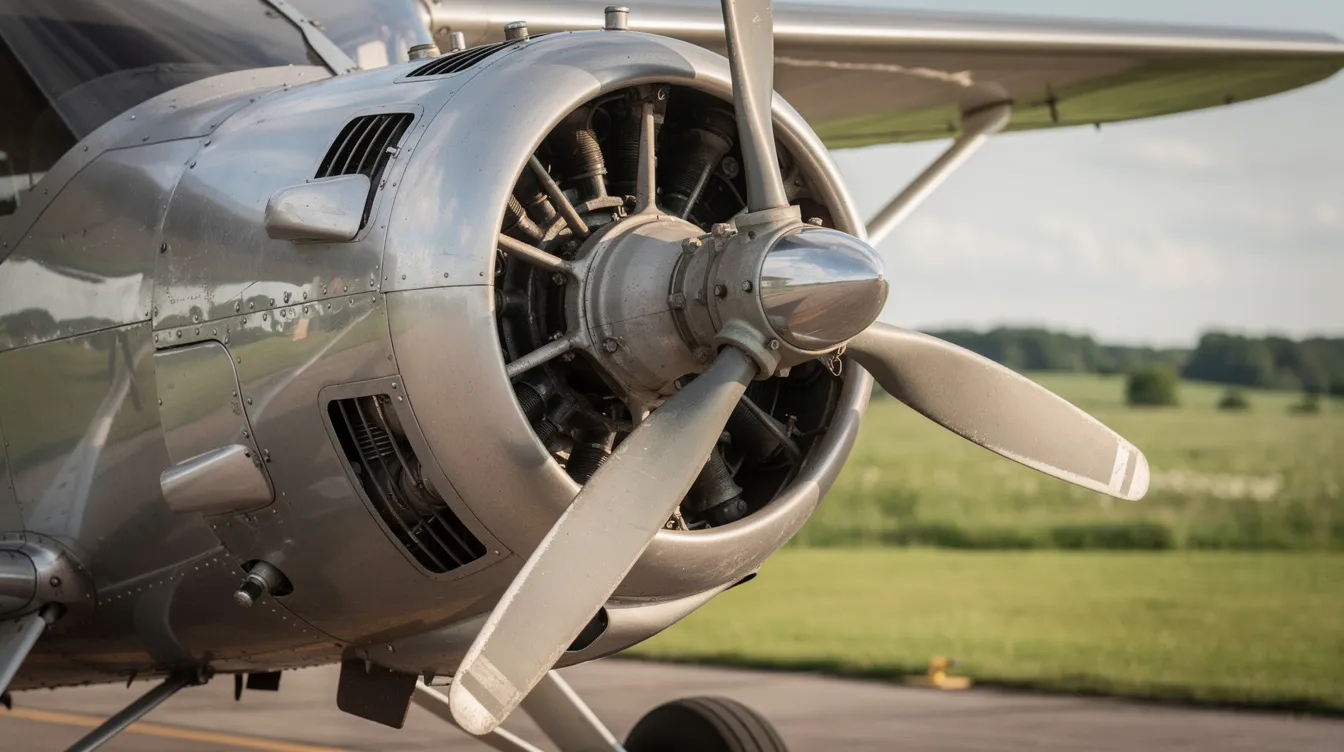
Historically, diesel-powered aircraft appeared in the 1930s with engines like the Junkers Jumo, offering lower fuel consumption and reduced fire risk compared to gasoline engines. These were eventually overtaken by lighter, more powerful turbine technology, which offered superior power-to-weight ratios.
Diesel still struggles in mainstream aviation for practical reasons: heavier engine blocks built for high compression, complex gearboxes, and elevated certification and maintenance costs. For anything beyond light single-engine or trainer aircraft, turbines remain dominant.
BlackJet's fleet access focuses on turbine-powered aircraft across light, midsize, super-midsize, and large cabin categories - including 20-million-dollar private jets with advanced long-range capabilities - all running exclusively on certified jet fuels, not diesel engines of any kind.
Fuel Costs and Market Trends
Fuel Costs: Jet Fuel vs Diesel in 2026
Fuel costs are one of the most significant line items in aviation operations, though high-net-worth travelers typically experience them indirectly through hourly charter rates and Jet Card pricing rather than watching per-gallon numbers at the pump, much like how overall private jet price lists and ownership costs consolidate complex inputs into clear figures.
As of mid-2026, average U.S. retail on-highway diesel prices sit around $5.06 per gallon, varying from roughly $4.31 in Oklahoma to $6.77 in California. Meanwhile, average retail Jet A fuel at U.S. FBOs runs approximately $7.59 to $7.80 per gallon, with some locations exceeding $8.60. Wholesale spreads are narrower - the EIA projects wholesale jet fuel averaging around $3.37/gal and diesel around $3.40/gal - but retail and FBO markups reflect handling, into-plane fees, and margin.
Taxes complicate the comparison further. Road diesel carries heavy federal and state fuel taxes. International jet fuel uplift is often exempt under agreements like the Chicago Convention, though domestic refueling is subject to local policy.
Even when jet fuel appears cheaper per gallon at wholesale, the cost per flight hour in aviation dwarfs any per-gallon comparison. A light jet burning 150–200 gallons per hour means a $2/gal increase adds $300–$400 per flight hour. For heavy jets consuming 400–500 gallons per hour, the impact multiplies accordingly. Jet fuel consumption tripled from 1980 to 2010, reaching 5.22 million barrels per day globally - a figure that underscores the aviation industry's scale of demand and its sensitivity to price swings.
BlackJet's Jet Card model converts volatile fuel markets into predictable, transparent hourly jet card rates. Any fuel surcharges are communicated in advance through the digital platform. And BlackJet's carbon-neutral commitment includes accounting for fuel burn and offsetting emissions on every member flight, regardless of short-term jet fuel price movements.
Sustainability and Emissions: Jet Fuels vs Diesel
Both jet fuel and diesel fuel are fossil-derived, carbon-intensive fuels. But their emissions profiles and regulatory frameworks differ by sector, and the paths to decarbonization are diverging.
Turbine engines burning Jet A or Jet A-1 operate with lean combustion and high excess air, producing different NOx and particulate signatures than diesel engines fitted with after-treatment systems (DPF, SCR, EGR). Aviation emissions also carry unique climate impacts at altitude - contrails, soot, and NOx at the tropopause contribute to warming beyond CO₂ alone.
Sustainable aviation fuel (SAF) represents the most promising near-term path for the aviation industry. Certified pathways include Fischer–Tropsch synthetic paraffinic kerosene, HEFA (hydroprocessed esters and fatty acids), and alcohol-to-jet processes. These can be blended with conventional jet fuel up to approximately 50% under current ASTM and ICAO certification. The U.S. Air Force certified the B-52H to use synthetic fuel in 2007, marking an early milestone, and commercial aviation SAF usage has grown steadily through the 2020s.
Road diesel trends are moving in parallel: increased biodiesel and renewable diesel blending, stricter particulate and NOx limits, and expanding low-emission zones in European cities.
BlackJet's sustainability commitment ensures every Jet Card flight is carbon-neutral through verified offsets, with a strategic eye toward incorporating SAF as availability increases at key business aviation hubs. For members who care about environmental impact without compromising on flexibility, this is a meaningful differentiator.
Practical Safety and Compliance: Keeping Aviation Fuel and Diesel Separate
For operators, the most critical rule in fuel management is preventing cross-contamination between jet fuel, avgas, auto fuel, and diesel. The consequences of getting it wrong range from engine damage to in-flight emergencies.
Standard controls include:
Clearly labeled storage tanks and bowsers
Color-coded hoses and nozzles (distinct for each fuel type)
Strict fueling checklists for ramp crews and pilots
Segregated storage and regular sampling at facilities handling both aviation fuel and diesel for ground vehicles
Documented fuel chain custody from refinery to wing, often managed through industry programs and suppliers like Air BP
Aviation fuel versus diesel cross-contamination can trigger immediate safety hazards - a turbine flameout caused by waxed diesel, or a piston engine failure from misidentified fuel. Beyond the flight risk, such events generate complex insurance disputes, regulatory investigations, and reputational damage.
BlackJet's partner operators and FBOs follow rigorous fueling procedures, third-party audits, and safety certifications under Part 135 and equivalent frameworks. Members never have to question what's in the tank.
How Fuel Choice Impacts Your BlackJet Experience
Everything discussed above - freezing points, lubricity, additives, strict standards - ultimately translates into tangible outcomes for private jet travelers: schedule reliability, cabin comfort, range capability, and safety.
Using the correct jet fuel type and maintaining tight quality control underpins on-time departures and predictable performance on routes like New York–London, Los Angeles–Miami, or Dubai–Geneva. One fuel specification lapse, one contaminated batch, one shortcut in sourcing - and a flight delay, diversion, or worse becomes possible.
BlackJet's safety framework goes beyond checking boxes. It includes verifying operators' fuel sourcing, storage, and handling practices alongside aircraft maintenance and crew training standards. Technology supports this effort: digital flight management, real-time aircraft tracking, and 24/7 operations teams monitoring fuel availability and weather-related fuel planning across every route.

Consider a BlackJet member using a 25-hour Jet Card to fly London–Milan–Zurich in winter. Jet A-1's lower freezing point ensures no fuel flow issues despite sub-zero conditions in the Alps. Carefully planned fuel stops at audited FBOs prevent delays due to limited stock at smaller airfields. The member arrives on schedule - comfortable, safe, and unaware of the dozens of fuel-related decisions that made it seamless.
That invisibility is the point. When fuel sourcing, quality control, and operational planning are handled properly, the traveler's experience is simply effortless.
Conclusion: Why Understanding Jet Fuel vs Diesel Matters for Private Jet Travelers
For discerning travelers and corporate executives, the differences between jet fuel and diesel are far more than technical details—they are foundational to the safety, reliability, and performance of every private flight. Jet fuel’s stringent specifications for freezing point, lubricity, additives, and certification ensure that turbine engines operate flawlessly in the extreme conditions encountered at altitude. Diesel fuel, while essential for ground transport and heavy machinery, simply cannot meet these demands without risking damage or failure.
BlackJet’s commitment to sourcing only certified jet fuel through audited FBOs and maintaining rigorous operational standards means members enjoy seamless, worry-free travel every time they take to the skies. Whether flying across continents or to remote destinations, understanding these fuel distinctions underscores the precision and care that define premier private aviation.
Explore how BlackJet’s Jet Card programs deliver not just access to luxury jets, but peace of mind powered by uncompromising fuel and safety standards. Discover a new level of private jet travel where every detail, down to the fuel in the tank, is optimized for your success and comfort.


 Sign up with google
 Sign up with Apple