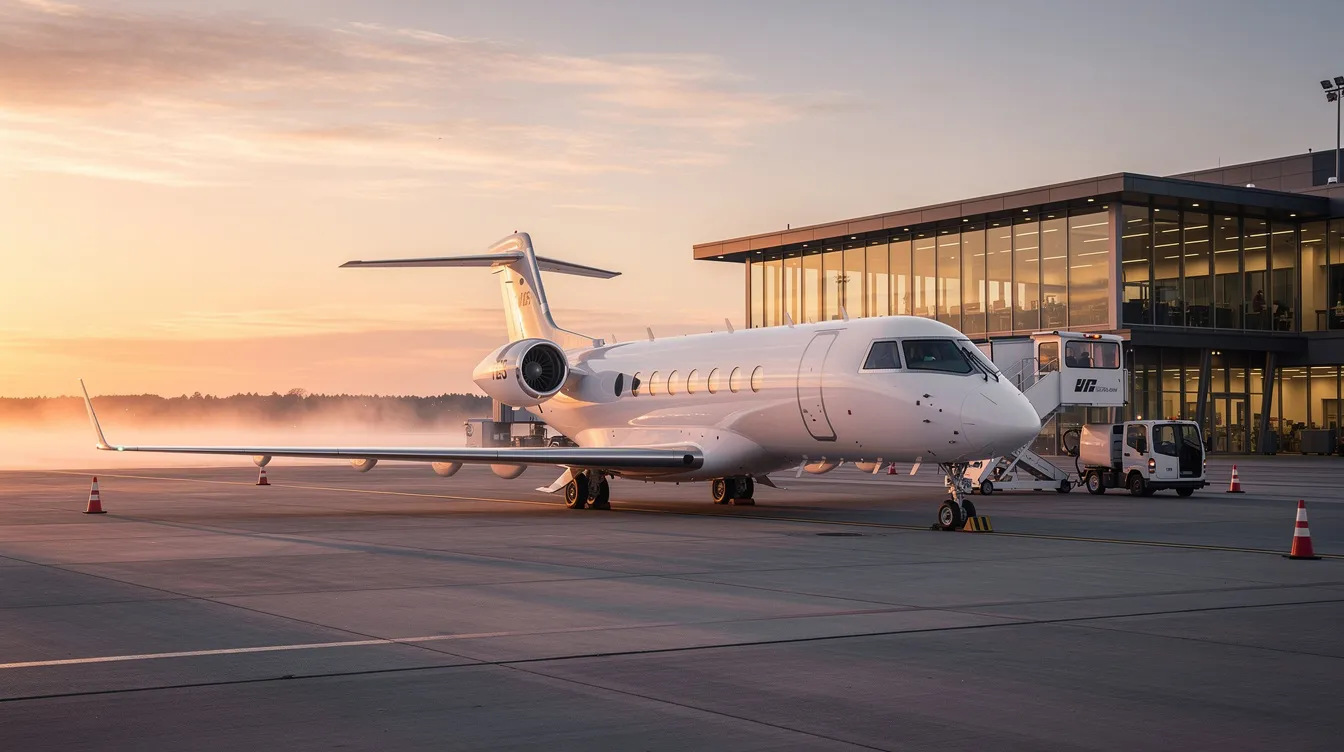
Private aviation is no longer just a symbol of status. For founders, executives, family offices, and discerning travelers, it is a strategic advantage: fewer wasted hours, greater privacy, and control over where and when you fly. This guide is for founders, executives, family offices, and discerning travelers considering private aircraft ownership. It covers the full process from evaluating ownership to closing the transaction and exploring alternatives.
This guide explains how to buy a plane with discipline, from deciding whether ownership makes sense to financing, inspection, closing, and alternatives such as BlackJet’s Jet Card programs.
Why Buying a Plane Is a Strategic, Not Just Luxury, Decision
A commercial New York–Chicago round trip can lose 6–8 hours in terminals, TSA lines, boarding, taxi time, and delays. Private aviation can reduce that same trip to roughly 2–3 hours door-to-door, with direct terminal access, flexible departure times, and a cabin configured around your work or family.
Still, buying an airplane is a multi-million-dollar, decade-long commitment. The purchase price is only the first line item; the total cost of ownership includes budgeting for both fixed and variable costs apart from the purchase price, including fuel, maintenance, aircraft insurance, regulatory oversight, crew, depreciation, and resale planning.
BlackJet sees both sides of the decision. As a premium private jet access and Jet Card provider, we help clients decide when full aircraft ownership is justified and when a 25-hour or 50-hour Jet Card delivers the same strategic mobility with less money tied up in one asset.
Step 1: Decide Whether You Should Own or Use a Jet Card Instead
The first thing is not choosing a nice plane. It is deciding whether you should buy a plane at all. Purchasing a private plane involves assessing needs, securing financial backing, and verifying the aircraft's condition.
Under about 50–75 hours of flight time per year, a Jet Card or charter often makes more sense. BlackJet’s 25-hour and 50-hour Jet Cards are designed for this point in the market, and understanding overall Jet Card membership pricing and cost structure helps clarify when they outperform ownership.
At 150–300+ hours per year, owning, fractional ownership, or a hybrid plan may become more rational, but careful analysis of Jet Card pricing, fees, and benefits can reveal when staying asset-light still delivers better value.
A NYC–Miami family leisure traveler flying on varied dates may be better served by BlackJet. A CEO flying weekly from LA to Dallas may justify sole ownership, which provides the owner with the greatest amount of flexibility, allowing all decisions regarding the aircraft and access whenever needed.
Fractional ownership allows buyers to purchase a share of a specific plane for limited flight requirements, and can be combined with strategies to fly private more affordably using shared charters, memberships, and opportunistic trips.
Partnerships in aircraft ownership can be beneficial, but it is crucial to choose partners carefully and to have a solid agreement in place to avoid potential conflicts.
Leaseback arrangements allow aircraft owners to lease their planes to flight schools or fixed-base operators, which can help offset ownership costs, although it involves the risk of strangers flying the aircraft.
Many financial institutions offer operating or capital leases as alternatives to full aircraft ownership, and operating leases allow use of the plane for a set term without ownership risks; a dedicated guide to financing an airplane can help you compare loans, leases, and structured options.
BlackJet can also act as a bridge: fly privately first, study your routes, passenger count, aircraft category preferences, and speed requirements, then decide if buying is truly better.
Step 2: Define Your Mission, Budget, and Total Ownership Cost
Mission Profile includes mapping standard routes, passenger count, and cargo needs; for larger groups, this may point you toward private jets that comfortably seat around 20 passengers.
Choosing an aircraft category involves options such as turboprops, light jets, midsize jets, or heavy jets, and many buyers start by exploring the most affordable private jet and turboprop options before moving up in size.
Price varies widely: some used single-engine propeller planes can be priced under $40,000, while new general aviation jets cost upwards of $1 million, and aspiring pilots often start by comparing the cheapest new plane options for personal flying.
A 1990s used turboprop may cost roughly $800,000–$1.5M; 2010s light jets often sit around $3M–$7M; new large-cabin jets can exceed $20M and climb far higher, especially among top-tier private jets known for luxury and performance.
Before making a purchase, it is essential to designate a budget that reflects your financial situation and the type of aircraft you are interested in.
Fixed costs in aircraft ownership include annual expenses such as hangar fees, insurance, and pilot salaries, which should be weighed alongside market options like premium private jets for sale in the UK and other hubs.
Initial acquisition is only part of the expense; owning an aircraft incurs high fixed and variable costs, and many buyers evaluate the cheapest private aircraft and other budget-friendly options before committing to full ownership.
Variable costs in aircraft ownership scale with flight hours and include expenses like fuel, landing fees, and engine reserves, which should be evaluated against Jet Card cost per hour across aircraft types when comparing ownership to access programs.
Budget for maintenance programs, annual inspection, navigation subscriptions, data, crew training, repairs, and aircraft insurance premiums, and if you opt for shared ownership, understand fractional jet ownership depreciation and its impact on returns.
Use a 10-year model: acquisition, financing, depreciation, operating cost, tax treatment, and expected resale value. Owning a plane has complex tax and liability implications, often requiring specialized aviation tax attorneys for compliance, and a tax advisor maximizes depreciation benefits and structures ownership to minimize tax liability in aircraft acquisition.
Aircraft Ownership Cost Overview
Cost Category | Description | Notes |
|---|
Purchase Price | Initial acquisition cost | Varies widely by aircraft type and age |
Financing Costs | Interest and fees on loans or leases | Loan terms 3–20 years; down payment 15–20% |
Fixed Operating Costs | Hangar, insurance, pilot salaries, regulatory fees | Annual predictable expenses |
Variable Operating Costs | Fuel, maintenance, landing fees, engine reserves | Scales with flight hours |
Maintenance Programs | Scheduled inspections and repairs | Protects resale value |
Insurance | Hull and liability coverage | Depends on aircraft and pilot qualifications |
Tax and Legal Fees | Specialized aviation tax and legal counsel | Important for compliance and optimization |
Depreciation | Asset value declines over time | Critical for financial planning |
Step 3: Choose Your Aircraft Type and New vs Used Aircraft
New planes offer warranties, while pre-owned planes have lower acquisition costs. That difference matters if you want lower upfront cash spend, faster delivery, or the latest avionics, and some travelers instead opt to buy a seat on a private jet to access premium cabins without taking on ownership risk.
A used aircraft, such as a 2010 Cessna Citation CJ3, may trade near $5M depending on history, hours, and programs; a 2025 factory-new light jet can be roughly twice that or more, comparable to what leading providers charge for access in high-end NetJets-style jet card programs and the best Jet Cards for frequent flyers.
Evaluate range, cruise speed, cabin layout, baggage, runway performance, Garmin G3000-style glass avionics versus older panels, and service-center support, using comparisons similar to those in the best small private aircraft for different mission profiles.
Market analysis involves comparing operating costs, maintenance history, and avionics upgrades before purchasing an aircraft, which is a core skill set for a professional airplane broker guiding acquisition decisions and closely tied to understanding an overall private jet price list and access model comparisons.
Reviewing logbooks helps identify historical damages and verify proper maintenance in aircraft transactions.
Logbook audits verify complete maintenance records, damage history, and compliance with directives in aircraft transactions.
Enrolling the aircraft in maintenance programs protects resale value and helps manage predictable operating costs.
The best advice is to avoid falling in love with the model before the research is complete. A popular aircraft with strong support, like a Pilatus PC-12 or Challenger 350, may be easier to sell later than a rare airframe with weak liquidity, and some buyers will focus on the newest private jet innovations and flagships to balance resale prospects with cutting-edge technology.
Step 4: Find Candidates, Arrange Financing, and Secure Aircraft Insurance
Aviation brokers navigate the market, find off-market deals, and manage negotiations in an aircraft purchase. You can also use manufacturer pre-owned programs, vetted listings, and independent acquisition consultants, or tap focused charter expertise such as private jet charters in Karachi for regional missions or private jet charters in Lahore for Pakistan-based travelers.
Obtain a pre-approval letter from a lender before starting the aircraft purchase process to demonstrate intent and facilitate financing.
Aircraft loans typically require a down payment of 15% to 20% of the aircraft's value with loan terms of three to ten years.
Loan terms for aircraft financing can range from 5 to 20 years, with 20-year terms generally available only for loans of $75,000 and above.
For single-engine planes, aircraft lenders typically require a down payment of at least 15% for aircraft built after 1960 and 20% for those built before.
Asset-backed loans secure the loan using the aircraft as collateral, which may be preferable to tying up capital in a large prepayment for a 100-hour Jet Card and its total cost profile, or for some flyers, a structured private jet leasing program as an intermediate step.
Lenders require detailed personal and corporate financial statements, liquidity proofs, and hull insurance for aircraft loans.
Interest rates may sit in the mid-to-high single digits depending on credit, aircraft age, and market conditions; unlike home mortgages, aircraft financing is highly asset-specific.
Aircraft insurance can be expensive and difficult to secure, depending on the aircraft model and pilot qualifications. Insurance usually includes hull coverage and liability limits such as $5M, $25M, or higher for corporate operations. Most pilots must meet strict training and experience standards before insurers accept the risk.
Step 5: Conduct Test Flights and a Thorough Pre-Purchase Inspection
It is recommended to take test flights of any aircraft you are seriously considering to ensure it meets your expectations and requirements before making a purchase. Think of it like a car test drive, but with far bigger consequences, especially if you are evaluating large-cabin aircraft or private jets configured for up to 50 passengers, or even testing the economics by chartering a small plane and understanding total trip cost.
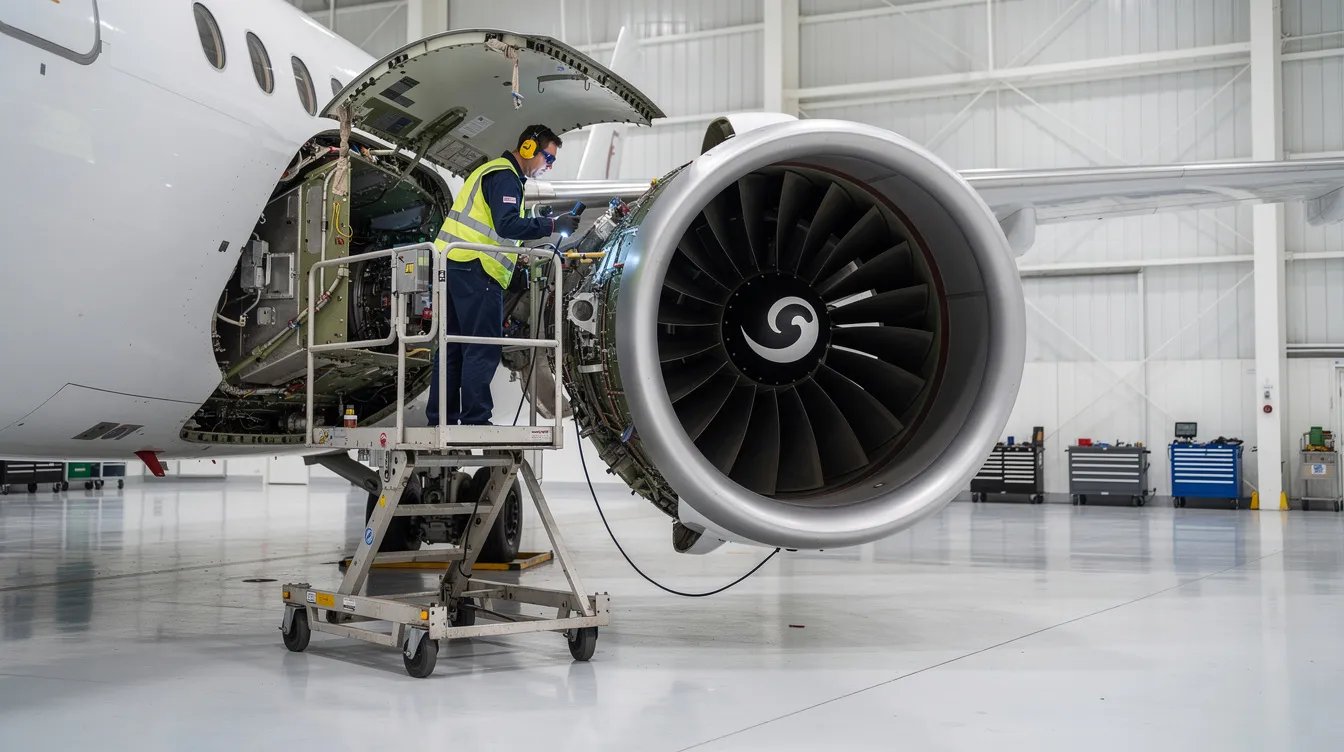
A pre-purchase inspection on an aircraft allows buyers to thoroughly investigate the mechanical and cosmetic condition of the aircraft, as well as its legal status, including FAA records.
Investing in a pre-purchase inspection can save buyers from unexpected expenses later, as it provides a comprehensive understanding of the aircraft's condition before finalizing the purchase.
Buyers should insist on a pre-purchase inspection to ensure they are aware of any necessary repairs before completing the transaction, as it is difficult to negotiate repairs after the sale is finalized.
Moving the aircraft to an independent, authorized service center is a step in verifying the aircraft's condition before purchase.
The buyer should choose the inspection facility, not the seller, and define the pre-buy scope in writing.
Typical work includes airframe review, engine borescope, logbook audit, avionics checks, STC verification, corrosion review, and upcoming maintenance analysis.
Great advice in the pre-buy inspection phase: do not guess, do not basically trust a bot, and do not rely on one person if the big-ticket items are unclear. If inspection finds $250,000 of imminent engine work, renegotiate the asking price, require repairs, or walk away before the sale—just as you would compare offerings from leading private jet companies and access models and survey the largest private jets for sale and their ownership implications before committing long-term.
Step 6: Close the Transaction, Register, and Plan Ongoing Operations
A Letter of Intent (LOI) is a formal offer detailing the price and key closing terms in an aircraft transaction. From that moment, the process becomes legal, financial, and operational.
A deposit of 10% of the purchase price is typically placed into a secure escrow account during aircraft acquisition.
Using an escrow account ensures secure transactions by routing payments through a neutral third-party service, and an escrow service helps protect both buyer and seller.
An aviation attorney is responsible for drafting the purchase agreement and ensuring compliance with registration laws.
A title search ensures the title is clear of liens through the aviation authority before transferring ownership, which is especially critical if you are targeting long-range private jets for nonstop international missions.
Technical acceptance involves signing off on the aircraft's physical and mechanical condition before finalizing the purchase.
For U.S. buyers, file FAA Aircraft Registration AC Form 8050-1 and Bill of Sale AC Form 8050-2 through the appropriate FAA aircraft registration process.
Confirm a clear title and current airworthiness certificate before final funds release, particularly when acquiring complex transport-category aircraft such as a Boeing 737 for private or corporate use.
A successful purchase also requires a post-closing plan: home base, hangar, pilots, management company, recurrent training, maintenance tracking, and sustainability. Draw a line between ownership and operations; buying the plane is only half the work.
Safety, Technology, and Sustainability: Operating Your Plane the Way BlackJet Clients Expect
High-net-worth owners increasingly expect airline-level discipline. BlackJet applies that same philosophy across vetted private jet access: safety certification, technology, real-time flight support, and carbon-neutral flights.
Require ATP-qualified, type-rated captains, recurrent simulator training, and documented crew standards.
Use maintenance tracking software, independent audits where relevant, and full compliance with airworthiness directives.
Prioritize modern avionics, digital scheduling, flight planning, satellite communications, and performance analytics, including understanding how private jet cruising altitudes compare to commercial flights for comfort and efficiency.
Offset carbon emissions for every flight, use sustainable aviation fuel where available, and optimize routing to reduce fuel burn, potentially incorporating affordable private plane rideshare models on suitable routes to improve both economics and sustainability.
Even if you remain asset-light with BlackJet, you benefit from a similar safety and sustainability framework without managing aircraft insurance, crew, or maintenance yourself.

When a Jet Card Beats Buying a Plane: How BlackJet Fits Into Your Strategy
BlackJet is for the traveler interested in access, not operational burden. If you fly 30–40 hours a year across North America, ownership may leave money trapped in a half-used asset. If your family splits trips between Europe and the U.S., one aircraft may be too limited, and for major events or corporate off-sites, you might instead evaluate charter costs for moving 100 passengers privately.
BlackJet’s 25-hour and 50-hour Jet Cards let you test mission patterns before committing to a purchase, purchase price bracket, or aircraft model. Members receive 24/7 digital booking, real-time support, consistent safety standards, and carbon-neutral flights without hangar fees, fuel planning, repairs, pilots, insurance, or downtime.
FAQ: Practical Questions About How to Buy a Plane
How long does it take to buy a plane from first search to closing?
A used aircraft purchase can close in 8–12 weeks if financing, inspection, and title work move cleanly. New factory aircraft can take 12–36 months, depending on the model and delivery line.
What is a typical pre-purchase inspection cost?
For light and midsize jets, a pre-purchase inspection often costs $25,000–$75,000, though larger aircraft can cost more. The cost is small compared with hidden corrosion, engine overhaul, or avionics surprises.
How do I estimate annual operating costs?
Add fixed costs, variable costs, financing, depreciation, tax planning, and reserves. Fuel, engine reserves, landing fees, crew, hangar, maintenance, and aircraft insurance all matter.
Do I need an aircraft management company?
If you do not want to manage pilots, maintenance, scheduling, compliance, and vendors, a management company is usually sensible. A capable manager can also help preserve value, and for some owners, a well-structured 25-hour Jet Card program replaces day-to-day management altogether.
Should I pay cash or use financing?
Cash can simplify a deal, but financing may preserve liquidity for business or investment uses. Aircraft loans require underwriting, collateral analysis, hull insurance, and proof that you can afford the aircraft.
Should I register the aircraft in my name or an entity?
Many owners use an LLC or corporate structure, but tax, liability, and regulatory issues are specialized. Consult aviation counsel and a tax advisor before registration.
Is buying better than a Jet Card?
If you fly 200+ hours annually with consistent routes, ownership may work. If your use is variable, BlackJet can help you buy a plane later-or avoid buying altogether-with a 50 Hour Jet Card cost and value framework and a broader Jet Card strategy built around flexibility, safety, and carbon-neutral private aviation.
Elevate your travel with discipline. Before you spend on ownership, speak with BlackJet about whether to purchase, lease, partner, or stay effortlessly asset-light through a Jet Card.
Conclusion: Making an Informed, Strategic Investment in Private Aviation
Buying a plane is a profound decision that extends beyond luxury—it is a strategic investment in your time, efficiency, and lifestyle. By carefully evaluating your mission profile, financial parameters, and ownership options, you position yourself to maximize the benefits of private aviation. Whether you choose sole ownership, fractional shares, lease arrangements, or a flexible Jet Card program like BlackJet’s, prioritizing safety, certification, sustainability, and technology will ensure your aircraft access aligns with your values and business goals, even if you ultimately favor top affordable private planes and entry-level options over flagship models.
BlackJet offers a unique bridge between full ownership and charter, delivering premier private jet access with seamless booking, rigorous safety standards, and carbon-neutral performance. This empowers discerning travelers to elevate their journeys without the complexities of managing an aircraft. Explore how BlackJet’s Jet Card programs can complement or even replace ownership, providing you with effortless, flexible, and responsible private aviation tailored to your brand and lifestyle.
Elevate your travel—effortlessly and strategically—with BlackJet. Discover how smart private jet access can reshape your approach to business and leisure travel, unlocking unparalleled convenience and prestige on your terms.


 Sign up with google
 Sign up with Apple