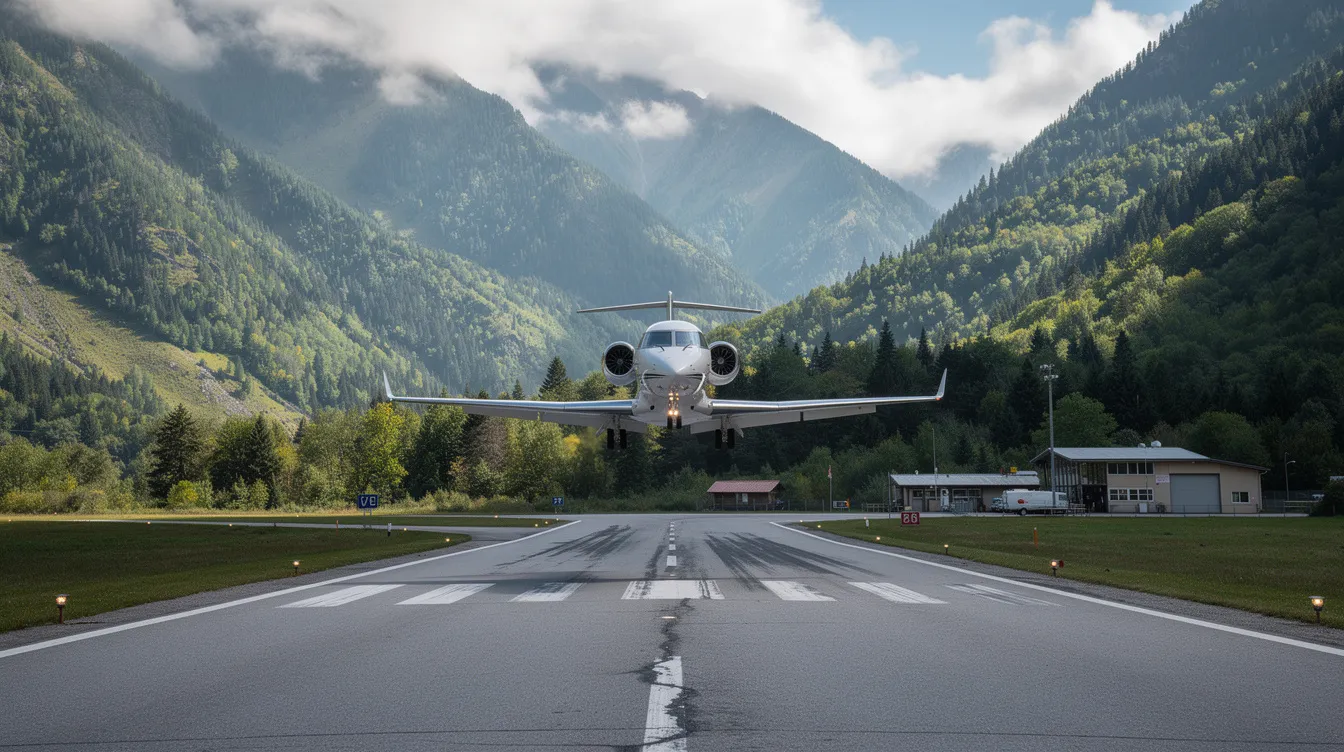
For high-net-worth executives, entrepreneurs, and families who treat time as their most valuable asset, flying private is less about luxury and more about leverage. While commercial first class confines you to hub airports and rigid schedules, a private aircraft unlocks direct routing to over 5,000 airports in the U.S. alone - roughly ten times what scheduled airlines serve. The result: hours reclaimed per trip, meetings taken in privacy at 45,000 feet, and the ability to reach destinations on your own schedule.
So how much is it to purchase a private jet? Most buyers in 2026 spend between $2 million and $80+ million, depending on aircraft size, age, and cabin configuration. But the purchase price is only part of the equation. Owners should expect $500,000 to $2,000,000+ per year in fixed costs and $1,000 to $5,500+ per flight hour in variable costs - a reality that surprises even seasoned buyers.
The global fleet now stands at approximately 24,900 active business jets, with the U.S. accounting for roughly 15,000 of those. New deliveries in 2026 are expected to reach around 880 aircraft at an average transaction value of $37 million per jet. For those who don't fly enough hours to justify owning a private jet outright, fractional ownership, jet cards, and charter access provide compelling alternatives.
This article breaks down purchase prices by aircraft class - from very light jets to large cabin flagships - covers the key drivers that move prices, details ongoing costs including hangar fees and crew salaries, and examines when alternatives make more financial sense than full jet ownership.
Key Takeaways
Purchasing a private jet in 2026 ranges widely from about $2 million for entry-level very light jets to over $75 million for large, ultra-long-range aircraft, with pre-owned options typically 20–50% less expensive.
Ownership involves substantial ongoing costs, including fixed annual expenses ($500,000 to $2 million+) and variable operating costs ($1,000 to $5,500+ per flight hour), making it most cost-effective for those flying 200+ hours yearly.
Key price drivers include aircraft size, age, maintenance history, program enrollment, avionics upgrades, and customization, all impacting purchase price and resale value.
Alternatives like fractional ownership, jet cards, leasing, and charter provide flexible access to private aviation without full ownership commitments, often better suited for lower annual flight hours.
Strategic private jet ownership balances mission needs, budget, and sustainability considerations, emphasizing safety certifications, fuel efficiency, and carbon offset programs for responsible luxury travel.
What Does It Cost to Buy a Private Jet Today?
The private jet market spans a remarkably wide price spectrum. Entry into the very light jet category starts around $2 million for a basic pre-owned aircraft, while flagship ultra-long-range jets push well past $75 million new. Here's a concise overview of 2025–2026 pricing by class:
Very light jets: roughly $2 million to $5 million new; $1 million to $3 million pre-owned
Light jets: approximately $3.5 million to $9 million new; $2 million to $6 million pre-owned
Midsize and super-midsize jets: about $5 million to $30 million new; $5 million to $20 million pre-owned
Large cabin and ultra-long-range jets: from $25 million to $75 million or more new; $15 million to $70 million pre-owned
Pre-owned jets typically cost 20–50% less than their new equivalents, depending on age, total flight hours, and whether the aircraft is enrolled in engine and airframe maintenance programs. Bespoke VIP-configured large jets or airliner conversions (Boeing BBJ, Airbus ACJ) can exceed $100 million once interior completion and extended-range modifications are factored in.
Beyond the sticker price, buyers should budget separately for taxes, legal fees, a pre-purchase inspection, and initial avionics or cabin upgrades - costs that often add several hundred thousand dollars to a few million. Private jet ownership becomes most rational for individuals or corporations flying 200–300+ flight hours annually. Below that threshold, alternatives frequently deliver better value per hour.
Typical Purchase Prices by Aircraft Class
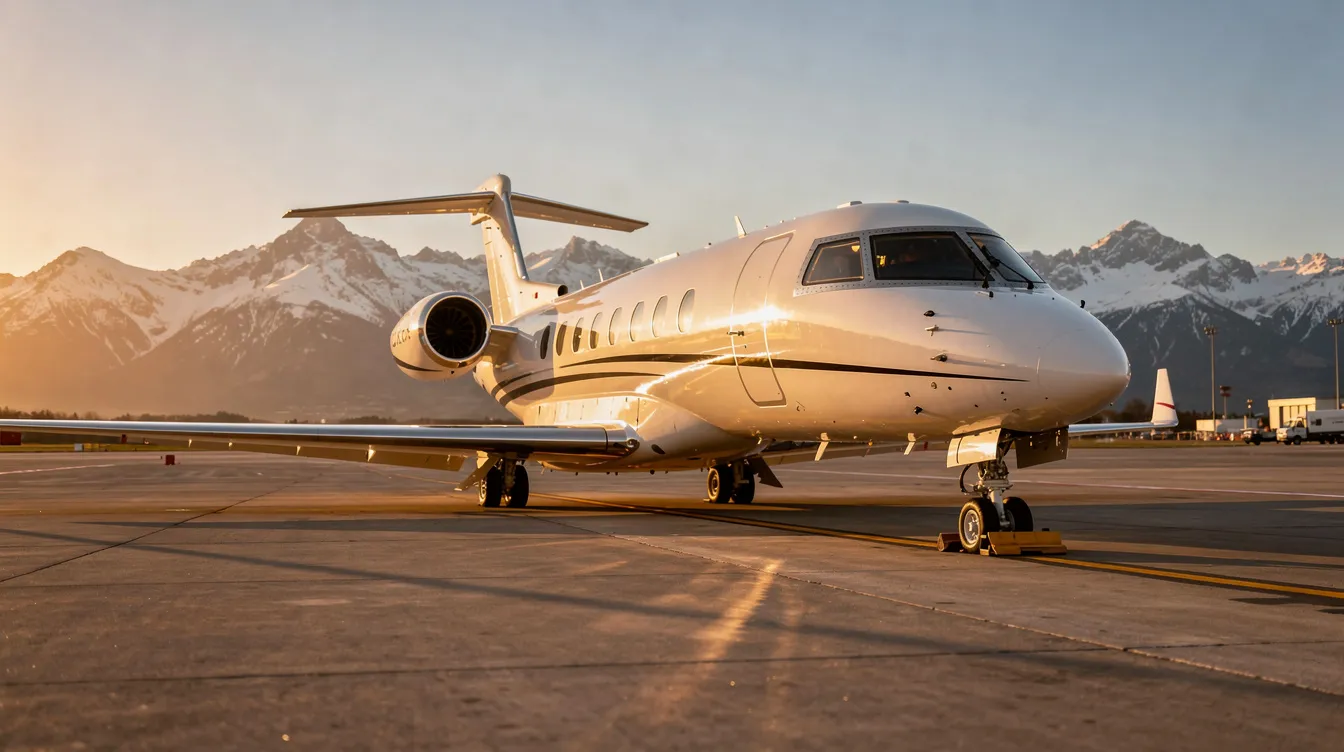
Realistic 2026 acquisition costs vary significantly across categories. Here are concrete model-by-model benchmarks that private jet owners and prospective buyers should know.
Aircraft Class | New Purchase Price Range | Pre-Owned Price Range | Typical Range (miles) | Notes |
|---|
Very Light Jets | $2 million to $5 million | $1 million to $3 million | ~1,200 to 1,500 | Single-pilot operation, entry-level private jets |
Light Jets | $3.5 million to $9 million | $2 million to $6 million | ~1,500 to 2,000 | Popular models: Citation CJ3+, CJ4, HondaJet |
Midsize & Super-Midsize Jets | $5 million to $30 million | $5 million to $20 million | ~2,000 to 3,500 | Includes Praetor 500/600, Citation Longitude |
Large Cabin & Ultra-Long-Range Jets | $25 million to $75+ million | $15 million to $70 million | 6,000 to 7,500+ | Gulfstream G650ER, Global 7500, Falcon 10X |
Pre-owned jets typically cost 20–50% less than new ones, influenced by aircraft age, maintenance records, and engine program enrollment.
Eight-seat private jets commonly cost between $3 million and $12 million new, with pre-owned examples from $3 million to $7 million, offering a balance of space and operating efficiency for families or small corporate teams.
Key Drivers That Influence Private Jet Purchase Price
Not all jets of the same class carry the same price tag. Here are the primary factors that move the purchase price up or down:
Manufacturer and model popularity: Demand for brands like Gulfstream, Bombardier, Dassault Falcon, and Cessna Citation keeps residual values strong. Popular models also ensure better parts availability and support infrastructure for operation worldwide.
Cabin size and range capability: A midsize jet that can fly longer distances - say 3,500 nautical miles nonstop - commands a premium over a short-range private plane. Large jets with 6,000–7,500+ nm range and spacious cabin layouts for 12–16 passengers sit at the top of the pricing hierarchy.
Airframe age, flight hours, and cycles: Newer aircraft with lower total hours and fewer pressurization cycles command a significant premium. Older jets are cheaper upfront but typically require more maintenance and carry looming inspection or overhaul costs.
Maintenance history and program enrollment: Aircraft enrolled in engine and airframe programs (JSSI, MSP, Rolls-Royce CorporateCare) can boost resale value by 10–25%. Full logs, recent inspections, and clean maintenance status reduce buyer risk, and a pre-buy inspection before closing adds another layer of protection within a broader understanding of the private jet price list and cost structure.
Avionics, connectivity, and cabin upgrades: Modern glass cockpits, ADS-B/FANS compliance, and inflight connectivity (including Starlink installations) add hundreds of thousands of dollars annually in value. Luxury amenities and interior quality matter, but don't always translate dollar-for-dollar into resale.
Delivery position and market timing: Short delivery slots for in-demand new models can push prices above list. Conversely, oversupply in certain pre-owned jet segments can create bargains for opportunistic buyers.
Customization: Bespoke interiors, premium materials, and special paint schemes can add several million dollars to a new large jet, but highly personalized choices may not appeal to the next buyer.
Regulatory and sustainability trends: Increasing noise restrictions, emissions requirements, and fuel efficiency standards are shifting demand toward newer-generation aircraft. Older, thirstier models face declining access to certain airports and jurisdictions, which suppresses their values.
Ongoing Costs of Jet Ownership: Beyond the Purchase Price
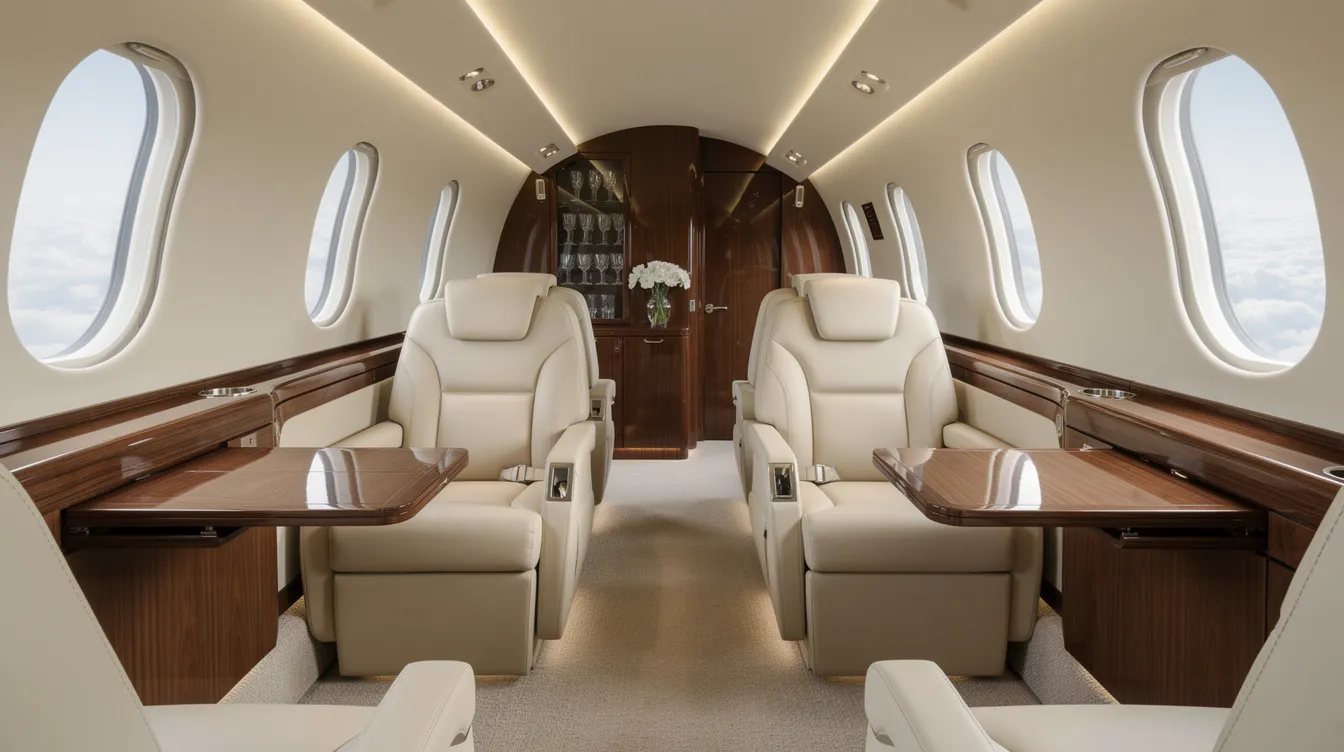
Buying the jet is often less than half of the total financial commitment over a five-to-ten-year ownership horizon. The recurring costs of owning a private jet deserve as much scrutiny as the original aircraft price.
Fixed Annual Costs
These accrue whether or not the aircraft flies a single mile:
Hangar fees typically range from $1,500 to $3,000 per month - roughly $18,000 to $36,000 annually at regional airports, and up to $100,000+ at premium locations. Heated or climate-controlled hangars at major metros sit at the high end.
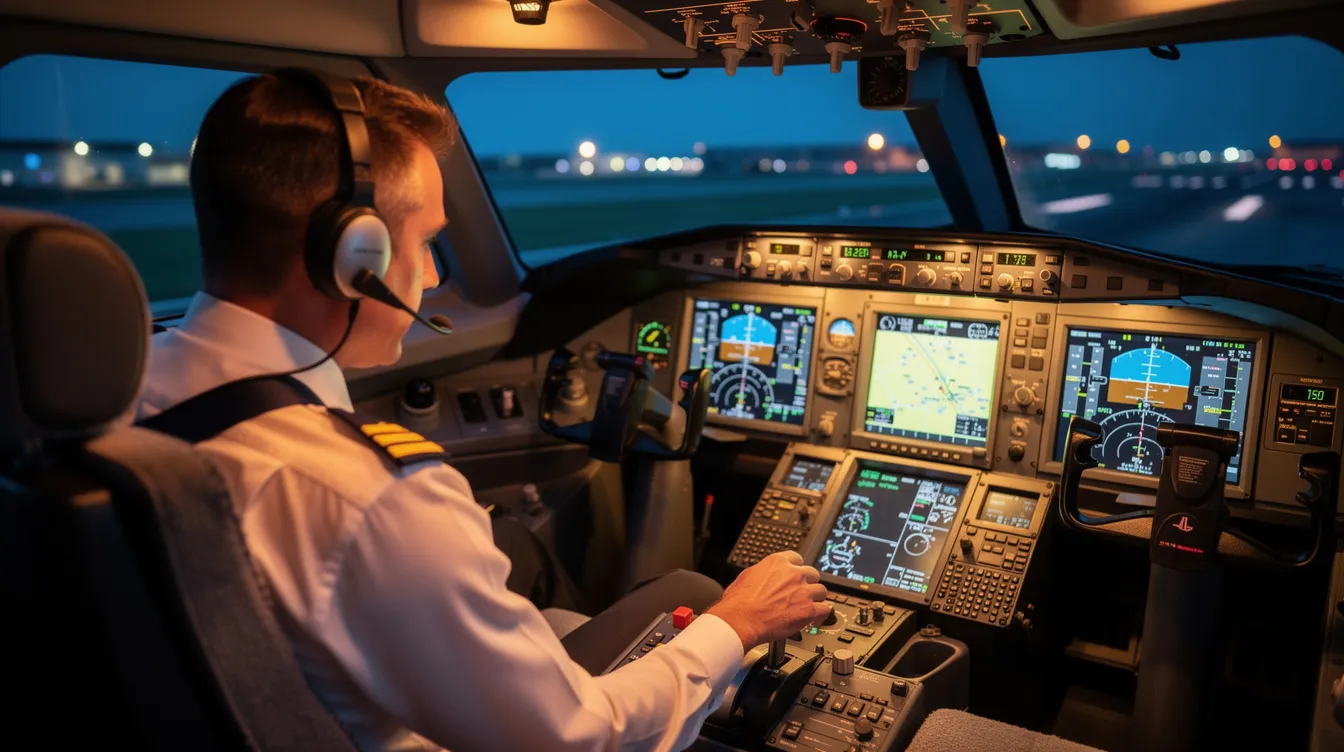
Crew salaries: crew costs for a captain and first officer run $200,000 to $500,000+ annually, depending on aircraft type, experience, and whether cabin attendants are needed for larger aircraft. Pilot workload on complex heavy jet types often commands premium compensation.
Private jet insurance: costs range from $20,000 to $300,000 annually, typically calculated at 1–3% of hull value. Larger aircraft with higher insured values naturally carry steeper premiums.
Management and subscriptions: flight planning, safety monitoring, and concierge services range from $10,000 for basic support up to $250,000+ for full turnkey aircraft management.
Annual recurring costs for jet operations range from $500,000 to $1,000,000 for most jets in the light to midsize category before a single variable dollar is spent.
Variable Operating Costs Per Flight Hour
Light jets: roughly $1,000–$1,500 per flight hour (fuel, routine maintenance, landing fees, handling)
Mid-size jets: typically $2,000–$3,500 per hour
Large cabin jets: often $2,700–$5,500+ per hour, with higher fuel costs representing the single largest variable cost
Fuel prices remain the dominant swing factor. A light jet may burn approximately 150 gallons per hour, while a heavy jet consumes several hundred. Mission profile, routing efficiency, and global Jet-A pricing all influence the per-flight-hour fuel component significantly.
Maintenance and Reserves
Routine maintenance costs about 2% of the aircraft's original price annually. Annual maintenance costs for a midsize jet range from $1.25 million to $1.5 million once maintenance reserves and engine program contributions are included. Engine overhauls alone can run $1 million to $2 million per engine, depending on model, and unplanned maintenance events can spike costs further. Budgeting for these as part of your maintenance reserves is essential.
Some jet owners offset a portion of their fixed costs by placing the aircraft on a charter certificate when not in use, though this increases utilization and wear. Others explore strategies to fly private more cheaply, combining charter, memberships, and empty-leg opportunities to manage budget without sacrificing flexibility. Thoughtful private jet owners also increasingly budget for carbon offsets or sustainable aviation fuel contributions as part of a broader sustainability strategy - a growing expectation among frequent flyers and corporate boards alike.
When Does Full Ownership Make Sense vs Alternatives?
The decision between full private jet ownership and alternative access models comes down to two variables: annual flight hours and the premium you place on control - over scheduling, branding, security, and cabin experience.
Full Ownership
Typically becomes financially logical around 200–250 flight hours per year for light and midsize aircraft, and 300+ hours for large jets. Owners enjoy dedicated availability, complete customization, and the ability to fly on their own schedule. But the ongoing costs and capital exposure are substantial.
Fractional Ownership
Fractional ownership allows shared aircraft ownership with defined usage hours. Buyers purchase a share - commonly 1/16 to 1/2 - corresponding to a set number of hours per year, often 50–400. They pay an upfront share cost, a fixed monthly management fee, and an hourly flight rate. This model suits those flying moderately (50–200 hours annually) who want guaranteed access without the full capital commitment of owning a private plane, and it requires understanding fractional jet ownership depreciation to evaluate long-term economics.
Jet Cards
Jet cards offer prepaid blocks of flight hours (typically 25–50+ hours) at fixed, often all-inclusive hourly rates. They are ideal for travelers who value cost certainty and simplicity without long-term contracts or asset exposure. Private flight clubs offer booking on various jets at set rates, and many jet card programs let users switch between light jets and large jets according to each trip's requirements; a solid grasp of jet card pricing structures and benefits is crucial when comparing programs.
On-Demand Charter
Chartering offers private aviation without ownership commitments - a pay-per-trip model best suited for occasional flyers below roughly 50–75 hours per year. Charter access provides flexibility to choose the aircraft type each time, but without guaranteed fixed pricing, and many travelers start by learning how to buy a seat on a private jet through shared or semi-private charter options.
Leasing
Leasing provides access to jets without long-term maintenance costs or depreciation risk, serving as a middle ground between charter and full ownership. Operating and finance leases (dry vs. wet) offer dedicated access with less upfront capital, while some buyers instead choose fractional programs that come with meaningful tax benefits of fractional jet ownership.
Consider a scenario: a CEO flying from New York to London 25 times per year, plus regional trips, may justify a large jet or a substantial fractional share. A family doing 10–15 leisure trips annually is often better served by jet cards or charter.
Choosing the Right Jet for Your Budget and Mission
Selecting the perfect aircraft requires matching aircraft capabilities to your real-world travel patterns - not aspirations. Consider:
Trip length: Regional hops under 1,000 miles favor very light jets and light jets. Transcontinental routes call for a midsize jet. Intercontinental missions demand larger aircraft that can fly longer distances nonstop.
Passenger count: Two to four travelers fit comfortably in most light jets. Six to eight passengers are well-served by midsize aircraft. Groups of 10–14 require large cabin jets with a spacious cabin and separate zones for rest and work.
Airport access: Key advantages of smaller aircraft include the ability to access smaller airports with shorter runways. Certain Dassault Falcon jets and smaller Cessna Citation models excel at short-field performance.
Cabin experience: Stand-up height, flat beds, connectivity, and separate crew rest areas matter for long flights and high-utilization corporate operations.
For frequent short regional flights, a new light jet like the HondaJet or Citation CJ4 delivers excellent value. Larger families or corporate teams often look to midsize jets such as the Citation Latitude or Embraer Praetor series. Long-range flagships - Bombardier Global, Gulfstream G600/G700, and larger Dassault Falcon models - are justified when nonstop intercontinental capability and premium cabin comfort are essential.
Prospective buyers should evaluate not just the purchase price but the 5–10-year total cost of private jet ownership, including depreciation, maintenance costs, hangar fees, crew, and expected flight hours. Working with trusted advisors - aeronautical, legal, tax, and safety experts - to structure ownership entities, negotiate purchase contracts, and arrange professional management focused on safety and regulatory compliance is not optional; it's foundational.
The smartest approach to private aviation often involves combining ownership, fractional ownership, jet cards, and charter access in a way that aligns with your usage profile, financial strategy, and expectations for both safety and sustainability.
FAQs: Private Jet Prices, Ownership, and Alternatives
How much does the cheapest private jet cost? Entry-level very light jets like the Cirrus Vision Jet start around $2 million new. Certain pre-owned aircraft - such as older Eclipse 500s - can trade below $1.5 million, though buyers should expect compromises in avionics currency, parts support, and cabin size.
What is the total annual cost to own a private jet? For a light jet flown 200 thousand dollars annually per year, expect roughly $500,000–$900,000 in total annual costs. A midsize jet at similar utilization runs $1 million to $1.5 million. Large cabin jets flown 300+ hours can cost $1.5 million to $2.5 million or more annually - with crew costs, fuel, maintenance reserves, and insurance as the primary drivers, each potentially running tens of thousands of dollars annually.
How many private jets are there in the world, and does that affect pricing? There are approximately 24,900 active business jets globally. Supply-demand dynamics matter: when pre-owned inventory tightens - as it did post-COVID - values for well-maintained midsize and large jets rise. When inventory expands in a given class, prices soften.
Is it cheaper to buy new or pre-owned? Pre-owned acquisition costs are lower, but factor in the cost of a pre-purchase inspection, including a pre-buy inspection ($50,000–$300,000+ for large jets), potential avionics upgrades, cabin refurbishment, and the risk of deferred maintenance. New jets carry premium pricing but come with warranties and current technology.
What are hangar fees, and can I avoid them? Hangar fees cover indoor aircraft storage at airports. Ranges vary by location: $1,500–$3,000 per month at regional fields, significantly more at major metropolitan airports. Outside parking is cheaper but exposes the aircraft to weather, accelerating wear.
How do jet cards differ from fractional ownership? Jet cards involve prepaid hours with no asset purchase and minimal commitment - ideal for 25–100 hours annually. Fractional ownership requires buying a share of a specific aircraft, committing to monthly fees, and typically suits 50–400 hours per year with more predictable access. Evaluating the best jet cards for frequent flyers helps clarify which structure aligns with your flying habits and budget.
How do flight hours and engine programs affect resale value? Lower total flight hours and enrollment in recognized engine programs (MSP, JSSI) make an aircraft easier to sell at a higher price. Buyers pay a premium for jets with clean records and predictable future maintenance costs. High-hour older jets without program coverage often sell at steep discounts, and broader insights into how many private jets are in the world provide useful context on supply-demand dynamics.
What safety and sustainability factors should I look at when buying a jet? Evaluate operator certifications (IS-BAO, ARG/US, Wyvern), pilot training standards, and maintenance audit histories. On the sustainability front, consider newer-generation engines with lower emissions, availability of sustainable aviation fuel at your primary airports, and programs for carbon offsets. Empty-leg flights can offer up to 75% off regular charter costs while also reducing the environmental footprint by filling otherwise empty repositioning legs and are a core tactic in many guides to flying private cheaply while remaining responsible.
Conclusion: Elevate Your Travel with Strategic Private Jet Ownership
Purchasing a private jet in 2026 represents more than an acquisition of luxury—it is a strategic investment in time, flexibility, and unparalleled convenience. For those flying 200 hours or more annually, full ownership delivers unmatched control over scheduling, aircraft customization, and privacy. Yet, the decision to buy should be balanced against substantial ongoing costs and operational responsibilities, including maintenance, crew, insurance, and sustainability commitments, especially at the top end of the market where billionaire private jet price trends in 2026 illustrate just how far pricing and customization can go.
Alternatives such as fractional ownership, jet cards, leasing, and on-demand charter offer tailored solutions for varying travel frequencies and budgets, enabling access to private aviation without the full financial and logistical burdens of ownership. For many, a 50-hour jet card cost and value analysis is a practical starting point when comparing flexible access options. Whichever path you choose, prioritizing safety certifications, modern technology, and carbon-neutral initiatives ensures your private jet experience aligns with today’s highest standards of responsible luxury travel.
Discover how BlackJet’s premium private jet services can help you navigate the complexities of private aviation, offering seamless access to premier aircraft and bespoke services that elevate every journey, including flexible options like the BlackJet 25+ Hour Jet Card. Your skies. Your schedule. Your standard.


 Sign up with google
 Sign up with Apple