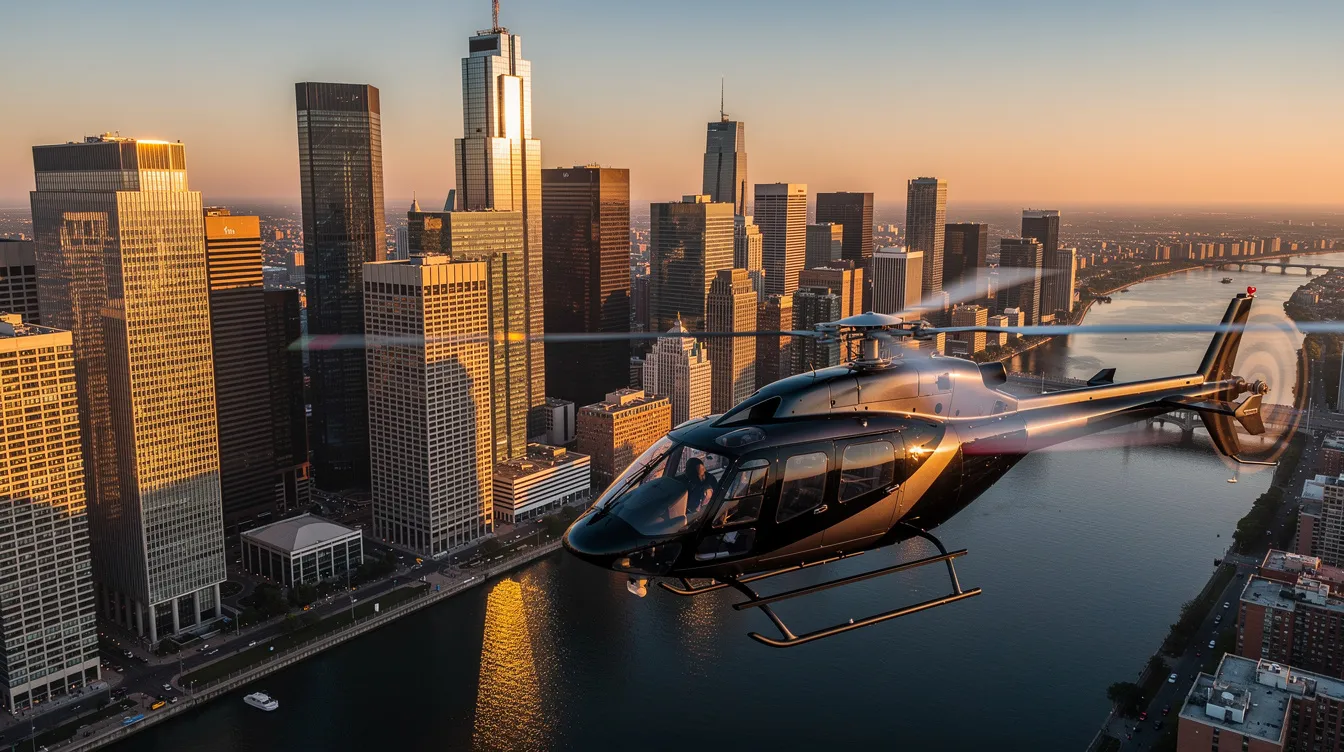
Running a helicopter is one of the most expensive propositions in private aviation. Whether you're weighing ownership for personal use or evaluating commercial operations, the numbers below will help you plan a realistic budget - and understand why many discerning travelers ultimately choose private jets instead.
This guide is designed for prospective helicopter owners, business travelers, and aviation enthusiasts who want a clear understanding of the real costs involved in helicopter operation. Knowing these costs is crucial for making informed decisions about ownership, charter, or alternative travel strategies.
Quick Answer: Typical Per-Hour Helicopter Operating Costs
So how much does it cost to run a helicopter per hour? The short answer: expect to pay anywhere from $400 per hour for a light piston model flown frequently, to well over $3,000 per hour for a twin-engine VIP aircraft. Helicopter operating costs vary significantly based on model and usage, and the hourly figure you see quoted often depends on what's included.
A fully burdened per-hour cost accounts for fuel, maintenance costs (scheduled and unscheduled), engine and component overhaul reserves, insurance, hangar or parking fees, and crew. When all of these are calculated honestly, the total cost climbs well beyond what most first-time buyers expect.
Volume changes the math dramatically. A private owner flying 150 flight hours per year absorbs fixed expenses across fewer hours, pushing effective cost upward. A commercial operator logging 600 600 hours annually spreads those same fixed costs more thinly - but accelerates wear on life-limited components.
Here are realistic per-hour ranges for popular models in 2026:
Robinson R44 (piston, owner-flown): $700 6$1,200 per hour fully burdened at 100 6150 hours per year
Airbus H125 / AS350 (single turbine): $1,400 6$2,400 per hour at 250 hours per year
Bell 407 (single turbine, utility/VIP): $1,600 6$2,800 per hour depending on mission
Leonardo AW109 (light twin, VIP): $2,500 6$4,000+ per hour at 300 hours per year
Notably, helicopter costs per hour generally exceed comparable private jets on similar stage lengths - a fact that shapes how many BlackJet clients structure their travel.
What Drives Helicopter Operating Costs?
Beyond the purchase price - helicopter prices range from $500,000 to $5 million for single-engine models, and twin-engine helicopters can cost between $5 million and $10 million - the ongoing expenses are substantial. Helicopter size and capacity significantly influence its cost, and single-engine helicopters are generally more affordable than twin-engine ones. Light utility helicopters cost between $500,000 and $1.5 million, while mid-sized helicopters cost between $1.5 million and $5 million.
Operating a helicopter involves both fixed and variable operating costs. The main cost drivers include:
Fuel (the highest variable cost)
Maintenance, overhauls, and component reserves
Insurance (hull and liability)
Hangar or tie-down fees
Pilot and crew salaries
Helicopter training, recurrent currency, and type ratings
Regulatory fees, annual inspections, and airworthiness compliance
Major components like engines and transmissions require overhaul reserves due to strict life limits - rotor systems, gearboxes, and turbine engines must be overhauled or replaced every 2,000 6,000 hours or at fixed calendar intervals. Unlike cars, a helicopter's resale value is tied directly to remaining component life. Variable costs accumulate with flight hours, and helicopter operating costs can exceed initial purchase costs over the aircraft's lifespan.
Fuel Costs and Average Fuel Price: The Most Visible Per-Hour Expense
Fuel cost varies by engine type, mission profile, and the average fuel price in your region. In 2026, Avgas and Jet A prices in North America and Europe have hovered around $6 6$9 per US gallon. Fuel is often the highest variable cost in helicopter operation.
Concrete consumption and cost examples:
Robinson R44 (piston, Avgas): piston helicopters consume 8 to 18 gallons of aviation gasoline per hour. The R44's fuel consumption is up to 50 litres per hour (roughly 13 615 US gallons), yielding approximately $100 6$150 per hour in fuel.
Airbus H125 / AS350 (single turbine, Jet A): turbine helicopters consume 35 to 120 gallons of jet fuel per hour. The H125's fuel consumption can reach 200 litres per hour (roughly 45 653 US gallons), translating to about $300 6$450 per hour in fuel.
Mid-size twin (Leonardo AW109): burns 60 680 gallons per hour of Jet A, producing fuel expenses of $400 6$700+ per hour
Frequent start-stop city operations - short VIP hops with repeated takeoffs, landings, and hover time - increase fuel burn per mile even when the per-hour rate looks manageable. Charter pricing often tracks local Jet A or Avgas indices, so helicopter charter rates can shift year to year as the average fuel price moves.
Maintenance Costs and Overhaul Reserves
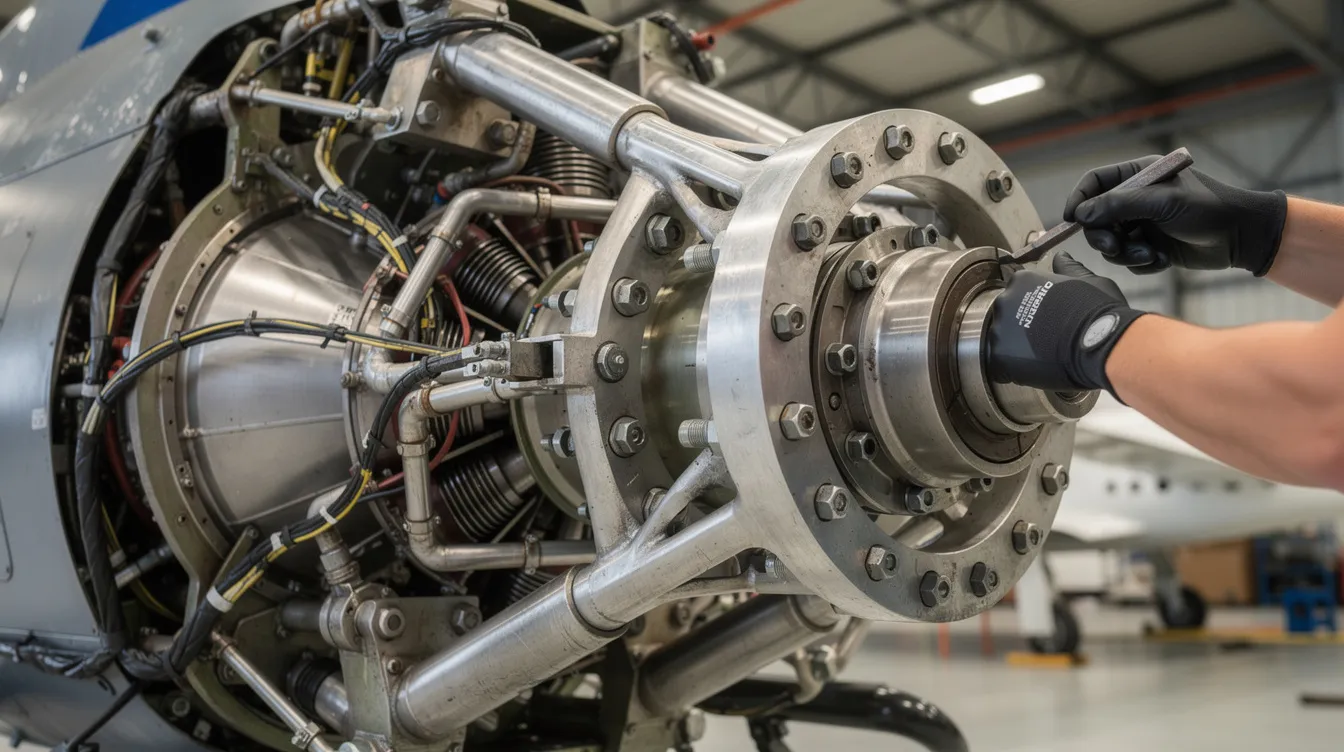
Maintenance is typically the largest long-term expense in helicopter operation, often exceeding fuel when component reserves are included. Routine maintenance includes inspections and minor repairs, but the real budget pressure comes from major overhauls of engines, rotor heads, gearboxes, and driveshafts - overhauls of major components can cost tens of thousands of dollars each, and while a used helicopter may cost half as much as a new one, it can also bring higher maintenance risk.
Operators set aside a fixed dollar amount per flight hour - called "overhaul reserves" - to fund these mandatory events. According to RotorPulse, many published cost figures omit reserves entirely, leading owners to underestimate their true expenses.
Per-hour and annual examples:
Robinson R44: annual maintenance for a Robinson R44 is about $40,000. Combined routine maintenance and reserves often total $250 6$350 per hour.
Airbus H125: Airbus H125 maintenance costs can reach $120,000 annually. Full maintenance programs push the hourly rate to $800 6$1,200 when reserves are included.
Larger twins (Sikorsky S-76 class): can exceed $2,000 per flight hour in maintenance and reserves alone.e
Calendar-based items - 12-year rebuilds on Robinson models, major inspections at 5, 10, or 12 years - can create lump-sum bills of $200,000 6$500,000+, which must be smoothed as per-hour reserve. Reputable operators follow strict manufacturer schedules and third-party safety audits. This is precisely why BlackJet insists on top-tier maintenance and safety certification for any aircraft used in our clients' itineraries.
Insurance, Hangar, and Fixed Ownership Costs
Fixed operating costs include insurance and hangar fees - expenses you pay whether or not the helicopter flies. Fixed costs remain constant regardless of flight hours, and they disproportionately punish low-utilization owners.
Typical annual insurance costs:
Hull insurance for a light helicopter (R44 or similar) costs up to $30,000 yearly. Aviation insurance typically covers both hull and liability risks, and aviation insurance premiums are influenced by the aircraft's value and pilot experience
Liability insurance ranges from $3,000 to $10,000 per year for private operations
Commercial VIP or offshore operations can see $40,000 6$80,000+ annually
Hangar and parking expenses:
Rural US airports: $800 6$1,500 per month for hangar space. Hangar rental for helicopters can vary significantly based on location
Urban heliports or high-demand fields: $2,000 6$3,500+ per month
Storage costs for helicopters vary based on whether it's inside a hangar or tied down outside - outdoor tie-downs are cheaper but expose the aircraft to weather and security risk.
Additional recurring costs include navigation subscriptions, safety equipment recertification, and compliance with FAA or EASA requirements. Annual inspections are mandatory for helicopters to maintain airworthiness. For an owner flying only 50 6100 hours per year, these fixed costs easily add $300 6$800 per flight hour when allocated - a figure that makes helicopter pricing look far less attractive than chartering or using Jet Cards.
Pilot and Crew Costs: What a Helicopter Pilot Really Costs
Safe helicopter operation requires a professional helicopter pilot, and in complex operations - IFR twin-engine, EMS, offshore - a second pilot or additional crew may be mandatory. Pilot salaries can add significantly to the total cost of helicopter operation.
Salary ranges in 2026:
Helicopter pilots earn between $60,000 and $120,000 annually for most roles. New helicopter pilots start with salaries of $30,000 to $50,000
Private or VIP helicopter pilot positions in North America typically pay $80,000 6$150,000 per year
EMS and offshore jobs generally pay the highest salaries, often exceeding $150,000. The median annual wage for commercial pilots was $122,670 in 2026, and job growth for pilots is projected at 4% from 2026 to 2036
Translating into per-hour cost: at 200 6300 hours per year of actual flight time, pilot compensation adds $300 6$600 per flight hour once benefits, training, and downtime are included. Twin-engine or IFR operations requiring a second pilot effectively double this figure.
By contrast, BlackJet's Jet Card structure and dedicated 25+ Hour Jet Card program bake pilot and crew costs into a single transparent hourly rate, so members never manage salaries, training, or benefits directly.
Total Annual Budget: Realistic Scenarios by Helicopter Type
Here's what helicopters cost over a full year - not just per hour - across three common ownership scenarios.
Scenario 1 - Light piston for personal use (Robinson R44, 100 hours/year): Annual total: $80,000 6$120,000 including fuel, maintenance, hangar, insurance, and reserves. Blended cost per hour: $800 6$1,200. Oil changes, routine maintenance, and insurance consume the budget even during months you don't fly.
Scenario 2 - Single-engine turbine, mixed use (Airbus H125, 250 hours/year): Annual range: $350,000 6$600,000. Per hour fully burdened: $1,400 6$2,400. This model suits operators who fly helicopters for both business transportation and personal missions.
Scenario 3 - Twin-engine VIP (Leonardo AW109, 300 hours/year): Annual budget: $800,000 6$1.5 million+, reflecting higher maintenance reserves, dual-pilot crew expenses, and premium insurance. All-in cost per hour: $2,500 6$4,000+.
These figures are illustrative 2026 values for North America and Europe. Local taxes, landing fees, and mission profile can push costs higher. For context, private plane rates for mid-size jets often fall in a comparable hourly range while delivering far greater speed and range, and broader private jet price lists across aircraft categories show why jets often deliver better value per mile than helicopters.

Helicopters vs Private Jets: Which Is Smarter for Your Missions?
The strategic trade-off is straightforward: helicopters excel at point-to-point access - city centers, yachts, remote sites - while private jets dominate for speed, comfort, and cost-efficiency on regional and longer legs.
Mid-size and large helicopters can cost per hour roughly the same as, or even more than, light and mid-size jets once maintenance reserves and twin-engine crew requirements are factored in, especially when you compare them with typical private jet rental costs on similar regional routes. But jets move passengers 2.64 times farther in the same hour, fundamentally shifting the value calculus for frequent travelers.
Consider a sample executive itinerary: a helicopter shuttle from Manhattan to Teterboro (10 minutes, ~$2,500), then a BlackJet mid-size jet from Teterboro to Chicago (under two hours). Many BlackJet clients use helicopters only for these short first-mile segments while relying on 25-hour or 50-hour Jet Cards for longer sectors, leveraging some of the best jet card programs for frequent flyers to lock in predictable jet pricing. Jets also operate with fewer weather limitations, larger cabins, and smoother rides at altitude.
Alternatives to Owning a Helicopter: Charter, Jet Cards, and Hybrid Strategies
Many readers are evaluating whether to purchase a helicopter, charter occasionally, or rely on private jets with rotary support when needed.
On-demand helicopter charter eliminates fixed ownership costs. Sample 2026 rates from major cities (New York, London, Los Angeles) run $1,800 6$3,500+ per helicopter flight hour, but availability and variable pricing remain constraints, much like on-demand private jet charter where pricing shifts with aircraft type, routing, and demand.
BlackJet Jet Card programs control costs on the jet side of travel. Our 25- or 50-hour cards lock in hourly jet rates across cabin classes and include crew, fuel, and carbon-neutral offsets as standard, with jet card cost per hour remaining predictable even as fuel and demand fluctuate. Members can coordinate helicopters for short-range hops without absorbing maintenance or insurance risk personally.
Hybrid strategies often deliver the best economics for high-net-worth individuals, especially when you understand how jet card pricing structures work:
Own a light helicopter for very local flying; use BlackJet Jet Cards for regional and international missions
Skip ownership entirely and combine jet card hours with occasional on-demand helicopter charter through a premium private jet card provider like BlackJet - often cheaper than operating a helicopter only 50 6100 hours per year.
BlackJet's focus on safety, sustainability (carbon-neutral flights included), and technology (24/7 digital booking, real-time support) removes the operational burden that helicopter ownership demands.
Frequently Asked Questions About Helicopter Operating Costs
How much does it cost to run a helicopter per hour in 2026?
Fully burdened costs range from $700 6$1,200 per hour for a light piston model like the Robinson R44 to $2,500 6$4,000+ for a twin-engine VIP aircraft like the AW109. The exact figure depends on how many hours you fly annually, your location, and your model.
What are the hidden helicopter costs new owners underestimate?
Most students of helicopter ownership focus on fuel and purchase price but overlook overhaul reserves, calendar-based component replacements, and the insurance premium impact of pilot experience. These hidden expenses can double the budget you initially plan for.
How much does helicopter training cost?
Private helicopter pilot training costs around $30,000 on average, and the private pilot certificate is the first step for personal use, though it does not allow a pilot to earn money. Flight time for a private certificate averages 50 to 60 hours. Commercial helicopter pilot training adds $25,000 to $35,000, an instrument rating costs approximately $18,000 to $22,000, and checkride fees typically cost around $950 per attempt. Total costs for becoming a commercial pilot range from $70,000 to $90,000 - an investment that takes most students several months to complete. The course of flight training is demanding, and aspiring pilots should expect to dedicate serious time before they can afford to operate professionally as an instructor, with teaching often serving as a practical way to build flight hours, or in commercial services.
How do helicopter costs compare with private jet costs?
On a per-mile basis, helicopters are significantly more expensive because they fly at 120 6160 knots versus 400 6500 knots for jets. A mid-size jet's hourly rate often falls in a similar range to a twin-engine helicopter's hourly rate - but covers two to four times the distance. For travelers who hope to maximize value and determine the most efficient transportation, jets win on virtually every route beyond 100 miles; exploring the cheapest private jet options shows how entry-level jets can undercut helicopters on many missions.
Is it cheaper to lease or own?
If you fly fewer than 150 6200 hours per year, the break-even economics rarely favor ownership. Charter or Jet Card access lets you avoid the fixed overhead of insurance, hangar, and pilot salaries that you'd otherwise pay regardless of whether the helicopter sits idle. You profit from flexibility without the minimum commitment that ownership demands.
Conclusion: When Does Running a Helicopter Actually Make Sense?
Helicopter operating costs per hour are substantial - often reaching $1,000 6$3,000+ when fuel, maintenance, insurance, hangar, and helicopter pilot expenses are fully included. Ownership is most financially rational when the aircraft is flown heavily for specialized missions such as EMS, offshore, or utility work, or when a specific landing requirement justifies the premium that no other aircraft can deliver.
For most business and luxury travelers who primarily need fast regional and long-haul travel, private jets accessed via BlackJet's Jet Card programs deliver more range, comfort, safety assurance, and predictable cost than owning and operating helicopters. Our programs wrap crew, fuel, carbon-neutral performance, and upgrades into a single transparent hourly rate - no reserves to manage, no annual inspections to track, no hangar lease to negotiate.
Explore how BlackJet can structure a travel strategy that combines private jets and, when needed, chartered helicopters - giving you the flexibility of rotary-wing access without the full burden of helicopter ownership costs, especially when you understand what it costs to charter a small private plane versus running a helicopter yourself. The future of your travel should be seamless, not stressful.


 Sign up with google
 Sign up with Apple