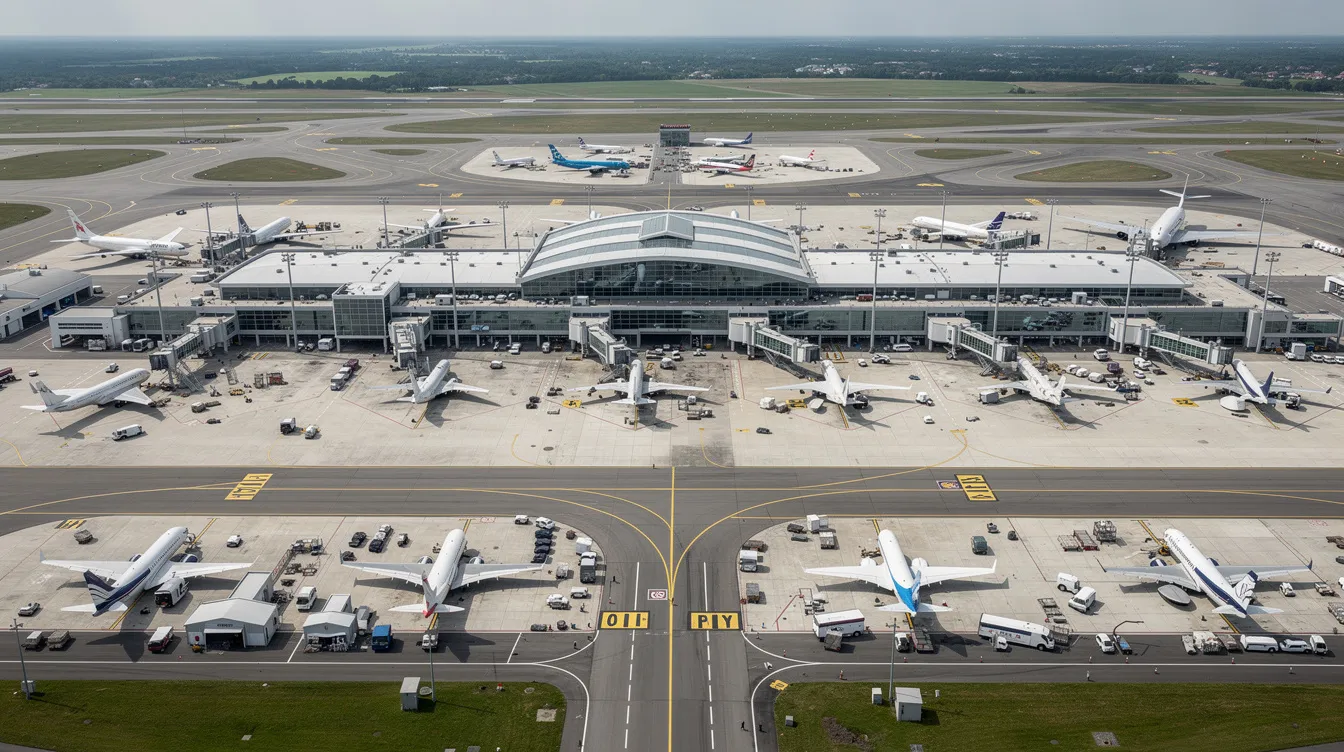
Have you ever wondered just how many planes are in the world—and why that number matters for travelers seeking private jet access? This article provides a comprehensive look at the total number of aircraft globally, explicitly covering commercial airliners, private jets, military aircraft, and general aviation vehicles. Our target audience includes travelers interested in private jet access, whether you’re a seasoned private jet traveler, considering Jet Card membership, or simply curious about the scale of global aviation. Understanding the size and composition of the world’s fleet is essential for making informed decisions about flexibility, safety, and convenience. For travelers, knowing how many planes exist—and which are available for charter—can help you navigate airspace congestion, airport access, and the overall travel experience. The sheer number of planes in the sky impacts everything from scheduling to safety, making it a crucial consideration for discerning flyers.
Quick Answer: How Many Planes Are in the Sky Right Now?
If you have ever wondered how many planes there are in the world, the short answer is staggering. The global commercial fleet comprises 35,550 aircraft as of June 2025, with over 35,000 active commercial airline aircraft in service globally. But commercial airliners are only one page of the story. Factor in business jets, cargo freighters, military aircraft, and general aviation, and the total number of planes in operation is likely over 400,000. The total aircraft count worldwide, including all types, is estimated to be over 425,000.
At any given moment, between 12,000 and 14,000 commercial aircraft are airborne simultaneously. At peak times, over 24,000 commercial flights are tracked by platforms like Flightradar24. On record-setting days—such as July 6, 2023, when over 134,000 flights were logged globally—the skies become a dense, complex web of air traffic stretching across continents. These figures include commercial airliners, cargo haulers, private jets, and business aircraft, though publicly reported statistics typically focus on scheduled commercial flights.
In contrast to this congestion, private aviation offers a controlled, flexible alternative. For BlackJet Jet Card members, the crowded commercial system becomes virtually irrelevant—replaced by point-to-point travel on your terms.
How Many Planes Are There in the World? Global Fleet by Category
When people ask how many planes exist, the answer depends on what you count. Here’s a breakdown of the global fleet by major category for 2025:
Commercial Aircraft
Private Jets and General Aviation
Military Aircraft
Summary Table: Global Aircraft Fleet (2025 Estimates)
Category | Estimated Number of Aircraft |
|---|
Commercial Airliners | 35,550 |
Private Jets | 23,000–24,270 |
General Aviation (incl. helicopters, single-prop planes) | 340,000–440,000 |
Military Aircraft | 53,000–53,250 |
Total (all types) | 425,000+ |
These figures shift constantly—new deliveries arrive, older airframes are pulled from service, and aircraft move between active duty and storage. For travelers, what matters most is the share of modern, efficient aircraft available for charter or Jet Card access, which depends heavily on understanding the broader private jet price list and access models.
How Many Planes Are in the Air at Any Given Time?
The density of global air traffic is easiest to grasp in real time. On an average day, roughly 100,000 scheduled flights depart worldwide, according to ICAO data from 2023. During peak windows—summer weekends in Europe, Thanksgiving week in the United States—flight counts climb even higher, and airspace over major corridors becomes remarkably congested.
Across Europe, average daily flights in the core network regularly exceeded 24,000 during busy periods in 2023. Airlines like Ryanair, headquartered in Ireland, operate hundreds of flights per day from hubs across the continent, filling European skies with narrowbody jets. In the US, carriers such as American Airlines and their regional partners contribute thousands of daily departures, creating dense clusters visible on any tracking network, which in turn pushes some travelers to explore buying a seat on a private jet as an alternative.
Modern ADS-B and radar systems reveal these patterns in vivid detail: thick bands of traffic over the North Atlantic, across the Asia-Pacific, and blanketing domestic US routes. The aircraft you see most are narrowbody jets—Boeing 737s and Airbus A320S—because they fly the highest-frequency short- and medium-haul routes that make up the backbone of scheduled aviation.
For private jet travelers, this congestion is precisely the problem that Jet Card access solves. Rather than compete with tens of thousands of daily flights for gate space at crowded hubs, BlackJet members fly point-to-point—often from secondary airports closer to their final destination—on a schedule that fits their day, not the airline's.

Global Fleet Composition: Narrowbody Jets, Widebodies, and Private Jets
Understanding the global fleet means knowing what types of aircraft fill it.
Narrowbody jets: Nearly 60% of the global fleet; dominate short- to medium-haul routes on every continent.
Main types: Airbus A320 family, Boeing 737 variants (over 90% of the narrowbody segment)
Capacity: Airbus A320 up to 180 passengers; Boeing 737 Next Generation, introduced in 1965, evolved through multiple generations.
Widebody jets: Twin-aisle aircraft like the Boeing 787 Dreamliner and Airbus A350 serve long-haul, intercontinental markets.
Regional aircraft: Turboprops from manufacturers like ATR typically carry 40–70 passengers and are efficient for thin routes and secondary airports. For larger groups needing more capacity than regional aircraft can provide, private jets for around 20 passengers can offer tailored long-range solutions.
Business jets range from light jets (Embraer Phenom 300) to large-cabin, ultra-long-range aircraft (Gulfstream G700, Bombardier Global series), with newer categories such as Very Light Jets expanding affordable private jet options for entry-level users.
BlackJet's Jet Card members access a curated subset of this fleet, selected for safety, cabin quality, and fuel efficiency.
How Air Traffic Has Grown—and Where It Is Headed
The history of powered flight is barely a century old, yet the growth curve has been extraordinary.
Early Milestones
1903: Wright brothers achieve first controlled flight.
1919: Alcock and Brown make the first non-stop transatlantic flight.
1939: Heinkel He 178, the first practical jet aircraft, is tested.
1943: Messerschmitt Me 262, the first operational jet fighter, is introduced.
1952: de Havilland Comet, the first jet airliner, enters service.
1958–2010: Boeing 707 reshapes global travel.
Modern Growth
1980s onward: Deregulation, the rise of low-cost operators, and expanding middle-class travel demand in Asia, Latin America, and the Middle East drive dramatic fleet growth.
2023: 1,138 airlines operate a fleet of 29,039 commercial aircraft, with numbers climbing in anticipation of surging global demand. At the same time, innovative private plane rideshare options have emerged to absorb part of that demand away from crowded commercial routes.
Recent Trends and Challenges
2020–2021: Severe reductions in flights and pilots grounded worldwide due to the pandemic.
2023–2024: Recovery arrives, with passenger numbers returning to or surpassing pre-pandemic levels in many regions.
Aircraft shortage began in 2019 and persists today.
Cumulative aircraft deliveries from 2019 to 2026: 10,720 (far below market requirements).
Backlog of aircraft orders reached 5,352 by end-2024.
Production normalization is unlikely before 2031–2034.
Average fleet age is at the highest in aviation history, as airlines keep older aircraft flying longer to meet demand.
Supply chain constraints affect every manufacturer, creating ripple effects across the industry.
Looking ahead, growth will be driven by Asia-Pacific expansion, Middle East connectivity, and sustained transatlantic demand—putting further pressure on infrastructure, air traffic management resources, and the need for more efficient aircraft across every country.
Fuel Efficiency, Sustainability, and What the Growing Number of Planes Means
More planes in the skies mean more fuel burn, more greenhouse gas emissions, and a larger environmental footprint. Commercial aviation accounts for roughly 2–3% of global CO₂ output, and that share grows as the fleet expands and more people fly. Against this backdrop, platforms like BlackJet’s premium private jet card programs emphasize modern, efficient aircraft and carbon-conscious operating models.
The good news: fuel efficiency is improving with each generation of aircraft. New-generation narrowbody jets—the Airbus A320neo and Boeing 737 MAX families—deliver 15–20% better fuel consumption than their predecessors, powered by advanced gas turbine engines and built with lighter composite materials. Aerodynamic improvements like winglets and optimized flight planning further reduce consumption per passenger mile. These gains represent a meaningful step, though they don't fully offset the growth in total flights.
Sustainable aviation fuel (SAF), early trials of electric and hybrid-electric aircraft for short routes, and smarter air traffic management are all part of the broader effort. Regulations from the FAA and EASA increasingly push operators toward measurable carbon reduction, though SAF production remains limited relative to demand.
BlackJet addresses this directly. Every Jet Card hour flown is carbon neutral, backed by verified carbon offset programs at no additional cost to members. BlackJet prioritizes modern, efficient aircraft across its network—balancing performance, comfort, and environmental responsibility. Unlike owning an older private jet outright, accessing aircraft through BlackJet means you benefit from ongoing fleet upgrades without bearing the capital risk of replacement. It is a model where luxury and sustainability exist together, not in tension, and where understanding your Jet Card cost per hour helps align budget with environmental goals.
How Many Private Jets Are There—and How Jet Cards Give You Access
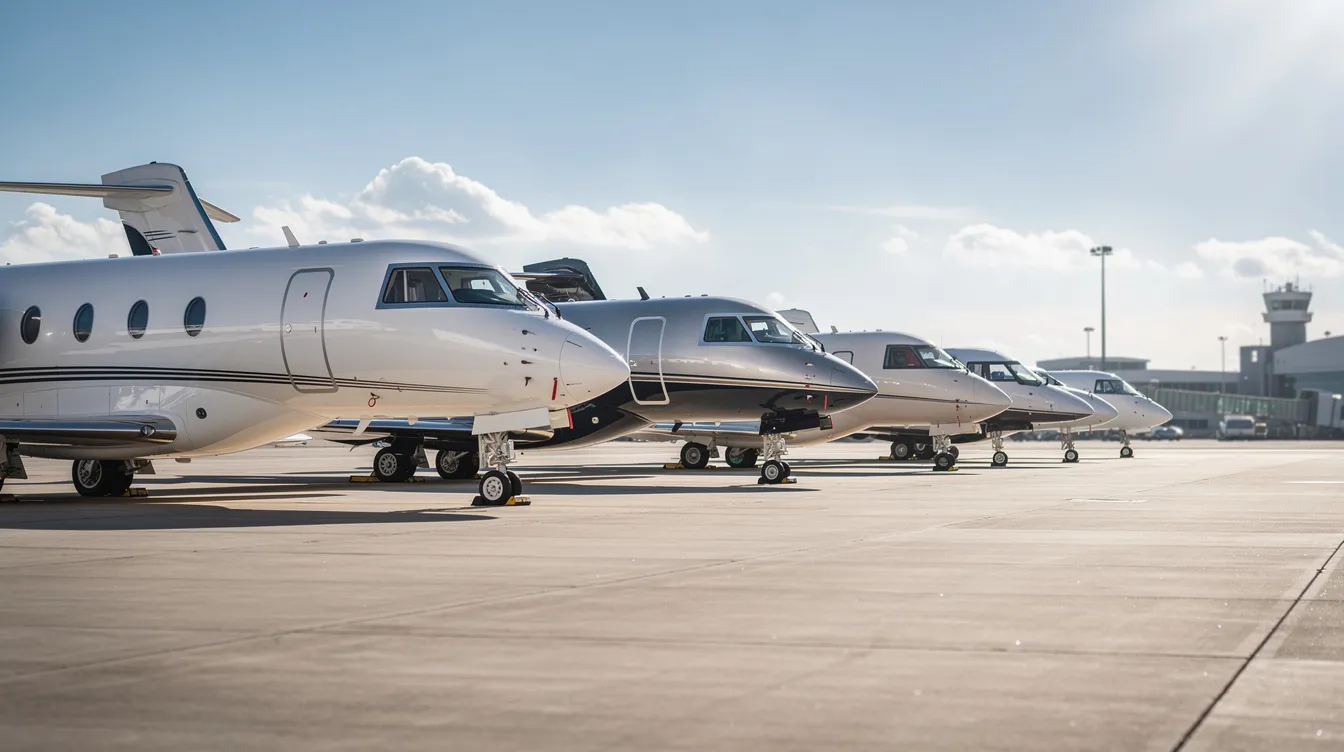
The global business jet fleet numbers between 23,000 and 24,270 aircraft, spanning everything from light jets suited for regional hops to ultra-long-range large-cabin aircraft capable of crossing oceans nonstop. The United States alone accounts for roughly 15,000 of these. Additional thousands of turboprops and piston-powered aircraft serve corporate and personal travel needs worldwide.
Not all of these aircraft exist on the charter market. Many are corporate-owned and operated exclusively for a single company, never appearing on booking platforms. Others fly limited schedules or sit idle much of the year. The portion available for on-demand charter or Jet Card use is notably smaller than the total fleet suggests.
This is where access models matter. Full ownership demands enormous capital and ongoing maintenance. Fractional ownership shares the cost but limits flexibility. On-demand charter offers one-off convenience but no guaranteed availability—especially during peak travel windows. Jet Card programs like BlackJet's offer a different equation: prepaid hours across multiple aircraft categories, with guaranteed access, 24/7 digital booking, and real-time support. You choose the cabin class—light, midsize, super-midsize, or large-cabin—to match each trip's mission, rather than being locked into a single airframe, while leveraging the predictability outlined in our broader guide to Jet Card costs.
BlackJet curates its network with strict safety and certification standards for every operator and aircraft, ensuring consistent quality whether you fly from New York to Miami or London to Geneva, and aligning with industry-wide insights on how safe private jets really are.
FAQs: Planes in the Sky, Private Jet Access, and BlackJet
How many commercial planes are there in the world right now?
The global commercial fleet has 35,550 aircraft as of June 2025, with 30,300 active commercial aircraft worldwide and 5,250 aircraft in storage. These numbers shift as deliveries arrive and older airframes are retired.
How many planes are flying at any given moment?
Typically, 12,000 to 14,000 commercial aircraft are airborne simultaneously. Daily scheduled departures worldwide exceed 100,000, and on record days, the total climbs far higher across all aircraft categories. For frequent flyers navigating this volume, understanding the best jet cards for regular travelers can be key to reclaiming time and flexibility.
Are private jets safer or less safe than commercial airliners?
When operated under rigorous safety standards—including FAA and EASA oversight plus third-party audits—private jets maintain safety records comparable to or exceeding commercial aviation. BlackJet requires every operator in its network to meet proprietary certification benchmarks.
How does a Jet Card differ from owning a jet or booking occasional charters?
A Jet Card provides prepaid flight hours with guaranteed availability, fixed pricing, and access to multiple aircraft types. Ownership ties you to one aircraft and its costs; ad-hoc charter offers no guarantees during high-demand periods. Jet Cards create the flexibility of charter with the predictability of ownership, and a clear jet card pricing structure helps you compare programs confidently.
What aircraft categories can I access with a BlackJet Jet Card?
Members choose from light jets for short regional flights, midsize and super-midsize for cross-country or transatlantic sectors, and large-cabin aircraft for intercontinental travel requiring maximum range and space, which aligns well with the flexibility highlighted in our complete guide to 25-hour Jet Cards.
How does BlackJet ensure safety across its network?
Every operator undergoes a multi-layer vetting process aligned with FAA and EASA regulations, supplemented by independent third-party audits. Pilots must meet experience and training recurrence requirements that exceed minimum standards, factors that are just as important to weigh as those outlined in our 50-hour Jet Card cost guide when comparing long-term programs.
What makes BlackJet flights carbon neutral?
BlackJet offsets the carbon footprint of every Jet Card hour through verified offset programs, covering emissions at no extra cost to members. This means every flight contributes to certified environmental projects, a differentiator to consider alongside traditional players covered in our Flexjet Jet Card cost overview.
Fleet availability and specific aircraft models vary by region and season. BlackJet's team provides real-time options through its digital platform, making it easier to compare offerings with incumbents discussed in our NetJets Jet Card cost breakdown.
Why the Number of Planes Matters for High-End Travelers—and How BlackJet Fits In
The world operates tens of thousands of commercial aircraft and logs over 100,000 flights every day. Yet for a discerning traveler, the raw count is less important than a simple question: can you access the right aircraft, at the right time, with the right safety and sustainability guarantees?
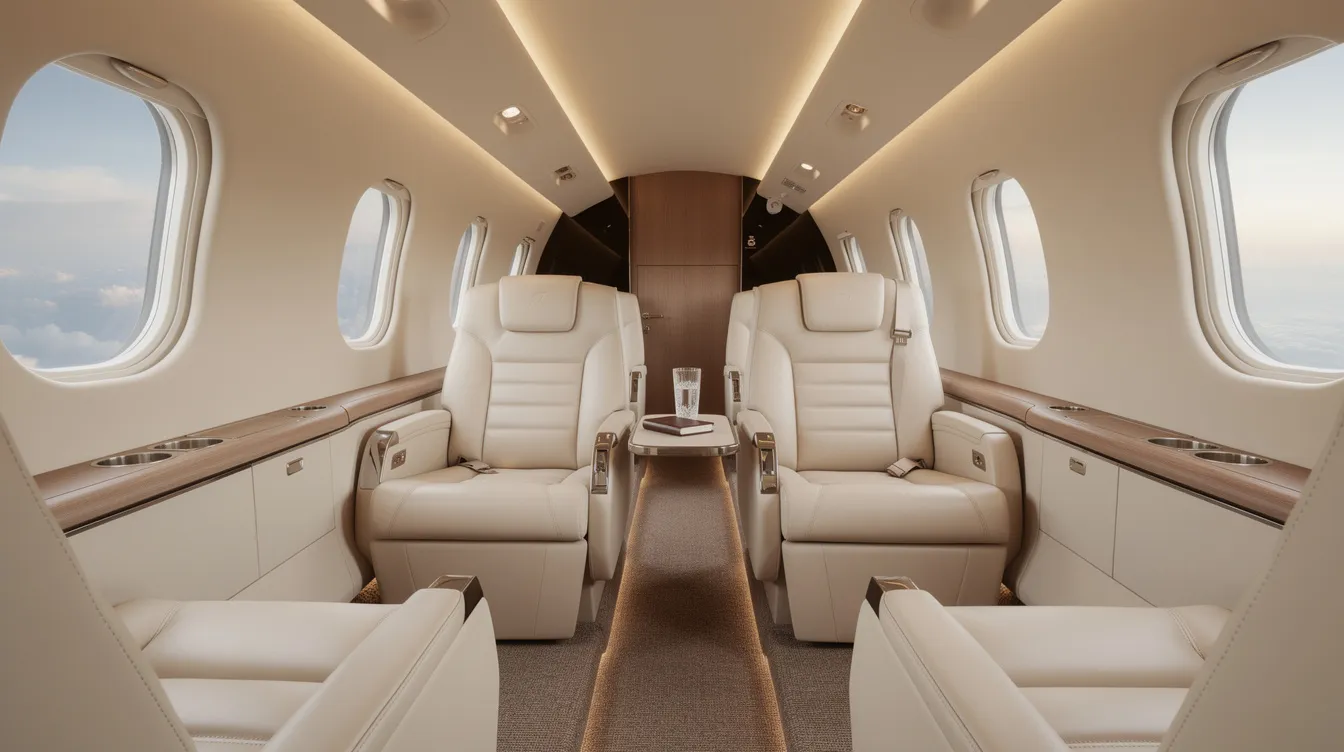
Commercial aviation means competing with that massive daily volume—crowded terminals, congested hubs, rigid schedules, and delays that cascade across networks. Private jet access, by contrast, lets you bypass the system entirely. You depart from secondary airports closer to your destination, choose your own timing, and travel in a cabin configured for productivity or rest—not for maximum seat density.
BlackJet's Jet Card programs—available in 25-hour and 50-hour blocks—unlock this access without the capital commitment of ownership. Every flight is carbon neutral, every operator is safety certified, and 24/7 digital booking tools with real-time support let you navigate a complex global aviation environment effortlessly. Our flagship BlackJet 25+ Hour Jet Card focuses on mid, super-mid, and large-cabin jets at fixed hourly rates, making it travel designed around your life, not around an airline's route map.
Elevate how you move through an increasingly crowded sky—on your schedule, in your cabin, with BlackJet.
Conclusion: The Strategic Advantage of Understanding Global Aircraft Numbers
Knowing how many planes are in the world is more than a curiosity—it’s a strategic insight for the modern traveler. With over 425,000 aircraft spanning commercial, private, military, and general aviation categories, the sheer scale of global aviation underscores the complexity and opportunity within the skies. For high net worth individuals and corporate travelers, this knowledge informs smarter choices about how to navigate crowded airspace, avoid delays, and access the most efficient, safe, and sustainable aircraft available.
BlackJet’s Jet Card programs leverage this vast global fleet, offering curated access to premium private jets with rigorous safety certifications and carbon-neutral operations. By understanding the fleet’s composition, challenges like aircraft shortages, and the evolving landscape of aviation technology and sustainability, travelers gain a decisive edge. They break free from the constraints of commercial aviation and unlock seamless, flexible travel tailored to their unique needs. Learn more about our Jet Card offerings and how they compare to other private jet access models.
Elevate your travel experience by embracing the strategic benefits of private jet access with BlackJet—where safety, sustainability, and convenience converge to redefine what it means to fly.


 Sign up with google
 Sign up with Apple