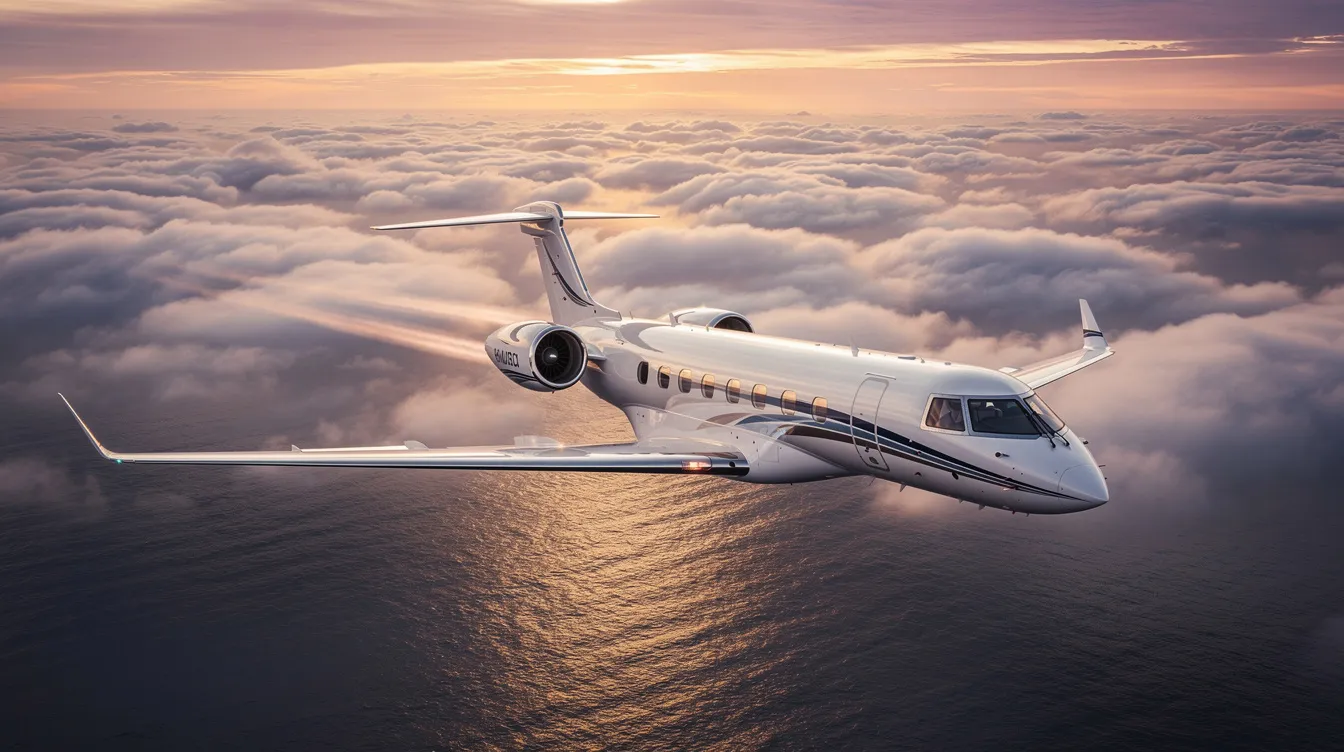
For the executive who measures travel in continents rather than cities, the Gulfstream G650ER represents the pinnacle of business aviation. Flying nonstop from New York to Tokyo or Los Angeles to Dubai, this aircraft eliminates the layovers, delays, and inefficiencies of commercial first class. But that capability carries a real price tag. Here is exactly what it costs to operate one.
This guide is designed for executives, CFOs, and private aviation decision-makers seeking a clear understanding of the true costs and considerations involved in operating a Gulfstream G650ER.
Gulfstream G650ER Operating Cost at a Glance (Answer First)
Based on 2026 data, the Gulfstream G650ER carries an hourly operating cost of approximately $8,173 in direct variable expenses, with a total annual operating cost of roughly $4,584,656 at around 450 flight hours per year. When you combine fixed and variable costs, expect an all-in cost per hour between $10,000 and $11,500.
At approximately 450 hours per year, a representative annual budget falls in the $4.5M–$4.8M range. Direct variable operating costs run near $3,600–$3,900 per hour, while annual fixed costs sit between $1.2 million and $1.7 million. Variable costs total about $3,407,022 annually at that utilization level.
Operating costs for ultra-long-range jets are categorized as fixed and variable costs. "Operating cost" here covers fuel, maintenance, crew, insurance, and hangar expenses. It excludes capital costs such as purchase price, financing, and depreciation.
Cost Category | Annual Cost (450 hours) | Cost per Flight Hour |
|---|
Fixed Costs | $1,177,634 | $2,617 |
Variable Costs | $3,407,022 | $7,573 |
Total Operating Cost | $4,584,656 | $10,190 |
All-in hourly cost: $10,000–$11,500 per flight hour
Typical annual budget: $4.5M–$4.8M at 450 hours per year
Maximum range: 7,500 nautical miles nonstop
Passenger capacity: accommodating up to 19 passengers
Annual operating budgets for private jets can range from $3 million to over $6 million based on flight hours and usage. BlackJet Jet Card members can access G650ER-class performance without shouldering the full ownership operating budget.
Gulfstream G650 vs Gulfstream G650ER: Extended Range and Cost Implications
The Gulfstream G650ER is the extended range version of the Gulfstream G650, purpose-built for the longest nonstop intercontinental missions in business aviation.
Key differences that affect operating cost:
Fuel capacity: the G650ER adds roughly 4,000 lb of fuel, extending range from about 7,000 nautical miles (G650) to 7,500 nautical miles
Max takeoff weight and maximum takeoff weight increase accordingly, with slightly higher fuel burn per hour on certain mission profiles
Nonstop routes unlocked: New York–Tokyo, Los Angeles–Sydney, Dubai–Los Angeles-segments where the standard G650 may require a tech stop.
Per-hour variable costs between the two are very similar. The economic question is whether avoiding a refueling stop (and associated crew hotel, landing fees, and delays) delivers net trip savings. That answer depends on typical stage length, city pairs, and headwinds.
The Gulfstream G650's initial price was $64.5 million when delivered in 2012. Today, a new Gulfstream G650ER costs approximately $66,500,000, while the average pre-owned price sits at $49,576,944. G650ER models command a premium of $2 million to $5 million over the G650, with pre-owned Gulfstream G650 prices ranging from $33 million to $65 million depending on condition and configuration.
Detailed Gulfstream G650ER Operating Cost Breakdown
Understanding where the money goes is essential for anyone considering private jet operating costs at this level.
Fixed costs (incurred regardless of aircraft utilization):
Pilot salaries and benefits significantly contribute to fixed costs-a two-pilot flight crew plus cabin attendant with training often exceeds $500,000 annually
Management fees and insurance represent significant components, typically $200,000–$300,000 combined
Hangar, subscriptions, navigation databases, and regulatory compliance round out the total fixed costs
Variable costs scale with usage:
Fuel burn for the G650ER is approximately 490 gallons per hour (typical range: 420 to 503 gallons per hour depending on cruising speed, altitude, and payload)
Fuel costs are a major component of variable operating expenses-at $7.50/gal, fuel alone runs roughly $3,675 per hour
Maintenance programs are essential for managing long-term costs: engine reserves on the Rolls-Royce BR725 engines, airframe inspections, and APU overhaul program.s
Landing, handling, and navigation fees vary based on airport and region
The Gulfstream G650ER requires 6,300 feet for takeoff, which keeps it compatible with most major airports globally. Regular maintenance and engine inspections are crucial for ensuring aircraft safety and performance across that demanding operation cycle.
Often-overlooked expenses include crew travel and hotels on layovers, catering for passengers on long-range flights, de-icing during winter operations, and cabin cleaning and upkeep.
BlackJet members see a single, predictable hourly Jet Card rate rather than managing these line items individually.
Annual Budget Scenarios for Gulfstream G650ER Ownership
Private jet ownership requires understanding significant financial commitments, especially when comparing ownership against chartering a private jet. Here are realistic annual budget profiles for owners and CFOs:
Occasional use (250 hours/year): Annual fixed costs around $1.2M plus variable expenses near $950,000 yield a total annual budget of approximately $2.1M–$2.2M, or roughly $8,800 per hour all-in.
Active corporate use (400–450 hours/year): This is the sweet spot most data references. The total annual operating cost runs $4.4M–$4.6M. Total annual budget for 325 flight hours is $3,755,869 in more conservative utilization models. Hiring skilled flight crews involves substantial annual costs, including salaries and training.
Heavy utilization (600+ hours per year): Total budget can push toward $5.0M+, though the implied hourly cost drops as fixed costs spread further. Maintenance demand increases, and engine program expenses rise with higher usage.
For travelers flying 50–250 hours per year, the best jet cards for frequent flyers and on-demand charter access often deliver more efficient economics than full ownership. Budgets above exclude purchase price and depreciation-on a $65M–$70M aircraft, annual depreciation alone can rival the cash operating budget.
Cabin Experience, Baggage Space, and Mission Profile for the G650ER
The operating cost buys one of the finest cabin environments in long-range private jets, directly comparable to other top 16-seat private jet options.
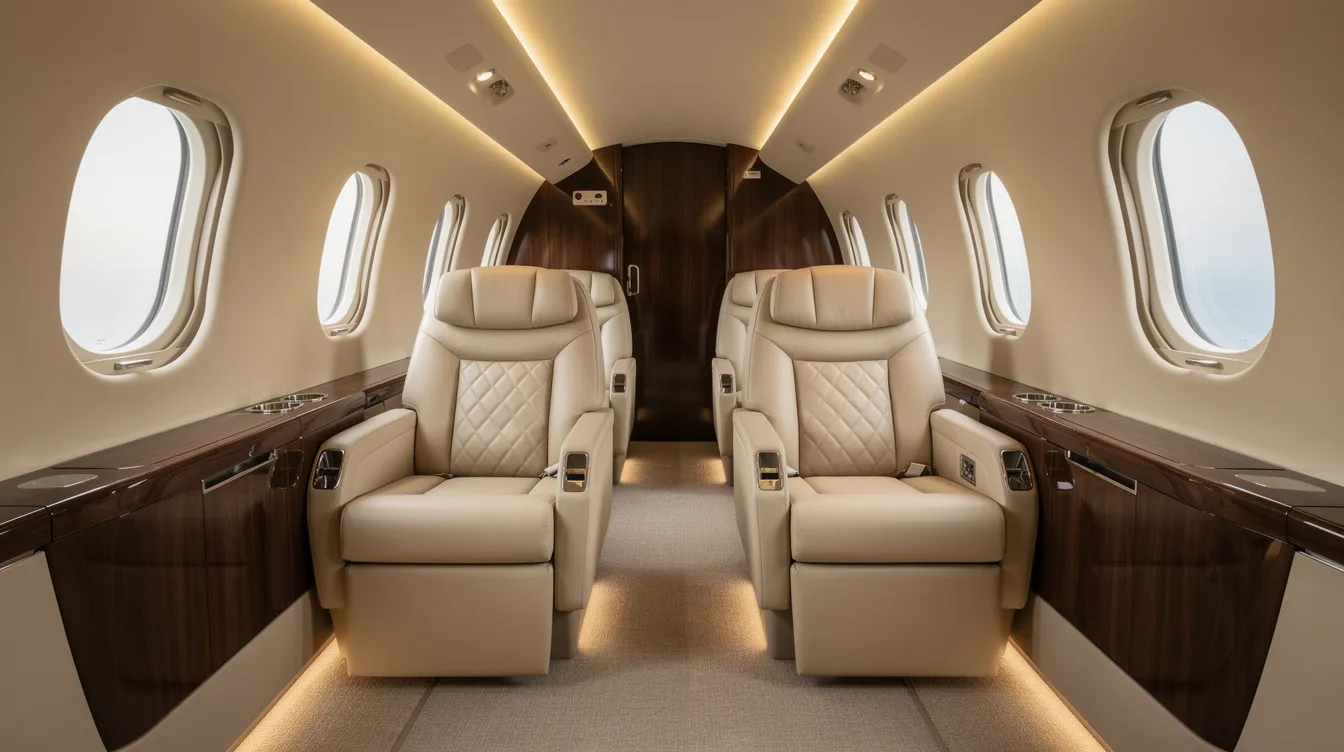
The cabin length is 46 feet 10 inches, cabin width is 8 feet 2 inches, and cabin height is 6 feet 3 inches-a flat-floor, four-zone layout typically seating 14–18 passengers with lie-flat sleeping for eight to ten, making it a strong contender among the best private jets for 15 passengers. Baggage space totals roughly 190–195 cubic feet, accessible in flight, supporting extended international trips.
These dimensions enable productive long-range segments of 6,000–7,500 nautical miles: executives working, dining, and sleeping aboard while the aircraft covers the distance of New York–Hong Kong or London–Buenos Aires. The low cabin altitude, quiet environment, high-speed connectivity, and maximum speed capability mean passengers arrive ready for the day ahead. The aircraft's wing span and thrust profile are optimized for high-altitude cruise efficiency.
How Operating Costs Translate Into Charter and Jet Card Pricing
While owners manage dozens of expense line items, charter customers and Jet Card members experience those costs as a single hourly rate.
Charter operators build pricing from G650ER operating costs: direct expenses plus crew, positioning, overhead, and margin typically result in charter rates around $11,000 per flight hour or higher depending on demand and route.
Jet card programs offer prepaid access to private jets, and understanding jet card pricing structures is key to evaluating long-range access options. BlackJet's 25-hour and 50-hour Jet Card options use block-hour commitments to deliver predictable access to G650/G650ER and other ultra-long-range jet card options. Members can request Gulfstream G650 services through Jet Cards. Jet cards provide flexibility without jet ownership costs.
Owners face variable monthly cash flows tied to fuel prices and maintenance events. Jet Card members lock in an hourly cost that embeds many operating cost elements, so grasping jet card cost per hour is essential when comparing G650ER-class solutions.
Sample use case: A BlackJet client flying New York–London ten times annually and several North American trips might use G650ER-class flights for transoceanic segments while selecting super midsize jets for shorter legs-optimizing total spend across the market of available cabin sizes through a BlackJet 25+ Hour Jet Card.
Safety, Technology, and Sustainability in G650ER-Class Operations
Safety, advanced technology, and sustainability are non-negotiable when you operate an aircraft of this caliber.
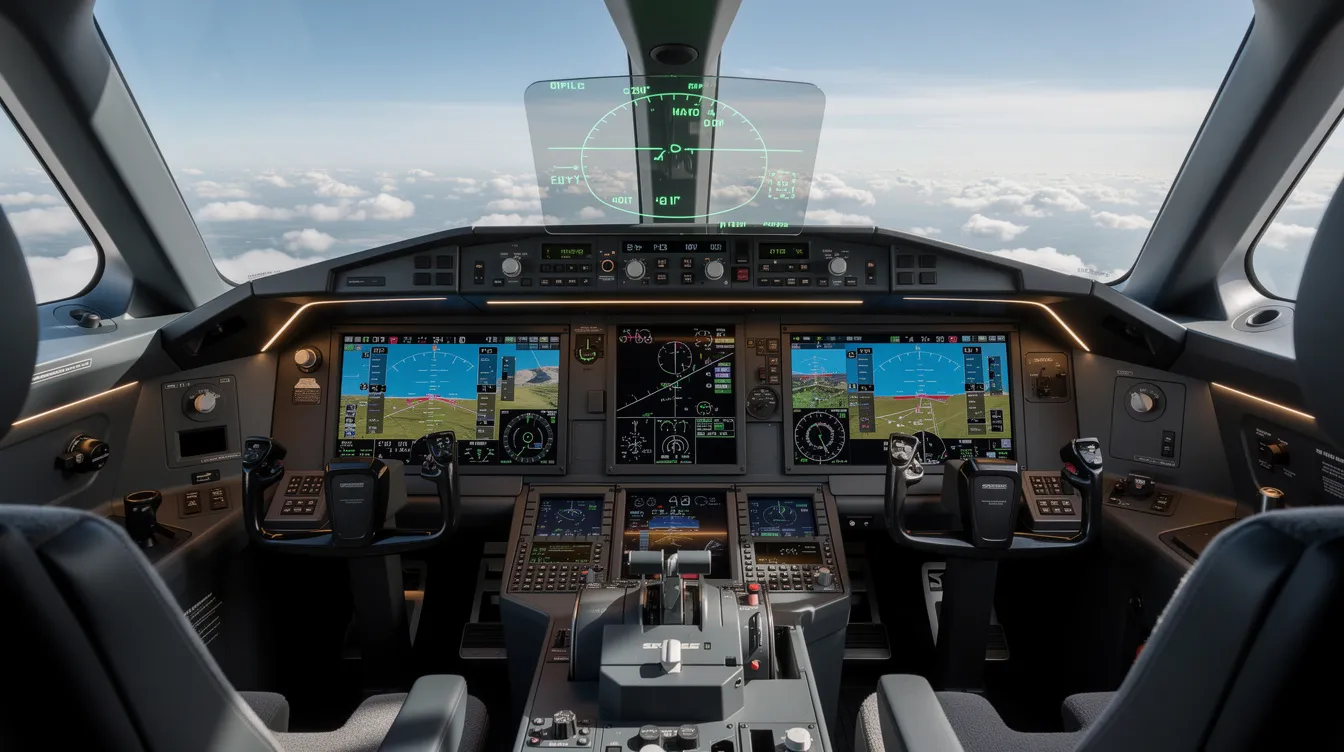
The Gulfstream PlaneView II flight deck, synthetic and enhanced vision systems, and Head-Up Display equipped on the G650ER demand experienced pilots with type ratings and recurrent simulator training. The Rolls-Royce BR725 engines deliver proven reliability, though their maintenance programs add meaningfully to fixed costs. These factors elevate safety but also raise the annual budget-a tradeoff every serious operator accepts.
BlackJet maintains rigorous safety protocols: proprietary operator vetting, third-party audits, minimum experience thresholds for captains, and 24/7 flight monitoring, while also offering pathways into more affordable private jet options for missions that don’t require G650ER-class capability.
Sustainable aviation practices are becoming increasingly important in private jet operations, even among the top 10 best private jets in the world, where efficiency and emissions are under growing scrutiny. Jet card flights are carbon-neutral through certified offsets at no additional cost to BlackJet members. Carbon offset programs have become a focus for many private aviation companies to improve sustainability. By matching each mission profile to the right aircraft size-not always deploying a G650ER when a smaller jet suffices-BlackJet reduces unnecessary fuel burn, benefiting both budgets and emissions; for very frequent flyers, evaluating a 100-hour jet card cost structure can further refine long-term budgeting.
Is Gulfstream G650ER Ownership or BlackJet Jet Card Access Right for You?
The decision between owning a Gulfstream G650ER and accessing one through BlackJet depends on your flying patterns and financial priorities.
Ownership makes sense when:
You fly 400–600+ hours per year onultra-long-rangee routes
Full control of schedule, branding, and cabin customization matters
You accept capital commitment and residual value risk on a pre-owned or new Gulfstream asset
Jet Card access is more rational when:
You fly 50–300 hours per year with varying demand across cabin sizes
You prefer to preserve capital rather than tying $65M–$70M to a depreciating asset
You want to avoid managing crew, maintenance, hangar, and regulatory complexity
Hybrid strategies work well: combining a smaller owned aircraft for regional flying with G650ER access via BlackJet for the longest, most demanding trips, or comparing alternatives like Flexjet jet card costs and options, since its maiden flight capability set the standard in aviation.
Frequently Asked Questions About Gulfstream G650ER Operating Costs
What is the typical hourly operating cost of a G650ER in 2026? Variable costs depend on flight hours and can range from $8,000 to $11,000 per flight hour. The baseline hourly operating cost is $8,173 in direct variable expenses; all-in costs, including fixed cost allocation,n reach $10,000–$11,500/hr at typical utilization.
What annual budget should I plan for 300–450 hours? At 325 hours, total annual budget is approximately $3,755,869. At 450 hours, expect around $4,584,656. Fuel price sensitivity is significant: every $1/gal change shifts costs by roughly $200,000/year given the aircraft's fuel burn.
Is the G650ER meaningfully more expensive per hour than the G650? Per-hour variable costs are very similar. The extended range delivers net savings when it eliminates tech stops, crew overnights, and associated expenses on routes beyond 7,000 nautical miles.
Does full passenger or baggage load increase operating cost? Higher payload increases fuel burn modestly. The difference between eight and eighteen passengers is measurable but secondary to factors like stage length and weather, and some missions may be better suited to private jets configured for about 20 passengers.
Is it cheaper to charter, use a Jet Card, or own? Ownership typically becomes cost-efficient above 400–600 hours per year. Below that range, Jet Card or on-demand charter access through providers like BlackJet usually delivers better economics and preserves capital, especially when compared with NetJets jet card costs.
How does BlackJet price G650ER-class flights within a Jet Card? BlackJet's Jet Card pricing includes carbon-neutral offsets as standard, and some large-group itineraries may instead call for private jets that accommodate around 30 passengers. Catering, de-icing, and short-notice surcharges may be incremental depending on the specific sale of services for each trip.
Conclusion: Strategic Access to Gulfstream G650ER Excellence
The Gulfstream G650ER stands as a benchmark of ultra-long-range private aviation, combining unmatched speed, range, and cabin luxury that redefines international business travel. While ownership entails significant capital investment and operating expenses, it offers unparalleled control, prestige, and customization for the discerning traveler.
However, for most high-net-worth individuals and corporate executives, BlackJet’s Jet Card programs provide a smarter, more flexible pathway to experience G650ER-class performance without the complexities and financial commitments of ownership. These programs deliver seamless, carbon-neutral access to this elite aircraft class, backed by rigorous safety standards, advanced technology, and 24/7 personalized support.
Whether flying transcontinental business missions or luxury leisure escapes, BlackJet empowers you to elevate your travel experience with strategic access to Gulfstream G650ER capabilities tailored to your unique mission needs. Explore how BlackJet’s Jet Card solutions can transform your private aviation journey—offering you effortless, premier travel that blends safety, sustainability, and sophistication into every flight.


 Sign up with google
 Sign up with Apple