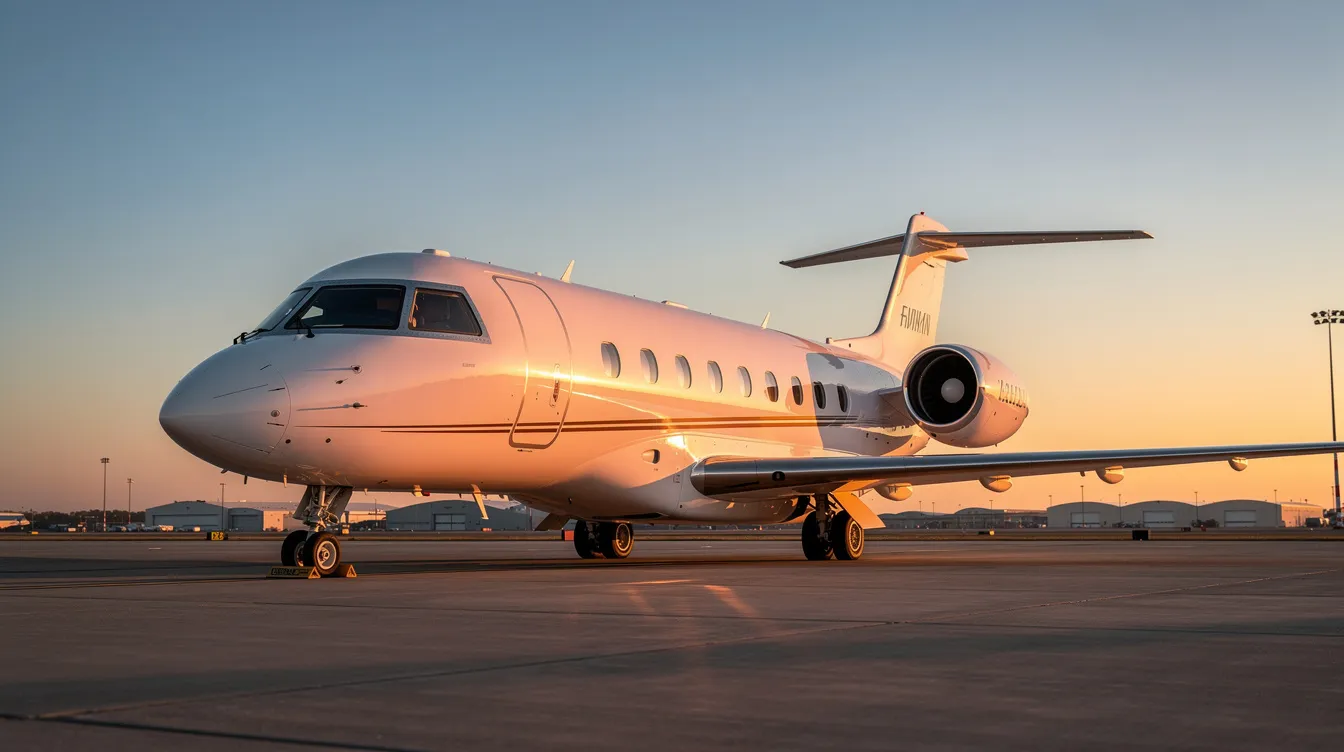
Flying private is not reserved for billionaires. With the right strategy, you can fly on a private jet cheaply - sometimes for less than a commercial first-class ticket - while gaining complete control over your schedule and cutting travel time in half.
Fly Private for Less: The 5 Fastest Ways to Save (Answer First)
On select empty-leg flights, a seat on a private jet can start under $500 per person. Even a full light jet charter can dip below $5,000 total when shared smartly on short domestic legs. The key is knowing which levers to pull. If you want help comparing the fastest money-saving options for your trip, contact BlackJet's team.
Book empty-leg flights. These repositioning flights sell at 30–75% off regular charter prices. Example: a Los Angeles–Las Vegas empty leg on a light jet for roughly $4,000 vs. $10,000+ standard - about $667 per seat if six passengers board.
Use a Jet Card for predictable rates. Prepaid hour blocks lock in fixed or capped hourly pricing, eliminating surprise surcharges. BlackJet's 25-hour and 50-hour Jet Cards start with base hourly rates around $5,484, including fuel surcharges and federal excise tax.
Share the entire aircraft with friends or colleagues. Charter cost covers the whole plane. Fill an 8-seat light jet, and the per-person math drops dramatically - a NYC–Miami leg flight at $7,000 total works out to roughly $875 each.
Choose a light jet instead of heavy jets. Light jets run $3,000–$4,500 per hour on many domestic routes, while large cabin and heavy jets can exceed $10,000 per hour. Right-sizing your aircraft type is the fastest path to affordable flying.
Avoid extra international fees when possible. Customs handling, overflight permits, and landing fees can add thousands. Sticking to domestic routes or planning efficient border crossings keeps your trip lean.
Private jets offer complete control over departure times, a more comfortable travel experience, and access to smaller airports that airlines never serve. BlackJet is a private aviation company that delivers all of this with carbon-neutral flights and 24/7 digital booking, and its services surface cheaper options automatically.
What Really Drives Private Jet Cost (and How to Bend It in Your Favor)
Think of a charter flight like hiring a car with a driver: you pay for the entire aircraft by the hour plus the itinerary, not per seat. Private jet pricing is often based on a whole-aircraft cost, so understanding the variables gives you leverage.
Aircraft category is the biggest variable. Turboprops cost less per hour and are suitable for short trips. Light jets, mid-size, super mid, and heavy jets each step up steeply in hourly pricing.
Private jet rental prices range from $1,800 to $18,000 per hour depending on aircraft class and route, with most U.S. domestic flights in 2026 averaging $2,500–$4,000 for turboprops, $3,000–$4,500 for a light jet, and $5,000–$10,000+ for larger cabin jets.
Flight time and distance multiply that hourly rate. Longer legs burn more fuel, and fuel prices fluctuate seasonally.
Repositioning fees are hit when an aircraft must fly empty to reach your origin airport, adding dead hours to your bill.
Peak vs. off-peak timing matters. Travel during off-peak days to find cheaper private jet flights — midweek departures often save 15–25% versus Friday evening slots.
International fees such as customs, overflight permits, and ground handling can push costs up by several thousand dollars per trip.
Since you are always paying for the entire aircraft, filling 5–8 seats on a light jet slashes the cost per person to levels that rival — or beat — commercial business class. BlackJet's real-time charter flight cost calculator models all of these variables inside the member portal, letting you compare alternate dates, airports, and aircraft in seconds.
Empty Leg Flights: The Cheapest Way to Fly on a Private Jet
An empty leg flight is a repositioning segment - also known as a dead-head or ferry flight - that would otherwise fly without passengers. These flights occur when jets reposition without passengers after dropping off or before picking up the next charter client. Operators discount them heavily, making empty-leg flights the single cheapest way to fly on a private jet.
Empty leg flights can save up to 75% on costs. Discounts on empty leg flights range from 30% to 75% off standard charter rates.
Empty leg flights have fixed routes and departure windows. They are one-way leg flights directly connecting two cities at set times, and you get the entire aircraft at a reduced price.
Concrete example: a 2026 Los Angeles–Las Vegas empty leg on a light jet listed at $4,000 versus $10,000+ as a standard charter. If six passengers share the plane, the per-seat cost drops to about $667.
Popular empty leg opportunities cluster between favorite destinations like New York–Miami, Dallas–Aspen, and London–Nice. The steepest savings appear when you stay flexible on dates and times.
BlackJet members opt in to empty leg alerts through the app, filtering by route, date, and how many people are in their party - then book leg flights directly in a few taps.
Limitations are real: last-minute schedule changes can occur, luggage capacity on some light jets is tight, and availability during ultra-peak holidays is rare. But for flexible travelers, these flights are unmatched.
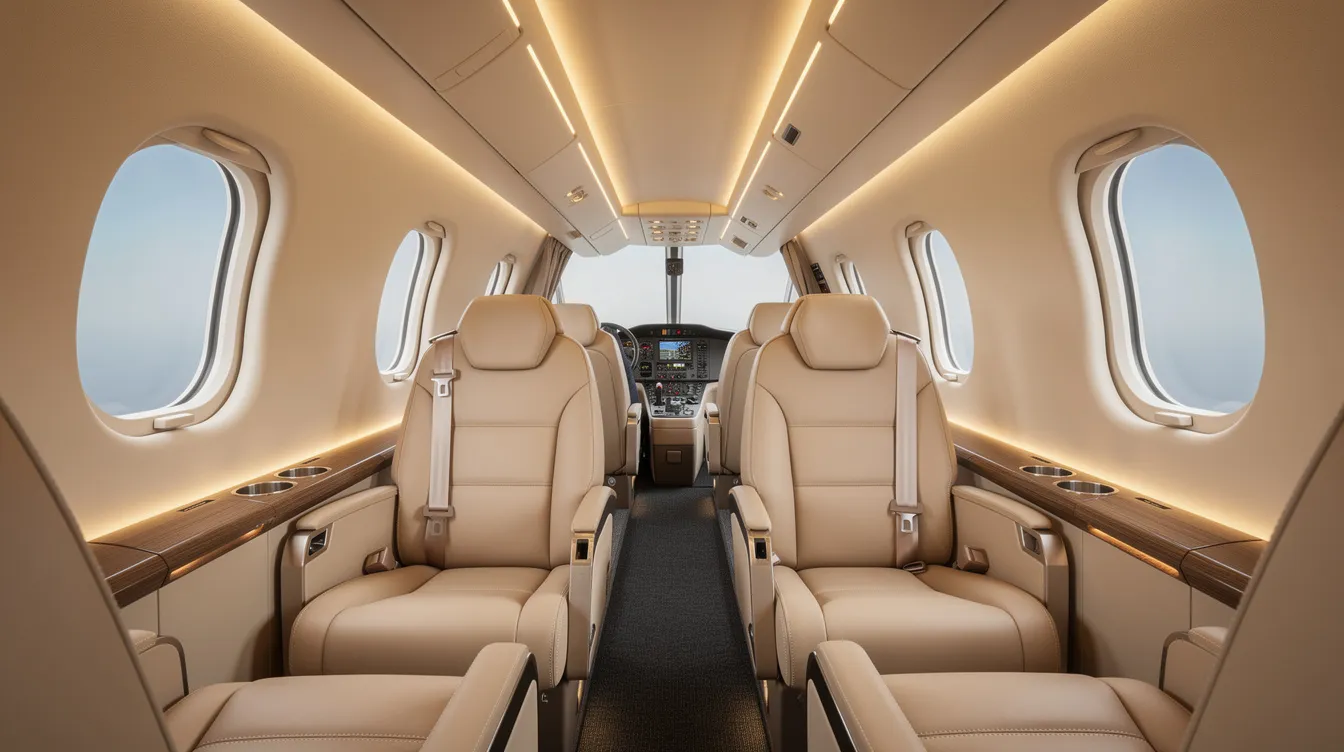
Using a Charter Flight Cost Calculator to Find the Best Deal
A charter flight cost calculator is essential for anyone trying to fly on a private jet cheaply in 2026. Volatile fuel prices, variable repositioning fees, and shifting operator availability make real-time comparison the only reliable way to plan.
A modern calculator accepts origin, destination, departure date or range, time window, and passenger count, then returns options across aircraft type categories with estimated cost.
BlackJet's calculator - available to Jet Card members - factors in potential empty legs, nearby smaller airports that reduce repositioning, and current fuel and international fees.
Run 2–3 scenarios side by side. Example: flying TEB (Teterboro) to Palm Beach for 6 passengers on a Friday vs. Thursday - the Thursday itinerary can be 15–25% cheaper simply because of reduced demand and repositioning logistics.
Check multiple broker apps or request bids from different operators to benchmark what the calculator surfaces against the broader market.
Save your favorite searches inside the platform to watch for newly available empty leg opportunities or pricing drops over time.
The calculator provides a realistic budget range; final charter flight pricing is confirmed by BlackJet's aviation experts, who factor in any remaining variables like catering or de-icing.
Choose the Right Aircraft: Why Light Jets Often Win on Price
Aircraft selection is the easiest lever for lowering cost while still flying private. The difference between a light jet and a heavy jet on the same route can exceed $10,000.
Turboprops: $2,500–$3,500 per hour. Ideal for short regional hops under 1,000 nautical miles. Learn more about turboprop charter rates.
Light jets: Light jets cost between $1,800 and $3,300 per hour. Light jets hold 6 to 8 people and save money on fuel and fees, making them the sweet spot for groups on domestic routes of 3–4 hours.
Midsized jets: Midsized jets charge approximately $3,200 to $4,400 per hour. Good for coast-to-coast flights where a larger cabin adds comfort.
Super mid jets: Super-midsize jets start at $8,000 per hour, offering transcontinental range with a roomier cabin.
Heavy jets: Large cabin jets cost between $10,000 and $12,000 per hour, suited for intercontinental or groups larger than 10.
Consider an 8-seat light jet charter - a Phenom 300, for instance - at $3,000 per hour flying Chicago to Vail (roughly 2.5 hours). Total cost: about $7,500. Split among 8 passengers, that's $938 per person. Eight last-minute commercial first-class tickets on the same route could easily exceed that figure.
BlackJet's Jet Card lets members select from multiple cabin classes at fixed or capped hourly rates, guaranteeing cost transparency before you confirm the itinerary.
Itinerary Design: Airports, Positioning, and International Fees
Routing details can add thousands to a private charter. Smart planning keeps your private jet cheap while meeting different travel needs without sacrificing comfort or schedule.
Positioning is the hidden cost killer. When an aircraft must fly empty to your departure airport, those dead hours appear on your invoice. Minimizing extra leg flights through strategic airport selection is key to lower pricing.
Be flexible about airports to find cheaper private jet options. Flying into Fort Lauderdale instead of Miami, or White Plains instead of JFK, can shave off repositioning fees and airport handling charges. Private jets can access over 3,000 airports - far more than commercial airlines - so you have options.
Charter costs can include repositioning fees and airport handling charges. International fees - customs, landing fees, security, overflight permits for routes crossing Canada, Mexico, the Caribbean, or Schengen airspace - can add several hundred to several thousand dollars.
Routes like New York–London or Los Angeles–Cabo San Lucas will always carry international fees, but choosing off-peak times and efficient aircraft can offset those costs considerably.
BlackJet's operations team proactively optimizes routings so members see the most cost-effective airports and departure times first, often suggesting ground transportation alternatives that save more than they cost.
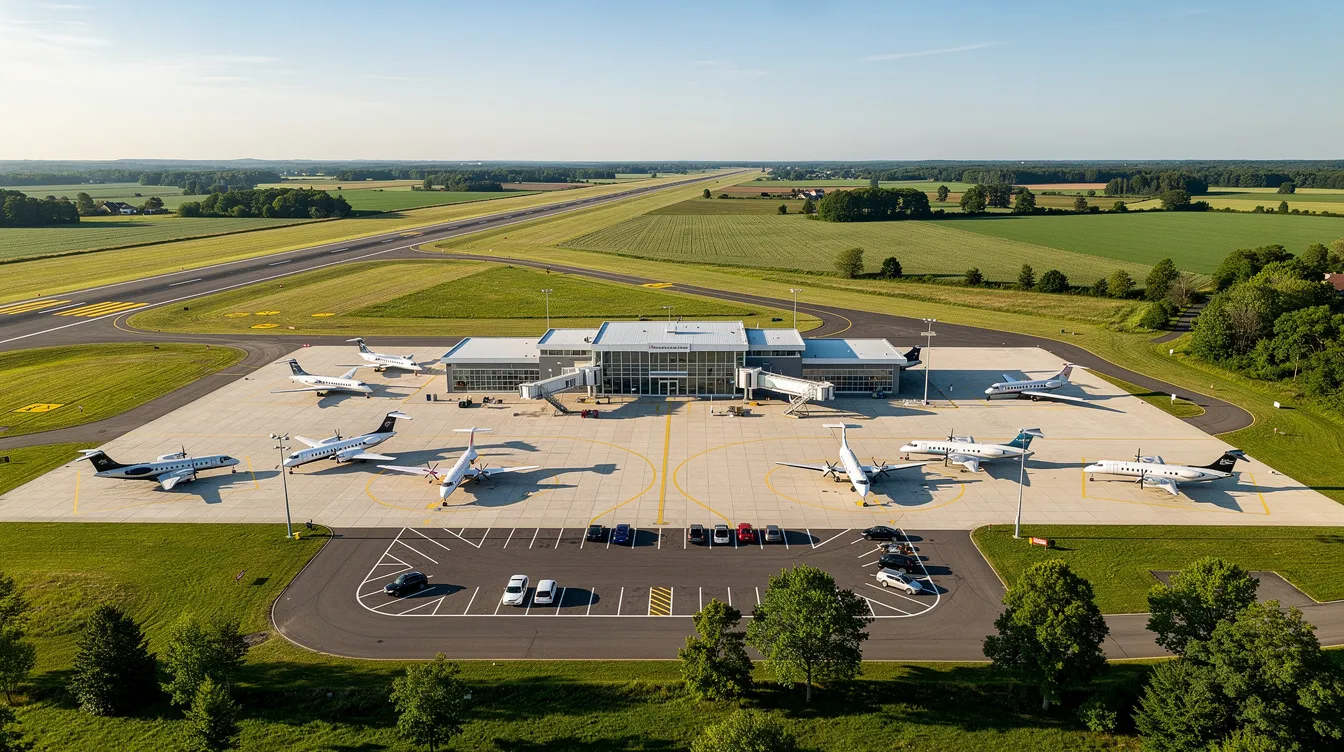
Jet Cards vs. On-Demand Charter: Which Is Cheaper for You?
On-demand charter means paying per flight at prevailing market rates — essentially pay-as-you-go for each charter flight. A Jet Card program flips the model: you prepay a block of hours on a set aircraft category with defined terms, fixed rates, and guaranteed access.
For travelers flying privately more than 15–25 hours per year, a Jet Card typically reduces effective hourly cost and removes many surprise fees.
Key Jet Card advantages: fixed or capped hourly rates, guaranteed aircraft availability within set notice windows, no surprise repositioning fees in defined service zones, and preferred pricing on peak days.
Example: a business executive flying New York–Chicago twice per month (~4-hour round trip, ~48 hours annually). On-demand charter at a light jet rate of ~$4,500/hr could total ~$216,000 per year. A BlackJet 50-hour Jet Card at a base rate near $5,484/hr, but with repositioning, fuel surcharges, and peak-day savings built in, could land in a similar or lower range — with far less administrative overhead.
Private jets provide a more comfortable travel experience, and the time saved by skipping quotes, negotiations, and operator vetting with each book makes the Jet Card's non-price value substantial.
BlackJet's carbon-neutral flights and safety-vetted fleet are built into the Jet Card. No hidden cost for sustainability, no scramble to verify an operator's credentials before every trip.
Splitting the Entire Aircraft: Bring More People, Pay Much Less Per Seat
Because you pay for the entire aircraft, the number of travelers directly defines your per-person price. Splitting the cost of a private charter can make it more affordable than commercial premium cabins.
2 vs. 8 passengers on a Dallas–Aspen leg (roughly $15,000 total on a light jet): 2 passengers pay $7,500 each; 8 passengers pay $1,875 each. The aircraft, crew, fuel - all identical. Only the math changes.
Typical capacities by aircraft type: light jets seat 6–8, mid-size 6–9, super mid 8–10, heavy jets 10–16+. How many people you bring reshapes the entire equation.
Use cases where sharing wins: a corporate team heading to a board meeting, a large group of families catching a villa holiday, or friends planning a golf weekend at a favorite destination.
Logistics stay simple. Designate one payer for the charter; BlackJet issues a single invoice covering the entire journey. No multiple tickets, no airline-style seat assignments. Settle internally after the flight.
BlackJet members save frequently used routes in the app and instantly see per-person cost estimates when the group size changes - making it easy to depart on short notice.
Safety, Sustainability, and Technology: Saving Money Without Cutting Corners
"Cheap" should never mean cutting corners on safety or legality. Every operator in BlackJet's fleet meets or exceeds FAA Part 135 standards, with audited safety ratings from organizations like ARGUS and Wyvern. Dual-pilot crews, modern maintenance standards, and comprehensive insurance are non-negotiable.
Technology lowers effective cost: dynamic sourcing across operators surfaces the best rate, the charter flight cost calculator delivers instant comparison, and app-based itinerary management reduces administrative overhead — no phone tag, no back-and-forth emails.
BlackJet's carbon-neutral commitment means offsets are included automatically on every flight. Members do not pay extra for sustainability while still flying private.
Private jets can accommodate medical needs during travel - a benefit that no amount of cost-cutting on commercial airlines can replicate.
Cutting corners with unregulated operators might yield a cheaper quote, but it introduces unacceptable risk. One client chose a slightly more expensive, safety-vetted empty leg through BlackJet over an unverified ad-hoc offer found online. The BlackJet flight departed on schedule, with confirmed insurance, a known maintenance record, and clear baggage allowances. The "bargain" listing had already been cancelled by the time they compared.
Private jet travel can cut travel time in half compared to commercial alternatives — but only if you land safely and on schedule. That's the subject worth spending on.
Frequently Asked Questions About Flying Private on a Budget
Whether you are new to private flights or looking to optimize your spend, these common questions cover what to expect.
Can I really fly private for less than first class? Yes. On certain routes with shared light jets or discounted empty legs, per-seat cost can dip below commercial first-class prices - especially when commercial fares surge during holidays or last-minute hotel stays and ground transportation push total trip cost higher.
What is the cheapest type of private jet to charter? Turboprops and very light jets offer the lowest hourly rates, starting around $1,800 per hour. For regional hops, they are hard to beat on price.
How do empty legs compare to regular charter flights? Empty legs are one-way, fixed-schedule segments at 30–75% off. Less flexibility, but the savings are attractive for travelers who can adapt.
Do international fees make private jet travel much more expensive? They can. Customs, overflight permits, and handling fees add several hundred to several thousand dollars. Planning around off-peak windows and efficient routing helps offset these costs.
Is there a minimum charter flight length? Most operators enforce billing minimums of 1.0–1.5 flight hours per leg. Short hops under those minimums may incur surcharges.
How many people can I bring? Light jets seat 6–8, mid-size 6–9, super mid 8–10, heavy jets 10–16+. More passengers mean lower per-person cost on every route.
Do I need to hire my own crew? No. Experienced crew is included in the hourly rate, along with fuel, insurance, and basic handling. Extras like catering upgrades, de-icing, or specific international fees are added as needed.
How far in advance should I book? Booking 2–8 weeks ahead during off-peak periods offers the widest selection. Last-minute bookings can still catch an empty leg, but advance planning gives you more control over the world of options available.
Conclusion: Fly Private Without Breaking the Bank
Flying on a private jet cheaply is entirely possible with the right knowledge and approach. By leveraging strategies like booking empty-leg flights, utilizing Jet Cards, sharing the aircraft with others, selecting the appropriate aircraft category, and planning routes smartly, travelers can enjoy the luxury and convenience of private aviation without the exorbitant costs typically associated with it.
Empty leg flights offer some of the steepest discounts, often between 30% and 75% off standard charter rates, making them an excellent option for flexible travelers. Jet Cards provide predictable pricing and guaranteed availability, ideal for frequent flyers seeking budget control and premium service. Sharing the cost of a charter with friends or colleagues significantly reduces the per-person expense, turning private jet travel into an affordable group experience.
Choosing the right aircraft category is crucial; turboprops and light jets offer the best value for short to medium distances, while larger jets serve longer or more luxurious trips. Additionally, being flexible with airport choices and travel dates can minimize repositioning fees and avoid costly international surcharges.
BlackJet’s integrated technology and expert operations team simplify this process by offering real-time pricing, route optimization, and vetted safety standards, all while ensuring carbon-neutral flights at no extra cost. This blend of convenience, safety, sustainability, and cost-efficiency makes flying private accessible to discerning travelers who demand both excellence and value.
Explore BlackJet’s Jet Card programs or sign up for empty leg alerts today to discover how you can fly on a private jet cheaply and elevate your travel experience without compromise.


 Sign up with google
 Sign up with Apple