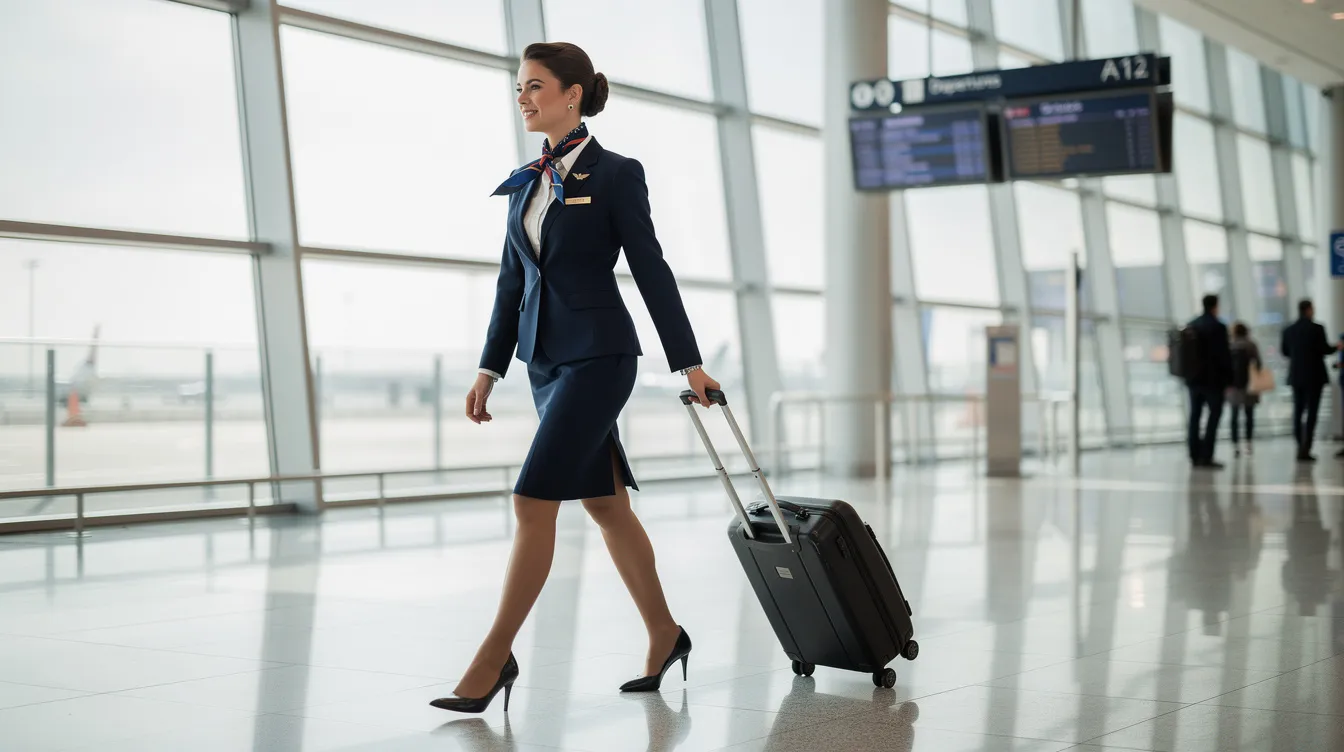
The flight attendant career promises travel, adventure, and long-term earning potential. But the first year? It is financially humbling for most new hires. Here is exactly what first-year flight attendants actually earn, how flight attendant pay works behind the scenes, and how commercial crew compensation compares to private aviation.
Key Answer: How Much Does a First-Year Flight Attendant Really Make?
First-year flight attendant compensation in 2026 lands between $28,000 and $50,000, with most flight attendants at major airlines falling in the $30,000 to $45,000 range. The average entry-level salary for first-year flight attendants in the U.S. typically ranges from $35,000 to $47,000 annually, depending on airline, base location, and hours flown. The exact numbers depend on several variables that most job listings gloss over.
The critical detail: hourly rates for flight attendants are based on flight hours, not total hours worked. That starting hourly rate of $26 to $38 per flight hour sounds reasonable - until you realize it only covers the time between when the aircraft door closes and when it opens at your destination.
Here is a realistic monthly snapshot for a first-year crew member:
75–80 credit hours per month (most airlines guarantee a minimum of 75 to 80 paid flight hours per month)
Flight hour rate at a regional carrier like Endeavor Air: $26.23 per hour → ~$1,967 monthly flight pay
Flight hour rate at a major carrier like Delta: $38.40 per flight hour → ~$2,880 monthly flight pay
Add per diem pay, boarding pay, and occasional premiums → realistic monthly gross of $2,300–$4,000
Annualized: roughly $28,000 at regionals, $35,000–$45,000 at majors
Private jet cabin crew in business aviation often operate on entirely different pay structures - day rates or salaries rather than flight hour calculations - which we will compare later.
How Flight Attendant Pay Actually Works in Year One
Flight attendant pay is built on a concept most people outside aviation find surprising: you are paid only for actual flight hours, which means block time from door close to door open. Flight attendants are generally compensated based on flight hours, which excludes ground time - boarding passengers, deplaning, delays, airport standby, and deadhead pay legs often pay nothing or only part of the normal rate.
Base Pay Calculation
Here is how monthly pay is calculated:
Per Diem Allowance
Additional Compensation
Extras = boarding pay, holiday pay, premium pay, profit sharing, or overtime
A first-year flight attendant might log 230–260 total duty hours in a month away from base but receive flight pay for only 75–80 of those hours. The rest - preflight briefings, boarding time, ground delays, reserve days at home on call - represent the unpaid or lightly paid reality of year one.
Many first-year flight attendants receive supplemental compensation through per diem allowances, overtime, and additional trips, but these do not make up for the gap between duty time and paid flight time.
Typical First-Year Pay Scale and Hourly Rates by Airline Type
There is no single first-year flight attendant salary across the industry. Each airline's contract or pay scale sets its own hourly rate and pay progression. Here is where rates generally fall in 2026:
Regional carriers: approximately $22–$28 per flight hour for new hires. Endeavor Air, a Delta Connection carrier, starts at $26.23 per credit hour - among the higher regional rates.
Major airlines (American Airlines, Delta Air Lines, United Airlines): roughly $37–$38.40 per flight hour in year one. Mainline airlines usually offer higher entry-level hourly pay scales compared to regional airlines.
International and premium carriers: slightly above or below this band depending on route structure and labor agreements.
Seniority significantly influences flight attendant pay rates. Pay scale steps increase annually, and the trajectory is steep. At Delta, hourly rates can reach $86.32 after 12 years - more than double the starting rate. Senior flight attendants can earn over $100,000 annually at major airlines, eventually reaching six figures with enough seniority levels and international routes.
Union contracts, cost of living at the base, and company profitability all shape starting hourly rates. There is no shortcut: building seniority is the only path to the highest salaries.
Delta, American, and United: First-Year Flight Attendant Pay Examples
Here is where the "Big 3" U.S. carriers stand for first-year flight attendant pay as of late 2025 into 2026.
Delta Air Lines: First-year Delta flight attendants earn $38.40 per flight hour - currently the highest among the three. Delta flight attendants earn $38.40 to $86.32 per hour based on seniority. Boarding pay runs at 50% of the hourly rate. Delta flight attendants can earn up to $1,200 extra annually in bonuses through operational incentives. No union, but Delta consistently matches or exceeds union-negotiated rates at competitors.
American Airlines: Under the APFA contract ratified in late 2024, American Airlines first-year flight attendants earn at least $31,300 annually, with the flight hour rate rising to $37.91 as of October 2026. The new contract introduced boarding pay at 50% of the hourly wage during published boarding times. Lineholders are guaranteed 71 credit hours per month; reserves get 75. Over a full career, American Airlines flight attendants earn $31,300 to $72,000 based on seniority.
United Airlines: United flight attendants ratified a new contract in May 2026 setting the starting flight hour rate at $38.21. United Airlines first-year flight attendants earn at least $24,600 annually at guaranteed minimums, though most earn more. Over a career, United Airlines flight attendants earn $24,600 to $57,000 based on seniority before additional compensation. Recent contracts at both United and American have expanded boarding pay and per diem provisions.
These are starting points. Actual first-year take-home depends heavily on whether the crew member holds a line or sits on reserve status.
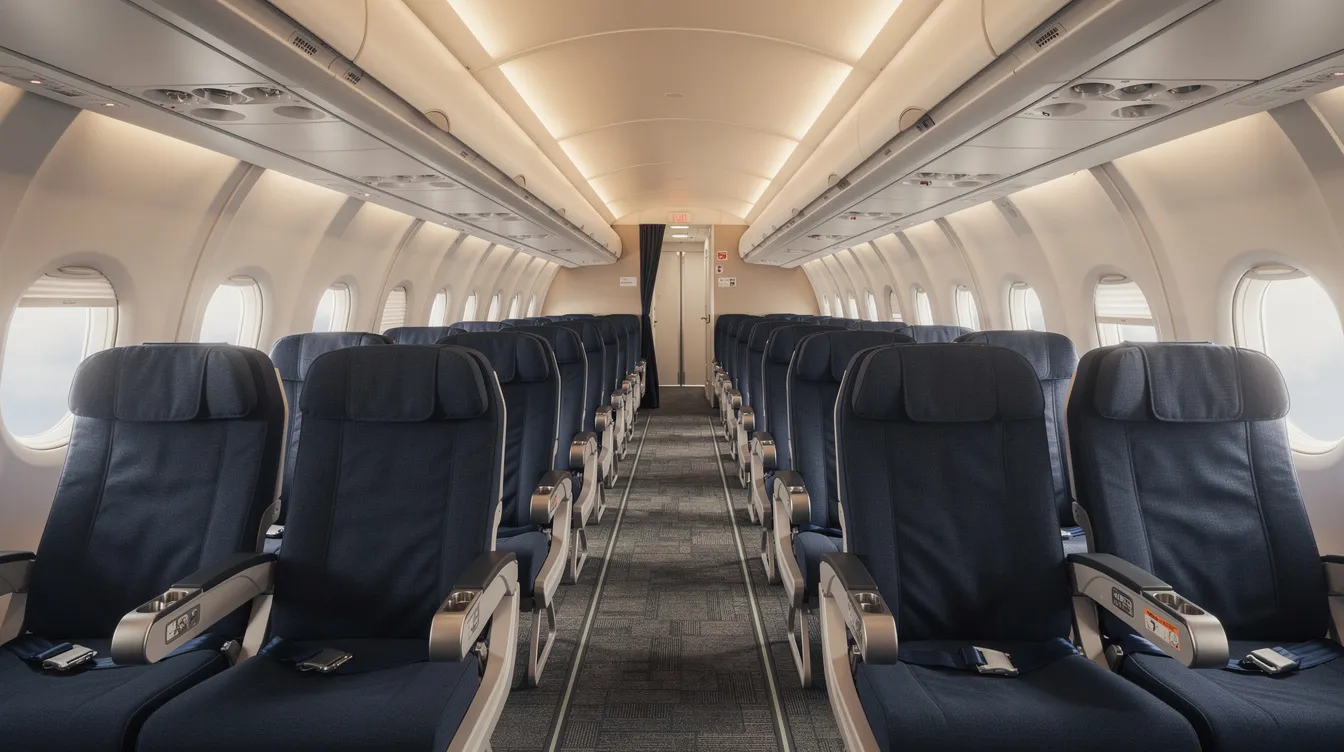
Beyond the Hourly Rate: Per Diem, Boarding Pay, Holiday Pay, and Profit Sharing
Base salary only tells part of the story. Additional compensation components can add $400–$900+ per month in a busy schedule:
Per Diem Pay
Per diem pay: an hourly allowance paid while away from base. Per diem payments are designed to cover meals and expenses while flight attendants are away from their base. Per diem allowances typically range from $2.00 to $3.50 per hour away from home base. At Delta, per diem rates are $3.30 for domestic and $3.80 for international. At most airlines, per diem adds between $2.00 and $3.00 per hour, accumulating to $150–$350 per month depending on how many hours a crew member spends away from base.
Boarding Pay
Boarding pay: Delta flight attendants receive boarding pay at 50% of their hourly rate, meaning $19.20 per hour during boarding time at the $38.40 flight pay rate. Not all airlines offer boarding pay yet, making it a competitive differentiator at carriers that do.
Holiday Pay
Profit Sharing
Profit sharing: Delta's multi-billion-dollar profit sharing pool has delivered roughly 8–10% payouts in strong years. This is variable, not guaranteed base salary, but it raises total compensation significantly. Flight attendants often have opportunities for additional earnings through boarding pay, holiday premiums, and overtime.
Note that net take-home is further reduced by union dues at carriers with collective bargaining agreements, and by taxation of per diem above IRS thresholds.
Reserve Days vs. Lineholder: Why First-Year Pay Feels Lower Than the Scale
First-year flight attendants are usually placed on reserve status, affecting their monthly pay depending on calls to fly. Here is why first-year earnings often feel tighter than pay scale numbers suggest:
Reserve Status Explained
Reserve days: new flight attendants start on reserve with 70–78 guaranteed credit hours but highly unpredictable schedules. Many reserve days result in long on-call periods, airport standby, or short flights that do not maximize pay.
Lineholder Status and Earnings
Lineholder status: more senior crew bid for specific trip "lines" during senior crew bid processes, gaining control over days off, international routes, and higher-credit pairings. This is the only part of the career where schedule control and earnings align.
Two simple comparisons:
Reserve first-year crew | Lineholder with seniority |
|---|
75 credit hours × $26.23 (regional) = $1,967 + limited per diem. Approximately $28,000 annually. | 90 credit hours × $55+ per hour with premium pay and international flying = $5,000+ monthly. Well into good money territory. |
The quality-of-life tradeoff is real: more hours away from home, irregular operations, disrupted sleep, and modest first-year earnings - all while building seniority toward the higher pay that comes later.
Do First-Year Flight Attendants Make Good Money?
Compared to other entry-level roles requiring similar time away from home, first-year flight attendant pay is modest. First-year flight attendants typically earn $30,000 to $45,000 annually, while spending 250–300 hours per month away from base in high-cost cities like New York, Los Angeles, or San Francisco. Cost of living in base locations can affect flight attendants' overall financial situation significantly.
Non-cash benefits partially offset the hourly wage gap:
Flight benefits and travel perks: space-available travel for self and eligible family on the carrier and partner airlines
Health insurance, retirement contributions (3–9% 401(k) match at most carriers), and paid time off
Per diem that covers meals during trips, reducing out-of-pocket expenses
The reality many first-year flight attendants face: net take-home after union dues and taxes can feel thin. Some pick up extra hours and extra trips on days off to push past $45,000, but the risk of burnout is real. Year pay in this career is more about long-term seniority upside and lifestyle than immediate high cash compensation. Flight attendants make tens of thousands more as they climb the seniority ladder - patience is the price of admission.
How First-Year Flight Attendant Pay Compares to Private Jet Cabin Crew
Private jet cabin crew, including those serving Jet Card members in private aviation, operate under fundamentally different compensation models:
Private Jet Cabin Crew Pay Structure
Day rates per trip: $450–$750 on light or midsize jets, $700–$1,200 on large-cabin or ultra-long-range aircraft
Fixed per-leg fees or salaried arrangements with on-call obligations that mirror broader private jet charter pricing structures
Lodging, travel, and per diem typically arranged separately
Entry-level private cabin crew roles can pay similarly to major airline first-year rates. However, experienced crew on large-cabin jets earn high day rates that often exceed commercial hourly pay when calculated per hour of actual flight time, especially when serving owners of billionaire-level private jets and bespoke aircraft.
Work Pattern Differences
The work pattern contrast is significant:
Commercial crew: union-negotiated flight pay, seniority-based bidding, 100–300+ passengers per flight, deadhead pay on repositioning legs, and pay scales that differ significantly from private jet pilot salary structures
Private crew: small passenger groups (often 1–8 guests), bespoke service, irregular but well-compensated trip days
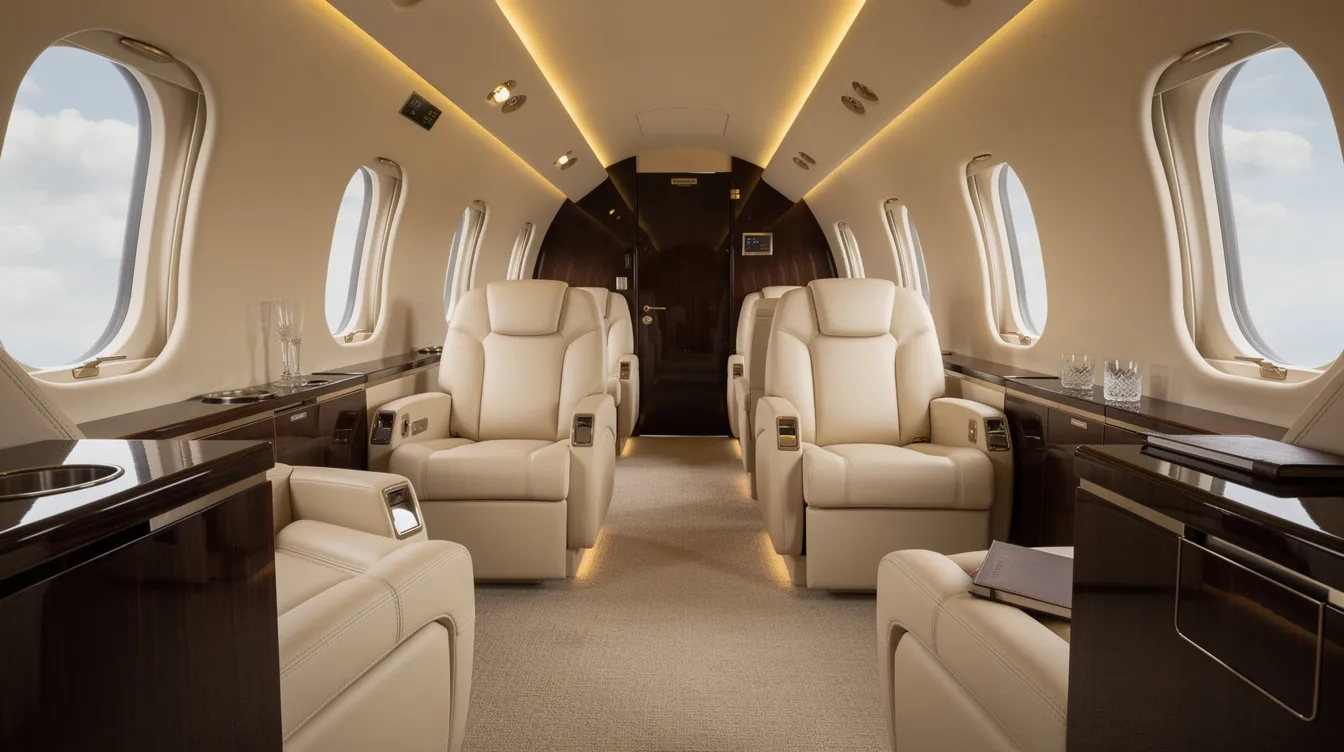
In private aviation, pay reflects a higher-touch service model - custom catering, individual preferences, and direct interaction with high-net-worth travelers who may be flying on 20 million dollar private jets with ultra-luxury features. For BlackJet, all-inclusive Jet Card pricing already factors in premium cabin crew compensation, safety certification, and carbon-neutral operations - not charged item by item, aligning with broader jet card cost per hour benchmarks in private aviation.
What First-Year Flight Attendant Pay Means for Travelers
Flight attendant compensation is not just a crew concern - it directly affects the experience on board:
Adequate compensation supports retention of experienced crew, improving cabin safety and service consistency
Seniority-based systems reward long-term commitment, which means flights staffed by seasoned professionals deliver measurably better outcomes.
Underpaid, overworked first-year flight attendants may face burnout and irregular operations pressure, which can affect morale and indirectly diminish service quality.y
Consider the contrast: a business traveler on a packed hub-to-hub commercial flight staffed mainly by new hires on reserve versus a BlackJet Jet Card member experiencing familiar, highly trained private cabin crew on a New York–Miami flight, backed by a transparent private jet price list and access models. The difference is not accidental - it is built into how crew is compensated and supported.
In the BlackJet model, cabin crew pay is decoupled from the cost-cutting pressures of commercial fares. Pricing is built around safety standards, professionalism, and consistent premium service offered through BlackJet’s premium private jet card programs.
How BlackJet Structures Cabin Crew Value Inside Jet Card Pricing
BlackJet's Jet Card programs - including 25-hour and 50-hour options and the dedicated BlackJet 25+ Hour Jet Card - bundle several elements that commercial airlines price separately:
Aircraft access across multiple cabin types
Professionally trained cabin crew where the aircraft category requires it
Rigorous safety certification and carbon-neutral flights on every mission
BlackJet members do not see a separate hourly rate for cabin crew. Crew compensation, initial training, benefits, reserve days, on-call support, and pre-flight preparation are embedded into the hourly aircraft rate. This differs from commercial ticket pricing, where crew costs are buried in fare structures that incentivize cost-cutting, and where savvy travelers may still explore jet card tax deduction strategies when flying for business.
Real-time digital booking tools and 24/7 support ensure crew receives clear manifests, catering notes, and safety briefs - amplifying service quality rather than stretching crew for minimal pay, which is a hallmark of the best jet card programs for frequent flyers. The result: a seamless experience where every journey reflects the professionalism of well-compensated, well-supported cabin crew.
First-Year Flight Attendant Pay FAQ
What is the average salary for a first-year flight attendant?
The average salary ranges from $28,000 to $50,000 depending on airline type and hours flown. At major airlines, most first-year flight attendants land between $35,000 and $45,000. Regional carriers pay less, often closer to $28,000 annually.
How much do first-year flight attendants get paid per hour?
The hourly pay ranges from $26 to $38.40 per flight hour at U.S. carriers. However, this applies only to actual flight hours—not the full duty day. The effective hourly rate across all hours away from home is considerably lower.
Can a first-year flight attendant make $60,000?
It is theoretically possible but requires heavy flying, picking up more hours on days off, working every holiday, and accepting nearly every reserve call. This pace is often unsustainable and risks burnout early in the career.
Do flight attendants get paid during training?
Training pay may vary among airlines, with some providing allowances while others may have unpaid training periods. Most major carriers offer a reduced stipend during initial training, while full hourly pay typically begins once revenue flying starts.
Do first-year flight attendants get paid for layovers?
Layover hotels are covered by the airline, and per diem pay continues accumulating for every hour away from base. However, per diem is separate from the hourly wage—it covers meals and incidental expenses, not additional flight pay.
How many hours do first-year flight attendants actually fly?
Most airlines guarantee 71–80 credit hours per month. Actual time away from base is much higher—often 230–260 hours—but only the credited flight time generates base pay.
Do flight attendants make good money compared to private jet cabin crew?
The trajectories differ. Commercial flight attendants earn modest first-year pay but can reach six figures with seniority. Private jet cabin crew may earn higher day rates earlier, especially on large-cabin aircraft, but face less predictable scheduling. Both paths offer distinct career opportunities, from commercial cabins to high-earning private jet sales roles within business aviation.
Conclusion: Planning Your Career Around First-Year Flight Attendant Pay.
First-year flight attendant pay is modest, variable, and heavily shaped by reserve schedules, base location, and airline type. But it opens a door: with patience and building seniority, flight attendants earn substantially more each year, eventually reaching the highest salaries in the industry.
Understanding the difference between flight hour pay, per diem, profit sharing, and travel perks is essential for realistic budgeting in year one. The commercial airline path rewards longevity. The private aviation path - including opportunities with providers like BlackJet and other jet card pricing models in private aviation - rewards specialization and premium service from the start.
Elevate your travel - effortlessly. Whether you are exploring a career in aviation or seeking the consistent professionalism of well-compensated cabin crew, BlackJet's Jet Card programs deliver rigorous safety, carbon-neutral performance, and unmatched flexibility - all built into a single, predictable rate, offering an alternative to simply buying a seat on a private jet trip by trip. Discover how BlackJet can reshape your travel.


 Sign up with google
 Sign up with Apple