Private aviation is expanding at a pace that outstrips the broader airline industry, and that growth is creating career opportunities that didn't exist a decade ago. If you've been researching a Flexjet career - or exploring alternatives like BlackJet - you're evaluating two distinct models that both serve the most discerning travelers in the world. This guide breaks down what each path actually looks like, from the flight deck to the corporate office, so you can make a grounded decision about where your skills fit best.
Why Flexjet Careers Matter to Ambitious Aviation Professionals
Flexjet has operated for 30 years as a global leader in private aviation, building a reputation around expertise, precision, safety, and service. The company owns and operates over 300 aircraft and serves more than 2,100 clients worldwide, which makes it one of the largest fractional jet providers on the planet. For pilots, crew, and corporate talent, a Flexjet career represents stability - you're joining a mature operation with deep infrastructure, not a startup finding its footing.
The distinction between Flexjet's model and what BlackJet offers matters for career planning. Flexjet operates on a fractional ownership model: Flexjet owners purchase shares of specific aircraft and receive dedicated crews and guaranteed access. This creates predictable operations, regular routes, and long-term relationships between crew and clients. BlackJet, by contrast, offers Jet Card programs - prepaid hours of flight that provide access to multiple cabin types without ownership, building on its broader platform for premium private jet cards and Jet Card programs. Jet Card models emphasize flexibility, digital booking, and on-demand service, which translates into a different kind of work rhythm for the professionals involved.
Compared to commercial aviation, both models offer compelling advantages. Private aviation passengers typically experience 70–80% time savings per trip through smaller terminals, direct routing between thousands of airports, and zero layovers. For the professionals who serve these passengers, that means smaller crew sizes, higher service standards per individual, and significantly more responsibility per employee. Where a commercial flight attendant might serve 150 people, a cabin server at Flexjet or on a BlackJet-partnered aircraft may serve two to eight.
The demand signals are clear. In 2022 alone, Flexjet planned to hire approximately 350 pilots and add 50 aircraft to its fleet. Private aviation emphasizes safety certification and carbon-neutral flights - two pillars that attract customers who are high-net-worth individuals valuing flexibility and privacy. For ambitious professionals, this is a sector where the trajectory points up, and the openings span every department from the cockpit to the C-suite.
Current Flexjet Job Landscape
Flexjet currently has 49 open job positions spanning multiple departments and locations. The company offers roles in Technical Services and Owner Support, alongside flight crew, corporate, and operations positions. Roles range from entry-level technicians to senior leadership across every function that keeps a private aviation operation running.
Geographically, Flexjet's headquarters is located in Richmond Heights, in the Cleveland area, and the company maintains 25 or more strategically located operations, maintenance, exclusive private terminals, and regional facilities. Flexjet offers positions in North America and Europe, with major U.S. hubs including Cleveland and Dallas, plus bases that align with high-density business aviation corridors.
Candidates can filter openings on the Flexjet careers site by department, location, and role type, then apply directly. Categories include:
Crew Roles
Technical Services Roles
Corporate, Operations & Owner Support Roles
Corporate, Operations & Owner Support - dispatch, scheduling, sales, HR, finance, marketing, owner experience representative
Europe-Based Roles
For those exploring a Flexjet career, the breadth of openings means you can enter through one discipline and grow laterally. The same is true within BlackJet's ecosystem, where professionals supporting jet card operations may move between customer experience, technology, and safety roles as the business scales, similar to the broader landscape of top private jet companies for luxury travel and service.
Flight Deck Careers at Flexjet
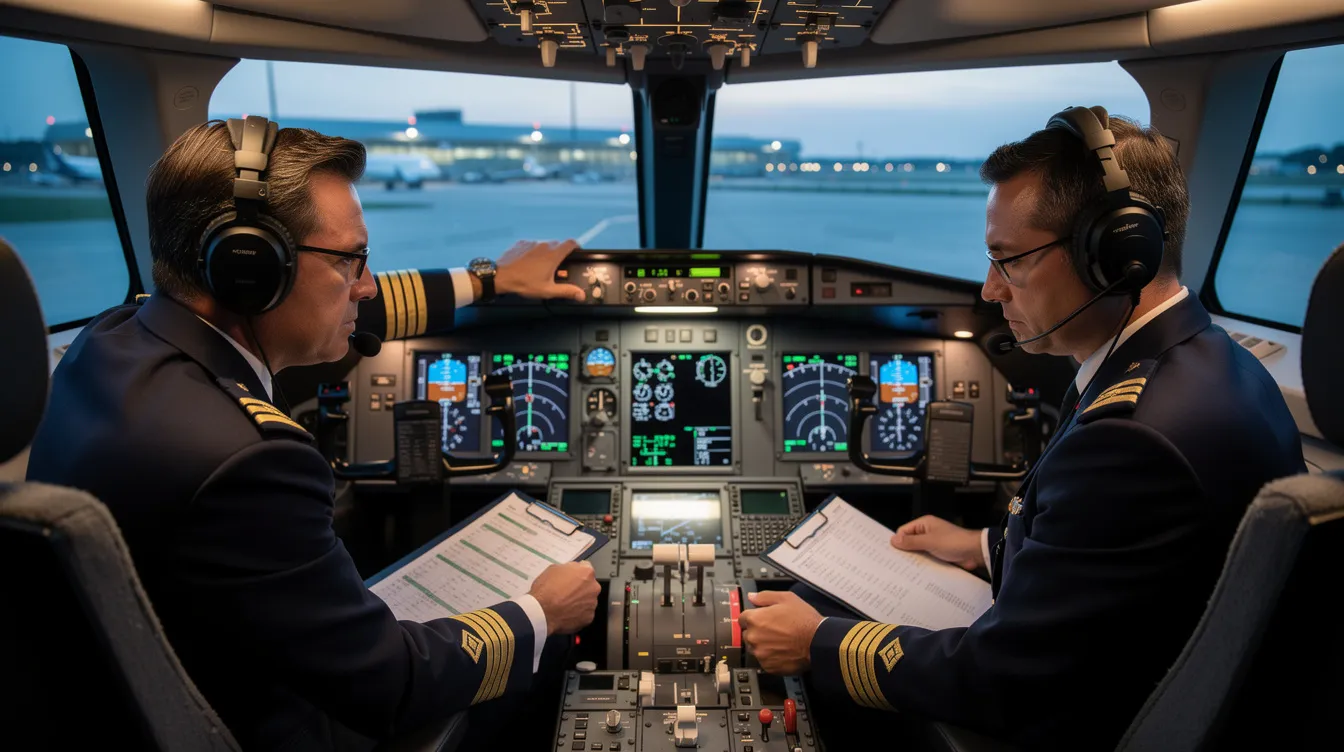
Flexjet is hiring pilots for various fleet types, from midsize platforms like the Embraer Praetor 600 to large-cabin flagships like the Gulfstream G650 and G700, and the Bombardier Challenger 3500. The typical career path begins as a First Officer, with advancement to Captain as hours, experience, and type proficiency grow.
General experience expectations for pilot candidates include:
FAA ATP certificate or equivalent
Minimum 1,500 total flight hours (varies by fleet assignment)
Type rating in the assigned aircraft is preferred
Strong crew resource management and safety track record
Current FAA medical certificate meeting vision and hearing standards
Physical requirements for pilot roles are substantial. Beyond medical certification, pilots must possess the ability to manage long duty days, lift luggage and supplies, operate in tight cockpit environments, and perform emergency duties under pressure. Meeting these standards is not a one-time hurdle - it's an ongoing condition of employment.
Flexjet pilots benefit from a non-reserve scheduling model with over 115 domiciles available, and the ability to change domicile as personal needs shift. Compared to BlackJet-style partner pilots - who may fly more varied charter and jet card missions driven by products like the BlackJet 25+ Hour Jet Card, including last-minute trips for cardholders - the Flexjet schedule tends toward greater predictability.
Increasingly, pilots at Flexjet receive training in sustainable operations, including fuel-efficient climb profiles and awareness of sustainable aviation fuels. This reflects industry-wide momentum toward reducing the carbon footprint of every flight.
Flexjet vs BlackJet: Pilot Lifestyle and Compensation
The lifestyle differences between a Flexjet pilot and a pilot flying within BlackJet's partner network come down to structure versus variety.
At Flexjet, first-year pilots can expect compensation up to $175,000, combining base salary, per diem, and bonuses. Pilots in private aviation may receive tax-free per diem - Flexjet's is $42 per day, approximately $8,484 annually - and are fully expensed for business-related travel. Productivity bonuses add further upside: crew members maintaining schedules above 220 days per year can earn an additional $5,000. Benefits include 401(k) retirement plans with company matching, plus health and wellness benefits that often include medical plans and vision coverage. For a deeper look at compensation benchmarks, see BlackJet's guide to understanding Flexjet pilot pay and its analysis of billionaire private jet price trends, which puts compensation in the context of broader ownership economics.
BlackJet-associated pilots, operating within the on-demand and jet card model, typically work on day-rate or contract structures. Pay may be higher per mission during peak demand, but it comes with more variability - last-minute routing changes, diverse itineraries, and less predictable monthly income.
Route patterns differ accordingly:
Factor | Flexjet | BlackJet Partner Network |
|---|
Schedule type | Fixed, non-reserve | Mission-based, flexible |
Route predictability | High (regular owner routes) | Moderate (diverse jet card itineraries) |
Compensation model | Salary + per diem + bonuses | Day-rate or contract |
Domicile options | 115+ home bases | Varies by operator |
Trip diversity | Business corridors | Broad: Teterboro–Miami, London–Nice |
Both brands maintain rigorous safety and recurrent training standards. Flexjet pilots complete simulator sessions that exceed regulatory minimums, and all private jet pilots operating BlackJet missions must meet equivalent safety benchmarks. Type ratings, check-rides, and flight data monitoring are non-negotiable across both ecosystems, and they are equally critical for professionals in adjacent roles such as airplane brokers serving private aviation clients.
Cabin & Customer Experience Roles: Flight Attendants and Service Teams
A cabin attendant or cabin server career at Flexjet centers on ultra-high-touch service for a small number of passengers per flight. Duties include safety briefings, bespoke onboard catering, beverage service with deep knowledge of fine food and wine, cabin preparation, and greeting and departing clients with professionalism that reflects the brand.
Core skills required:
Elite hospitality background - luxury hotels, Michelin-starred restaurants, or first-class airline service
CPR, first aid, and emergency response certification
Conflict management and discretion with high-profile clients
Familiarity with Part 135 operations or corporate aviation environments
Physical requirements are explicit. Cabin crew must be able to stand for extended periods, lift baggage and catering supplies, bend and stoop in compact cabin spaces, and handle lavatory fluid servicing. The work environment includes regularly exposed conditions such as variable temperatures, vibration, and weather conditions during ground operations. Schedules may follow patterns like 8 days on and 6 days off, or 16 variable days per month, and the crew must reside near their assigned domicile.
Private aviation often utilizes specialized programs for exceptional service recognition among staff, rewarding crew members who consistently exceed client expectations. Both Flexjet and BlackJet rely on cabin crew to communicate safety protocols, reassure nervous flyers, and represent the luxury image that keeps clients loyal. The standards for BlackJet cardmember flights mirror Flexjet's emphasis on personalized catering, confidentiality, and anticipating the needs of repeat travelers, aligning closely with the expectations described in guides to top private plane stewardess jobs and career paths.
Transitioning from Commercial to Private Cabin Crew
If you're transitioning from a major airline, a Flexjet career in cabin service requires a deliberate pivot in how you present your experience. The shift is from serving large volumes efficiently to providing premium one-on-one service where every detail matters.
Key resume adjustments include:
Highlighting VIP service experience, especially with first-class or business-class passengers
Emphasizing discretion, confidentiality, and personalized service rather than throughput metrics
Showcasing any luxury hospitality exposure - private events, concierge work, fine dining
Noting flexibility with irregular schedules and willingness to travel extensively
Consider a scenario: a flight attendant with eight years at a legacy carrier, known for outstanding first-class service and multiple customer commendations. She updates her CV to foreground elite passenger interaction, learns private-jet-specific etiquette through a certification course, and applies to Flexjet as a cabin server. After two years mastering fractional operations, she transitions into BlackJet-partner missions, where jet card clients expect equally polished service but with greater itinerary variety - sometimes a morning departure from Aspen followed by a repositioning leg to Los Angeles the same day.
Smaller passenger counts and customized itineraries fundamentally change the workday rhythm. You become a personal concierge in the air. Candidates should secure recurrent safety training and private-jet-specific hospitality certifications to stand out.
Technical, Engineering, and Maintenance Careers
Flexjet's Technical Services team has over 20 years of experience, backed by a 20-plus-year FAA Diamond Award-winning team - a distinction that underscores the company's commitment to maintenance excellence. Positions include Aircraft Maintenance Engineer and Line Service Technician, among dozens of technical roles across the fleet.
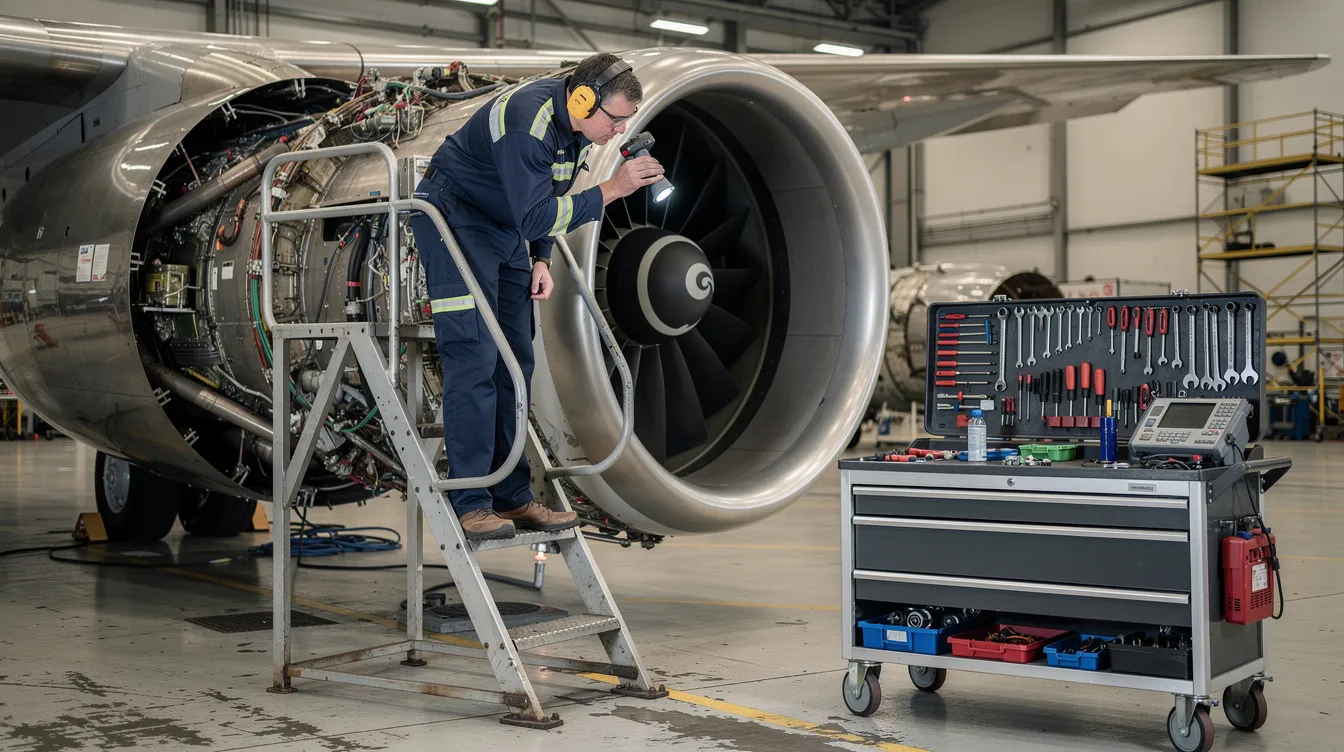
Aircraft mechanic and avionics technician roles in a Flexjet environment involve line maintenance, scheduled inspections, and troubleshooting for modern business jets featuring digital avionics and composite structures, including some of the newest private jet models, where innovation meets luxury. Flexjet maintains the largest in-house maintenance network among private jet providers, with 1,500 technical employees and 2.4 million square feet of hangar space in North America and Europe.
Typical qualifications:
FAA A&P license or EASA equivalent
Experience with business jet platforms and composite materials
Proficiency in digital avionics and glass cockpit systems
Understanding of regulatory inspections and airworthiness directives
The work environment characteristics for technical roles are demanding. Employees are regularly exposed to moving mechanical parts, loud noise level environments, chemicals used in cleaning and repair, and temperature extremes, including cold and extreme heat. Work may involve climbing stands, operating in precarious places at height, and handling heavy mechanical parts. These physical requirements are essential functions of the role, and reasonable accommodations may be provided to enable individuals with disabilities to perform them where feasible.
Engineering and Analytics Roles
Beyond hands-on maintenance, Flexjet and similar operators need reliability engineers, performance analysts, fleet planners, and fuel-efficiency specialists. These engineering-adjacent roles sit at the intersection of technical skill and strategic thinking.
Data engineers and systems engineers help private aviation companies optimize routes, manage aviation fuel consumption, and reduce carbon footprints. For example, a reliability engineer might track component failure rates across a fleet of Challenger 3500s to predict maintenance needs before they cause dispatch delays, while a performance analyst models fuel burn profiles to recommend more efficient climb and cruise procedures.
This connects directly to BlackJet's emphasis on carbon-neutral flights and sustainability. When a jet card client books a trip, the carbon offset calculation and route optimization behind it depend on engineering teams who understand lifecycle emissions and fuel efficiency at a granular level, as well as how different mission profiles align with the best small private aircraft for each need.
These roles involve cross-functional collaboration with operations, finance, and sustainability teams. A technically inclined candidate can realistically grow from a line mechanic position into a strategic engineering or analytics role, provided they invest in continuing education around data systems, environmental compliance, and fleet management software.
Corporate, Technology, and Operations Careers in Private Aviation
Not every Flexjet career involves being airborne. Flexjet employs product managers, operations controllers, dispatchers, sales executives, HR professionals, finance teams, and marketing staff. The company culture in private aviation can be family-oriented while emphasizing premium service delivery - a blend that attracts professionals seeking purpose alongside professional growth.
A Senior Product Manager at Flexjet might focus on digital booking platforms, mobile apps, and customer portals - the tools that Flexjet owners and their representatives use to schedule flights, manage account details, and work with client support. Digital booking tools are an essential feature in private aviation services, and the teams building them work at the intersection of technology and luxury hospitality. Private air travel often includes real-time support as a key service element, which means operations center roles - schedulers, dispatchers, and client services teams - are responsible for coordinating complex multi-leg itineraries and crew rotations around the clock. Clients or media can contact the team for support.
For those with a sales orientation, the contrast between Flexjet and BlackJet is instructive. Flexjet's fractional sales roles involve large contracts and long-term commitments with high-net-worth individuals and corporate flight departments. BlackJet's Jet Card specialist and sales roles center on providing information about prepaid hour packages, including offerings explained in its complete guide to the 25 Hour Jet Card, where the sales cycle may be faster, but relationships are equally important. Both require professionals who can connect with demanding clients, understand complex products, and assist with tailored solutions.
Safety and Regulatory Careers
Safety oversight creates its own career track in private aviation. Roles such as Director of Safety, safety analyst, and audit specialist carry the responsibility for internal checks and third-party safety ratings. At Flexjet, the company holds ARG/US Platinum status, IS-BAO certification, and more than 25 consecutive FAA Diamond Awards for maintenance training - each of which requires dedicated professionals to maintain.
These individuals oversee pilot training records, maintenance standards, and adherence to FAA and EASA regulations. They manage Safety Management Systems, voluntary disclosure programs, flight data monitoring, and emergency response planning. Every employee encounters these systems in some form, whether through mandatory reporting or recurrent training modules.
For customers - especially corporate flight departments and high-net-worth individuals choosing between providers - safety credentials directly influence purchasing decisions. BlackJet leverages independent safety audits and proprietary certification standards as a core brand pillar, creating career paths in safety oversight that parallel and complement those at fractional operators like Flexjet and extend into large-group charter operations such as private jets for up to 50 passengers.
Physical Requirements and Lifestyle Realities in Flexjet Careers
Across all Flexjet roles, the physical requirements vary but are consistently documented. Pilots must maintain current FAA medical certificates. Cabin crew need the mobility and strength to perform essential functions in a compact aircraft cabin. Maintenance technicians face the most physically demanding conditions: exposure to weather conditions, chemicals, noise, vibration, and cold or extreme heat, all while working with moving mechanical parts and heavy tooling.
Business aviation environments can be demanding,g with varying work-life balance across departments. Crew-based roles involve irregular schedules, holiday and weekend work, extensive travel, and significant time away from home. Ground-based positions - including certain operations, technology, and support roles - tend to offer more predictable hours. At BlackJet, for instance, remote digital support and operations roles may align better with professionals who need schedule stability while still contributing to private aviation, which increasingly serves clients who might buy a seat on a private jet instead of chartering an entire aircraft.
The work environment for any aviation role requires ongoing attention to fitness. This is not a "check the box at hiring" situation. Pilots must pass recurrent medical exams. Cabin crew must continually demonstrate they can perform emergency duties. Technicians must maintain their physical condition to work safely in hangars and on ramps across all weather conditions.
Practical guidance for candidates:
Build and maintain a fitness routine that addresses cardiovascular health and functional strength
Prioritize sleep hygiene, especially when crossing time zones or working rotating schedules
Understand that the noise level in hangars and on ramps can be loud enough to require hearing protection at all times
Ask prospective employers about duty-day limits and schedule protections before you sign an offer
Fatigue Management and Wellness Programs
Fatigue risk management is a critical - and often underappreciated - element of a Flexjet career or any role in private aviation. Scheduling teams at Flexjet and companies like BlackJet aim to balance high-demand periods with required rest, especially on transcontinental and transatlantic missions where duty days can extend across multiple time zones.
Flexjet enforces structured rest and duty-time limits. Cabin crew schedules are defined with rotation patterns, and pilot schedules include mandatory days off and non-reserve protections. Mental health resources, peer support programs, and the importance of a "just culture" - where crew can report safety concerns without fear of retaliation - are increasingly standard at organizations with mature safety programs.
For job seekers evaluating opportunities, ask these questions in interviews:
What are your maximum duty-day limits for crew?
How does scheduling handle fatigue reports?
Is there a peer support or mental health program available?
What does your safety reporting system look like, and is it non-punitive?
Strong safety culture and wellness programs correlate directly with long-term career longevity and satisfaction. The operators who invest here retain their best people.
Training, Career Progression, and Long-Term Growth
Flexjet invests in recurrent simulator training, type ratings, and leadership development for both flight and corporate staff. Flexjet promotes a world-class experience for its employees and owners, and that commitment shows in the depth of its training infrastructure. Pilots complete simulator sessions beyond regulatory minimums. Corporate staff have access to leadership development tracks. Technical teams maintain the standards required to uphold 20-plus years of consecutive FAA Diamond Awards.
Typical career progressions:
Starting Role | Mid-Career | Senior Level |
|---|
First Officer | Captain | Chief Pilot / Training Manager |
Cabin Server | Lead Cabin Service | Service Director |
Line Mechanic | Senior Technician | Reliability / Fleet Engineer |
Analyst / Coordinator | Manager | Director / VP |
Professional growth opportunities exist in private aviation, though there may be challenges - smaller organizations, flatter hierarchies, and the need to develop breadth alongside depth. Within BlackJet's ecosystem, professionals can pivot from operations roles into product, safety, or sales leadership as the jet card business scales, offering a different kind of growth trajectory.
Cross-training in sustainability topics - carbon accounting, aviation fuel efficiency, and sustainable aviation fuels adoption - is becoming a differentiator. Candidates should learn these competencies early, as they will increasingly define who advances into senior leadership. View any Flexjet role as part of a broader private aviation career journey, potentially including time at innovative providers like BlackJet, where technology and environmental strategy move faster, whether you are supporting global routes or regional operations such as private jet charters in Karachi.
Sustainability-Focused Career Paths
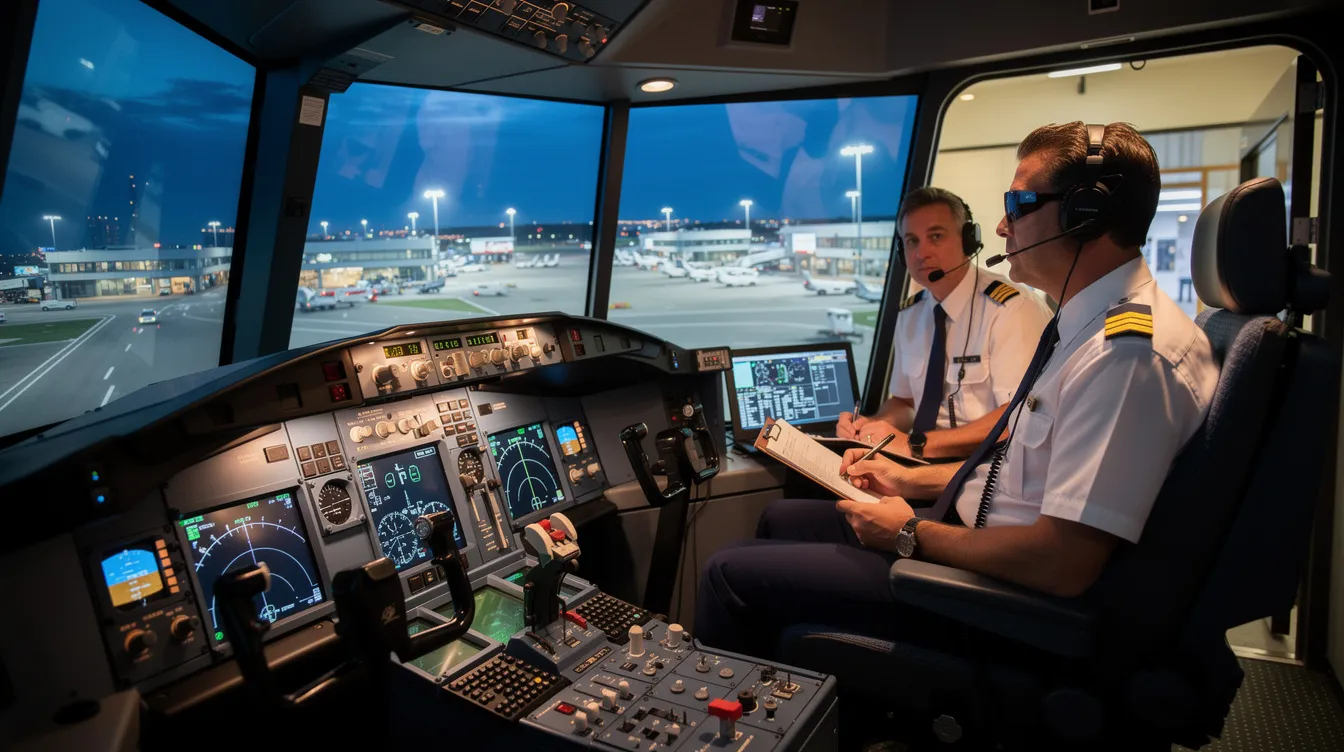
Sustainability is no longer a side conversation in private aviation - it's a hiring criterion. Growing specialization around environmental strategy means new roles are emerging in carbon accounting, SAF supply chain management, route optimization, and ESG reporting.
Key skills for this specialization include:
Understanding lifecycle emissions and carbon offset mechanisms
Familiarity with sustainable aviation fuel supply chains and compatibility with current fleet types
Proficiency with route optimization tools that minimize fuel burn and emissions per passenger mile
Knowledge of ESG reporting frameworks and regulatory compliance
BlackJet's promise of carbon-neutral flights creates specific roles in data analysis, vendor management, and program design. Someone managing offset procurement, for instance, must agree on methodology with third-party verifiers, track actual versus estimated emissions, and ensure the program delivers on its brand promise to every cardholder.
Professionals at Flexjet and beyond should pursue additional training in these areas. Organizations like NBAA offer sustainability-focused programming, and universities are increasingly providing certificates in aviation environmental management. Sustainability expertise positions you for senior leadership roles at both established fractional operators and digitally native providers like BlackJet.
How to Position Yourself for Flexjet Careers and BlackJet Opportunities
Building a Competitive CV
With Flexjet currently listing 49 open job positions and BlackJet's partner network continuing to grow, the practical question is: how do you stand out?
Build a competitive CV:
Pilots: lead with total flight hours, type ratings, safety record, and any awards. If you Google "flexjet pilot requirements" or continue searching through aviation job boards, you'll find that specificity wins - list exact types flown and hours in each.
Cabin crew: highlight VIP service metrics, luxury hospitality certifications, and any experience providing service to ultra-high-net-worth passengers.
Maintenance: emphasize your A&P or EASA license, specific aircraft platforms, and experience with digital maintenance systems.
Corporate candidates: demonstrate technology fluency, operational scale, and any experience with regulatory compliance or sustainability initiatives, especially if you understand jet card cost and private jet membership pricing.
Pursuing Targeted Certifications
Pursue targeted certifications:
Pilots: ATP, relevant type ratings, CRM refreshers
Cabin: private-jet etiquette certifications, advanced first aid, wine, and culinary training
Technical: manufacturer-specific training, composite repair certifications
Corporate: project management (PMP), data analytics, ESG reporting credentials, and familiarity with jet card pricing structures and benefits
Networking Strategies
Attend business aviation conferences such as NBAA-BACE or EBACE. Join professional associations. Engage directly with recruiters who specialize in private aviation - many are active on LinkedIn. Connect with current Flexjet or BlackJet employees to learn what hiring managers actually prioritize. Send a targeted email to recruiting contacts rather than relying solely on job board applications.
Consider this path: a First Officer joins Flexjet, builds hours on large-cabin types, earns a Captain seat, and develops deep knowledge of fractional client service. Three years later, she moves into a strategic role supporting BlackJet's jet card operations - combining operational expertise with the agility of a technology-driven model that serves travelers comparing the best jet cards for frequent flyers. Her experience at Flexjet is not a detour; it's a foundation.
A Flexjet career offers a proven, structured entry into private aviation - a sector where the standards are high, the clients are demanding, and the growth is real. The skills you develop in fractional operations translate directly into the broader ecosystem, including innovative providers like BlackJet, where digital booking, carbon-neutral travel, and Jet Card flexibility define the future of the industry for clients flying on some of the top private jets in the world.
Conclusion: Choosing Between Flexjet Careers and BlackJet Opportunities
A career with Flexjet offers the prestige of joining a globally recognized leader with a stable fractional ownership model, deep safety certifications, and a structured path for professional growth. Flexjet’s commitment to expertise, precision, and sustainability ensures employees contribute to an industry-leading experience for high-net-worth clients who demand reliability and discretion.
Conversely, BlackJet represents the future of private aviation through its Jet Card programs, emphasizing flexibility, digital responsiveness, and carbon-neutral flights. Its content on Flexjet jet card costs and options, NetJets jet card pricing, and 50 Hour Jet Card value and cost structures illustrates how thoroughly it analyzes membership models, while discussions of the cheapest private jet options for travelers highlight how access to private aviation is evolving beyond traditional ownership. For professionals who thrive in dynamic environments and value innovation alongside luxury service, BlackJet provides unique opportunities to engage with cutting-edge technology and sustainability initiatives.
Both paths require dedication to rigorous safety standards, exceptional service, and ongoing professional development. Whether your ambition lies in the predictability and scale of a fractional operator like Flexjet or the agility and modernity of BlackJet’s jet card ecosystem, private aviation promises a prestigious, rewarding career that blends luxury with responsibility.
Explore how BlackJet can reshape your travel and career possibilities by joining our exclusive Jet Card program or connecting with our talent community today.


 Sign up with google
 Sign up with Apple