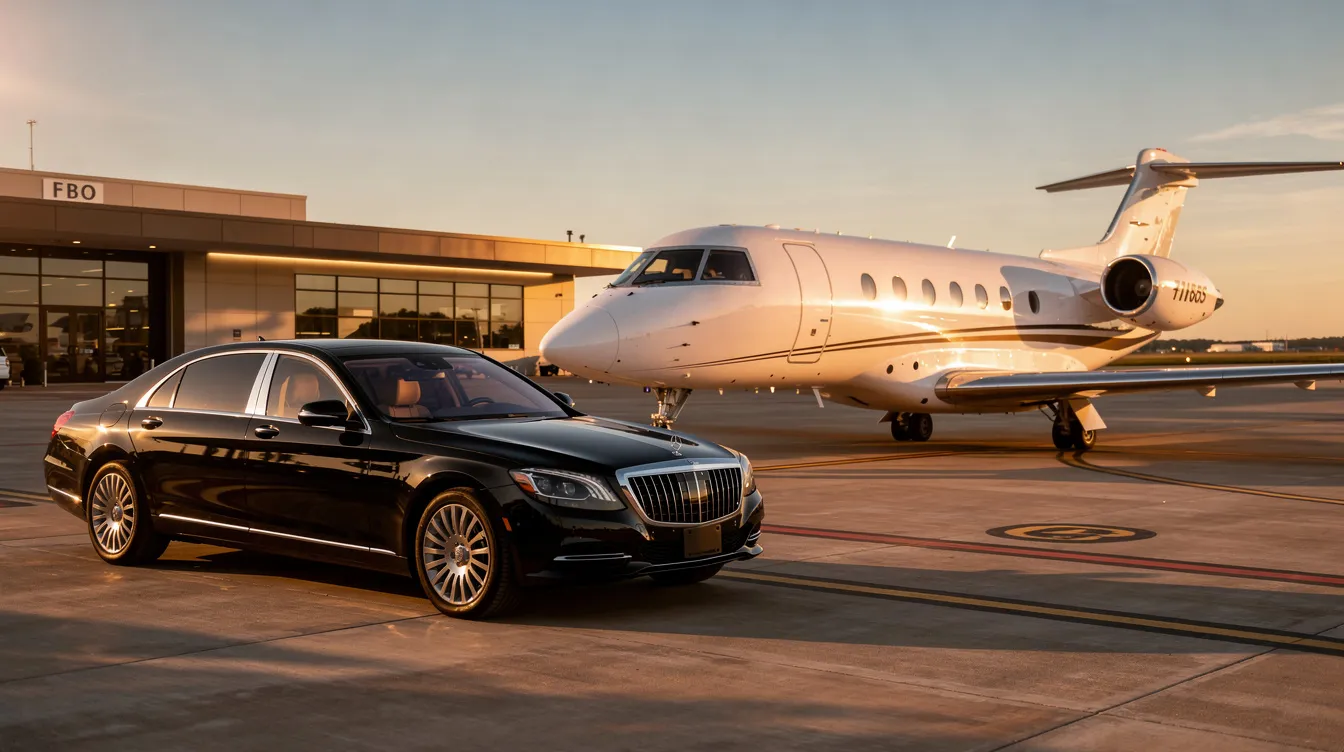
When it comes to premium air travel, the choice is no longer just about flying economy or business class. Today’s most discerning travelers—premium travelers, business executives, and frequent flyers—are weighing the best first class seating airlines against the unmatched flexibility and exclusivity of private jet travel. This article provides a comprehensive comparison of first-class seating on major airlines versus private jet cabins, helping you make informed decisions about your premium travel options.
Why does this matter? The landscape of luxury travel is evolving rapidly. With airlines introducing ever-more sophisticated first class suites and private jet access becoming more attainable through programs like Jet Cards, understanding the differences is crucial for those who value comfort, privacy, and control over their travel experience. Whether you’re a business leader seeking efficiency, a frequent flyer chasing comfort, or a luxury traveler demanding the best, this guide will clarify which option truly suits your needs.
Quick Comparison: First Class Seating Airlines vs Private Jet Travel
To address the most common questions about first class seating airlines, here’s a summary table comparing key features across major international and U.S. carriers, as well as private jets:
Feature | International First Class (e.g., Emirates, Singapore, Air France) | U.S. Domestic First Class (Delta, American, United) | Private Jet (BlackJet, Jet Card) |
|---|
Seat Type | Fully enclosed suites, lie-flat beds, privacy doors/curtains | Spacious recliners, limited lie-flat beds (rare) | Entire cabin, custom seating |
Legroom | 78–86 inches (lie-flat) | 37–42 inches (recliner) | Full cabin, stand-up room |
Privacy | High (doors/curtains, few seats per cabin) | Moderate (open cabin, more seats) | Complete (private use) |
Cabin Size | 4–10 seats | 8–20 seats | 4–16 seats (your group only) |
Dining | Multi-course, chef-designed, caviar, and premium beverages | Upgraded snacks/meals, complimentary drinks | Custom catering, any preference |
Lounge Access | Exclusive first class lounges, spa, limo transfers | Standard lounges, priority boarding | Private FBO terminal, no lines |
Check-in/Boarding | Dedicated, priority, sometimes private terminal | Priority, shared terminal | Arrive 20–30 min before, direct |
Flexibility | Fixed schedules, hub airports | Fixed schedules, hub airports | Depart/arrive on your schedule |
Baggage | Priority, but subject to airline rules | Priority, but subject to airline rules | Unlimited (within aircraft limit) |
Notable Carriers | Emirates, Singapore, Air France, Cathay Pacific | Delta, American, United, JetBlue (Mint) | BlackJet, NetJets, Flexjet |
Definitions: What Is First Class Seating, Business Class, and Private Jet Cabin?
First Class Seating Airlines:
First class seats provide more legroom and privacy dividers, and often feature lie-flat beds and privacy doors or curtains. International first-class cabins typically have fewer than ten seats, offering a cocoon-like environment with gourmet meals designed by top chefs, complimentary premium beverages, priority check-in and boarding, and access to exclusive airport lounges. Some airlines even offer private first-class terminals and limousine service. Domestic first class in the U.S. usually features spacious armchairs with extra pitch and width, but rarely includes lie-flat beds except on select transcontinental routes.
Business Class:
Business class often features lie-flat seats on long-haul flights, direct aisle access, and upgraded dining. While business class offers many amenities that once belonged exclusively to first class, it typically has more seats per cabin and slightly less privacy and exclusivity.
Private Jet Cabin:
A private jet cabin is reserved entirely for your group, with seating and amenities tailored to your needs. Cabin size and features vary by jet type (light, midsize, large cabin), but privacy, flexibility, and personalized service are unmatched. You control the schedule, route, and onboard experience, departing from private terminals (FBOs—Fixed Base Operators) and avoiding commercial airport hassles.
H2: Immediate Answer: Which First Class Airline Seats Really Compare to Flying Private?
A handful of first-class seating airlines genuinely approach the feel of a private aircraft. Emirates' "Game Changer" first class suites on the Boeing 777-300ER deliver full-height closing doors, 86-inch pitch, and virtual windows on center seats. Singapore Airlines Suites on the Airbus A380 provide a separate bed and lounge chair inside a fully enclosed apartment. Air France La Première on the 777-300ER surrounds you in over 32 square feet of personal space with floor-to-ceiling curtains. Cathay Pacific first class on the 777-300ER offers six spacious seats with refined Cantonese and Western dining.
Key similarities to private jet travel:
Fully enclosed suites or apartments
Lie-flat beds (78–86 inches)
Privacy doors or curtains
Gourmet, multi-course dining
Priority check-in, boarding, and lounge access
Key differences from private jet travel:
Fixed departure times and routes
Shared airport infrastructure and terminals
Security queues and airline schedules
For frequent travelers in 2025–2026, the decision is shifting from "economy vs business vs first class" to "top-tier first class vs private jet access." For example, a New York–London overnight in commercial first class means arriving at JFK two hours early and following the airline’s schedule. With a BlackJet 25-hour Jet Card, you depart from Teterboro at your chosen time, with minimal pre-flight time and a car waiting on the ramp upon arrival.
Transition:
Now that you know which first class seating airlines come closest to private jet standards, let’s break down how airline flight classes are structured today.
H2: How Airline Flight Classes Work Today (Economy to First Class)
Understanding the structure of airline cabins is essential before evaluating whether private jet access makes sense for you. Here’s how the main classes compare:
Economy Class
Definition: The most basic and affordable class, offering standard seating and minimal amenities.
Features: 31–34 inches of pitch, limited recline, standard meal service on longer routes.
Target Traveler: Budget-conscious flyers, infrequent travelers.
Premium Economy
Definition: A step up from economy, bridging the gap with more comfort and perks.
Features: 38–42 inches of pitch, wider seats, better meals, and priority boarding on many airlines.
Target Traveler: Travelers seeking extra comfort without the business class price.
Business Class
Definition: The workhorse premium cabin on international flights, now absorbing many features once exclusive to first class.
Features:
Lie-flat seats on long-haul flights
Direct aisle access (often 1-2-1 configuration)
Upgraded dining and beverage service
Lounge access
Booking Codes: J, C, D (business class fare classes)
Target Traveler: Corporate travelers, frequent flyers, those seeking comfort and productivity.
First Class
Definition: The pinnacle of commercial airline luxury, now a niche product on select international routes.
Features:
Fully enclosed suites or apartments (on select airlines)
Lie-flat beds (78–86 inches)
Privacy doors or curtains
Gourmet meals by top chefs
Complimentary premium beverages
Priority check-in, boarding, and baggage
Access to exclusive first-class lounges
Fewer seats per cabin (often fewer than ten)
Booking Codes: F (First), A (First Suite)
Target Traveler: Ultra-premium travelers, business leaders, luxury seekers.
Note: Domestic first class in the U.S. (on Delta, American, United) is often a rebranded regional business class, featuring spacious armchairs with extra pitch and width, but rarely offering lie-flat beds except on select transcontinental routes (e.g., American’s Flagship First on A321T, JetBlue Mint).
Transition:
Now that we've outlined the main airline cabin classes, let's explore what sets true international first class apart from the rest.
H2: What Defines True International First Class (and Why It Feels Almost Private)
H3: Hard Product Features
True international first class is not simply a more expensive business class ticket. It is a fundamentally different product, found mainly on long-haul routes and usually with fewer than ten seats in the entire first class cabin.
Key features include:
Fully enclosed private suites or apartments
Lie-flat beds (convert to full-length sleeping surfaces, 78–86 inches)
Privacy doors or curtains that seal the suite from the aisle
Large HD screens (24–43 inches)
Personal wardrobes and individual storage
Multi-course gourmet dining, often with caviar and rare champagnes
H3: Soft Product Elements
Gourmet meals designed by top chefs (e.g., Air France La Première menus by Michelin-starred chefs)
Complimentary premium beverages (vintage wines, bespoke cocktails)
Turn-down service with hotel-grade bedding, pajamas, and branded amenity kits
Priority check-in, boarding, and baggage handling
Access to exclusive first-class lounges with private security, à la carte dining, spa access, and car transfers directly to the aircraft
H3: Ground Experience
Private first class lounges at major hubs (Paris CDG, Dubai DXB, Frankfurt FRA)
Dedicated assistance from check-in through boarding
Limousine transfers and private boarding (on select airlines)
Transition:
With these features in mind, let’s look at the world’s most iconic first-class seating airlines and what you actually get on specific carriers.
H2: Iconic First Class Products: What You Actually Get on Specific Airlines
H3: Emirates
Fully enclosed first class suites on select Boeing 777-300ERs ("Game Changer" variant)
1-1-1 layout, full-height privacy doors, zero-gravity seating, separate minibar
Virtual windows in center suites
Dine-on-demand menu, unlimited caviar, and Dom Pérignon
Complimentary alcoholic beverages at any hour
Routes: Dubai to Geneva, Brussels, Rio de Janeiro (select aircraft only)
H3: Singapore Airlines
Six first-class seats on A380s, configured as private apartments
Separate bed (6'10" long) and swivel lounge chair
Double suites for couples
"Book the Cook" pre-order dining (lobster Thermidor, etc.)
Routes: Singapore–London, Singapore–Sydney, Singapore–Frankfurt–New York
H3: Air France
La Première on Boeing 777-300ER: single row, 1-2-1 configuration (four suites)
Floor-to-ceiling curtains for privacy, ultra-soft bedding, and Givenchy amenity kits
Best-in-class ground experience at Paris CDG (private limo transfers, spa, personal escort)
Routes: Paris CDG to New York JFK, São Paulo, Singapore, Tokyo
H3: Cathay Pacific
Six open first-class suites in a 1-1-1 configuration
Extra-wide beds, bespoke bedding, refined Cantonese and Western menus
Access to The Pier First Class Lounge in Hong Kong (day suites, full meal service)
Future upgrades expected with 777X deliveries
H3: Other Standout Products
Etihad Airways: First class apartments on A380, onboard shower, The Residence (three-room suite)
All Nippon Airways (ANA): "The Suite" on select 777-300ERs, 42-inch monitors
Japan Airlines: 1-1-1 seating configuration, refined Japanese hospitality
Lufthansa: New A350 Allegris first class suites (double beds, individual climate control)
Transition:
While these international first-class products set the standard, domestic first-class and transcontinental business class in the U.S. offer a different experience. Let’s see how they compare.
H2: Domestic First Class and Transcontinental Business Class: What to Expect in the U.S.
Domestic first class in the U.S. is fundamentally different from long-haul international first class. Here’s what you can expect:
Seat Type: Spacious armchairs with extra pitch and width (not lie-flat beds)
Configuration: 2-2 seating on narrow-body aircraft (Boeing 737, Airbus A321)
Amenities: Complimentary drinks, upgraded snacks, full meal service on longer flights
Lie-Flat Beds: Rare, mostly on transcontinental routes (e.g., American’s Flagship First, JetBlue Mint)
Branding: Often rebranded as regional business class (Delta First, United First)
Lounges: Access to standard lounges, not exclusive first-class lounges
Notable U.S. Products:
American Airlines Flagship First (A321T): Lie-flat beds on JFK–LAX/SFO
Delta One: Sliding doors, lie-flat beds on select transcontinental and international routes
United Polaris: Lie-flat beds, direct aisle access on international routes
JetBlue Mint: Lie-flat suites on select transcontinental flights
Transition:
The ground experience is another major differentiator between first-class seating airlines and private jet travel. Let’s compare first-class lounges with private jet terminals.
H2: First Class Lounges vs Private Jet Terminals
H3: First Class Lounges
Exclusive spaces with à la carte dining, spa treatments, and private boarding areas
Examples: Air France La Première Lounge (Paris CDG), Emirates First Class Lounge (Dubai), United Polaris Lounges (U.S. hubs)
Priority check-in and security, but still require early arrival and shared infrastructure.
H3: Private Jet Terminals (FBOs)
Private facilities (Fixed Base Operators) at airports like Teterboro (NYC), Love Field (Dallas), Van Nuys (LA), Le Bourget (Paris)
Drive directly to the terminal, complete security in minutes, and walk to your aircraft.
BlackJet Jet Card members: Arrive 20–30 minutes before departure, avoid commercial security lines, enjoy private lounge
Transition:
With the ground and onboard experiences compared, let’s help you decide: business class, first class, or private jet—which is right for you?
H2: Business Class vs First Class vs Private Jet: Deciding What Actually Suits You
H3: When Business Class Makes Sense
Overnight flights under eight hours (e.g., New York–London)
Frequent, predictable corporate travel where airline miles and elite status matter, while some high-frequency travelers may instead prefer the best Jet Cards for frequent flyers
Well-configured products (Qatar Qsuite, ANA "The Room") offer a near-first-class experience at a lower price
H3: When First Class Is Worth the Premium
Very long flights (e.g., Dubai–Los Angeles, Singapore–New York)
Milestone occasions or when arriving well-rested are critical
Value in exclusive service, dedicated flight attendants, and multi-course dining
H3: When Private Jet Access Is the Strategic Choice
Transition:
Beyond comfort and convenience, safety, sustainability, and technology are key factors. Here’s how BlackJet elevates premium travel beyond first class, especially when you compare it with the broader private jet price list and access models.
H2: Safety, Sustainability, and Technology: How BlackJet Elevates Premium Travel Beyond First Class
Safety: Partners only with operators meeting ARG/US, Wyvern, IS-BAO, and FAA Part 135 standards. The BlackJet Certified program ensures rigorous audits and transparent safety briefings, while higher cruising altitudes, as explained in our guide to how high private jets fly compared to commercial flights, also contribute to smoother, more efficient trips.
Sustainability: Every flight is carbon-neutral by default, with verified offsets or sustainable aviation fuel included in the hourly rate, aligning with innovations like affordable private plane rideshare options that also emphasize efficiency and lower emissions per traveler.
Technology: 24/7 mobile and web booking platform, real-time aircraft options, flexible departure times, and routes—similar digital tools now even let travelers buy a seat on a private jet rather than chartering the whole aircraft.
Transition:
Understanding the types of aircraft and cabins is essential for comparing first-class seating on airlines and private jet options, especially if you’re exploring the cheapest private jet options for entry-level flyers.
H2: Understanding Aircraft Categories: First Class Cabin vs Private Jet Cabin Types
H3: First Class Cabin (Airlines)
Located in the forward section of widebody aircraft (Boeing 777, 747, Airbus A380)
4–12 seats per cabin, each offering 30–50 square feet per passenger
H3: Private Jet Cabin Types
Light Jets: 4–6 passengers, sub-2.5-hour hops (e.g., New York–Charlotte)
Midsize/Super-Midsize Jets: 6–10 passengers, cross-country missions (e.g., Los Angeles–Chicago), fitting into broader types of private jets for different travelers
Large Cabin/Long-Range Jets: 8–16 passengers, transatlantic or transpacific routes (e.g., Gulfstream G650)
BlackJet Jet Card members can choose an aircraft category to match the trip length and group size.
Transition:
Let’s see how Jet Cards work compared to buying first-class tickets or airline miles.
H2: How Jet Cards Work vs Buying First Class Tickets or Airline Miles
Jet Card: Prepaid block of flight hours (e.g., 25 or 50 hours), locks in hourly rate, guarantees aircraft availability, eliminates need to price each trip; see our guide to understanding Jet Card cost and membership pricing
First Class Tickets: Fares fluctuate daily, multiple bookings for teams, subject to schedule changes, and overbookings
Airline Miles/Status: Some try to replicate flexibility with elite status and miles, but are still subject to airline disruptions
Jet Card Advantages:
Transition:
To make this even clearer, here are sample trip scenarios comparing first-class airline travel and BlackJet private jet access, which pair well with our overview of the top 10 best private jets in the world.
H2: Sample Trip Scenarios: First Class Airline vs BlackJet Private Jet
Scenario 1: New York to London, Overnight
First Class Airline:
Arrive at JFK 2 hours early
Clear security, spend time in the first-class lounge
The board fixed an 8 p.m. departure
Land at Heathrow at 8 a.m., clear immigration, and collect bags
Transfer to central London (total: ~11 hours door to door)
BlackJet Private Jet:
Arrive at Teterboro 30 minutes before the chosen departure
Board via ramp access, no security lines
Land at London airfield with expedited customs
Car waiting on ramp (total: ~8 hours door to door)
Scenario 2: Two-Day U.S. Business Tour
First Class Airline:
BlackJet Private Jet:
One aircraft stays with you, direct flights between regional airports, depart when meetings end, no hub constraints—exactly the kind of profile where comparing Flexjet Jet Card costs and options can also be useful
Scenario 3: Family Ski Vacation to Aspen
First Class Airline:
Connect through Denver or Salt Lake City, risk of weather delays, crowded terminals, baggage fees for ski equipment
BlackJet Private Jet:
Direct flight into Aspen/Pitkin County, no connections, carry gear without oversize fees, depart on your schedule
H2: Booking Tips: Maximizing Value in First Class, Business Class, and Private Jet Travel
For occasional long-haul trips, use miles or fare sales for business class on top airlines
Premium economy is a strong option for shorter long-haul flights, while budget-conscious private flyers can look at the cheapest private aircraft option.s
Frequent premium travelers (10–20 trips/year): Jet Card flattens price volatility and saves time when you compare Jet Card cost per hour across programs
Always factor in total trip cost: ground transport, overnight stays, time lost in airports, business impact of delays
When booking first class, verify aircraft variant and suite layout (not all aircraft have the same product), just as ultra-luxury travelers scrutinize the most expensive private jet option.ns
Transition:
Still have questions? Here are answers to the most common FAQs about first-class seating airlines and private jet access.
H2: FAQs: First Class Seating Airlines vs BlackJet Private Jet Access
Is international first class really better than business class?
On airlines with separate beds, fully enclosed suites, and dedicated flight attendants, yes—the gap is meaningful. On routes where business class already provides lie-flat seats and privacy doors, the benefit is smaller.
Which airline has the best first-class suite in 2025–2026?
Singapore Airlines Suites lead for a separate bed and lounge chair. Emirates' Game Changer suites set the standard for privacy and tech. Air France La Première delivers the most complete ground-to-air luxury experience.
What is domestic first class, and how is it different from international business class?
Domestic first class in the U.S. usually means a wider recliner with upgraded meal service and priority boarding—not a lie-flat bed or enclosed suite. International business class on long-haul flights routinely offers lie-flat beds, direct aisle access, and more space.
When does a Jet Card make more sense than buying first-class tickets?
When flexibility, privacy, and schedule control are priorities, or when your itinerary includes secondary airports, multiple cities, or destinations poorly served by commercial airlines.
Are private jets less safe than airlines?
Reputable Jet Card providers require operators with FAA Part 135 certification, ARG/US or Wyvern safety ratings, and regular audits. BlackJet’s safety protocols meet or exceed commercial standards.
How does BlackJet handle carbon emissions from private flights?
Every BlackJet flight is carbon-neutral by default, with verified offsets or sustainable aviation fuel included in the hourly rate.
Does a Jet Card compete with or complement first class?
It complements it. Commercial first class is excellent for fixed schedules and specific routes. A Jet Card is the next step when first-class limitations—fixed times, hub airports, shared terminals—begin to restrict your travel.
H2: Conclusion: When to Move from First Class to Private Jet Access
Commercial first class on airlines like Air France, Emirates, Singapore Airlines, and Cathay Pacific now delivers a genuinely extraordinary flight experience. The cabins are more private, the dining more refined, and the service more personalized than ever before.
But even the finest first class cannot override hub-and-spoke networks, fixed schedules, and shared terminals. For frequent business travelers, high-net-worth families, and those who require discretion, BlackJet’s Jet Card model transforms air travel from an event you work around into an on-demand service that aligns with your agenda—with every flight backed by rigorous safety certification and carbon-neutral by default.
Explore BlackJet Jet Card options and discover how private jet access can reshape the way you travel. Speak with BlackJet about tailoring a program to your travel pattern or learn more about how Jet Cards work to maximize your premium travel experience.


 Sign up with google
 Sign up with Apple