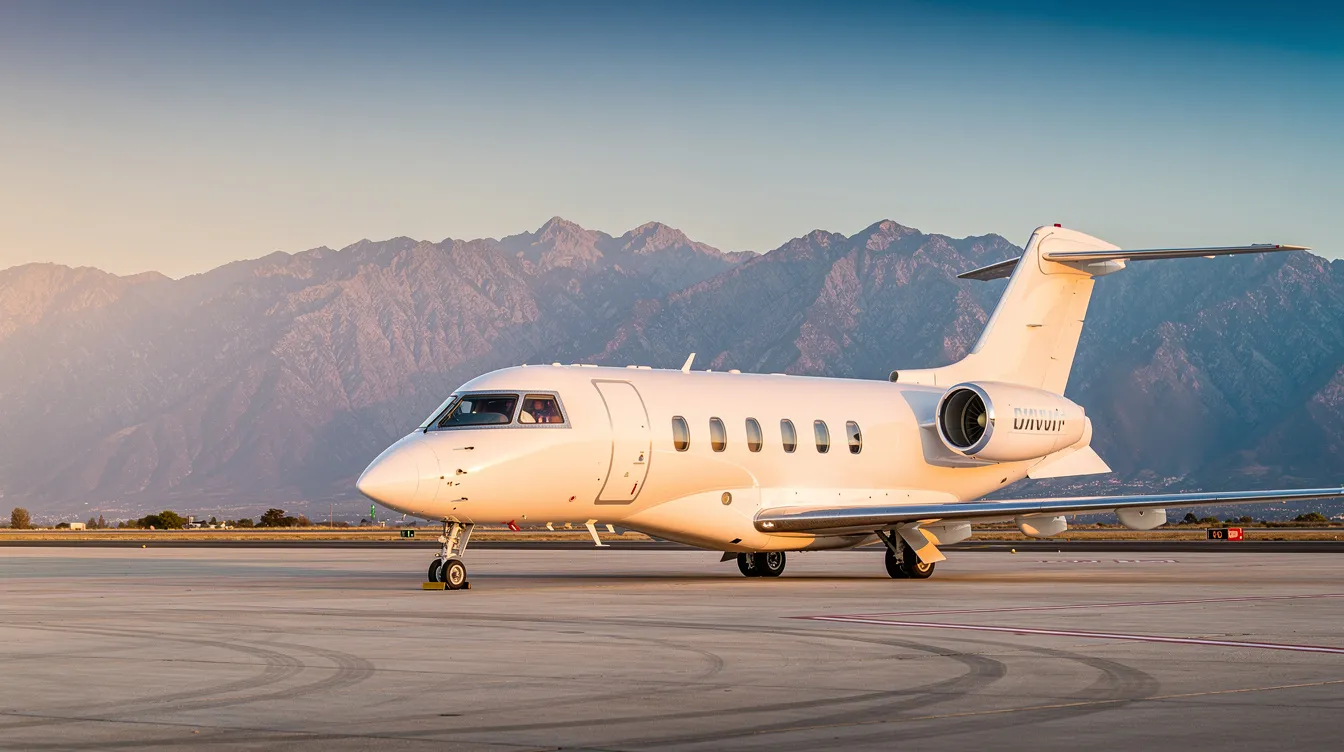
Japan remains one of the most coveted destinations for executives, founders, and luxury travelers crossing the Pacific. Flights from Los Angeles, New York, San Francisco, or London to Tokyo, Osaka, and Sapporo routinely stretch 11 to 14 hours, making cabin choice a strategic decision, not just a comfort preference.
This guide is for executives, founders, and luxury travelers considering first-class or private jet options to Japan. We compare commercial first class, business class, and private jet options, focusing on features, costs, and decision frameworks for 2026. Whether you are planning a high-stakes business trip, a multi-city itinerary, or a luxury leisure journey, this article will help you determine the best way to fly to Japan.
This article breaks down exactly what you get in commercial first class, how it compares to business class and economy class, and why BlackJet's private cabins deliver a class experience that redefines the entire journey.
Why First Class Flights to Japan Are Evolving in 2026
Japan is a high-frequency route for US and European business travelers. Tokyo alone hosts tens of thousands of corporate missions annually, and cities like Osaka, Sapporo, and Fukuoka draw both deal-making executives and luxury leisure travelers year-round. When a flight exceeds 12 hours, the difference between sitting in a cramped economy seat and resting in a private suite isn't trivial—it determines whether you arrive ready to perform or spend your first day recovering.
Traditional first-class flight products on carriers like ANA, JAL, and American Airlines have never been better. ANA's "The Suite" on its B777-300ER features fully enclosed seats with 43-inch 4K monitors, while JAL's new A350-1000 First Class introduces sliding-door suites with immersive speaker systems and convertible bed configurations. Yet even these premium seats come with constraints: fixed schedules, limited departure windows, and shared terminals.
First class flights to Japan can cost $10,000 one-way, and round-trip first class tickets to Japan may reach $20,000 depending on airline, season, and routing. By contrast, a BlackJet Jet Card converts that spend into prepaid hourly access on ultra-long-range aircraft, with rates for heavy and long-range jets often running $11,000–$17,000 per flight hour all-in. For a New York–Tokyo mission, the math shifts when you factor in time savings, schedule flexibility, and the ability to add intra-Japan legs without rebooking, especially once you understand the broader private jet price list and access models.
At-a-Glance Comparison: Commercial First Class vs. BlackJet Private Jet
Factor | Commercial First Class | BlackJet Private Jet |
|---|
One-way cost (US–Tokyo) | $8,000–$12,000 | Jet Card hourly rate × ~11–12 hours |
Schedule | Fixed airline timetable | Depart when you choose |
Terminal experience | First class lounge, shared | Private FBO, drive-up boarding |
Privacy | Suite with a door, shared cabin | The entire aircraft is yours |
Multi-city flexibility | Requires rebooking/connections | Direct to Osaka, Sapporo, Fukuoka |
Carbon offset | Varies by airline | Included on every BlackJet flight |
Whether you track prices for commercial first class or evaluate Jet Card membership, the question isn't just about fares listed—it's about what those fares buy you in time, control, and peace of mind.
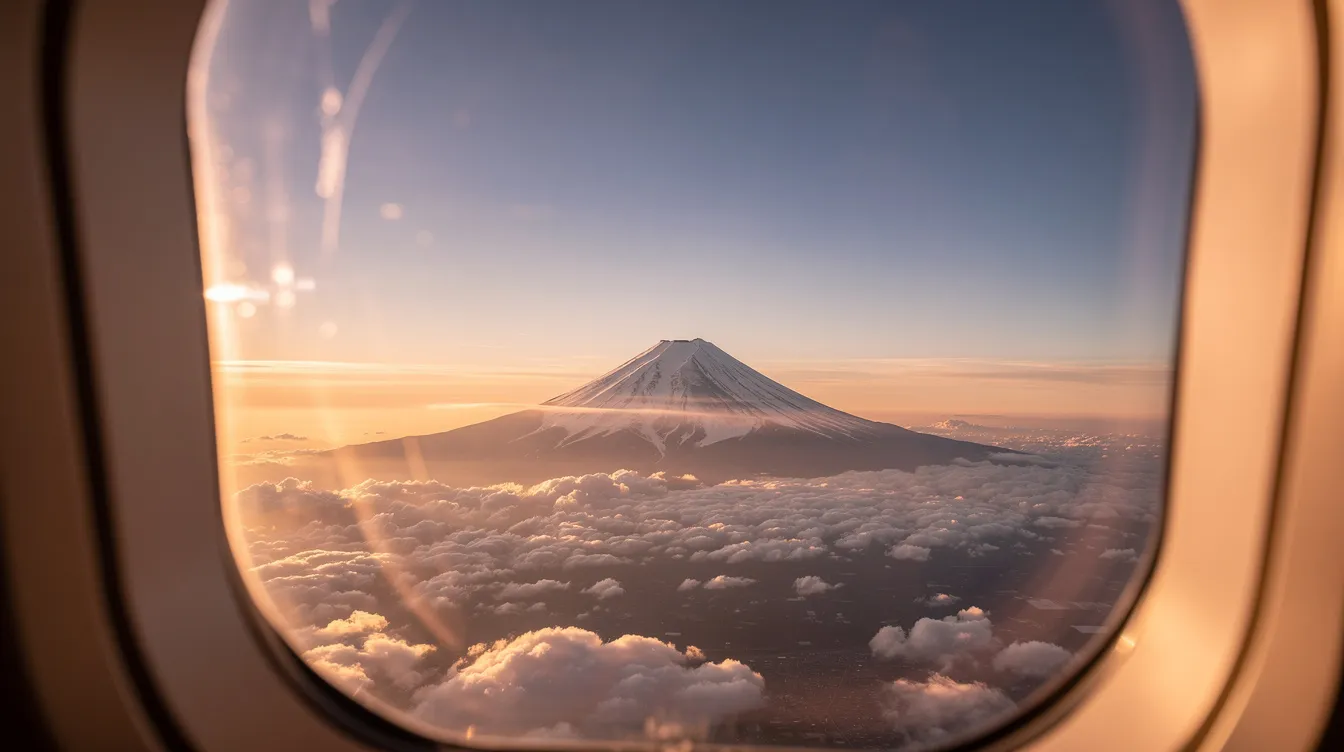
Commercial First Class to Japan: What You Actually Get
A modern first-class ticket on a Japan-bound carrier is, by any measure, an exceptional product. Here's what you're paying for on the leading airlines:
Enclosed Suites and Beds
First-class flights to Japan are available on ANA and JAL, both of which now offer private suites with closed-door designs for enhanced privacy.
ANA's "The Suite" provides lie-flat beds stretching the full width of the seat.
JAL's A350-1000 suites feature sliding doors and dual-mode bed configurations.
First class offers full-width beds so you can catch some sleep comfortably on flights that can last 13–14 hours.
Dining Experience
First-class seating features multicourse fine dining with high-end champagne and caviar, and some carriers mention extras like rare sake pours and regional sweets to underline the premium service.
Meals are crafted by celebrity chefs and paired with top-tier wines, premium sake, and seasonal Japanese ingredients.
Both ANA and Japan Airlines offer a "Book the Cook" feature for pre-ordering meals, ensuring your food preferences are met before departure.
First class offers full-width beds that make it easier to catch sleep on 13–14-hour flights.
Ground Services
Key benefits of first class include exclusive airport lounge access and spacious lie-flat suites.
At Haneda Airport and Narita, the JAL first-class lounge offers made-to-order sushi, a dedicated bar, showers, and private relaxation areas.
The ANA Suite Lounge mirrors that standard.
Exclusive airport lounges offer made-to-order meals and spa services before boarding.
Arriving at the airport 3–4 hours early allows full utilization of these first-class lounge amenities.
Personalized Service
First-class passengers receive personalized service and expedited airport services, including dedicated check-in lines, priority security, and first-to-board sequencing.
Increased baggage limits and dedicated check-in lines.
Onboard, first-class service anticipates passenger needs with close attention—flight attendants address you by name, and turn-down service is standard.
First-class passengers receive turn-down service and pajamas.
Entertainment and Connectivity
Newer aircraft offer enhanced in-flight entertainment and upgraded privacy, with ANA providing 43-inch 4K displays and JAL integrating built-in speaker systems into seat architecture.
Wi-Fi is available on most long-haul Japan flights to stay connected.
Price and Availability
Realistic prices in 2026 place a one-way first-class ticket between US or European hubs and Tokyo at $8,000–$12,000, with round-trip fares ranging from $13,000–$20,000+.
First-class seats on JAL total 6 per flight, and ANA fields just 8.
That scarcity means award space is tight, sale deals are rare, and equipment swaps can downgrade a booked first-class cabin to business-class seats without notice.
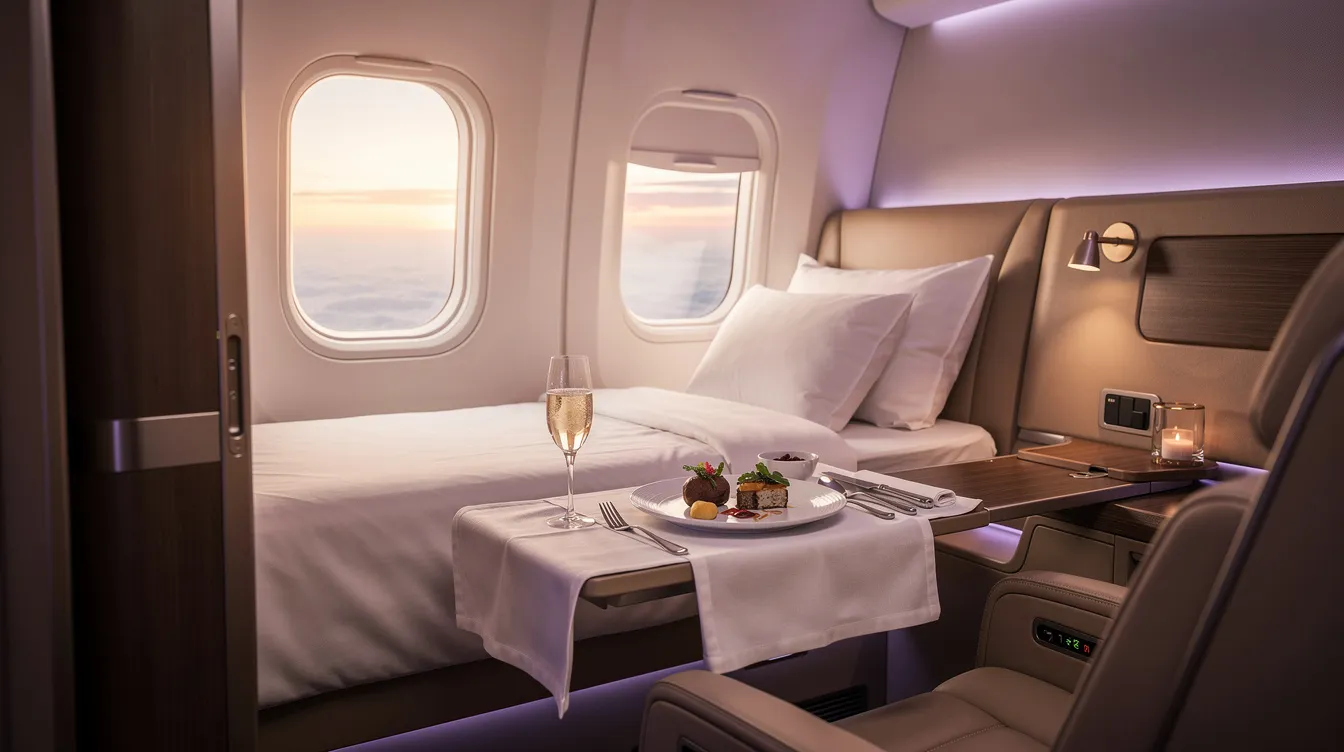
Business Class vs First Class vs Economy Class on Japan Flights
Most passengers booking flights to Japan choose somewhere on the ladder from basic economy to first class. Here's how the tiers compare for a typical US–Tokyo round trip:
Features | Economy Class | Business Class | First Class |
|---|
Seat | 31–32" pitch, standard recline | Lie-flat bed, direct aisle access | Full suite with door, full-width bed |
Dining | Basic meal service | Upgraded multi-course, fine wines | Celebrity chef menus, caviar, and premium sake |
Lounge access | None | Business lounge | First class lounge (e.g., ANA Suite, JAL) |
Round-trip price | $880–$1,300 (low season) | $3,500–$8,000 | $13,000–$20,000+ |
Best for | Budget-conscious travelers | Comfort-seekers balancing cost | Those prioritizing rest, privacy, and prestige |
The economy is sufficient for travelers, watching every dollar—fares from major US hubs like San Francisco (SFO) to Tokyo can sit below $1,000 in shoulder seasons. But sleeping on a 13-hour flight in a 31-inch seat is a subject most passengers would rather avoid talking about.
Business class represents the sweet spot for many: lie-flat business class seats, lounge access, and upgraded food make a meaningful difference, especially on day flights or for travelers who plan to devote more money to hotel stays and experiences in Tokyo, Kyoto, or Hokkaido.
First class earns its premium on overnight returns, back-to-back meeting schedules, or a once-in-a-lifetime trip where the journey itself is part of the destination. However, first-class seats are limited, with only 6 on JAL and 8 on ANA per flight, making availability a constant challenge. Importantly, that scarcity extends to award bookings, where more flights are available in business than in first.
Why Many First-Class Travelers Upgrade to Private Jets for Japan
At BlackJet, we see a clear pattern: executives who once flew commercial first class to Japan increasingly choose private aviation when their travel demands grow more complex. The reasons are practical, not purely aspirational.
The Typical Executive Scenario
A CEO based in Los Angeles needs to visit Tokyo for board meetings, Osaka for a factory tour, and Sapporo for a supplier dinner—all within five days.
Flying commercial first class, she faces a 12-hour LAX–Haneda leg, then domestic connections via Tokyo on Japan Airlines or ANA to Itami (Osaka) and New Chitose (Sapporo), each requiring check-in buffers, possible overnight layovers, and fixed departure windows.
Total transit and wait time across the trip: easily 15–20 hours.
The BlackJet Alternative
Depart from a private terminal at Van Nuys or LAX, board a Gulfstream G650ER, and fly nonstop to Tokyo.
After meetings, a midsize jet repositions her directly to Itami and then Chitose—no hub connections, no commercial terminal congestion.
The return is nonstop to LA.
Door-to-door time savings: 4–8 hours per leg, with total trip transit cut nearly in half.
Key Advantages Over Commercial First Class
Bespoke departure times: No fixed schedule. Choose your departure date and time based on your agenda, not an airline's timetable.
Regional airport access: Fly directly into Itami, Chitose, or Fukuoka without connecting through Tokyo's congested commercial terminals.
Confidential meetings onboard: The entire plane is your space—hold sensitive board discussions, review documents, or simply rest without adjacent passengers.
BlackJet safety standards: Every operator in our network undergoes third-party audits (ARGUS, Wyvern, IS-BAO), with strict pilot hour minimums and maintenance protocols. Learn more about BlackJet's approach to safety.
Sustainability built in: Every BlackJet flight to Japan is carbon neutral via verified offsets at no extra cost to you—a critical detail for travelers whose companies or family offices have ESG commitments.
Predictable costs via Jet Cards: Instead of ad-hoc first-class ticket purchases at fluctuating fares, a 25-hour or 50-hour Jet Card locks in capped hourly rates, converting long-haul flying into a prepaid, plannable asset.
Designing Your Ideal First Class Experience to Japan with BlackJet
While "first class flight" typically refers to a commercial cabin, BlackJet effectively creates a bespoke first class experience—or better—across every phase of the journey.
Aircraft Selection
For nonstop US–Japan service, BlackJet sources ultra-long-range jets with 5,500+ nautical miles of range: the Gulfstream G650ER, Bombardier Global 6000, or Global 7500.
These aircraft seat 12–19 passengers in configurations that can be tailored to your mission—work zones with conference seating, separate rest areas with flat beds, or a family layout with children's space, similar to many of the top 16-seat private jet options favored by larger groups.
Onboard Dining and Beverages
BlackJet passengers specify their preferences: full washoku multi-course meals, Western fine dining, curated sake from specific prefectures, fine wines from Burgundy or Napa, or custom dietary menus.
Food is prepared by caterers selected for each departure city, not mass-produced in a central kitchen, and service is complemented by cruising at higher altitudes than most airlines, as is typical for private jets compared to commercial flights.
Ground Experience
BlackJet passengers use private terminals (FBOs) in New York, Los Angeles, San Francisco, London, and Tokyo-area business aviation facilities.
The experience: drive up, walk in, board. Customs and immigration are handled through general aviation channels, a markedly different process from buying a single seat on a private jet via shared or semi-private services.
Compared to even the best commercial first-class lounge, an FBO offers silence, privacy, and the ability to hold a last-minute meeting in a private room before your plane departs.
Connectivity and Customization
Guaranteed high-bandwidth Wi-Fi suitable for video calls.
Dedicated AV setups if needed.
The ability to cancel or shift your departure with a call to your 24/7 flight support team, supported by BlackJet's broader ecosystem of premium private jet cards and membership programs.
This level of flexibility simply doesn't exist in commercial aviation, where a schedule change means rebooking, fees, and uncertainty.
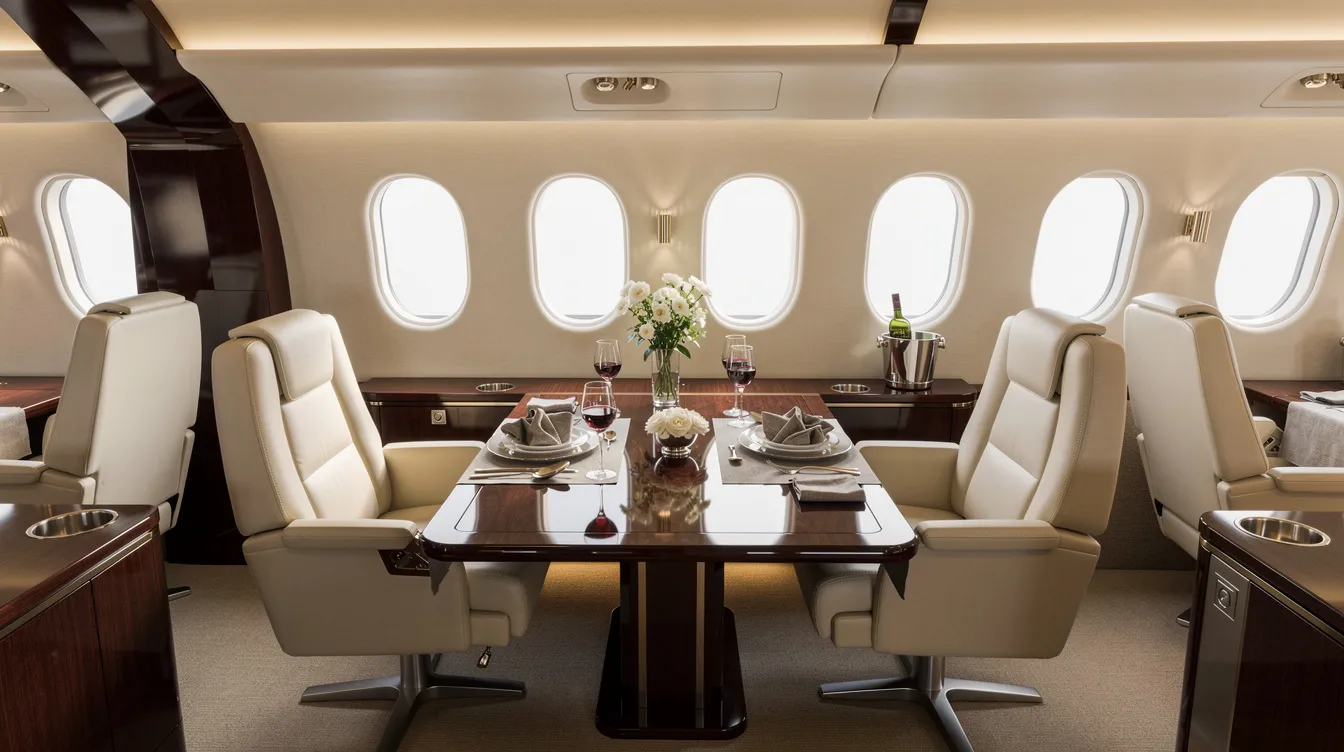
Costs, Miles, and When to Choose Each Option
Here's a grounded decision framework for your next Japan trip:
Commercial Class Flight Pricing in 2026
Economy: under $1,000 round trip in low season from most US hubs
Business class: $3,500–$8,000 round trip, while travelers exploring private aviation can also look at the cheapest private jet options, such as very light jets and turboprops for regional missions
First class: $13,000–$20,000+ round trip; first class flights can cost over $10,000 one-way—a benchmark many executives compare directly with jet card cost per hour when evaluating private options
Award Ticket Strategies
Earning 80,000 AAdvantage miles can secure a first-class ticket on Japan Airlines from the US, but frequent travelers often find that a 100-hour Jet Card cost framework offers more predictable access than chasing award space.
First class to Japan costs as few as 80,000 AAdvantage miles on the right booking.
ANA's minimum miles for first class is 90,000 Flying Club miles, while flying ANA first class can cost up to 220,000 MileagePlus miles via United's partner chart.
First class flights often require more miles than business class, and first class award availability is limited compared to business class—with JAL offering only 6 premium seats per flight, saver space is rarely open on popular dates.
Compared with paying cash for the same seat, the value of a mileage redemption can swing sharply by route and travel date.
BlackJet Jet Cards as a Financial Framework
A Jet Card isn't a ticket price—it's an hourly rate across aircraft categories.
A 25-hour jet card in the heavy category at $12,000–$15,000 per hour covers approximately one full US–Tokyo round trip (~22–24 flight hours) plus two intra-Japan segments.
For travelers making two or more Pacific crossings per year, understanding jet card costs and how a 50-hour jet card is priced reveals that the per-trip value improves significantly compared with ad-hoc charter.
When to Choose Each Option
Commercial first class: Ideal for a single annual trip, especially if paid with miles or as a special-occasion splurge.
Business class: The most balanced choice for travelers who want comfort without the top-tier price, particularly on day flights.
BlackJet Jet Card: The rational choice for executives or families making two or more Asia trips per year, multi-city Japan itineraries, or missions where schedule control and privacy are non-negotiable, particularly once you understand jet card pricing structures and benefits.
Risk Management
Private aviation serves as a contingency when labor actions, weather disruptions, or overbooking affect commercial flights.
If your airline decides to cancel or swap equipment on your first-class booking, you're left scrambling.
A Jet Card gives you a fallback that operates on your terms, and the best jet cards for frequent flyers emphasize this guarantee of availability and cost transparency.
BlackJet Jet Card: Your Alternative to Commercial First Class to Japan
BlackJet's Jet Card programs are built for travelers who need more flights across the Pacific without the unpredictability of charter shopping or the constraints of airline schedules.
How It Works
Choose a 25-hour or 50-hour block across your preferred aircraft category (super-mid, heavy, or ultra-long-range).
Capped hourly rates with no hidden fees—fuel, taxes, and segment fees are included, mirroring the structure of the BlackJet 25+ Hour Jet Card program.
Guaranteed access to vetted aircraft and crews, with 24/7 flight support before and during your journey, including access to the best long-range private jets capable of nonstop US–Japan missions.
Book via BlackJet's mobile platform: view aircraft profiles, request schedule changes, coordinate ground transport, and hotel arrivals in Tokyo, Kyoto, or Hokkaido.
Safety and Sustainability
Every operator in the BlackJet network meets or exceeds third-party safety ratings (ARGUS Platinum, Wyvern Wingman, IS-BAO).
Pilot hour minimums and maintenance standards match or surpass commercial carrier oversight, comparable to the stringent requirements outlined in NetJets jet card programs.
Every flight—including 12-hour transpacific crossings—is carbon neutral through verified offset programs at no additional cost to customers, whether you're booking a midsize jet or the best private jet for 15 passengers for larger groups.
Member Case Study
While this example focuses on a small group, BlackJet also structures solutions using private jets for around 30 passengers when corporate or event-related travel requires moving a larger team together.
One BlackJet client, a tech founder who previously purchased annual first-class tickets on American Airlines and Japan Airlines for two US–Tokyo circuits plus domestic Japan connections, was spending roughly $35,000 per year in commercial first class.
After transitioning to a 25-hour Jet Card in the heavy category, the founder now covers the same missions with greater schedule flexibility, zero layover waste, and the ability to book last-minute intra-Japan legs.
The premium is real—but so is the return in hours saved, meetings kept, and the ability to arrive rested rather than depleted, especially when deploying private jets suitable for 20 passengers on executive or family missions.
FAQs About First Class Flights to Japan and Private Jet Alternatives
How much does a first-class flight to Japan cost in 2026?
A one-way first-class ticket from the US to Tokyo typically runs $8,000–$12,000, while round-trip fares reach $13,000–$20,000+, depending on airline, season, and routing. Today, search flights on ANA or JAL to see current fares listed for your preferred date and city.
Is business class enough for a 13-hour flight to Tokyo?
For many travelers, yes. Business class seats offer lie-flat beds and direct aisle access, which is sufficient for sleeping on overnight flights. However, first class provides more space, a higher service ratio, and elevated dining—a great experience if you need to arrive fully rested for meetings the next morning.
How many miles do I need for first class to Japan on a major airline?
On American Airlines (flying JAL), you can book for as few as 80,000 AAdvantage miles one-way. ANA requires a minimum of 90,000 Flying Club miles, while United MileagePlus charges up to 220,000 miles for ANA first class. Award availability is extremely limited, given only 6–8 premium seats per flight.
Yes. Using ultra-long-range aircraft like the Gulfstream G650ER or Bombardier Global 7500, BlackJet can arrange nonstop private flights from Los Angeles, New York, or San Francisco to Tokyo (~11–12 hours westbound). Overflight permits and customs coordination are handled by our operations team.
How long is the flight from Los Angeles or New York to Tokyo on a private jet?
LAX to Haneda is approximately 11–12 hours on an ultra-long-range jet. JFK to Haneda runs closer to 13–14 hours due to routing and headwinds. These times are comparable to commercial schedules, but you save 2–4 hours on each end by bypassing commercial terminals.
Is flying private to Japan more sustainable than commercial?
Per-passenger emissions on a private jet are higher than on a full commercial aircraft. However, BlackJet offsets 100% of emissions on every flight through verified carbon programs at no extra cost, making each journey carbon neutral. For travelers and family offices with ESG mandates, this is a meaningful distinction.
Can I combine commercial business class with a private intra-Japan charter?
Absolutely. Some BlackJet members fly commercial business class or first class for the transpacific leg, then use their Jet Card hours for intra-Japan segments—Tokyo to Osaka, Sapporo, or Fukuoka—where commercial connections waste the most time. Discover how to structure a Jet Card for business travel that blends both approaches.
How to Plan Your Next Japan Trip with BlackJet
Commercial first class to Japan is a strong product—and for many travelers, it's the right choice. But for those whose schedules, privacy requirements, or multi-city itineraries demand more, BlackJet offers a strategic advantage that no airline suite can match.
Three Steps to Get Started
Define your route and timing.
Map your Japan mission: New York–Tokyo, Los Angeles–Osaka, domestic legs to Sapporo or Fukuoka. Identify how many trips per year you'll make.
Choose your aircraft category.
Work with a BlackJet advisor to select large-cabin or ultra-long-range jets based on passenger count, range requirements, and cabin preferences.
Align Jet Card hours with your annual travel volume.
A 25-hour or 50-hour card covers multiple Pacific crossings and intra-Japan segments, giving you a predictable cost structure and guaranteed access.
Japan's significance as a business and leisure destination continues to grow. How you get there—and how effectively you move within the country—should evolve alongside it. Explore BlackJet Jet Card membership and request a tailored Japan flight plan that matches your ambitions to your itinerary.
Conclusion: Elevate Your Japan Travel Experience with BlackJet
Choosing how to fly first class to Japan in 2026 means balancing cost, comfort, and control. While commercial first-class cabins on ANA and JAL offer exceptional luxury and refined service, they come with fixed schedules, limited availability, and shared spaces. For executives, founders, and discerning travelers with complex itineraries or frequent Pacific crossings, BlackJet’s private jet solutions deliver unparalleled flexibility, privacy, and time savings.
With BlackJet’s Jet Card programs, you gain access to a curated fleet of ultra-long-range jets, bespoke onboard dining, and seamless ground experiences—all backed by rigorous safety standards and carbon-neutral commitments. Whether you’re flying nonstop from New York to Tokyo or connecting directly to regional airports like Osaka and Sapporo, BlackJet transforms your journey into a strategic asset rather than just a flight.
Elevate your next trip to Japan by exploring how private jet access can redefine your travel expectations. Discover how BlackJet’s premier service and tailored solutions can help you arrive rested, focused, and ready to succeed.


 Sign up with google
 Sign up with Apple