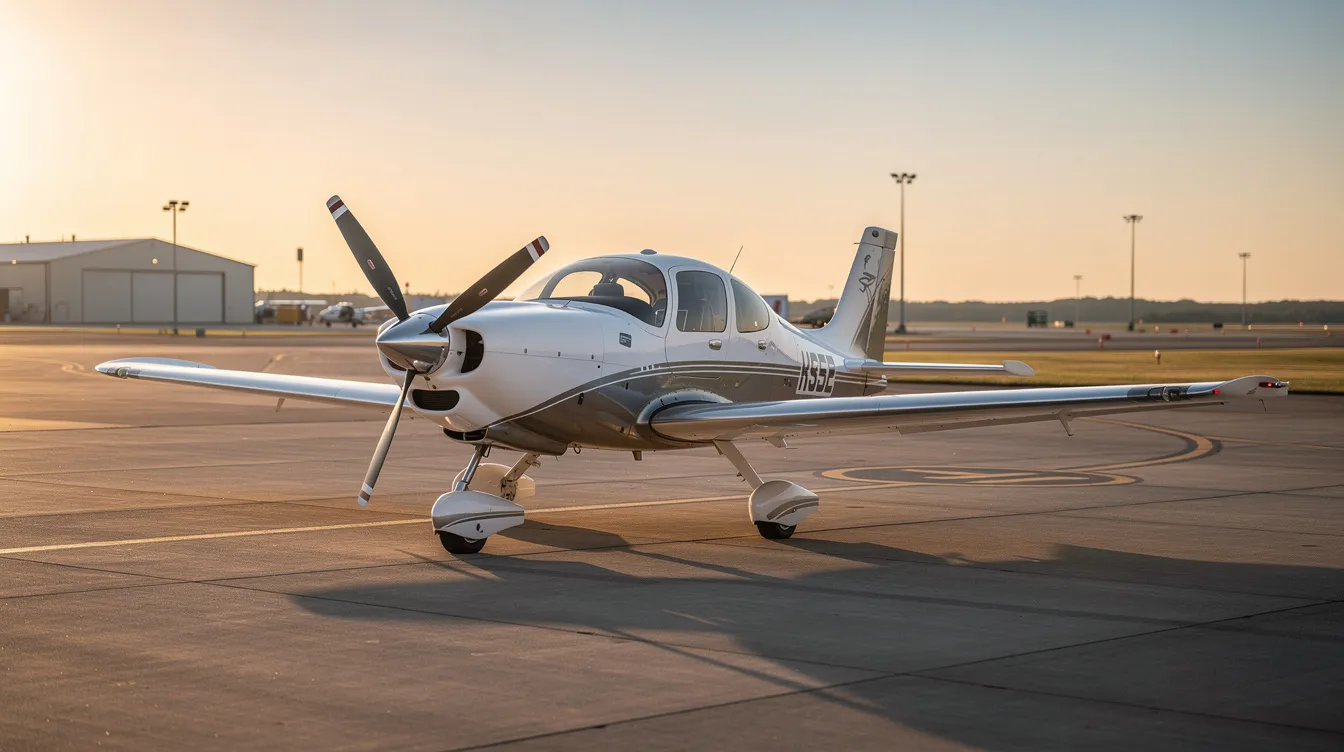
Private aviation is not simply a luxury purchase; for executives, founders, and discerning travelers, it is a strategic advantage. The fastest personal plane is the one that protects the calendar: fewer connections, shorter ground time, better privacy, and more control over when and where flight happens.
Why “Fastest Personal Plane” Matters for Serious Travelers
For serious travelers, speed matters because time saved in aviation becomes time reclaimed on the ground. A leader flying from New York to Miami might spend five to six hours door-to-door on a commercial first class once security, boarding, taxi time, and baggage are counted. A fast private jet can reduce that journey to roughly three hours of air time plus a short private-terminal arrival.
“Fastest” can mean several things: the fastest personal jet, the fastest single-engine aircraft, or the fastest piston aircraft practical for owner pilots. The fastest personal planes today include ultra-long-range private business jets, high-performance turboprops, and advanced piston aircraft with maximum cruise speeds from 278 mph to over 700 mph.
A useful benchmark is simple: fast single-engine planes often exceed 200 KTAS, modern business jets cruise around 575–600 mph, and near-Mach flagships reach Mach 0.925–0.94. Some readers are comparing a high-performance aircraft for family trips; many BlackJet clients want access to the fastest aircraft through Jet Cards rather than the cost and responsibility of ownership.
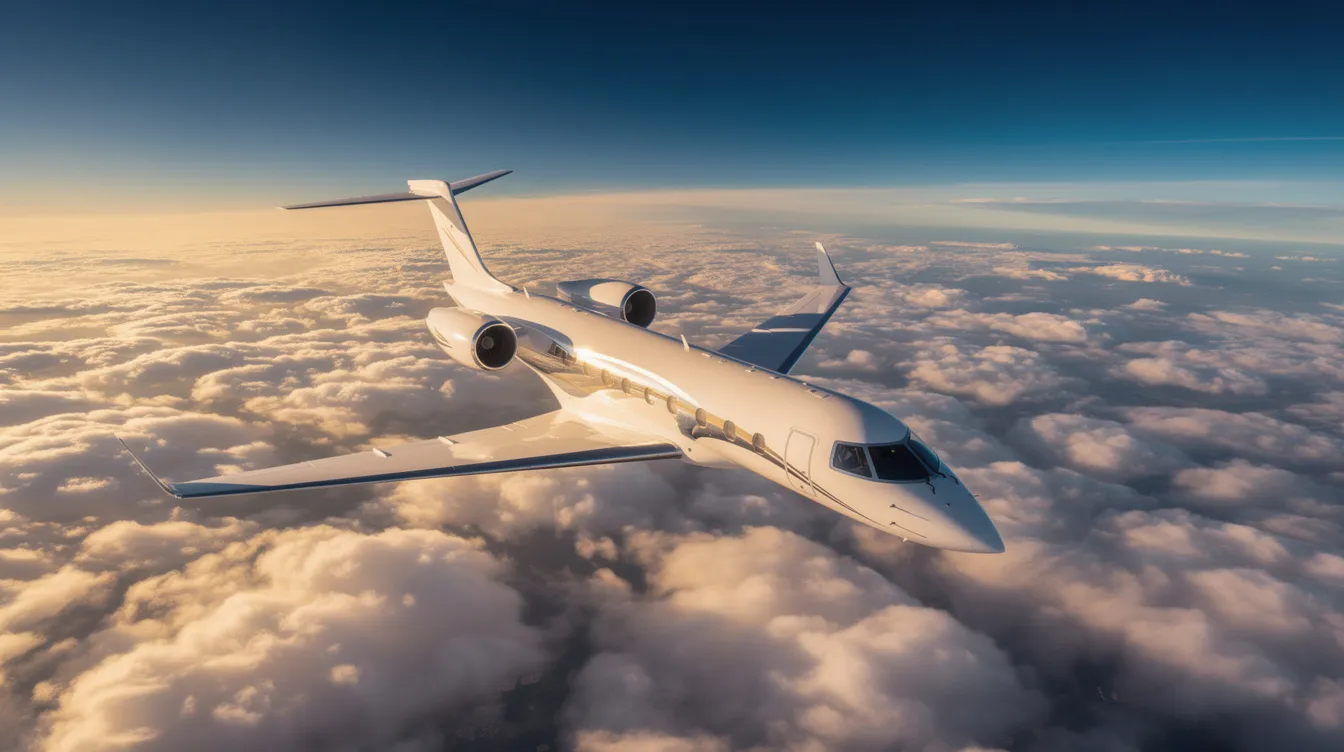
How “Fast” Is Defined in Personal Aviation
Cruise speed is typically expressed in knots true airspeed (KTAS) and reflects how fast the aircraft travels at altitude under standard atmospheric conditions. Jets are often measured by Mach number, while real travelers care about block time: door-to-door or gate-to-gate.
Key terms:
cruise speed: normal operating speed at altitude.
true airspeed: actual speed through the air mass.
top speed or maximum cruise speed: the highest certified or advertised cruise figure.
Mach: speed relative to sound, common for high-performance business jets.
High-performance aircraft are not flown at maximum thrust all the time. Fuel burn, maintenance, cabin comfort, weather, air traffic, and range all matter. Range determines how far an aircraft can travel without refueling and is influenced by several interconnected variables, including speed and fuel efficiency.
Modern personal aircraft achieve rapid velocities through aerodynamic breakthroughs, lightweight materials, and advanced power management. Engine power is a critical factor in determining the speed of an aircraft, as a stronger engine provides the necessary thrust to overcome drag and propel the aircraft forward. Aerodynamics plays a significant role in aircraft speed; smoother shapes reduce drag, allowing the aircraft to fly faster and more efficiently.
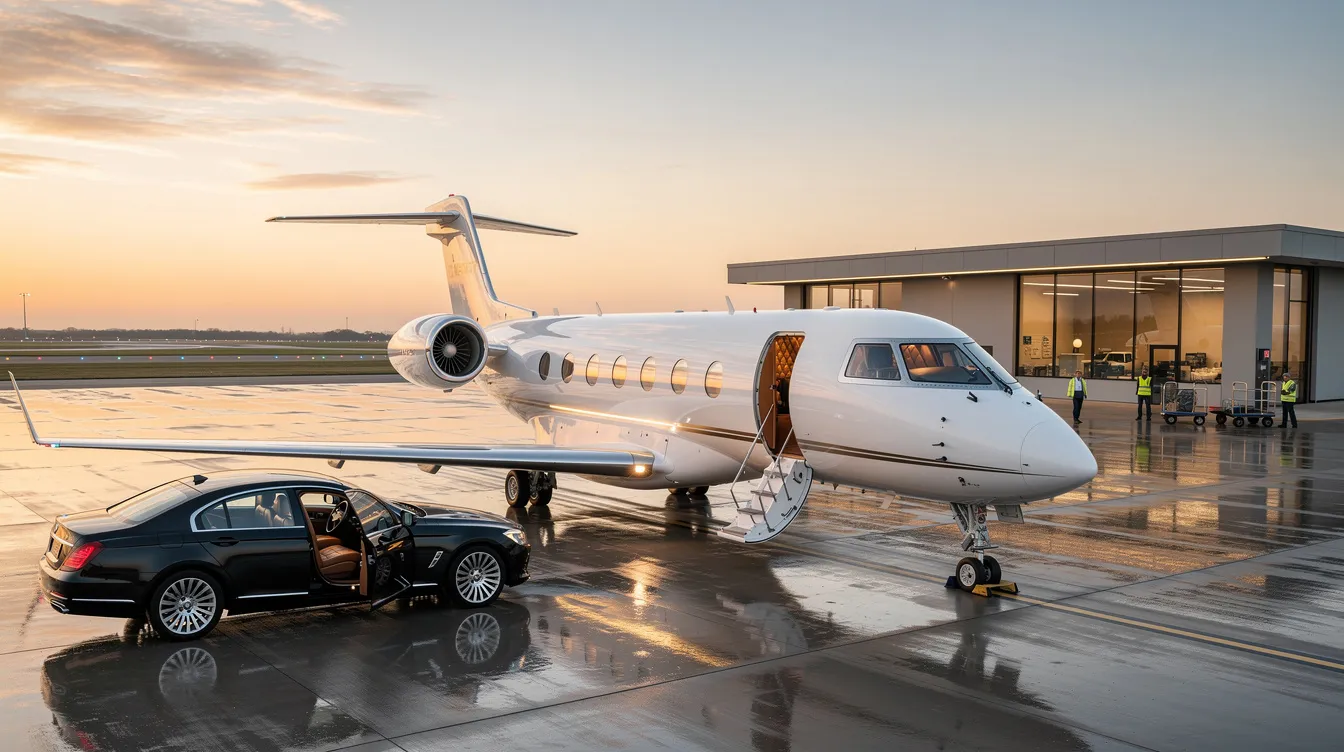
Fastest Personal Jets in 2024–2025 (Owner & Jet Card Perspective)
For most BlackJet members, the fastest personal plane is a long-range or ultra-long-range jet booked on demand, not a race plane, and it sits within a broader private jet price list of categories and options. Modern private jets routinely cruise around Mach 0.78–0.81, while select flagships push near Mach 0.94 when business travel demands it.
Cabin class changes the mission. A light jet may suit short hops; a super-midsize jet covers transcontinental routes; an ultra-long-range aircraft connects global capitals, and many executives are simultaneously evaluating what a 12-seater private jet costs to own or charter. BlackJet’s 25+ Hour Jet Card programs provide private jet access across these categories.
Standout fast jets include:
Bombardier Global 8000: Mach 0.94 top speed, about 8,000 nm range, currently the fastest private jet in service according to Bombardier.
Gulfstream G700: Mach 0.935 maximum, Mach 0.90 high-speed cruise, about 7,750 nm range; a common target class for premium long-range sourcing.
Gulfstream G800: certified in 2025, Mach 0.935 class performance and about 8,000+ nm range; ideal for nonstop international itineraries.
Dassault Falcon 6X: Mach 0.90 maximum, about 5,500 nm range, with impressive fuel efficiency and a wide cabin.
Bombardier Global 7500: Mach 0.925 capability, 7,700 nm range, a formidable contender for global missions.
BlackJet typically sources comparable high-speed, long-range aircraft through its vetted operator network when schedule, passengers, range, and runway capability require it.
Bombardier Global 8000 – Fastest Private Jet in Service
The Bombardier Global 8000 reaches Mach 0.94, cruises near Mach 0.92 at high speed, and offers about 8,000 nautical miles of range, or roughly 9,206 miles / 14,816 km. Its GE Passport engines and Smooth Flĕx Wing help sustain speed without turning every mission into a fuel penalty.
The aerodynamic design matters. High-speed jets often use swept-wing configurations to delay shockwave onset as they approach supersonic speeds. On a New York–Hong Kong mission, a Global 8000-class aircraft may save 30–60 minutes versus a standard long-range jet, depending on winds and routing.
The cabin includes four living zones, low cabin altitude, advanced noise insulation, and cutting-edge technology. BlackJet clients needing the fastest possible intercontinental time can request Global 8000–class access through bespoke on-demand solutions.
Gulfstream G700 & G800 – Near-Mach Flagships
The Gulfstream G700 reaches Mach 0.935, typically cruises around Mach 0.90, and offers about 7,750 nm of range, according to Gulfstream. The G800 is in the same near-Mach class, with roughly 8,000 nm range and long-range cruise efficiency.
These two aircraft have achieved speeds and world records because they are built to cruise comfortably near Mach 0.90. London–Los Angeles at Mach 0.90 can save roughly an hour or more compared with Mach 0.82, depending on winds.
For BlackJet clients moving between New York, London, Dubai, Riyadh, Singapore, or Los Angeles, these jets align with itineraries where every hour on the ground matters.
Super-Midsize and Long-Range Jets: Where Most “Fast” Personal Travel Happens
Headliners attract attention, but most fast personal flights occur in super-midsize and long-range jets such as the Cessna Citation Longitude, Gulfstream G500/G600, and Bombardier Global 6500/7500—aircraft that also feature prominently among the largest private jets for sale. These aircraft often cruise Mach 0.82–0.90 with ranges from about 3,500 to 7,700 nm.
The Cessna Citation Longitude offers a max Mach near 0.92 and about 3,500 nm range, suited to nonstop New York–Los Angeles or London–Dubai-style missions. In this class, the aircraft offers meaningful speed, cabin comfort, and lower cost than ultra-long-range flagships.
BlackJet Jet Card members often use these aircraft for transcontinental and short transatlantic routes, where near-Mach cruise converts directly into fewer hotel nights, faster meetings, and better operational flexibility, similar to the advantages highlighted when evaluating the best long-range private jets for sale or top private jets for sale under 10 million.
Fastest Personal Jets and High-Performance Aircraft Comparison Table
Aircraft Model | Max Cruise Speed | Range (nm) | Cabin Class | Engine Type | Typical Use Case |
|---|
Bombardier Global 8000 | Mach 0.94 (approx. 717 mph) | 8,000 | Ultra Long Range | GE Passport Turbofan | Ultra-long international missions |
Gulfstream G700 | Mach 0.935 (approx. 710 mph) | 7,750 | Ultra Long Range | Rolls-Royce Turbofan | Premium long-range business travel |
Gulfstream G800 | Mach 0.935 (approx. 710 mph) | 8,000+ | Ultra Long Range | Rolls-Royce Turbofan | Nonstop global business travel |
Dassault Falcon 6X | Mach 0.90 (approx. 690 mph) | 5,500 | Long Range | Pratt & Whitney Turbofan | Efficient long-range with a wide cabin |
Bombardier Global 7500 | Mach 0.925 (approx. 700 mph) | 7,700 | Ultra Long Range | GE Passport Turbofan | Global missions with luxury comfort |
Cessna Citation Longitude | Mach 0.92 (approx. 705 mph) | 3,500 | Super-Midsize | Pratt & Whitney Turbofan | Transcontinental and short overseas |
Mooney M20V Acclaim Ultra | 242 KTAS (approx. 278 mph) | 1,000–1,050 | High-Performance Piston | Turbocharged Continental | Owner-flown piston aircraft |
Cessna TTx | 235 KTAS (approx. 270 mph) | 1,200–1,250 | High-Performance Piston | Turbocharged Continental | Composite speedster for owner pilots |
Cirrus SR22T | 213 KTAS (approx. 245 mph) | ~1,000 | High-Performance Piston | Turbocharged Continental | Balanced speed, safety, and comfort |
Piper M350 | 213 KTAS (approx. 245 mph) | 1,300–1,350 | Pressurized Piston | Lycoming Turbocharged | Luxury and performance balance |
Fastest Single-Engine Personal Planes: High-Performance Piston Aircraft
Owner-pilots often ask about the fastest single-engine aircraft they can realistically fly themselves, or compare them with the best small private aircraft for different missions versus the most affordable planes on the market. In general aviation, high-performance piston singles cruise around 200–240 KTAS without a jet engine.
The Mooney Acclaim Ultra, Cessna TTx, Cirrus SR22T, Piper M350, and Beechcraft Bonanza G36 are respected general aviation aircraft. They use piston engines, modern avionics, retractable gear in some models, turbocharged engine designs, and efficient aerodynamics to balance speed, load, and reliability.
Fast aircraft significantly reduce travel time, allowing pilots to reach distant destinations more efficiently, which is particularly beneficial for business travel. The ability to fly faster enables pilots to avoid adverse weather conditions by reaching smoother altitudes more quickly, enhancing safety and comfort during flights. Fast aircraft provide greater operational flexibility, allowing pilots to complete multiple trips in a single day, while travelers focused on budget may instead compare the cheapest private jet and other affordable options with broader guides to the cheapest private aircraft.
Mooney M20V Acclaim Ultra – Fastest Production Piston Personal Plane
The Mooney Acclaim Ultra is recognized as the fastest production piston aircraft, achieving a top speed of 242 knots. The acclaimed ultra cruises around 242 KTAS, offers roughly 1,000–1,050 nm range, and uses a turbocharged Continental TSIO-550-G engine with about 280 hp.
Twin turbochargers in piston aircraft help maintain engine power at high altitudes up to 25,000 feet, where drag is lower. With full fuel, the mission profile is often two to three passengers plus bags between cities like Dallas–Denver or Paris–Palma.
On an 800 nm trip, the Acclaim Ultra is quick for a single-engine aircraft, but a super-midsize jet still arrives sooner, higher, quieter, and with professional pilots handling weather, fatigue, and scheduling.
Cessna TTx – Composite Speedster Competing with the SR22T
The Cessna TTX cruises near 235 KTAS, has about 1,200–1,250 nm range, and is powered by a turbocharged Continental TSIO-550-C engine. Its lineage runs from Lancair Columbia 400 to Cessna Corvalis to Cessna TTx before production ended.
Despite being out of production, the model remains prized because its composite airframe, advanced avionics, and speed give experienced owner-pilots 200+ KTAS capability at personal-aircraft operating cost.
Versus the Cirrus SR22 T, the TTx is a touch quicker; Cirrus counters with broader support and the Cirrus Airframe Parachute System. These two aircraft show how speed and safety philosophy can differ within the same class.
Cirrus SR22T & Piper M350 – Balancing Speed, Comfort, and Safety
The Cirrus SR22T Turbo has a top speed of approximately 213 knots, making it one of the fastest single-engine piston aircraft available. It pairs Garmin Perspective+ avionics with the Cirrus Airframe Parachute System as a safety differentiator.
The Piper M350 has a top speed of around 213 knots, combining luxury and high performance in a single-engine aircraft. Its pressurized cabin, Lycoming TIO-540 engine, and range up to about 1,300–1,350 nm create a comfortable bridge between piston aircraft and turbine options, while buyers with tighter budgets might instead focus on the best, cheapest planes for entry-level ownership.
The Beechcraft Bonanza G36 has a top speed of approximately 176 knots, making it a respected option in the single-engine category. For many BlackJet clients, however, delegating flying to professional crews in faster turbine aircraft is preferable to operating complex single-engine planes.
Propeller vs Jet: Why Private Jets Are Still the Fastest Personal Option
A propeller has physical limits. Pusher propeller configurations decrease skin-friction drag by keeping air flowing over the wings undisturbed and laminar, but prop aircraft still struggle near transonic speed.
The Daher TBM 960 hits 330 knots (approx. 380 mph), combining jet-like velocities with automated engine handling features. Its turboprop engine uses Full Authority Digital Engine Control (FADEC), and FADEC optimizes performance by continuously adjusting fuel-to-air ratios and propeller pitch.
The Piaggio P.180 Avanti EVO is the fastest production propeller-driven civil aircraft, with a maximum cruise speed of 402 knots (approx. 463 mph). Turboprops can be fuel efficient and use less fuel on 300–600 nm sectors, and many budget-conscious pilots instead look to cheap light aircraft for flying adventures, but long-range jets at 450–600 knots remain faster.
Turboprops and business jets utilize high-bypass turbine engines to operate effectively at upper flight levels, reaching up to 51,000 feet. For BlackJet travelers prioritizing comfort, productivity, and predictable arrival, a jet engine–powered aircraft remains the fastest personal travel solution, especially when paired with insights from the world’s top 10 best private jets and the most expensive private jet options for luxury travel.
Beyond Top Speed: Performance Metrics That Actually Matter
Cruise speed alone does not define the best plane. The weight of the aircraft affects its speed; a lighter airframe can achieve higher speeds due to reduced drag and increased efficiency. Range, useful load, climb, and runway performance decide real-world performance, and future-focused comparisons of the best and most advanced aircraft of 2026 and the best features of a 20-million-dollar private jet show how these metrics continue to evolve.
Useful load defines how much weight the aircraft can carry beyond its empty weight, including passengers, baggage, and fuel, impacting real-world practicality. A faster aircraft with a poor useful load may lose its advantage after fuel stops, particularly when you compare configurations across 10-million-dollar private jet options.
Climb matters because high altitudes reduce drag and smooth weather. Business jets with powerful engines, turbine efficiency, and advanced flight planning reach efficient cruise levels quickly, while owner-flown piston aircraft must balance oxygen, weather, engine limits, and pilot workload—factors that feature prominently in billionaire private jet price trends and fleet choices.
Fast Personal Plane vs Fast Private Jet Access: Ownership or Jet Card?
Buying a high-performance single-engine plane, such as an SR22T, Acclaim Ultra, or Cessna TT, can cost roughly $400,000 to $1.2M before hangar, insurance, maintenance, training, upgrades, and depreciation, while stepping up to a 5-million-dollar private jet introduces a very different ownership and operating profile. Ownership also means personal responsibility for weather decisions and safety margins.
BlackJet’s Jet Card approach is different: prepaid 25-hour jet card access or 50-hour access across multiple cabin types, from light jet missions to long-range jet flights over 3,000 nm, with predictable pricing similar to what you’d evaluate in an in-depth jet card cost guide. Carbon-neutral flights, vetted operators, and stringent private aviation safety standards are built into the model.
A client might own a piston aircraft for weekend flying, then use BlackJet with a 50-hour jet card program for New York–Los Angeles, London–Riyadh, or urgent cross-border business missions. Fractional ownership is another path, but Jet Cards preserve flexibility without tying the traveler to one aircraft, especially for frequent flyers considering whether the jet card cost per hour and a 100-hour jet card cost structure match their usage.
Safety, Technology, and Sustainability at High Speed
Higher cruise speeds increase the importance of safety, technology, and environmental responsibility. BlackJet emphasizes third-party operator standards, experienced crews, disciplined procedures, and aircraft matched to the mission, all core to its premium private jet card and charter services, as well as options for buying just a seat on a private jet.
Technology matters in flight and before departure. Advanced flight management, real-time weather, digital booking, live support, and cabin connectivity let passengers keep working while flying fast, reaching nearly 600 mph—capabilities that define many 15 million dollar private jet configurations.
Sustainability matters as well. BlackJet ensures every journey is carbon neutral through verified offsets, and where available, sustainable aviation fuel supports lower-emission operations, whether a client is chartering, leasing, or purchasing via a comprehensive private jet leasing solution. The next leap in aviation will combine speed, efficiency, SAF, aerodynamics, and smarter powerplants rather than simply chasing higher top speed.
FAQs: Fastest Personal Planes and Private Jet Speed
What is currently the fastest private jet I can realistically charter?
The Bombardier Global 8000 is the benchmark at Mach 0.94. Availability depends on fleet location, mission profile, and premium sourcing, but BlackJet can arrange comparable ultra-long-range access when speed is the priority.
How fast do most private jets actually fly in cruise?
Most private jets cruise around Mach 0.78–0.85, or about 575–600 mph, depending on altitude and wind. Crews choose Mach 0.90+ when the time saved justifies higher fuel burn.
What is the fastest single-engine piston aircraft in regular production?
The Mooney M20V Acclaim Ultra is the leading production single-engine piston aircraft, with a top speed of about 242 knots. It is fast, efficient, and demanding enough to reward experienced pilots.
How does a Cirrus SR22T compare with a light jet?
A Cirrus SR22T cruises around 213 knots, while many light jets cruise roughly twice as fast. The jet also flies higher, handles more weather, and carries passengers in a quieter cabin.
Does flying faster always cost more?
Usually, yes. More speed increases fuel burn and maintenance demands, though saved time may outweigh cost for business travel. Piston, turboprop, and jet missions each have different efficiency curves.
How does BlackJet select aircraft when I prioritize speed?
BlackJet evaluates route, weather, runway limits, passenger count, baggage, range, cabin needs, and aircraft availability, similar to the strategic criteria used when comparing the best jet cards for frequent flyers. The goal is not simply the highest brochure number, but the fastest, safest, and most practical solution.
Elevate Your Access to the Fastest Personal Jets with BlackJet
The fastest personal plane may be a Mooney Acclaim Ultra, a Daher TBM 960, a Piaggio Avanti EVO, or a near-Mach Global 8000. The right answer depends on whether you value hands-on flying, family trips, business travel, or effortless global access.
BlackJet gives members access without the complexity of ownership: rigorous safety vetting, digital booking, real-time support, and carbon-neutral flight by default. For image source ideas and more posts on premium aviation, our perspective remains the same: speed is valuable only when paired with reliability, comfort, and control— the hallmark of true high-performance private aviation. For pilots and travelers alike, choosing the fastest personal plane or jet is about more than numbers; it’s about seamless integration of speed, safety, and sophistication. Explore our curated insights and discover how BlackJet can redefine your journey with access to the world’s fastest aircraft, powered by cutting-edge technology and unmatched operational excellence.
For more insights, see our other posts on high-performance aircraft, the newest private jets redefining innovation and luxury, comprehensive jet card pricing guides, comparisons of top private jet companies for luxury travel, detailed looks at NetJets jet card costs and Flexjet jet card options, large-group solutions like the best private jet for 20 passengers and the best private jet for 50 passengers, and ownership opportunities such as premium UK private jets for sale or even a private jet Airbus A380 experience, alongside private jet charter and sustainable aviation solutions.
Conclusion: Speed Meets Strategic Advantage in Private Aviation
Choosing the fastest personal plane is more than a quest for top speed—it’s a strategic decision that enhances every aspect of travel. Whether piloting a high-performance piston aircraft like the Mooney Acclaim Ultra or accessing ultra-long-range jets such as the Bombardier Global 8000 through BlackJet’s Jet Card programs, speed translates into valuable time savings, greater flexibility, and elevated safety.
BlackJet’s commitment to rigorous safety standards, cutting-edge technology, and carbon-neutral operations ensures that fast travel does not come at the expense of responsibility or comfort. For the discerning traveler, the fastest personal plane is the one that delivers seamless, efficient, and sustainable journeys—empowering you to stay ahead in business and life.
Elevate your travel experience with BlackJet’s exclusive access to the world’s fastest aircraft, where speed meets sophistication and every flight is tailored to your mission. Discover how strategic speed unlocks new possibilities, making private aviation an indispensable asset for today’s high-net-worth and corporate travelers.


 Sign up with google
 Sign up with Apple